12 String Guitar: Complete Beginner's Guide
Everything you need to know about 12 string guitars. Learn how they work, how to tune them, whether they're hard to play, and find the best 12 string guitar for your budget.
The 12 string guitar produces one of the most captivating sounds in music—a rich, shimmering tone that's unmistakable from the first strum. From The Beatles' jangly "A Hard Day's Night" to Led Zeppelin's majestic "Stairway to Heaven" intro, the 12 string has created some of rock and folk music's most memorable moments.
If you've ever wondered what makes this instrument so special, whether it's right for you, or how to get started, this complete guide covers everything you need to know about 12 string guitars.
What you'll learn:
- How 12 string guitars work and why they sound different
- Step-by-step tuning instructions for all 12 strings
- Honest assessment of difficulty level for beginners
- Best 12 string acoustic and electric guitars for every budget
- String recommendations and maintenance tips
 Buy on Amazon
What Is a 12 String Guitar?
Quick Answer: A 12 string guitar has six pairs of strings instead of six individual strings. The lower four pairs include an octave string (tuned one octave higher), while the top two pairs are tuned in unison. This doubling creates the characteristic rich, chorus-like shimmer that 12 string guitars are famous for.
A 12 string guitar looks similar to a standard 6-string guitar, but with twice as many strings arranged in six pairs called "courses." When you strum or pick, both strings in each pair ring together, creating natural chorus and harmonic richness that no effects pedal can truly replicate.
How the 12 String Guitar String Pairing Works
The magic of the 12 string guitar sound comes from how the string pairs are tuned:
Lower Four Courses (E, A, D, G):
- Main string: Standard pitch (same as 6-string guitar)
- Paired string: One octave higher (thinner gauge string)
Upper Two Courses (B, High E):
- Both strings: Same pitch (unison tuning)
When you play a chord on a 12 string acoustic guitar or 12 string electric guitar, the octave strings add shimmer and depth to the lower notes, while the unison strings provide thickness and sustain to the higher notes. The result is a full, complex sound that fills more space than any single guitar can achieve.
Brief History of the 12 String Guitar
The 12 string guitar has roots in Mexican folk music and became popular in American blues during the early 1900s. Blues legends Blind Willie McTell and Leadbelly brought it into the mainstream, but it truly exploded in the 1960s when The Byrds and The Beatles made the electric 12 string sound iconic.
Key milestones in 12 string guitar history:
- 1920s-30s: Blues artists like Leadbelly popularize the 12 string acoustic guitar
- 1964: George Harrison uses a Rickenbacker 360/12 on "A Hard Day's Night"
- 1965: Roger McGuinn defines "jangle pop" with The Byrds using a 12 string electric guitar
- 1970s: Eagles and Led Zeppelin use 12 strings for rock anthems
- Today: Indie and folk artists continue the tradition
12 String vs 6 String Guitar: Key Differences
Understanding the differences between 12 string and 6 string guitars helps you decide which is right for your playing style and musical goals.
Comparison Table: 12 String vs 6 String
| Feature | 6 String Guitar | 12 String Guitar |
|---|---|---|
| Strings | 6 individual | 12 (6 pairs) |
| Sound Character | Clear, defined | Rich, chorus-like shimmer |
| Playability | Easier | More challenging |
| String Tension | Standard | Higher (more finger pressure) |
| Neck Width | Standard | Slightly wider |
| Maintenance | Standard | More frequent string changes |
| Best For | All styles, versatility | Folk, rock ballads, recording |
| Price Range | $100-$5,000+ | $200-$3,000+ |
| Beginner Friendly | Yes | Intermediate recommended |
Sound Differences: 12 String vs 6 String
6 String Guitar Sound:
- Clear, defined individual notes
- Great for percussive and rhythmic playing
- Excellent note separation for complex arrangements
- Suits all genres equally well
12 String Guitar Sound:
- Natural chorus effect without any pedals or effects
- Rich harmonic overtones on every chord
- "Wall of sound" from even simple chord progressions
- Arpeggios sparkle with extra dimension and movement
The 12 string guitar doesn't replace a 6 string—it complements it. Many professional guitarists use 12 strings for specific songs or recording situations where that extra richness and shimmer is needed.
Playability Differences
The honest truth: 12 string guitars are harder to play than 6 strings. Here's why:
Higher String Tension: With 12 strings pulling on the neck instead of 6, overall tension is significantly higher. This means:
- Chords require more finger pressure to fret cleanly
- Barre chords are more demanding on hand strength
- Extended playing sessions can fatigue hands faster than on 6-string
Wider Neck: Most 12 string acoustic guitars and 12 string electric guitars have slightly wider necks to accommodate the extra strings. This can make reaching across strings more challenging, especially for players with smaller hands.
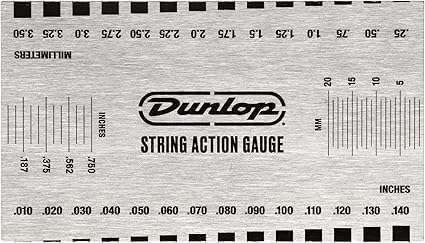
More Complex Setup: Setting up a 12 string requires adjusting 12 strings instead of 6—double the intonation adjustments, double the action fine-tuning, and more strings that can potentially break.
The good news: Most intermediate players adapt to playing 12 string guitar within 2-4 weeks of regular practice. The unique, beautiful sound is absolutely worth the learning curve.
How to Tune a 12 String Guitar
12 String guitar tuning follows the same fundamental tuning as a 6 string (E-A-D-G-B-e), but with an important twist: the lower four courses include octave strings tuned one octave higher than the main strings.
Standard 12 String Guitar Tuning Chart
| Course | Main String | Paired String | Tuning Type |
|---|---|---|---|
| 6 (Low E) | E2 | E3 | Octave pair |
| 5 (A) | A2 | A3 | Octave pair |
| 4 (D) | D3 | D4 | Octave pair |
| 3 (G) | G3 | G4 | Octave pair |
| 2 (B) | B3 | B3 | Unison pair |
| 1 (High e) | E4 | E4 | Unison pair |
Step-by-Step 12 String Guitar Tuning Process
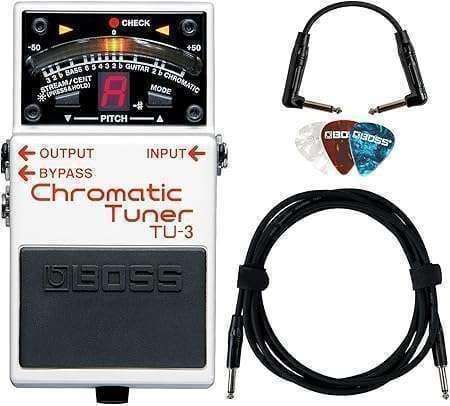
What You Need: A chromatic tuner is essential for accurate 12 string guitar tuning. The Boss TU-3 Tuner works great and shows octave information, but any accurate chromatic tuner will work. Clip-on tuners like the Snark or TC Electronic PolyTune are also excellent choices.
Step 1: Tune the Main Strings First Start with the primary (thicker) string in each pair. Tune all six main strings to standard pitch: E-A-D-G-B-e. This establishes your reference pitches.
Step 2: Tune the Octave Strings (Courses 6-3) For the lower four pairs, tune the thinner string one octave above the main string:
- Low E pair: Main string E2, thin octave string E3
- A pair: Main string A2, thin octave string A3
- D pair: Main string D3, thin octave string D4
- G pair: Main string G3, thin octave string G4
Step 3: Tune the Unison Strings (Courses 2-1) For the top two pairs, both strings should be tuned to exactly the same pitch:
- B pair: Both strings tuned to B3
- High e pair: Both strings tuned to E4
Step 4: Double-Check All Strings After tuning all 12 strings, go back through and check everything again. The added tension from newly tuned strings can pull other strings slightly flat. Repeat this process until all strings hold their pitch stable.
Tips for Keeping a 12 String Guitar in Tune
12 string guitars are notoriously harder to keep in tune than 6 strings. Here's how to minimize frustration and maximize tuning stability:
Stretch Your Strings Thoroughly: New strings need proper stretching before they'll hold pitch reliably. After installing new strings, gently pull each string away from the fretboard, retune, and repeat several times until the strings hold pitch without drifting.
Always Tune Up, Never Down: When adjusting pitch, always tune UP to the target note rather than tuning down to it. This prevents string slipping at the tuning peg.
Consider Tuning Down a Half-Step or Full Step: Many experienced 12 string guitar players tune their instruments down a half-step (Eb) or full step (D) to reduce overall tension. This makes playing significantly easier without meaningfully changing the characteristic 12 string sound. Famous players like Leadbelly often tuned down for comfort.
Use Quality Tuning Machines: Cheap tuners slip under the high tension of 12 strings. If your guitar has problematic tuning stability, upgrading to quality tuning machines can help dramatically.
Control Humidity: Wood guitars respond to humidity changes, causing the neck to shift and throwing tuning off. Use a guitar humidifier in dry winter conditions to prevent neck movement and maintain stable tuning.
Is 12 String Guitar Hard to Play?
Quick Answer: Yes, 12 string guitars are harder to play than 6 strings due to higher string tension, wider necks, and the need for more finger pressure. However, most intermediate players typically adapt within 2-4 weeks of regular practice.
Let's be completely honest about what you're getting into with a 12 string guitar.
The Real Challenges of Playing 12 String Guitar
Higher String Tension: With 12 strings pulling on the neck, total tension is roughly 50% higher than a standard 6 string guitar. This means:
- Chords require noticeably more finger pressure to fret cleanly
- Your fingertips may get sore faster when starting out
- Hand fatigue sets in sooner during long practice or playing sessions
Wider Neck: Most 12 string acoustic guitars have necks approximately 1/16" to 1/8" wider than comparable 6 strings. This affects:
- Reaching across strings (more challenging for players with smaller hands)
- Thumb placement on the back of the neck
- Barre chord stretches require more hand extension
Double the Maintenance: Twice as many strings means:
- More strings that can break (especially the thin octave strings)
- More strings to tune and keep in tune
- More intonation adjustments during setup
- Higher string costs when replacing strings
Who Can Handle Playing a 12 String Guitar?
Recommended for:
- Intermediate players with 1+ years of guitar experience
- Players with well-developed calluses and finger strength
- Those who've already mastered barre chords on 6 string guitar
- Players willing to put in practice time and adapt technique
May struggle initially:
- Complete beginners (we recommend learning on 6 string first)
- Players with very small hands
- Those with existing hand or wrist issues
- Players who want low-maintenance instruments
Making 12 String Guitar Easier to Play
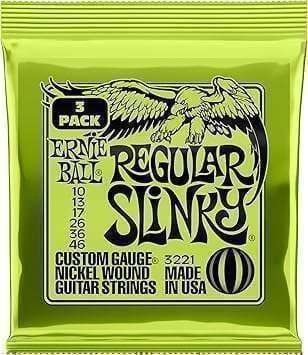
Choose Light Gauge 12 String Guitar Strings: Light gauge 12 string guitar strings (like .010-.047 sets) reduce tension significantly while maintaining the beautiful 12 string sound character.
Tune Down a Half-Step or Full Step: Tuning down to Eb or D standard reduces overall string tension by 10-20%, making fretting much more comfortable with minimal sound difference.
Get a Professional Setup: A professional setup with optimized action makes a huge difference on 12 string guitars. Lower action dramatically reduces the finger pressure required for clean fretting.
Start with an Electric 12 String: 12 string electric guitars (like the Rickenbacker 360/12 or Danelectro 12 string) have lower action and lighter strings than most acoustics, making them easier to play.
12 String Acoustic vs Electric Guitars
Both 12 string acoustic and 12 string electric guitars produce that characteristic shimmer, but they serve quite different purposes and suit different playing situations.
12 String Acoustic Guitars
The Sound: Rich, full acoustic projection with natural chorus effect. 12 string acoustic guitars excel in unplugged settings and recording situations where you want that wall of sound without needing amplification.
Best For:
- Singer-songwriters needing full accompaniment
- Folk and Americana music
- Acoustic rock ballads
- Recording and studio work
- Unplugged performances and coffeehouse gigs
Famous 12 String Acoustic Guitar Players:
- Leo Kottke (Master of fingerstyle 12 string technique)
- John Denver ("Leaving on a Jet Plane")
- Jimmy Page (Led Zeppelin acoustic tracks)
- Tom Petty ("Free Fallin'")
- Melissa Etheridge
Popular 12 String Acoustic Guitar Models:
- Taylor 150e ($500-600) - Excellent playability
- Guild F-1512 ($500-700) - Classic jumbo tone
- Martin D12-28 ($3,000+) - Premium quality
12 String Electric Guitars
The Sound: Jangly, chiming tone with the 12 string shimmer processed through pickups and amplifiers. 12 string electric guitars defined the sound of 1960s rock and continue to influence indie and alternative music today.
Best For:
- Jangle pop and indie rock
- '60s-style rock and psychedelia
- Modern alternative rock
- Band settings requiring amplification
- Recording for layered guitar textures
Famous 12 String Electric Guitar Players:
- Roger McGuinn - The Byrds (defined the jangle rock genre)
- George Harrison - The Beatles ("A Hard Day's Night")
- Peter Buck - R.E.M.
- Johnny Marr - The Smiths
Popular 12 String Electric Guitar Models:
- Rickenbacker 360/12 ($2,000+) - THE classic 12 string electric
- Danelectro 12 String ($400-600) - Affordable jangle machine
- Fender Coronado XII (vintage, collector's item)
Best 12 String Guitars for Beginners
If you're ready to try a 12 string guitar, here are recommendations at every budget level to help you find the perfect instrument.
Budget Range: Under $400
Best Value Pick: Epiphone DR-212
- Solid spruce top for rich, resonant tone
- Mahogany back and sides
- Comfortable playability for a 12 string
- Reliable Epiphone build quality
- Great first 12 string for exploring the instrument
Also Consider:
- Yamaha FG820-12 ($300-350) - Excellent Yamaha quality
- Alvarez AD60-12 ($350-400) - Good projection and sustain
Mid-Range: $400-$800
Best Overall: Taylor 150e
- Taylor's renowned playability and neck comfort
- Built-in electronics for plugging in to PA or amp
- Layered walnut back and sides
- Surprisingly comfortable neck width for a 12 string
- Excellent value for Taylor quality
Also Consider:
- Guild F-1512 ($500-700) - Classic Guild jumbo sound
- Takamine GJ72CE-12 ($600-700) - Japanese quality, great electronics
Premium: $800+
Best Investment: Taylor 254ce
- Solid Sitka spruce top
- Grand Auditorium body shape
- Expression System 2 electronics for amplified performance
- Road-worthy construction
- Lifetime of playing enjoyment
High-End Options:
- Martin D12-28 ($3,000+) - The gold standard
- Gibson Songwriter 12 String ($3,500+) - Premium Gibson quality
- Guild F-512 ($2,000+) - Professional jumbo 12 string
Electric 12 Strings
Affordable Entry: Danelectro 12SDC
- Classic jangle tone at accessible price
- Lipstick pickups for distinctive sound
- Lightweight and fun to play
- Great for experimenting with 12 string electric
The Classic: Rickenbacker 360/12
- THE iconic 12 string electric guitar sound
- Beatles and Byrds tone in one instrument
- Premium American build quality
- Investment-level instrument that holds value
12 String Guitar Strings: What You Need to Know
Maintaining a 12 string guitar means understanding strings—you'll be changing them more often than on a 6 string, and choosing the right gauge matters for playability.
Recommended 12 String Guitar String Gauges
Standard Light Gauge (Most Common and Recommended): .010, .014, .023, .030, .039, .047 (main strings) Paired with appropriate octave/unison strings
Light gauge provides the classic 12 string guitar sound with manageable string tension for most players.
Extra Light Gauge: For easier playability with slightly less full sound. Ideal for beginners or players with hand strength concerns.
Best 12 String Guitar String Brands
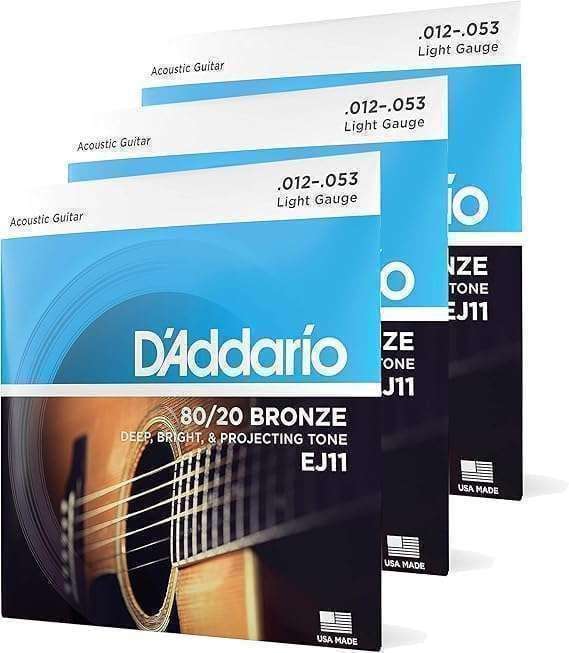
D'Addario EJ38 Phosphor Bronze:
- Industry standard 12 string guitar strings
- Warm, balanced tone
- Excellent consistency pack to pack
- Great value for regular string changes
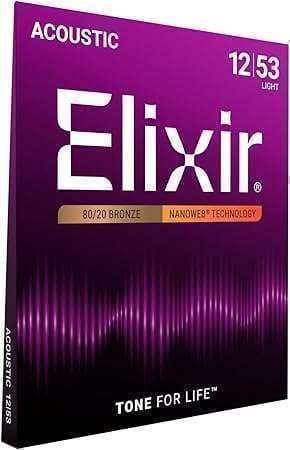
Elixir Nanoweb 12 String:
- Coated for significantly longer life
- More expensive but lasts 3-4x longer than uncoated strings
- Great for players who hate changing 12 strings frequently
- Maintains bright tone longer
Martin SP 12 String:
- Bright, projecting tone
- High quality, consistent gauge
- Slightly higher tension feel
How Often to Change 12 String Guitar Strings
Plan to change 12 string guitar strings more frequently than 6 string sets:
| Playing Frequency | String Change Interval |
|---|---|
| Daily (1+ hours) | Every 2-3 weeks |
| Regular (3-4x/week) | Every 3-4 weeks |
| Occasional (1-2x/week) | Every 4-6 weeks |
| Recording/Performance | Every session for fresh tone |
Why more frequent changes? 12 string guitar sets have thinner octave strings that lose tone faster and are more prone to breaking. The G octave string (thinnest in most sets) is particularly fragile and often the first to break or go dead.
Famous Songs Played on 12 String Guitar
The 12 string guitar has defined the sound of countless iconic songs across genres. Here are some that showcase what this beautiful instrument can do:
Classic Rock 12 String Songs
"Hotel California" - Eagles The intro features Don Felder's 12 string guitar creating that unmistakable arpeggiated soundscape that opens one of rock's most famous songs.
"Stairway to Heaven" - Led Zeppelin The iconic intro is played on Jimmy Page's double-neck guitar, with the 12 string neck providing that delicate, fingerpicked shimmer that sets the song's mood.
"More Than a Feeling" - Boston Tom Scholz's layered approach includes 12 string guitar for added richness and jangle in this arena rock anthem.
"Wish You Were Here" - Pink Floyd The intro arpeggio's beautiful, melancholic shimmer comes from a 12 string acoustic guitar, creating one of rock's most emotional openings.
1960s Jangle Rock 12 String Classics
"A Hard Day's Night" - The Beatles George Harrison's Rickenbacker 360/12 12 string electric guitar defined the jangly rock sound that influenced decades of music to come.
"Mr. Tambourine Man" - The Byrds Roger McGuinn made the electric 12 string THE sound of folk rock with this seminal recording.
"Turn! Turn! Turn!" - The Byrds Another McGuinn masterpiece showcasing 12 string electric guitar chime and shimmer.
Modern 12 String Guitar Examples
"Losing My Religion" - R.E.M. While primarily featuring mandolin, Peter Buck's 12 string guitar work helped define R.E.M.'s distinctive jangly sound.
Various songs - The Smiths Johnny Marr frequently incorporated 12 string textures for additional shimmer and jangle throughout The Smiths' catalog.
Frequently Asked Questions About 12 String Guitars
1. What is a 12 string guitar?
A 12 string guitar has six pairs of strings instead of six individual strings. The lower four pairs include one string tuned an octave higher than the main string, while the top two pairs have both strings tuned in unison at the same pitch. This creates the characteristic rich, chorus-like shimmer that 12 string guitars are famous for across folk, rock, and acoustic music.
2. Is a 12 string guitar hard to play?
Yes, 12 string guitars are harder to play than 6 string guitars due to higher overall string tension, wider necks, and the need for more finger pressure to fret chords cleanly. However, most intermediate players with some guitar experience typically adapt within 2-4 weeks of regular practice. We recommend learning on 6 string first and approaching 12 string after you're comfortable with barre chords.
3. How do you tune a 12 string guitar?
A 12 string guitar uses standard EADGBE tuning, but the lower four courses (E, A, D, G) include an octave string tuned one octave higher than the main string. The top two courses (B and high E) have both strings tuned in unison at the same pitch. Use a chromatic tuner and tune main strings first, then tune the paired octave/unison strings.
4. Can beginners play 12 string guitar?
Complete beginners should start with a 6 string guitar to develop proper technique and build finger calluses first. However, if you have 6+ months of guitar experience and are comfortable with basic chords and barre chords, you can begin exploring 12 string guitar. Choose light gauge strings and consider tuning down to reduce tension while building strength.
5. Are 12 string guitars tuned down?
Many experienced players tune their 12 string guitars down a half-step (Eb) or full step (D) to reduce string tension and make playing more comfortable. This doesn't significantly change the characteristic 12 string sound and makes extended playing sessions much easier on your hands. It's a personal preference—try both standard and tuned-down approaches to see what works best for you.
6. How often do 12 string guitar strings break?
More frequently than 6 string sets due to the thinner octave strings. Plan to change 12 string guitar strings every 2-4 weeks with regular playing. The thinner octave strings (especially the G octave) are most prone to breaking first. Using quality strings and proper technique helps minimize breakage.
7. What's the difference between 12 string and 6 string guitar?
The main differences are: Sound (12 string has natural chorus/shimmer; 6 string is cleaner and more defined), Playability (12 string requires noticeably more finger pressure), Maintenance (12 string needs more frequent string changes), and Versatility (6 string suits all styles equally; 12 string excels at folk, rock ballads, and recording).
8. Are 12 string guitars good for fingerpicking?
Yes! Fingerpicking on a 12 string guitar produces beautiful, harp-like arpeggios with shimmering overtones. The octave strings add depth and movement to picked passages. Leo Kottke is considered the master of fingerstyle 12 string guitar technique. The main challenge is accurately picking string pairs without muting adjacent strings.
9. What gauge strings for 12 string guitar?
Light gauge (.010-.047) is recommended for most 12 string guitar players, providing the classic 12 string tone with manageable tension. Extra light gauges offer easier playability but slightly less full sound. Avoid heavy gauges on 12 string guitars—the tension becomes uncomfortable and stresses the guitar's neck and body.
10. Who are famous 12 string guitar players?
Acoustic legends: Leo Kottke, Leadbelly, John Denver, Tom Petty, Melissa Etheridge
Electric pioneers: Roger McGuinn (The Byrds), George Harrison (The Beatles)
Rock icons: Jimmy Page (Led Zeppelin), Don Felder (Eagles)
Modern players: Peter Buck (R.E.M.), Johnny Marr (The Smiths)
Conclusion: Is a 12 String Guitar Right for You?
The 12 string guitar offers a sound that nothing else can truly replicate—that shimmering, chorus-like richness that transforms simple chords into something magical and expansive. From folk legends to rock icons, artists have reached for 12 string guitars whenever they needed that extra dimension of sonic beauty.
A 12 string guitar is right for you if:
- You have some guitar experience (6+ months minimum)
- You're drawn to folk, acoustic rock, or classic rock sounds
- You want to add unique textures to your playing and recordings
- You're willing to put in extra maintenance effort
- You love that unmistakable 12 string shimmer
Consider waiting if:
- You're a complete beginner (learn on 6 string first)
- You have hand or wrist issues
- You want a low-maintenance instrument
- You primarily play fast lead guitar
If you're ready to dive in, start with an affordable 12 string like the Epiphone DR-212 or Yamaha FG820-12, use light gauge strings, and consider tuning down a half-step to reduce tension while you build finger strength.
The learning curve is absolutely worth it. There's nothing quite like strumming those 12 strings and hearing that glorious wall of sound ring out.
Related Guides
Setup & Maintenance
- Guitar Truss Rod Adjustment - Keep your neck properly adjusted
- Guitar String Gauges Guide - Understanding string tension
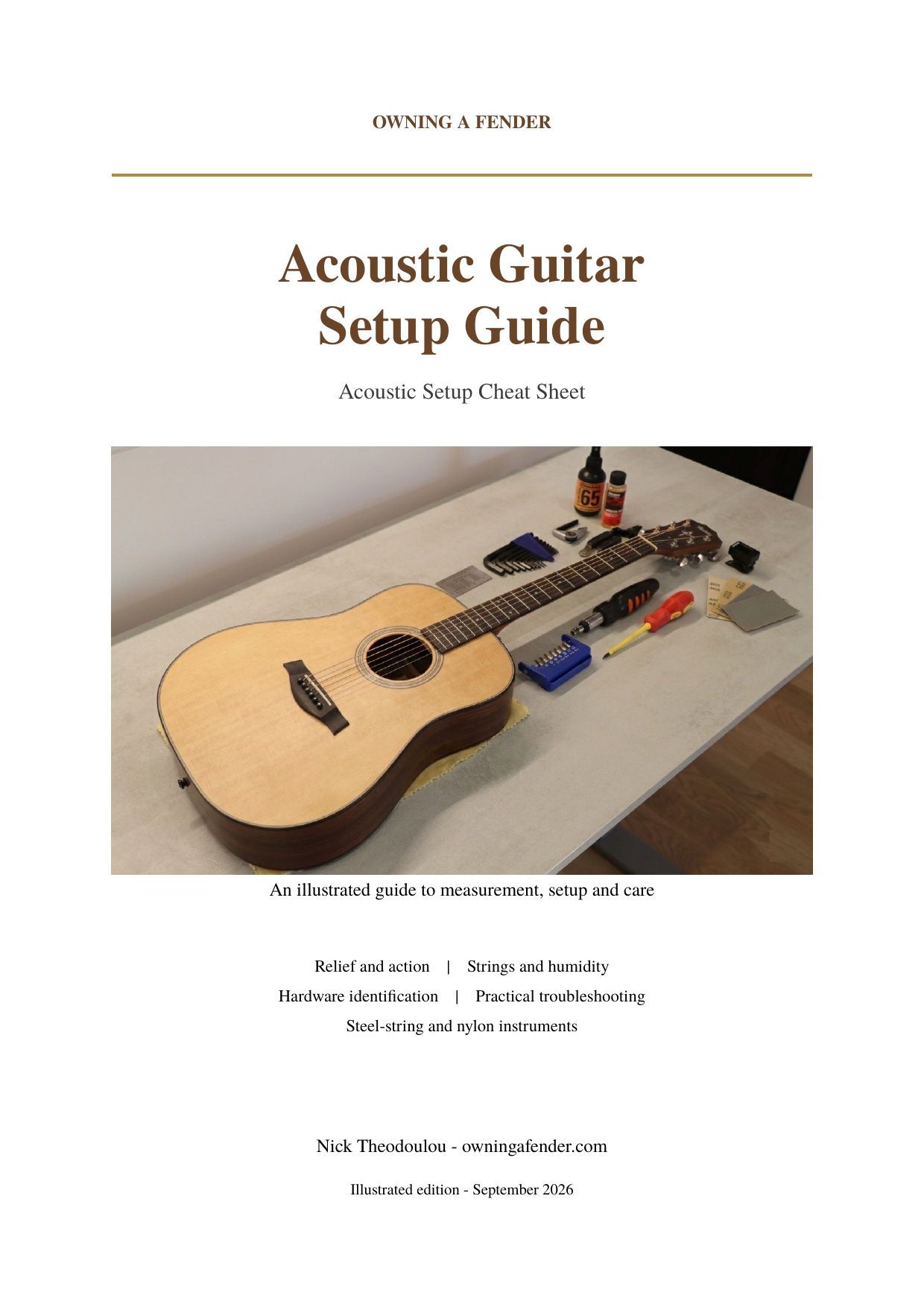
- Acoustic Guitar Setup Guide - Complete acoustic maintenance
More 12 String Content
- 12 String Guitar Hub - All our 12 string resources
Last updated: December 2025