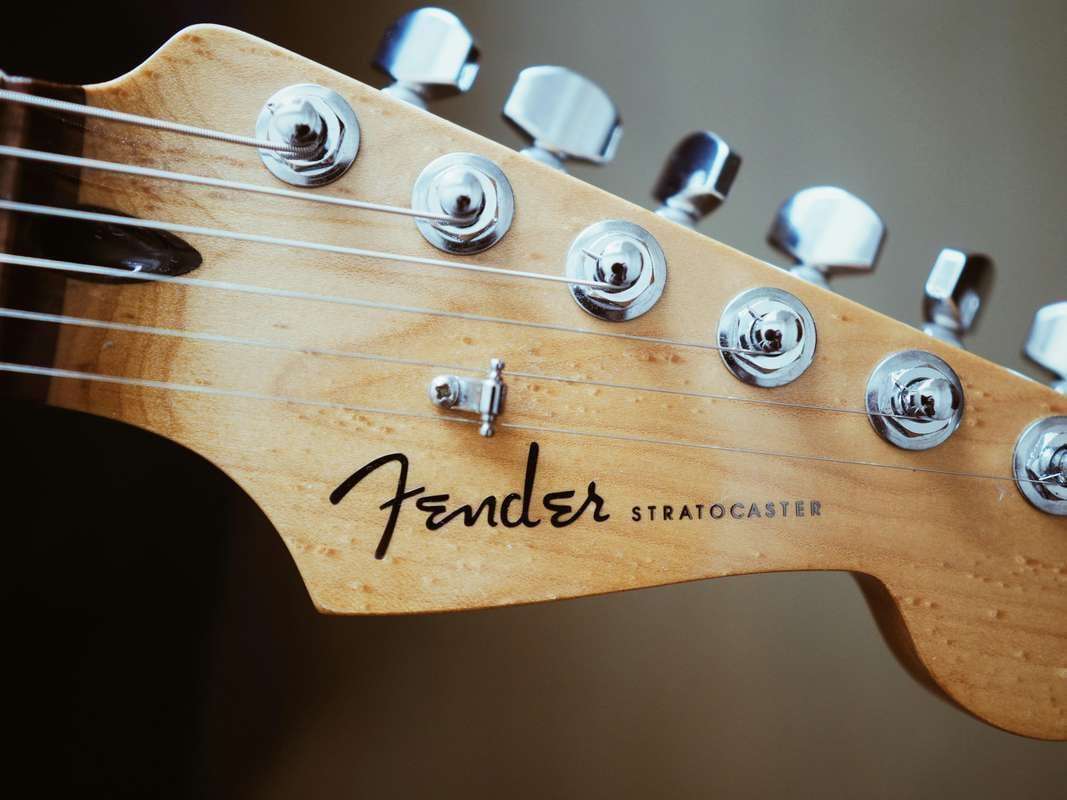
Gretsch Serial Number Lookup: Free Instant Decoder & Checker
Enter your Gretsch serial number to get its year and factory. Covers Brooklyn, Baldwin-era, Japanese (Terada, FujiGen) and modern Fender-era Gretsch.
What's Next?
Now that you've decoded your Gretsch guitar, here are the best places to continue:
- Setup Specs Lookup — Find factory specs by year and model
- Guitar Action Height Guide — Dial in perfect string height
- Truss Rod Adjustment Guide — Safe neck relief adjustment
- My Gear Garage — Track your collection and maintenance schedule
- Garage Pro — Maintenance log with unlimited guitars, full history & smart reminders
Gretsch Serial Number Lookup & Checker: Decode Your Guitar Instantly
A Gretsch serial number lookup is the fastest way to identify when your guitar was made. Whether you need a Gretsch guitar serial number lookup for an Electromatic, a White Falcon, a 6120, or a Country Gentleman, our free tool decodes it in seconds. Gretsch was founded in 1883 by Friedrich Gretsch in Brooklyn, New York, and has become synonymous with hollow-body electric guitars, the Chet Atkins models, and the iconic White Falcon. Since 2002, Gretsch has been owned by Fender Musical Instruments, which has ushered in a renaissance of quality and availability.
Gretsch serial numbers span five distinct formats from 1939 to the present—from simple sequential numbers on vintage Brooklyn-era instruments to modern factory-prefix codes that reveal country and month of production. Use our free Gretsch serial number lookup tool above to decode yours instantly. Enter your serial number Gretsch and get the production year, factory, country, and era in seconds—no sign-up required. Dating Gretsch guitars has never been easier. Looking up Gretsch serial numbers? You're in the right place.
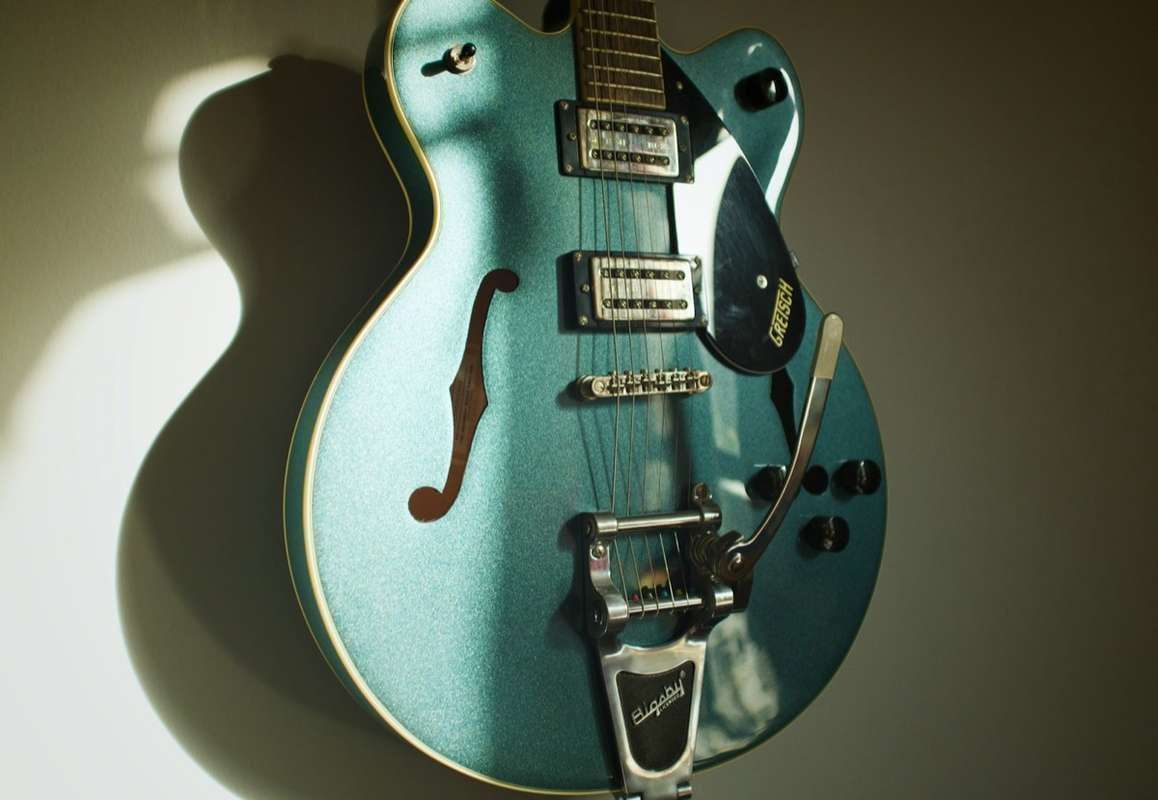
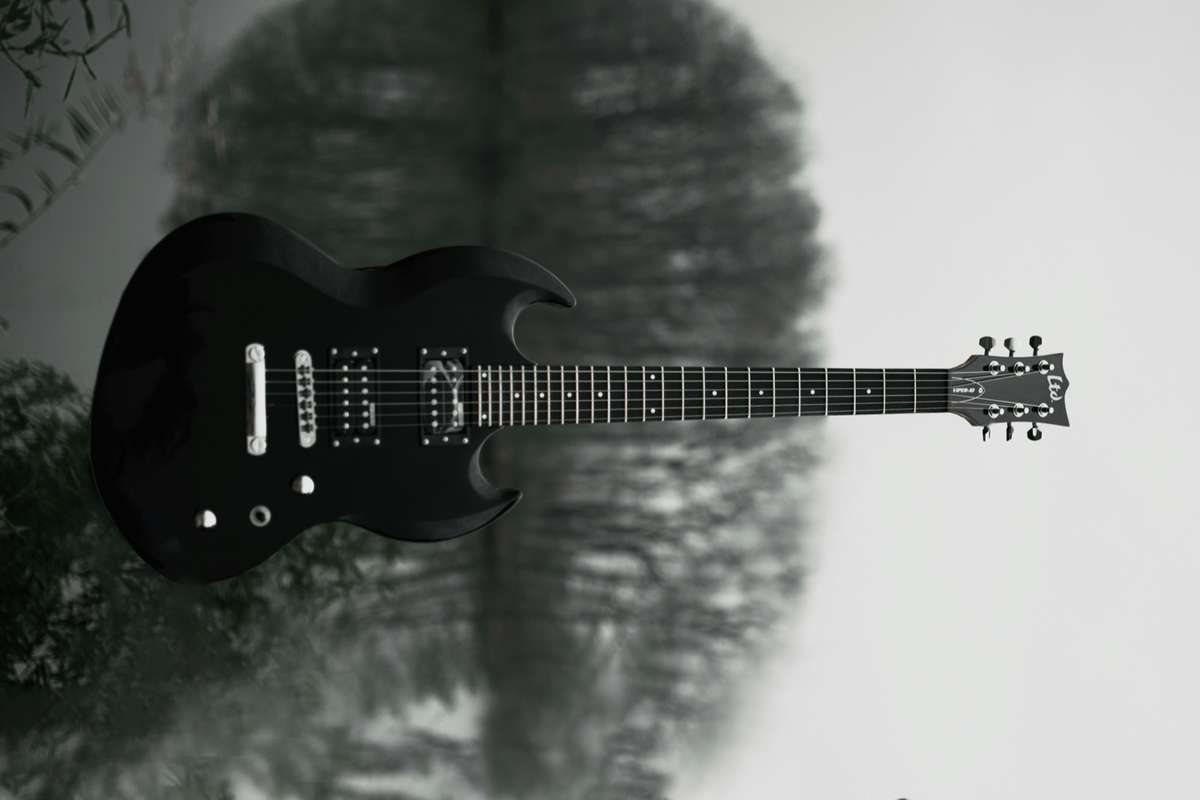
Photo by Jonathan Chan on Unsplash
Gretsch Serial Number Checker
The tool at the top of this page is a free Gretsch serial number checker. It covers five different serial formats spanning 1939 to the present: modern factory-prefix codes (2003+), Japanese YYMM-model format (1989-2002), Baldwin-era hyphenated date codes (1972-1981), non-hyphenated date codes (1966-1972), and vintage sequential numbering (1939-1965). Enter your serial as it appears on the guitar and click Decode for instant results.
Our Gretsch serial number decoder identifies your guitar's production year, manufacturing country, factory (Terada, Dyna Gakki, FujiGen, Custom Shop, Yako, Peerless, Samick, and more), and historical era. Whether you have a pre-war Brooklyn Gretsch or a modern Japanese Electromatic, the lookup tool handles them all.
🎸 Pro Tip: Gretsch serial formats changed dramatically across eras. If your number isn't recognized, check the reference tables below—you may have a transitional-era format or need to verify you're reading the serial (not a model number) from the correct location.
Where to Find Your Gretsch Serial Number
Gretsch serial numbers appear in different locations depending on the era. Here's where to look:
- Modern guitars (2003-present): Back of the headstock, stamped or on a label
- Japanese-era guitars (1989-2002): Back of headstock or inside f-hole on a label
- Baldwin-era guitars (1966-1981): Back of headstock or inside body on label
- Vintage Brooklyn-era (1939-1965): Inside the body on a paper label visible through the f-hole, or stamped on the back of the headstock
- Pre-war (1939-1945): Paper label inside the body; often fragile or partially missing
Pro tip: On hollow-body models, use a flashlight and look through the f-hole. Vintage labels can be faded—avoid touching them. On solid-body or semi-hollow models, the serial is typically on the headstock.
How to Read Your Gretsch Serial Number
Gretsch uses five distinct serial formats. Identifying which format you have is the first step:
1. Modern (2003-present): Two-letter factory prefix + YY (year) + MM (month) + 4-digit sequence. Example: JT07115922 = Japan Terada, November 2007.
2. Japan (1989-2002): YYMM-model-sequence format, sometimes with a hyphen. Example: 976120-123 = June 1997, model code 6120 (G6120), sequence 123.
3. Date-coded with hyphen (1972-1981): M-Yxxx format. M = month (1-12), Y = last digit of year. Example: 6-2752 = June 1972.
4. Date-coded without hyphen (1966-1972): MYYxxx format. Month codes: 1-9 = Jan-Sep, 0 = Oct, A = Nov, B = Dec. Example: 129800 = January 1969; B29800 = December 1969.
5. Sequential (1939-1965): Plain numeric ranges. Under 1000 = pre-WWII. Match your number to the chart below for the year range.
Own another guitar? We also have free serial number decoders for Fender, Gibson, Squier, ESP, LTD, Schecter, Charvel, Epiphone, Ibanez, Jackson, Martin, PRS, Taylor, Takamine, Yamaha, Chapman, Eastman, Guild, Harley Benton, Rickenbacker, Cort, and Seagull.
Gretsch Serial Number Formats: Complete Reference
Modern Serial Numbers (2003-Present)
Since Fender acquired Gretsch in 2002, modern Gretsch guitars use a two-letter factory prefix followed by year, month, and a 4-digit sequence. Format: PREFIX + YY + MM + 4-digit sequence.
| Prefix | Country | Factory |
|---|---|---|
| JT | Japan | Terada |
| JD | Japan | Dyna Gakki |
| JF | Japan | FujiGen |
| CS | USA | Custom Shop |
| CY | China | Yako |
| KP | Korea | Peerless |
| KS | Korea | Samick/SPG |
| IS | Indonesia | Samick |
Example: JT07115922 = Japan Terada, November 2007, sequence 5922. Japanese-made Gretsch guitars from Terada, Dyna Gakki, and FujiGen are known for exceptional build quality and are highly sought after.
Japan Serial Numbers (1989-2002)
Before Fender ownership, Gretsch guitars were built in Japan under license. The format is YYMM-model-sequence, where YY = year, MM = month, model = 2-4 digit model code (e.g., 6120 for G6120), and sequence = production number.
Example: 976120-123 = June 1997, model G6120 (Cherokee), sequence 123. The model code "6120" in the serial often corresponds to the Gretsch model number.
Date-Coded Serial Numbers with Hyphen (1972-1981)
During the Baldwin era, Gretsch used a hyphenated format: M-Yxxx. M = month (1-12), Y = last digit of year (0-9 for 1970-1979, 0-1 for 1980-1981), xxx = sequential number.
Example: 6-2752 = June 1972, sequence 752. Production during this period moved from Brooklyn to Booneville, Arkansas, and quality varied.
Date-Coded Serial Numbers without Hyphen (1966-1972)
The early Baldwin era used MYYxxx format. Month codes: 1-9 = January through September, 0 = October, A = November, B = December. YY = last two digits of year (66-72).
Example: 129800 = January 1969 (1 = January, 29 = 1969, 800 = sequence). For December 1969, the format would use "B" as the month code: B29800.
Sequential Serial Numbers (1939-1965)
Vintage Brooklyn-era Gretsch guitars used plain sequential numbering. Match your serial to the ranges below:
| Serial Range | Year |
|---|---|
| Under 1000 | Pre-WWII |
| 1000-20xx | 1945-1947 |
| 20xx-30xx | 1948-1949 |
| 30xx-40xx | 1950 |
| 40xx-50xx | 1951 |
| 50xx-70xx | 1952 |
| 70xx-90xx | 1953 |
| 90xx-130xx | 1954 |
| 130xx-180xx | 1955 |
| 180xx-210xx | 1956 |
| 210xx-260xx | 1957 |
| 260xx-300xx | 1958 |
| 300xx-340xx | 1959 |
| 340xx-390xx | 1960 |
| 390xx-450xx | 1961 |
| 451xx-530xx | 1962 |
| 530xx-630xx | 1963 |
| 630xx-770xx | 1964 |
| 770xx-840xx | 1965 |
Decade-by-Decade Changes: What Your Gretsch Serial Number Reveals
Your Gretsch's production decade tells you more than just its age—it reveals the factory, quality standards, and collectibility. Here's what changed in each era:
1930s-1940s (Pre-war, early production): Serial numbers under 1000 are pre-WWII. Gretsch produced banjos, drums, and some guitars. Production was limited during the war. These instruments are extremely rare and valuable.
1950s (Golden era, Chet Atkins): The 6120 Chet Atkins Hollow Body, Country Gentleman, and White Falcon defined the Gretsch sound. All built in Brooklyn. Filter'Tron pickups, Bigsby vibratos, and sparkle finishes. Serial ranges 30xx to 530xx cover this golden decade.
1960s (Beatles era, Country Gentleman): George Harrison's Country Gentleman and Tennessean made Gretsch iconic. Production peaked; quality remained high through the mid-1960s. Sequential serials continued until 1965, then date codes began in 1966.
1970s (Baldwin era, decline): Baldwin Piano Company owned Gretsch from 1967-1981. Production moved from Brooklyn to Booneville, Arkansas. Quality and consistency declined. Hyphenated date codes (1972-1981) identify this era. Many collectors avoid Baldwin-era guitars, though some good instruments exist.
1980s-1990s (Japan revival): Gretsch re-emerged with Japanese production (1989 onward). Terada and other Japanese factories built high-quality reissues of classic models. The YYMM-model serial format identifies these guitars. Japanese Gretsch from this era are highly regarded.
2000s-present (Fender era, renaissance): Fender acquired Gretsch in 2002. Modern serials use factory prefixes (JT, CY, KP, etc.). Quality has improved dramatically. USA Custom Shop (CS prefix) and Japanese (JT, JD, JF) models are premium; Korean and Chinese models offer excellent value.
Serial Number Mysteries Solved: Real Case Studies
Case 1: The "Is It Really 1957?" Question
A seller listed a 6120 as "1957" with serial 24500. Using the sequential chart: 210xx-260xx = 1957. Serial 24500 falls in 1957—confirmed. But always verify: a genuine 1957 6120 has Filter'Tron pickups (or early DeArmond), a Bigsby, and Brooklyn construction. Worth $8,000-$15,000+ in good condition.
Case 2: The Baldwin-Era Hyphen Confusion
A player had serial 8-4123 and wasn't sure of the format. M-Yxxx: 8 = August, 4 = 1974. August 1974, Baldwin-era production in Booneville. Quality during this period was inconsistent—inspect carefully before buying.
Case 3: The Japan Model Code
A guitar had serial 976120-456. Decoded: June 1997, model 6120. The "6120" in the serial is the model code for the G6120 (Cherokee/Country Gentleman style). Japanese-built, pre-Fender ownership. Excellent guitars, typically $1,500-$3,000 used.
Case 4: The Month Code "B" Mystery
Serial B691234 stumped a buyer. MYYxxx format: B = December, 69 = 1969. December 1969—late Baldwin transition period. The guitar was still built with Brooklyn-influenced specs before full Booneville production.
Case 5: The Modern JT Prefix
A player entered JT12123456 and got "December 2012, Japan Terada." The JT prefix identifies Terada, one of the finest Japanese guitar factories. Modern Japanese Gretsch from Terada rival vintage Brooklyn quality. Worth $2,000-$4,000 depending on model.
Case 6: The Sequential Overlap
Serial 84000—1964 or 1965? Chart: 630xx-770xx = 1964, 770xx-840xx = 1965. Serial 84000 falls at the top of 1965. This is a late 1965 Brooklyn Gretsch, just before Baldwin changes. Confirm with construction details and pickup types.
Case 7: The CS Custom Shop Question
Serial CS2312345 decoded to "USA Custom Shop, 2023." CS = Custom Shop. These are hand-built in the USA, premium instruments. Limited production, higher value. Verify with Gretsch/Fender if authenticity is in question.
Case 8: The Pre-War Rarity
Serial 856. Under 1000 = pre-WWII. Extremely rare. Pre-war Gretsch guitars are museum pieces—verify authenticity through a qualified appraiser. Labels, hardware, and construction must match the era. Value: $5,000-$30,000+ depending on model and condition.
Authentication Tips for Gretsch Guitars
Vintage Gretsch authentication requires attention to several details beyond the serial number:
Label details: Vintage Gretsch guitars have paper labels inside the body. Brooklyn-era labels say "Gretsch" with "Brooklyn, N.Y." or similar. Baldwin-era labels may say "Gretsch" with "Booneville" or "Arkansas." Labels should match the serial format and era. Faded, replaced, or mismatched labels are red flags.
Binding: Vintage Gretsch used multi-ply binding (white/black/white) on body and neck. Quality of binding and inlay work should match the era. Replaced or sloppy binding suggests refinishing or parts replacement.
Hardware: Original Filter'Tron pickups, DeArmond single-coils, or Hi-Lo'Tron pickups should match the model and year. Bigsby vibratos were standard on many models. Replaced hardware reduces value.
Pickup types: Filter'Tron (humbucker) appeared in 1957. DeArmond single-coils were used on earlier models. Hi-Lo'Tron was used on some models. The pickup type should align with the serial-dated year.
Headstock shape: Gretsch headstock shape evolved. Vintage Brooklyn headstocks have a distinctive shape. Compare to known examples from the same era. Wrong headstock shape can indicate a forgery or parts guitar.
Provenance: Documentation, original case, and ownership history add confidence. For high-value vintage Gretsch, consider a professional appraisal.
Still unsure it's the real thing? The free fake Gretsch quick-check runs the classic counterfeit tells — price, seller behaviour, serial number, decals, workmanship — and returns an instant risk band in two minutes. It can't see the guitar, but it tells you how hard to look before you pay.
Troubleshooting Guide
Step 1: Verify You're Reading the Serial
Gretsch guitars sometimes have model numbers, batch codes, or other stamps near the serial. The serial is the primary identifier. Modern serials have letters (JT, CY, etc.); vintage sequential serials are numbers only. Japan-era serials mix numbers and may include a hyphen.
Step 2: Check All Locations
Look on the back of the headstock first. For hollow-body models, check inside the f-hole for a label. Vintage guitars may have the serial only on the label. Use a flashlight; avoid touching fragile labels.
Step 3: Format Doesn't Match
If the tool returns "Unknown Format," compare your serial to the five formats above. You may have a transitional-era number, a typo, or a non-standard variant. Some reissues and limited editions use unique formats—check Gretsch documentation.
Step 4: Sequential Number Above 84099
Sequential serials above 84,099 extend past 1965. Gretsch transitioned to date codes around 1966. If you have a high sequential number, it may be from the overlap period. Try the date-code formats (with and without hyphen) as well.
Step 5: Still Can't Identify It?
Contact Gretsch/Fender customer service. They can verify serial numbers for modern instruments. For vintage Gretsch, consult a specialist or reference books such as The Gretsch Book by Tony Bacon.
Found Your Year? Get Your Gretsch's Setup Specs
Now that you know when your Gretsch was made, the next step is finding the correct setup specifications:
| Your Gretsch | Setup Guide | Factory Specs |
|---|---|---|
| Hollow-body / Electromatic | Electric Guitar Setup Guide | Factory Specs Lookup |
| Action Height | How to Measure & Adjust Action | Varies by model |
| Neck Relief | Truss Rod Adjustment Guide | .008"-.012" typical |
| Bigsby / Vibrato | Vibrato Setup Guide | Check factory specs |
Gretsch Factory Setup Specs (General):
- Action at 12th fret: 7/64" treble, 9/64" bass (2.8mm / 3.6mm) — similar to Fender
- Neck relief: .008"-.012" at 7th fret
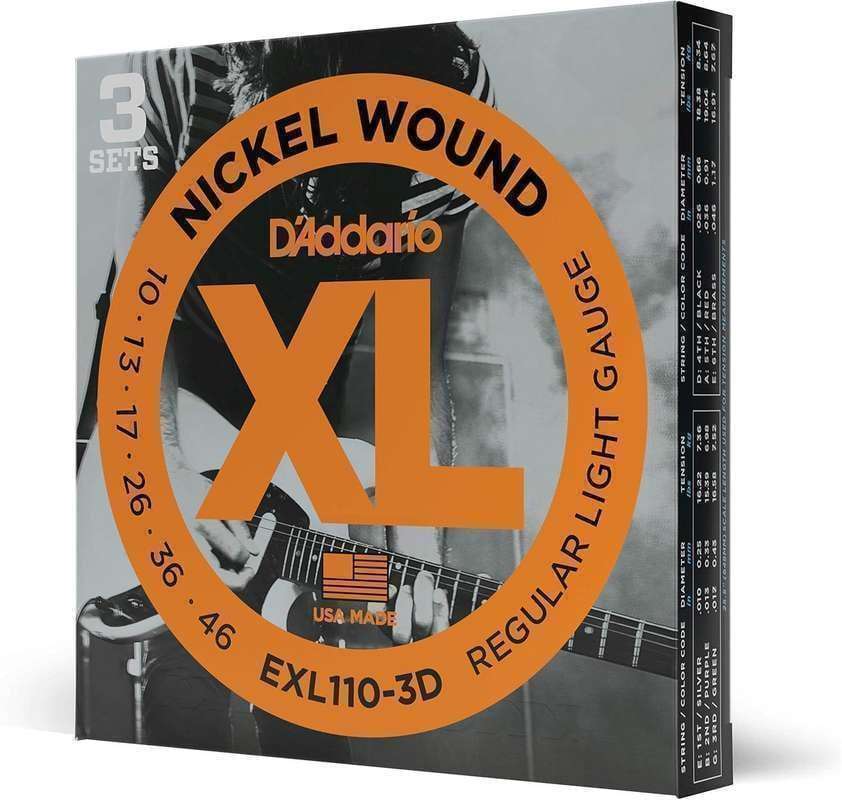
- String gauge: .010-.046 or .011-.050 common for hollow-body models
Just Got a Used Gretsch?
If you're looking up a Gretsch serial number, you probably just bought a used guitar—congratulations! Hollow-body and semi-hollow Gretsch guitars can be sensitive to humidity and setup changes.
Your next steps:
- Decode the serial using the tool above to confirm the year and factory
- Check the pickups: Filter'Tron, DeArmond, or Hi-Lo'Tron—original pickups add value
- Look up factory specs using our Factory Specs Lookup
- Set up the guitar — our Electric Guitar Setup Guide covers action, neck relief, and intonation
- Save your guitar in My Gear Tracker to track serial number and setup history
- Humidify properly — hollow-body guitars benefit from 45-55% relative humidity
Pro tip: Vintage Gretsch hollow-bodies can have structural issues (cracks, loose braces). Have a qualified luthier inspect before major setup work.
What's Your Gretsch Worth?
Understanding your Gretsch's era and model helps estimate market value. The serial number reveals the first factor—condition and originality are up to you.
| Era | Years | Typical Value Range |
|---|---|---|
| Pre-war | 1939-1945 | $5,000-$30,000+ |
| 1950s Brooklyn | 1950-1959 | $3,000-$25,000 |
| 1960s Brooklyn | 1960-1965 | $2,000-$15,000 |
| Baldwin era | 1966-1981 | $500-$2,000 |
| Japan 1989-2002 | 1989-2002 | $800-$3,000 |
| Modern Japan (JT, JD, JF) | 2003-present | $1,500-$4,000 |
| Modern import (CY, KP, KS, IS) | 2003-present | $300-$800 |
Factors that affect value: Original pickups and hardware, condition (no cracks, original finish), model (6120, White Falcon, Country Gentleman command premiums), and provenance. Japanese-built Gretsch from Terada and FujiGen hold value well.
Frequently Asked Questions (FAQ)
How do I read my Gretsch serial number?
Modern Gretsch serials (2003+) sit on the back of the headstock: a two-letter factory prefix (JT = Japan Terada, CY = China Yako) plus two digits for the year and two for the month—JT07115922 = November 2007. Vintage Brooklyn guitars (1939-1965) use plain sequential numbers on a label visible through the f-hole, matched to the chart above. Or enter it in the free tool at the top of this page for an instant answer.
Can I look up my Gretsch guitar by serial number?
Yes—the free tool at the top of this page instantly returns production year, country/factory, and model line, with no sign-up required.
How do I use the Gretsch serial number lookup?
Use the free tool at the top of this page. Enter your serial number as it appears on the guitar (including letters for modern formats). Click Decode to get the production year, factory, country, and era. No sign-up required. The Gretsch serial number lookup tool handles all five formats automatically.
What is a Gretsch serial number decoder?
A Gretsch serial number decoder is a tool that interprets your serial number to determine production year, factory, country, and era. Our decoder covers all five Gretsch serial formats: modern factory-prefix codes (2003+), Japanese YYMM-model (1989-2002), Baldwin-era hyphenated date codes (1972-1981), non-hyphenated date codes (1966-1972), and vintage sequential numbering (1939-1965).
Where is the serial number on a Gretsch guitar?
Modern Gretsch (2003+): back of headstock. Vintage and Japanese-era: back of headstock or on a paper label inside the body (visible through the f-hole on hollow-body models). Use a flashlight to read faded labels. Solid-body and semi-hollow models typically have the serial on the headstock.
How do I date a Gretsch guitar?
For modern Gretsch (2003+), the two-letter prefix identifies the factory and the next four digits give the year and month. For Japanese-era (1989-2002), the YYMM format encodes year and month. For Baldwin-era, use the date code formats. For vintage (1939-1965), match the sequential number to the chart. Use our free Gretsch serial number lookup tool for instant results.
What do the Gretsch serial number prefixes mean?
Modern Gretsch (2003+) use two-letter factory prefixes: JT = Japan Terada, JD = Japan Dyna Gakki, JF = Japan FujiGen, CS = USA Custom Shop, CY = China Yako, KP = Korea Peerless, KS = Korea Samick, IS = Indonesia Samick. The prefix identifies where and by whom the guitar was built.
Is there a free Gretsch serial number checker?
Yes. The tool at the top of this page is a free Gretsch serial number checker. Enter your serial for instant results—production year, factory, country, and era. No sign-up or payment required. It covers all five Gretsch serial formats from 1939 to present.
What year is my Gretsch?
Use our Gretsch serial number lookup tool above, or match your serial format to the reference tables in this guide. For modern (2003+), the digits after the prefix give year and month. For vintage sequential numbers, use the chart. For Baldwin-era date codes, decode the month and year digits. The tool handles all formats automatically.
What year is my Gretsch guitar?
Enter your serial number in the free lookup tool at the top of this page. It instantly identifies the production year for all Gretsch serial formats—modern prefix, Japanese YYMM, Baldwin-era date codes, and vintage sequential. If the tool doesn't recognize your format, compare it to the five reference tables in this guide.
When did Fender buy Gretsch?
Fender Musical Instruments Corporation acquired Gretsch in 2002. Since then, Gretsch has been a Fender brand with production in Japan, USA (Custom Shop), Korea, China, and Indonesia. Quality and availability have improved significantly under Fender ownership.
Are Japanese Gretsch guitars good?
Yes. Japanese Gretsch guitars from Terada (JT), Dyna Gakki (JD), and FujiGen (JF) are highly regarded. They rival vintage Brooklyn quality and often outperform Baldwin-era USA instruments. Japanese Electromatic and Professional Series models from 1989 onward are excellent value.
What is the format of modern Gretsch serial numbers?
Modern Gretsch serials (2003+) use: 2-letter factory prefix + YY (year) + MM (month) + 4-digit sequence. Example: JT07115922 = Japan Terada, November 2007, sequence 5922. The prefix identifies the factory (JT, JD, JF, CS, CY, KP, KS, IS).
How do I read vintage Gretsch serial numbers (1939-1965)?
Vintage Brooklyn-era Gretsch used sequential numbering. Match your serial to the chart: under 1000 = pre-WWII, 1000-20xx = 1945-1947, 20xx-30xx = 1948-1949, and so on through 770xx-840xx = 1965. Use our free Gretsch serial number decoder for instant results.
What is the Baldwin era for Gretsch?
The Baldwin Piano Company owned Gretsch from 1967 to 1981. Production moved from Brooklyn to Booneville, Arkansas. Serial formats during this period: MYYxxx (1966-1972, no hyphen) and M-Yxxx (1972-1981, with hyphen). Quality varied; many collectors prefer pre-Baldwin Brooklyn or post-Baldwin Japanese instruments.
Where is the Gretsch Electromatic serial number?
The Gretsch Electromatic serial number is on the back of the headstock. Modern Electromatic models use the two-letter factory prefix system (e.g., CY for China Yako, KS for Korea Samick, IS for Indonesia Samick). The prefix identifies the factory, and the next four digits give the year and month of production.
Where is the Gretsch White Falcon serial number?
The Gretsch White Falcon serial number location depends on the era. Modern White Falcons (2003+): back of headstock with factory prefix (typically JT for Japan Terada). Vintage White Falcons (1955-1965): paper label inside the body visible through the f-hole, with sequential numbering. Baldwin-era: back of headstock or inside body.
Where is the Gretsch 6120 serial number?
The Gretsch 6120 (Chet Atkins) serial number location depends on era. Vintage 6120s (1955-1965): paper label inside the body. Japanese-era 6120s (1989-2002): back of headstock or inside f-hole, YYMM-model format. Modern 6120s (2003+): back of headstock with factory prefix (typically JT for Japan Terada).
Where is the Gretsch Country Gentleman serial number?
The Gretsch Country Gentleman serial number is in the same location as other Gretsch models from the same era. Vintage (1958-1965): paper label inside the body. Baldwin-era: back of headstock or inside body. Modern: back of headstock with factory prefix. Use the serial format to identify the era.
How much is my Gretsch worth?
Value varies by era: Pre-war $5,000-$30,000+, 1950s Brooklyn $3,000-$25,000, 1960s Brooklyn $2,000-$15,000, Baldwin era $500-$2,000, Japan 1989-2002 $800-$3,000, Modern Japan (JT/JD/JF) $1,500-$4,000, Modern import (CY/KP/KS/IS) $300-$800. Condition, originality, and model (6120, White Falcon, Country Gentleman) affect value significantly. For a complete breakdown of the factors that affect guitar prices, see our complete guide to guitar valuation.
What are Filter'Tron pickups?
Filter'Tron is Gretsch's humbucking pickup, introduced in 1957. Designed by Ray Butts in collaboration with Chet Atkins, Filter'Trons deliver the classic Gretsch "twang" and clarity. Original Filter'Trons on vintage Gretsch guitars add significant value. Modern reissues are available on current production models.
Why doesn't my Gretsch serial number decode?
Verify you're reading the serial (not a model number) from the correct location. Gretsch uses five distinct formats—compare your number to the reference tables. Transitional-era guitars or typos can cause mismatches. Some reissues and limited editions use unique formats. Contact Gretsch/Fender for modern instruments if the tool doesn't recognize your serial.
What is the difference between JT, JD, and JF Gretsch?
JT = Japan Terada, JD = Japan Dyna Gakki, JF = Japan FujiGen. All three are Japanese factories that build Gretsch guitars. Terada is often associated with premium hollow-body models. All produce high-quality instruments that are highly sought after.
When did Gretsch start using serial numbers?
Gretsch began sequential serial numbering around 1939. Pre-war serials are under 1000. The system evolved through Brooklyn era (sequential), Baldwin era (date codes), Japanese era (YYMM-model format), and modern Fender era (factory prefixes). Our decoder covers all formats from 1939 to present.
How do I authenticate a vintage Gretsch?
Check the serial against the chart, verify the label (Brooklyn vs. Baldwin), inspect binding and hardware, confirm pickup types (Filter'Tron, DeArmond, Hi-Lo'Tron) match the era, and compare headstock shape to known examples. For high-value vintage Gretsch guitars, consult a specialist or reference books such as The Gretsch Book by Tony Bacon.
What is a Gretsch 6120?
The Gretsch 6120 (Chet Atkins Hollow Body) is the iconic orange hollow-body guitar associated with Chet Atkins and rockabilly. Introduced in 1955, it features Filter'Tron pickups, Bigsby vibrato, and distinctive styling. Vintage 6120s from the 1950s-1960s are highly collectible, ranging from $3,000 to $25,000+.
Are Baldwin-era Gretsch guitars worth buying?
Baldwin-era Gretsch (1967-1981) vary in quality. Some good instruments exist, but many collectors prefer pre-Baldwin Brooklyn or post-Baldwin Japanese models. Baldwin-era guitars are typically $500-$2,000—inspect carefully before buying. Serial format M-Yxxx (1972-1981) or MYYxxx (1966-1972) identifies them.
What is the White Falcon?
The Gretsch White Falcon is a flagship hollow-body model with white finish, gold hardware, and ornate appointments. Introduced in 1955, it has been reissued in various forms. Vintage White Falcons from the 1950s-1960s are among the most valuable Gretsch guitars, commanding $10,000-$25,000+.
Does Gretsch have an official serial number lookup?
Gretsch/Fender support can verify serial numbers for modern instruments, but there is no public online database. Our free Gretsch serial number decoder provides instant results for all five formats—including factory identification, year, country, and era—with no sign-up required.
What is a Gretsch serial number chart?
A Gretsch serial number chart is a reference table that maps serial numbers to production years. This page includes complete charts for all five formats: modern factory prefixes, Japanese YYMM-model tables, Baldwin-era date code guides, and the vintage sequential range chart (1939-1965). Use the tables above or the free lookup tool for instant decoding.
Other Brand Serial Number Decoders
We're the guitar serial number experts—and we cover more than Gretsch. If you own multiple brands, these tools will help:
- Fender Serial Number Lookup -- Decode USA, Mexico, Japan, and Indonesia Fender guitars from 1950 to present
- Squier Serial Number Lookup -- Decode Squier guitars from Indonesia, China, Korea, and Japan
- Gibson Serial Number Lookup -- Decode Gibson guitars from Nashville, Kalamazoo, and Bozeman
- Epiphone Serial Number Lookup -- Decode Epiphone guitars from China, Korea, Indonesia, and Japan
- Ibanez Serial Number Lookup -- Decode Ibanez guitars from Japan, Korea, Indonesia, and China
- PRS Serial Number Lookup -- Decode PRS guitars from USA, Korea, Indonesia, and China
- Yamaha Serial Number Lookup -- Decode Yamaha guitars from Japan, Taiwan, and Indonesia
- Taylor Serial Number Lookup -- Decode Taylor guitars from El Cajon and Tecate factories
- Martin Serial Number Lookup -- Decode Martin guitars from 1898 to present with complete serial chart
- Jackson Serial Number Lookup -- Decode Jackson guitars from USA, Japan, Indonesia, and Korea
- Charvel Serial Number Lookup -- Decode Charvel guitars from San Dimas USA, Japan, and modern production
- Schecter Serial Number Lookup — Decode Schecter guitars from Korea, Indonesia, China, and USA
- Factory Specs Lookup -- Find factory setup specifications for any guitar
 Buy on Amazon