PRS Serial Number Lookup: Year & Model Line for Core, S2, CE and SE
Decode a PRS serial: match the year prefix to the production sequence for USA Core, S2 and CE, read SE letter codes, and check worked examples for each format.
Quick answer: Most PRS guitars — USA Core, S2, and SE — have the serial number on the back of the headstock; bolt-on CE, EG, and Swamp Ash Special models carry it on the neck plate, and USA acoustics use a label inside the soundhole. Each production line uses a different format, with coverage from 1985 to present. Enter your number in the free checker above for an instant year, country, and model line, or match it against the reference charts below.
On this page:
- How PRS Serial Numbers Work
- Where Is My PRS Serial Number?
- USA Set-Neck (Core) Serial Numbers
- CE Models
- S2 Series
- SE Korea Serial Numbers
- SE Indonesia Serial Numbers
- Worked Examples
- Serial Prefix Quick Reference
- How to Read Your PRS Serial Number
- PRS Model Tiers
- What's Your PRS Worth?
- Authentication Tips
- Troubleshooting Guide
- FAQ
How PRS Serial Numbers Work
PRS has built guitars in Stevensville, Maryland since 1985, and SE models in Korea, Indonesia and China. Each production line has its own serial system, so the first job is working out which one you have: headstock serials with a year prefix (USA Core, S2), neck-plate serials (CE, EG, Swamp Ash Special) or letter-prefixed SE serials.
Enter the full serial above, with its original spacing. The decoder returns the year, country and model line for USA Core, CE, S2, SE (Korea and Indonesia), SE Acoustic, PRS Acoustic, Swamp Ash Special and bass serials.
This is an independent pattern-based decoder, not access to PRS factory records. A matching serial supports a possible date; it does not certify authenticity, originality or the exact model. For related maintenance resources, visit the PRS guitar hub.
Check the year prefix and production line together
PRS's official year-identification reference separates set-neck, CE, S2 and SE systems. A single-digit USA year prefix repeats across decades; the production sequence and guitar construction help resolve it. Do not treat a partial sequence as the complete stamped serial.
For example, 08 132402 combines a 2008 prefix with a sequence in PRS's 2008 set-neck range. CTIC123456 is an illustrative Indonesia SE serial with the CTIC prefix for 2020; the remaining digits are a sequence, not a month or day. These are worked examples, not verified customer instruments.
If the prefix, sequence and physical guitar disagree, retain the original spacing, photograph the serial and model markings, and ask PRS to confirm the details before buying.
Own another guitar? We also have free serial number decoders for Fender, Gibson, Squier, ESP, LTD, Schecter, Charvel, Epiphone, Gretsch, Ibanez, Jackson, Martin, Taylor, Takamine, Yamaha, Chapman, Eastman, Guild, Harley Benton, Rickenbacker, Cort, and Seagull.
Part 1: Where Is My PRS Serial Number?
Before you can run a PRS serial number lookup, you need to find the number. PRS has used several locations depending on the model.
Back of Headstock (USA Core, S2, SE): The vast majority of PRS guitars have the serial number on the back of the headstock. USA set-neck (Core) models, S2 Series, and SE models all use this location. Look near the top, often stamped or printed in small text.
Neck Plate (CE, EG, Swamp Ash Special): Bolt-on neck models—including the CE (Classic Electric), EG, and Swamp Ash Special—have the serial number on the metal neck plate where the neck bolts to the body.
Inside Soundhole (PRS Acoustic): USA-made PRS acoustic guitars have the serial number on a label inside the soundhole.
Pro tip: USA Core models have cleanly stamped serials on the back of the headstock. SE models may have printed serials that can fade over time. If your serial is on the neck plate, you likely have a bolt-on model (CE, EG, or Swamp Ash Special).
Photo by Marcelo Leal on Unsplash
Part 2: USA Set-Neck (Core) Serial Numbers (1985-Present)
USA set-neck PRS guitars—the Core line including Custom 24, Custom 22, McCarty, and others—use a year prefix followed by a sequential production number. These are built in Stevensville, Maryland, at the PRS private stock and core production facility.
Format
| Position | Characters | Meaning |
|---|---|---|
| 1 | Y or YY | Year prefix (single digit 0-9, or two digits 08-24 for 2008+) |
| 2+ | NNNNNN | Sequential production number |
Single-digit prefix (0-9): Ambiguous between decades. A "5" could mean 1985, 1995, or 2005. Use the sequential number and reference table below to determine the exact year.
Two-digit prefix (2008+): 08 = 2008, 09 = 2009, 10 = 2010, ... 24 = 2024. Unambiguous.
Serial location: Back of headstock.
USA Set-Neck Serial Number Range Table (1985-2024)
| Year | Sequential Number Range | Year | Sequential Number Range |
|---|---|---|---|
| 1985 | 1 - 400 | 2005 | 92,556 - 103,103 |
| 1986 | 401 - 1,700 | 2006 | 103,104 - 114,940 |
| 1987 | 1,701 - 3,500 | 2007 | 114,941 - 132,401 |
| 1988 | 3,501 - 5,400 | 2008 | 132,402 - 146,419 |
| 1989 | 5,401 - 7,600 | 2009 | 146,420 - 159,132 |
| 1990 | 7,601 - 10,100 | 2010 | 159,133 - 170,591 |
| 1991 | 10,101 - 12,600 | 2011 | 170,592 - 183,862 |
| 1992 | 12,601 - 15,000 | 2012 | 183,863 - 196,410 |
| 1993 | 15,001 - 17,900 | 2013 | 196,411 - 206,059 |
| 1994 | 17,901 - 20,900 | 2014 | 206,060 - 215,491 |
| 1995 | 20,901 - 24,600 | 2015 | 215,492 - 224,954 |
| 1996 | 24,601 - 29,500 | 2016 | 224,955 - 236,147 |
| 1997 | 29,501 - 34,600 | 2017 | 236,148 - 248,633 |
| 1998 | 34,601 - 39,100 | 2018 | 248,634 - 271,078 |
| 1999 | 39,101 - 44,499 | 2019 | 271,079 - 298,384 |
| 2000 | 44,500 - 52,199 | 2020 | 298,385 - 315,748 |
| 2001 | 52,200 - 62,199 | 2021 | 315,749 - 340,165 |
| 2002 | 62,200 - 72,353 | 2022 | 340,166 - 354,905 |
| 2003 | 72,354 - 82,254 | 2023 | 354,906 - 363,798 |
| 2004 | 82,255 - 92,555 | 2024 | 375,043 - 397,950 |
Worked Examples
- 08 132402: Prefix 08 = 2008, and sequence 132,402 opens the 2008 range (132,402 – 146,419) → 2008, USA Core set-neck
- 10 159133: Prefix 10 = 2010, sequence in the 2010 range → 2010, USA Core set-neck
- 24 375043: Prefix 24 = 2024, sequence opens the 2024 range → 2024, USA Core set-neck
- 5 20901: Single-digit prefix 5 could mean 1985, 1995 or 2005; sequence 20,901 sits in the 1995 range → 1995, USA Core set-neck
Enter the whole stamped serial, prefix included. A sequence typed on its own is read as a different format and returns the wrong year.
Note: For serials with a two-digit year prefix (2008+), the year is explicit. For older stamped serials, separate the year prefix from the production sequence before consulting the table. A sequence by itself cannot authenticate or fully identify a guitar.
Part 3: CE Models (1988-2008, Reintroduced 2016+)
The CE (Classic Electric) is a bolt-on neck PRS, offering a snappier, more Fender-like tone compared to set-neck models. CE serials appear on the neck plate.
CE Format (1988-1998): "7" Prefix
| Position | Characters | Meaning |
|---|---|---|
| 1 | 7 | CE model identifier |
| 2+ | NNNNN | Sequential production number |
Example: 712345 = CE model, sequential 12345 → Look up 12345 in CE range table → ~1995, USA CE
CE Format (1998-2008): "CE" Prefix
| Position | Characters | Meaning |
|---|---|---|
| 1-2 | CE | CE model identifier |
| 3+ | NNNNN | Sequential production number |
Note: 1998 serials can use either the "7" or "CE" prefix. From 1999 onward the "CE" prefix is standard.
Example: CE 25389 = CE model, sequential 25389 → 2002, USA CE
CE 24 Reintroduced (2016+)
The CE 24 was reintroduced in 2016. These use the two-digit year prefix format (16, 17, 18, etc.) like USA Core models. Serial on neck plate distinguishes them from set-neck models.
CE Serial Number Range Table (1988-2008)
| Year | Sequential Range | Year | Sequential Range |
|---|---|---|---|
| 1988 | 1 - 270 | 1999 | 19,581 - 20,749 |
| 1989 | 271 - 1,830 | 2000 | 20,750 - 21,599 |
| 1990 | 1,831 - 3,200 | 2001 | 21,600 - 23,199 |
| 1991 | 3,201 - 4,540 | 2002 | 23,200 - 25,389 |
| 1992 | 4,541 - 7,090 | 2003 | 25,390 - 26,399 |
| 1993 | 7,091 - 8,820 | 2004 | 26,400 - 27,900 |
| 1994 | 8,821 - 10,700 | 2005 | 27,901 - 29,377 |
| 1995 | 10,701 - 13,000 | 2006 | 29,378 - 31,800 |
| 1996 | 13,001 - 14,680 | 2007 | 31,801 - 32,783 |
| 1997 | 14,681 - 17,130 | 2008 | 32,784 - 33,881 |
| 1998 | 17,131 - 19,580 |
Part 4: EG Models (1990-1995)
The EG was a bolt-on neck model produced from 1990 to 1995. Serial on neck plate.
Format
| Position | Characters | Meaning |
|---|---|---|
| 1 | 5 | EG model identifier |
| 2+ | NNNNN | Sequential production number |
Example: 51234 = EG model, sequential 1234 → ~1991, USA EG
Part 5: S2 Series (2013-Present)
The S2 Series is built in the USA (Stevensville, Maryland) with streamlined manufacturing, offering American-made quality at a more accessible price than Core models.
Format
| Position | Characters | Meaning |
|---|---|---|
| 1-2 | S2 | S2 Series identifier |
| 3+ | NNNNNNN | Sequential production number |
Serial location: Back of headstock.
S2 Serial Number Range Table (2013-2024)
| Year | Serial Range | Year | Serial Range |
|---|---|---|---|
| 2013 | S2000001 - S2003820 | 2019 | S2036780 - S2043719 |
| 2014 | S2003821 - S2010529 | 2020 | S2043719 - S2049421 |
| 2015 | S2010530 - S2017390 | 2021 | S2049422 - S2059387 |
| 2016 | S2017391 - S2023214 | 2022 | S2059388 - S2065338 |
| 2017 | S2023215 - S2027902 | 2023 | S2065339 - S2067488 |
| 2018 | S2027903 - S2036779 | 2024 | S2071820 - S2078569 |
Part 6: SE Models — Korea (2000-2020)
SE (Student Edition) models bring PRS design to an accessible price point. Korean SE production ran from 2000 to 2020, primarily at World Musical Instrument Co. (formerly Samick).
Format
| Position | Characters | Meaning |
|---|---|---|
| 1 | Letter (A-U) | Year code |
| 2+ | NNNNN | Sequential production number |
SE Korea Letter-Year Mapping
| Letter | Year | Letter | Year | Letter | Year |
|---|---|---|---|---|---|
| A | 2000 | H | 2007 | O | 2014 |
| B | 2001 | I | 2008 | P | 2015 |
| C | 2002 | J | 2009 | Q | 2016 |
| D | 2003 | K | 2010 | R | 2017 |
| E | 2004 | L | 2011 | S | 2018 |
| F | 2005 | M | 2012 | T | 2019 |
| G | 2006 | N | 2013 | U | 2020 |
Example: K123456 = K = 2010 → 2010, Korea SE
Serial location: Back of headstock.
Part 7: SE Models — Indonesia (2014-Present)
Indonesian SE production began in 2014 at PT Cor-Tek (Cort) Indonesia. Two prefix formats exist.
Format 1: IA, IB, IC, ID, IE (2014-2018)
| Prefix | Year |
|---|---|
| IA | 2014 |
| IB | 2015 |
| IC | 2016 |
| ID | 2017 |
| IE | 2018 |
Format 2: CTIA, CTIB, CTIC, etc. (2018-Present)
| Prefix | Year | Prefix | Year |
|---|---|---|---|
| CTIA | 2018 | CTID | 2021 |
| CTIB | 2019 | CTIE | 2022 |
| CTIC | 2020 | CTIF | 2023 |
| CTIG | 2024 |
Note: IE and CTIA both indicate 2018—production transition year.
Example: CTIC123456 = CTIC = 2020 → 2020, Indonesia SE
Serial location: Back of headstock.
Part 8: SE Acoustic — China (2017-Present)
PRS SE Acoustic models are built in China.
Format
| Prefix | Year | Prefix | Year |
|---|---|---|---|
| CTCA | 2017 | CTCD | 2020 |
| CTCB | 2018 | CTCE | 2021 |
| CTCC | 2019 | CTCF | 2022 |
| CTCG | 2023 |
Example: CTCB123456 = CTCB = 2018 → 2018, China SE Acoustic
Part 9: PRS Acoustic — USA (2009-Present)
USA-made PRS acoustics use a distinct format.
Format
| Position | Characters | Meaning |
|---|---|---|
| 1 | A | Acoustic identifier |
| 2-3 | YY | Two-digit year (09 = 2009, 24 = 2024) |
| 4+ | NNNNN | Sequential production number |
Example: A1512345 = A + 15 = 2015 → 2015, USA PRS Acoustic
Serial location: Label inside soundhole.
Part 10: Swamp Ash Special (1997-2009)
The Swamp Ash Special was a bolt-on model with a swamp ash body. Serial on neck plate.
Format
| Position | Characters | Meaning |
|---|---|---|
| 1-2 | 8 or SA | Swamp Ash identifier |
| 2+ | NNNNN | Sequential production number |
Example: SA 2500 = Swamp Ash Special, sequential 2500 → ~2005, USA Swamp Ash Special
Part 11: Bass Models
PRS has produced several bass models with distinct serial formats.
Bolt-On Bass (1989-1991)
Format: Year prefix + "4" + sequential number. Ranges: 0001-0030 = 1989, 0031-0140 = 1990, 0141-0200 = 1991. Example: 9 4010 = sequential 010 in the 1989 range → 1989, USA Bolt-On Bass.
Set-Neck Bass (1986-1991)
Format: Year prefix + "9" + sequential number. Ranges: 0001-0230 = 1986/87, 0231-0350 = 1988, 0351-0680 = 1989, 0681-0730 = 1990, 0731-0800 = 1991. Example: 9 90400 = sequential 0400 in the 1989 range → 1989, USA Set-Neck Bass.
Electric Bass (2000-2004)
Format: Year prefix + "EB" + sequential number. Ranges: 00007-00072 = 2000, 00073-00199 = 2001, 00200-00422 = 2002, 00423-00501 = 2003, 00502-00650 = 2004. Example: 2 EB 0300 = sequential 0300 in the 2002 range → 2002, USA Electric Bass.
Worked Examples: Decoder Output for Each Format
These rows are generated from the same decoder that runs at the top of this page. The serials are made-up numbers that follow each PRS format, so you can see how your own number should read before you enter it. The last row shows what happens when the prefix and sequence disagree.
| Example serial | Format | Year | Made in | What the decoder reports |
|---|---|---|---|---|
12 345678 | USA set-neck, two-digit year prefix | 2012 | USA · Core (set-neck) | PRS made in Stevensville, Maryland, USA in 2012. |
7 12345 | CE bolt-on, neck-plate "7" prefix | 1995 | USA · CE (bolt-on) | PRS CE made in Stevensville, Maryland, USA in 1995. |
CTIG012345 | SE Indonesia, "CTI" + year letter | 2024 | Indonesia · SE | PRS SE made in Indonesia in 2024. |
E12345 | SE Korea, year letter | 2004 | Korea · SE | PRS SE made in Korea in 2004. |
A12345 | USA acoustic, "A" prefix | 2012 | USA · Acoustic | PRS Acoustic made in the USA in 2012. |
8 54321 | Prefix and sequence disagree | 2001 (approximate) | USA · Core (set-neck) | Sequential number indicates a PRS Core set-neck model made in Stevensville, Maryland, USA in 2001, but the year prefix digit "8" does not match. The serial may be misread or non-standard. |
Serial Prefix Quick Reference
Complete reference table for all PRS serial number formats:
| Format | Year Range | Country | Model Line | Serial Location |
|---|---|---|---|---|
| YY + digits (08-24) | 2008-Present | USA | Core or CE | Headstock or neck plate |
| Y + digits (0-9) | 1985-2007 | USA | Core (set-neck) | Headstock |
| 7 + digits | 1988-1998 | USA | CE (bolt-on) | Neck plate |
| CE + digits | 1999-2008 | USA | CE (bolt-on) | Neck plate |
| 5 + digits | 1990-1995 | USA | EG | Neck plate |
| S2 + digits | 2013-Present | USA | S2 | Headstock |
| A-U + digits | 2000-2020 | Korea | SE | Headstock |
| IA-IE + digits | 2014-2018 | Indonesia | SE | Headstock |
| CTIA-CTIG + digits | 2018-Present | Indonesia | SE | Headstock |
| CTCA-CTCG + digits | 2017-Present | China | SE Acoustic | Headstock |
| A + YY + digits | 2009-Present | USA | Acoustic | Soundhole |
| 8 or SA + digits | 1997-2009 | USA | Swamp Ash Special | Neck plate |
| Y + 4 + digits | 1989-1991 | USA | Bolt-On Bass | Neck plate |
| Y + 9 + digits | 1986-1991 | USA | Set-Neck Bass | Neck plate |
| YY + EB + digits | 2000-2004 | USA | Electric Bass | Neck plate |
How to Read Your PRS Serial Number: Step-by-Step
Follow this process to decode any PRS from 1985 onward.
- Locate the serial number on the back of the headstock (Core, S2, SE) or neck plate (CE, EG, Swamp Ash Special, basses).
- Check for letter prefixes. S2 = S2 Series (USA). CE = CE bolt-on (USA). A-U = Korea SE. IA-IE or CTIA-CTIG = Indonesia SE. CTCA-CTCG = China SE Acoustic. A + YY = USA Acoustic.
- For numeric-only serials: If 5-7 digits with no prefix, it's likely USA set-neck. Match the sequential number to the USA range table.
- For two-digit year prefix (08-24): The first two digits = year (08 = 2008, 24 = 2024). Check serial location: headstock = Core, neck plate = CE.
- For single-digit prefix (0-9): Could be USA set-neck, CE (7), EG (5), or Swamp Ash (8). Use the sequential number and range tables to determine year and model.
- Verify with the "Made in" label. USA models say "Made in USA" or "Stevensville, MD." SE models indicate Korea, Indonesia, or China.
Pro tip: If the serial doesn't match any format, the guitar may be a limited edition, Private Stock, or—in rare cases—counterfeit. Check physical features and consult the troubleshooting guide below.
PRS Model Tiers: Understanding the Lineup
Once you've decoded your serial number, understanding your PRS's model tier helps you assess its value and specs.
Core (USA Set-Neck) — Top Tier
The pinnacle of PRS production. Handcrafted in Stevensville, Maryland, with premium woods, PRS pickups, and exceptional fretwork. Year prefix + sequential serial. $3,000-$10,000+ new. These hold value exceptionally well.
S2 (USA) — Mid-Tier American
Built in the USA factory with streamlined processes. S2 prefix + sequential. $1,200-$2,000 new. Excellent value for American-made PRS quality.
CE (USA Bolt-On) — Discontinued / Reintroduced
Original CE production 1988-2008; CE 24 reintroduced 2016+. Bolt-on construction, snappier tone. 7 or CE prefix (1988-2008), or year prefix (2016+). Serial on neck plate. $1,500-$2,500+ used for vintage CE.
SE (Korea, Indonesia) — Accessible Tier
Student Edition—PRS design at an accessible price. Letter prefix (Korea) or IA/CTI prefix (Indonesia). $400-$900 new. Korean SE from 2000-2020; Indonesian from 2014-present.
SE Acoustic (China) — Entry Acoustic
PRS acoustic design at an accessible price. CTCA-CTCG prefix. $300-$600 new.
PRS Acoustic (USA) — Premium Acoustic
Handcrafted in Stevensville. A + YY + sequential. $2,000-$4,000+ new.
Just Got a Used PRS?
If you're looking up a serial number, you probably just bought a used guitar—congratulations! The next step is getting it set up properly. Used guitars almost always need a fresh setup after changing hands.
Why used PRS guitars need setup:
- PRS necks are sensitive to climate and humidity changes
- Tremolo bridges (if equipped) need precise setup after shipping
- Previous owner's string gauge and action preferences may not match yours
- Factory setups are often conservative—a custom setup unlocks the guitar's potential
Your next steps:
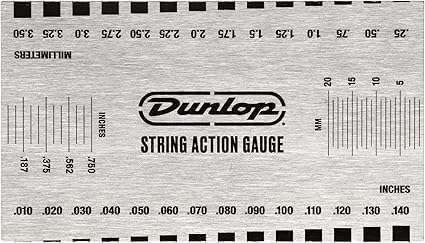
- Check Action Height — PRS players typically prefer medium-low action (1.5-2.0mm at 12th fret)
- Adjust Truss Rod — Dial in the right neck relief
- Choose the Right Strings — String gauge affects tremolo balance and playability
- Check Factory Specs — Find the exact specs for your model
- Add to My Garage — Track your guitar's serial number, specs, and setup history
Recommended Strings for Your PRS
Now that you've identified your PRS's production year and factory, it's time to choose strings that match its model and your playing style. PRS guitars use a 25-inch scale length—between Fender's 25.5 and Gibson's 24.75—and ship with .010-.046 sets, so most players stay on 10s as the balanced baseline.
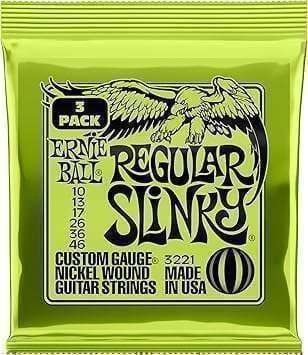
For Core, S2, and CE models (humbuckers): 10-46 nickel-plated steel is the factory-faithful choice. The 25-inch scale makes 10s feel a touch firmer than a Fender and looser than a Les Paul. Ernie Ball Regular Slinky or D'Addario EXL110 match the stock feel.
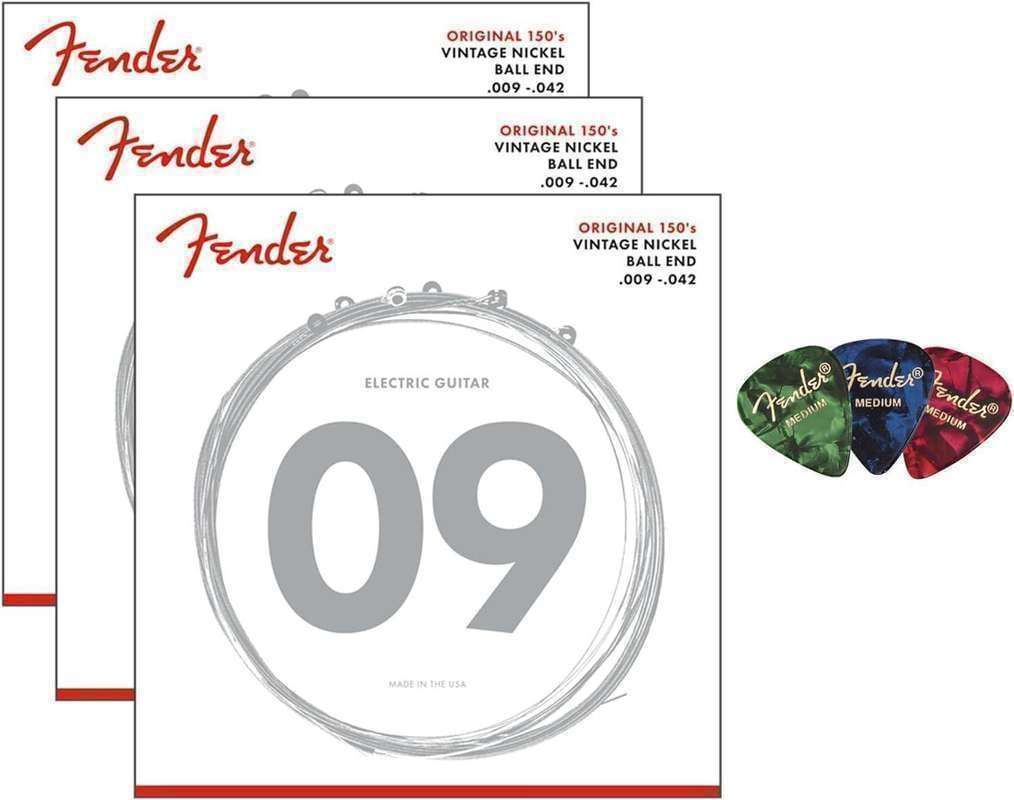
For the Silver Sky (single coils): Pure-nickel 10s warm the vintage-style 635JM pickups and reduce magnetic pull. Fender Pure Nickel 150s are a common match for that clean, bell-like tone.
For the McCarty 594 (24.594" scale): The shorter scale makes 10s feel lighter—closer to 9s on a full 25-inch Core. Step up to 10s or 11s if you want more string resistance.
Changing gauge is a mini setup: heavier strings bow the neck and raise the trem plate; lighter strings straighten it and pull the trem back. Rebalance the trem claw to hold the 1/16-inch parallel float whenever you change gauge.
Recommended PRS String Sets
 Buy on Amazon
Want the full rundown? Our Best Strings for a PRS guide covers gauge and material picks across the Custom 24, McCarty, CE 24, Silver Sky, SE and S2 lines, plus a string-maintenance routine.
What's Your PRS Worth?
Serial numbers help determine a guitar's age, but condition and playability are what really drive value. A well-set-up guitar with proper action and intonation can sell for 10-20% more than one that plays poorly.
Key factors that affect PRS value:
- Model line — Core commands the highest prices; SE is most affordable
- Country of origin — USA > Korea > Indonesia > China for resale value
- Pickups — PRS 85/15, 58/15, and Dragon pickups add value
- Top grade — Figured maple tops (10-top, Artist) command premiums
- Neck condition — Fret wear and neck straightness significantly affect value
If you're selling or just want your guitar playing its best, a proper setup is the highest-ROI improvement you can make. Our PRS Setup Guide shows you exactly how to dial in factory specs for your model line.
Value Estimates by Model Line
Serial number dating is the first step to valuing your PRS. Once you know the year and model line, you can estimate market value.
USA Core (Set-Neck)
- Custom 24 / Custom 22: $2,000-$4,500 used (depending on year, top grade, condition)
- McCarty / McCarty 594: $2,200-$4,500 used
- Vintage (1985-1995): $2,500-$5,000+ (early PRS are highly collectible)
- 10-Top / Artist Package: Add 15-30% premium
- Private Stock: $5,000-$15,000+ (custom orders)
S2 Series (USA)
- S2 Standard 24/22: $700-$1,200 used
- S2 Custom 24: $800-$1,400 used
- S2 Vela / Mira: $600-$1,000 used
CE (USA Bolt-On)
- Vintage CE (1988-2008): $1,200-$2,500 used (sought after for bolt-on tone)
- CE 24 (2016+): $1,500-$2,200 used
SE (Korea)
- Korean SE (2000-2020): $250-$600 used (early models have a following)
- SE Custom 24 / Standard 24: $300-$550 used
SE (Indonesia)
- Indonesian SE (2014+): $250-$500 used
- SE Paul's Guitar / Hollowbody: $400-$700 used
SE Acoustic (China)
- SE Acoustic: $150-$350 used
PRS Acoustic (USA)
- USA Acoustic: $1,200-$2,500 used
Swamp Ash Special (1997-2009)
- Swamp Ash Special: $800-$1,800 used (discontinued, bolt-on fans seek these)
Tools for Evaluating a PRS
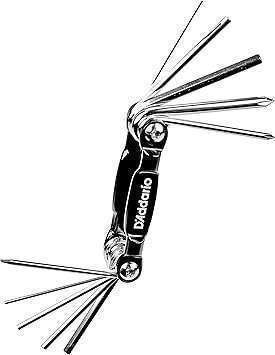
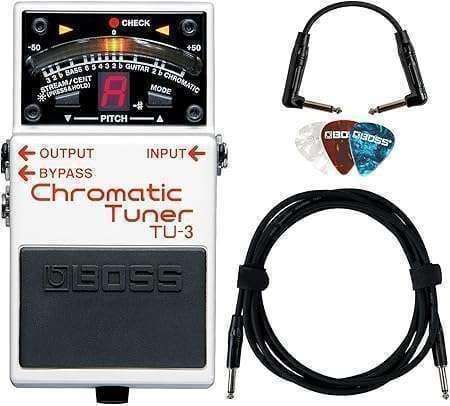
Whether you're buying, selling, or just checking your guitar's condition, these tools help verify setup and authenticity:
Authentication Tips: Spotting Fake PRS Guitars
Serial numbers are your first line of defense against counterfeits. Fake PRS guitars exist, especially for popular models like the Custom 24, McCarty, and SE Custom 24.
Red flags:
- Format doesn't match the model. An SE serial (letter prefix) on a guitar with "USA" or "Stevensville" markings is suspicious. SE = Korea, Indonesia, or China.
- Wrong serial location. Core and S2 serials are on the headstock. CE, EG, and Swamp Ash serials are on the neck plate. If the location doesn't match the format, investigate.
- Font and stamping quality. USA PRS stamps are clean and consistent. Blurry, shallow, or printed-looking serials on a "Core" guitar are a red flag.
- Physical features don't match. A serial suggesting USA Core but with budget hardware, thick finish, and poor fretwork indicates a fake.
- Bird inlays. PRS bird inlays are distinctive. Poorly executed or generic "bird-like" inlays are a red flag.
Verification steps:
- Run the serial through our decoder. Does the result match the guitar's apparent age and features?
- Check the "Made in" label. USA = Stevensville, MD. SE = Korea, Indonesia, or China.
- For Core models, check for the PRS headstock shape, bird inlays, and quality of the finish.
- Compare to official PRS product photos for that model year.
- For high-value guitars (vintage Core, Private Stock), consider professional authentication.
Core-specific checks:
- PRS Core guitars have a distinctive headstock shape and "Paul Reed Smith" or "PRS" logo
- Bird inlays on the fretboard (or optional moon inlays)
- Set-neck construction (no visible neck plate)
- Quality tuners (PRS, Phase III, or similar)
Still unsure it's the real thing? The free fake Prs quick-check runs the classic counterfeit tells — price, seller behaviour, serial number, decals, workmanship — and returns an instant risk band in two minutes. It can't see the guitar, but it tells you how hard to look before you pay.
Common PRS Serial Reading Mistakes
- Trusting a single-digit prefix on its own. A "5" can mean 1985, 1995 or 2005. Match the sequence to the range table:
5 20901is 1995. - Reading an Indonesian SE as Korean. Korean SE serials start with one year letter (
I12345= Korea, 2008). Indonesian serials use a two-character prefix (IA123456= Indonesia, 2014) orCTI+ letter from 2018 (CTIC123456= 2020). The "Made in" text on the headstock settles it. - Calling a neck-plate serial a Core model. A serial on the neck plate means a bolt-on guitar.
7 8500is a 1993 CE, even with bird inlays. - Assuming a cheap USA PRS must be fake. Price says nothing about the serial.
08 145000is a valid 2008 set-neck serial; check construction and hardware for the rest.
What a PRS Serial Number Can't Tell You
- Whether the guitar is genuine. A valid serial can be copied onto a fake. Check the headstock shape, inlays, neck joint and hardware against PRS's own photos for that year.
- The exact model. The serial gives the production line (Core, S2, CE, SE), not whether it is a Custom 24, McCarty or Silver Sky.
- Its value. Model, finish grade (e.g. 10-top), originality and condition decide the price.
- Factory records. This is a pattern-based decoder. Only PRS can confirm details from its own records.
Next Steps for Your PRS
- PRS Setup Guide — Exact specs for Custom 24, McCarty, CE 24, Silver Sky, SE & S2
- PRS Setup: The Complete Guide — Step-by-step relief, action, trem float, and pickup height specs
- Setup Specs Lookup — Find factory specs by year and model line
- Guitar Action Height Guide — Dial in perfect string height
- Truss Rod Adjustment Guide — Safe neck relief adjustment
- My Gear Garage — Track your collection and maintenance schedule
- Garage Pro — Maintenance log with unlimited guitars, full history & smart reminders
Troubleshooting Guide: Can't Find or Decode Your PRS Serial Number?
If you're having trouble locating or identifying your PRS serial number, follow this step-by-step guide:
Step 1: Check All Common Locations
Back of Headstock (Core, S2, SE):
- Look carefully near the top of the headstock back—serials can be small
- Use good lighting and a magnifying glass if needed
- USA Core stamps are typically clean and deep; SE prints may be lighter
Neck Plate (CE, EG, Swamp Ash Special, Basses):
- Check the metal plate where the neck bolts to the body (4 bolts)
- Serial may be stamped on the plate itself
- Some CE models have the serial on the edge of the plate—check all sides
Inside Soundhole (PRS Acoustic):
- USA PRS acoustics have a label inside the soundhole
- Look for a paper or foil label with the Yamaha logo and serial
- Use a flashlight and mirror if needed
Step 2: Serial Number Is Unreadable
If Worn or Faded:
- USA stamps are durable, but SE printed serials can fade over time
- Try different lighting angles—raking light across the surface reveals impressions
- Take a high-resolution photo and enhance contrast digitally
- Use the pencil rubbing technique: place thin paper over the serial and rub gently with a pencil to reveal stamped impressions
If Partially Visible:
- Even partial serials can help narrow down the model line and era
- If you can read the prefix (S2, CE, 7, letter, CTI), that alone identifies the model line
- Compare visible characters to the format tables above
If Completely Missing:
- Check if the neck plate has been replaced (CE, EG models)
- Look for any internal markings or stickers inside the control cavity
- Check the neck pocket for date stamps or production codes
- Examine the truss rod cover for any markings
Step 3: Serial Number Doesn't Match Any Format
Possible Reasons:
- Private Stock — PRS Private Stock guitars may have unique serial formats
- Limited Edition or Artist Model — Special runs may use non-standard numbering
- Prototype or Pre-Production — Very early or prototype guitars have unusual serials
- Replacement Neck or Plate — The serial may be from a different guitar
- Counterfeit — Fake serial number (see authentication guide above)
What to Do:
- Check physical features (hardware, inlays, construction type) to estimate the model line
- Look for the "Made in" label on the headstock or neck heel
- Contact PRS customer service with photos—they can verify serials
- Post on PRS forums (forums.prsguitars.com) with photos for community help
- For high-value guitars, consult a PRS-authorized dealer
Step 4: Serial Number Format Is Ambiguous
Single-Digit Year Prefix (USA Set-Neck, 1985-2007):
- The prefix digit (0-9) repeats every 10 years — "5" could mean 1985, 1995, or 2005
- Match the sequential number (all digits after the first) to the USA range table
- The sequential number uniquely identifies the year
- Example: prefix "5" + sequential 20901 = 1995 (range 20,901-24,600)
Korean SE Letter Prefix (A-U):
- Letters A through U map to 2000-2020
- If the guitar has a CTI prefix instead, it's Indonesian (not Korean)
- Check the "Made in" label to confirm country
Indonesian SE Prefix (IA vs CTIA):
- IA-IE = 2014-2018 (early Indonesia format)
- CTIA-CTIG = 2018-2024 (current Indonesia format)
- IE and CTIA both indicate 2018 (transition year)
Step 5: Still Can't Identify It?
Final Steps:
- Take Clear Photos: Serial number close-up, headstock (front and back), neck plate, body, hardware, bird inlays
- Document Physical Features: Construction type (set-neck vs bolt-on), pickup type, tuner brand, bridge type
- Check the "Made in" Label: USA, Korea, Indonesia, or China
- Contact PRS: Customer service can verify serials — email support@prsguitars.com or use the PRS support page
- Consult Experts: Post on PRS forums or contact PRS-authorized dealers with photos
Remember: Not every serial number will match a standard format. Private Stock, limited editions, and very early production guitars (1985-1987) may have non-standard serials. Physical inspection and PRS customer service are your best resources for unusual cases.
Frequently Asked Questions
How do I read my PRS serial number?
On USA Core, S2, and SE models the serial is on the back of the headstock; CE and EG models carry it on the neck plate. The prefix tells you the era—modern USA and SE formats start with a two-digit year code, SE Korea uses a letter (A=2000, B=2001), and SE Indonesia uses an IA/CTI-prefix that encodes the year. Or enter it in the free tool at the top of this page for an instant answer.
Can I look up my guitar by serial number?
Yes—the free tool at the top of this page instantly returns production year, country/factory, and model line. No sign-up required.
How do I use the PRS serial number lookup?
Use the free tool at the top of this page. Enter your serial number exactly as it appears on your guitar. Click Decode to get production year, country, model line, and era. No sign-up required.
What is a PRS serial number decoder?
A PRS serial number decoder is a tool that interprets the characters in your serial number to determine production year, country of origin, and model line. Our decoder covers USA Core, CE, S2, SE (Korea, Indonesia), SE Acoustic (China), PRS Acoustic (USA), Swamp Ash Special, and bass formats from 1985 to present.
Where is the PRS serial number?
USA Core, S2, and SE models have the serial on the back of the headstock. CE, EG, and Swamp Ash Special models have it on the neck plate. USA PRS acoustics have it on a label inside the soundhole.
How do I date a PRS guitar?
For USA set-neck models, match the sequential number to the range table. For two-digit year prefix (08-24), the first two digits = year. For SE Korea, the letter = year (A=2000, B=2001, etc.). For SE Indonesia, the prefix (IA, CTIA, etc.) indicates the year.
Is there a free PRS serial number checker?
Yes. The tool at the top of this page is a free PRS serial number checker. Enter your serial for instant results—production year, country, model line, and era. No sign-up or payment required. It covers USA, Korea, Indonesia, and China models.
What does S2 mean in a PRS serial number?
S2 stands for the S2 Series—PRS guitars built in the USA (Stevensville, Maryland) with streamlined manufacturing. They offer American-made quality at a more accessible price than Core models. S2 prefix + sequential number identifies these guitars.
What does CE mean in a PRS serial number?
CE stands for Classic Electric—PRS bolt-on neck models. The CE was produced 1988-2008 (7 or CE prefix) and the CE 24 was reintroduced in 2016 (year prefix format). CE serials appear on the neck plate.
Are USA PRS better than SE?
USA Core and S2 PRS guitars are generally considered higher quality, with superior fretwork, premium woods, and hand-finished details. SE models offer excellent value and PRS design at an accessible price. The gap has narrowed, but USA PRS remains the benchmark.
How much is my PRS worth?
Value depends on model line, year, condition, and country of origin. USA Core: $2,000-$4,500+ used. S2: $600-$1,400 used. CE: $1,200-$2,500 used. Korean SE: $250-$600 used. Indonesian SE: $250-$500 used. Vintage USA (1985-1995): $2,500-$5,000+. For a complete breakdown of the factors that affect guitar prices, see our complete guide to guitar valuation.
What year is my PRS with a letter prefix?
For SE Korea: A=2000, B=2001, C=2002, ... U=2020. For SE Indonesia: IA=2014, IB=2015, IC=2016, ID=2017, IE=2018, CTIA=2018, CTIB=2019, CTIC=2020, CTID=2021, CTIE=2022, CTIF=2023, CTIG=2024.
What is the difference between PRS Core and S2?
Core models are the top-tier USA set-neck line. S2 models are built in the same USA factory with streamlined processes but at a lower price. Core has more premium woods, hand-finished details, and options. S2 offers American-made quality at a more accessible price.
How do I tell if my PRS is made in USA?
Check the serial format and "Made in" label. USA models: year prefix + sequential (Core), S2 prefix (S2), 7 or CE prefix (CE), A + YY (Acoustic). USA serials are on the headstock (Core, S2) or neck plate (CE). The neck or headstock may say "Made in USA" or "Stevensville, MD."
What does CTIA mean in a PRS serial?
CTIA is the Indonesia SE prefix for 2018. The CTI prefix (CTIA, CTIB, CTIC, etc.) indicates production at PT Cor-Tek (Cort) Indonesia. CTIA=2018, CTIB=2019, CTIC=2020, CTID=2021, CTIE=2022, CTIF=2023, CTIG=2024.
Does PRS have an official serial number lookup?
PRS provides serial number information on their support page. Our decoder offers instant results with model line identification, year ranges, and production volume estimates—all for free. The PRS support page has additional range data for verification.
Why does my PRS have the serial on the neck plate?
If your serial is on the neck plate, you have a bolt-on model: CE (Classic Electric), EG, or Swamp Ash Special. These are the only PRS guitar models with neck plate serials. Set-neck Core and S2 models have serials on the headstock.
Cross-Links: More Serial Number Resources
Decoders for other brands:
- Fender Serial Number Lookup — Decode USA, Mexico, Japan, and Squier from 1950 to present
- Gibson Serial Number Lookup — Decode Gibson guitars from Nashville, Kalamazoo, Bozeman, and Custom Shop
- Squier Serial Number Lookup — Identify Squier production year and factory
- Epiphone Serial Number Lookup — Decode Epiphone guitars from Qingdao, Korea, Japan, and Indonesia
- Ibanez Serial Number Lookup — Decode Ibanez guitars from FujiGen Japan, Cort Korea, Indonesia, and more
- Yamaha Serial Number Lookup — Decode Yamaha guitars from Japan, Indonesia, and China
- Taylor Serial Number Lookup — Decode Taylor guitars from El Cajon and Tecate (all eras)
- Martin Serial Number Lookup — Decode Martin guitars from 1898 to present
- Jackson Serial Number Lookup — Decode Jackson guitars from USA, Japan, Indonesia, and Korea
- Charvel Serial Number Lookup — Decode Charvel guitars from San Dimas USA, Japan, and modern production
- Gretsch Serial Number Lookup — Decode Gretsch guitars from USA Custom Shop, Japan, Korea, and China
- Schecter Serial Number Lookup — Decode Schecter guitars from Korea, Indonesia, China, and USA
- ESP Serial Number Lookup — Decode ESP/LTD guitars from Japan, USA, Korea, Indonesia, and China
- Guild Serial Number Lookup — Decode Guild acoustic and electric guitars
- Rickenbacker Serial Number Lookup — Decode Rickenbacker electric guitars and basses
- Cort Serial Number Lookup — Decode Cort electric and acoustic guitars from Korea and Indonesia
Setup & Maintenance Guides
- Action Height Guide — Learn how to measure and adjust string action
- Truss Rod Adjustment — Safely adjust neck relief for optimal playability
- String Gauge Guide — Choose the right strings for your playing style
- Best Strings for a PRS — Gauge and material picks for every PRS model
- Action Height Calculator — Calculate ideal action for your setup
- String Gauge Recommendation — Get personalized string suggestions
More Tools
- My Gear Tracker — Save your guitar's serial number, specs, and setup history
- How to Use Serial Number Lookup — Detailed guide for all brands