Ibanez Serial Number Lookup: Free Instant Decoder & Checker
Use our free Ibanez serial number lookup tool to decode your guitar instantly. Covers FujiGen Japan, Korean (Cort, World, Saehan), Indonesian, and Chinese models from 1975 to present. Find production year and factory.
Quick answer: Find your Ibanez serial number on the back of the headstock (older bolt-on models may have it on the neck plate; acoustics on a label inside the soundhole). The first letter identifies the factory and format: F = FujiGen Japan, C/S/W/P = Korea, I = Indonesia, Z/K = China, and vintage letters A–J = 1975–1984 Japan. Enter it in the free checker above for an instant year, or match it against the tables below.
What's Next?
Now that you've decoded your Ibanez guitar, here are the best places to continue:
- Ibanez Hub — Explore all Ibanez guides and series breakdowns
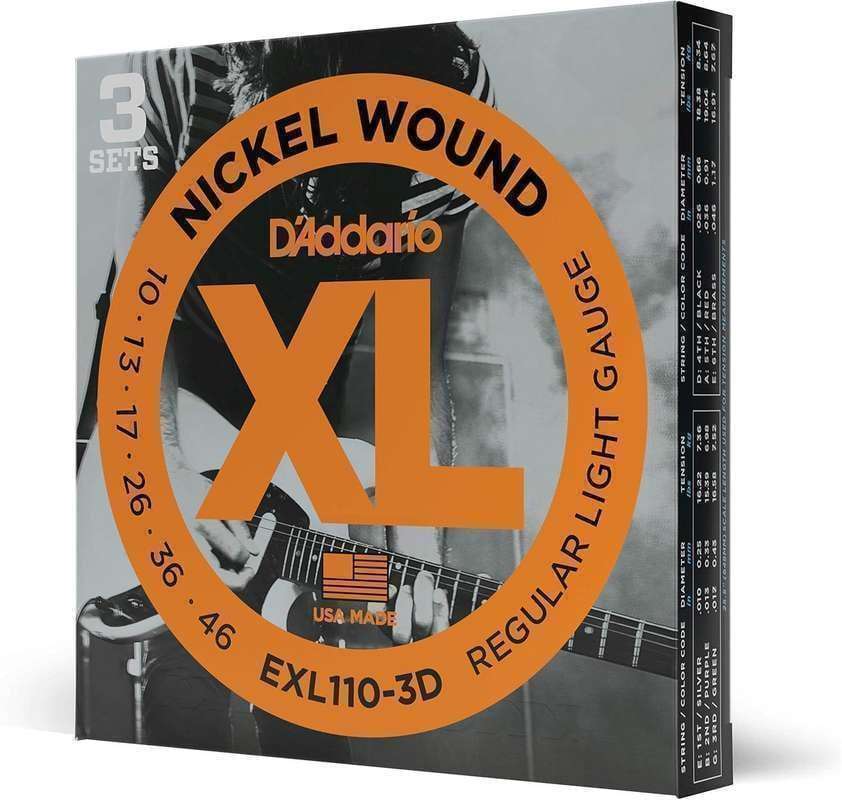
- Best Strings for Ibanez — Top sets for RG, S, JEM, AZ
- Guitar Action Height Guide — Dial in perfect string height
- Truss Rod Adjustment Guide — Safe neck relief adjustment
- My Gear Garage — Track your collection and maintenance schedule
- Garage Pro — Maintenance log with unlimited guitars, full history & smart reminders
On this page:
- Where Is My Ibanez Serial Number?
- Ibanez Serial Number Checker
- FujiGen Japan — F Prefix (1987–Present)
- Vintage FujiGen — Letter Prefix (1975–1986)
- Korean Serial Numbers
- Indonesian Serial Numbers
- Chinese Serial Numbers
- Serial Prefix Quick Reference
- How to Read Your Ibanez Serial Number
- Ibanez Model Tiers
- Authentication Tips
- Serial Number Case Studies
- Troubleshooting Guide
- FAQ
Ibanez Serial Number Lookup: Decode Your Guitar Instantly
An Ibanez serial number lookup is the fastest way to identify when and where your guitar was made. Ibanez has produced guitars in Japan, Korea, Indonesia, and China since the 1970s—and each factory used different serial formats. Whether you own a Prestige RG from FujiGen or an entry-level GIO from Indonesia, the serial number holds the key.
Use the free Ibanez serial number lookup tool above to instantly decode your serial number. It covers FujiGen Japan (F-prefix and vintage letter prefixes), Korean factories (Cort, Saehan, World, Samick), Indonesian production, and Chinese models—no sign-up required. Enter your number and get production year, factory location, and era in seconds.
At OwningAFender.com, we're the guitar serial number experts—and that expertise extends well beyond Fender. Our free Ibanez serial number checker covers every major production era and factory.
Own another guitar? We also have free serial number decoders for Fender, Gibson, Squier, ESP, LTD, Schecter, Charvel, Epiphone, Gretsch, Jackson, Martin, PRS, Taylor, Takamine, Yamaha, Chapman, Eastman, Guild, Harley Benton, Rickenbacker, Cort, and Seagull.
Part 1: Where Is My Ibanez Serial Number?
Before you can run an Ibanez serial number lookup, you need to find the number. Ibanez has used several locations over the decades.
Back of Headstock (Most Common): The vast majority of Ibanez guitars have the serial number on the back of the headstock. Look near the top, often stamped or printed in small text. This is the first place to check for any Ibanez made after the early 1980s.
Neck Plate (Bolt-On Models): Some older Ibanez models, particularly bolt-on neck guitars from the 1970s and early 1980s, have the serial number on the metal neck plate where the neck bolts to the body.
Neck Joint / Heel: Some vintage Ibanez guitars have serial numbers or date codes stamped on the neck heel—the part that sits inside the body pocket. You may need to remove the neck to see it.
Label Inside Body (Acoustic and Semi-Hollow): Ibanez acoustic guitars and semi-hollow models may have the serial number on a label inside the soundhole.
Pro tip: FujiGen-made Ibanez guitars (Prestige, J.Custom) typically have cleanly stamped serials on the back of the headstock. Korean and Indonesian models may have printed serials that can fade over time.
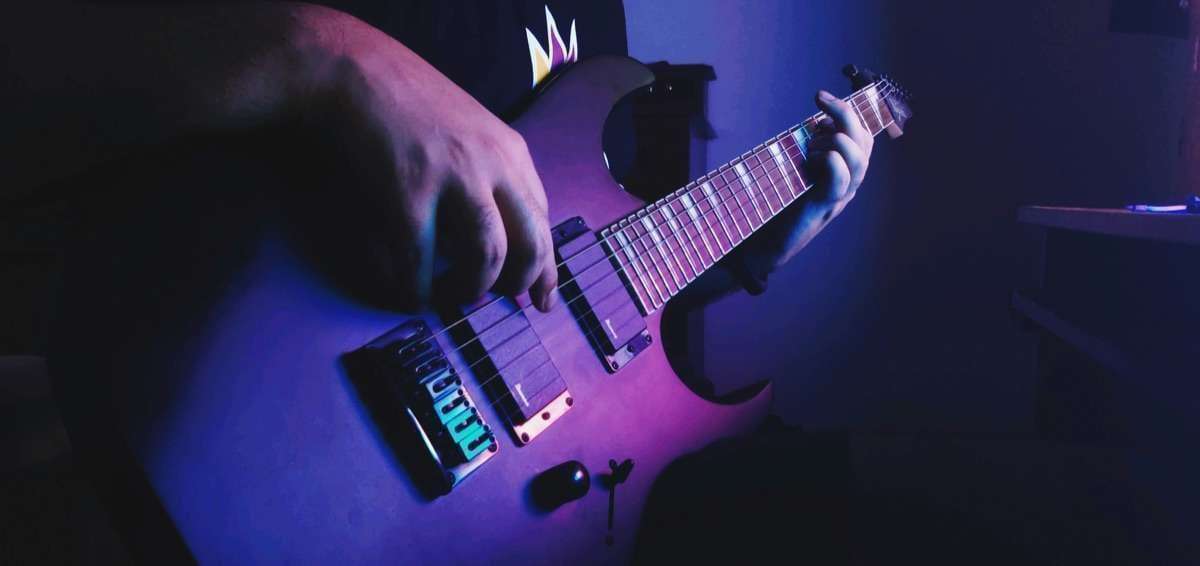
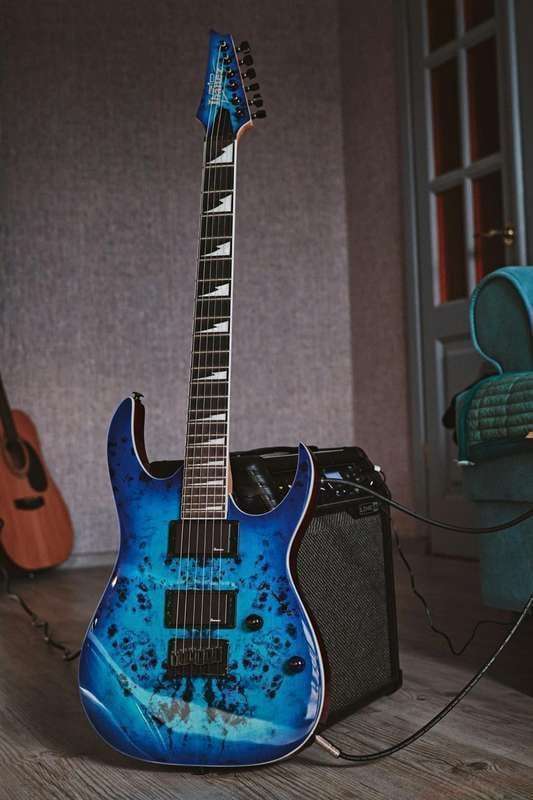
Photo by Angad Singh on Unsplash
Ibanez Serial Number Checker
The tool at the top of this page is a free Ibanez serial number checker. Enter your serial number and it instantly returns your guitar's production year, manufacturing location, factory name, and era. No sign-up required—use it as often as you need to verify a single guitar or compare multiple instruments.
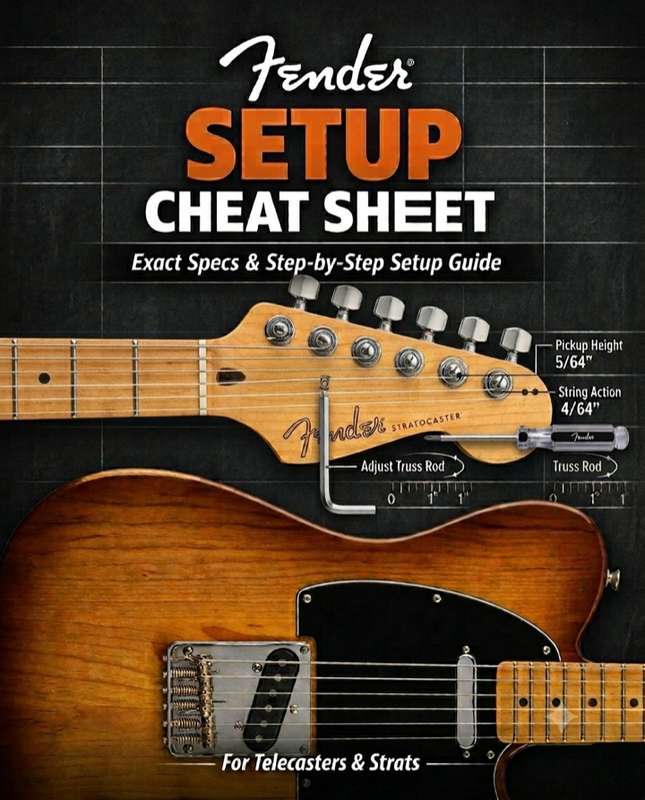
What's Next? Now that you know your guitar's year and factory, the next step is setting it up to play its best. Factory specs—action height, pickup height, neck relief—vary between Ibanez tiers and eras. A FujiGen Prestige needs different measurements than an Indonesian Standard. Want to dial in the right specs? Check out our Action Height Guide and Truss Rod Adjustment Guide.
Part 2: FujiGen Japan — F Prefix (1987-Present)
FujiGen (Fujigen Gakki) is Ibanez's premier Japanese manufacturer. FujiGen produces the Prestige, J.Custom, and other high-end Ibanez models. These guitars are the most sought-after in the Ibanez lineup.
Modern F-Prefix Format (2010+)
| Position | Characters | Meaning |
|---|---|---|
| 1 | F | FujiGen factory |
| 2-3 | YY | 2-digit year (10 = 2010, 24 = 2024) |
| 4-5 | MM | Month (01-12) |
| 6-9 | RRRR | Production number |
Total length: 9 characters (F + 8 digits).
Older F-Prefix Format (1987-2009)
| Position | Characters | Meaning |
|---|---|---|
| 1 | F | FujiGen factory |
| 2 | Y | Single-digit year (0-9) |
| 3-4 | MM | Month (01-12) |
| 5-8 | RRRR | Production number |
Total length: 8 characters (F + 7 digits).
Note: Single-digit years are ambiguous. F7 could mean 1997 or 2007. For guitars from the late 1990s/early 2000s, check physical features to determine the exact decade.
Worked Examples
- F0512345: F = FujiGen, 05 = 2005, 12 = December, 345 = production → December 2005, FujiGen Japan
- F1012345: F = FujiGen, 10 = 2010, 01 = January, 2345 = production → January 2010, FujiGen Japan
- F2406123: F = FujiGen, 24 = 2024, 06 = June, 123 = production → June 2024, FujiGen Japan
What Models Use the F-Prefix?
FujiGen produces Ibanez's premium lines:
- Prestige series (RG, S, SA, AZ, etc.)
- J.Custom series (top-tier, hand-finished)
- Premium series (some models)
- Signature models (Steve Vai JEM, Joe Satriani JS, etc.)
- Genesis Collection (reissues)
Part 3: Vintage FujiGen Japan — Letter Prefix (1975-1986)
Before the F-prefix era, FujiGen used single letters to indicate the year of production. This is the "lawsuit era" and early post-lawsuit period—highly collectible guitars.
Letter-Year Mapping
| Letter | Year | Letter | Year |
|---|---|---|---|
| A | 1975 | G | 1981 |
| B | 1976 | H | 1982 |
| C | 1977 | I | 1983 |
| D | 1978 | J | 1984 |
| E | 1979 |
Format: Letter + MM (month) + RRRR (production number). Total: 7 characters.
Note: "F" is not used as a year letter because it later became the FujiGen factory prefix. The letter "I" was sometimes skipped.
Worked Examples
- A0612345: A = 1975, 06 = June, 12345 = production → June 1975, FujiGen Japan
- D1212345: D = 1978, 12 = December → December 1978, FujiGen Japan
- H0312345: H = 1982, 03 = March → March 1982, FujiGen Japan
Why Vintage Japanese Ibanez Are Collectible
The 1975-1984 era includes the famous "lawsuit era" guitars (1975-1977), when Ibanez produced copies of Gibson and Fender designs so accurate that Gibson filed a lawsuit. Post-lawsuit, Ibanez developed original designs (RG, S, JEM) that became iconic. Vintage FujiGen Ibanez guitars are prized for:
- Exceptional craftsmanship — FujiGen's quality rivaled American factories
- Historical significance — Lawsuit-era guitars are collector's items
- Tone and playability — Thin, fast necks that defined the shred era
- Scarcity — Limited production compared to modern volumes
Part 4: Korean Serial Numbers
Korea has been a major Ibanez production hub since the 1980s. Several factories have produced Ibanez guitars, each with a distinct prefix.
Cort Factory (C Prefix)
The C prefix indicates the Cort factory in Korea—one of the world's largest guitar manufacturers.
| Position | Characters | Meaning |
|---|---|---|
| 1 | C | Cort factory |
| 2-3 | YY | 2-digit year |
| 4 | M | Month (1-9, X=Oct, Y=Nov, Z=Dec) |
| 5-8 | RRRR | Production number |
Month encoding: Months 1-9 use digits 1-9. October = X, November = Y, December = Z.
Example: C02112345 = Cort, 2002, November (Y=11), production 2345 → November 2002, Cort Korea
Saehan/Sunghan Factory (S Prefix)
The S prefix indicates the Saehan (also known as Sunghan) factory in Korea.
Format: Same as Cort — S + YY + M + RRRR.
Example: S9912345 = Saehan, 1999, January, production 2345 → January 1999, Saehan Korea
World Factory (W Prefix)
The W prefix indicates the World factory in Korea.
Format: Same as Cort — W + YY + M + RRRR.
Example: W02Y12345 = World, 2002, November, production 12345 → November 2002, World Korea
Samick/Peerless Factory (P Prefix)
The P prefix indicates the Samick or Peerless factory in Korea.
Format: Same as Cort — P + YY + M + RRRR.
Example: P9912345 = Samick, 1999, January → January 1999, Samick Korea
Korean Factory Reference Table
| Prefix | Factory | Year Range | Example | Notes |
|---|---|---|---|---|
| C | Cort | 1980s-Present | C02112345 | Largest Korean factory |
| S | Saehan (Sunghan) | 1980s-2000s | S9912345 | |
| W | World | 1990s-2000s | W02Y12345 | |
| P | Samick (Peerless) | 1980s-2000s | P9912345 |
Month Encoding (All Korean Factories)
| Character | Month | Character | Month |
|---|---|---|---|
| 1 | January | 7 | July |
| 2 | February | 8 | August |
| 3 | March | 9 | September |
| 4 | April | X | October |
| 5 | May | Y | November |
| 6 | June | Z | December |
 Buy on Amazon
Part 5: Indonesian Serial Numbers (2000s-Present)
Indonesia has become Ibanez's primary production location for mid-range and entry-level models. Indonesian Ibanez guitars are produced at Cort and World factories.
Format
| Position | Characters | Meaning |
|---|---|---|
| 1 | I | Indonesia |
| 2-3 | YY | 2-digit year |
| 4 | M | Month (1-9, X=Oct, Y=Nov, Z=Dec) |
| 5-8 | RRRR | Production number |
Same month encoding as Korean factories.
Example: I15612345 = Indonesia, 2015, June, production 12345 → June 2015, Indonesia
What Models Are Made in Indonesia?
Indonesian production covers:
- Standard series (RG, S, SA, etc.)
- Premium series (some models)
- Artcore series (semi-hollow)
- Acoustic models
Part 6: Chinese Serial Numbers
China produces Ibanez's entry-level models, primarily the GIO series.
Format
Various letter prefixes (Z, K, others) followed by YY + M + RRRR. Same month encoding as Korean factories.
Example: Z05112345 = China, 2005, November → November 2005, China
What Models Are Made in China?
- GIO series (GRG, GRX, GSA, etc.)
- Some entry-level standard models
Part 7: Pure Numeric Serials (1970s Japan)
Early 1970s Ibanez guitars used numeric-only serial numbers, typically 6-7 digits. These are the hardest to date precisely.
Format
Common interpretation: MMYYRRRR — first two digits = month, next two = year, remaining = production number.
Example: 0176123 = January 1976, production 123 → January 1976, FujiGen Japan
These early guitars include the famous "lawsuit era" models and are highly collectible.
Serial Prefix Quick Reference
Complete reference table for all Ibanez serial number prefixes:
| Prefix | Year Range | Country | Factory | Notes |
|---|---|---|---|---|
| F + 8 digits | 2010-Present | Japan | FujiGen | Modern Prestige/J.Custom |
| F + 7 digits | 1987-2009 | Japan | FujiGen | Older FujiGen format |
| A-J + 6-7 digits | 1975-1984 | Japan | FujiGen | Vintage letter-year format |
| C + 7-8 digits | 1980s-Present | Korea | Cort | Largest Korean factory |
| S + 7-8 digits | 1980s-2000s | Korea | Saehan (Sunghan) | |
| W + 7-8 digits | 1990s-2000s | Korea | World | |
| P + 7-8 digits | 1980s-2000s | Korea | Samick (Peerless) | |
| I + 7-8 digits | 2000s-Present | Indonesia | Cort/World Indonesia | Mid-range production |
| Z/K + 7-8 digits | 2000s-Present | China | China | GIO/entry-level |
| 6-7 digit numeric | 1970s | Japan | FujiGen | Vintage, hardest to date |
How to Read Your Ibanez Serial Number: Step-by-Step
Follow this process to decode any Ibanez from the 1970s onward.
- Locate the serial number on the back of the headstock, neck plate (older bolt-on models), or inside the soundhole (acoustics).
- Check for letter prefixes. F = FujiGen Japan. C = Cort Korea. S = Saehan Korea. W = World Korea. P = Samick/Peerless Korea. I = Indonesia. Z/K = China. A-J = Vintage FujiGen (1975-1984).
- For F-prefix (modern, 2010+): Positions 2-3 = year, positions 4-5 = month, positions 6-9 = production number.
- For F-prefix (older, 1987-2009): Position 2 = single-digit year, positions 3-4 = month, positions 5-8 = production.
- For Korean/Indonesian prefixes (C, S, W, P, I): Position 2-3 = year, position 4 = month (1-9, X=Oct, Y=Nov, Z=Dec), remaining = production.
- For vintage letter prefixes (A-J): The letter = year (A=1975, B=1976... J=1984), followed by month and production number.
- Verify with the "Made in" label. F = Japan, C/S/W/P = Korea, I = Indonesia, Z/K = China.
Pro tip: If the serial doesn't match any format, the guitar may be a limited edition, signature model, or—in rare cases—counterfeit. Check the physical features and consult the troubleshooting guide below.
Ibanez Model Tiers: Understanding the Lineup
Once you've decoded your serial number, understanding your Ibanez's model tier helps you assess its value and specs.
J.Custom (Top Tier — Japan)
The pinnacle of Ibanez production. Hand-finished at FujiGen with exotic wood tops, premium pickups (DiMarzio), and the finest fretwork. F-prefix serials. $3,000-$5,000+ new. These are collector-grade instruments.
Prestige (Premium — Japan)
FujiGen-made with exceptional fretwork, thin finishes, and premium hardware (Edge bridge, Gotoh tuners). F-prefix serials. $1,200-$2,500 new. The sweet spot for serious players who want Japanese quality.
Premium (Upper Mid-Range — Indonesia)
Indonesian-made with upgraded specs compared to Standard. Better pickups, hardware, and finish. I-prefix serials. $700-$1,200 new. Bridges the gap between Standard and Prestige.
Standard (Mid-Range — Indonesia/Korea)
Solid instruments for gigging musicians. Good hardware and construction. I-prefix (Indonesia) or C-prefix (Korea) serials. $400-$800 new.
GIO (Entry-Level — China)
Budget-friendly instruments for beginners. Z or K-prefix serials. $150-$300 new. Great starter guitars but don't hold resale value.
Iron Label (Performance — Indonesia)
Metal-focused models with active pickups, fixed bridges, and aggressive aesthetics. I-prefix serials. $500-$900 new.
AZ Series (Modern — Japan/Indonesia)
Ibanez's modern platform with roasted maple necks, S-Tech wood treatment, and versatile Seymour Duncan pickups. F-prefix (Japan) or I-prefix (Indonesia). $500-$2,000+ depending on tier.
Just Got a Used Ibanez?
If you're looking up a serial number, you probably just bought a used guitar—congratulations! The next step is getting it set up properly. Used guitars almost always need a fresh setup after changing hands.
Why used Ibanez guitars need setup:
- Ibanez thin necks are sensitive to climate and humidity changes
- Floyd Rose / Edge bridges need precise setup after shipping
- Previous owner's string gauge and action preferences may not match yours
- Factory setups are often conservative—a custom setup unlocks the guitar's potential
Your next steps:
- Check Action Height — Ibanez players typically prefer low action (1.5-2.0mm at 12th fret)
- Adjust Truss Rod — Dial in the right neck relief for fast playing
- Choose the Right Strings — String gauge affects tremolo balance and playability
- Check Factory Specs — Find the exact specs for your model
- Add to My Garage — Track your guitar's serial number, specs, and setup history
What's Your Ibanez Worth?
Serial numbers help determine a guitar's age, but condition and playability are what really drive value. A well-setup guitar with proper action and intonation can sell for 10-20% more than one that plays poorly.
Key factors that affect Ibanez value:
- Factory — FujiGen (Japan) commands the highest prices
- Bridge type — Original Edge and Lo-Pro Edge are most desirable; Edge III is least
- Pickups — DiMarzio or Seymour Duncan pickups add value over stock Ibanez pickups
- Neck condition — Ibanez thin necks show wear; fret condition is critical
- Model series — Prestige and J.Custom appreciate; GIO depreciates quickly
If you're selling or just want your guitar playing its best, a proper setup is the highest-ROI improvement you can make.
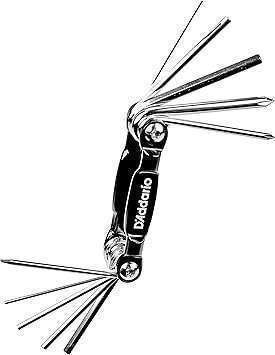
Tools for Evaluating an Ibanez
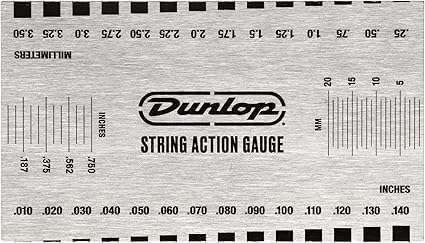
Whether you're buying, selling, or just checking your guitar's condition, these tools help verify setup and authenticity:
Authentication Tips: Spotting Fake Ibanez Guitars
Serial numbers are your first line of defense against counterfeits. Fake Ibanez guitars exist, especially for popular models like the JEM, RG Prestige, and J.Custom.
Red flags:
- Format doesn't match the "Made in" label. An F-prefix serial on a guitar labeled "Made in Indonesia" is suspicious. F-prefix = Japan only.
- Wrong serial length. FujiGen F-prefix serials are 8 characters (1987-2009) or 9 characters (2010+). Significantly different lengths are suspicious.
- Font and stamping quality. FujiGen stamps are clean and consistent. Blurry, shallow, or printed-looking serials on a "Prestige" guitar are a red flag.
- Physical features don't match. A serial suggesting FujiGen Japan but with budget hardware, thick finish, and poor fretwork indicates a fake.
Verification steps:
- Run the serial through our decoder. Does the result match the guitar's apparent age and features?
- Check the "Made in" label. F-prefix = Japan, C = Korea, I = Indonesia.
- For Prestige models, check for the Prestige fret edge treatment (smooth, rolled edges) and AANJ (All Access Neck Joint).
- Compare to official Ibanez product photos for that model year.
- For high-value guitars (J.Custom, vintage), consider professional authentication.
Prestige-specific checks:
- Prestige models have a distinctive fret edge treatment—smooth, rounded fret ends
- AANJ (All Access Neck Joint) on most Prestige models
- "Prestige" designation on the headstock
- FujiGen stamp or label in the neck pocket (visible when neck is removed)
Still unsure it's the real thing? The free fake Ibanez quick-check runs the classic counterfeit tells — price, seller behaviour, serial number, decals, workmanship — and returns an instant risk band in two minutes. It can't see the guitar, but it tells you how hard to look before you pay.
Serial Number Mysteries Solved: Real Case Studies
Case Study 1: The Ambiguous F-Prefix Year
The Mystery: An Ibanez RG with serial F7061234. The owner couldn't determine if it was 1997 or 2007.
The Investigation: Single-digit year codes (F + Y) are ambiguous between decades. F7 could mean 1997 or 2007. Physical inspection was needed.
The Solution: The guitar had Edge Pro bridge (introduced 2003), V7/V8 pickups (2000s spec), and a modern Prestige neck joint. All features confirmed 2007 production. A 1997 model would have had an original Edge bridge and different pickups.
Takeaway: Single-digit F-prefix years are ambiguous. Check hardware, pickups, and bridge type to determine the exact decade.
Case Study 2: The Korean Month Code Confusion
The Mystery: An Ibanez RG with serial C02X12345. The owner didn't understand the "X" in the serial.
The Investigation: In Korean Ibanez serials, months 10-12 use letters instead of numbers: X = October, Y = November, Z = December. This is unique to Ibanez's Korean (and Indonesian) serial format.
The Solution: C02X12345 = Cort factory, 2002, October (X=10), production 12345. The guitar was made in October 2002 at the Cort factory in Korea.
Takeaway: Remember the Ibanez month encoding: 1-9 for January-September, X/Y/Z for October/November/December.
Case Study 3: The Lawsuit Era Find
The Mystery: An Ibanez found at an estate sale with serial B0612345. The owner thought it was a cheap copy.
The Investigation: The "B" prefix indicates 1976 FujiGen Japan production. This places the guitar squarely in the "lawsuit era" (1975-1977), when Ibanez produced high-quality copies of Gibson and Fender designs.
The Solution: The guitar was a 1976 Ibanez Les Paul copy worth $800-$2,500+ depending on model and condition. Lawsuit-era Ibanez guitars are highly collectible and known for exceptional build quality.
Takeaway: Vintage letter-prefix Ibanez guitars (A-J, 1975-1984) can be very valuable. Don't dismiss older Ibanez guitars without checking the serial.
Case Study 4: The Fake Prestige
The Mystery: An "Ibanez RG Prestige" listed online for $400 with serial F1012345. The price was suspiciously low for a Japanese Prestige.
The Investigation: The serial format was correct for 2010 FujiGen production. However, physical inspection revealed: thick polyester finish (Prestige uses thin polyester or polyurethane), no fret edge treatment, standard bolt-on neck joint (Prestige uses AANJ), and generic pickups.
The Solution: The guitar was a standard Indonesian RG with a fake "Prestige" decal and a copied FujiGen serial. The serial format was valid but applied to the wrong guitar.
Takeaway: Prestige models have distinctive features (fret edge treatment, AANJ, thin finish) that are hard to fake. Always verify physical features, not just the serial.
Case Study 5: The Indonesian vs Korean Debate
The Mystery: Two Ibanez RGs purchased in the same year—one with C-prefix (Korea) and one with I-prefix (Indonesia). The owner noticed different feel and quality.
The Investigation: Cort operates factories in both Korea and Indonesia. The C-prefix indicates Korean Cort, while I-prefix indicates Indonesian production. Different factories, different quality control processes.
The Solution: Korean Cort production tends to be slightly higher-spec than Indonesian, but the difference is narrowing. The model tier (Standard vs Premium) matters more than the factory for quality.
Takeaway: C-prefix (Korea) and I-prefix (Indonesia) indicate different factories. The model series determines specs more than the factory location.
Value by Serial Number: What's Your Ibanez Worth?
Serial number dating is the first step to valuing your Ibanez. Once you know the year and factory, you can estimate market value.
FujiGen Japan (Prestige, J.Custom)
FujiGen-made Ibanez guitars command the highest prices.
- J.Custom: $2,500-$5,000+ (handcrafted, limited production)
- Prestige RG/S/AZ: $800-$2,000 used
- Vintage FujiGen (1975-1986): $500-$3,000+ (lawsuit era most valuable)
- 1990s FujiGen: $600-$1,500 (RG550, RG570, JEM era)
- Value factor: FujiGen guitars hold value well; vintage models appreciate
Korean Production
Korean Ibanez guitars offer excellent value.
- Cort-made (C prefix): $200-$600 used
- Saehan/World (S/W prefix): $150-$500 used
- 1990s Korean: $200-$500 (some models are sought after)
- Value factor: Korean RG and S series from the 1990s have a following
Indonesian Production
Indonesian Ibanez guitars are the most common in the used market.
- Standard series: $150-$400 used
- Premium series: $400-$800 used
- Artcore series: $200-$500 used
- Value factor: Premium series holds value best among Indonesian models
Chinese Production (GIO)
GIO series guitars are entry-level and priced accordingly.
- GIO series: $80-$200 used
- Value factor: GIO guitars don't hold value well but are excellent starter instruments
Factors That Affect Ibanez Value
Condition is the most important factor. Mint examples command 20-30% premiums.
Model matters significantly. Prestige and J.Custom hold value far better than Standard or GIO. Signature models (JEM, JS, LACS) can appreciate.
Country of origin affects value. Japan > Korea > Indonesia > China for resale value.
Bridge type matters for RG models. Original Edge, Lo-Pro Edge, and Edge Pro bridges are preferred. Edge Zero and Edge III are less desirable.
Pickups affect value. Original DiMarzio or Seymour Duncan pickups add value. Stock Ibanez pickups (INF, Quantum) are often swapped by players.
Neck condition is critical. Ibanez thin necks are prone to wear. Fret condition and neck straightness significantly affect value.
Decade-by-Decade: What Your Ibanez Serial Number Reveals
| Decade | Key Models | Production | Typical Value | Notable |
|---|---|---|---|---|
| 1970s | Lawsuit copies, Artist series | Japan (FujiGen) | $500-$3,000+ | Lawsuit era; highly collectible |
| 1980s | RG, S, JEM, Roadstar | Japan (FujiGen), Korea | $400-$2,000 | Birth of the superstrat; JEM launched 1987 |
| 1990s | RG550, RG570, JEM, Universe | Japan, Korea | $300-$1,500 | Peak shred era; FujiGen quality excellent |
| 2000s | Prestige, J.Custom, Standard | Japan, Korea, Indonesia | $200-$2,000 | Three-tier production established |
| 2010s | AZ series, Iron Label, Premium | Japan, Indonesia, China | $150-$2,000 | AZ series launched; Premium tier added |
| 2020s | AZ, Prestige, Q series | Japan, Indonesia, China | $200-$2,500 | Headless Q series; quality improvements |
Factory Comparison
| Feature | FujiGen (Japan) | Cort (Korea) | Indonesia | China |
|---|---|---|---|---|
| Models | Prestige, J.Custom, Signature | Standard, some Premium | Standard, Premium, Artcore | GIO |
| Quality | Exceptional | Very Good | Good | Entry-level |
| Fret Work | Hand-leveled, edge treatment | Machine-leveled | Machine-leveled | Basic |
| Finish | Thin poly, hand-buffed | Standard poly | Standard poly | Thick poly |
| Hardware | Premium (Edge, Gotoh) | Good (Edge Zero, standard) | Good (standard) | Basic |
| Price Range | $1,000-$5,000+ | $400-$800 | $300-$800 | $150-$300 |
| Serial Prefix | F (1987+), A-J (1975-1984) | C | I | Z, K |
| Collectibility | High | Moderate | Low-Moderate | Low |
Troubleshooting Guide
Can't Find Your Serial Number
Check all common locations: back of headstock first, then neck plate (older bolt-on models), then neck heel. Use good lighting and a magnifying glass. Serial numbers can be small and faint, especially on older guitars.
Serial Number Is Worn or Faded
FujiGen stamps are durable, but Korean and Indonesian printed serials can fade. Try different lighting angles. Take a photo and enhance contrast digitally. A pencil rubbing technique can reveal faint impressions on stamped serials.
Serial Doesn't Match Any Format
Ibanez serials vary by factory and era. If the lookup tool returns "Unknown Format," compare your serial to the prefix tables above. Some limited edition or signature models may have non-standard serial formats. Check the Ibanez wiki or forums for unusual formats.
Ambiguous Single-Digit Year (F-Prefix)
F-prefix serials from 1987-2009 use a single-digit year that repeats every 10 years. F7 could be 1997 or 2007. Check hardware (bridge type, pickups), finish quality, and model features to determine the decade. Edge Pro bridge = 2003+. Lo-Pro Edge = 1990s. Original Edge = late 1980s-1990s.
Frequently Asked Questions
How do I read my Ibanez serial number?
On most Ibanez guitars the serial is on the back of the headstock; older bolt-on models may have it on the neck plate. Japanese models start with F for FujiGen followed by year and month digits, Korean models use C, S, W, or P factory prefixes, and vintage 1975–1984 models use a single letter (A=1975 through J=1984). Or enter it in the free tool at the top of this page for an instant answer.
Can I look up my Ibanez guitar by serial number?
Yes. The free tool at the top of this page instantly returns your guitar's production year, country and factory, and model line—no sign-up required.
How do I use the Ibanez serial number lookup?
Use the free tool at the top of this page. Enter your serial number exactly as it appears on your guitar. Click Decode to get production year, factory, and era. No sign-up required.
What is an Ibanez serial number decoder?
An Ibanez serial number decoder is a tool that interprets the characters in your serial number to determine production year, factory location, and country of origin. Our decoder covers FujiGen Japan, Korean (Cort, Saehan, World, Samick), Indonesian, and Chinese formats from 1975 to present.
Where is the Ibanez serial number?
On most Ibanez guitars, the serial number is on the back of the headstock. Older bolt-on models may have it on the neck plate. Some vintage models have it on the neck heel. Acoustics may have it on a label inside the soundhole.
How do I date an Ibanez guitar?
For FujiGen models (F-prefix), the digits after F indicate year and month. For Korean/Indonesian models, the prefix letter indicates the factory, followed by year and month codes. For vintage letter-prefix models (A-J), the letter directly indicates the year (A=1975 through J=1984).
Is there a free Ibanez serial number checker?
Yes. The tool at the top of this page is a free Ibanez serial number checker. Enter your serial for instant results—production year, factory, and era. No sign-up or payment required. It covers Japan, Korea, Indonesia, and China models.
What does the F mean in my Ibanez serial number?
The "F" stands for FujiGen (Fujigen Gakki), Ibanez's premier Japanese manufacturer located in Nagano Prefecture, Japan. FujiGen produces Prestige, J.Custom, and other high-end Ibanez models. An F-prefix serial means your guitar was made in Japan.
Are Japanese Ibanez better than Korean or Indonesian?
FujiGen-made (Japanese) Ibanez guitars are generally considered the highest quality, with superior fretwork, thinner finishes, and premium hardware. Korean models offer excellent value, and Indonesian models have improved significantly. The gap has narrowed, but FujiGen guitars remain the benchmark.
How much is my Ibanez worth?
Value depends on model, year, condition, and country of origin. FujiGen Prestige models range from $800-$2,000 used. J.Custom models range from $2,500-$5,000+. Korean models range from $200-$600. Indonesian models range from $150-$800. Vintage FujiGen (1975-1986) can reach $500-$3,000+. For a complete breakdown of the factors that affect guitar prices, see our complete guide to guitar valuation.
What year is my Ibanez with serial starting with F?
For 2010+: the two digits after F indicate the year (F10 = 2010, F24 = 2024). For 1987-2009: the single digit after F indicates the year within the decade (F0 = 2000, F7 = 1997 or 2007). Check hardware features to resolve decade ambiguity.
What is the Ibanez "lawsuit era"?
The "lawsuit era" (approximately 1975-1977) refers to when Ibanez produced copies of Gibson and Fender designs so accurate that Gibson filed a lawsuit. These guitars (letter prefixes A, B, C) are highly collectible due to their exceptional craftsmanship and historical significance.
What does the month code X, Y, Z mean?
In Korean and Indonesian Ibanez serials, months 10-12 use letters: X = October, Y = November, Z = December. Months 1-9 use digits 1-9. This encoding is unique to Ibanez's Korean/Indonesian serial format.
How do I tell if my Ibanez is a Prestige?
Prestige models have: FujiGen F-prefix serial, "Prestige" on the headstock, distinctive fret edge treatment (smooth, rolled fret ends), AANJ (All Access Neck Joint), and typically premium hardware (Edge or Gotoh bridge). If any of these are missing, it may not be a genuine Prestige.
What's the difference between Ibanez Premium and Prestige?
Prestige models are made in Japan (FujiGen) with F-prefix serials. Premium models are typically made in Indonesia (I-prefix) with upgraded specs compared to Standard models. Prestige has superior fretwork, thinner finish, and premium hardware. Premium bridges the gap between Standard and Prestige.
Can I tell the exact month from my Ibanez serial?
Yes, for most formats. FujiGen F-prefix includes month (positions 3-4 for modern, 2-3 for older). Korean/Indonesian serials include month as a single character (position 4). Vintage letter-prefix serials include month in positions 2-3.
Does Ibanez have an official serial number lookup?
Ibanez does not offer a comprehensive public serial number lookup tool. Our decoder provides detailed results including factory identification, month of production, and era classification—all for free. The Ibanez wiki (ibanez.fandom.com) is another useful resource for model identification.
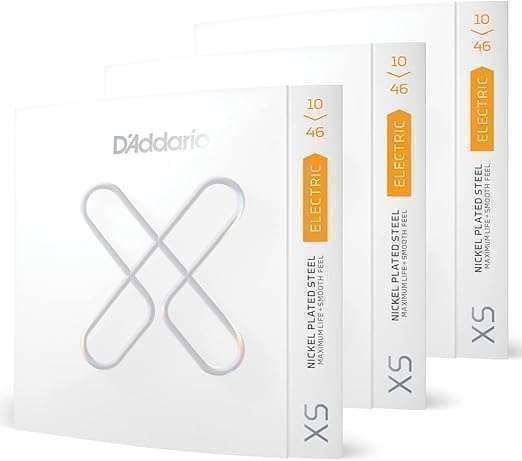
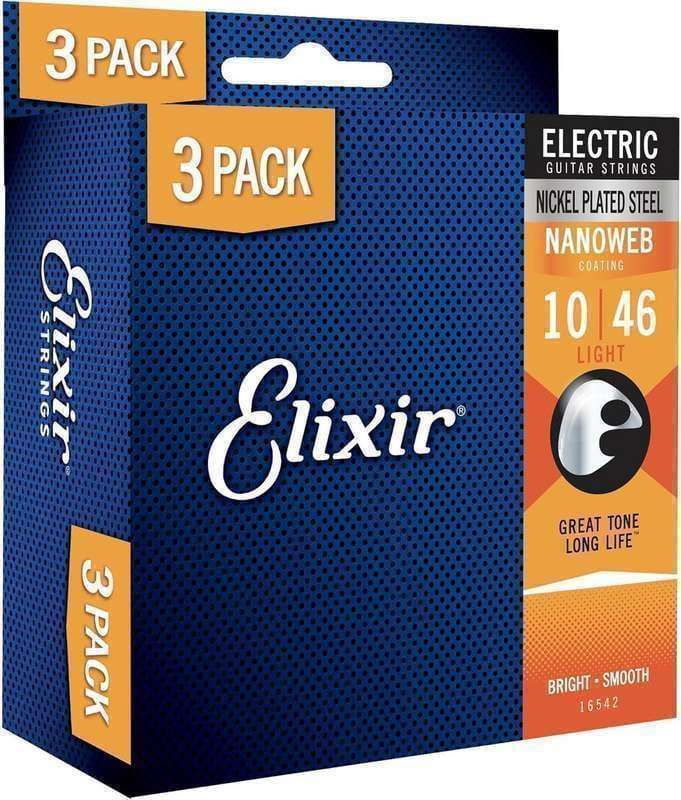
Recommended Strings for Ibanez Guitars
Now that you know your guitar's production year, you can choose strings that suit its model and playing style. Ibanez guitars vary widely in scale length and bridge type, which affects string choice.
For RG and S series (25.5" scale, tremolo): 9-42 or 10-46 are standard. If you use a floating tremolo (Edge, Lo-Pro Edge), stick with the gauge the bridge was set up for—changing gauge requires rebalancing the tremolo springs.
For AZ series (25.5" scale, fixed or T1502): 10-46 is standard. The roasted maple neck handles tension well, so 10-46 or even 11-48 work great for blues and rock.
For Artcore semi-hollow (24.75" scale): 10-46 or 11-48. The shorter scale length reduces tension, so slightly heavier gauges feel comfortable and produce fuller tone.
For GIO/entry-level: 9-42 is standard. Light gauge strings are easier for beginners and work well with the shorter 25.5" scale.
Learn more about choosing the right gauge in our String Gauge Guide or use the String Gauge Recommendation Tool.

Cross-Links: More Serial Number Resources
We're the guitar serial number experts—and we cover more than Ibanez. If you own multiple brands, these tools will help:
- Fender Serial Number Lookup — Decode USA, Mexico, Japan, and Squier from 1950 to present
- Gibson Serial Number Lookup — Decode Gibson guitars from Nashville, Kalamazoo, Bozeman, and Custom Shop
- Squier Serial Number Lookup — Identify Squier production year and factory
- Epiphone Serial Number Lookup — Decode Epiphone guitars from Qingdao, Korea, Japan, and Indonesia
- PRS Serial Number Lookup — Decode PRS guitars from USA, Korea, and Indonesia
- Yamaha Serial Number Lookup — Decode Yamaha guitars from Japan, Taiwan, and Indonesia
- Taylor Serial Number Lookup — Decode Taylor guitars from El Cajon and Tecate (all eras)
- Martin Serial Number Lookup — Decode Martin guitars from 1898 to present
- Jackson Serial Number Lookup — Decode Jackson guitars from USA, Japan, Indonesia, and Korea
- Charvel Serial Number Lookup — Decode Charvel guitars from San Dimas USA, Japan, and modern production
- Gretsch Serial Number Lookup — Decode Gretsch guitars from USA Custom Shop, Japan, Korea, and China
- Schecter Serial Number Lookup — Decode Schecter guitars from Korea, Indonesia, China, and USA
- ESP Serial Number Lookup — Decode ESP/LTD guitars from Japan, USA, Korea, Indonesia, and China
- Guild Serial Number Lookup — Decode Guild acoustic and electric guitars
- Rickenbacker Serial Number Lookup — Decode Rickenbacker electric guitars and basses
- Cort Serial Number Lookup — Decode Cort electric and acoustic guitars from Korea and Indonesia
- Factory Specs Lookup — Find nut width, fretboard radius, and setup specs for your model
Setup & Maintenance Guides
- Action Height Guide — Learn how to measure and adjust string action
- Truss Rod Adjustment — Safely adjust neck relief for optimal playability
- String Gauge Guide — Choose the right strings for your playing style
- Action Height Calculator — Calculate ideal action for your setup
- String Gauge Recommendation — Get personalized string suggestions
More Tools
- My Gear Tracker — Save your guitar's serial number, specs, and setup history
- How to Use Serial Number Lookup — Detailed guide for all brands
Whether you're dating a Prestige RG, a Strat, or a Les Paul, we've got you covered.