Guitar Serial Number Lookup: Decode Any Guitar Brand Instantly
Free guitar serial number lookup and checker: pick your brand and instantly decode your guitar's year, country and factory. Covers Fender, Gibson, Squier, PRS, Taylor, Martin, Ibanez and 15 more brands, 1950 to present. No signup required.
What's Next?
Now that you've decoded your guitar, here are the best places to continue:
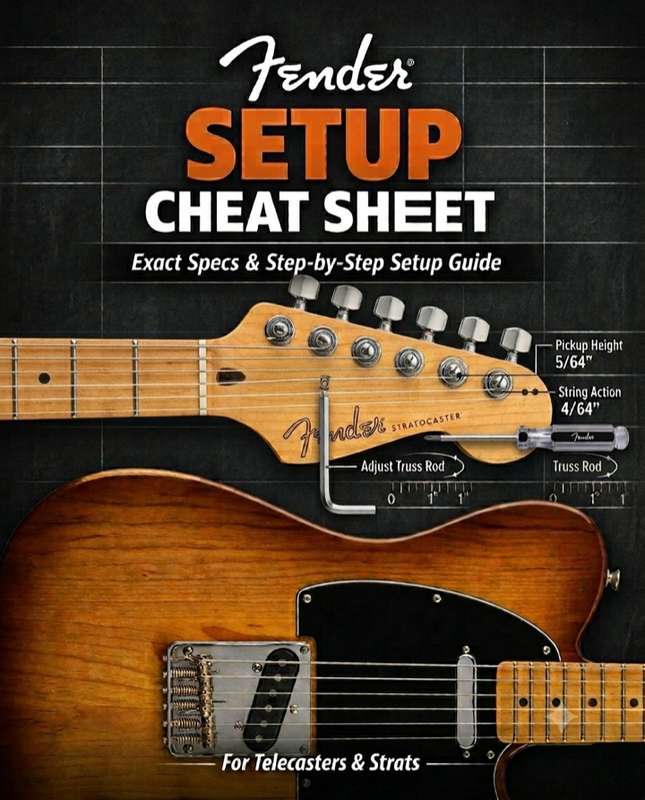
- Fender Setup Guide — Exact specs for Strat, Tele, Jazzmaster, Jaguar, Mustang, Bass
- Setup Specs Lookup — Find factory specs by year and model
- Guitar Action Height Guide — Dial in perfect string height
- My Gear Garage — Track your collection and maintenance schedule
- Garage Pro — Maintenance log with unlimited guitars, full history & smart reminders
- Fender vs Squier — See how your model compares
- All Free Guitar Tools — Value calculator, setup specs lookup, action height calculator and more
Buying used? Date the guitar first, then run the UK used-guitar buying checklist — serial verification is step one of any secondhand buy.
Guitar Serial Number Lookup: Free Decoders for Every Major Brand
A guitar serial number lookup is the fastest way to find out when and where your instrument was made. Pick your brand in the free tool at the top of this page, enter the serial number, and you get the production year, manufacturing country, and factory in seconds, with no signup required.
The tool above decodes serial numbers for 23 major brands — Fender, Gibson, Squier, PRS, Taylor, Martin, Ibanez and more, 1950 to present. Every brand also has its own dedicated decoder page with brand-specific reference tables: pick yours below. Worried a serial mismatch means the guitar itself is fake? Run the free fake guitar quick-check after you decode — it walks you through the classic counterfeit tells (price, seller behaviour, decals, workmanship) and returns an instant risk band.
All Guitar Serial Number Lookups
Fender Family
- Fender Serial Number Lookup - USA, Mexico, Japan, Squier and vintage Fender guitars from 1950 to present
- Squier Serial Number Lookup - Squier guitars and basses from Indonesia, China, Korea and Japan
Electric Guitar Serial Number Lookups
- Gibson Serial Number Lookup - USA Custom Shop, Nashville and Memphis guitars
- Epiphone Serial Number Lookup - Gibson-owned Epiphone models from Korea, China and Indonesia
- PRS Serial Number Lookup - Maryland USA Core, S2, SE and CE models
- Ibanez Serial Number Lookup - FujiGen, Cort, Samick and Indonesian factories
- Jackson Serial Number Lookup - USA San Dimas, Japan and Indonesia production
- Charvel Serial Number Lookup - USA, Japan and Mexico Charvel guitars
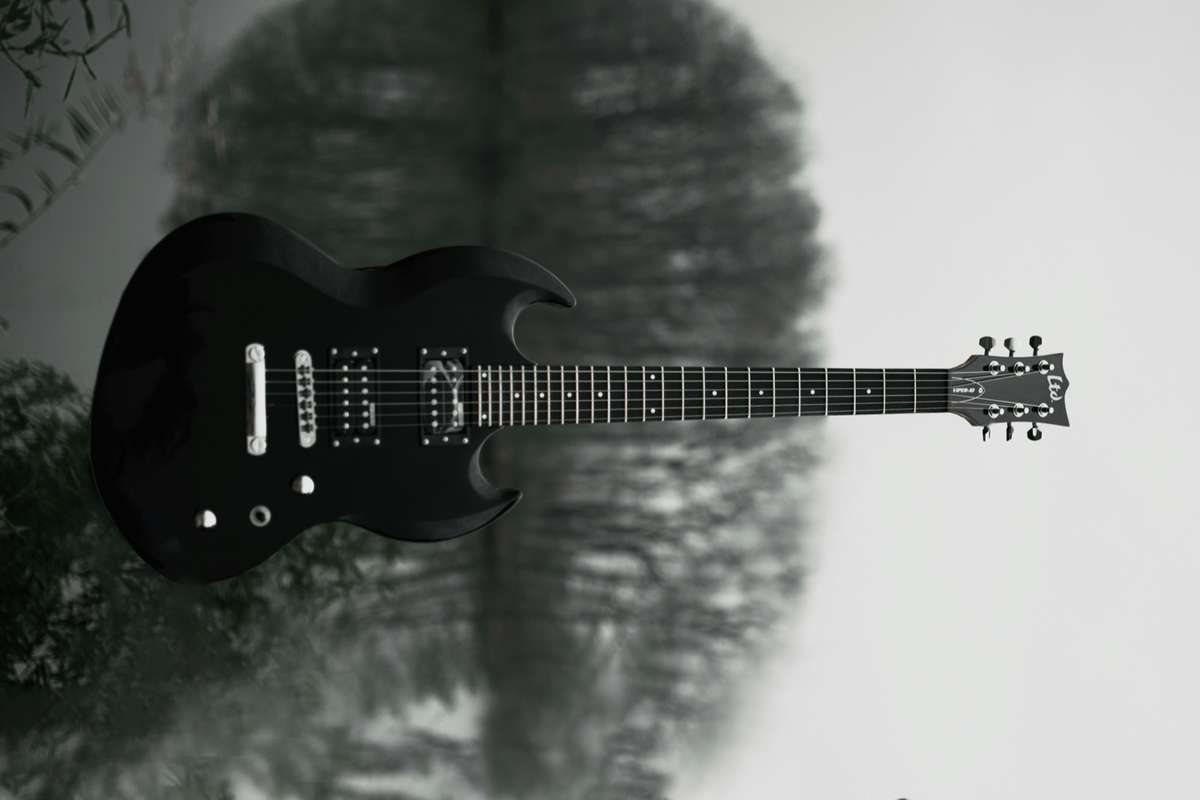
- ESP Serial Number Lookup - ESP Original, LTD and Edwards serial numbers
- LTD Serial Number Lookup - LTD imports from Korea (WMI), Indonesia (Wildwood, Cort) and China
- Schecter Serial Number Lookup - USA Custom Shop, Korean and Indonesian models
- Gretsch Serial Number Lookup - Terada Japan and USA Baldwin-era guitars
- Rickenbacker Serial Number Lookup - USA electric guitars and basses
- Chapman Serial Number Lookup - WMI Korea and Cort Indonesia production
- Harley Benton Serial Number Lookup - WSM and HB-prefix serial numbers
- Cort Serial Number Lookup - Korea and Indonesia Cort production
Acoustic Guitar Serial Number Lookups
- Taylor Serial Number Lookup - USA-made and Mexican Taylor acoustics
- Martin Serial Number Lookup - Nazareth, PA acoustics by serial number
- Takamine Serial Number Lookup - Japanese and Chinese Takamine acoustics
- Yamaha Serial Number Lookup - Yamaha acoustic and electric guitars
- Guild Serial Number Lookup - USA Westerly, New Hartford and Newark Street acoustics
- Eastman Serial Number Lookup - Chinese acoustic and electric guitars
- Seagull Serial Number Lookup - Canadian acoustic guitars by serial number
Where to Find Your Guitar's Serial Number
Serial number placement varies by brand and era. Check these spots in order:
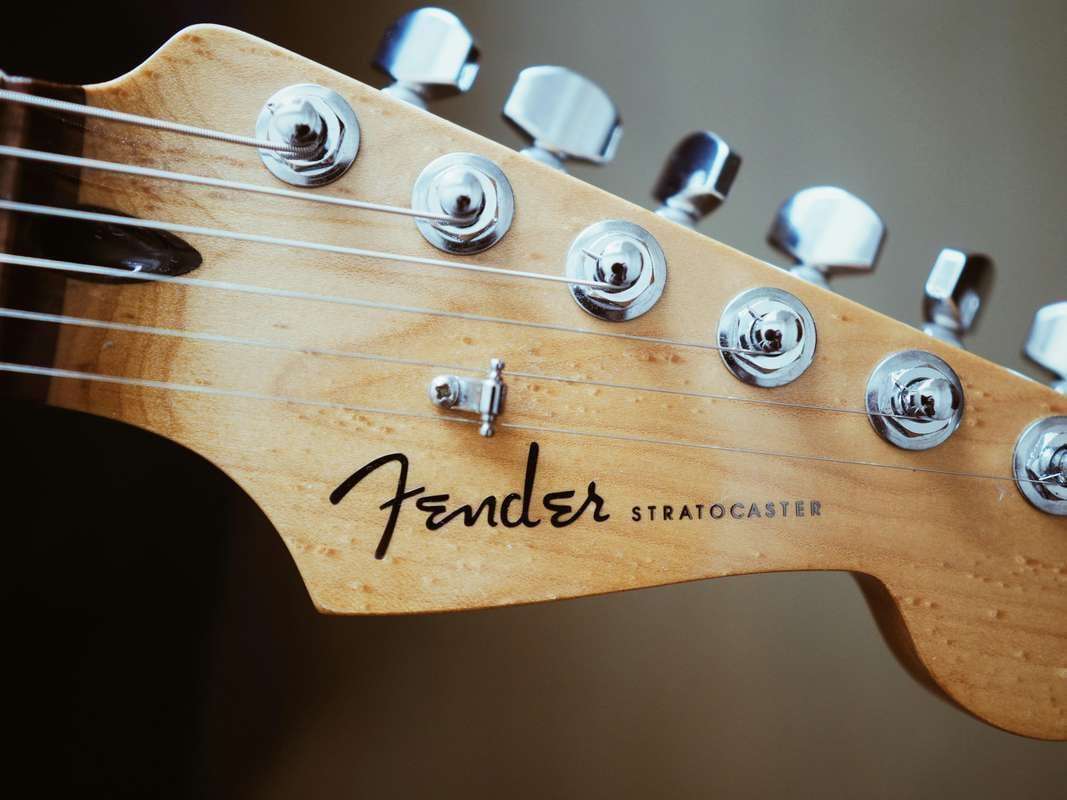
- Back of the headstock: The most common location on modern Fender, Gibson, Epiphone and Squier guitars.
- Front of the headstock: Common on 1970s CBS-era Fender and some reissues.
- Neck plate: The metal plate where the neck bolts to the body. Standard on vintage Fender (1954-1976) and vintage reissues.
- Bridge plate: Found only on very early Telecasters (1950-1954).
- Neck heel: Hidden inside the neck pocket on some Japanese models and reissues. Requires removing the neck.
- Control cavity: Potentiometer date codes are a reliable backup dating method on Gibson-style guitars.
Tip: Use bright, angled light and a magnifying glass. Serial stamps wear down over decades and can be faint.
What a Serial Number Lookup Tells You
- Production year: The single biggest factor in a guitar's value and specs.
- Country and factory: USA, Mexico, Japan, Korea, Indonesia and China all produced distinct eras with different quality tiers.
- Era classification: Pre-CBS vs CBS Fender, Norlin vs modern Gibson, Core vs SE PRS. The era determines the spec sheet.
Once you know the year, the next step is checking the factory setup specs for your exact model and era.
Found Your Year? Next Steps
- Setup Specs Lookup - Factory action, relief and pickup height by year and model
- Fender Setup Guide - Printable specs for Strat, Tele, Jazzmaster, Jaguar, Mustang and Bass
- Guitar Price Estimator - What your guitar is worth today
- My Gear Garage - Track your collection and maintenance schedule
Frequently Asked Questions (FAQ)
1. What is a guitar serial number lookup?
Answer: A serial number lookup decodes the stamped serial on your guitar into useful facts: production year, manufacturing country, and factory. Each brand uses its own format, which is why every brand above has a dedicated decoder with its own reference tables.
2. Where do I find my guitar's serial number?
Answer: Most modern guitars have the serial on the back of the headstock. Also check the front of the headstock, the metal neck plate (vintage Fender), the bridge plate (early Telecasters), and the neck heel inside the neck pocket. If the serial is missing or unreadable, potentiometer date codes inside the control cavity are a reliable backup.
3. Is the serial number lookup free?
Answer: Yes. Every decoder on this site is free with no signup required. Enter your serial number and you get the year, country and factory instantly, as often as you need.
4. Which brands are covered?
Answer: More than 20 brands, including Fender, Squier, Gibson, Epiphone, PRS, Ibanez, Jackson, Charvel, ESP, LTD, Schecter, Gretsch, Rickenbacker, Chapman, Harley Benton, Cort, Taylor, Martin, Takamine, Yamaha, Guild, Eastman and Seagull. Each has a dedicated page linked in the directory above.
5. My serial number is not recognized. What now?
Answer: First, re-check each character under good light: 0 vs O and 1 vs I are common mix-ups. Then try the reference tables on your brand's decoder page, since limited runs, Custom Shop models and older vintage guitars often fall outside standard formats. On the brand pages you can also send us the serial and we will help identify it.
6. Can a serial number tell me what my guitar is worth?
Answer: It gives you the two biggest inputs: age and origin. Final value depends on model, condition, originality and documentation. Once you have the year, use our Guitar Price Estimator for a current market range.