Squier Serial Number Lookup: Free Instant Decoder & Checker
Free Squier serial number lookup tool. Enter your serial and instantly decode production year, factory, and country. Covers Indonesia, China, Korea, and Japan models (1982–present).
Quick answer: Find your Squier serial number on the back of the headstock — older Korean models may have it on the neck plate, early Japanese models on the neck heel. Modern serials use factory letters plus a 2-digit year code (ICS19 = 2019 Indonesia Cort, CY09 = 2009 China). Production spans 1982–present across Indonesia, China, Korea, and Japan. Enter it in the free checker above for an instant decode, or match the prefix against the reference tables below.
On this page:
- Where Is My Squier Serial Number?
- Indonesia Serial Numbers
- China Serial Numbers
- Korea Serial Numbers
- Japan Serial Numbers (The Collectible Era)
- Squier Series Guide
- Serial Prefix Quick Reference
- Troubleshooting Guide
- Serial Number Case Studies
- Value by Serial Number
- Spotting Fake Squiers
- FAQ
Serial Prefix Quick Reference
Complete reference table for all Squier serial number prefixes:
| Prefix | Year Range | Country | Notes |
|---|---|---|---|
| ICS | 2010–Present | Indonesia (Cort) | Classic Vibe, Contemporary |
| ISS | 2010–Present | Indonesia (Samick) | Affinity, Bullet |
| IC | 2000s | Indonesia (Cort) | Older format |
| CY | 2000s–2010s | China (Yako) | Affinity, Standard |
| CGS | 2008–2012 | China | Early Classic Vibe |
| COB | 2008–2012 | China | Classic Vibe |
| CN | Approximate dating | Korea | Compare other markings |
| CAE, CDN, CXS | Various | China | Various factories |
| S + digit | 1980s–1990s | Korea | Samick/Sung-Eum |
| E + digit | 1980s | Korea | Samick/Sung-Eum |
| KC, KV | 2000s | Korea (Cort) | Cort Korea |
| VN | Approximate dating | Korea | Compare other markings |
| SQ + 5 digits | 1983–1984 | Japan (Fujigen) | Highly collectible |
| JV + 5 digits | 1982–1984 | Japan (Fujigen) | Shared with Fender JV |
| E + 6 digits | 1984–1987 | Japan (Fujigen) | MIJ Squier |
| MN, MZ, MX | Varies by prefix | Mexico | Fender numbering; check the headstock branding, including historical “Squier Series” |
Squier Serial Number Lookup: Decode Your Guitar Instantly
A Squier serial number lookup is the fastest way to identify when and where your guitar was made. Squier has produced guitars in Japan, Korea, China, and Indonesia since 1982—and each factory used different serial formats. Whether you own a vintage Japanese Squier or a modern Indonesian Classic Vibe, the serial number holds the key.
Use the free lookup tool above to instantly decode your serial number. It covers Indonesia (Cort and Samick factories), China (Yako, Classic Vibe), Korea and Japan models—no sign-up required. Enter your number and get production year, factory location, and era in seconds.
Own another guitar? We also have free serial number decoders for Fender, Gibson, ESP, LTD, Schecter, Charvel, Epiphone, Gretsch, Ibanez, Jackson, Martin, PRS, Taylor, Takamine, Yamaha, Chapman, Eastman, Guild, Harley Benton, Rickenbacker, Cort, and Seagull.
Part 1: Where Is My Squier Serial Number?
Before you can run a Squier serial number lookup, you need to find the number. Squier has used several locations over the decades.
Back of Headstock (Most Common): The vast majority of Squier guitars—especially modern models from Indonesia and China—have the serial number stamped or printed on the back of the headstock. Look near the top, often in small text. This is the first place to check for any Squier made after the mid-1990s.
Neck Plate (Vintage Models): Some older Squier models, particularly Korean production from the 1980s and 1990s, have the serial number on the metal neck plate where the neck bolts to the body. The plate is roughly 2×2 inches and sits between the body and neck. Remove the strings or look between them to read it clearly.
Neck Heel (Hidden): Early Japanese Squiers (1982–1987) sometimes have date codes or identifiers stamped on the neck heel—the part that sits inside the body pocket. You’ll need to remove the neck (four bolts) to see it. This is less common on Squier than on Fender, but worth checking if the headstock serial is missing or unclear.
Part 2: Indonesia Serial Numbers (Current Production)
Most Squier guitars sold today are made in Indonesia. Two main factories dominate production: Cort and Samick. Each uses a distinct prefix.
ICS Prefix (Cort Factory)
The ICS prefix indicates Indonesian production at the Cort factory. Format: ICS + 2-digit year + 4+ digits. Example: ICS19123456 = 2019. Classic Vibe and Contemporary series guitars commonly use this format.
ISS Prefix (Samick Factory)
The ISS prefix indicates Indonesian production at the Samick factory. Format: ISS + 2-digit year + 4+ digits. Example: ISS21123456 = 2021. Affinity and Bullet series guitars often use this format.
IC Prefix (Older Cort Format)
Older Cort guitars used the IC prefix with a slightly different format: IC + 2-digit year + 2-digit month + digits. Example: IC060512345 = June 2006. This format was phased out in favor of ICS.
| Prefix | Year Range | Example | Notes |
|---|---|---|---|
| ICS | 2010–Present | ICS19123456 | Cort factory (Classic Vibe, Contemporary) |
| ISS | 2010–Present | ISS21123456 | Samick factory (Affinity, Bullet) |
| IC | 2000s | IC060512345 | Older Cort format (year + month) |
Part 3: China Serial Numbers
China has been a major Squier production hub since the early 2000s. Several prefixes indicate different factories and eras.
CY Prefix (Yako Factory)
The CY prefix is the most common China serial format. It indicates production at the Yako factory. Format: CY + 2-digit year + 4+ digits. Example: CY09123456 = 2009. Affinity and Standard series guitars frequently use this prefix.
CGS Prefix (Classic Vibe Early Production)
Early Classic Vibe guitars made in China used the CGS prefix. Format: CGS + 2-digit year + digits. Example: CGS0912345 = 2009. These were the first Classic Vibe models before production moved to Indonesia.
COB Prefix (Classic Vibe)
The COB prefix also indicates Classic Vibe production in China. Format: COB + 2-digit year + digits. Example: COB0812345 = 2008. Used alongside CGS during the Classic Vibe era in China.
CAE, CDN, CXS Prefixes
Other three-letter China prefixes include CAE, CDN, and CXS. Format: prefix + 2-digit year + 4+ digits. These appear on various Squier models from different Chinese production runs.
| Prefix | Year Range | Example | Notes |
|---|---|---|---|
| CY | 2000s–2010s | CY09123456 | Yako factory (Affinity, Standard) |
| CGS | 2008–2012 | CGS0912345 | Early Classic Vibe (China) |
| COB | 2008–2012 | COB0812345 | Classic Vibe (China) |
| CAE, CDN, CXS | Various | CAE0912345 | China (various factories) |
Part 4: Korea Serial Numbers (1980s–2000s)
Korean Squiers were produced from the mid-1980s through the early 2000s. Several factories used different formats.
S Prefix
The S prefix followed by a single digit often indicates the decade. Format: S + digit + 5–6 digits. Example: S9123456 = approximately 1989–1990. The digit after S can indicate the year within the 1980s (S9 = 1989).
E Prefix (Korean)
Korean Squiers sometimes used an E prefix. Format: E + digit + 5 digits. Example: E9123456 = 1989. Note: Japanese E-prefix serials are 6 digits total (E + 6 digits); Korean E-prefix serials have a different structure.
KC / KV Prefixes (Cort Korea)
The KC and KV prefixes indicate Korean production at Cort factories. Format: KC or KV + 2-digit year + 4+ digits. Example: KC09123456 = 2009. These were used during the transition period when Cort operated in Korea.
CN and VN Prefixes (Korea)
CN and VN identify Korean Fender/Squier production. They are not China and Vietnam codes. Fender's non-standard serial reference explicitly lists both as Korean and says their dating is unclear. The commonly used first-digit 1990s convention is documented in Squier Wiki's serial reference; treat it as an approximate date and compare the country label and other markings.
| Prefix | Year Range | Example | Notes |
|---|---|---|---|
| S + digit | 1980s–1990s | S9123456 | Samick or Sung-Eum factory |
| E + digit | 1980s | E9123456 | Korean (different from Japanese E) |
| KC, KV | 2000s | KC09123456 | Cort Korea |
| CN, VN | Approximate dating | VN354061 | Korea; confirm other markings |
Part 5: Japan Serial Numbers (1982–1987) — The Collectible Era
Japanese Squiers from 1982–1987 are among the most sought-after Squier guitars ever made. They were built by Fujigen, the same factory that produced Fender’s legendary JV-series guitars.
SQ Prefix (1983–1984)
The SQ prefix indicates early Japanese Squier production. Format: SQ + 5 digits. Example: SQ12345. These guitars were made in 1983–1984 and are known for exceptional build quality and vintage-correct specs.
JV Prefix (1982–1984)
The JV prefix is shared with Fender’s Japanese Vintage series. Some JV guitars were branded Squier. Format: JV + 5 digits. Example: JV12345. These are extremely collectible and often sell for $2,000–$4,000+.
E Prefix 6-Digit (1984–1987)
The E prefix with exactly 6 digits indicates Japanese production. Format: E + 6 digits. Example: E123456. This format was used from 1984–1987. High-quality Japanese Squiers from this era are prized by collectors.
Why Japanese Squiers Are Collectible: Fujigen applied the same craftsmanship to Squier as to Fender. Thin finishes, vintage-correct hardware, and excellent fretwork make these guitars comparable to USA Fenders of the era. Limited production and the factory’s reputation have driven values steadily upward.
| Prefix | Year Range | Example | Notes |
|---|---|---|---|
| SQ + 5 digits | 1983–1984 | SQ12345 | Fujigen Japan (highly collectible) |
| JV + 5 digits | 1982–1984 | JV12345 | Fujigen (shared with Fender JV) |
| E + 6 digits | 1984–1987 | E123456 | Fujigen Japan (MIJ Squier) |
Squier Series Guide
Understanding your Squier’s series helps you interpret its serial number and value. Here’s a brief overview of the current hierarchy:
Bullet: Entry-level Squiers. Simple construction, good for beginners. Often Indonesian (ISS) or Chinese (CY).
Sonic: Beginner-focused models with modern features. Typically Indonesian production.
Affinity: Intermediate tier. Better hardware and finish than Bullet. Common prefixes: ISS (Indonesia), CY (China).
Classic Vibe: Premium Squier tier. Vintage-inspired specs and higher quality. Often ICS (Indonesia) or earlier CGS/COB (China).
Contemporary: Modern features—humbuckers, different body shapes. Usually ICS (Indonesia).
Paranormal: Unique models with non-standard configurations. Indonesian production.
Troubleshooting Guide
Can't Find Your Serial Number
Check all common locations: back of headstock first, then neck plate, then neck heel. Use good lighting and a magnifying glass. Serial numbers can be small and faint, especially on older guitars.
Serial Number Is Worn or Faded
Try different lighting angles. Use a pencil rubbing: place paper over the serial and rub with a pencil to reveal the impression. Take a photo and enhance contrast digitally. Even partial characters can help narrow down the format using the tables above.
Serial Doesn't Match Any Format
Squier serials vary widely by factory and era. If the lookup tool returns "Unknown Format," compare your serial to the prefix tables. Check for non-standard prefixes (e.g., Mexico MN/MZ/MX on rare Squier models). If you suspect it might be a Fender, try the Fender Serial Number Lookup.
More Squier resources
For setup, comparisons and keeping track of your guitar:
- Squier Hub — Explore all Squier guides, series breakdowns, and mods
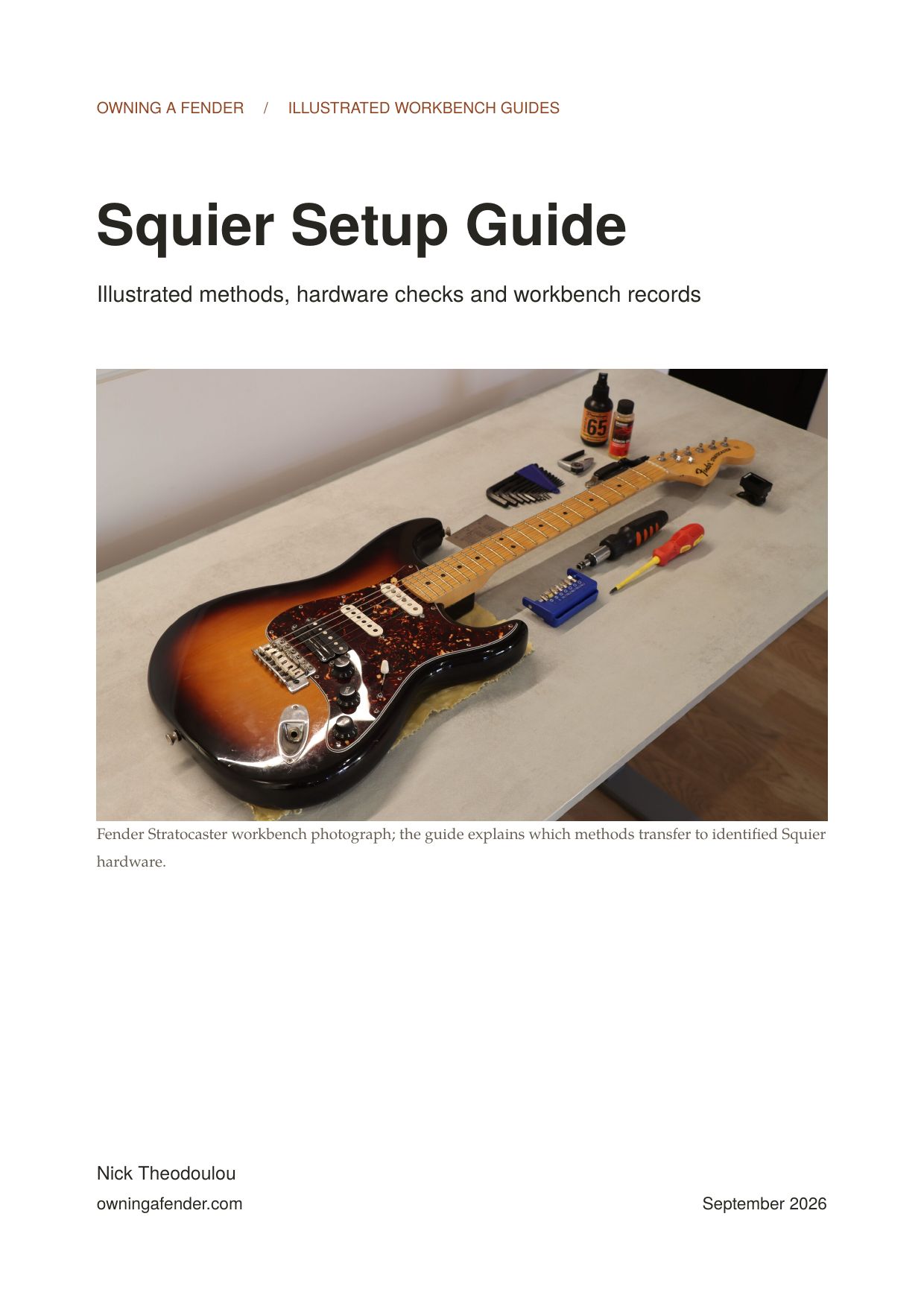
- Squier Setup Guide — Step-by-step setup for Affinity, Classic Vibe, Contemporary
- Fender vs Squier — See the real differences
- Setup Specs Lookup — Check supported models and setup starting points
- My Gear Garage — Track your collection and maintenance schedule
- Garage Pro — Maintenance log with unlimited guitars, full history & smart reminders
Serial Number Mysteries Solved: Real Case Studies
Real-world serial number puzzles often stump owners. Here are six common scenarios and how to solve them.
Case Study 1: The "Fake" Classic Vibe
The Mystery: A Classic Vibe '50s Stratocaster with serial CGS0912345. The owner worried it was fake because it said "Made in China" but they thought Classic Vibes were Indonesian.
The Investigation: The CGS prefix indicates early Classic Vibe production. Cross-referencing with Fender's production history revealed the timeline.
The Solution: Early Classic Vibes (2008-2012) were indeed made in China with CGS/COB prefixes. Production moved to Indonesia (ICS) around 2012-2013. This was a legitimate first-generation Classic Vibe.
Takeaway: Classic Vibe production location changed over time. Chinese Classic Vibes are authentic and often preferred by collectors for their vintage-correct early specs.
Case Study 2: The Korean E-Prefix Confusion
The Mystery: A Squier Strat with serial E912345 (7 characters). The owner ran it through a Fender decoder and got "1984-1987 Japan." But the guitar said "Made in Korea."
The Investigation: The E-prefix format overlaps between Japanese and Korean production. Japanese E-prefix serials use E + 6 digits. Korean E-prefix uses E + 1 digit + 5 digits—both can total 7 characters.
The Solution: The "Made in Korea" label confirmed this was a Korean Squier from approximately 1989, not Japanese. The Fender decoder defaults to Japanese when the format is ambiguous.
Takeaway: Always check the "Made in..." label alongside the serial number. E-prefix serials are ambiguous between Japan and Korea—the label is the tiebreaker.
Case Study 3: The Missing Serial Indonesian Squier
The Mystery: An Affinity Telecaster with no visible serial on the headstock. The owner thought it was a counterfeit.
The Investigation: Indonesian Squiers sometimes use printed rather than stamped serials. The ink can fade over time, especially on satin-finished headstocks.
The Solution: The serial was printed in very light ink and had faded. Using a UV light revealed "ISS21" prefix—a 2021 Samick-built Affinity.
Takeaway: Indonesian Squier serials are sometimes printed rather than stamped and can fade over time. UV light or angled lighting can reveal faded serials.
Case Study 4: The Valuable Japanese Find
The Mystery: A Telecaster found at a garage sale for $75 with serial SQ23456. The owner thought it was a cheap Squier.
The Investigation: SQ-prefix serials indicate 1983-1984 Fujigen Japan production. These are among the most collectible Squiers ever made.
The Solution: The guitar was worth $1,500-$3,000+. The thin lacquer finish, Fujigen craftsmanship, and vintage-correct specs confirmed authenticity. The owner had stumbled onto a hidden gem.
Takeaway: Japanese SQ and JV prefix Squiers are hidden gems. Always check the serial before dismissing a Squier as "cheap."
Case Study 5: The ICS vs ISS Quality Debate
The Mystery: Two Squier Stratocasters purchased the same year: one ICS (Cort), one ISS (Samick). The owner noticed different feel and finish quality.
The Investigation: Cort (ICS) and Samick (ISS) are different factories with slightly different quality control processes. The owner assumed one factory was "better."
The Solution: Cort generally handles Classic Vibe and Contemporary (higher-tier), while Samick handles Affinity and Bullet (entry-level). The difference isn't the factory's quality—it's the spec sheet and price point. Both factories produce excellent guitars for their tier.
Takeaway: ICS and ISS indicate different factories, but the series (Classic Vibe vs Affinity) matters more than the factory for quality.
Example 6: A VN prefix needs a country check
A VN serial should prompt a check of the Korean markings, not an assumption of modern Vietnamese production. Fender identifies VN as Korean but does not give a definitive year. Compare the instrument's logo, country label and other date markings before assigning a date or assessing authenticity.
Tools for Evaluating a Squier
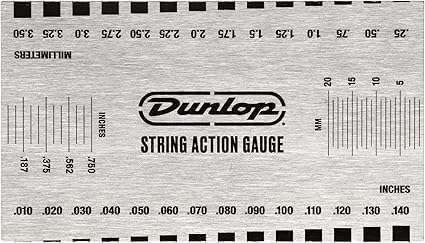
Whether you're buying, selling, or just checking your guitar's condition, these tools help verify setup and authenticity:
 Buy on Amazon
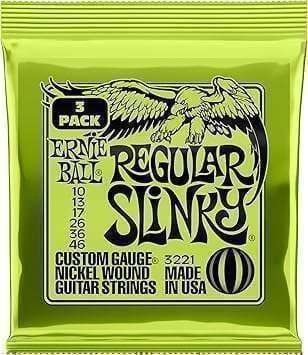
Recommended Strings for Your Squier
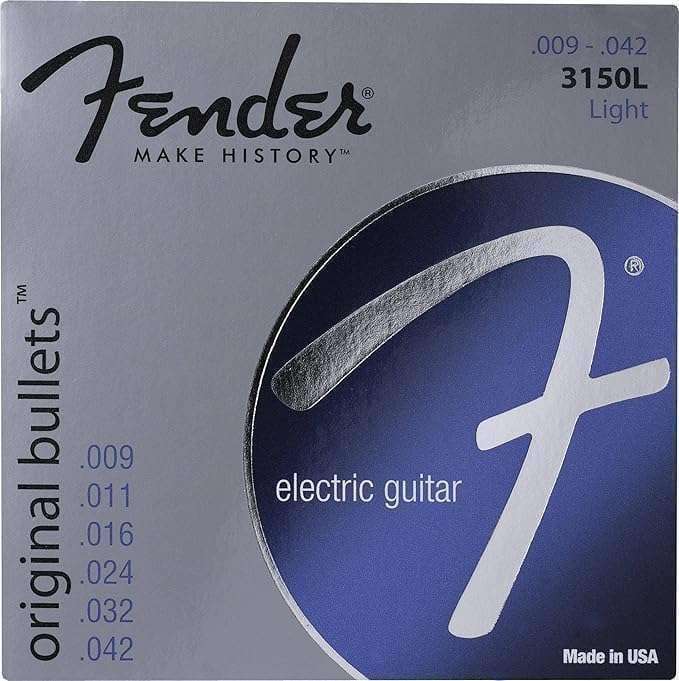
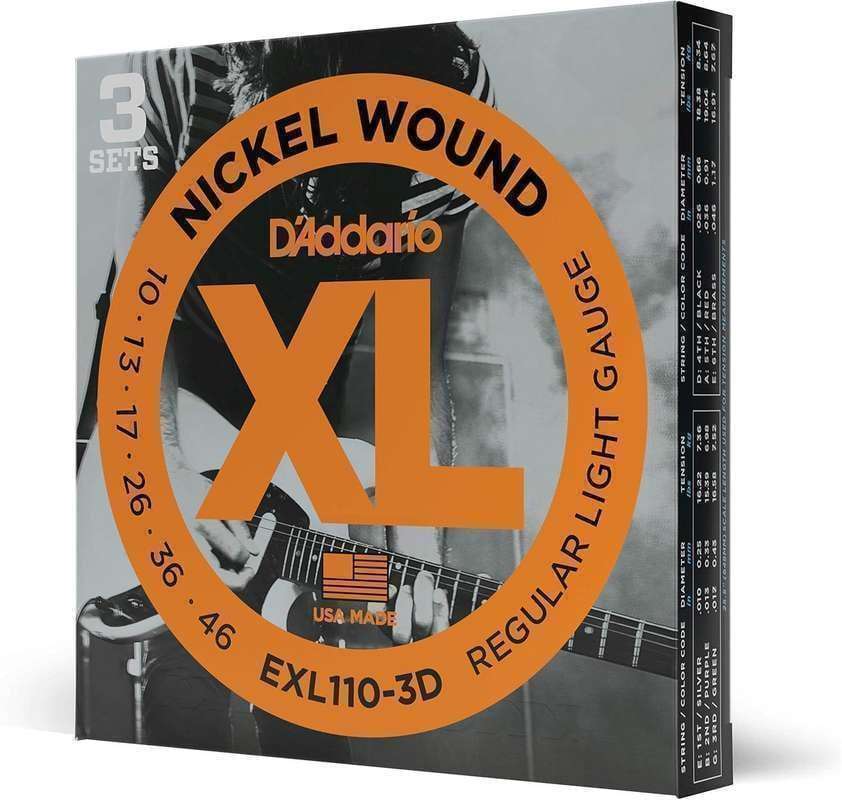
Now that you've identified your Squier's production year and factory, it's time to choose strings that match its model and your playing style. Many Squier Stratocaster, Telecaster and Jazzmaster models use a 25.5-inch scale, but shorter-scale models need separate consideration:
For Stratocaster and Telecaster models: 10-46 is the factory standard and most popular choice. The longer Fender scale produces bright, punchy tone with excellent clarity.
For Classic Vibe models: These upgraded Squiers deserve quality strings. The alnico pickups respond well to premium nickel-plated steel strings.
For Affinity and Bullet models: Quality strings can dramatically transform these guitars. Upgrade from factory strings for immediate improvement in tone and tuning stability.
For Jaguar and Jazzmaster models: Check the specific model before choosing string gauge. Jaguars commonly use a 24-inch scale; the Squier Classic Vibe ’60s Jazzmaster has a 25.5-inch scale. Gauge changes can require a fresh setup.
Essential Maintenance for Your Squier
Squier guitars offer excellent value, and proper maintenance keeps them playing their best. After identifying your guitar, consider these maintenance essentials:
String care: Factory strings on entry-level Squiers are often basic. Fresh strings with regular cleaning transform playability and tone.
Setup basics: Most Squiers benefit from a fresh setup out of the box. Adjusting truss rod, action, and intonation can make a $300 Affinity play like a much more expensive guitar.
Hardware upgrades: Many Squier players upgrade tuners, bridges, and electronics. Quality upgrades on a well-maintained Squier can rival Fender Player Series quality.
Electronics: Input jacks and switches on budget Squiers can be fragile. Consider upgrading to higher-quality components for reliability.
Value by Serial Number: What's Your Squier Worth?
Serial numbers reveal more than production year—they're a roadmap to your guitar's value. Here's what different eras and series are worth.
Value Ranges by Era
Japanese Era (1982-1987): SQ-prefix $1,500-$3,000+, JV-prefix $2,000-$4,000+ (shared with Fender), E-prefix 6-digit $800-$2,000. These are the most valuable Squiers. Condition and originality are critical—all-original examples command premium prices.
Korean Era (1985-2000s): S/E-prefix $200-$600, KC/KV-prefix $150-$400. Korean Squiers have moderate collectibility. Pro-Tone series (late 1990s) are more sought after and can reach $400-$600.
Chinese Era (2000s-2010s): CY-prefix $100-$300, CGS/COB Classic Vibe $300-$600. Early Chinese Classic Vibes have developed a following among players who prefer their slightly different character to Indonesian models.
Indonesian Era (2010-Present): ISS Affinity/Bullet $100-$250 used, ICS Classic Vibe $250-$500 used, ICS Contemporary $200-$400 used. Classic Vibe holds value best in the modern lineup.
VN-prefix instruments: Assess the actual Korean model, condition and comparable sales. The prefix alone does not establish market value.
Squier Series Value Comparison
| Series | New Price | Used Value | Holds Value? | Best For |
|---|---|---|---|---|
| Bullet | $150-$200 | $80-$130 | Moderate | Absolute beginners |
| Sonic | $200-$250 | $120-$170 | Moderate | Beginners |
| Affinity | $250-$350 | $150-$250 | Good | Intermediate players |
| Classic Vibe | $400-$500 | $280-$400 | Excellent | Serious players, collectors |
| Contemporary | $400-$500 | $250-$380 | Good | Modern players |
| Paranormal | $400-$500 | $300-$450 | Very Good | Collectors, unique seekers |
Factors That Affect Squier Value
Condition: Mint examples command 20-40% premiums. Heavy wear, refinished bodies, or replaced parts reduce value.
Series: Classic Vibe > Affinity > Bullet in terms of resale. Paranormal and Contemporary hold value well due to unique configurations.
Country of origin: Japan > Korea > China/Indonesia for collectibility. Modern Indonesian Classic Vibes outperform older Chinese Affinities despite similar age.
Originality: Original pickups, hardware, and finish matter most for Japanese and Korean models. Mods on entry-level Squiers often don't hurt value if done well.
Modifications: Some mods increase value (quality pickup upgrades on Classic Vibes). Others decrease it (poor refinishing, non-original parts on collectible models).
Spotting Fake Squiers: Authentication Guide
Counterfeit Squiers exist—especially Classic Vibes, which command premium prices on marketplace sites. Here's how to spot fakes.
Why Fake Squiers Exist
Classic Vibe counterfeits are common on eBay, Facebook Marketplace, and similar sites. Sellers pass off cheap Affinity or unbranded guitars as Classic Vibes to fetch $100-$200 more. Japanese Squier fakes are rarer but do exist given their high values.
Red Flags
Serial format doesn't match "Made in..." label: A guitar labeled "Made in Indonesia" with a CGS (China) serial is suspicious. A "Made in Japan" guitar with ISS prefix is impossible.
Wrong logo font: Squier uses specific logo styling. Blurry, stretched, or incorrect fonts suggest a decal swap or counterfeit.
Incorrect headstock shape: Each Squier model has a specific headstock. Compare to official photos.
Poor quality hardware that doesn't match the series: Classic Vibes have vintage-style tuners and alnico pickups. Ceramic pickups and sealed tuners on a guitar sold as Classic Vibe suggest an Affinity or Bullet with a swapped decal.
Physical Checks
Neck pocket stamp: Many Squiers have factory stamps in the neck pocket. Fakes often lack these or have inconsistent markings.
Body routes: Classic Vibe bodies have specific routing. Compare to known examples.
Pickup quality: Classic Vibes use alnico pickups—they're typically marked. Ceramic pickups are a red flag for a "Classic Vibe" listing.
Tuner quality: Vintage-style tuners (often with plastic buttons) vs sealed die-cast tuners—Classic Vibe vs Affinity/Bullet.
Classic Vibe vs Affinity Tells
Classic Vibes have alnico pickups, vintage-style tuners, and gloss finish. Affinities have ceramic pickups, sealed tuners, and satin finish. If a "Classic Vibe" has ceramic pickups and sealed tuners, it's likely an Affinity with a swapped or fake decal.
What to Do If You Suspect a Fake
Compare to known examples on Reverb or official Fender product pages. Check Squier's official specs for that model year. Ask on forums like Squier-Talk or the Fender subreddit—experienced collectors can spot fakes quickly.
Want the structured version? Run the free Squier fake checker — a two-minute red-flag checklist tuned to Squier's details (serial-vs-label mismatches, logo fonts, headstock shape, hardware) that returns an instant risk band.
Still unsure it's the real thing? The free fake Squier quick-check runs the classic counterfeit tells — price, seller behaviour, serial number, decals, workmanship — plus Squier/Fender-family tells like decal fonts, headstock shape, hardware, and returns an instant risk band in two minutes. It can't see the guitar, but it tells you how hard to look before you pay.
Squier Series Comparison: Complete Specs Table
Beyond serial prefixes, understanding your Squier's series helps you know what you're playing. Here's a complete comparison.
| Feature | Bullet | Sonic | Affinity | Classic Vibe | Contemporary | Paranormal |
|---|---|---|---|---|---|---|
| Body wood | Basswood/Agathis | Basswood | Alder/Basswood | Alder/Pine | Alder | Alder/Basswood |
| Neck wood | Maple | Maple | Maple | Maple | Maple | Maple |
| Fretboard | Maple/Rosewood | Maple | Maple/Rosewood | Maple/Rosewood/Pau Ferro | Maple/Rosewood | Maple/Rosewood |
| Frets | 21 | 21-22 | 21-22 | 21 | 22 | 21-22 |
| Pickups | Ceramic | Ceramic | Ceramic | Alnico | Humbuckers/Alnico | Various |
| Bridge | Standard | Standard | Standard | Vintage-style | Modern | Various |
| Tuners | Sealed | Sealed | Sealed | Vintage-style | Sealed | Vintage-style |
| Nut width | 1.6" | 1.6" | 1.65" | 1.65" | 1.65" | 1.65" |
| Radius | 9.5" | 9.5" | 9.5" | 9.5" | 12" | 9.5" |
| Typical serial | ISS, CY | ISS | ISS, CY | ICS, CGS, COB | ICS | ISS, ICS |
| Price range | $150-$200 | $200-$250 | $250-$350 | $400-$500 | $400-$500 | $400-$500 |
| Best for | Beginners | Beginners | Intermediate | Serious players | Modern players | Collectors |
Use this table alongside your serial number to understand your guitar's full spec sheet. The serial prefix narrows down factory and year; the series determines hardware and tone.
Just Got a Used Squier?
Congratulations—used Squiers offer exceptional value. Here's what to do next.
Why Used Squiers Need Setup
Used guitars often sit in closets or get played with neglected strings. Neck relief drifts, action rises, and intonation goes off. A $50-$75 professional setup (or a few hours of DIY) transforms most used Squiers from "okay" to "great."
Next Steps
Check factory specs: Use our Factory Specs Lookup to find nut width, fretboard radius, and pickup height for your exact model. This ensures you're setting up to the correct specifications.
Set up properly: Adjust truss rod, action, and intonation. Replace strings. A well-set-up Affinity often plays better than a neglected Classic Vibe. See our Squier Setup Guide for series-specific specs.
Consider upgrades: Classic Vibes are the best mod platform. Pickup swaps ($50-$150), tuner upgrades ($30-$80), and better electronics ($20-$50) can get you very close to Fender Player Series quality for less total cost. Many players build "Partscasters" starting with a Classic Vibe body and neck.
Classic Vibes respond especially well to upgrades—the body and neck quality justify the investment. An upgraded Classic Vibe can rival guitars costing twice as much.
Frequently Asked Questions
How do I read my Squier serial number?
On most Squiers the serial is on the back of the headstock; older Korean models may have it on the neck plate. Modern Indonesian and Chinese serials use factory letters followed by a 2-digit year code—ICS19 = 2019 Indonesia Cort, CY09 = 2009 China Yako. Or enter it in the free tool at the top of this page for an instant answer.
Can I look up my Squier guitar by serial number?
Yes—the free tool at the top of this page instantly returns production year, factory, and country of origin. No sign-up required.
How do I date a Squier guitar?
Use the lookup tool above or match your serial prefix to the reference tables. Most modern Squiers (Indonesia/China) use a 2-digit year code after the location letters. For example, ICS19xxxx = 2019 (Indonesia Cort), CY09123456 = 2009 (China Yako).
Is there a Squier serial number decoder?
Yes. The tool at the top of this page is a free Squier serial number decoder. Enter your serial number for instant results: production year, factory location, and era. No sign-up required. It covers Indonesia, China, Korea, and Japan models.
Where is the Squier serial number?
On most Squiers, the serial number is on the back of the headstock. Older models (especially Korean) may have it on the neck plate. Some early Japanese Squiers have date codes on the neck heel, which requires removing the neck to view.
Are old Squier guitars worth anything?
Yes. Japanese Squiers from 1982–1987 (SQ, JV, E-prefix) are highly collectible and can sell for $1,500–$4,000+. Korean Squiers from the 1980s–1990s have moderate collectibility. Modern Squiers (Indonesia/China) hold value well for their price point but don’t appreciate like vintage Japanese models. For a complete breakdown of what drives guitar prices, see our complete guide to guitar valuation.
How do I read a Squier Classic Vibe serial number?
Classic Vibe serials can be ICS (Indonesia Cort), CGS (China early), or COB (China). Format: prefix + 2-digit year + digits. Example: ICS19123456 = 2019 Indonesia. Classic Vibe moved from China to Indonesia around 2012–2013.
What does "Squier made in Indonesia" mean?
Your guitar was made in Indonesia, typically at the Cort (ICS) or Samick (ISS) factory. Indonesian Squiers are the bulk of current production and include Classic Vibe, Affinity, Bullet, and Contemporary models. Quality is generally high for the price.
What's the difference between Squier and Fender serial numbers?
Common modern Squier prefixes include ICS, ISS, CY and CGS; Fender uses US and Mexican MN/MZ/MX schemes among others. Historical Fender “Squier Series” branding can cause confusion. Check the full headstock logo and country label, and use the Fender decoder for a Fender-branded instrument. A prefix alone cannot establish authenticity.
Is there a free Squier serial number checker?
Yes. The tool at the top of this page is a free Squier serial number checker. Enter your serial number for instant results. No sign-up required. It covers Indonesia, China, Korea, and Japan models from 1982 to present.
Can I use the Fender lookup for my Squier?
The Fender lookup is designed for Fender-branded guitars (USA, Mexico, Japan Fenders). Squier has its own serial formats. Use our Squier lookup above for Squier guitars. If your guitar might be a Fender, try the Fender Serial Number Lookup.
Why doesn't my Squier serial number work in the lookup?
Some formats may not be recognized if they're rare or from a transitional period. Compare your serial to the prefix tables. Ensure you're entering the full number without extra spaces. If it starts with a format not in our tables, it may be a very limited run or a different brand.
Which Squier series is best?
Classic Vibe offers the best value for serious players—vintage-correct specs, alnico pickups, and excellent build quality for $400-$500. Affinity is the sweet spot for beginners: better than Bullet, more affordable than Classic Vibe. Bullet is fine for absolute beginners on a tight budget.
Are Squier Classic Vibes as good as Fender?
Many players consider Classic Vibes comparable to Fender Player Series guitars costing twice as much. The pickups, hardware, and neck feel are excellent for the price. Some prefer the Classic Vibe's vintage-correct specs (9.5" radius, vintage tuners) over the Player Series' modern appointments.
What's the best Squier to mod?
Classic Vibe models are the best mod platform. The body and neck quality are high enough to justify pickup, hardware, and electronics upgrades. Many players build "Partscasters" starting with a Classic Vibe body and neck. Affinity works too, but Classic Vibe's alder bodies and better fretwork make it the preferred base.
How do I tell if my Squier is a Classic Vibe or Affinity?
Check the headstock: Classic Vibes say "Classic Vibe" on the headstock. Also check pickups (alnico vs ceramic), tuners (vintage-style vs sealed), and finish (gloss vs satin). Serial prefix can help: ICS often indicates Classic Vibe, ISS often indicates Affinity.
Why are Japanese Squiers so expensive?
Japanese Squiers (1982-1987) were built by Fujigen with the same quality as Fender Japan guitars. Limited production, exceptional craftsmanship, and collector demand have driven prices to $1,500-$4,000+. SQ and JV prefix models are among the most sought-after Squiers ever made.
Can I upgrade my Squier to Fender quality?
Yes. Swapping pickups ($50-$150), tuners ($30-$80), and electronics ($20-$50) on a Classic Vibe or Affinity can get you very close to Fender Player Series quality for less total cost. An upgraded Classic Vibe often rivals stock Player Series guitars.
What year was the Squier Classic Vibe introduced?
The Classic Vibe series launched in 2008, initially made in China (CGS/COB prefixes). Production moved to Indonesia (ICS prefix) around 2012-2013. The series has been continuously refined and expanded since, with new models added regularly.
Related Tools & Guides
- How to Date a Fender or Squier (UK Guide) — decode US, Japan, Mexico, China and Indonesia serials, with UK secondhand buying shortcuts
- Fender Serial Number Lookup — Decode Fender USA, Mexico, and Japan serial numbers
- Gibson Serial Number Lookup — Decode Gibson guitars from Nashville, Kalamazoo, Bozeman, and Custom Shop
- Epiphone Serial Number Lookup — Decode Epiphone guitars from Qingdao China, Korea, Japan, and Indonesia
- Ibanez Serial Number Lookup — Decode Ibanez guitars from FujiGen Japan, Cort Korea, Indonesia, and more
- PRS Serial Number Lookup — Decode PRS guitars from USA, Korea, and Indonesia
- Yamaha Serial Number Lookup — Decode Yamaha guitars from Japan, Taiwan, and Indonesia
- Taylor Serial Number Lookup — Decode Taylor guitars from El Cajon and Tecate (all eras)
- Martin Serial Number Lookup — Decode Martin guitars from 1898 to present
- Jackson Serial Number Lookup — Decode Jackson guitars from USA, Japan, Indonesia, and Korea
- Charvel Serial Number Lookup — Decode Charvel guitars from San Dimas USA, Japan, and modern production
- Gretsch Serial Number Lookup — Decode Gretsch guitars from USA Custom Shop, Japan, Korea, and China
- Schecter Serial Number Lookup — Decode Schecter guitars from Korea, Indonesia, China, and USA
- ESP Serial Number Lookup — Decode ESP/LTD guitars from Japan, USA, Korea, Indonesia, and China
- Guild Serial Number Lookup — Decode Guild acoustic and electric guitars
- Rickenbacker Serial Number Lookup — Decode Rickenbacker electric guitars and basses
- Cort Serial Number Lookup — Decode Cort electric and acoustic guitars from Korea and Indonesia
- Squier Setup Guide — Complete setup guide for all Squier series
- Squier Telecaster Setup Guide — Setup your Squier Telecaster for optimal playability
- Factory Specs Lookup — Find nut width, fretboard radius, and pickup height for your model