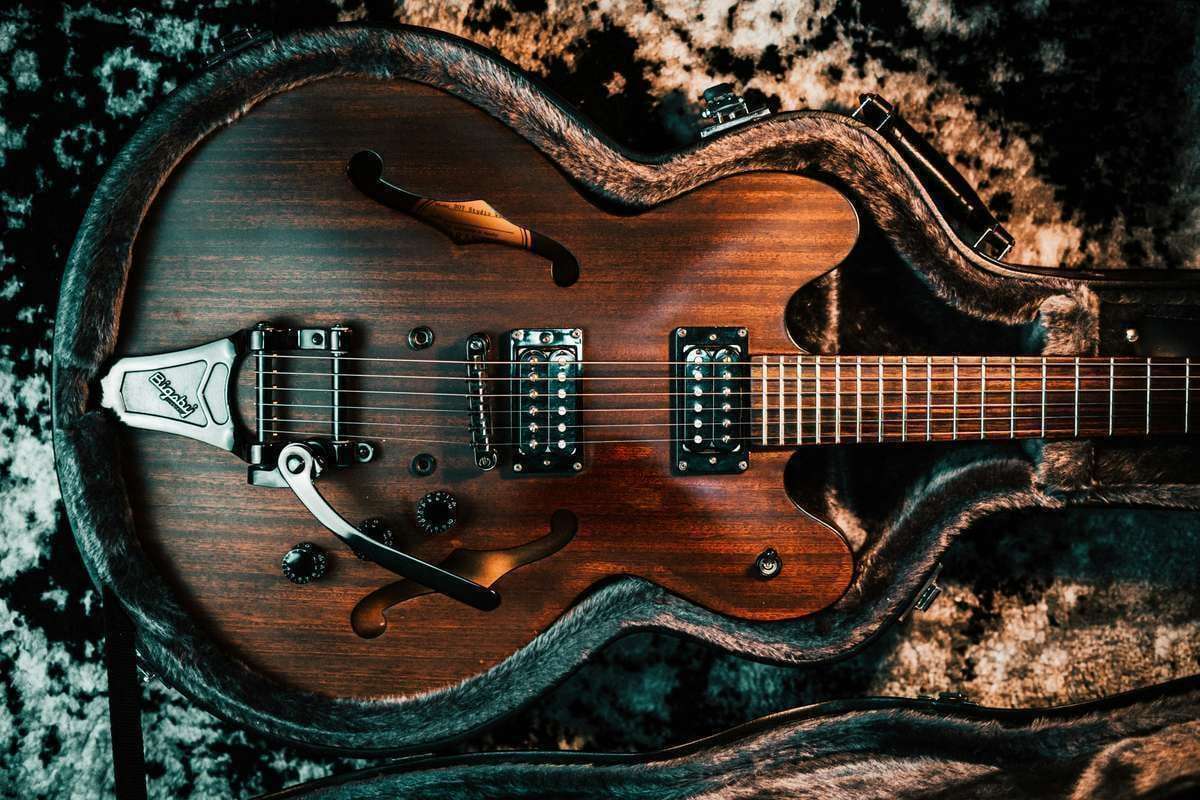
Photo by Chris Hardy on Unsplash
Welcome to your ultimate Epiphone resource hub. Whether you own a Les Paul, SG, Casino, or an acoustic model, you'll find everything you need to identify, set up, and maintain your guitar right here.
What Is Epiphone?
Epiphone is Gibson's sister brand, offering Gibson-style guitars at more accessible price points. Founded in 1873 in Turkey and later moving to the United States, Epiphone was acquired by Gibson in 1957. Today, Epiphone produces affordable versions of Gibson's most iconic models—including the Les Paul, SG, ES-335, and acoustic guitars—along with unique models like the Casino that have their own legendary status.
What makes Epiphone special is its combination of Gibson DNA with accessible pricing. Epiphone Les Pauls and SGs use the same 24.75" scale length, set-neck construction (on most models), and humbucker or P-90 configurations as their Gibson counterparts. The "Inspired by Gibson" collection (2020+) brought even closer alignment with the new open-book headstock design and improved specifications.
What Makes Epiphone Different?
Epiphone guitars have a distinct position in the market—Gibson designs at a fraction of the price.
| Feature | Epiphone | Gibson |
|---|---|---|
| Price Range | $200-$800 | $1,500-$5,000+ |
| Construction | Set neck (most models) | Set neck |
| Scale Length | 24.75" (same as Gibson) | 24.75" |
| Pickups | Epiphone humbuckers / P-90s | Gibson humbuckers / P-90s |
| Country | China (Qingdao), Indonesia | USA (Nashville) |
| Finish | Polyurethane | Nitrocellulose |
| Headstock | Modern "Inspired by Gibson" shape | Classic open-book |
| Hardware | Epiphone branded | Gibson branded |
| Target Player | Intermediate to pro | Pro to collector |
The key difference: Epiphone uses polyurethane finishes and overseas production to keep costs down, while Gibson uses nitrocellulose finishes and USA craftsmanship. But the fundamental designs—scale length, neck profiles, body shapes—are the same.
Quick Navigation
Setup and Maintenance
- Epiphone Setup Guide - Complete setup walkthrough for Les Paul, SG, Casino, and Inspired by Gibson models
- Epiphone Pickup Height - Measure and balance humbuckers, soapbar P-90s and Casino dogears
- Epiphone Serial Number Lookup - Decode your Epiphone guitar instantly
- Epiphone Fake Checker - Free red-flag checklist to verify an Epiphone isn't a counterfeit before you buy
- Les Paul Setup Guide - Gibson-specific deep dive (shared specs apply to Epiphone)
- Factory Specs Lookup Tool - Find official factory setup specs
- My Gear Garage - Track your collection and maintenance schedule
- Guitar Action Height Guide - Perfect your string height
- Guitar Truss Rod Adjustment - Safe neck relief adjustment
Guitar Models
- Les Paul Hub - Complete Les Paul resource (covers Epiphone Les Pauls)
- Gibson Hub - Gibson guitars and related resources
Strings
- Best Strings for Les Paul - Top string recommendations (applies to Epiphone Les Pauls)
- Guitar String Gauges: Complete Guide - Understand sizes and tension
- Best Strings for Epiphone - Top string recommendations for Les Paul, SG & Casino
Epiphone at a Glance
| Spec | Les Paul | SG | Casino |
|---|---|---|---|
| Scale Length | 24.75" | 24.75" | 24.75" |
| Fretboard Radius | 12" | 12" | 12" |
| Neck Relief | 0.010" | 0.010" | 0.010" |
| Action High E | 1.5mm | 1.5mm | 1.5mm |
| Action Low E | 2.0mm | 2.0mm | 2.0mm |
| Pickups | Humbuckers | Humbuckers | P-90s |
| Construction | Set neck | Set neck | Set neck |
Get the Gibson Setup Cheat Sheet
Stop paying $75-$150 for shop setups. The Gibson Setup Cheat Sheet applies to Epiphone Les Pauls and SGs with a Tune-o-Matic bridge and stopbar. You get setup specs for:
- Humbucker and P-90 heights — Starting measurements to stop muddy tone
- Tune-o-Matic bridge adjustment — ABR-1 vs Nashville explained
- Stopbar tailpiece adjustment — Flush, raised, or top-wrapped positions and seating checks
- Truss rod adjustment — Safe techniques for angled headstocks
- Action and intonation specs — Per model variant
Epiphone vs Gibson: Detailed Comparison
Construction Quality
Both Epiphone and Gibson use set-neck construction on Les Paul and SG models. The neck is glued into the body pocket, which provides better sustain than bolt-on necks. The difference is in the details:
- Gibson: Hand-fitted neck joints, nitrocellulose finish, USA-made hardware
- Epiphone: Precision-fitted neck joints, polyurethane finish, overseas-made hardware
Sound and Tone
The fundamental tonal character is similar because the design is the same:
- Same scale length (24.75") = same string tension and feel
- Same body shape and woods = similar resonance
- Different pickups = Epiphone pickups are voiced differently but can be upgraded
Many players find Epiphone guitars sound 90% similar to Gibson counterparts, with the remaining 10% coming from pickup quality and finish differences.
Playability
Epiphone setups from the factory tend to be conservative—higher action and more relief. A proper setup (using the specs in the Gibson Setup Guide) dramatically improves playability.
Value Proposition
- Epiphone Les Paul Standard: ~$400 new vs Gibson Les Paul Standard ~$2,000+
- Epiphone Casino: ~$500 new vs Gibson ES-330 ~$2,500+
- Epiphone SG Standard: ~$400 new vs Gibson SG Standard ~$1,500+
For most players, the Epiphone provides 90% of the experience at 20% of the price.
Want the full guide? Our Complete Epiphone Setup Guide covers every model with exact specs, hardware comparisons, and upgrade paths.
Pro Tips for Epiphone Setup
The #1 Mistake: Humbuckers Too Close
The most common Epiphone tone problem is muddy sound caused by pickups too close to the strings.
Fix: Lower your neck pickup 0.5mm and listen. Most players find clarity improves dramatically.
Truss Rod Adjustment
Epiphone uses a 5/16" box wrench (same as Gibson) for truss rod adjustment under the bell cover. The rules are identical:
- Maximum 1/8 turn at a time
- Retune after every adjustment
- Work on a padded surface
- Support the neck
Action and String Gauge
The 24.75" scale length means strings have less tension than a 25.5" Fender:
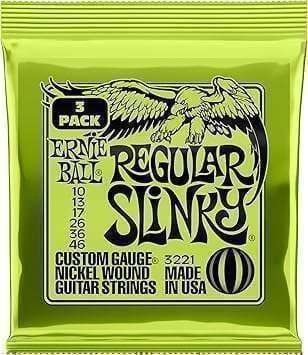
- 10-46 is the sweet spot for most Epiphone players
- 9-42 works for easy bending but may sound thin
- 11-49 provides fuller tone and better sustain
 Buy on Amazon
Tuning Stability
Epiphone headstocks have the same angled design as Gibson, which increases friction at the nut:
- Apply graphite or nut lubricant to nut slots
- Ensure strings are properly wound on tuner posts
- Check for binding in nut slots after gauge changes
Troubleshooting Common Epiphone Issues
Buzz on frets 1-5: Too little neck relief. Loosen the truss rod slightly.
Buzz on frets 12+: Action too low. Raise the bridge thumbwheels.
Muddy neck pickup: Pickup too close. Lower it 0.5-1mm.
Tuning instability after bends: Nut slots binding. Apply graphite to the nut slots.
Bridge posts sinking: Can happen on older Epiphones. Consider wider posts or professional repair.
Toggle switch crackling: Spray contact cleaner into the switch cavity.
Frequently Asked Questions
Are Epiphone guitars good?
Yes. Modern Epiphone guitars, especially the "Inspired by Gibson" collection (2020+), offer excellent quality for the price. They use the same fundamental designs as Gibson—same scale length, construction, and layouts—at a fraction of the price.
Do Epiphone specs match Gibson?
Yes. Epiphone Les Pauls and SGs use the same scale length (24.75"), fretboard radius (12"), and construction methods as their Gibson counterparts. Setup specs—action height, pickup height, neck relief—are identical. The Gibson Setup Guide works perfectly for Epiphone.
What is the difference between Epiphone and Gibson?
The main differences are: price (Epiphone costs 20-30% of Gibson), country of origin (Epiphone is made in China/Indonesia, Gibson in USA), finish (Epiphone uses polyurethane, Gibson uses nitrocellulose), and pickups (Epiphone uses their own designs, Gibson uses Gibson pickups). The fundamental designs are the same.
Is an Epiphone Les Paul as good as a Gibson?
For most players, an Epiphone Les Paul provides 90% of the Gibson experience at 20% of the price. The differences matter most to collectors and professionals who need nitro finishes and Gibson-brand pickups. A well-setup Epiphone plays and sounds excellent.
What string gauge for Epiphone Les Paul?
10-46 is the most popular choice. The 24.75" scale means slightly lower tension at the same gauge than a 25.5" Fender — about 5.8% less, not a full gauge step. Many players prefer 11-49 for fuller tone and better sustain.
How do I date my Epiphone?
Use our free Epiphone Serial Number Lookup. Modern Epiphones (2008+) use an F-prefix format that directly encodes year and month. Older Korean models use U, SI, SJ, or SM prefixes. Japanese Epiphones (1970s-1980s) use MR, J, or numeric formats.
Where are Epiphone guitars made?
Most modern Epiphone guitars are made at the Qingdao factory in China (F-prefix serials). Historical production included Korea (Unsung, Saein, Samick factories), Japan (Matsumoku, Terada), and Indonesia. Some special USA-made Epiphone models exist but are rare.
What is the Epiphone Inspired by Gibson collection?
Launched in 2020, the "Inspired by Gibson" collection features improved specs including the Gibson-style open-book headstock, better pickups, and upgraded hardware. These models represent the best value in the current Epiphone lineup.
Can I use Gibson parts on an Epiphone?
Most Gibson parts fit Epiphone guitars. Common upgrades include: Gibson-style humbuckers (direct fit), Nashville bridges (most models), and locking tuners. Some upgrades require minor modification.
Are older Epiphone guitars worth more?
Japanese Epiphones from the 1970s-1980s (Matsumoku factory, MR prefix) are collectible and can sell for $400-$1,500+. Korean Epiphones from the 1990s have moderate collectibility. Modern Chinese Epiphones hold value best among current models, especially "Inspired by Gibson" versions.
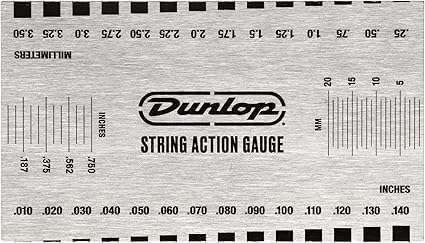
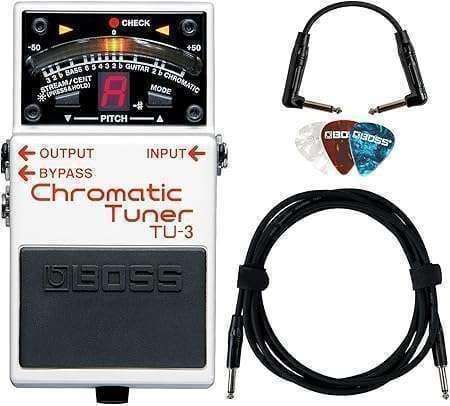
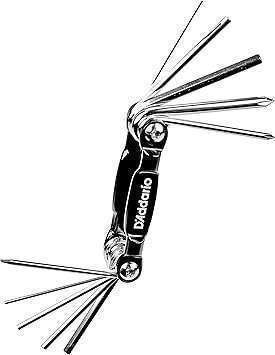
Tools for Setting Up Your Epiphone
Other Guitar Hubs
🎸 Explore Related Guitars
- Gibson Hub - Complete Gibson resource with serial lookup and setup guides
- Les Paul Hub - Dedicated Les Paul resource with in-depth setup guides
- Ibanez Hub - Complete Ibanez resource with RG, S, JEM guides and serial lookup
- Stratocaster Hub - Complete Stratocaster resource
- Telecaster Hub - Complete Telecaster resource
- Jaguar Hub - Offset guitar setup guides
- Jazzmaster Hub - Jazzmaster-specific techniques
- Squier Hub - Complete Squier resource
- Precision Bass Hub - Complete Precision Bass guides
Bookmark this hub for Epiphone updates, new guides, and product drops.