Complete Epiphone Setup Guide: Les Paul, SG & Casino Specs
Step-by-step Epiphone setup guide with exact specs for action height, pickup height, neck relief, and intonation. Covers Les Paul, SG, Casino, and Inspired by Gibson models.
Photo by Chris Hardy on Unsplash
The Complete Epiphone Setup Guide: Action, Pickups, and Intonation for Every Model
A proper Epiphone setup guide is the single biggest upgrade you can give your guitar without spending a cent on parts. Epiphone Les Pauls, SGs, and Casinos share the same 24.75" scale length, Tune-o-Matic bridge design, and setup specs as their Gibson counterparts, yet most ship from the factory with conservative action that makes them feel sluggish. This guide walks you through every adjustment, with exact measurements, Epiphone-specific hardware notes, and practical tips that apply to the full range from the Inspired by Gibson collection to older Korean and Japanese models.
Whether you just decoded your serial number on our Epiphone Serial Number Lookup or you picked up a used Epiphone that needs some love, the steps below will get your guitar playing like an instrument that costs three times its price.
Essential Tools and Prep Checklist
Before you touch any adjustment screws, gather the right tools and baseline measurements. A rushed setup creates more problems than it solves.
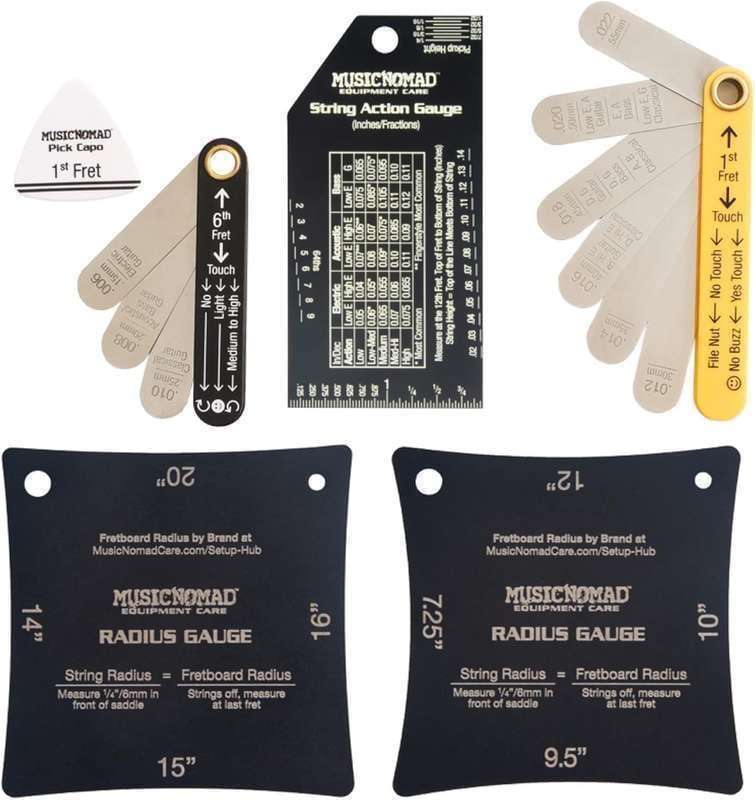
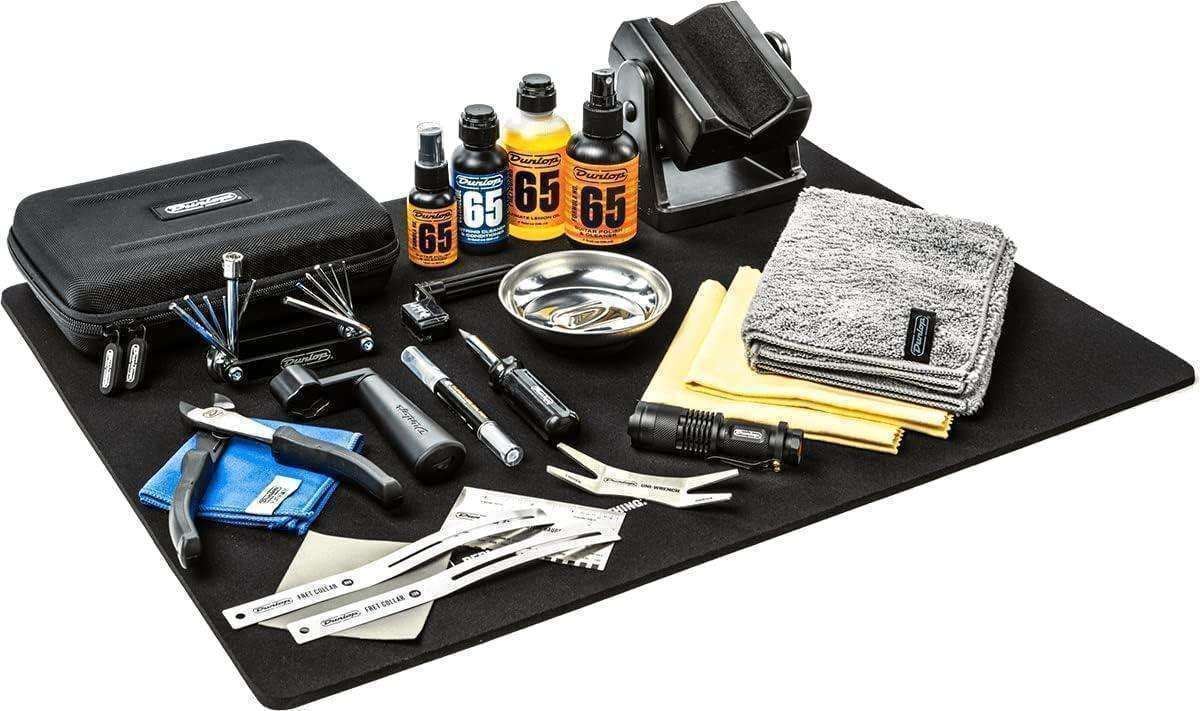
- Measuring kit: Jim Dunlop String Action Gauge, feeler gauges (.008"-.020"), capo, and a straightedge for fret checks.
- Adjustment tools: correctly fitting truss rod wrench for your model, small flathead for saddle screws, and a D'Addario Multi-Tool for quick tweaks.
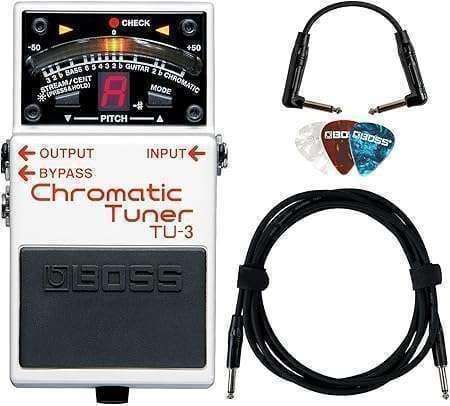
- Tuner: A Boss TU-3 or clip-on tuner that you trust. Every adjustment requires retuning first.
- Workspace: Padded bench, neck rest, bright task lighting, and a phone to photograph "before" measurements.
| Task | Target Spec | Tool(s) | Cross-Reference |
|---|---|---|---|
| Neck relief | 0.010" (0.25 mm) @ 8th fret | Capo + feeler gauges | Guitar Truss Rod Adjustment |
| Action | 1.5-2.0 mm @ 12th fret | String action gauge | Guitar Action Height Guide |
| Pickup height | Maker-specific; measure and listen | Ruler + screwdriver | Epiphone Pickup Height |
| Stopbar tension | Lowest w/out touching bridge | Flathead + sharpie marks | Les Paul Setup Guide |
Quick Tools: Factory Specs | Epiphone Serial Number Lookup | Gibson Serial Number Lookup | My Garage
Part 1: Understanding Epiphone Action Height
Quick Answer: Standard Epiphone action measures 1.5 mm (0.059") on the high E and 2.0 mm (0.079") on the low E at the 12th fret. Most Epiphones ship from the factory with action significantly higher than this, so lowering it is the single biggest playability improvement you can make.
The 24.75" scale length creates less string tension than a 25.5" Fender, which means the strings vibrate in a wider arc. Setting action too low causes buzzing, but the conservative factory setup leaves most Epiphones feeling stiff and hard to play. The sweet spot is right at the specs below.
| String | Standard Height (12th fret) | Genre Notes |
|---|---|---|
| High E | 1.5 mm / 0.059" | Fast lead, bends |
| B | 1.6 mm / 0.063" | Smooth vibrato |
| G | 1.7 mm / 0.067" | Prevents wolf tones |
| D | 1.8 mm / 0.071" | Rhythm clarity |
| A | 1.9 mm / 0.075" | Detuned punch |
| Low E | 2.0 mm / 0.079" | Palm-mute control |
Measure action with the guitar in playing position after the neck relief is roughly dialed in. The shorter scale exaggerates small differences, so make micro-adjustments and recheck relief before committing to a final height.
Part 2: Adjusting Action on Your Epiphone
Quick Answer: Raise or lower overall action using the two bridge thumbwheels, then fine-tune individual saddle slots if needed. Always retune and re-measure at pitch after each adjustment.
Nashville vs ABR-1: Know Your Bridge
Most modern Epiphones (2008+) use a Nashville-style Tune-o-Matic bridge with wider posts and individual saddle adjustment screws. Older and some premium models use an ABR-1 bridge with a thinner profile, retainer wire, and nylon saddles. The adjustment process is the same, but Nashville bridges feel slightly bulkier under the palm and offer more individual saddle control.
Step-by-Step Action Adjustment
- Check neck relief first - Capo the first fret, fret the last, and measure the gap at the 8th fret. Ideal relief is 0.25 mm (0.010"). Adjust the truss rod (clockwise = less relief, counterclockwise = more) in 1/8 turns.
- Level the bridge - Ensure the Tune-o-Matic sits parallel to the strings. Uneven thumbwheels cause dead spots on one side.
- Dial in thumbwheel height - Turn clockwise to lower action, counterclockwise to raise. Make equal turns on both posts for balanced feel.
- Retune and test - Move between positions, bend strings at the 12th-17th frets, and listen for choking or buzz.
Thumbwheel Height Cheat Sheet
| Setup Style | Bass Thumbwheel | Treble Thumbwheel | Best For |
|---|---|---|---|
| Low & Fast | 0.45" above top | Match bass side | Lead lines, light touch |
| Balanced Studio | 0.50" | 0.48" | Session work, hybrid picking |
| High Headroom | 0.52" | 0.50" | Slide, drop tunings, heavy attack |
Pro tip: Mark each thumbwheel position with a fine-tip marker before making adjustments. This lets you revert instantly if something feels wrong.
Essential Epiphone Setup Tools
 Buy on Amazon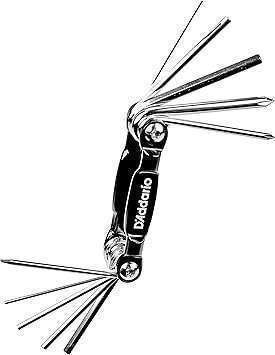
Part 3: Epiphone Pickup Height - Humbuckers, P-90s, and ProBuckers
Quick Answer: Use the installed pickup maker's specification first. Around 2.4 mm is a general passive-pickup trial gap, not an Epiphone factory setting for every model. Measure with the outer string held at the highest fret, then compare each pickup separately through a clean amp.
Our Epiphone pickup-height adjustment guide explains the measurements, screw identification, and listening checks in detail. It also distinguishes Casino dogears from adjustable humbucker and soapbar mounts.
Humbuckers and ProBuckers
On a conventional ring-mounted humbucker, use the height screws at the ends of the pickup, not the ring's corner screws. Make small adjustments, watch the actual movement, and keep all hardware engaged. Record neck/low E, neck/high E, bridge/low E and bridge/high E gaps before changing anything.
Set a useful bridge sound, then compare the neck pickup at the same amp settings. If the neck dominates, try lowering it slightly, especially on the bass side. Check the combined selector position afterward. Equal gaps do not guarantee equal perceived volume, and the two pickups need not sound identical.
ProBucker is not a universal instruction to lower the pickup an extra amount. Follow the particular installed set and your listening comparison rather than assuming every ProBucker is hotter than every other Epiphone humbucker.
P-90 soapbars and Casino dogears
A soapbar's available height movement depends on its mounting and support. The six pole screws have a separate fine-balancing role; do not confuse them with the pickup's mounting screws.
Casino dogear mounting screws secure a fixed assembly and do not lift it like a suspended humbucker. Changing the whole pickup's height may require a correctly fitted spacer. Check the cover geometry, guitar top and string clearance before choosing one. Do not loosen the assembly or overextend all six pole screws to imitate a height adjustment.
Finally, check hard picking, upper-fret notes and bends for string contact, then save the successful measurements. The dedicated guide links to the manufacturer references behind these distinctions.
Part 4: Tune-o-Matic Bridge, Stopbar, and Intonation
Quick Answer: Set the stopbar as low as possible without strings touching the back of the bridge. Intonate by moving saddles away from the neck if fretted notes are sharp, toward the neck if flat, always referencing the 12th fret harmonic vs fretted note.
Nashville vs ABR-1 Bridge Differences
| Feature | Nashville TOM | ABR-1 |
|---|---|---|
| Post width | Wider (M8 threads) | Narrower (5/16" studs) |
| Saddle material | Metal, individual screws | Nylon or metal, retainer |
| Common on | Most modern Epiphones | Premium & vintage models |
| Upgrade path | Direct fit | May need bushing adapters |
Stopbar and Break Angle
- Standard wrap - Strings wrap over the stopbar and down to the bridge. Maximum break angle for punchy attack.
- Top-wrapped - Strings thread backwards through the stopbar for softer feel. Popular with blues players who bend frequently.
- Avoid string-to-bridge contact - If strings graze the rear edge of the Tune-o-Matic, raise the stopbar slightly. Contact causes buzzing and kills sustain.
Intonation Checklist
- Tune to concert pitch with your tuner.
- Compare the 12th fret harmonic to the fretted note.
- If the fretted note is sharp, move the saddle back (toward tailpiece).
- If the fretted note is flat, move the saddle forward (toward pickups).
- Retune after every saddle adjustment, then recheck.
- Work from low E to high E for the most efficient workflow.
Part 5: Neck Relief, Nut Height, and the Epiphone Truss Rod
Quick Answer: Aim for 0.25 mm (0.010") relief at the 8th fret, with nut slot heights of 0.25 mm on the high E and 0.40 mm on the low E. The Epiphone truss rod is accessed under the bell-shaped cover on the headstock, same as Gibson.
Measuring and Adjusting Relief
- Capo the 1st fret and press the low E at the last fret.
- Measure the gap at the 8th fret with feeler gauges. Target: 0.010" (0.25 mm).
- Too much relief (gap larger than 0.010"): tighten the truss rod clockwise in 1/8 turns.
- Too little relief (gap smaller or zero): loosen counterclockwise in 1/8 turns.
- Wait 5 minutes between adjustments for the wood to settle, then retune and recheck.
Truss Rod Safety Rules
- Maximum 1/8 turn at a time
- Always retune after every adjustment
- Identify the truss rod fitting and use the correct wrench for that model; do not assume Gibson and Epiphone fittings match
- If the rod feels tight or makes creaking sounds, stop immediately
- Work on a padded surface with neck support
Nut Slot Depth
Factory nut slots on Epiphones are often cut too high, which makes the first few frets feel stiff and throws off open-chord intonation. Measure the gap between the bottom of the string and the top of the first fret:
- High E: 0.25 mm (0.010")
- Low E: 0.40 mm (0.016")
If slots are too high, use gauged nut files to carefully deepen them. If too low, the string will buzz against the first fret — the fix is either shimming or replacing the nut.
Part 6: Epiphone-Specific Hardware and Common Upgrades
One of Epiphone's greatest strengths is upgrade compatibility. Most Gibson parts fit directly, making incremental improvements straightforward and affordable. Here are the highest-impact upgrades ranked by bang-for-buck.
1. Nut Replacement (Biggest Impact, Lowest Cost)
The stock plastic nut is the weakest link on most Epiphones. Replacing it with a Graph Tech TUSQ or bone nut costs under $15 and dramatically improves tuning stability and sustain. The nut slot dimensions on Epiphone match Gibson specs, so pre-slotted Gibson replacement nuts often drop right in.
2. Pickup Swap (Biggest Tone Impact)
Gibson humbuckers are a direct fit in Epiphone routing. Popular upgrades include:
- Gibson Burstbucker or 490R/498T - Authentic Gibson tone
- Seymour Duncan - Wide range from vintage to high-output
- DiMarzio - Direct-mount options for many voicings
Check mounting dimensions, wiring and available depth before assuming a replacement humbucker fits. P-90 replacements must match the mounting type, cover dimensions, spacing and available depth; a dogear and a soapbar are not interchangeable by name alone.
3. Tuner Upgrade
Stock Epiphone tuners work but lack the smoothness of premium units. Grover Rotomatics and Hipshot locking tuners are popular replacements. Check your headstock hole diameter — most modern Epiphones use 10mm holes that accept standard aftermarket tuners.
4. Bridge Swap
If you prefer the vintage feel of an ABR-1 bridge, adapter bushings let you mount one on a Nashville-post Epiphone. This is a cosmetic and feel preference more than a tone upgrade.
5. Electronics (Pots, Switch, Wiring)
CTS pots, Switchcraft jacks, and cloth-covered wiring bring Epiphone electronics to Gibson spec. A full rewire with premium components costs $30-50 in parts.
Part 7: Finish Care and Maintenance
Quick Answer: Epiphone's polyurethane finish is more durable than Gibson's nitrocellulose, so daily care is simpler. However, the neck, fretboard, and hardware still need regular attention.
Polyurethane vs Nitrocellulose
- Poly finish (all Epiphones): Resistant to rubber, vinyl, and most solvents. Won't check or crack from temperature swings. Safe to clean with standard guitar polish.
- Nitro finish (Gibson): Reacts to rubber straps, vinyl stands, and some polishes. Develops "checking" over time.
This means your Epiphone is more forgiving with stands, straps, and cleaning products. But the fretboard is still unfinished rosewood or laurel wood that needs conditioning, and the hardware corrodes the same way.
Maintenance Schedule
- After every session: Wipe strings and hardware with a dry cloth to slow corrosion.
- Monthly: Check stopbar studs for creep, tighten tuner bushings, clean fretboard grime from edges.
- Every string change: Condition the fretboard with lemon oil (rosewood/laurel) or clean with a damp cloth (maple). Check nut slots for debris.
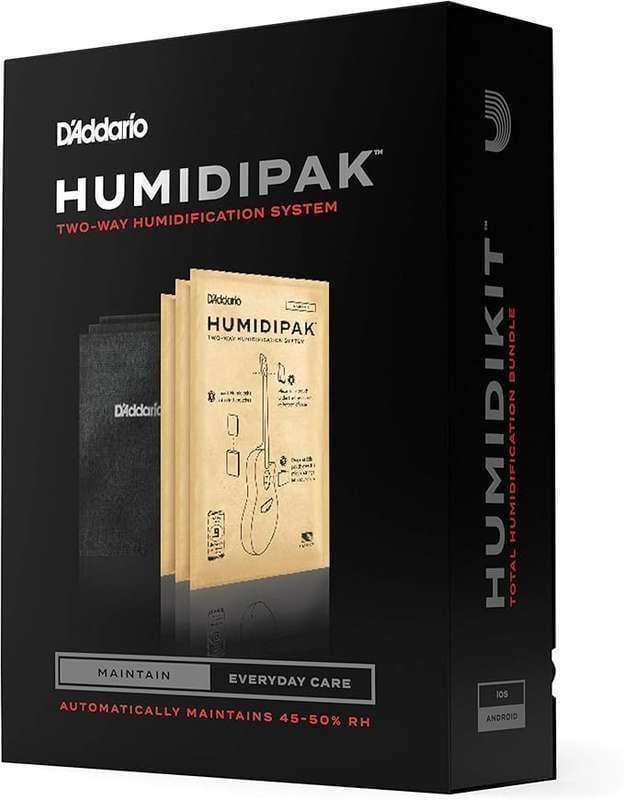
- Seasonally: Monitor humidity if you live in an extreme climate. The neck and fretboard still react to moisture changes even with a poly body finish.
- String recommendations: 10-46 is the factory spec. Consider 11-49 for fuller tone and better sustain on the 24.75" scale.
Care and Climate Gear
Part 8: Model-Specific Setup Notes
While all Epiphone models share the same core specs, each model has quirks worth knowing about.
Epiphone Les Paul (Standard, Custom, Studio)
The workhorse of the lineup. Standard setup specs apply directly. The carved maple top and mahogany body provide good sustain. Most common issue: stock nut slots cut too high.
Epiphone SG
The SG's thinner, lighter body shifts the center of gravity toward the neck, causing neck dive on a strap. Setup-wise, the specs are identical to the Les Paul, but the lighter body means the SG is more sensitive to string gauge changes — switching from 10s to 9s has a bigger perceived impact on an SG than a Les Paul. For the full Gibson SG procedure — including neck-dive fixes and headstock care — see our Gibson SG setup guide.
Epiphone Casino
The Casino is fully hollow with P-90 pickups, which creates two unique setup considerations:
- Feedback management: At high volumes, the hollow body resonates and feeds back. Test lower gain, more distance from the speaker and a different playing position. Pickup height alone does not diagnose hollowbody feedback; keep dogear mounting secure.
- Top flex: The hollow body can flex slightly under string tension. If you notice the action changing after a string change, the top may be responding to tension differences. Give it 24 hours to settle before fine-tuning.
Epiphone Sheraton / ES-339 / ES-335 Inspired
Semi-hollow models with a center block. Setup specs match the Les Paul, but access to the electronics requires working through the f-holes. Consider a longer screwdriver or pickup adjustment tool for height changes.
Quick Model Comparison
| Spec | Les Paul | SG | Casino | Sheraton/ES |
|---|---|---|---|---|
| Scale Length | 24.75" | 24.75" | 24.75" | 24.75" |
| Fretboard Radius | 12" | 12" | 12" | 12" |
| Neck Relief | 0.010" | 0.010" | 0.010" | 0.010" |
| Action High E | 1.5 mm | 1.5 mm | 1.5 mm | 1.5 mm |
| Action Low E | 2.0 mm | 2.0 mm | 2.0 mm | 2.0 mm |
| Pickups | Humbuckers | Humbuckers | P-90s | Humbuckers |
| Body Construction | Solid | Solid | Fully hollow | Semi-hollow |
| Common Bridge | Nashville | Nashville | Nashville | Nashville |
Troubleshooting Common Epiphone Issues
- Buzz on frets 1-5: Too little neck relief. Loosen the truss rod slightly (counterclockwise).
- Buzz on frets 12+: Action too low. Raise the bridge thumbwheels evenly.
- Muddy neck pickup: The #1 Epiphone tone complaint. Try lowering the neck pickup slightly and compare through a clean amp; keep the original gap recorded.
- Tuning instability after bends: Nut slots are binding. Apply graphite or nut lubricant to every slot, or upgrade to a TUSQ nut.
- Bridge posts sinking into body: Can happen on older Epiphones. Wider washers or Nashville post inserts prevent further sinking.
- Toggle switch crackling: Spray contact cleaner into the switch cavity and toggle rapidly 20-30 times to distribute.
- Factory nut too high: Common on new Epiphones. Fret the 3rd fret and check the gap at the 1st — if the string is floating high above the fret, the nut needs filing.
- Intonation won't zero: Worn saddles or incorrect string gauge can prevent clean intonation. Replace the saddle or verify you are using the gauge the guitar was last set up for.
Quick Reference: Epiphone Setup Specs
| Component | Measurement | Notes |
|---|---|---|
| String Height | High E 1.5 mm, Low E 2.0 mm | At 12th fret |
| Neck Relief | 0.25 mm (0.010") | Capo 1st, fret last, measure 8th |
| Nut Slot Height | High E 0.25 mm, Low E 0.40 mm | At 1st fret |
| Humbucker Height | Maker-specific; measure and listen | Bass/Treble, fretting last fret |
| P-90 Height | Maker- and mount-specific | Check soapbar support or dogear spacer fit |
| Stopbar Height | Lowest without string contact | Adjust per feel |
| Truss Rod Tool | Model-specific wrench | Under bell-shaped headstock cover |
| Setup Frequency | Every 6-12 months | More often in extreme climates |
Wondering what your Epiphone is worth? Try our Guitar Price Estimate.
Frequently Asked Questions (FAQ)
1. How do I set up my Epiphone Les Paul?
Start with neck relief (0.010" at the 8th fret), then set action height (1.5 mm high E, 2.0 mm low E at the 12th fret), adjust pickup heights, and finish with intonation. Follow the step-by-step sections above for each adjustment. The entire process takes 30-45 minutes.
2. What is the correct action height for an Epiphone?
Standard action is 1.5 mm (0.059") on the high E and 2.0 mm (0.079") on the low E, measured at the 12th fret. This applies to all Epiphone models: Les Paul, SG, Casino, and Sheraton. Adjust higher for slide or heavy picking, lower for fast lead work.
3. Do Epiphone and Gibson use the same setup specs?
Many Les Paul and SG setup principles transfer, but exact dimensions, pickup specifications and hardware fittings vary. Identify the model and installed parts before using a reference measurement or buying a tool. Casino dogear mounting needs a different approach from a ring-mounted humbucker.
4. What tools do I need for an Epiphone setup?
You need a string action gauge, feeler gauges (.008"-.020"), a correctly fitting truss rod wrench for your model, a small flathead screwdriver for the saddle screws, a capo, and a reliable tuner. A multi-tool and straightedge are helpful additions.
5. How do I adjust Epiphone pickup height?
Identify the mounting first, hold the outer strings at the highest fret, and measure using the pickup maker's convention. Adjust a suspended humbucker with its height screws and compare neck and bridge separately. A fixed Casino dogear may need a fitted spacer; its ear screws do not provide the same adjustment.
6. What is the difference between Nashville and ABR-1 bridges on Epiphone?
Nashville bridges have wider mounting posts (M8 threads), individual saddle adjustment screws, and are found on most modern Epiphones. ABR-1 bridges are thinner, use a retainer wire, and appear on premium or vintage models. Both adjust the same way using thumbwheels — the difference is mainly post size and saddle material.
7. Can I use Gibson parts on my Epiphone?
Check dimensions, thread sizes, mounting type and wiring before purchasing replacements. A shared guitar family name does not establish compatibility. P-90 dogear and soapbar mounts differ, and bridge, tuner, nut and control parts can need different fittings.
8. Why does my Epiphone sound muddy?
Pickup height, string condition, controls and the amp sound can contribute. Compare through a clean amp and try lowering the neck pickup's bass side slightly, keeping the original measurement so the change is reversible. Improvement is a listening result, not a guaranteed outcome of a fixed lowering distance.
9. How often should I set up my Epiphone?
Every 6-12 months for most players, or whenever you change string gauge or notice playability changes. Seasonal humidity and temperature shifts affect the mahogany neck, so check relief at the start of summer and winter at minimum.
10. What string gauge is best for Epiphone?
10-46 is the factory standard and works well for most players. The 24.75" scale means slightly lower tension at the same gauge than a 25.5" Fender — about 5.8% less, not a full gauge step. Players who want fuller tone and better sustain often prefer 11-49. For more detail, see our Best Strings for Epiphone guide.
Complete Your Epiphone Setup
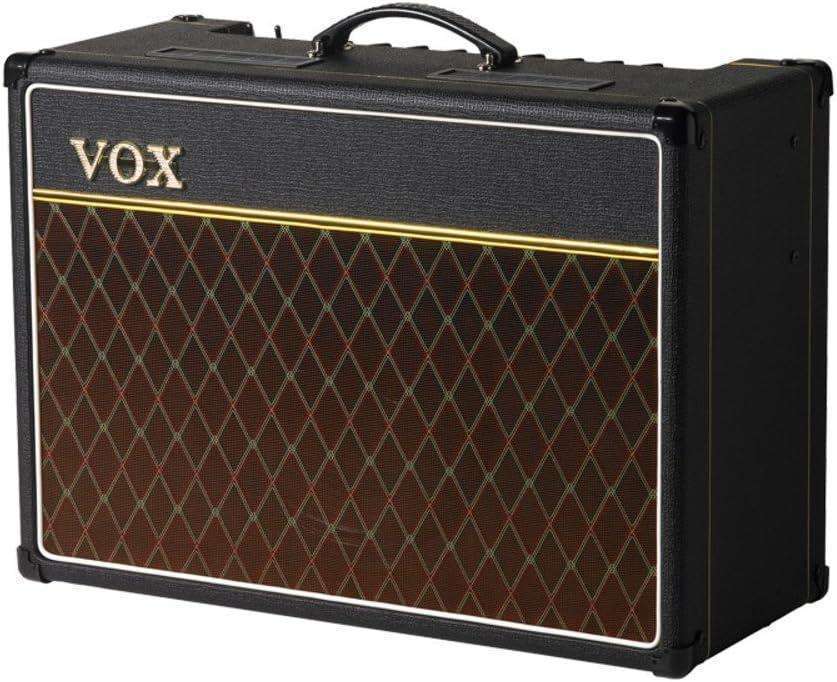
Now that your Epiphone is properly set up, pair it with the right amplifier. These amps complement the warm, thick character of humbuckers and P-90s:
Classic British Chime - Vox AC15
Legendary British tone that pairs beautifully with Epiphone humbuckers. Natural compression and musical overdrive.
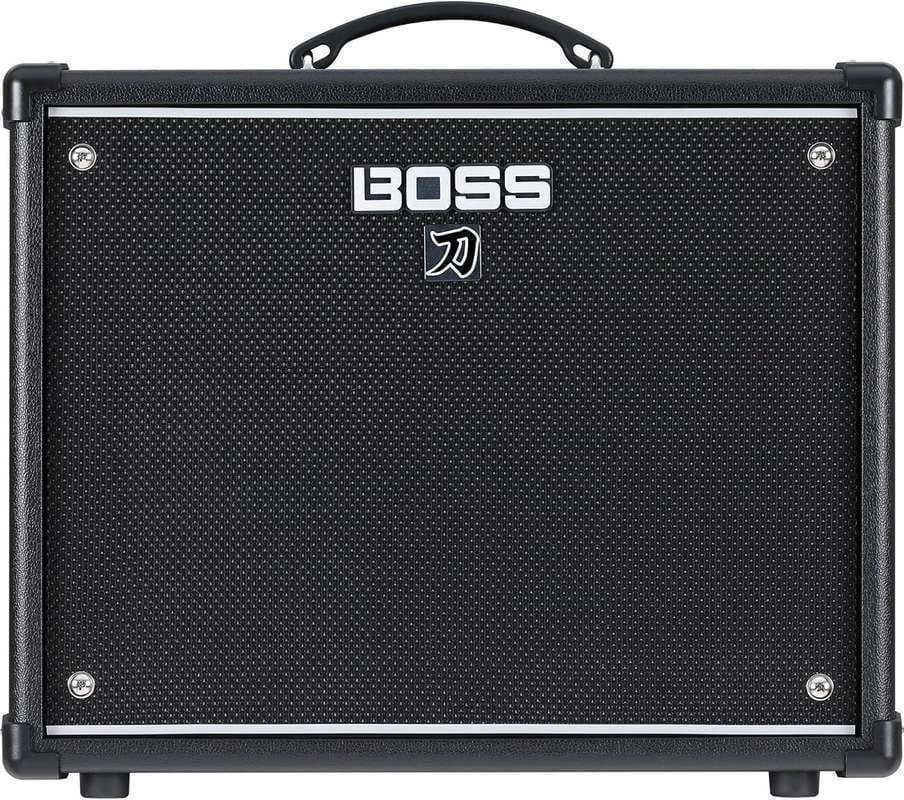
Versatile Modern Option - Boss Katana 50
Perfect for practice and recording with multiple amp models and built-in effects. Great value that matches the Epiphone philosophy.
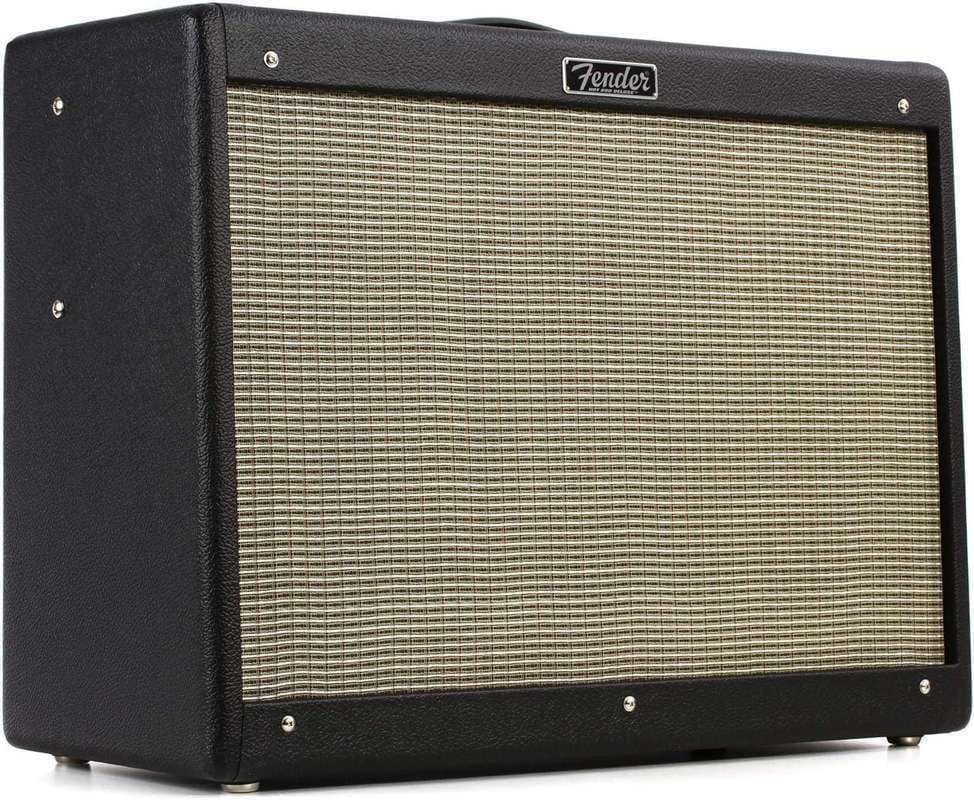
American Power - Fender Hot Rod Deluxe
Clean headroom with powerful tube tone. The contrast of a Fender amp with Epiphone humbuckers is a classic studio combination.
Amps to Pair With Your Epiphone
Wondering what your Epiphone is worth? Try our Guitar Price Estimate.
Related Guides and Next Steps
- Best Strings for Epiphone - Top string recommendations for Les Paul, SG, and Casino by playing style.
- Les Paul Setup Guide - Gibson-specific deep dive with advanced tone shaping and transport tips.
- Epiphone Serial Number Lookup - Decode your guitar's origin, year, and factory.
- Guitar String Gauges Guide - Find the perfect set for your preferred tuning and style.
- Guitar Action Height Guide - Detailed action measurement techniques across all guitar types.
- Gibson Hub - Complete Gibson resource with serial lookup and setup guides.
- Epiphone Hub - Your complete Epiphone resource center.
🛠️ Done with this setup? Log the spec — action, relief, strings — in My Gear Garage so you remember exactly what you did in six months. Free, no password — magic-link sign-in.