Welcome to your ultimate Fender Mustang resource hub. The Mustang is the "rebel" of the offset family. Originally designed as a student model in 1964, it was adopted by the underground, becoming the weapon of choice for grunge, punk, and alternative rock. Its 24-inch scale, unique phase switching, and "Dynamic Vibrato" create a feel and sound that is strictly its own.
Quick Navigation
Setup & Upgrades
-
Mustang Controls Explained - Nine slider combinations, volume/tone and modern selectors
-
My Gear Garage - Track your collection and maintenance schedule
-
Mustang Serial Numbers - Decode your Mustang serial number by year, country, and era
-
Serial Number Lookup - Decode your serial number to find production year
-
Fender Fake Checker - Free red-flag checklist to verify a Mustang isn't a counterfeit before you buy
-
Factory Specs Lookup Tool - Find official factory setup specs for your guitar
-
String Gauge Recommendation Tool - Get a personalized gauge and top string set picks for your guitar, style, and tuning
-
Best Strings for Mustang - Complete string recommendations and comparison guide
-
Ultimate Mustang Setup Guide - Complete step-by-step setup (Action, Intonation, Tremolo)
-
Ultimate Mustang Pickup Upgrade Guide - Wiring mods, pickup choices, and phase switching explained
-
Mustang Bridge Buzzing Fix - How to stabilize the "floating" bridge
Buying & Comparisons
- Mustang vs Jaguar Comparison - Which short-scale offset is right for you?
- Jazzmaster vs Jaguar vs Mustang - Understanding the offset trinity
- Complete Jaguar Guitar Guide - Hub for Jaguar setup, serial numbers, and specs
- Jaguar Serial Numbers - Decode your Jaguar serial number by year, country, and era
- Complete Jazzmaster Guitar Guide - Hub for Jazzmaster setup, serial numbers, and specs
- Jazzmaster Serial Numbers - Decode your Jazzmaster serial number by year, country, and era
- Fender Neck Profiles Guide - Visual guide to C, V, D shapes and comfort
- Coming Soon: Stratocaster vs Mustang - Student vs Professional?
Quick Reference Specs
- Scale Length: 24 inches (610 mm) — The "Short Scale"
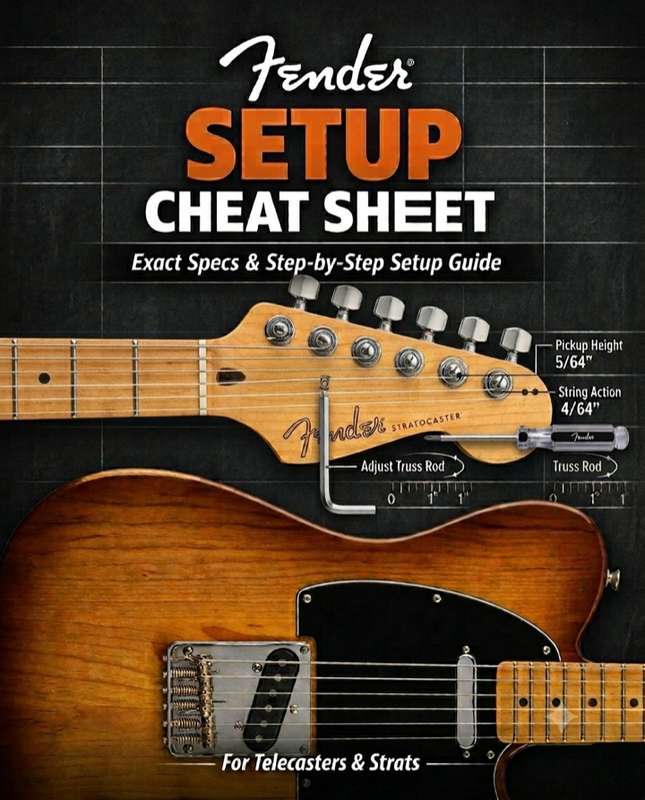
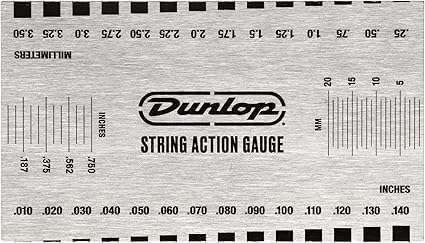
- String Height (12th fret): High E ≈ 1.6 mm (4/64"), Low E ≈ 2.0 mm (5/64")
- Neck Radius: Vintage 7.25" ( curved) or Modern 9.5" (flatter) — Check your specific model
- Neck Relief: 0.010–0.012 in (0.25–0.30 mm) at the 8th fret
Essential Tools for Mustang Setup
- Short-scale Strings: You likely need heavier gauges (11s) than you think.
- Micro-Screwdriver: For the tiny bridge intonation screws.
- Allen Keys: Specifically for the bridge height posts (often 0.050").
 Buy on Amazon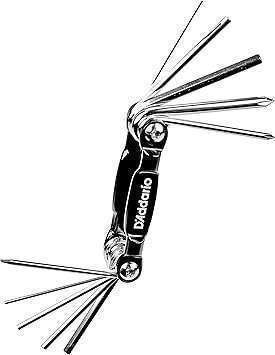
From Student Model to Grunge Icon
The Mustang was released in August 1964 as a step up from the Musicmaster and Duo-Sonic. It was the first "student" guitar to feature offset waist contouring and a tremolo system.
Why Kurt Cobain Loved It
While intended for beginners, the bright, plunky tone and smaller body made it perfect for the anti-hero aesthetics of the 90s. Kurt Cobain (Nirvana) favored Mustangs because they were cheap, light, and could survive being smashed. Paradoxically, the "cheap" sound—thin, cutting, percussive—became the defining tone of an entire generation.
Mechanics: What Makes a Mustang Unique?
1. The Dynamic Vibrato ("The Cigar Tube")
Unlike the synchronized Strat tremolo or the floating Jaguar/Jazzmaster system, the Mustang uses a unique "Dynamic Vibrato."
- How it works: The tailpiece bar (which looks like a cigar tube) floats on two internal springs attached to the bridge plate posts.
- The Feel: It is incredibly sensitive and light. Because the bridge moves with the strings (it rocks), return-to-pitch can be excellent if set up correctly.
- The Setup: The key is setting the height of the cigar tube so it clears the plate but has enough downward tension.
2. Phase Switching
The two sliding switches above the pickups are confusing to newcomers.
- Neck Switch: On / Off / On (Phase Reverse)
- Bridge Switch: On / Off / On (Phase Reverse)
- The "Out of Phase" Sound: If one pickup is "On" and the other is in "Phase Reverse," you get a hollow, nasal, funky sound (think "scratches" in funk or Brian May leads). It cuts nearly all low end.
- Standard Series: Most modern Mustangs (like the Player Series) simplify this to a standard 3-way toggle, losing the phase option but gaining usability.
3. Short Scale Physics (24")
The 24-inch scale length is shorter than a Gibson (24.75") and a Strat (25.5").
- Lower Tension: Strings feel slinkier. A set of 10s on a Mustang feels like 9s on a Strat.
- The "Slinky" Feel: Bends are effortless, but it's easy to pull chords out of tune if you have a heavy hand.
- Recommendation: Use 11-gauge strings. This restores the tension, improves tuning stability, and drives the body harder for better sustain.
The History and Evolution of the Fender Mustang
Understanding the Mustang's evolution helps you appreciate its unique character and identify which era your guitar belongs to.
Timeline: From Student Guitar to Icon
| Era | Years | Key Features | Collectibility |
|---|---|---|---|
| Original "Pre-CBS" | 1964-1965 | Small headstock, "spaghetti" logo, lacquer finish | ⭐⭐⭐⭐⭐ Highly collectible |
| CBS Era | 1965-1981 | Larger headstock, polyester finish, varied quality | ⭐⭐⭐ Varies by year |
| Hiatus | 1982-1989 | Production stopped (except Japan) | N/A |
| Japan Reissues | 1990-1999 | Fujigen-made, excellent quality, vintage specs | ⭐⭐⭐⭐ Sought after |
| Kurt Cobain Era | 2011-present | Competition stripes, humbucker-equipped | ⭐⭐⭐ Modern classic |
| Player Series | 2018-present | Modern specs, 9.5" radius, simplified switching | ⭐⭐ Great value |
| Vintera | 2019-present | Vintage-correct, 7.25" radius, original switching | ⭐⭐⭐ Best of both worlds |
The "Competition" Models
In 1968-1969, Fender produced special "Competition" Mustangs with racing stripes on the body. These were aimed at the youth market and became iconic. Kurt Cobain's famous red/white striped Mustang revived interest in this aesthetic, leading to modern signature models.
Changes That Matter for Setup
When setting up your Mustang, knowing your era matters:
- 1964-1980: Vintage 7.25" radius requires different action settings than modern 9.5" or 12" radius necks.
- Japan MIJ/CIJ (1990s): Often considered the best-playing Mustangs ever made; setup is usually minimal.
- Modern Player/Performer: Headstock truss rod access; no neck removal needed.
Mustang Model Comparison: Which One Should You Buy?
Choosing between Mustang models can be confusing. Here's a detailed comparison of current and recent production models.
Current Production Models
| Model | Origin | Scale | Radius | Pickups | Tremolo | Bridge | Price Range |
|---|---|---|---|---|---|---|---|
| Squier Classic Vibe '60s | Indonesia | 24" | 9.5" | Alnico Single-Coils | Dynamic Vibrato | Floating | $400-450 |
| Squier Affinity | Indonesia | 24" | 9.5" | Ceramic Single-Coils | Hardtail | Fixed | $250-300 |
| Player Mustang | Mexico | 24" | 9.5" | Player Alnico | Dynamic Vibrato | Floating | $700-850 |
| Vintera '60s | Mexico | 24" | 7.25" | Vintage Single-Coils | Dynamic Vibrato | Floating | $1,000-1,200 |
| American Performer | USA | 24" | 9.5" | Yosemite Single-Coils | Dynamic Vibrato | Floating | $1,300-1,500 |
| Kurt Cobain Signature | Mexico | 24" | 7.25" | Seymour Duncan JB | Dynamic Vibrato | Floating | $1,100-1,300 |
Best Value Recommendations
For Beginners (Under $500): The Squier Classic Vibe '60s Mustang offers the best balance of authentic features and affordability. It includes the Dynamic Vibrato and vintage-correct phase switching, which cheaper models lack.
For Intermediate Players ($700-1,200): The Player Mustang provides modern playability with a 9.5" radius and simplified controls, while the Vintera '60s offers vintage authenticity with a 7.25" radius and original-spec pickups.
For Serious Players ($1,300+): The American Performer Mustang uses USA-made Yosemite pickups that are hotter and more versatile, with improved hardware and fit/finish. It's the closest to a "professional" Mustang.
Mustang Tone Characteristics: What Does It Actually Sound Like?
The Mustang has a distinctive voice that differs significantly from other Fenders. Understanding its tonal character helps you maximize its strengths.
The Mustang Sound Profile
| Characteristic | Description | Best For |
|---|---|---|
| Brightness | High-end sparkle, almost bell-like | Clean arpeggios, jangly chords |
| Midrange | Scooped, less midrange than Strat | Sitting in a mix without competing |
| Bass | Tight, punchy, not deep | Punk, indie, cutting through distortion |
| Attack | Sharp, percussive | Rhythmic playing, palm muting |
| Sustain | Moderate (short scale = less sustain) | Staccato parts, rhythmic work |
Tones by Genre
Indie/Alternative (Arctic Monkeys, The Strokes): Use the bridge pickup, clean or light overdrive. The Mustang's bright, cutting tone sits perfectly in a mix without dominating.
Grunge/Punk (Nirvana, Sonic Youth): Crank the gain. The Mustang's low output pickups break up beautifully, and the tight bass prevents muddiness at high gain.
Shoegaze (My Bloody Valentine): Use both pickups in phase, add reverb and delay. The Dynamic Vibrato is perfect for subtle pitch modulation—use it to add shimmer rather than dramatic pitch bends.
Surf Rock: Bridge pickup, heavy spring reverb, clean amp. The Mustang's brightness and percussive attack nail vintage surf tones.
Pickup Comparisons
Stock Mustang pickups are lower output than Stratocaster pickups. This means:
- Cleaner cleans: More headroom before breakup.
- Needs more gain: Push your amp harder for overdrive.
- Less noise: Lower output = less hum (though they're still single-coils).
Common Mustang Modifications
The Mustang is a modder's dream due to its simple construction and room for improvement.
Pickup Upgrades
| Upgrade | Sound Change | Difficulty | Cost |
|---|---|---|---|
| Seymour Duncan Antiquity II | Vintage-correct, clearer, more articulate | Easy | $$$$ |
| Hot Rails (in bridge) | High output, humbucker tone, less noise | Easy | $$$ |
| Lollar Mustang Pickups | Premium vintage tone, hand-wound | Easy | $$$$ |
| Generic Strat Pickups | Fuller mids, more output | Easy | $$ |
Hardware Upgrades
Bridge Stabilization: The biggest weakness of the Mustang is its floating bridge. Common fixes:
- Mastery Bridge: The gold standard. Drop-in replacement, eliminates all rattle, improves sustain. (~$180)
- Staytrem Bridge: British alternative, maintains vintage look. (~$100)
- Tape Trick: Wrap bridge posts in electrical tape—free and effective for minor issues.
Tuner Upgrades: Stock Mustang tuners are adequate but not great. Upgrading to locking tuners (Hipshot, Gotoh) improves tuning stability significantly, especially with the Dynamic Vibrato.
Nut Replacement: Factory plastic nuts often cause binding and tuning issues. A bone or TUSQ nut improves sustain and tuning stability.
Wiring Modifications
Master Volume + Master Tone: The stock Mustang has individual volume controls for each pickup but no master tone. Many players rewire to a master volume and master tone for simpler control.
Strat-Style 5-Way Switch: Replaces the confusing slider switches with a standard 5-way blade. Loses phase-reverse options but gains usability.
Series/Parallel Switch: Wiring the two pickups in series (instead of parallel) gives a thicker, louder, almost humbucker-like tone. Great for rock.
Dynamic Vibrato: The Complete Setup Guide
The Dynamic Vibrato is the most unique—and most misunderstood—tremolo system on any Fender. Master it, and you'll have incredibly expressive vibrato with excellent return-to-pitch.
How the Dynamic Vibrato Works
Unlike a Stratocaster tremolo (which pivots on knife edges) or a Jaguar tremolo (which uses a floating rocker bridge), the Mustang system moves the entire tailpiece on two internal springs.
Components:
- Tailpiece ("Cigar Tube"): Holds the ball ends of the strings.
- Tailpiece Arm: The vibrato bar itself.
- Spring Plate: Contains two springs that connect the tailpiece to the body.
- Bridge: Floats on two pointed posts—not attached to the spring system.
The Unique Advantage: Because the bridge "rocks" with string tension rather than being fixed, the system can return to pitch exceptionally well when set up correctly.
Setup Procedure
-
Set Bridge Height First: Raise or lower the bridge posts until action is correct at the 12th fret (2.0mm bass, 1.6mm treble).
-
Adjust Tailpiece Height: The tailpiece should float slightly above the spring plate when strings are at tension. If it rests flat, loosen the tailpiece adjustment screw (underneath, accessed through the body cavity).
-
Balance Spring Tension: The two springs inside the spring plate need balanced tension. Access through the back cover, adjust screws equally.
-
Check Return-to-Pitch: Dive the bar, release—strings should return to perfect pitch. If sharp, add spring tension. If flat, reduce tension.
-
Lubricate Contact Points: Apply graphite or TUNE-IT to the nut slots and bridge saddles. The Mustang is particularly sensitive to friction here.
Troubleshooting the Dynamic Vibrato
| Problem | Likely Cause | Solution |
|---|---|---|
| Doesn't return to pitch (sharp) | Too much spring tension | Loosen spring plate screws |
| Doesn't return to pitch (flat) | Too little spring tension | Tighten spring plate screws |
| Bar feels sloppy | Worn arm bushing | Replace arm or add tape wrap |
| Springs rattle | Loose spring plate | Tighten plate screws, check for cracks |
| Bridge rocks excessively | Insufficient break angle | Shim neck or use heavier strings |
Mustang FAQ: Comprehensive Answers
What strings are best for a Mustang?
Answer: Due to the low tension of the 24-inch scale, we strongly recommend 11-49 gauge or even 12-52 gauge strings. If you use standard 10s or 9s, you may experience bridge rattling, pitch drift when strumming hard, intonation issues, and reduced sustain. Heavier strings increase tension, improving the string's contact with the bridge saddles and driving the body harder for better resonance. Popular choices include D'Addario XL 11-49, Ernie Ball Power Slinky 11-48, or flatwounds for a jazzier vibe.
Why is my bridge buzzing?
Answer: The Mustang bridge "floats" on two pointed legs, which is inherently less stable than a Strat or Tele fixed bridge. Buzzing occurs when string tension doesn't create enough downward pressure to seat strings firmly in the saddles. This causes string vibration against the saddle instead of through it. Solutions include:
- Fix 1: Raise the bridge height using the thumb wheels, then compensate with a neck shim to restore proper action.
- Fix 2: Use heavier strings (11s or 12s) to increase down-pressure on the saddles.
- Fix 3: Apply the "tape trick"—wrap electrical tape around the bridge posts to eliminate lateral wobbling.
- Fix 4: Upgrade to a Mastery Bridge (
$180) or Staytrem Bridge ($100) for permanent resolution.
How do I use the pickup switches?
Answer: The Mustang's slider switches are confusing but powerful:
- Both switches center (down): Both pickups OFF (kill switch effect—useful for stutter effects).
- Both switches left (or both right): Both pickups ON, in phase (full, hum-canceling tone).
- One switch left, one switch right: Both pickups ON, out of phase (thin, nasal, hollow—great for funk or lo-fi vibes).
- One switch center, one switch left/right: Only one pickup active (like a 3-way switch position).
The out-of-phase sound is an acquired taste but can be incredibly useful for cutting through a dense mix or achieving experimental tones.
Can I put Strat pickups in a Mustang?
Answer: Yes! The physical size is almost identical, and Strat pickups work perfectly in a Mustang. Some considerations:
- Strat pickups often have a triangular bottom plate ("stagger flanges") that might require minor filing of the pickguard corners.
- Strat pickups are typically higher output than stock Mustang pickups, giving a fuller, louder sound.
- Wiring is identical—three wires (hot, ground, shield).
- Popular upgrades include Fender Custom Shop Fat 50s for vintage warmth, or Seymour Duncan SSL-5 for a hotter bridge position.
Is the Squier Classic Vibe Mustang good?
Answer: The Squier Classic Vibe '60s Mustang is widely considered the best value in the offset guitar market. For $400-450, you get:
- Correct Dynamic Vibrato system (many cheap Mustangs omit this).
- Vintage-correct phase switching (slider switches, not a simplified toggle).
- Alnico pickups that sound surprisingly good.
- 9.5" radius neck for modern playability.
With a professional setup and 11-gauge strings, it rivals Mexican-made Fenders costing nearly twice as much. The only notable upgrades most players make are tuners (Gotoh locking) and, eventually, the bridge (Mastery or Staytrem).
How do I adjust the truss rod?
Answer: The process depends on your Mustang's era:
- Vintage-style Mustangs (Vintera, AVII, JV Series): Require neck removal. Loosen strings, remove the 4 neck plate screws, gently tilt the neck out of the pocket, and adjust the phillips-head screw at the heel. Make 1/8 turn adjustments, reattach, retune, and measure.
- Modern Mustangs (Player, Performer): Have headstock access. Remove the truss rod cover (2 screws), use a 3/16" Allen key, and adjust while strings are at full tension.
Target relief: 0.010-0.012 inches (0.25-0.30mm) at the 8th fret, measured with a capo at the 1st fret and pressing the last fret.
What's the best amp for a Mustang?
Answer: Mustangs pair beautifully with:
- Vox AC15/AC30: The British chime complements the Mustang's brightness. Classic indie/alternative pairing.
- Fender Deluxe Reverb: Clean headroom lets the Mustang's unique character shine. Great for surf and clean tones.
- Orange OR15: The midrange focus balances the Mustang's scooped mids. Excellent for rock.
- Boss Katana 50: Budget-friendly with built-in effects. Versatile for practice and recording.
Avoid amps with extremely scooped mids (e.g., Mesa Rectifier) as they'll make the Mustang sound even thinner.
Why does my Mustang have tuning stability issues?
Answer: Several factors contribute:
- Nut binding: Factory plastic nuts often cause strings to stick in slots. File slots wider or replace with bone/TUSQ.
- Low string tension: Light strings (9s, 10s) don't seat firmly in saddles. Use 11s or heavier.
- Dynamic Vibrato setup: Improperly balanced spring tension causes pitch drift. See our tremolo setup section above.
- Stock tuners: Factory tuners are adequate but not precise. Locking tuners (Hipshot, Gotoh) are a significant upgrade.
- String stretching: New strings need thorough stretching before they stabilize.
Recent Updates
- New: Ultimate Guide to Mustang Pickup Upgrades - Wiring diagrams and mod guide
- Featured: Mustang vs Jaguar Comparison - Deep dive into specs
- Guide: Fixing Bridge Buzz - Stop the rattle for good
Other Fender Guitar Hubs
🎸 Explore Other Fender Guitars
- Jaguar Hub - Complete Jaguar resource with setup guides
- Telecaster Hub - Complete Telecaster resource
- Stratocaster Hub - Complete Stratocaster resource
- Jazzmaster Hub - Jazzmaster-specific setup techniques
- Epiphone Hub - Complete Epiphone resource with serial lookup and setup guides
- Ibanez Hub - Complete Ibanez resource with RG, S, JEM guides and serial lookup
- Squier Hub - Budget-friendly Fender guides
Explore our comprehensive Mustang guides and master this unique short-scale icon.