The Ultimate Guide to Fender Mustang Bridge Buzzing Fix
Fender Mustang bridge buzzing is a common issue stemming from loose components, incorrect saddle height, worn saddles, or improper intonation. This guide provides a step-by-step approach to diagnose and fix the buzzing, including inspecting the bridge, tightening screws, adjusting saddle height and intonation, and addressing tremolo system issues. When adjustments aren't enough, the guide suggests considering a bridge replacement with options like the Mastery Bridge or Staytrem Bridge for improved stability and performance.

The Ultimate Guide to Fender Mustang Bridge Buzzing Fix
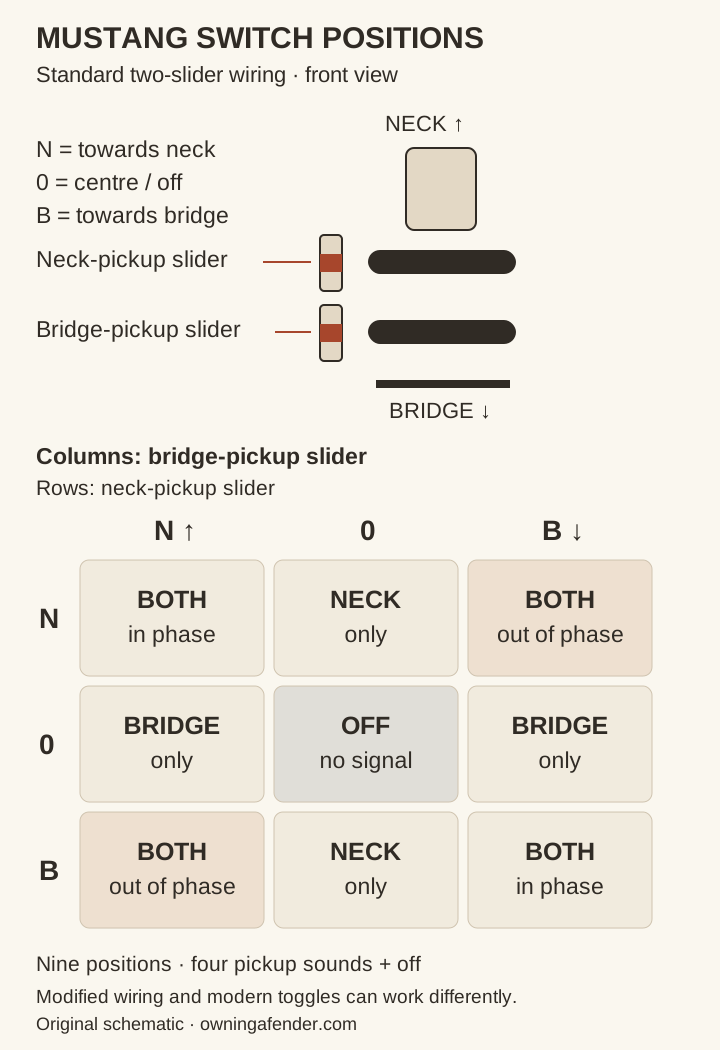
The Fender Mustang, with its distinctive offset body and unique switching system, holds a special place in the hearts of many guitarists. However, a common complaint among Mustang players is the dreaded fender mustang bridge buzzing. This unwanted noise can detract from the instrument's playability and overall sound. Understanding the causes of mustang guitar bridge buzz and knowing how to address them is crucial for maintaining your Mustang and enjoying its full potential. This comprehensive guide will provide you with a detailed breakdown of the issues and offer practical solutions to achieve a mustang bridge buzzing fix.
Buzzing from the bridge of a Fender Mustang can stem from a variety of factors, ranging from simple setup issues to more complex hardware problems. Whether you're a seasoned guitar tech or a novice player, this guide will equip you with the knowledge and tools to diagnose and resolve the fender mustang bridge buzzing issue. We'll explore everything from basic adjustments to potential fender mustang bridge replacement options, ensuring you can restore your Mustang to its optimal playing condition. Let's dive into the world of Mustang bridges and eliminate that frustrating buzz once and for all.
Understanding the Causes of Guitar Bridge Buzzing
Before attempting any fixes, it's essential to understand the potential guitar bridge buzzing causes. Buzzing isn't exclusive to Mustangs, but the unique design of the Mustang bridge makes it particularly susceptible to certain issues. Here's a breakdown of the common culprits:
-
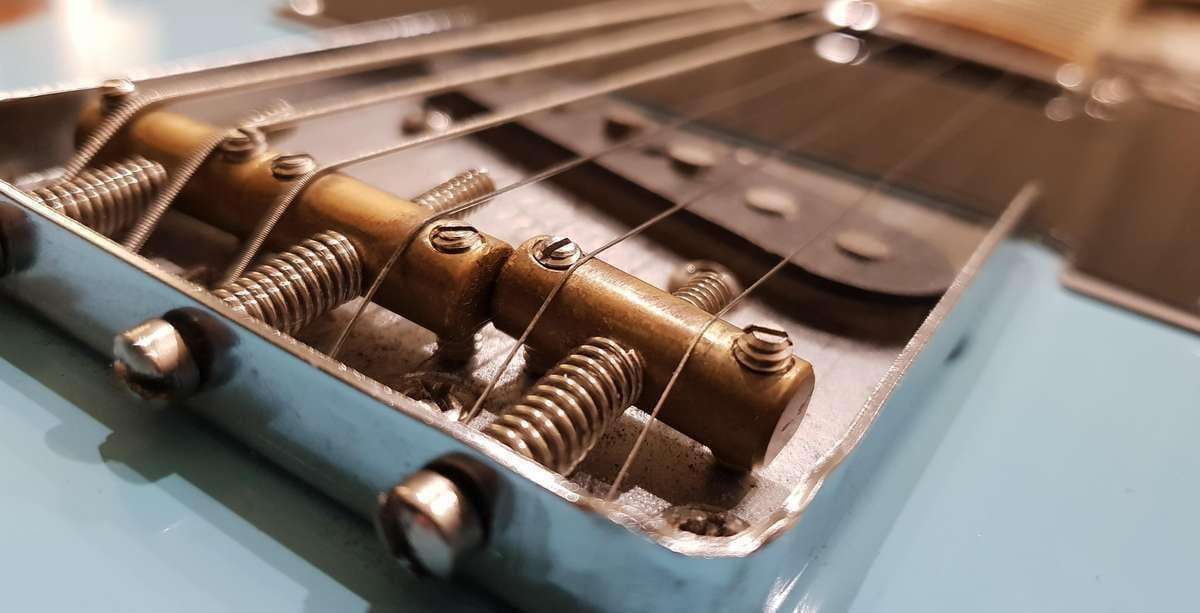
Loose Bridge Components: The Mustang bridge design incorporates individual saddles that can move and vibrate if not properly secured. Over time, screws can loosen, leading to unwanted buzzing.
-
Incorrect Saddle Height: If the saddles are set too low, the strings may vibrate against the frets, causing a buzzing sound. Conversely, if they are too high, it can affect intonation and playability.
-
Worn or Damaged Saddles: Grooves worn into the saddles from the strings can cause the strings to sit improperly and vibrate, leading to buzzing.
-
Improper Intonation: Incorrect intonation can cause strings to vibrate unevenly, resulting in buzzing, especially when playing certain notes or chords. We'll discuss fender mustang bridge buzzing intonation later in this guide.
-
Neck Relief Issues: While not directly related to the bridge itself, excessive or insufficient neck relief can contribute to overall string buzzing, including buzzing that seems to originate from the bridge area.
-
String Gauge and Tension: Using a string gauge that is too light for the guitar's setup can result in insufficient tension, causing the strings to vibrate loosely and buzz against the bridge or frets.
-
Tremolo System Issues: If your Mustang has a tremolo system, the springs and other components can sometimes vibrate and cause buzzing. We'll address fender mustang bridge buzzing with tremolo specifically in a later section.
-
Environmental Factors: Changes in humidity and temperature can affect the wood of the guitar, potentially leading to slight shifts in the neck or bridge that can cause buzzing.
Quick Specs Reference
Standard Mustang Setup Specs:
| Measurement | Spec | Note |
|---|---|---|
| String Height (Low E) | 2.0 mm (5/64") | Measure at 12th fret |
| String Height (High E) | 1.6 mm (1/16") | Measure at 12th fret |
| Neck Relief | 0.25 mm (.010") | Measure at 8th fret (capo 1st, hold last) |
| String Gauge | 10-46 or 11-49 | Heavier strings improve stability |
How to Stop Fender Mustang Bridge Buzz: A Step-by-Step Guide
Now that we've identified the potential causes, let's explore the solutions. This section provides a step-by-step guide on how to stop fender mustang bridge buzz.
1. Inspect the Bridge:
- Visually inspect the bridge for any loose screws, damaged saddles, or other obvious issues.
- Gently wiggle each saddle to check for any excessive movement.
- Examine the string grooves on the saddles for wear or damage.
 Buy on Amazon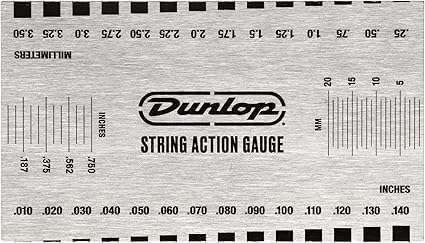
2. Tighten Loose Screws:
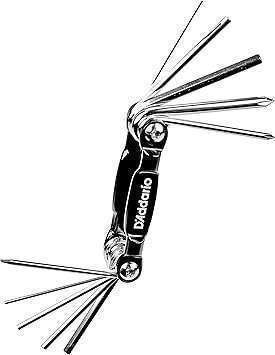
- Using a properly sized screwdriver, carefully tighten any loose screws on the bridge saddles. Be careful not to overtighten, as this can damage the screws or the bridge.
- Check the screws that secure the bridge to the body of the guitar and tighten them if necessary.
3. Adjust Saddle Height:
- Use a small Allen wrench to adjust the height of each saddle.
- Start by raising the saddles slightly to see if the buzzing disappears.
- Adjust the saddle height until the buzzing is eliminated, while maintaining comfortable action and playability.
4. Check and Adjust Intonation:
- Use a tuner to check the intonation of each string at the 12th fret.
- If the intonation is sharp, move the saddle back (away from the neck). If it's flat, move the saddle forward (towards the neck).
- Adjust the saddle position until the intonation is correct. This is crucial for addressing fender mustang bridge buzzing intonation.
5. Evaluate Neck Relief:
- Check the neck relief by pressing down on the 1st fret and the fret where the neck joins the body (typically the 17th fret).
- Observe the gap between the bottom of the string and the top of the frets in the middle of the neck.
- If there is too little or too much relief, adjust the truss rod accordingly. Note: If you are not comfortable adjusting the truss rod, consult a qualified guitar technician.
6. Consider String Gauge:
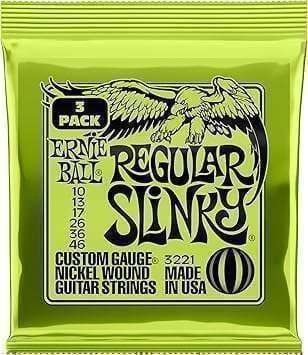
- If you're using a very light string gauge, consider switching to a slightly heavier gauge. This can increase string tension and reduce buzzing. The short 24" scale length often necessitates 11s or at least 10s for proper bridge tension.

7. Address Tremolo System Issues:
- If your Mustang has a tremolo system, check the tremolo springs for any looseness or damage.
- Adjust the tremolo spring tension to ensure proper balance and prevent buzzing.
- Ensure that the tremolo arm is securely attached and not vibrating against any other parts.
8. Lubricate the Bridge:
- Apply a small amount of lubricant (such as graphite or a specialized guitar lubricant) to the bridge saddles and contact points. This can help reduce friction and prevent buzzing.
Fender Mustang Bridge Buzzing After String Change
A common scenario is experiencing fender mustang bridge buzzing after string change. This can happen for several reasons:
- Incorrect String Installation: Ensure that the strings are properly seated in the bridge saddles and that the ball ends are securely anchored in the tremolo block (if applicable).
- Saddle Height Changes: The new strings may have slightly different tension than the old ones, requiring minor adjustments to the saddle height.
- New String Vibration: New strings tend to vibrate more freely than older strings, which can sometimes exacerbate existing buzzing issues.
- Inconsistent String Gauge: If you've switched to a different string gauge, it can affect the overall tension and require adjustments to the bridge and neck.
If you experience buzzing after a string change, revisit the steps outlined in the previous section, paying particular attention to saddle height and intonation.
Fender Mustang Bridge Buzzing with Tremolo
The Mustang's tremolo system can be a source of buzzing if not properly set up. Here's how to address fender mustang bridge buzzing with tremolo:
- Tremolo Spring Tension: Adjust the tremolo spring tension to ensure that the bridge is balanced and stable. Too little tension can cause the bridge to rattle, while too much tension can make the tremolo feel stiff.
- Tremolo Arm Socket: Check the tremolo arm socket for any looseness or damage. If the arm is loose, it can vibrate and cause buzzing. Consider using Teflon tape or a similar material to create a tighter fit.
- Tremolo Plate Screws: Ensure that the screws that secure the tremolo plate to the body are tight. Loose screws can allow the plate to vibrate and cause buzzing.
- String Angle Over the Bridge: The angle at which the strings pass over the bridge saddles can affect tremolo performance and buzzing. Experiment with different string heights and tremolo adjustments to optimize the string angle.
Why is My Fender Mustang Bridge Buzzing? Common Scenarios
Let's address some specific scenarios and the potential causes behind them to help you pinpoint why is my fender mustang bridge buzzing. If the buzz seems to follow the string up and down the neck rather than coming from the bridge itself, start with our general guitar fret buzz troubleshooting guide.
- Buzzing on Open Strings: This often indicates that the nut slots are too low, or the first fret is too high. It can also be caused by excessively low saddle height.
- Buzzing on Certain Frets: This usually points to uneven frets or a localized issue with neck relief. A fret leveling may be required.
- Buzzing Only When Playing Hard: This suggests that the strings are vibrating excessively due to low action or insufficient neck relief.
- Buzzing That Changes with Temperature/Humidity: This indicates that the wood of the guitar is expanding or contracting, causing slight shifts in the neck or bridge. Adjustments may be necessary to compensate for these changes.
Fender Mustang Bridge Buzzing Adjustment: Fine-Tuning for Optimal Performance
Achieving a buzz-free Mustang often requires careful fender mustang bridge buzzing adjustment. Here are some tips for fine-tuning your bridge setup:
- Use a Radius Gauge: A radius gauge can help you match the curvature of the bridge saddles to the curvature of the fretboard, ensuring consistent string height and reducing buzzing.
- Adjust Saddle Height Incrementally: Make small adjustments to the saddle height and check for buzzing after each adjustment. This will help you find the optimal height without going too far.
- Pay Attention to String Angle: The angle at which the strings pass over the bridge saddles can affect tone and playability. Experiment with different saddle heights to find the optimal string angle.
- Check for String Binding: Ensure that the strings are not binding in the nut slots or on the bridge saddles. Binding can cause tuning instability and buzzing.
Fender Mustang Bridge Buzzing Remedy: When to Consider Replacement
While adjustments can often resolve buzzing issues, sometimes the fender mustang bridge buzzing remedy involves replacing the bridge. Here are some situations where a fender mustang bridge replacement might be necessary:
- Severely Damaged Bridge: If the bridge is significantly damaged or corroded, replacement may be the best option.
- Worn Saddles: If the saddles are excessively worn, they may not be able to be adjusted properly, leading to persistent buzzing.
- Inability to Intonate: If you are unable to intonate the guitar properly, even after adjusting the saddles, the bridge may be the problem.
- Desire for Improved Performance: Some aftermarket bridges offer improved stability, sustain, and intonation compared to the stock Mustang bridge.
Best Replacement Bridge for Fender Mustang Buzzing
If you've decided to replace your Mustang bridge, there are several excellent options available. Here are some of the best replacement bridge for fender mustang buzzing:
-
Mastery Bridge: The Mastery Bridge is a popular choice among Mustang players. It's known for its improved stability, sustain, and intonation. It's a drop-in replacement that eliminates many of the common Mustang bridge issues.
-
Staytrem Bridge: The Staytrem Bridge is another highly regarded replacement bridge. It features a fixed saddle design that prevents the saddles from moving and buzzing.
-
Fender American Professional Bridge: A fantastic upgrade that maintains the classic look but adds stability with Mustang-style saddles (no gaps) and better spacing.
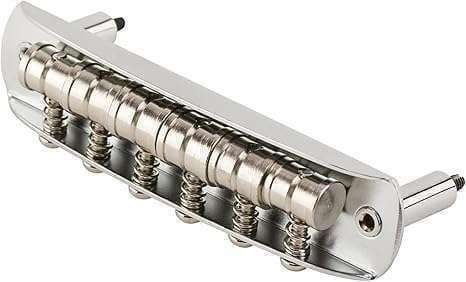
Using quality components is the key to a long-lasting fix.
Complete Your Mustang Rig
Once your bridge is solid and the buzz is gone, you can enjoy the pure tone of your Mustang.
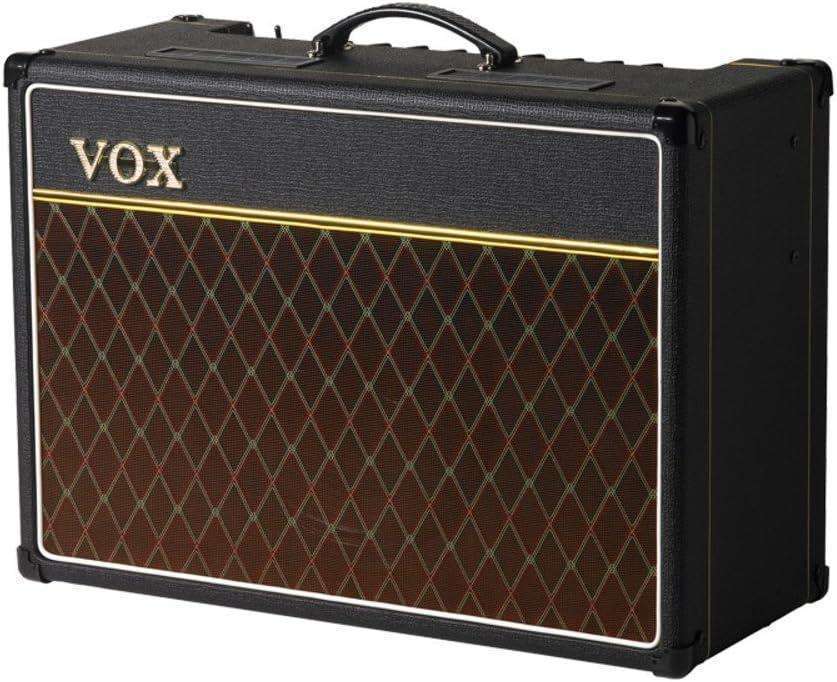
1. The Classic Choice: Vox AC15
For that chimey, aggressive indie rock tone, nothing beats a Mustang into a Vox.
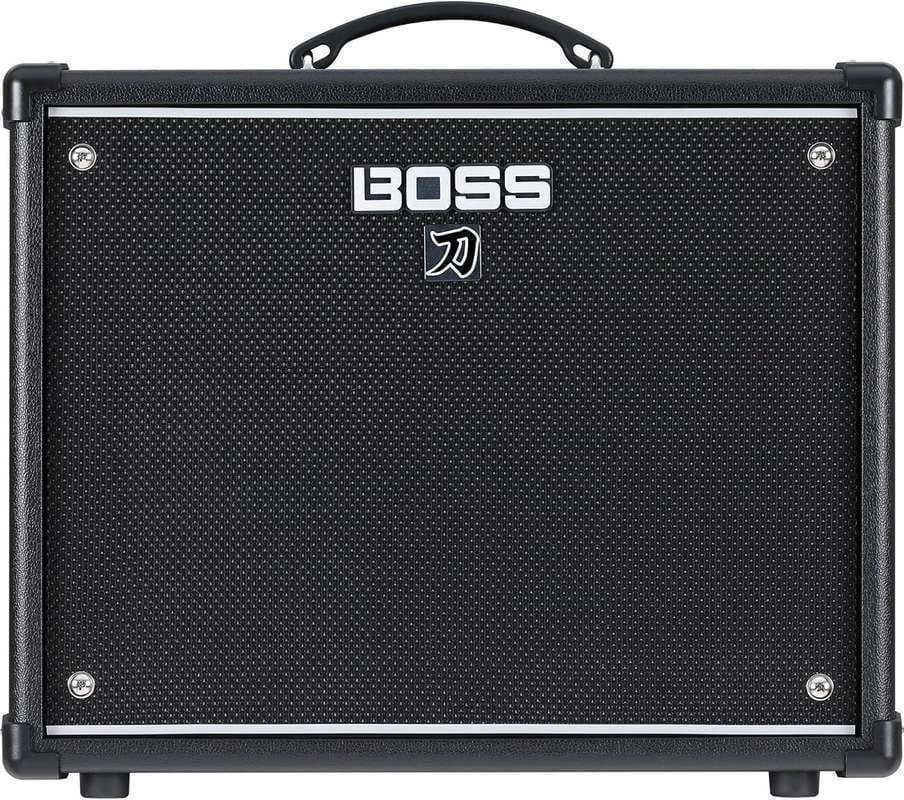
2. Modern Versatility: Boss Katana
Perfect for practice and gigging with reliable solid-state power.
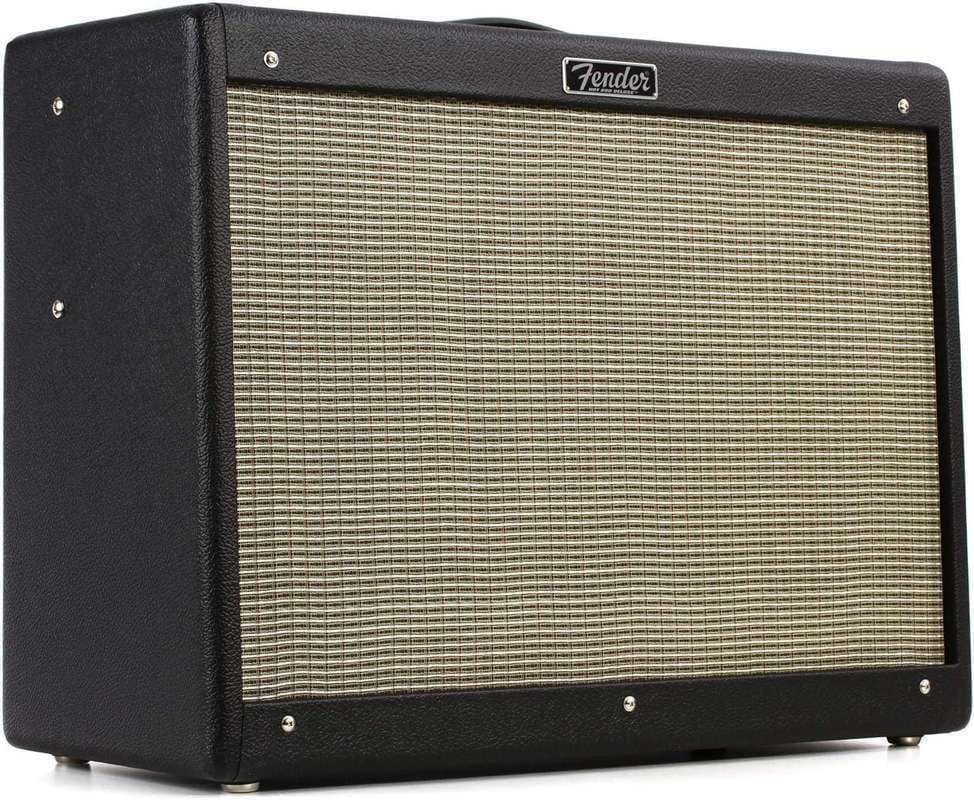
3. American Clean: Fender Hot Rod Deluxe
The industry standard for pedal-loving clean tones.
Want to Fix Your Mustang Once and For All?
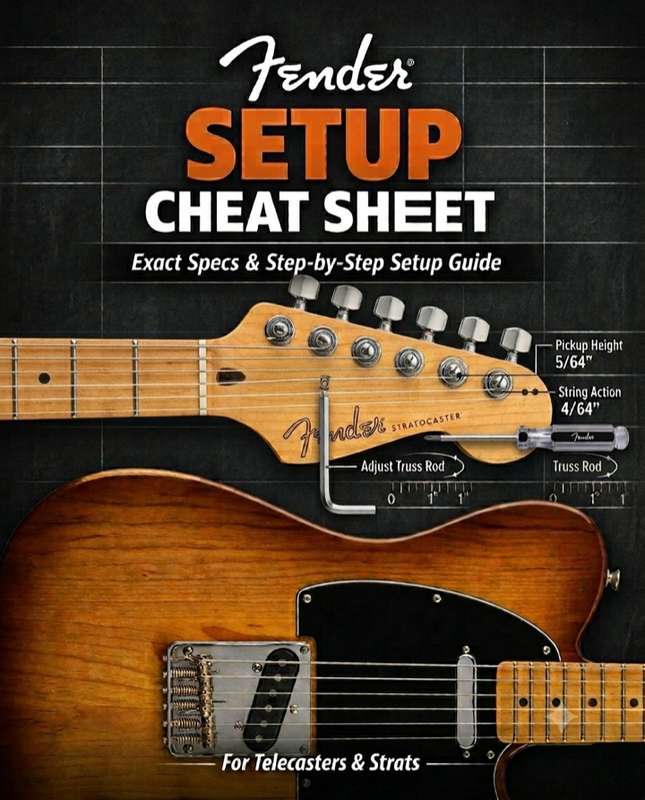
Get every Mustang spec—action, relief, intonation, bridge height—plus offset-specific troubleshooting in one printable guide.
Conclusion
Addressing fender mustang bridge buzzing can seem daunting, but with a systematic approach and a little patience, you can restore your Mustang to its optimal playing condition. By understanding the causes of buzzing, following the adjustment steps outlined in this guide, and considering replacement options when necessary, you can eliminate unwanted noise and enjoy the unique sound and feel of your Fender Mustang. Remember to always work carefully and consult a qualified guitar technician if you're unsure about any of the procedures. With the right knowledge and tools, you can conquer the mustang guitar bridge buzz and unlock the full potential of your instrument.