Welcome to your ultimate Stratocaster resource hub. Whether you're setting up your first Strat or fine-tuning a vintage model, you'll find everything you need right here.
What Is a Stratocaster?
The Stratocaster is Fender's most iconic electric guitar. Introduced in 1954, it was designed as a more comfortable, versatile successor to the Telecaster, with a contoured body, three single-coil pickups, and a synchronized tremolo bridge. The name blends "Stratosphere" with "caster"—reflecting Fender's aim for a forward-looking instrument that would define rock, blues, and pop for decades.
What makes a Stratocaster unique is its combination of ergonomics and tone. The double-cutaway body and belly carve make it comfortable to play standing or sitting. The 5-way pickup selector (bridge, bridge+middle, middle, middle+neck, neck) delivers everything from spanky quack to smooth neck warmth. The tremolo system allows vibrato and pitch bends while remaining stable when set up correctly. Standard specs include a 25.5" scale length, 21 frets (later 22 on many models), and typically alder or ash bodies with maple or rosewood fretboards. Whether you play American, Mexican, or Squier, the Stratocaster platform is the same: versatile, responsive, and endlessly moddable.
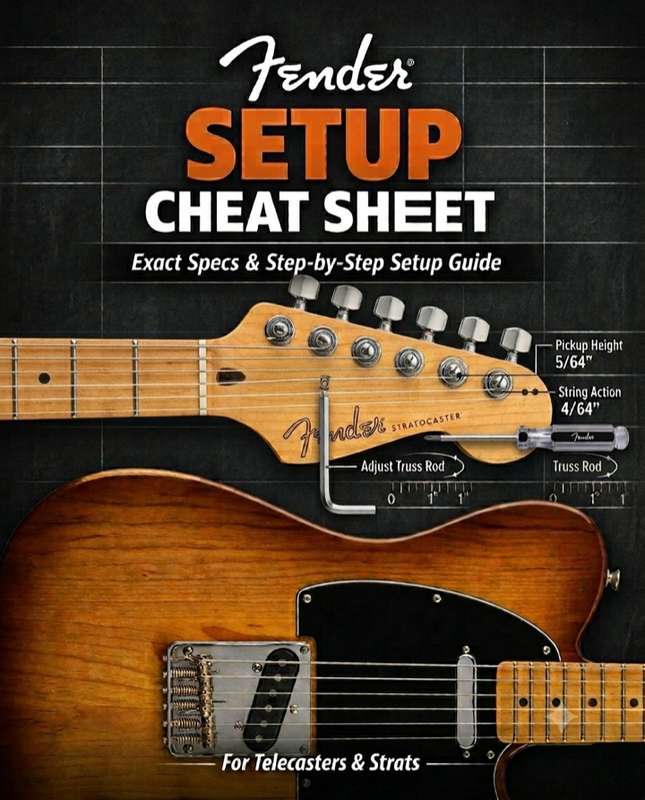
Stratocaster at a Glance
| Spec | Typical Stratocaster |
|---|---|
| Body woods | Alder (most common), ash, poplar |
| Scale length | 25.5" |
| Pickups | 3 single-coils (standard); HSS and SSS options |
| Bridge | 6-saddle tremolo (2-point or 6-screw) or hardtail |
| Neck profiles | C, Modern C, D, V (varies by era and series) |
| Fretboard | Maple or rosewood, 9.5" or 7.25" radius |
| Frets | 21 (vintage) or 22 (modern) |
| Controls | 1 volume, 2 tone, 5-way switch |
Quick Navigation
🔧 Setup & Maintenance
- My Gear Garage - Track your collection and maintenance schedule
- Stratocaster Serial Numbers - Decode your Strat serial number by year, country, and era
- Fender Serial Number Lookup - Decode your serial number to find production year
- Fender Fake Checker - Free red-flag checklist to verify a Strat isn't a counterfeit before you buy
- Factory Specs Lookup Tool - Find official factory setup specs for your guitar
- Ultimate Setup Guide - Complete step-by-step setup
- Guitar Action Height Guide - Perfect your string height for optimal playability
- Truss Rod Adjustment Guide - Safe neck relief adjustment for all guitars
- Stratocaster Truss Rod Adjustment - Strat-specific relief specs and headstock vs heel access
- Pickup Height Adjustment Guide - Perfect your tone with proper pickup height
- Tremolo Setup Guide - Float vs decked configuration
- Best Stratocasters by Budget - Buying guide
Strings & Upgrades
-
Restring Fender Locking Tuners - Identify rear-wheel and self-locking mechanisms, replace strings and troubleshoot a trapped end
-
String Gauge Recommendation Tool - Get a personalized gauge and top string set picks for your guitar, style, and tuning
-
Best Strings for Stratocaster - Complete string guide with recommendations by genre
-
Stratocaster String Gauges by Genre - What gauge for blues, country, rock, jazz and more — with famous player setups and setup tips
-
Guitar String Gauges: Complete Guide - Understand sizes, tension, and how to choose
Buying & Comparisons
- Telecaster vs Stratocaster Comparison - Complete comparison guide - which should you buy?
- Tele vs Strat: A Player's Guide - Player perspectives by genre, touring and recording
- Jazzmaster vs Strat Neck Comparison - Detailed neck profile and playability guide
- Fender Neck Profiles Guide - Visual guide to C, V, D shapes and comfort
- Best Stratocasters Under $500 - Budget-friendly Strats that actually play well
- Stratocaster Value Guide - What your Strat is worth by year, model, and condition
- Fender vs Squier - Is Squier a Fender? Price and quality comparison
- American vs Mexican Fender - MIM vs USA build, pickups, and value
- Fender Serial Number Lookup - Date and identify your Stratocaster
Stratocaster Guide - Strat vs Telecaster Comparison
When choosing between a Stratocaster vs Telecaster, understanding the fundamental differences helps you make the right decision for your playing style and musical goals.
What Does Stratocaster Mean?
The name "Stratocaster" comes from "Stratosphere" - Fender's vision of a futuristic guitar that would reach new heights in electric guitar design. Introduced in 1954, the Stratocaster represented a revolutionary leap forward in guitar technology and ergonomics.
Strat vs Tele: The Ultimate Comparison
Stratocaster vs Telecaster differences extend far beyond appearance. Here's what every guitarist should know:
Sound & Tone Differences
- Stratocaster: Three single-coil pickups offer 5-way switching with bright, articulate tones perfect for rock, blues, and funk
- Telecaster: Two single-coil pickups deliver the iconic "twang" - bright, cutting tones ideal for country, rock, and alternative music
- Telecaster vs Stratocaster sound: The Strat's middle pickup and tremolo system provide more tonal versatility, while the Tele's simplicity delivers focused, punchy tones
Playability & Feel
- Strat vs Tele neck: Stratocasters typically feature a more contoured body and often a slightly different neck profile
- Strat or Tele: The Strat's tremolo system allows for pitch bending effects, while the Tele's fixed bridge offers maximum tuning stability
- Telecaster or Stratocaster for beginner: Both are excellent choices, but the Tele's simpler design and fewer controls make it slightly more beginner-friendly
Construction & Hardware
- Difference between Stratocaster and Telecaster: The Strat features a tremolo bridge system, while the Tele uses a fixed bridge with individual saddles
- Strat and Tele difference: Stratocasters have a contoured body for comfort, while Telecasters maintain a more traditional flat-top design
- Telecaster vs Stratocaster: The Strat's 5-way pickup selector offers more tonal options, while the Tele's 3-way switch provides straightforward, reliable switching
Which Is Better: Telecaster or Stratocaster?
The answer depends on your musical style and preferences:
Choose a Stratocaster if you:
- Want maximum tonal versatility
- Use tremolo effects frequently
- Play rock, blues, or funk
- Prefer a contoured, comfortable body
- Need multiple pickup combinations
Choose a Telecaster if you:
- Want maximum tuning stability
- Play country, rock, or alternative music
- Prefer simplicity and reliability
- Want that iconic "twang" tone
- Are a beginner looking for straightforward operation
Strat vs Tele Sound Comparison
Telecaster vs Strat sound characteristics:
- Stratocaster: Bright, bell-like tones with excellent sustain and harmonic richness
- Telecaster: Punchy, cutting tones with exceptional clarity and definition
- Tele vs Strat sound: The Strat's tremolo system adds expressiveness, while the Tele's fixed bridge provides rock-solid tuning
The difference between tele and strat ultimately comes down to your musical needs and personal preference. Both guitars are legendary for good reason—they each excel in their own unique ways. For real-world perspectives from players who use both (by genre, plus touring and recording), see our Tele vs Strat: A Player's Guide.
What Makes a Stratocaster Special?
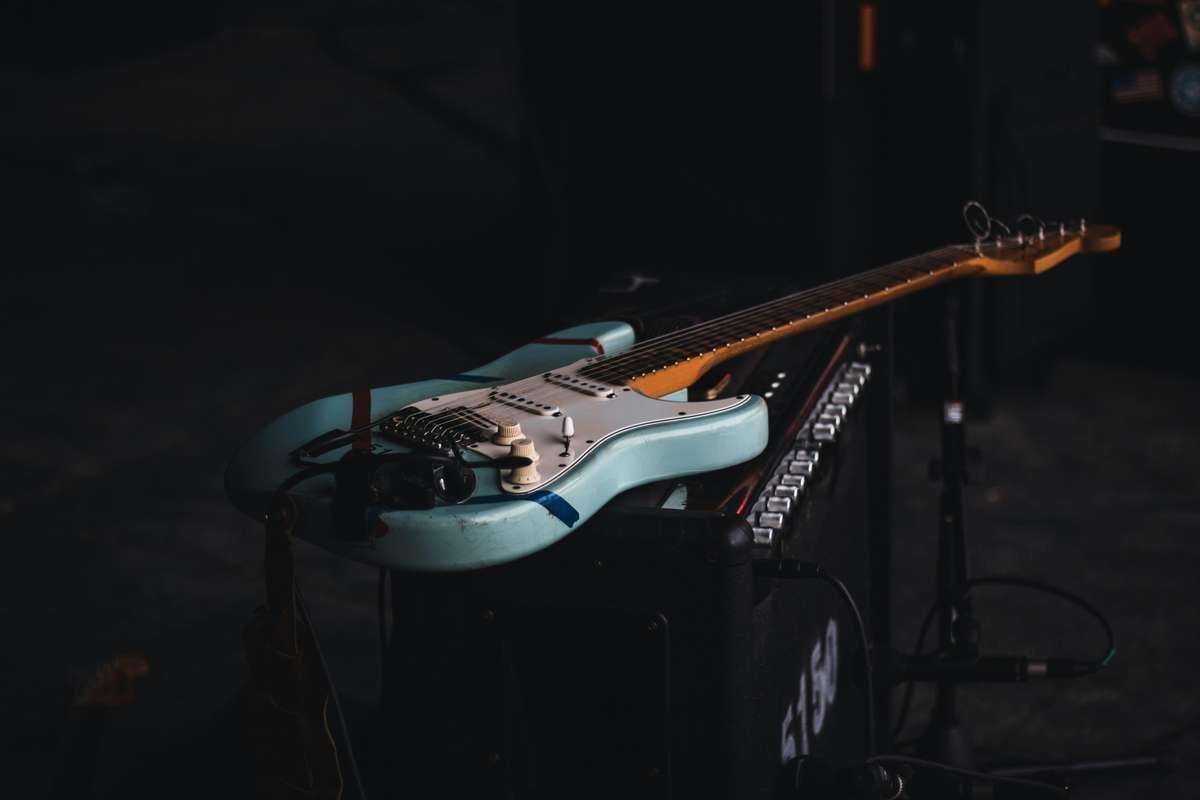
The Fender Stratocaster, introduced in 1954, revolutionized the electric guitar world with its innovative design and versatile tone. From Jimi Hendrix to Eric Clapton, the Strat has been the choice of legendary musicians across all genres.
Key Features:
- Tremolo system - Expressive vibrato and pitch bending
- Three single-coil pickups - Bright, articulate tone with multiple switching options
- Contoured body - Comfortable playing experience
- Versatile tone palette - From clean jazz to overdriven rock
Popular Stratocaster Topics
Tremolo Setup
The Stratocaster's tremolo system is both its most celebrated feature and biggest setup challenge. Our guides cover everything from floating the bridge for maximum expression to decking it for stability.
Pickup Configuration
Understanding the five-way pickup selector and optimizing pickup heights for balanced output across all positions is crucial for getting the most from your Stratocaster.
String Selection
The Stratocaster's bright character pairs well with various string types, from vintage-style pure nickel for warmth to modern steel strings for brightness and sustain.
Recent Updates
- New: Stratocaster Serial Numbers - Decode your Strat serial by year, country, and era
- New: Stratocaster Value Guide - What your Strat is worth by year, model, and condition
- New: Guitar Truss Rod Adjustment Guide - Complete beginner's guide to safe neck relief adjustment
- New: Guitar String Gauges: Complete Guide - How to choose the right gauge
- New: Telecaster vs Stratocaster Comparison - Complete guide to choosing between these iconic guitars
- New: Tele vs Strat: A Player's Guide - Player perspectives by genre, touring and recording
- New: Pickup Height Adjustment Guide - Master pickup height for perfect tone
- New: Tremolo Setup Guide - Float vs decked comparison
- Coming Soon: Stratocaster pickup comparison guide
Stratocaster Through the Decades
The Stratocaster has evolved significantly since 1954, with each era offering unique specs that players still chase today. Understanding these eras helps you choose the right reissue or modern model.
1950s: The Birth of a Legend
The original 50s Strats featured maple fretboards (often with a "V" or thick "U" profile), single-ply pickguards, and low-output alnico 3 or 5 pickups. These are the "Holy Grail" guitars, known for their bell-like chime and woody resonance.
- Key Sound: Bright, percussive, and articulate.
- Famous Players: Buddy Holly, Eric Clapton (Blackie was a 50s composite).
1960s: The Rosewood Revolution
In 1959, Fender introduced rosewood fretboards, which mellowed the tone slightly and added warmth. The neck profiles shifted to a slimmer "C" shape, becoming the standard for comfort. This era defined the sound of surf rock and later, unparalleled blues-rock.
- Key Sound: Warmer, smoother attack with more mid-range complexity.
- Famous Players: Jimi Hendrix, Stevie Ray Vaughan, John Frusciante.
1970s: The Big Headstock Era
The CBS era brought the large headstock, 3-bolt neck plates (with Micro-Tilt adjustment), and bullet truss rods. While often criticized for quality control, 70s Strats have a distinct, aggressive tone thanks to heavier ash bodies and flat-polepiece pickups.
- Key Sound: Funky, bright, and cutting.
- Famous Players: Ritchie Blackmore, Yngwie Malmsteen, The Edge.
Modern Era: Innovation Continues
Today's Stratocaters—like the American Professional II and Ultra series—offer modern conveniences: noiseless pickups, contoured neck heels for upper fret access, and 2-point tremolo systems for better tuning stability. They retain the soul of the original while removing the vintage fights.
Frequently Asked Questions
What is a Stratocaster?
A Stratocaster is Fender's double-cutaway electric guitar with three single-coil pickups and a tremolo bridge, introduced in 1954. It's known for its contoured body, 5-way pickup switching, and versatile tone used in rock, blues, funk, and pop.
How much does a Stratocaster cost?
New Stratocasters range from around $250 (Squier) to $2,000+ (American Ultra). Mexican-made Player Series models sit in the $700–900 range; American Professional II and similar USA models typically run $1,500–1,800. Used prices vary by year, condition, and market.
Is Stratocaster good for beginners?
Yes. The Stratocaster is comfortable, easy to play, and versatile. Beginners often start on Squier Stratocasters or Fender Player Series. The 5-way switch and two tone knobs can feel busy at first, but the layout is logical and the guitar stays in tune well with a proper setup.
Other Fender Guitar Hubs
🎸 Explore Other Fender Guitars
- Telecaster Hub - Complete Telecaster resource with setup guides, wiring diagrams, and string recommendations
- Epiphone Hub - Complete Epiphone resource with serial lookup and setup guides
- Ibanez Hub - Complete Ibanez resource with RG, S, JEM guides and serial lookup
- Jaguar Hub - Offset guitar setup guides, tremolo configuration, and string gauge selection
- Jazzmaster Hub - Jazzmaster-specific setup techniques and bridge solutions
- Squier Hub - Complete Squier Telecaster resource with setup guides and modifications
- Precision Bass Hub - Complete Precision Bass setup and maintenance guides
Explore our comprehensive Stratocaster guides and unlock your guitar's full potential.