Guitar String Gauge Recommendation Tool
Free string gauge recommendation tool for Fender Stratocaster, Telecaster, and more. Get personalized gauge suggestions based on your guitar, playing style, genre, and tuning.
String Gauge Recommendation Tool
Get a personalized string gauge and top string set picks for your guitar, playing style, and tuning
Use the tool above to get a personalized string gauge recommendation and top string set picks for your guitar, playing style, genre, and tuning. Below we explain why string gauge matters, how to choose by model and style, and what to do when you change gauges.
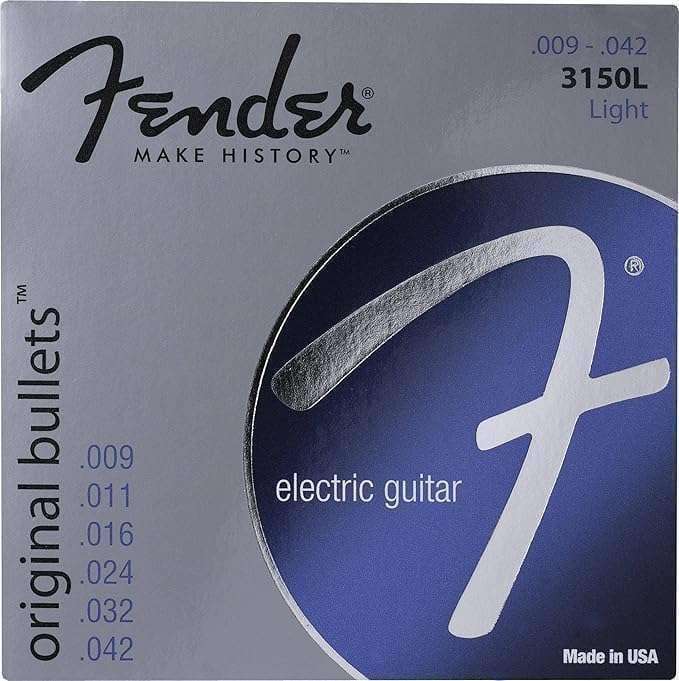
Quick answer: The best string gauge for you depends on your guitar model, whether you play rhythm or lead, your genre, and your tuning. For most Fender electrics in standard tuning, 10-46 (regular) or 9-42 (light) are the most popular. Use our free tool above for a tailored recommendation and three string set options with affiliate links.
Keeping the same string but changing tuning or comparing guitar scales? The string tension comparison isolates those two changes. It does not infer tension from gauge alone.
Why String Gauge Matters
String gauge affects playability, tone, and how your guitar responds. Choosing the right gauge is one of the easiest ways to make your guitar feel and sound better without buying new gear.
Playability: Lighter gauges (e.g. 9-42) are easier to bend and require less finger pressure, which suits lead players and those who use a lot of vibrato. Heavier gauges (e.g. 11-48) give more resistance and can feel more stable for rhythm playing and rhythm-focused genres.
Tone: Thicker strings generally produce fuller, warmer tone with more low-end and sustain. Thinner strings sound brighter and more articulate, with a snappier attack. For Stratocasters and Telecasters, many players prefer 10s or 9s for that classic Fender clarity; heavier gauges can thicken the tone.
Tension and setup: Heavier strings pull more on the neck and can cause more relief (forward bow). When you change gauge, you may need a small truss rod adjustment and possibly a slight action tweak so playability stays consistent. Our tool’s results include a short setup tip for your recommendation.
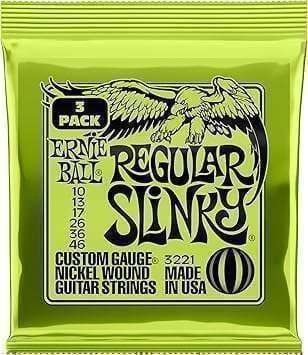
Compare the tool's suggestion with the electric and acoustic string gauge charts, which list all six sizes in named sets and explain what to check after a change.
 Buy on Amazon
String Gauge Chart: Electric and Acoustic
A quick reference helps when comparing sets. Here are the most common electric and acoustic string gauges you’ll see.
Electric guitar string gauge chart
| Gauge set | High E | Low E | Tension | Best for |
|---|---|---|---|---|
| 9-42 (Super Light) | .009" | .042" | Light | Lead, bending, rock, pop |
| 9-46 (Hybrid) | .009" | .046" | Light tops, medium bottoms | Lead with punchy rhythm |
| 10-46 (Regular) | .010" | .046" | Medium | All-around, blues, country, indie |
| 11-48 (Power) | .011" | .048" | Heavy | Down tuning, metal, thick tone |
Acoustic sets are usually described by the high E (e.g. 12 for light, 13 for medium). Light (12-53) is the most common for six-string acoustic; 12-string sets are often light to keep total tension manageable.
For model-specific advice, see best strings for Stratocaster, Telecaster string gauge guide, best strings for Jazzmaster, and best strings for Jaguar.

How to Choose String Gauge by Guitar Model
Different Fender models and body styles can influence which gauge feels and sounds best. Scale length and bridge type both play a role.
Stratocaster: 25.5" scale. Many players use 9-42 or 10-46. Lighter gauges suit bending and lead; 10s give a bit more body and are the default “regular” for Strats. If you use the tremolo a lot, consistent gauge and a good setup (including Stratocaster tremolo setup) help stability.
Telecaster: 25.5" scale, fixed bridge. 10-46 is very common; 9-42 is popular for country and lighter playing. Heavier bottom strings (e.g. hybrid 9-46) can add low-end without making the high strings harder to bend. See our Telecaster string gauge selection guide for more detail.
Jaguar & Jazzmaster: 24" (Jaguar) and 25.5" (Jazzmaster) scale, often with vibrato. Lighter gauges (9s or 10s) are typical; the Jaguar’s shorter scale can make heavier sets feel stiff. Offsets can be sensitive to setup when you change gauge—check Jazzmaster setup and Jaguar setup after switching.
Mustang: Short scale (24"). 9-42 or 10-46 are common. Lighter gauges keep tension comfortable on the shorter neck. Best strings for Mustang goes deeper.
Bass: Precision and Jazz basses usually use standard light or medium sets (e.g. .045–.105). For Precision Bass, medium sets are a solid default; down tuning or heavier styles may call for heavier gauges.
Acoustic: Light (12-53) is the most versatile for six-string; medium-light or medium suit strumming and fingerstyle depending on preference. For 12-string, stick to light sets to avoid excessive tension.
String Gauge by Playing Style and Genre
Your playing style and genre often point to a gauge range before you narrow down to a specific set.
Lead / bending: Lighter gauges (9-42, sometimes 9-46 hybrid) make wide bends and fast lead work easier. Common in rock, pop, and blues lead.
Rhythm / chords: Medium gauges (10-46) give a balanced feel and full chord tone. Suits blues, country, indie, and all-around playing.
Metal / down tuning: Heavier gauges (11-48 or dedicated heavy sets) keep tension and clarity when you drop tune. Reduces floppiness in Drop D or lower.
Blues: 9s, 10s, or 10-46 vintage/pure nickel sets are all used—lighter for bending, 10s for punch, pure nickel for warmer vintage tone.
Jazz: Often 11s or heavier on archtops; on solid bodies like Telecasters, 10s or 11s are common for a rounder, fuller tone.
Country: Lighter tops for chicken pickin’ and bends (9-42 or 9-46), sometimes with a bit more bottom end.
Indie / alternative: 10-46 is a safe default; some players prefer 9s for ease of bending and a brighter sound.
Use the recommendation tool at the top of this page to get a gauge and three string set options tailored to your guitar, style, genre, and tuning.

When to Change String Gauge
Changing gauge is one of the biggest tone and feel upgrades you can make. A few practical points:
Do you need a full setup? Not always. Small moves (e.g. 9s to 10s) might only need a slight truss rod and action check. Bigger jumps (e.g. 9s to 11s) usually benefit from a full action and relief check. Our action height calculator can give you target measurements after you change gauge.
Truss rod: Heavier strings pull the neck more and can increase relief. You may need to tighten the truss rod (less relief). Lighter strings can reduce relief; you might need to loosen it. Make small adjustments (e.g. 1/8 turn), then re-tune and re-check.
Intonation: Changing gauge can shift intonation. After changing strings, check and adjust saddle position if needed.
Nut: Large gauge increases (e.g. 9s to 12s) might require nut slot filing. If you hear buzzing at the nut or strings sit too high, a tech can fix it.
Tremolo (Strats, Jazzmasters, Jaguars): Gauge changes affect spring balance. You may need to adjust the tremolo claw or number of springs so the bridge sits where you want and tuning stays stable. See Stratocaster tremolo setup for details.
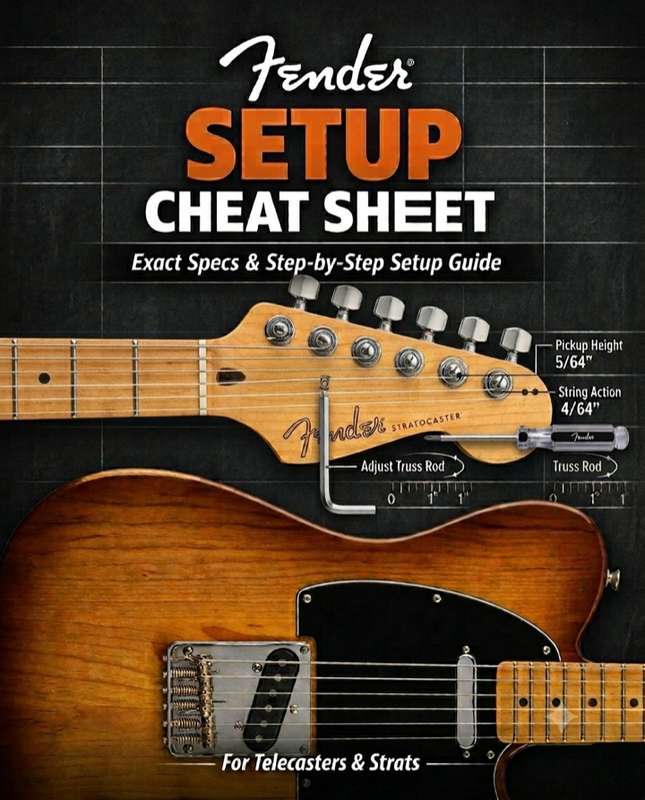
Once you’ve chosen a gauge, our Fender Setup Guide has exact specs and step-by-step instructions for Strat, Tele, and offset models so you can set relief, action, and intonation yourself.
Summary: Use the Tool, Then Refine
The best string gauge for you depends on your guitar, playing style, genre, and tuning. Use the free tool at the top of this page to get a personalized recommendation and three string set options. Then read the setup tip in your results and, if needed, do a quick truss rod and action check so your guitar feels right with the new gauge.
For more depth, explore guitar string gauges, best strings for Stratocaster, Telecaster string gauge guide, and our action height calculator. If you’re ready to do a full setup at home, the Fender Setup Guide gives you exact specs and printable reference cards.
Frequently Asked Questions
What string gauge should I use for a Stratocaster?
For most players, 10-46 (regular) or 9-42 (light) work well on a Stratocaster. Use 10s for balanced tone and all-around playability; use 9s if you bend a lot and want an easier feel. Heavier gauges (11s) can thicken tone but need a slight setup check. See our best strings for Stratocaster guide for detailed options.
What string gauge for drop D?
For drop D on a six-string electric, 10-46 or 11-48 are common. Heavier low strings (e.g. 11-48 or a dedicated heavy set) reduce floppiness on the low D. You may need a small truss rod and intonation adjustment after switching. Use the string gauge recommendation tool above and select "Drop D" to get a tailored suggestion.
Should I use 9s or 10s?
Use 9s if you want easier bending, less finger pressure, and a brighter attack—good for lead, rock, and pop. Use 10s if you want more body and punch, slightly more resistance, and a balanced feel—good for rhythm, blues, and all-around playing. Many players stick with 10s as a default and try 9s for a lighter feel.
What are the best strings for Telecaster?
Popular choices include 10-46 (regular) for balanced tone, 9-42 for a lighter feel and country-style bending, and pure nickel 10-46 for warmer vintage tone. The "best" set depends on your playing style and genre. Use our tool above and select Telecaster, or read the Telecaster string gauge selection guide.
Do I need to adjust my guitar when changing string gauge?
Often yes. Heavier strings increase neck tension and may require a small truss rod adjustment (less relief) and possibly action and intonation checks. Lighter strings may need slightly more relief. Make small truss rod changes (e.g. 1/8 turn), re-tune, and re-measure. Our truss rod adjustment guide explains the safe way to do it.
What gauge for acoustic guitar?
Light (12-53) is the most common and versatile for six-string acoustic. Medium-light or medium (13-56) suit strumming and fingerstyle when you want more volume and body. For 12-string, use light sets to keep total tension manageable. See best acoustic strings for more options.
What string gauge for blues?
Blues players use a range: 9-42 for easy bending and bright attack, 10-46 for punch and balance, and 10-46 or 11-48 pure nickel for warmer vintage tone. Choose based on whether you prioritize bending (lighter) or body and sustain (heavier). Use the recommendation tool and select Blues to get a suggested gauge and string sets.
What gauge for bass guitar?
Standard light or medium sets (e.g. .045–.105) work for most Precision and Jazz basses. Use light for easier playability and a slightly brighter attack; use medium or heavy for down tuning or heavier styles. See best strings for Precision Bass for specific recommendations.
How often should I change my guitar strings?
It depends on play time, sweat, and tone preference. Many players change electric strings every 2–4 weeks with regular use; coated strings can last longer. Change when they sound dull, won’t stay in tune, or feel grimy. After changing gauge, do a quick truss rod and action check so playability stays consistent.