Ultimate Fender Jazzmaster Setup Guide: Exact Specs
Fix Jazzmaster bridge buzz, set proper action height, and adjust pickup height with exact specs. Complete setup guide covering bridge saddle shimming, neck relief, and tremolo. Works for all Jazzmaster models.
The Ultimate Fender Jazzmaster Setup Guide: String Height, Pickup Height & Bridge Configuration
Last updated: July 13, 2026 — specs, tools, and troubleshooting steps verified for current Fender Jazzmaster models.
Quick Answer: A well-set-up Jazzmaster has 1.6 mm string height at the high E and 2.1 mm at the low E (12th fret), a neck relief of roughly 0.25 mm, pickups set from community starting points (Fender publishes no Jazzmaster-specific pickup-height row), and a floating bridge angled for stable tremolo return. Most buzz and string-slip issues are solved by shimming the neck pocket for better break angle before buying an aftermarket bridge.
The Fender Jazzmaster, with its distinctive offset body, unique bridge system, and legendary tone, stands as one of the most iconic guitars in the Fender lineup. However, its complex setup requirements often challenge even experienced guitarists. This comprehensive guide will walk you through every aspect of setting up your Fender Jazzmaster, from basic string height adjustments to solving common bridge problems that can plague these beautiful instruments.
Whether you're a beginner wondering how to set up a Fender Jazzmaster or an experienced player looking to fine-tune your jazzmaster guitar action height, this guide provides the detailed specifications and step-by-step instructions you need to achieve optimal performance.
🎸 Shopping for a Jazzmaster? Read our How to Use Serial Number Lookup guide. Own one? Check factory specs, find your serial number, or track in My Garage.

📊 Quick Tools: Factory Specs • Serial Number Lookup • My Garage
More than the setup bench: browse all Jazzmaster guides for model history, strings, serial help, and further maintenance.
🛠️ Building a DIY kit? See our DIY guitar kit setup guide for kit-specific pitfalls and exact specs for offset-style kits.
🎸 Editor's Take: Taming the Jazzmaster
"I love Jazzmasters, but they are notorious for rattling bridges and slipping strings. When I bought my first Jazzmaster, I spent weeks frustrated by buzz.
The breakthrough moment? Shims.
Most offset issues come from a lack of break angle over the bridge. Before you go buying a $200 Mastery bridge (which is great, by the way), try adding a 0.5-degree shim to the neck pocket. It increases downward pressure on the bridge, stops the rattle, and improves sustain instantly. It's the first thing I do on any offset Fender."
— Nick, Editor & Tech Lead
Part 1: Understanding Jazzmaster Guitar String Height (Action)
String height, or action, is crucial for both playability and tone on a Fender Jazzmaster. For a broader overview of how action works across all guitar types, see our guitar action height guide. Due to the Jazzmaster's unique bridge design and 25.5-inch scale length, the ideal string height requires careful consideration of the floating bridge system.
Standard Jazzmaster String Height Specifications (measured at the 12th fret):
Quick Answer: Jazzmaster string height ranges from 1.6mm (high E) to 2.1mm (low E) at the 12th fret. The floating bridge system allows fine-tuning based on playing style.
| String | Standard Height |
|---|---|
| High E | 1.6 mm (0.063 inches) |
| B | 1.7 mm (0.067 inches) |
| G | 1.8 mm (0.071 inches) |
| D | 1.9 mm (0.075 inches) |
| A | 2.0 mm (0.079 inches) |
| Low E | 2.1 mm (0.083 inches) |
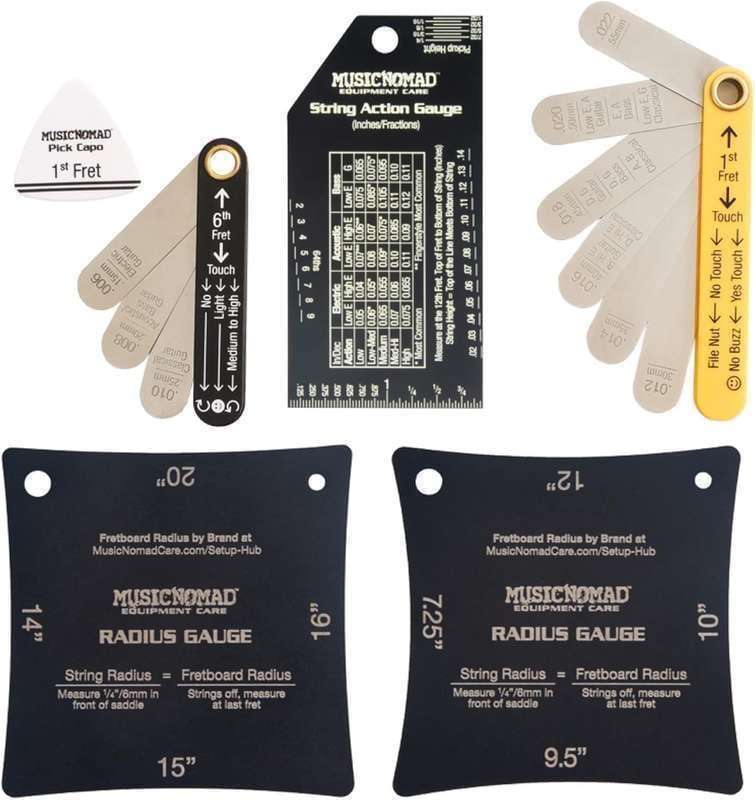
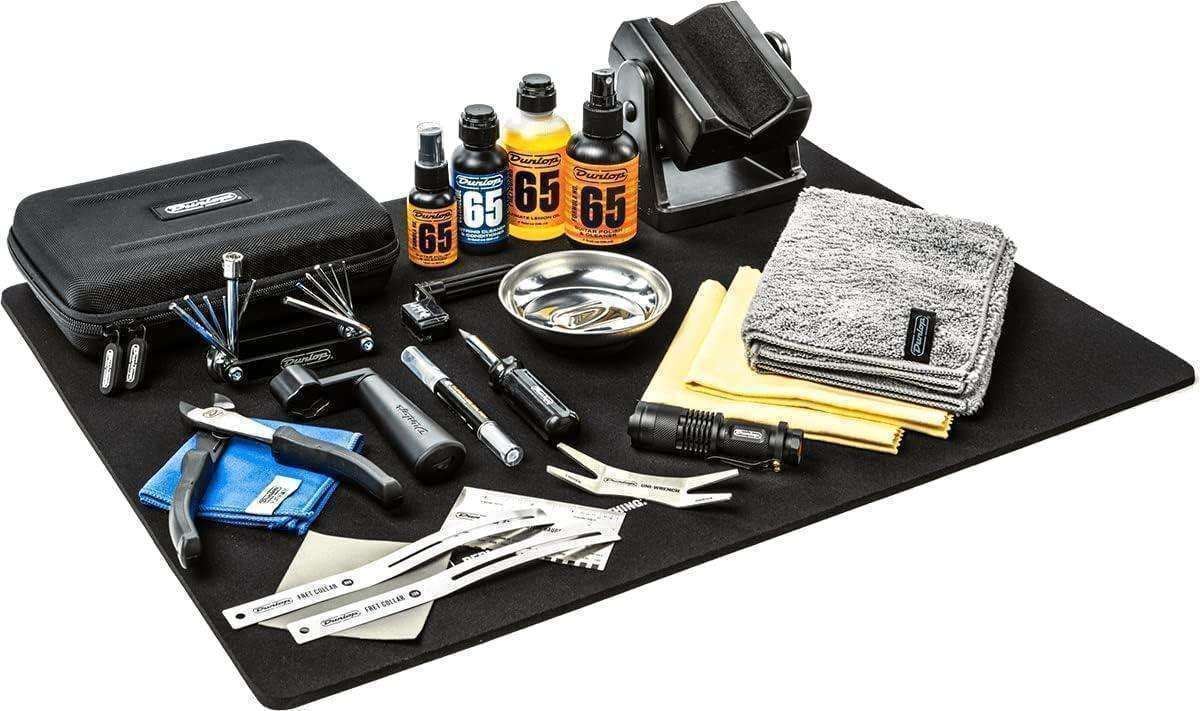
These measurements provide a good starting point, but the Jazzmaster's floating bridge system allows for fine-tuning based on playing style and string gauge. To measure and set your action accurately, consider using a Jim Dunlop String Height Gauge.
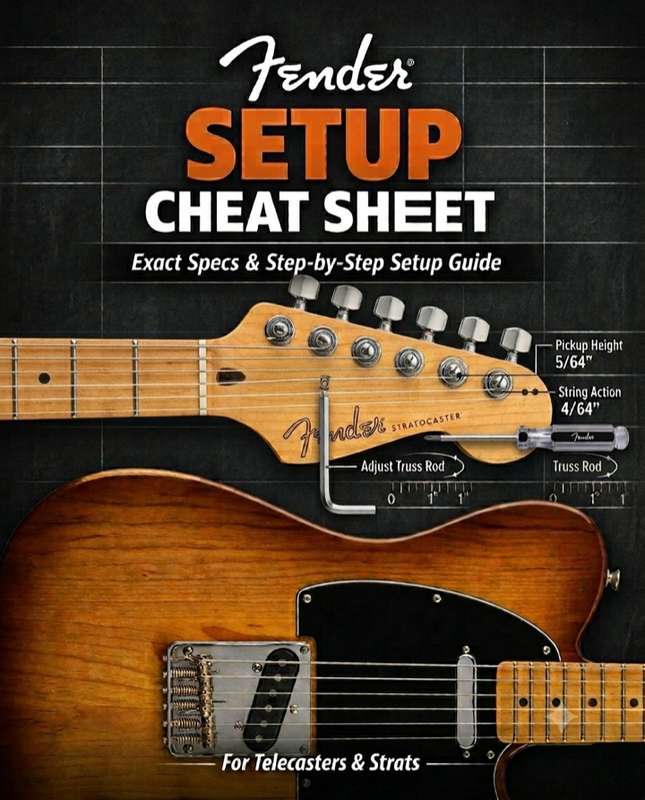
Part 2: Adjusting String Height on a Fender Jazzmaster
The Jazzmaster's bridge system is one of its most distinctive features, but also one of its most challenging aspects to set up properly. Here's how to adjust your jazzmaster string height:
-
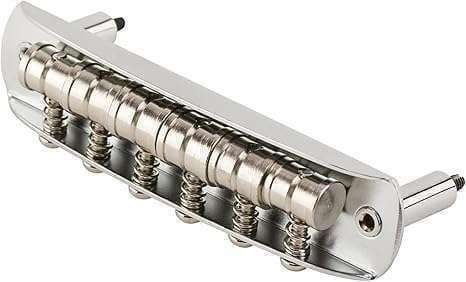
Understand the Bridge Design: The Jazzmaster features a floating bridge with individual saddle height adjustments and a separate bridge height adjustment.
-
Adjust Bridge Height First: Use the two bridge height adjustment screws to set the overall bridge height. This affects all strings simultaneously and should be set to allow proper tremolo functionality.
-
Fine-tune Individual Saddles: Each saddle has its own height adjustment screw. Use a small Allen wrench such as a D'Addario Multi-Tool to adjust individual string heights.
-
Check for Buzz: The Jazzmaster's bridge design can be prone to buzzing if not set up correctly. Test each string thoroughly after adjustments.
-
Balance with Tremolo: Ensure the bridge height works well with the tremolo system for proper functionality and tuning stability.
Essential Jazzmaster Setup Tools
 Buy on Amazon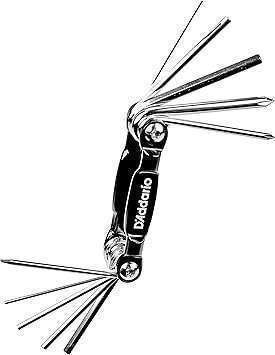
Part 3: Fender Jazzmaster Pickup Height Specifications
🎯 Want the full deep-dive? See our dedicated Jazzmaster Pickup Height Guide for the recommended starting specs (Fender publishes no Jazzmaster-specific pickup-height row), style-specific settings (shoegaze, jazz, surf, blues), and a complete troubleshooting section.
The Jazzmaster's dual single-coil pickups require careful height adjustment to achieve the perfect balance between the neck and bridge positions. The Jazzmaster's pickups are designed for clarity and articulation, requiring precise positioning.
Recommended Jazzmaster Pickup Height Starting Points (measured from the bottom of the string to the top of the pickup pole piece, while pressing the last fret):
Quick Answer: Fender does not publish a model-specific pickup height for the Jazzmaster — its setup instructions list pickup heights by pickup type, not by Jazzmaster position. A widely used starting point is 8/64" (3.2mm) bass side and 6/64" (2.4mm) treble side for both neck and bridge pickups. Fine-tune by ear from there.
| Pickup | Bass Side | Treble Side |
|---|---|---|
| Neck Pickup | 3.2 mm (8/64") | 2.4 mm (6/64") |
| Bridge Pickup | 3.2 mm (8/64") | 2.4 mm (6/64") |
These are community-standard starting points, not Fender-published factory numbers. Fender's setup instructions give pickup heights by pickup type only; no Jazzmaster-specific row exists (checked September 2026).
Adjustment Process:
-
Locate Adjustment Screws: Jazzmaster pickups typically have height adjustment screws on either side.
-
Start with Bridge Pickup: Adjust the bridge pickup first, as it's more critical for the Jazzmaster's signature tone.
-
Balance Output Levels: Ensure both pickups have similar output levels when switching between them.
-
Test All Positions: The Jazzmaster's unique switching system means you need to test all pickup combinations.
-
Fine-tune for Tone: Small adjustments can significantly affect the Jazzmaster's characteristic bright, articulate tone.
Detailed Jazzmaster Pickup Height Adjustment Process
The Jazzmaster's unique pickup design requires special attention to height adjustment. Unlike Stratocasters or Telecasters, Jazzmaster pickups are larger and have different magnetic properties that significantly affect tone.
Why Pickup Height Matters on Jazzmasters
Jazzmaster pickups are known for their bright, articulate tone with a slightly scooped midrange. Pickup height directly affects:
- Output Level: Higher pickups = more signal, but can cause magnetic pull issues
- Tonal Balance: Too close = harsh treble; too far = weak, muddy tone
- String Balance: Uneven heights create volume imbalance across strings
- Sustain: Magnetic pull from overly high pickups reduces sustain
Step-by-Step Pickup Height Adjustment
Tools Needed:
- Precision ruler or digital caliper
- Small Phillips screwdriver
- Guitar tuner
- Amplifier for testing
Process:
-
Prepare Your Guitar
- Install fresh strings (recommended: Ernie Ball Regular Slinky or similar) and tune to pitch
- Let guitar acclimate to room temperature (30 minutes)
- Ensure neck relief and action are already set
-
Make Initial Measurements
- Press each string at the last fret
- Measure from bottom of string to top of pickup pole piece
- Record measurements for both pickups, bass and treble sides
-
Start with Bridge Pickup
- The bridge pickup defines the Jazzmaster's signature bite
- Begin with Fender's spec: 2.0mm bass, 1.6mm treble
- Use screwdriver to adjust height screws equally on both sides
-
Adjust by Ear
- Play clean, then with light overdrive
- Listen for harsh treble or weak low end
- Make micro-adjustments (1/8 turn at a time)
-
Balance Neck Pickup
- Switch to neck pickup position
- Match output level to bridge pickup
- Neck should be slightly warmer, not quieter
-
Test All Switch Positions
- Jazzmasters have unique switching with rhythm circuit
- Test lead circuit (both pickups, bridge only, neck only)
- Test rhythm circuit (neck with tone roll-off)
Optimal Jazzmaster Pickup Height Settings by Playing Style
For Surf/Instrumental Players:
- Bridge: 1.8mm bass, 1.4mm treble (higher, brighter)
- Neck: 2.2mm bass, 1.8mm treble (balanced output)
- Goal: Maximum clarity and attack
For Alternative/Indie Rock:
- Bridge: 2.0mm bass, 1.6mm treble (baseline starting point)
- Neck: 2.4mm bass, 2.0mm treble (baseline starting point)
- Goal: Balanced, versatile tone
For Jazz/Clean Tones:
- Bridge: 2.2mm bass, 1.8mm treble (lower, warmer)
- Neck: 2.6mm bass, 2.2mm treble (lower for warmth)
- Goal: Smooth, warm tone with less bite
For Heavy/Overdriven Sounds:
- Bridge: 1.6mm bass, 1.2mm treble (very close)
- Neck: 2.0mm bass, 1.6mm treble (moderate)
- Goal: Maximum output for high-gain applications
Common Jazzmaster Pickup Height Problems
Problem: Treble Strings Too Bright/Harsh
- Cause: Treble side too close to strings
- Solution: Lower treble side by 0.2-0.4mm
- Test: Adjust, play, compare to bass strings
Problem: Weak Output When Switching from Bridge to Neck
- Cause: Neck pickup too low
- Solution: Raise neck pickup in small increments
- Test: Switch between pickups while playing same passage
Problem: Warbling or "Wolf Tones"
- Cause: Magnetic pull from pickups too close to strings
- Solution: Lower both pickups by 0.5-1.0mm
- Test: Play slow, sustained notes on each string
Problem: Muddy or Undefined Low End
- Cause: Bass side raised too high
- Solution: Lower bass side, raise treble side slightly
- Test: Play bass notes and chords
Pickup Height and String Gauge Relationship
Different string gauges require different pickup heights:
- Light Gauge (.009-.042): Lower pickups to avoid magnetic pull
- Standard (.010-.046): Use Fender specifications as starting point
- Heavy Gauge (.011-.049): Raise pickups slightly for adequate output
See Part 11 below for detailed string gauge recommendations for your Jazzmaster.
Curious what your Jazzmaster is worth? Try our Guitar Price Estimate.
Part 4: Solving Fender Jazzmaster Bridge Problems
The Jazzmaster's bridge is often cited as its biggest challenge, but with proper setup, it can be incredibly stable and functional. Here are the most common jazzmaster bridge problems and their solutions:
🎯 Want the deep-dive? Our dedicated Jazzmaster Bridge Setup Guide covers factory specs, step-by-step adjustment, stability fixes, and upgrade options in full detail.
Problem 1: Strings Popping Out of Bridge Saddles
Solution:
- Ensure proper string gauge (10-46 or 11-49 work best)
- Check that strings are properly seated in the bridge
- Consider upgrading to a Fender American Professional Jazzmaster Bridge for enhanced stability
Problem 2: Bridge Rattling
Solution:
- Tighten bridge height adjustment screws
- Apply threadlocker to prevent loosening
- Check that the bridge is properly seated in the thimbles
- Ensure proper string tension
Problem 3: Intonation Issues
Solution:
- The Jazzmaster's bridge design makes intonation adjustment challenging
- Use a precision tuner and adjust saddle positions carefully
- Consider the bridge's forward/backward movement in your calculations
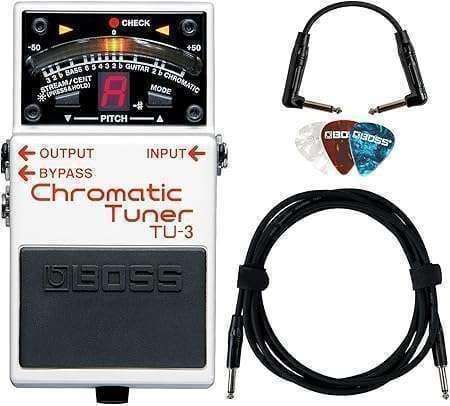
- Use a Boss TU-3 Chromatic Tuner for accurate intonation
Problem 4: Tremolo Not Returning to Pitch
Solution:
- Balance spring tension with string tension
- Lubricate the tremolo mechanism
- Check that the tremolo lock is functioning properly
- Ensure proper bridge height for tremolo functionality
For additional tremolo balancing concepts that also apply to offsets, see: Stratocaster Tremolo Setup — Float vs Decked.
Part 5: Fender Jazzmaster Intonation Guide
Intonation on a Jazzmaster is particularly challenging due to its bridge design. Here's a comprehensive approach to setting intonation:
-
Use a High-Quality Tuner: The Jazzmaster's intonation is sensitive, so use a precise tuner like the Boss TU-3 Chromatic Tuner.
-
Check Open String Tuning: Ensure all strings are perfectly in tune at the open position.
-
Test 12th Fret Harmonic: Play the 12th fret harmonic and compare it to the 12th fret note.
-
Adjust Saddle Position: Move the saddle forward if the 12th fret note is sharp, backward if flat.
-
Recheck After Each Adjustment: The Jazzmaster's bridge design means adjustments can affect other strings.
-
Test All Strings: Don't assume that setting one string correctly means others will follow.
Common Intonation Issues on Jazzmasters:
- Bridge rocking forward/backward during adjustment
- Saddle height affecting intonation
- Tremolo spring tension interfering with saddle position
- String gauge changes requiring complete intonation reset
Part 6: Jazzmaster Truss Rod Adjustment
The Jazzmaster's neck requires careful truss rod adjustment due to its scale length and vintage-style construction. If you're new to truss rods, read our complete truss rod adjustment guide first.
Neck Relief Specifications:
- Target Relief: 0.010-0.012 inches at the 8th fret
- Measurement Method: Capo at 1st fret, press string at last fret, measure at 8th fret
Adjustment Process:
-
Measure Current Relief: Use feeler gauges to check current neck relief.
-
Make Small Adjustments: Turn the truss rod no more than 1/8 turn at a time (use a well‑fitting tool such as the MusicNomad Truss Rod Wrench Set (MN235)).
-
Allow Settling Time: Wait 24 hours between adjustments for the neck to settle.
-
Check in Different Conditions: Temperature and humidity changes affect neck relief.
Vintage vs Modern Considerations:
- Vintage Jazzmasters may have different truss rod access points
- Modern Jazzmasters often have easier-to-access truss rod adjustments
- Be extra careful with vintage instruments to avoid damage
Part 7: Best Bridge Setup for Jazzmaster
The stock Jazzmaster bridge, while authentic, has limitations. Here are the best bridge setup options:
Stock Bridge Optimization
- Proper Height Setting: Set bridge height so strings clear the bridge plate
- Saddle Adjustment: Ensure saddles are properly aligned and tightened
- String Gauge Selection: Heavier strings (11-49) work better with the stock bridge
- Bridge Plate Lubrication: Apply graphite or specialized lubricant to reduce friction
Aftermarket Bridge Options
Mastery Bridge: The most popular upgrade, offering:
- Enhanced stability and sustain
- Better intonation adjustment
- Reduced string jumping
- Improved tremolo performance
Staytrem Bridge: British-made alternative offering:
- Authentic vintage look
- Improved stability
- Better string retention
- Enhanced tremolo functionality
Mustang Bridge: Budget-friendly option providing:
- Better string retention than stock
- Improved intonation
- Cost-effective upgrade
Step-by-Step Stock Jazzmaster Bridge Setup
The Jazzmaster's floating bridge requires precise setup for optimal performance. Here's a detailed process:
Initial Bridge Height Setting
-
Understand Bridge Float
- The bridge should float slightly, resting in the thimbles
- Too high = poor intonation and tuning issues
- Too low = string buzz
-
Set Initial Height
- Loosen all strings slightly
- Adjust both bridge height screws evenly
- Target: Bridge plate approximately 6-7mm above body
- Retune and test for buzz
-
Fine-Tune for String Clearance
- Press all strings at 12th fret
- Ensure adequate clearance over pickups
- Test for dead spots or choking
Bridge Saddle Optimization
String Spacing:
- Jazzmaster bridges have less string spacing than other Fenders
- Ensure strings align with pole pieces
- Adjust saddle positions for even spacing
Radius Matching:
- Stock Jazzmaster radius: 7.25" (vintage) or 9.5" (modern)
- Saddle heights should follow fretboard radius
- Use radius gauge for precision
Saddle Height Individual Adjustment:
- Each saddle adjusts independently
- Match string height specifications from Part 1
- Gradually raise/lower to eliminate buzz
Buzzing and Rattle Troubleshooting
Bridge Buzz:
- Check bridge mounting screws are tight
- Ensure bridge sits firmly in thimbles
- Verify witness point (break angle) is adequate
- Apply small amount of graphite lubricant
String Popping Out:
- Use heavier gauge strings (.010 minimum)
- Ensure proper string seating angle
- Check saddle grooves for wear
- Consider buzz-stop or bridge upgrade
Tremolo-Related Issues:
- Balance spring tension with string gauge
- Lock tremolo if not using it
- Adjust tremolo arm tension
- Lubricate tremolo posts
Detailed Bridge Upgrade Comparison
If stock bridge issues persist, consider these options:
Mastery Bridge (~$175)
Pros:
- Best-in-class stability
- Excellent sustain and resonance
- Easy intonation adjustment
- Improved string retention
- Professional favorite
Cons:
- Expensive
- Slightly different tone (more focused)
- May require light modification
Best For: Professional players, recording, maximum performance
Staytrem Bridge (~$120)
Pros:
- Vintage aesthetic maintained
- Made in UK with high quality
- Better stability than stock
- Improved string retention
- Direct drop-in replacement
Cons:
- Long wait times (made to order)
- Less availability than Mastery
- Slightly less improvement than Mastery
Best For: Vintage-minded players, those wanting authentic look with modern performance
Fender American Professional Bridge (~$80)
Pros:
- Official Fender upgrade
- Significant improvement over stock
- More affordable than boutique options
- Readily available
- Maintains Fender aesthetic
Cons:
- Not as refined as Mastery
- Still uses floating design
- Some stability issues remain
Best For: Budget-conscious players, those preferring OEM parts
Mustang Bridge Conversion (~$40)
Pros:
- Very affordable
- Widely available
- Better string retention than stock
- Easy installation
Cons:
- Different aesthetics
- Not purpose-designed for Jazzmaster
- Limited intonation range
- May require modification
Best For: Budget builds, experimental setups
Advanced Bridge Setup Tips
For Different String Gauges:
- Light (.009-.042): Bridge slightly lower, lighter spring tension
- Medium (.010-.046): Standard setup
- Heavy (.011-.049 or .012-.052): Bridge higher, increased spring tension
For Drop Tunings:
- Increase spring tension to compensate for reduced string tension
- Raise bridge height slightly
- Check intonation at new tuning
- May need buzz-stop to prevent rattling
For Recording:
- Eliminate all buzz and rattle sources
- Consider temporary tremolo lock
- Optimize for minimal sympathetic vibration
- Test with high-gain monitoring
Part 8: Comprehensive Jazzmaster Setup Checklist
A complete Jazzmaster setup involves multiple interconnected adjustments:
Pre-Setup Preparation
- Clean the guitar thoroughly
- Install fresh strings (recommended: Ernie Ball Regular Slinky Nickel Wound Electric Guitar Strings)
- Gather necessary tools
- Set up a clean workspace
Neck and Truss Rod
- Check neck relief
- Adjust truss rod if necessary
- Allow neck to settle
- Recheck relief
Bridge and Action
- Set bridge height
- Adjust individual saddle heights
- Check for string buzz
- Test tremolo functionality
Pickups and Electronics
- Set pickup heights
- Test all switching positions
- Check output balance
- Clean potentiometers if needed
Intonation and Tuning
- Set intonation for all strings
- Check tuning stability
- Test tremolo return to pitch
- Fine-tune bridge position
Part 9: Jazzmaster Maintenance and Care
Proper maintenance ensures your Jazzmaster performs consistently:
Regular Maintenance Tasks
- String Changes: Change strings every 2-4 weeks depending on playing frequency
- Bridge Cleaning: Clean bridge saddles and threads regularly
- Tremolo Maintenance: Lubricate tremolo mechanism periodically
- Electronics Care: Clean switches and potentiometers with contact cleaner
Environmental Considerations
- Humidity Control: Use a D'Addario Humidipak to maintain proper humidity levels
- Temperature Stability: Avoid extreme temperature changes
- Case Storage: Store in a proper guitar case when not in use
- Safe Shipping: Use our Fender Shipping Setup Guide if you need to transport or ship your guitar
Professional Setup
- Annual Checkup: Have a professional technician check your setup annually
- Major Adjustments: Consult a professional for truss rod or nut work
- Vintage Instruments: Always use a qualified technician for vintage Jazzmasters
For more information on guitar maintenance, follow proper cleaning and storage procedures to maintain your instrument's condition over time.
Bridge and Care Gear
Part 10: Advanced Jazzmaster Setup Techniques
For experienced players looking to push their Jazzmaster's performance:
Custom Modifications
- Pickup Upgrades: Consider higher-output pickups for modern applications
- Bridge Upgrades: Mastery or Staytrem bridges for enhanced performance
- Electronics Modifications: Custom switching configurations
- Tremolo Enhancements: Upgraded tremolo arms and mechanisms
Genre-Specific Setups
- Surf Rock: Higher action and bridge pickup focus
- Alternative/Indie: Lower action and balanced pickup settings
- Jazz: Higher action and neck pickup emphasis
- Rock: Medium action and bridge pickup optimization
Recording and Performance Setups
- Studio Setup: Lower action for easier playing
- Live Performance: Higher action for better string control
- Recording Specific: Pickup height optimized for microphone placement
Part 11: String Gauge Selection for Jazzmaster
String gauge choice significantly affects how your Jazzmaster plays and sounds, particularly with its floating bridge system.
Recommended String Gauges for Jazzmaster
Light Gauge (.009-.042):
- Best For: Beginners, bending-heavy styles, vintage surf tones
- Pros: Easy to play, great for vibrato/bending
- Cons: Can pop out of stock bridge, less sustain
- Bridge Tip: Consider upgrade or buzz-stop
Standard Light (.010-.046):
- Best For: Most players, versatile playing styles
- Pros: Good balance of playability and stability
- Cons: None - this is the sweet spot
- Bridge Tip: Works well with stock or upgraded bridge
Medium (.011-.049):
- Best For: Jazz, heavier music, alternative tunings
- Pros: Better with floating bridge, richer tone, more sustain
- Cons: Harder to bend, may need setup adjustment
- Bridge Tip: Excellent with stock bridge, added stability
Heavy (.012-.052 or .012-.054):
- Best For: Baritone tunings, maximum jazz warmth
- Pros: Best floating bridge stability, thick tone
- Cons: Difficult bending, requires setup changes
- Bridge Tip: May need truss rod and spring adjustments
String Gauge and Setup Interaction
When changing string gauges on your Jazzmaster:
- Adjust Setup: Neck relief, action, and pickup height may all need changes
- Intonation: Will need complete intonation reset
- Tremolo: Adjust spring tension to match new string tension
- Nut: Heavy gauges may require nut slot widening
For more on string selection, setup changes, and brand comparisons, check our related string guides.
Conclusion
Setting up a Fender Jazzmaster requires patience and attention to detail, but the results are worth the effort. The Jazzmaster's unique design and tonal characteristics make it one of the most distinctive guitars in the Fender lineup, and proper setup unlocks its full potential.
Whether you're solving common jazzmaster bridge problems or fine-tuning your pickup heights, the key is to approach each adjustment methodically and understand how different components interact with each other. The Jazzmaster's complexity is part of its charm, and mastering its setup is a rewarding experience for any guitarist.
Equip yourself with the right tools and accessories, like the D'Addario Multi-Tool or MusicNomad String Guitar String Cleaner, to ensure your Jazzmaster stays in perfect playing condition. With proper setup and maintenance, your Fender Jazzmaster will provide years of exceptional performance and inspire creativity in your playing.
Wondering what your guitar is worth? Try our Guitar Price Estimate.
For more setup guides, check out our Stratocaster Setup Guide, Telecaster Setup Guide, and Jaguar Setup Guide.
Frequently Asked Questions (FAQ)
1. How do you set the intonation on a Fender Jazzmaster?
Answer: Setting intonation on a Jazzmaster requires patience due to its bridge design. Use a precise tuner, compare the 12th‑fret harmonic to the fretted note, and move saddles forward if sharp or back if flat. Recheck after each adjustment as the bridge design can affect multiple strings.
2. What is the correct string height for a Jazzmaster?
Answer: The ideal string height for a Jazzmaster at the 12th fret is 1.6mm for the high E string, gradually increasing to 2.1mm for the low E string. Due to the Jazzmaster's floating bridge system, these measurements can be fine-tuned based on playing style and string gauge.
3. Why do strings keep popping out of my Jazzmaster bridge?
Answer: This is a common issue with stock Jazzmaster bridges. Solutions include using heavier string gauges (10-46 or 11-49), ensuring strings are properly seated, and considering an upgrade to a Fender American Professional Jazzmaster Bridge or Staytrem Bridge for enhanced stability and string retention.
4. How often should I set up my Fender Jazzmaster?
Answer: Perform a basic setup every 6-12 months, depending on playing frequency and environmental conditions. Jazzmasters are particularly sensitive to temperature and humidity changes, so more frequent checks may be necessary in varying climates.
5. What tools do I need for a Jazzmaster setup?
Answer: Essential tools include Allen wrenches for bridge and saddle adjustments, screwdrivers for pickup height, a string height gauge, feeler gauges for neck relief, a precision tuner for intonation, and a string winder. A D'Addario Multi-Tool covers most basic needs.
6. Can I set up my Jazzmaster myself, or should I take it to a professional?
Answer: Basic setups can be done at home with proper tools and instructions. However, if you're inexperienced with truss rod adjustments or have a vintage Jazzmaster, consult a professional to avoid damage. Bridge upgrades and major modifications are best left to qualified technicians.
7. How do I adjust the tremolo on my Jazzmaster?
Answer: Balance the tremolo spring tension with string tension. Access the tremolo cavity through the backplate, adjust the claw screws to set the bridge angle (floating or decked), and fine-tune spring tension. Test the tremolo's return to pitch after adjustments.
8. What's the best bridge upgrade for a Jazzmaster?
Answer: The Fender American Professional Jazzmaster Bridge is the most popular upgrade, offering enhanced stability, better intonation adjustment, and improved tremolo performance. The Staytrem Bridge is a British alternative that maintains vintage aesthetics while improving functionality.
9. How does the Jazzmaster's scale length affect setup?
Answer: The 25.5-inch scale length provides good string tension and sustain, but requires precise intonation adjustment. The floating bridge system means bridge height affects both action and tremolo functionality, requiring careful balance.
10. Why is my Jazzmaster's bridge rattling?
Answer: Bridge rattling is common on stock Jazzmaster bridges. Solutions include tightening bridge height adjustment screws, applying threadlocker to prevent loosening, ensuring the bridge is properly seated in the thimbles, and considering an aftermarket bridge upgrade for enhanced stability.
11. What gauge strings are best for a Jazzmaster?
Answer: Most players find .010-.046 strings provide the best balance for Jazzmasters. This gauge works well with the floating bridge system, provides good stability, and maintains the Jazzmaster's characteristic tone. Heavier gauges (.011-.049) improve bridge stability but require setup adjustments. Lighter gauges (.009-.042) may pop out of stock saddles but offer easier playability.
12. How high should my Jazzmaster bridge be?
Answer: The bridge should sit approximately 6-7mm above the body surface, creating a slight upward break angle from the tailpiece to the bridge. This provides adequate witness point for good sustain while maintaining tremolo functionality. The exact height depends on your desired string action and tremolo preference.
13. How do I adjust Jazzmaster pickup height for the best tone?
Answer: Fender publishes no Jazzmaster-specific pickup-height spec, so start from the community-standard starting points (both pickups at 8/64" / 3.2mm bass side and 6/64" / 2.4mm treble side, last fret pressed), then adjust by ear. Raise pickups for more output and brightness, lower for more dynamics and warmth. Make small adjustments (1/8 turn) and test thoroughly, as Jazzmaster pickups are very sensitive to height changes affecting tone and sustain.
14. Should I upgrade my Jazzmaster bridge?
Answer: If you experience chronic bridge problems (strings popping out, rattling, poor intonation), consider an upgrade. The Mastery Bridge ($175) offers the best performance, while the Staytrem Bridge ($120) maintains vintage aesthetics. The Fender American Professional Bridge ($80) is a solid budget option. Try optimizing your stock bridge with proper setup and heavier strings (.010+) before upgrading.
15. How does Jazzmaster setup differ from Stratocaster setup?
Answer: Key differences include: (1) Jazzmaster's floating bridge requires more careful height and tremolo balancing; (2) Different pickup types require different height specs; (3) Jazzmasters are more sensitive to string gauge choice; (4) Bridge stability is a bigger concern on Jazzmasters. However, neck relief, truss rod adjustment, and basic setup principles are similar. See our Stratocaster Setup Guide for comparison.
 Photo by Miller James on Unsplash
Complete Your Jazzmaster Setup
Now that your Jazzmaster is properly set up, pair it with the perfect amplifier. The Jazzmaster's unique voice shines through these recommended amps:
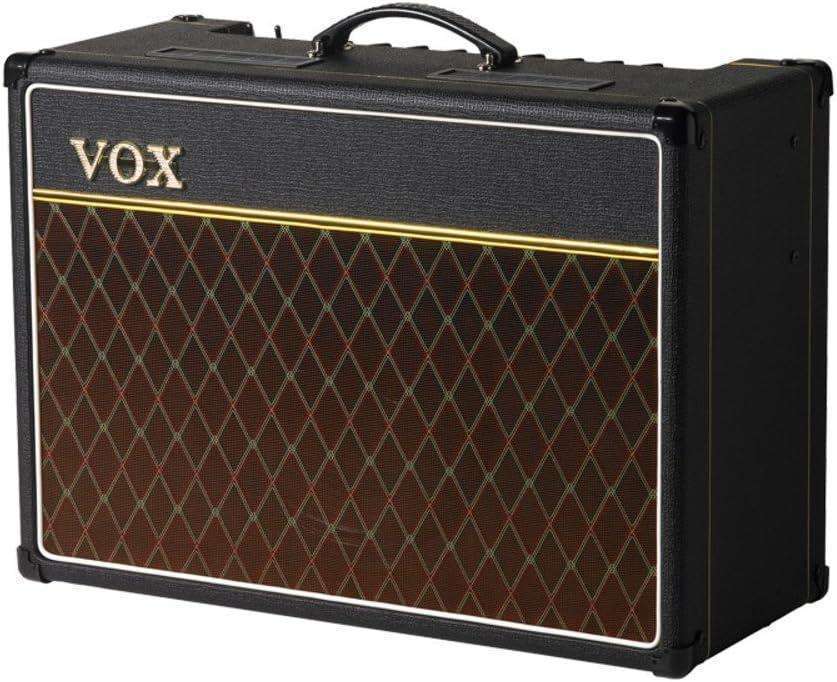
Classic British Tone - Vox AC15
The legendary pairing - featuring chime, sparkle, and natural compression that complements the Jazzmaster's warmth.
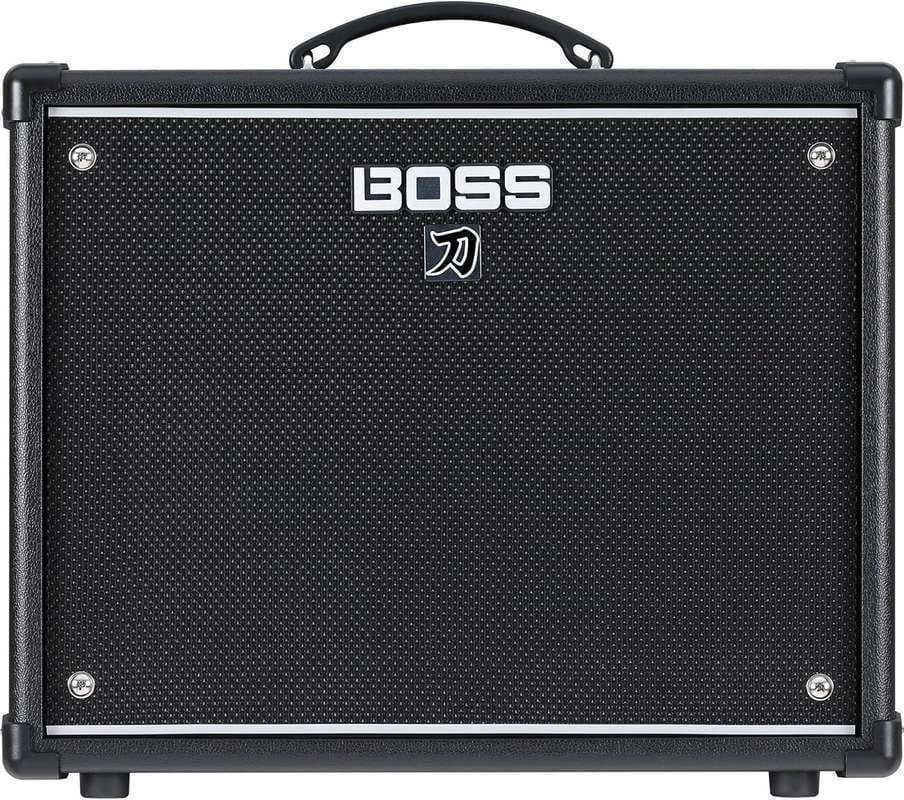
Versatile Modern Option - Boss Katana 50
Perfect for practice and recording with multiple amp models and built-in effects.
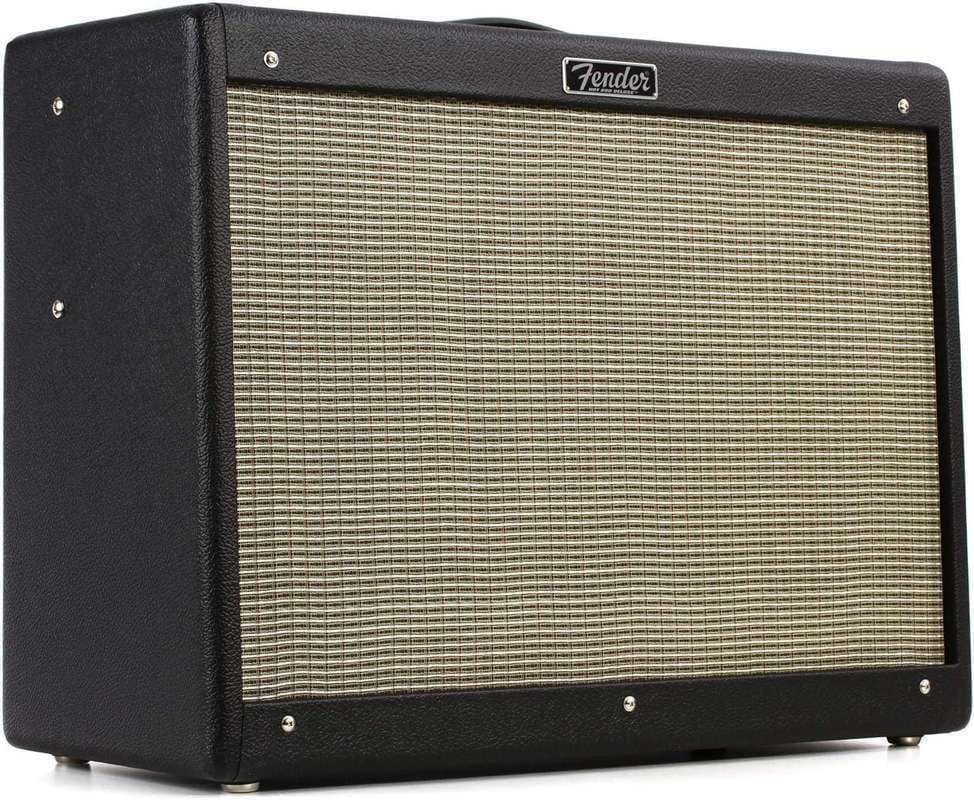
Professional Tube Power - Fender Hot Rod Deluxe
Industry-standard 40-watt tube amp with pristine cleans and rich overdrive.
Amps for Jazzmaster Tone
Related Posts
Jazzmaster-Specific Guides
- Jazzmaster Pickup Height Guide - Exact pickup height specs and step-by-step adjustment for every playing style
- Best Strings for Jazzmaster - Complete string recommendations
Other Fender Guitar Setup Guides
- Factory vs Custom Setup: What Matters? - Should you keep factory specs or customize?
- Telecaster Setup Guide - Complete Telecaster setup process
- Stratocaster Setup Guide - Complete Stratocaster setup process
- Stratocaster Tremolo Setup - Stratocaster tremolo configuration
- Jaguar Setup Guide - Offset guitar setup techniques
- Jaguar Tremolo Setup Guide - Jaguar tremolo configuration
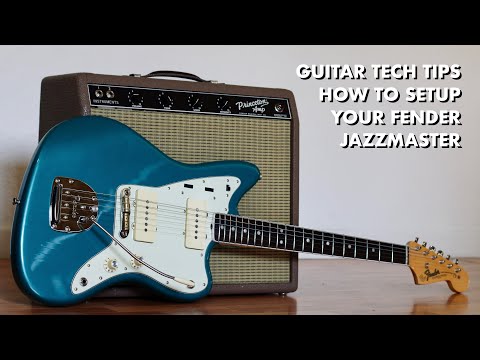
▶ Watch: How to Set Up a Fender Jazzmaster
This video covers the same string-height, bridge, and tremolo principles in this guide:
Click the thumbnail below to watch the full setup video on YouTube:
🛠️ Done with this setup? Log the spec — action, relief, strings — in My Gear Garage so you remember exactly what you did in six months. Free, no password — magic-link sign-in.