Fender Guitar Shipping Setup: Prevent Damage Guide
Learn specific steps to prepare your Fender guitar for safe shipping. This guide covers string tension, headstock protection, case selection, and packing techniques to minimize damage.

Shipping a guitar can be a nerve-wracking experience. Whether you're selling a beloved Stratocaster, sending a Telecaster for service, or simply moving cross-country, the safety of your instrument is paramount. While factory setups focus on playability, a shipping setup focuses entirely on damage prevention and shock absorption.
This guide addresses the specific "setup" required to ensure your Fender acoustic or electric guitar arrives at its destination in the exact same condition it left your hands. We'll cover everything from detuning to headstock support.

Why "Setup for Shipping" Matters
You might think a guitar played perfectly yesterday is ready to ship today. However, the rigors of transit—temperature fluctuations, humidity changes, drops, and vibrations—expose your instrument to stresses it doesn't encounter on a stand.
A proper shipping setup aims to:
- Reduce Tension: Lowering stress on the neck and headstock.
- Immobilize: Preventing the guitar from shifting inside the case.
- Isolate: Creating a buffer between the instrument and the external world.
Pre-Shipping Inspection Checklist
Before you even grab the bubble wrap, perform a quick inspection. This documents the condition for insurance and ensures you aren't shipping a guitar with hidden issues.
- Check for loose parts: Tighten jack nuts, tuner bushings, and strap buttons. Vibration during shipping can rattle loose parts free, causing scratches.
- Clean the instrument: Remove oils and sweat. Shipping a dirty guitar can lead to finish reactions if the guitar sits in a hot truck for days.
- Document condition: Take clear photos of every angle, including the serial number and any existing blemishes.

 Buy on Amazon
Loosening Strings: The Golden Rule
One of the most debated topics is string tension. Should you detune? Yes.
For Fender guitars (both electric and acoustic), you should loosen the strings, but don't take them off completely.
How Much is Enough?
You want to reduce tension enough to relieve stress on the headstock (the weakest point, especially on angled headstocks, though Fender's straight headstocks are robust) without allowing the bridge hardware or nut to fall out.
- Electric Guitars: Detune about 1-2 whole steps. The strings should be slack but still seated in the nut and saddles.
- Acoustics: Detune 1-2 whole steps. This prevents the bridge from pulling up (bellying) under tension if the glue softens in high heat.
⚠️ Warning: Do not remove strings entirely on floating bridge guitars (like Jaguars or Jazzmasters) unless you secure the bridge, as it will fall out and bounce around the case.
Protecting the Headstock and Neck
The "whiplash" effect is the #1 killer of guitars in transit. If the case drops flat on its back, the headstock wants to keep moving, snapping the neck.
The Fix: Support the headstock and fill the void.
- Neck Support: Ensure the neck rest in the case fits snugly. If there's a gap, fill it with crumpled paper or a soft cloth.
- Headstock Void: Tightly crumble newspaper or kraft paper and pack it around the headstock (not on top of the tuners).
- Top of Headstock: If there is space above the headstock, fill it. You want to prevent the guitar from sliding up and hitting the top of the case.
Case Selection: Hard Case vs. Gig Bag
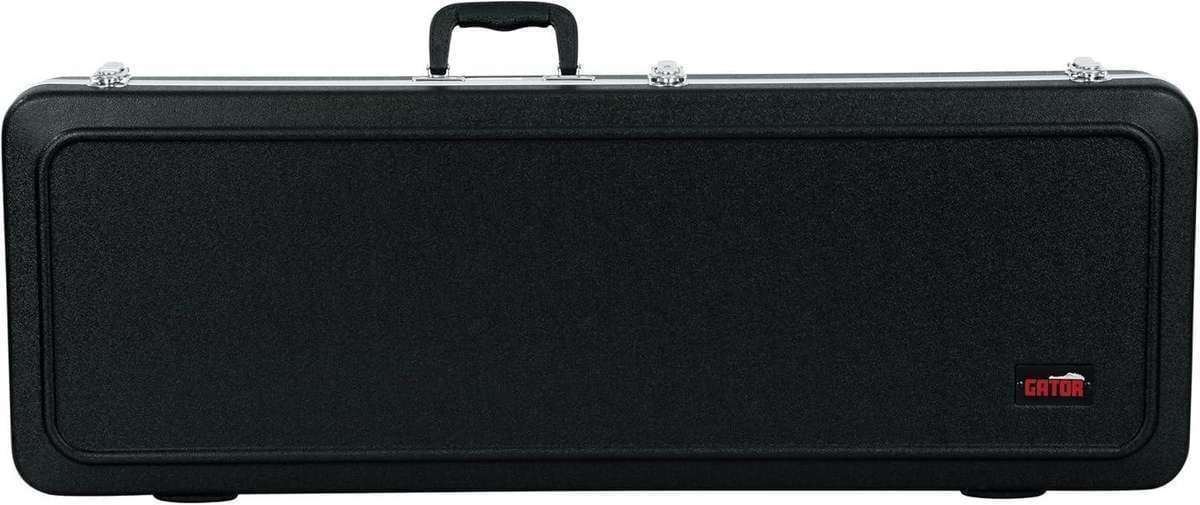
A high-quality hard case is non-negotiable for serious shipping. If you must ship in a gig bag, it requires double-boxing, which we'll address later.
For Fender guitars, a molded ATA (Airline Transport Association) case with TSA latches offers the best protection.
Internal Padding and Support
Your goal is zero movement. If you shake the closed case, you shouldn't feel or hear the guitar move.
- Fretboard Protection: Place a layer of newspaper or a thin foam sheet between the strings and the fretboard. This prevents the strings from grinding into the frets if the case is compressed.
- Endpin Protection: Add padding at the bottom of the case (by the strap button). If the box is dropped vertically, this absorbs the impact preventing the strap button from punching into the body.
- Humidity Control: If shipping across climate zones (e.g., Florida to Arizona), include a humidity control pack to prevent wood shock.

External Packaging Tips
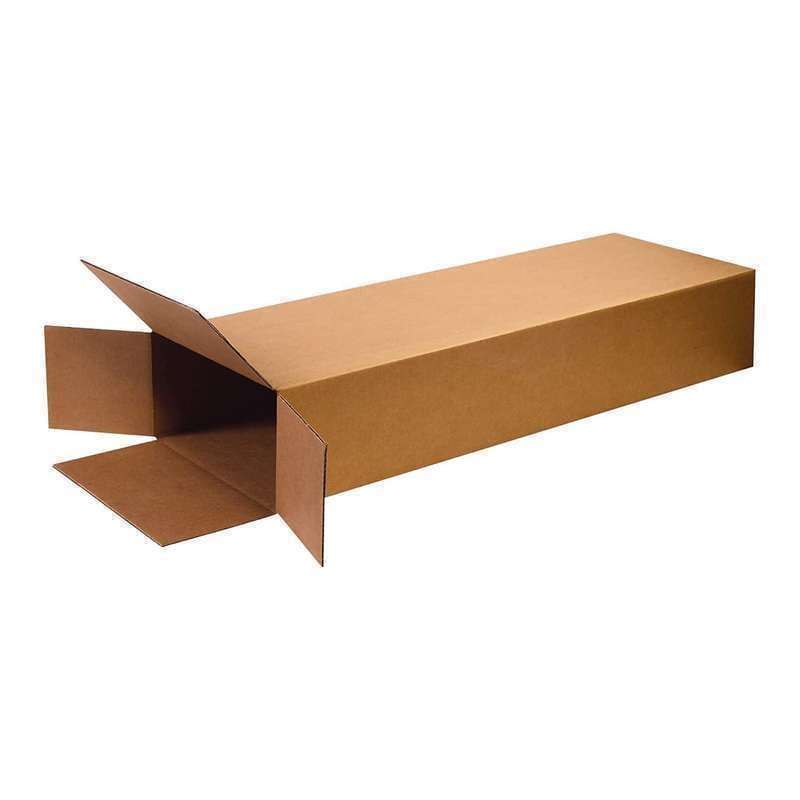
Never ship a case "naked". Always use a shipping box.
- The Box: Use a dedicated guitar shipping box (typical dimensions 18" x 6" x 45"). Heavy-duty, double-walled corrugated cardboard is best.
- The "2-Inch Rule": There should be at least 2 inches of padding (bubble wrap or peanuts) between the hard case and the cardboard box on all sides—top, bottom, and edges.
- Seal It Tight: Use heavy-duty packing tape. Tape all seams (H-tape method).

What to Do Upon Arrival (For the Buyer)
If you are the receiver (or writing instructions for one):
- Wait: Let the box acclimatize to room temperature for 12-24 hours before opening, especially in winter. This prevents finish checking (cracks) caused by rapid temperature shock.
- Inspect: Check the packaging for damage before opening.
- Setup: The guitar will likely need a setup. The truss rod may have shifted, and you'll need to tune up.
Conclusion
Spending an extra 30 minutes on your "shipping setup" can save you weeks of insurance headaches and heartbreak. By immobilizing the instrument and isolating it from shock, you ensure that the Fender tone you love arrives ready to play.
If you're shipping a guitar you plan to sell, make sure you know how much your guitar is worth before listing — our complete valuation guide covers the key pricing factors, where to sell, and mistakes that destroy resale value.
For a complete guide on setting up your Fender once it arrives safely, check out our comprehensive setup guides.