Gibson Serial Number Lookup: Free Instant Decoder & Checker
Use our free Gibson serial number lookup tool to decode your guitar instantly. Covers Nashville, Kalamazoo, Bozeman, and Custom Shop models from 1975 to present. Find production year and factory.
Quick answer: Your Gibson serial number is usually stamped on the back of the headstock; on acoustics it may be on a soundhole label or neck block. For 8- and 9-digit serials (1977 to present), the 1st and 5th digits give the year and a ranking of 500+ means Nashville. Enter it in the free checker above for an instant year and factory, or match it against the format tables below.
What's Next?
Now that you've decoded your Gibson guitar, here are the best places to continue:
- Gibson Hub — Explore all Gibson guides, Les Paul & SG resources
- Gibson Setup Guide — Les Paul and SG setup specs (pickup heights, truss rod, bridge)
- Les Paul Setup Guide — Complete walkthrough for action, pickups, intonation
- Setup Specs Lookup — Find factory specs by year and model
- My Gear Garage — Track your collection and maintenance schedule
- Garage Pro — Maintenance log with unlimited guitars, full history & smart reminders
On this page:
- Gibson Serial Number Lookup
- Where Is My Gibson Serial Number?
- Serial Number Formats (1977–Present)
- Special Formats (Custom Shop, Les Paul Classic)
- Serial Prefix Quick Reference
- Factory Locations
- Authentication Tips
- Serial Number Case Studies
- What's Your Gibson Worth?
- Troubleshooting Guide
- FAQ
- Other Brand Decoders
Gibson Serial Number Lookup: Decode Your Guitar Instantly
At OwningAFender.com, we're known as the guitar serial number experts—and that expertise extends beyond Fender. Whether you own a Les Paul, an SG, or a J-45, the gibson serial number lookup tool above decodes your instrument in seconds. Enter your serial number and get production year, factory location, and era—all free, with no sign-up required.
Our decoder covers Gibson electrics and acoustics from 1975 to present, including Nashville, Kalamazoo, Bozeman, and Custom Shop models. If you're buying used, authenticating a vintage find, or simply curious about your guitar's history, read on for the complete guide.
Own another guitar? We also have free serial number decoders for Fender, Squier, ESP, LTD, Schecter, Charvel, Epiphone, Gretsch, Ibanez, Jackson, Martin, PRS, Taylor, Takamine, Yamaha, Chapman, Eastman, Guild, Harley Benton, Rickenbacker, Cort, and Seagull.
Part 1: Where Is My Gibson Serial Number?
Before you can lookup your Gibson, you need to find the number. Gibson has used several locations over the decades.
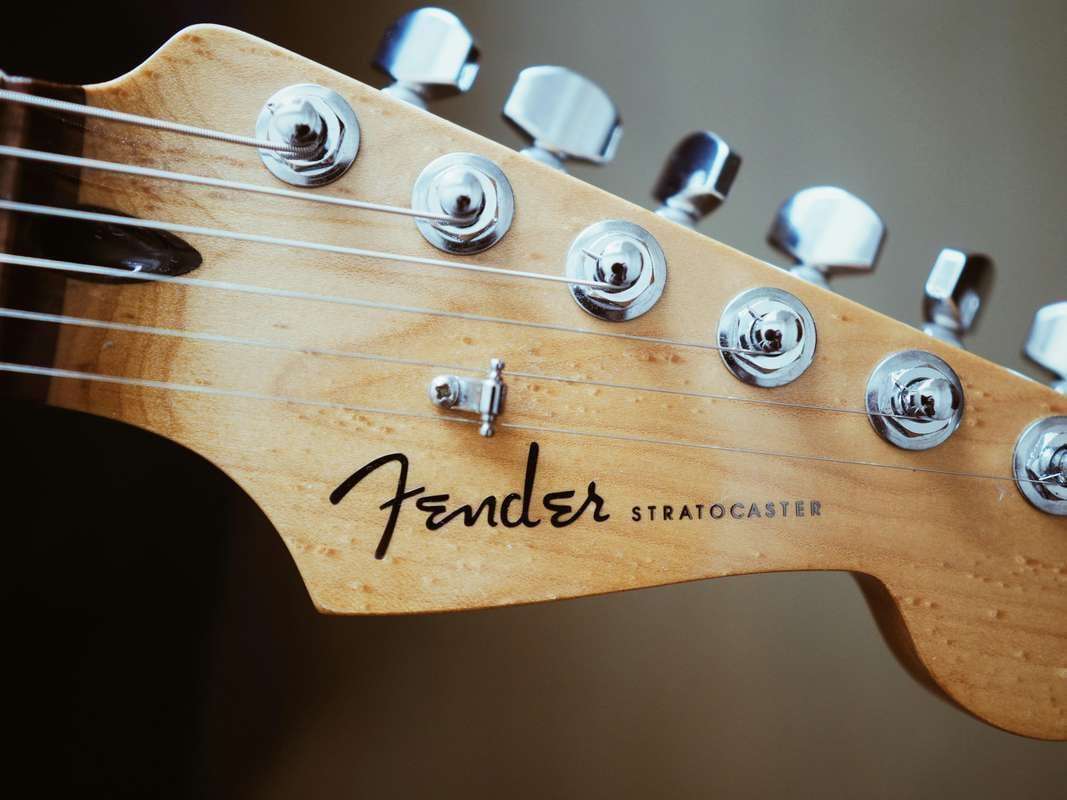
- Back of Headstock: The most common location for Gibson electrics and many acoustics. Look for stamped or engraved numbers on the back of the headstock, often near the tuning machines.
- Inside the Body: On acoustic guitars, the serial number may be stamped on a label inside the soundhole or on the neck block visible through the soundhole.
- Neck Block: On some Gibson acoustics, the serial appears on the neck block (the wooden block where the neck joins the body). You may need a mirror and flashlight to read it.
- Label: Vintage Gibson acoustics sometimes have paper labels with serial information. Handle these carefully—labels can deteriorate over time.
Pro tip: Serial numbers can be faint, especially on older guitars. Use good lighting and a magnifying glass if needed. Avoid cleaning or rubbing the area—you could damage the stamping.
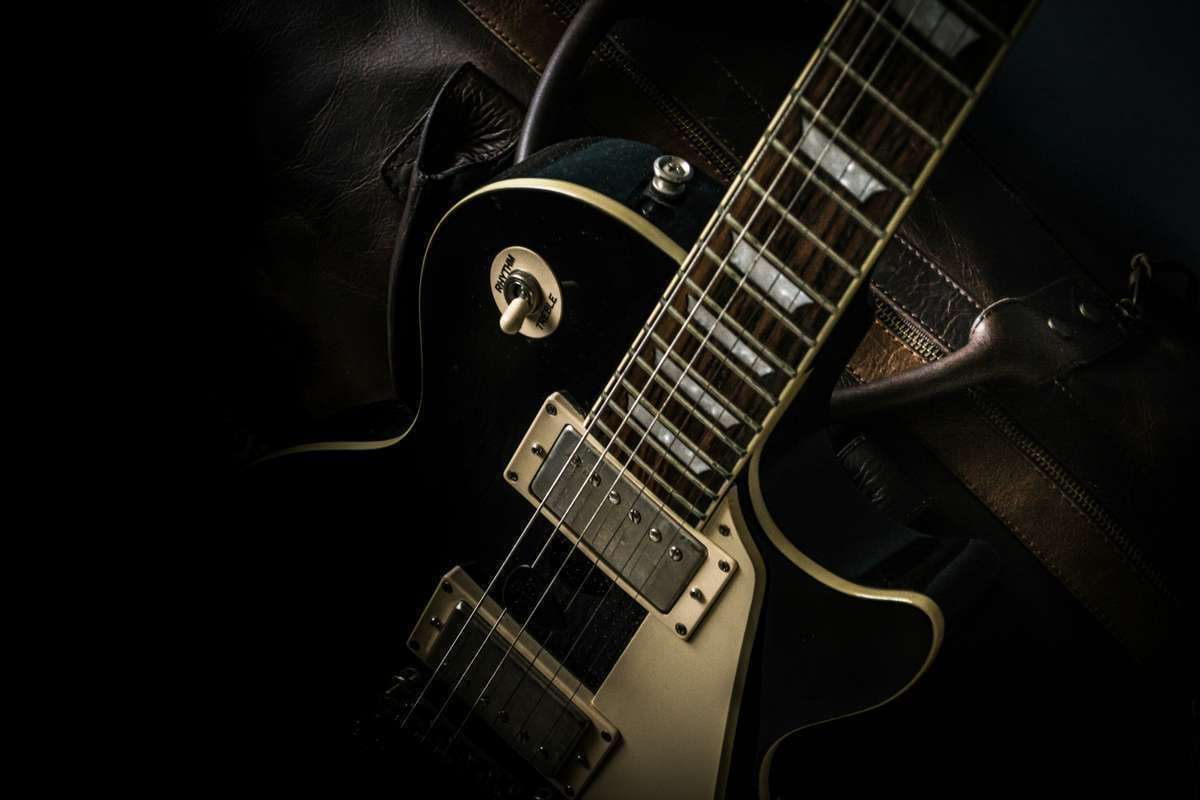
Photo by Tyler Clemmensen on Unsplash
Part 2: Standard 8-Digit Format (1977-2005) — YDDDYRRR
From 1977 through 2005, Gibson used an 8-digit format that encodes year, day of year, and factory ranking. Understanding this format unlocks most guitars from this era.
The Format Explained
| Position | Digits | Meaning |
|---|---|---|
| 1 | Y | First digit of year (e.g., 8 = 1980s) |
| 2-4 | DDD | Day of year (001-366) |
| 5 | Y | Second digit of year (e.g., 5 = 1985) |
| 6-8 | RRR | Factory ranking number |
Factory determination: The ranking number (positions 6-8) tells you where the guitar was built. 001-499 = Kalamazoo (pre-1984 only—Kalamazoo closed in 1984). 500-999 = Nashville. After 1984, all electrics came from Nashville; rankings below 500 on post-1984 guitars may indicate Bozeman acoustics.
Worked Examples
- 82765501: Year = 85 (1985), Day = 276, Ranking = 501 → 1985, Nashville (day 276 = early October)
- 90123001: Year = 90 (1990), Day = 12, Ranking = 001 → 1990, Nashville (day 12 = mid-January)
- 02345501: Year = 02 (2002), Day = 234, Ranking = 501 → 2002, Nashville (day 234 = late August)
Year Range Reference
| First + Fifth Digits | Year |
|---|---|
| 77 | 1977 |
| 85 | 1985 |
| 90 | 1990 |
| 99 | 1999 |
| 00 | 2000 |
| 05 | 2005 |
Part 3: 9-Digit Format (2005-2014) — YDDDYBRRR
In 2005, Gibson added a batch digit, expanding the format to 9 digits. The structure is the same as the 8-digit format, with one extra digit.
The Format
| Position | Digits | Meaning |
|---|---|---|
| 1 | Y | First digit of year |
| 2-4 | DDD | Day of year (001-366) |
| 5 | Y | Second digit of year |
| 6 | B | Batch number (production run within the day) |
| 7-9 | RRR | Factory ranking |
The batch digit (B) indicates which production run the guitar came from on that day. Gibson increased production volume, so multiple batches per day became common.
Worked Examples
- 130920345: Year = 13 (2013), Day = 92, Batch = 0, Ranking = 345 → 2013, Nashville (day 92 = early April)
- 091501234: Year = 09 (2009), Day = 150, Batch = 1, Ranking = 234 → 2009, Nashville (day 150 = late May)
Part 4: 9-Digit No-Day Format (2014-2019) — YYRRRRRRR
From 2014 through mid-2019, Gibson simplified the format. The day-of-year was dropped in favor of a straightforward production number.
The Format
| Position | Digits | Meaning |
|---|---|---|
| 1-2 | YY | Two-digit year (14 = 2014, 19 = 2019) |
| 3-9 | RRRRRRR | Production number (7 digits) |
Important: The model year can start in the previous calendar year. A guitar with serial starting "19" could have been built in late 2018 or anytime in 2019. Gibson's model year often runs from summer to summer.
Worked Examples
- 150012345: Year = 15 (2015), Production = 012345 → 2015, Nashville
- 181234567: Year = 18 (2018), Production = 1234567 → 2018, Nashville
Part 5: Current Format (2019-Present) — YDDDYBRRR
In mid-2019, Gibson returned to the day-of-year format, matching the 2005-2014 structure. If you have a 9-digit serial with a valid day-of-year (positions 2-4 between 001 and 366), it's likely 2019 or later.
Worked Examples
- 211501234: Year = 21 (2021), Day = 150, Batch = 1, Ranking = 234 → 2021, Nashville (day 150 = late May)
- 240123456: Year = 24 (2024), Day = 12, Batch = 3, Ranking = 456 → 2024, Nashville (day 12 = mid-January)
Part 6: Special Formats
Gibson has used several non-standard formats for specific models and eras. These require careful identification.
Custom Shop (CS Prefix)
Custom Shop guitars use CS followed by a year digit and production number. Format: CS + Y + RRRRR (e.g., CS512345 = 2015 Custom Shop). These are handcrafted in Nashville and command premium prices.
1994 Centennial (94 Prefix)
Gibson's 100th anniversary models use serials starting with 94 followed by 6 digits (e.g., 94123456). These are 1994 Nashville-built instruments.
Les Paul Classic 1989-1999 (Y + space + RRRR)
Les Paul Classic models from 1989-1999 used a short format: single digit (year) + space + 4 digits. Example: 9 1234 = 1999. The year digit: 0 = 2000, 1 = 1991, 9 = 1999.
Les Paul Classic 2000-2014 (YYRRRR, 6 digits)
From 2000-2014, Les Paul Classic used a 6-digit format: YY + RRRR. Example: 091234 = 2009. The first two digits are the year.
1975-1977 Decal Era
Before the standard 8-digit format, Gibson used decal serials with special two-digit codes:
| First 2 Digits | Year |
|---|---|
| 99 | 1975 |
| 00 | 1976 |
| 06 | 1977 |
Note: "06" can overlap with 2006 in the YDDDYRRR format. Check the guitar's physical features—1977 decal-era guitars have distinct period characteristics.
Pre-1975 Vintage (FON Numbers, Ink Stamps)
Pre-1975 Gibson guitars used Factory Order Numbers (FON), ink stamps, and other systems that varied by model and year. These require manual identification using reference books, forums, or expert appraisal. Our decoder does not cover pre-1975 formats—the tables and resources below can point you in the right direction.
For additional manual reference tables, see Vincent Contreras's Gibson section of The Serial Bowl, which covers early Factory Order Numbers and overlapping vintage serial ranges. Cross-check any suggested date against the guitar's features and available manufacturer records.
Gibson Factory Locations
Understanding where your Gibson was built adds context to its value and character.
Kalamazoo, Michigan (Until 1984)
Gibson's original home. The Kalamazoo factory produced legendary instruments from the 1950s through 1984. In the 8-digit format, ranking 001-499 indicates Kalamazoo. The factory closed in 1984; Nashville took over electric production.
Nashville, Tennessee (1977-Present, Electrics)
Gibson's main electric guitar factory since 1977. Ranking 500-999 in the 8-digit format, and virtually all 9-digit electrics, come from Nashville. Custom Shop instruments are also built here.
Bozeman, Montana (1989-Present, Acoustics)
Gibson's acoustic division. J-45, Hummingbird, and other acoustic models are built in Bozeman. In the 8-digit format, post-1989 guitars with ranking 001-499 may be Bozeman acoustics.
Memphis, Tennessee (Closed)
Gibson's Memphis factory produced semi-hollow and hollow-body electrics (ES-335, ES-175, etc.) from 1999 until its closure. Memphis-built guitars may have Nashville-style serials with factory designation in documentation.
How to Read Your Gibson Serial: Step-by-Step
Follow this process to decode any Gibson from 1975 onward.
- Locate the serial number on the back of the headstock, inside the body, or on the neck block.
- Count the digits. 8 digits = 1977-2005 format. 9 digits = 2005-2014, 2014-2019, or 2019+.
- Check for prefixes. CS = Custom Shop. 94 = 1994 Centennial.
- For 8-digit (YDDDYRRR): Positions 1 and 5 = year. Positions 2-4 = day of year. Positions 6-8 = factory (500+ = Nashville).
- For 9-digit with day (YDDDYBRRR): Same as 8-digit, with batch at position 6. Positions 1 and 5 = year.
- For 9-digit no-day (YYRRRRRRR): First 2 digits = year. Remaining 7 = production number.
Day-of-year conversion tip: Day 001 = January 1. Day 365/366 = December 31. Use an online "day of year" calculator to convert DDD to a calendar date if needed.
Serial Prefix Quick Reference
| Format | Year Range | Example | Factory |
|---|---|---|---|
| 8-digit YDDDYRRR | 1977-2005 | 82765501 | Kalamazoo (001-499) or Nashville (500-999) |
| 9-digit YDDDYBRRR | 2005-2014 | 130920345 | Nashville |
| 9-digit YYRRRRRRR | 2014-2019 | 150012345 | Nashville |
| 9-digit YDDDYBRRR | 2019-Present | 211501234 | Nashville |
| CS + digits | 2000s | CS512345 | Nashville Custom Shop |
| 94 + 6 digits | 1994 | 94123456 | Nashville (Centennial) |
| Y + space + RRRR | 1989-1999 | 9 1234 | Nashville (Les Paul Classic) |
| YY + RRRR (6 digits) | 2000-2014 | 091234 | Nashville (Les Paul Classic) |
| 99 / 00 / 06 | 1975-1977 | 99123456 | Kalamazoo (Decal era) |
Authentication Tips: Spotting Fake Gibsons
Serial numbers are your first line of defense against counterfeits. Here's how to use them.
Red flags:
- Format doesn't match the era. A guitar that looks like a 1990s Les Paul but has a 2014-2019 format serial is suspicious.
- Font and depth. Gibson stamps are consistent. Sloppy, shallow, or printed-looking serials suggest a fake.
- Wrong location. Serials should be on the back of the headstock for most models. Multiple serials or serials in odd places are concerning.
- Physical features don't match. A serial suggesting 1985 Kalamazoo but with modern hardware, logo, or body routes indicates a problem.
Verification steps:
- Run the serial through our decoder. Does the result match the guitar's apparent age and features?
- Check the factory. Pre-1984 Kalamazoo vs Nashville matters. Post-1984, electrics should be Nashville.
- Compare logo style, tuners, and hardware to known examples from that year.
- For high-value guitars, consider professional authentication.
Want the structured version? Run the free Gibson fake checker (Chibson tells) — a two-minute red-flag checklist tuned to Gibson's details (headstock angle, scarf joints, inlays, serials) that returns an instant risk band.
Still unsure it's the real thing? The free fake Gibson quick-check runs the classic counterfeit tells — price, seller behaviour, serial number, decals, workmanship — plus Gibson-specific tells like headstock angle, inlays, scarf joints, and returns an instant risk band in two minutes. It can't see the guitar, but it tells you how hard to look before you pay.
Serial Number Mysteries Solved: Real Case Studies
Real-world serial number puzzles teach valuable lessons. Here are six case studies from Gibson owners and authenticators.
Case Study 1: The Ambiguous 8-Digit Serial
The Mystery: A Les Paul owner had serial 90120501. The format suggested either 1990 (positions 1 and 5 = 90) or 2000 (positions 1 and 5 = 00). Both interpretations produced valid day-of-year values. The owner couldn't determine the guitar's true age.
The Investigation: The ranking number 501 indicated Nashville. Physical inspection focused on hardware and cosmetics. The guitar had Kluson-style tuners with plastic buttons, a "Les Paul" script logo without the "Standard" designation on the truss rod cover, and 490R/498T pickups—all consistent with late 1980s/early 1990s specs. A 2000 Les Paul would have had Grover tuners and different pickup configurations.
The Solution: Cross-referencing confirmed 1990. The serial decoded to year 90, day 120 (late April 1990), Nashville ranking 501. The physical features matched 1990 production.
Takeaway: When positions 1 and 5 could indicate multiple decades (90 vs 00, 06 vs 06), always cross-reference physical features. Hardware, logo style, and pickups are era-specific.
Case Study 2: The "Fake" Les Paul Standard
The Mystery: A Les Paul with serial 82765501 appeared at a suspiciously low price—$800 for what should have been a 1985 Nashville Standard. The serial decoded correctly to 1985, day 276, Nashville ranking 501. Yet something felt wrong.
The Investigation: The seller claimed it was "all original." Closer inspection revealed modern Grover Rotomatic tuners instead of period-correct Kluson-style. The pickup cavity showed a "swimming pool" route—a large rectangular route used on some modern guitars—not the individual pickup routes correct for 1985. The truss rod cover had a modern font. The serial stamp itself looked slightly off: correct format, wrong depth and spacing.
The Solution: The body was a counterfeit. A real 1985 serial had been copied and stamped onto a modern replica body. The serial number was valid in format but applied to the wrong guitar. The low price was a red flag; the hardware mismatch confirmed it.
Takeaway: Serial numbers can be faked or copied. A correctly formatted serial does not guarantee authenticity. Always verify that hardware, body routes, and cosmetics match the era the serial suggests.
Case Study 3: The Nashville vs Kalamazoo Confusion
The Mystery: An SG owner had serial 80120234. He believed his guitar was built in Nashville because most 1980s Gibsons came from there. But our decoder showed Kalamazoo. He was confused.
The Investigation: In the 8-digit format, positions 6-8 (234) are the ranking. Ranking 001-499 = Kalamazoo (pre-1984 only). Ranking 500-999 = Nashville. This SG had ranking 234—well under 500. The year was 80 (1980), so Kalamazoo was still in operation. Nashville and Kalamazoo both produced guitars in 1980; the ranking number determined which factory built this specific instrument.
The Solution: The 1980 SG was built in Kalamazoo. Pre-1984 guitars with ranking under 500 were Kalamazoo-built. This mattered for value: Kalamazoo-era guitars often command a premium among collectors.
Takeaway: The ranking number is crucial for factory identification on pre-1984 guitars. Don't assume Nashville—check the ranking. Our decoder shows this automatically.
Case Study 4: The Les Paul Classic Exception
The Mystery: A Les Paul owner had a serial with only 5 characters: "9 1234" (digit, space, four digits). He ran it through several online decoders. None recognized it. He wondered if the guitar was fake or a prototype.
The Investigation: Standard 8-digit decoders expect YDDDYRRR. This format didn't fit. Research into Les Paul Classic production revealed that from 1989-1999, the Les Paul Classic used a unique short format: single year digit (0-9) + space + 4-digit production number. Year 9 = 1999. Year 0 = 2000.
The Solution: This was a 1999 Les Paul Classic, production number 1234. The format is documented but not always included in generic Gibson decoders. Our tool recognizes Les Paul Classic formats.
Takeaway: Les Paul Classic models (1989-1999) have their own serial format that standard decoders may not recognize. If you have Y + space + RRRR, you own a Les Paul Classic from that era.
Case Study 5: The 2014-2019 Model Year Trap
The Mystery: A guitar with serial 181234567. The owner purchased it new in late 2017 from an authorized dealer. He assumed "18" meant 2018 and wondered if he'd received a used or misdated guitar.
The Investigation: The 2014-2019 format uses YYRRRRRRR—first two digits = model year. Gibson's model year often runs from summer to summer, not calendar year. Model year 2018 could have started production in mid-2017. A guitar built in October 2017 could legitimately carry "18" as its model year.
The Solution: The guitar was built during the model year 2018 production cycle, which began in 2017. The purchase in late 2017 was consistent with early model year 2018 production. No foul play.
Takeaway: During 2014-2019, Gibson serials indicate model year, not necessarily calendar year. A guitar with "18" could have been built in late 2017 or anytime in 2018. This is normal.
Case Study 6: The Missing Serial Acoustic
The Mystery: A J-45 owner found no serial number on the back of the headstock. He'd heard that fakes often lack proper serials. He feared he'd bought a counterfeit.
The Investigation: Gibson acoustics use multiple serial locations. The back of the headstock is common for electrics, but acoustics often have serials on a label inside the soundhole or stamped on the neck block. The neck block can be hard to see—bracing and shadows obscure it. A mirror and flashlight are essential.
The Solution: With a small mirror angled inside the soundhole and a flashlight, the owner located a stamped 8-digit serial on the neck block, partially hidden behind a brace. The serial decoded to a valid late-1990s Nashville build. The guitar was authentic.
Takeaway: Gibson acoustics often have serials in less obvious locations. Before assuming a missing serial means a fake, check inside the soundhole, on the neck block, and on any labels. Use a mirror and good lighting.
Tools for Evaluating a Gibson
Whether you're buying, selling, or just checking your guitar's condition, these tools help verify setup and authenticity:
 Buy on Amazon
Recommended Strings for Your Gibson
Now that you've identified your Gibson's production year, it's time to choose strings that match its era and construction. Gibson's 24.75" scale length responds differently to string gauge than Fender's 25.5" scale:
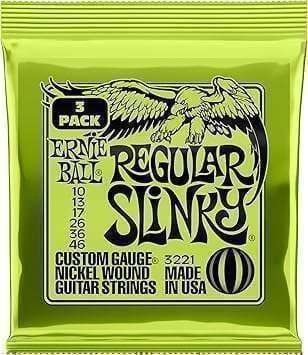
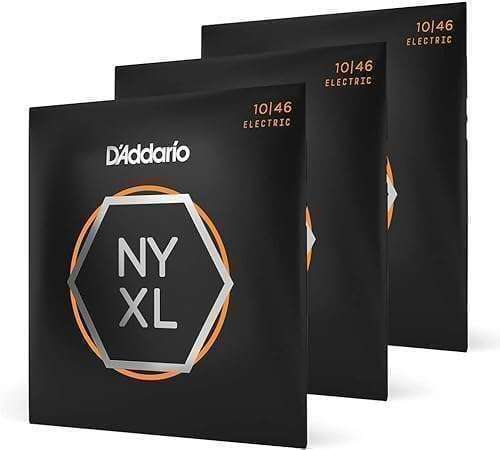
For Les Paul and SG models (humbuckers): 10-46 is the most popular choice. The shorter scale naturally produces a warmer, fatter tone, so lighter gauges still sound full.
For vintage-style tone (PAF-style pickups): Pure nickel strings deliver that warm, vintage Les Paul sound. Try 10-46 for authentic feel.
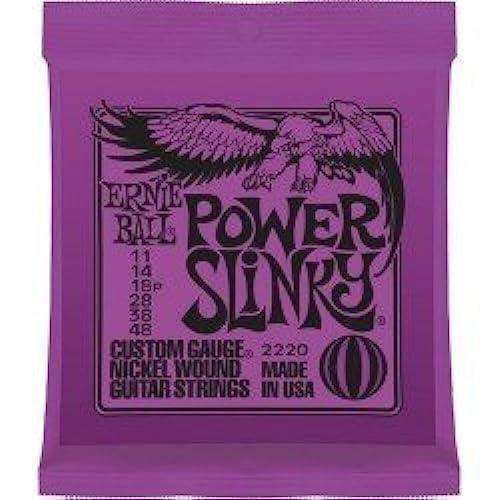
For heavier styles (rock/metal): 11-48 provides tighter low end and better tuning stability for drop tunings on Les Paul and SG.
For ES-335 and semi-hollow models: 11-48 offers better definition and prevents the hollow body from sounding muddy.
Essential Maintenance for Your Gibson
Gibson guitars require specific care to maintain their value and playability. After identifying your guitar, consider these maintenance essentials:
String care: Clean strings after every playing session. Gibson's shorter scale can cause strings to feel "floppy"—fresh, clean strings maintain tension feel and tone.
Humidity control: Les Pauls and SGs with mahogany bodies are sensitive to humidity changes. Cracks at the headstock and neck joint are common in dry conditions. Use a case humidifier.
Tune-o-Matic bridge maintenance: Keep the bridge saddles and posts lubricated for smooth action adjustments. Intonation screws can seize if not maintained.
Stopbar tailpiece: Check that the stopbar is set at the correct height. Too high and you lose sustain; too low and strings may break at the bridge.


Value by Serial Number: What's Your Gibson Worth?
Serial number dating is the first step to valuing your Gibson. Once you know the year and factory, you can estimate market value. These ranges are approximate and vary by condition, originality, and market conditions.
Kalamazoo Era (Pre-1984)
Kalamazoo-built guitars command a premium over Nashville equivalents from the same period. Collectors prize the original factory's output.
- Les Paul Standard: $3,000–$15,000+ depending on year and condition. Late 1970s Norlin-era Standards run $3,000–$5,000; early 1980s examples can reach $6,000–$10,000.
- Les Paul Custom: $4,000–$20,000+. Customs from the late 1970s and early 1980s are highly sought.
- SG Standard: $2,000–$8,000+. Kalamazoo SGs from 1980-1983 are particularly collectible.
- ES-335: $3,000–$12,000+. Semi-hollows from Kalamazoo hold value well.
Nashville Era (1985-1999)
Quality improved significantly through the 1990s. Nashville production from this era is generally more consistent than late Norlin.
- Les Paul Standard: $1,500–$4,000. Late 1990s Standards with improved quality can reach the upper end.
- Les Paul Custom: $2,000–$5,000.
- SG Standard: $1,000–$3,000.
Modern Era (2000-2014)
Gibson's quality was inconsistent during this period. Weight relief, chambering, and other changes divided opinion. Prices reflect that variability.
- Les Paul Standard: $1,200–$3,500. Traditional and Classic models often $1,000–$2,500.
- Les Paul Traditional: $1,000–$2,500. Favored by players seeking a more vintage feel.
Current Era (2019-Present)
Under new ownership since 2018, Gibson's quality control improved. New guitars hold value better than 2000s-era instruments.
- Les Paul Standard (retail): $2,000–$3,500. Used examples typically hold 60–80% of retail.
- Quality control improved significantly. Expect stronger resale than 2005-2014 equivalents.
Custom Shop
Custom Shop instruments are handcrafted in Nashville and command premium prices.
- Range: $3,500–$15,000+ depending on model and master builder.
- Historic Reissues: $4,000–$8,000+ for R8, R9, R0 designations.
- Custom orders: Can exceed $15,000. Holds value well when documentation is intact.
Factors That Affect Value Beyond Serial Number
Condition is the most important factor. Mint condition commands 20–40% more than "good" condition. Refinishes, repairs, and modifications reduce value.
Originality matters. Original pickups, hardware, and finish add value. Replaced tuners, swapped pickups, or refinishing can cut value by 15–30%.
Weight affects Les Paul prices. Lighter bodies (under 9 lbs) often command a premium. Heavy Norlin-era Les Pauls (10+ lbs) sell for less than lighter examples from the same year.
Documentation helps. Original case, hang tags, and warranty cards add 5–15% for collectible models.
Case and accessories matter. Original Gibson hard case adds $100–$300 to resale. Aftermarket cases don't add value.
Decade-by-Decade: What Your Gibson Serial Number Reveals
Your serial number places your guitar in history. Each decade brought different models, specs, and quality levels.
| Decade | Key Models | Pickups | Hardware | Typical Value | Notable |
|---|---|---|---|---|---|
| 1970s | Les Paul Standard, Custom, SG | T-top, Super Humbucker | Kluson-style, nickel | $2,500–$8,000 | Norlin era; quality varied; heavier bodies |
| 1980s | Les Paul, SG, ES-335 | 490R/498T, Shaw | Grover, Schaller | $2,000–$6,000 | Kalamazoo closed 1984; Nashville ramp-up |
| 1990s | Les Paul Standard, Historic Reissues | 490R/498T, Burstbucker | Grover, locking | $1,500–$5,000 | Quality improved; Historic line launched |
| 2000s | Les Paul Standard, Traditional | 490R/498T, 57 Classic | Grover, Robot tuners (late) | $1,200–$3,500 | Weight relief controversy; Robot tuners 2007+ |
| 2010s | Les Paul, SG, various | Varies | Varies | $1,000–$3,000 | Bankruptcy 2018; 2014-2019 format change |
| 2020s | Les Paul Standard, Custom | Burstbucker, Custombucker | Grover, improved QC | $2,000–$4,000 | New ownership; quality renaissance |
1970s (Norlin Era): Gibson was owned by Norlin Industries from 1969-1986. Quality varied. Some excellent guitars were made, but the era's reputation suffered from heavier bodies and inconsistent QC. Serials use the 8-digit YDDDYRRR format from 1977 onward.
1980s: Kalamazoo closed in 1984. Nashville took over all electric production. The ranking number (001-499 vs 500-999) identifies pre-1984 factory. Nashville production ramped up significantly.
1990s: Quality improved. Gibson launched the Historic Reissue program. Les Paul Classics used the unique Y + space + RRRR format. A strong decade for used values.
2000s: Weight relief and chambering divided players. Robot tuners (2007+) were controversial. The 9-digit YDDDYBRRR format began in 2005.
2010s: Gibson faced financial challenges. The 2014-2019 YYRRRRRRR format dropped day-of-year. Bankruptcy in 2018 led to ownership change.
2020s: New ownership focused on quality. The day-of-year format returned in 2019. Current production is widely praised for consistency.
Nashville vs Kalamazoo vs Bozeman: Factory Comparison
Gibson has operated multiple factories. Knowing where your guitar was built adds context to its character and value.
| Feature | Kalamazoo | Nashville | Bozeman |
|---|---|---|---|
| Years Active | Until 1984 | 1977–Present (electrics) | 1989–Present (acoustics) |
| Models Produced | Les Paul, SG, ES-335, acoustics | Les Paul, SG, ES, Custom Shop | J-45, Hummingbird, J-200, etc. |
| Quality Reputation | Legendary; variable in Norlin era | Improved post-1984; Custom Shop excellent | Consistently high for acoustics |
| Collectibility | High; original factory premium | Strong for Custom Shop and Historic | Strong for acoustic collectors |
| Serial Indicators | Ranking 001-499 (pre-1984 only) | Ranking 500-999; all post-1984 electrics | Ranking 001-499 on post-1989 acoustics |
| Price Premium | 10–25% over Nashville equivalents | Baseline for electrics | Acoustics command acoustic premiums |
Kalamazoo was Gibson's original home. The factory produced iconic instruments from the 1950s through 1984. Ranking 001-499 in the 8-digit format indicates Kalamazoo for pre-1984 guitars. Closure in 1984 ended an era.
Nashville became the main electric factory in 1977 and took over entirely after Kalamazoo closed. Ranking 500-999 in the 8-digit format, and virtually all 9-digit electrics, come from Nashville. Custom Shop instruments are built here.
Bozeman handles Gibson acoustics since 1989. J-45, Hummingbird, and other acoustic models are built in Montana. Post-1989 acoustics with ranking 001-499 in the 8-digit format are typically Bozeman.
Troubleshooting Guide
Can't decode your Gibson? Follow these steps.
Step 1: Check All Common Locations
Before assuming the serial is missing, check every location. Electrics: back of headstock. Acoustics: back of headstock, label inside soundhole, neck block visible through soundhole. Use a mirror and flashlight for acoustics. Some models have serials on the neck block that are partially obscured by bracing.
Step 2: Serial Is Unreadable
Faint or worn stamps are common on older guitars. Improve lighting—angled light can reveal shadows in the stamp. Use a magnifying glass or phone camera zoom. A pencil rubbing (place paper over the serial, rub with pencil) can reveal faint impressions. For photos, try increasing contrast or using a photo editor to enhance legibility. Avoid cleaning or rubbing the stamp—you could damage it.
Step 3: Serial Doesn't Match Any Format
Your serial may use a special format. Custom Shop (CS prefix), Les Paul Classic (Y + space + RRRR or YYRRRR), 1994 Centennial (94 prefix), or 1975-1977 decal era (99, 00, 06) all use non-standard formats. Pre-1975 guitars use FON numbers and ink stamps—our decoder doesn't cover these. Prototypes and one-offs may have unique serials. Check the special formats section above.
Step 4: Ambiguous Format
The 8-digit format can be ambiguous. "00" in positions 1 and 5 could mean 2000 or (in decal era) 1976. "06" could mean 2006 or 1977 decal. Compare physical features: hardware, logo, pickups. A 1977 guitar will have different tuners and cosmetics than a 2006. When in doubt, physical inspection resolves the ambiguity.
Step 5: Still Can't Identify
If you've exhausted the above, contact Gibson directly. Gibson offers limited serial lookup at gibson.com. Post on forums such as the Les Paul Forum or MyLesPaul with clear photos—experienced members can help. For high-value or pre-1975 guitars, consider a professional appraisal from a reputable dealer or authentication service.
Frequently Asked Questions
How do I read my Gibson serial number?
The serial is stamped on the back of the headstock on most electrics; acoustics may have it on a soundhole label or neck block. For 8- and 9-digit serials (1977-present), the 1st and 5th digits give the year, and the three digits in between are the day of the year—Custom Shop serials start with CS followed by a year digit. Or enter it in the free tool at the top of this page for an instant answer.
Can I look up my Gibson guitar by serial number?
Yes—the free tool at the top of this page instantly returns production year, factory, and era. No sign-up required.
How do I use the Gibson serial number lookup?
Use the free tool at the top of this page. Enter your serial number exactly as it appears on your guitar (including any spaces for Les Paul Classic format). Click Lookup to get production year, factory, and era. No sign-up required.
What is a Gibson serial number decoder?
A Gibson serial number decoder is a tool that interprets the digits in your serial number to determine production year, factory location, and sometimes the day of year. Our decoder covers 1975-present standard formats, Custom Shop, and Les Paul Classic exceptions.
How do I date a Gibson guitar?
For 1975 and later, use our lookup tool or the reference tables above. For pre-1975 guitars, you'll need to consult FON (Factory Order Number) references, ink stamp guides, or expert resources—these formats require manual identification.
Where is the Gibson Les Paul serial number?
On most Les Pauls, the serial number is stamped on the back of the headstock. Les Paul Classic models (1989-2014) use unique formats: Y + space + RRRR (1989-1999) or YYRRRR (2000-2014).
Where is the Gibson acoustic serial number?
Gibson acoustics may have the serial on the back of the headstock, on a label inside the soundhole, or stamped on the neck block visible through the soundhole. Use a mirror and flashlight if needed.
How do I read a Gibson Custom Shop serial number?
Custom Shop serials start with CS followed by a year digit (0-9 for 2000-2009) and a production number. Example: CS512345 = 2015 Custom Shop. These are built in Nashville.
What's the difference between Gibson Nashville and Kalamazoo?
Kalamazoo was Gibson's original factory (until 1984). Nashville took over electric production in 1977 and became the main factory after Kalamazoo closed. In the 8-digit format, ranking 001-499 = Kalamazoo (pre-1984), 500-999 = Nashville. Post-1984, all electrics are Nashville.
Is there a free Gibson serial number checker?
Yes. The tool at the top of this page is a free Gibson serial number checker. Enter your serial for instant results—production year, factory, and era. No sign-up or payment required. It covers 1975 to present.
What year is my Gibson?
Use our lookup tool above, or match your serial format to the tables in this guide. For 8-digit serials (1977-2005), positions 1 and 5 give the year. For 9-digit with day (2005-2014, 2019+), same rule. For 9-digit no-day (2014-2019), the first two digits are the year.
My Gibson serial number starts with 1. What does that mean?
It depends on the format. In 8-digit YDDDYRRR, a "1" in position 1 could mean 1981 (with 1 in position 5) or 1991. In 9-digit YYRRRRRRR, "1" as the first digit with "0" as second = 2010. Use our decoder for precise results.
How much is my Gibson worth?
Value depends on model, year, condition, and originality. Kalamazoo-era guitars (pre-1984) command a premium over Nashville equivalents. Les Paul Standards from Kalamazoo typically run $3,000–$15,000+; Nashville-era Standards from 1985-1999 run $1,500–$4,000. See the value guide above for era-specific ranges. Condition is the most important factor—mint commands 20–40% more than "good." For a complete breakdown of what drives guitar prices across all brands, see our complete guide to guitar valuation.
What is the Norlin era and why does it matter?
The Norlin era (1969-1986) was when Gibson was owned by Norlin Industries. Quality varied during this period. Some excellent guitars were made, but the era's reputation suffered from heavier bodies and inconsistent quality control. Serials from this era use the 8-digit YDDDYRRR format (from 1977 onward). Norlin-era guitars can be great players but often sell for less than pre-Norlin or post-Norlin equivalents.
Can I date a Gibson by the potentiometer codes?
Yes. Potentiometer codes can help verify serial number dating. The format typically includes: first 3 digits = manufacturer (137 = CTS), next 1-2 digits = year, last 2 digits = week of production. Remove the control cavity cover to inspect the pot codes. If the pot date matches the serial year, you have additional confirmation. Mismatches may indicate a pickup or electronics swap.
What does the ranking number mean in a Gibson serial?
The ranking number is positions 6-8 in the YDDDYRRR format (or 7-9 in the 9-digit format). It indicates factory and production order. 001-499 = Kalamazoo (pre-1984 only—Kalamazoo closed in 1984). 500-999 = Nashville. After 1984, all electrics are Nashville regardless of ranking. The ranking also indicates production sequence within that factory for that day.
Is my Gibson a Kalamazoo or Nashville?
Check the ranking number—the last 3 digits of an 8-digit serial (positions 6-8). Under 500 and pre-1984 = Kalamazoo. 500 or higher, or any post-1984 electric = Nashville. Our decoder shows this automatically. For 9-digit serials (2005+), virtually all electrics are Nashville. Bozeman acoustics use ranking 001-499 on post-1989 instruments.
How do I find the day of year from my Gibson serial?
Positions 2-4 in the YDDDYRRR format give the day of year (001-366). Day 001 = January 1, Day 032 = February 1, Day 060 = March 1, Day 365 = December 31. Use an online day-of-year calculator to convert DDD to an exact calendar date. The 2014-2019 YYRRRRRRR format does not include day-of-year; the 2019+ format restored it.
Does Gibson have an official serial number lookup?
Gibson offers a basic lookup at gibson.com, but it's limited in scope. Our decoder provides more detail including factory identification (Kalamazoo vs Nashville), day of year conversion, and era classification—all for free. We cover Custom Shop, Les Paul Classic, and 1975-1977 decal formats that some official resources don't fully explain.
Recommended Strings for Gibson Guitars
Now that you know your Gibson's production year, you can choose strings that suit its era and construction. Gibson guitars—whether Les Paul, SG, or ES-335—typically use 10-46 gauge strings from the factory.
For Les Paul and SG models (humbuckers): 10-46 is the standard. If you play heavier styles, consider 11-48 for fuller tone and better tuning stability with the shorter 24.75" scale length.
For ES-335 and semi-hollow models: 10-46 or 11-48 work well. The semi-hollow body adds natural warmth, so slightly heavier gauges can help maintain clarity.
For acoustic models (J-45, Hummingbird): 12-53 light gauge phosphor bronze is standard. Some players prefer 11-52 custom light for easier playability.
Learn more about choosing the right gauge in our String Gauge Guide or use the String Gauge Recommendation Tool.
Cross-Links: More Serial Number Resources
We're the guitar serial number experts—and we cover more than Gibson. If you own multiple brands, these tools will help:
- Fender Serial Number Lookup — Decode USA, Mexico, Japan, and Squier from 1950 to present
- Squier Serial Number Lookup — Identify Squier production year and factory
- Epiphone Serial Number Lookup — Decode Epiphone guitars from Qingdao China, Korea, Japan, and Indonesia
- Ibanez Serial Number Lookup — Decode Ibanez guitars from FujiGen Japan, Cort Korea, Indonesia, and more
- PRS Serial Number Lookup — Decode PRS guitars from USA, Korea, and Indonesia
- Yamaha Serial Number Lookup — Decode Yamaha guitars from Japan, Taiwan, and Indonesia
- Taylor Serial Number Lookup — Decode Taylor guitars from El Cajon and Tecate (all eras)
- Martin Serial Number Lookup — Decode Martin guitars from 1898 to present
- Jackson Serial Number Lookup — Decode Jackson guitars from USA, Japan, Indonesia, and Korea
- Charvel Serial Number Lookup — Decode Charvel guitars from San Dimas USA, Japan, and modern production
- Gretsch Serial Number Lookup — Decode Gretsch guitars from USA Custom Shop, Japan, Korea, and China
- Schecter Serial Number Lookup — Decode Schecter guitars from Korea, Indonesia, China, and USA
- ESP Serial Number Lookup — Decode ESP/LTD guitars from Japan, USA, Korea, Indonesia, and China
- Guild Serial Number Lookup — Decode Guild acoustic and electric guitars
- Rickenbacker Serial Number Lookup — Decode Rickenbacker electric guitars and basses
- Cort Serial Number Lookup — Decode Cort electric and acoustic guitars from Korea and Indonesia
- Factory Specs Lookup — Find nut width, fretboard radius, and setup specs for your model
Whether you're dating a Strat, a Squier, a Les Paul, or an RG, we've got you covered.