Tele vs Strat: Which Guitar Should You Play?
Real players share their experience owning both Telecaster and Stratocaster. Discover which guitar suits your playing style with insights from blues, country, rock, and funk guitarists plus touring and recording considerations.
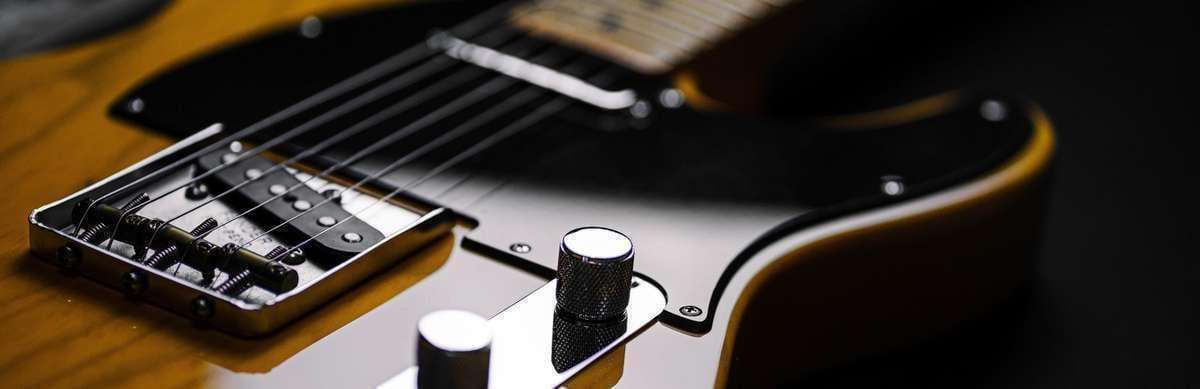
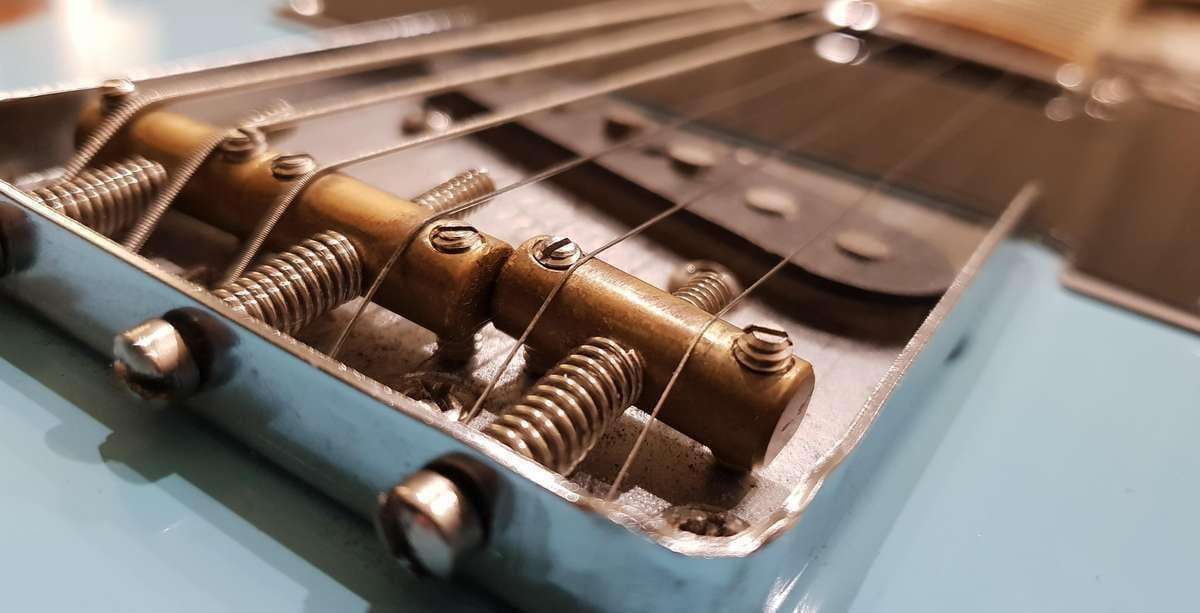
You've read the specs: two pickups vs three, fixed bridge vs tremolo, slab body vs contours. But when you're choosing between a Telecaster and Stratocaster, the numbers only get you so far. This guide is the companion to our complete Telecaster vs Stratocaster technical comparison—here we focus on player experience: how these guitars actually feel on stage, in the studio, and in the hands of players who use both.
We've gathered perspectives from guitarists across blues, country, rock, funk, jazz, indie, and session work, plus practical advice for touring and recording. Whether you're deciding your first Fender or adding a second guitar, this guide helps you match the instrument to your real-world playing.
Why Player Experience Matters
Every guitarist who's been playing for more than a few years eventually faces the strat vs tele question. Specs tell you what each guitar is; experience tells you when to reach for which one. In the sections below, we focus on how working musicians use both instruments—by genre, on tour, and in the studio—so you can see which fits your style.
 Buy on Amazon
What the Specs Don't Tell You
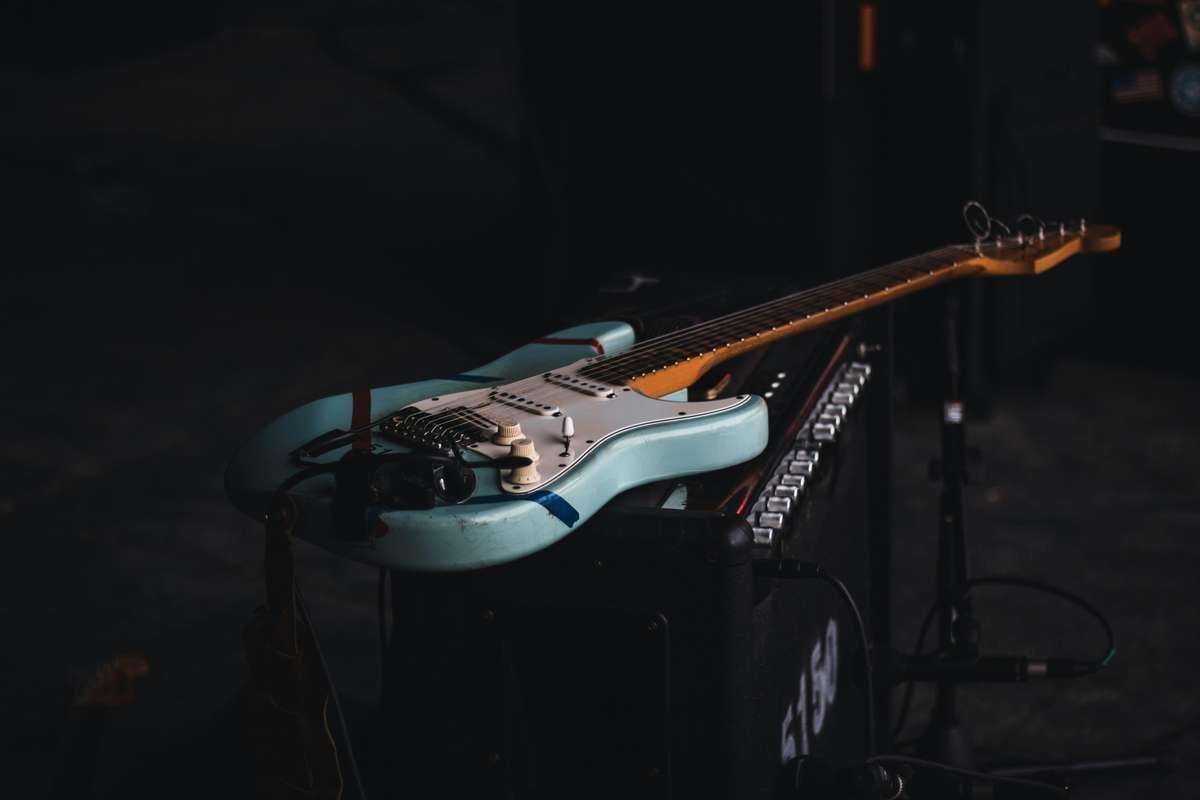
Pickup counts, bridge types, and body contours matter—but they don't tell you which guitar will feel right when you're on a dark stage, tracking a take at 2 a.m., or switching between songs in a cover set. For detailed specs and a full feature comparison, see our complete Telecaster vs Stratocaster technical comparison. Here we focus on player experience: how these guitars actually perform in real-world situations.
Player Perspectives: Those Who Own Both
The most valuable insights come from players who've spent years with both guitars. Here's what experienced guitarists say about living with Telecasters and Stratocasters.
The Blues Player's Perspective
Blues guitarists often gravitate toward the Stratocaster, and for good reason—the tremolo arm adds expressiveness to bends and vibrato that's hard to replicate. But the Telecaster has its own blues voice that shouldn't be overlooked.
On the Stratocaster for blues: "The Strat's in-between positions—2 and 4—are magic for blues. That quacky, hollow tone sits perfectly behind vocals and cuts through a band mix without being harsh. When I'm playing slow blues, the neck pickup with a touch of tremolo arm vibrato creates this vocal quality that the Tele just can't match."
On the Telecaster for blues: "People sleep on the Tele for blues, but Albert Collins proved it can be devastating. The bridge pickup has this aggressive bite that's perfect for Texas-style blues. It's more in-your-face than the Strat—less polite, more dangerous. When I want blues with attitude, I reach for the Tele."
The verdict: For traditional blues and blues-rock, the Stratocaster's versatility and tremolo give it an edge. For aggressive, cutting blues, the Telecaster's directness can be more effective.
The Country Player's Perspective
Country music and the Telecaster are practically synonymous, but modern country players often use both guitars depending on the song and context.
On the Telecaster for country: "There's no substitute for the Tele's bridge pickup when you're chicken-pickin'. That snap, that twang—it's the sound of country music. The fixed bridge means I can bend strings all day without worrying about tuning. When I'm playing traditional country or honky-tonk, it's always the Telecaster."
On the Stratocaster for country: "Modern country has evolved. Sometimes you need that Strat quack for funky rhythm parts, or the neck pickup for smooth pedal steel-style lines. I'll use the Strat for ballads and anything that needs a softer touch. But for the signature country sound, the Tele is non-negotiable."
The verdict: For authentic country tone, the Telecaster is the clear choice. The Stratocaster serves as a useful secondary option for modern country's more diverse sonic palette.
The Rock Player's Perspective
Rock music spans such a wide range that both guitars find their place, often in the same set or even the same song.
On the Telecaster for rock: "Keith Richards built the Rolling Stones' sound on Telecasters. There's something about the Tele's attack that just feels rock and roll. It's aggressive without being metal, punchy without being thin. For rhythm guitar, especially open-chord stuff, the Tele cuts through like nothing else."
On the Stratocaster for rock: "Hendrix, Clapton, Gilmour—the Strat has defined rock lead guitar. The tremolo lets you add dimension to your playing that's impossible on a fixed bridge. For soaring leads and expressive playing, the Strat is unbeatable. But I'll admit, for chunky rhythm parts, I often reach for the Tele."
The verdict: Both guitars excel in rock, but they serve different functions. Telecasters dominate rhythm work; Stratocasters shine on lead. Many rock players use both.
The Funk Player's Perspective
Funk demands precision, clarity, and that unmistakable "quack"—which puts the Stratocaster in a strong position.
On the Stratocaster for funk: "Positions 2 and 4 on a Strat are the sound of funk guitar. Nile Rodgers, Cory Wong—that percussive, clucky tone is pure Stratocaster. When I'm playing funk, the Strat is the only choice. The way it responds to dynamics, the way it cleans up when you back off—it's perfect for the style."
On the Telecaster for funk: "The Tele can do funk, but it's a different flavor. It's more aggressive, less smooth. Some players like that—it gives funk a harder edge. But for classic funk tones, you need the Strat's in-between positions."
The verdict: The Stratocaster is the definitive funk guitar. The Telecaster can work but lacks the signature quack that defines the genre.
The Jazz and Fusion Player's Perspective
Jazz and fusion players prize clarity, warmth, and touch sensitivity—and both guitars deliver in different ways.
On the Stratocaster for jazz: "The neck pickup on a Strat is my go-to for clean jazz comping and chord-melody. It's smooth, not too bright, and the body contours make long practice sessions comfortable. Robben Ford and Scott Henderson proved the Strat works in fusion—you get that singing lead tone and the in-between positions for more complex voicings."
On the Telecaster for jazz: "The Tele neck pickup is surprisingly thick and warm—almost like a mini-humbucker. For straight-ahead jazz and country-jazz crossover, it sits in the mix beautifully. Less options means I focus on phrasing instead of switching. Some players find the slab body less comfortable for long sits, but the tone is worth it."
The verdict: The Stratocaster edges ahead for fusion and versatility; the Telecaster holds its own for traditional jazz and players who prefer a simpler palette.
The Indie and Alternative Player's Perspective
Indie, alternative, and jangle-pop have long favored both guitars—often in the same band.
On the Telecaster for indie: "Johnny Marr, Graham Coxon—the Tele's jangly bridge tone is the sound of indie rhythm guitar. It's articulate, slightly brittle in a good way, and it layers beautifully with synths and other guitars. For driving, rhythmic parts, the Tele is my first choice."
On the Stratocaster for indie: "When I need something that can do clean arpeggios, then switch to a slightly broken-up lead tone without changing guitars, the Strat wins. The middle and neck positions are perfect for that dreamy, reverb-soaked indie sound. Tremolo adds a dimension you can't get on a Tele."
The verdict: Both are staples in indie and alternative. Tele for rhythm and jangle; Strat for versatility and atmosphere.
The Session Player's Perspective
Session and cover-band guitarists need one or two guitars that can cover a lot of ground quickly.
On the Stratocaster for session work: "I bring a Strat when the brief is 'we might do anything.' Five pickup positions, tremolo for the occasional ballad or surf tune—it's the safest single-guitar choice. I can get close to Tele on the bridge, close to jazz on the neck, and the in-betweens cover a lot of R&B and funk."
On the Telecaster for session work: "When the producer wants consistency—same tone, take after take—the Tele delivers. It stays in tune, doesn't surprise you, and the bridge tone sits in a mix without much EQ. For country, rock, or anything that needs cut and clarity, I reach for the Tele first."
The verdict: Session players often carry both. Strat for maximum flexibility in unknown territory; Tele for efficiency and a known, reliable tone when the style is clear.
Strat vs Tele Sound: Audio Comparison Breakdown
Understanding the strat vs tele sound difference requires hearing them in context. Here's what to listen for when comparing these guitars:
Clean Tones
Telecaster clean: Bright, glassy, with pronounced high-end sparkle. The bridge pickup has a distinctive "ping" on the attack that cuts through any mix. The neck pickup is surprisingly warm and thick—almost like a different guitar entirely.
Stratocaster clean: Bell-like and three-dimensional. The in-between positions add a hollow, "quacky" character that's unique to the Strat. The neck pickup is smooth and jazz-appropriate, while the bridge is bright but less aggressive than the Tele.
Key difference: The Telecaster sounds more direct and immediate. The Stratocaster sounds more complex and layered.
Overdriven Tones
Telecaster overdrive: Punchy and aggressive with excellent note definition. Even with heavy gain, individual notes remain clear. The bridge pickup can get almost harsh with too much gain, but that's part of its character.
Stratocaster overdrive: Smoother breakup with more harmonic complexity. The tremolo system adds subtle resonance that thickens the tone. The in-between positions maintain their character even with overdrive.
Key difference: The Telecaster stays focused and cutting. The Stratocaster becomes more complex and harmonically rich.
High-Gain Tones
Telecaster high-gain: Surprisingly effective for heavier styles. The focused midrange cuts through dense mixes, and the fixed bridge maintains tuning stability during aggressive playing. Jim Root of Slipknot proves Teles can handle extreme metal.
Stratocaster high-gain: Works well but requires careful tremolo setup to maintain tuning. The single-coils can get noisy at high gain levels. Many players opt for HSS configurations (humbucker in bridge) for heavy styles.
Key difference: The Telecaster handles high gain more gracefully due to its simpler design and fixed bridge.
Choosing by Playing Style: A Detailed Breakdown
Your playing style should heavily influence your telecaster or stratocaster decision. Here's a detailed breakdown by technique and approach.
For Rhythm-Focused Players
If you spend most of your time laying down chord progressions and rhythmic patterns, consider these factors:
Choose Telecaster if:
- You play a lot of open chords and cowboy chords
- You need maximum clarity and note separation
- You prefer a more percussive attack
- Tuning stability is critical (alternate tunings, heavy strumming)
- You want straightforward tone with minimal fuss
Choose Stratocaster if:
- You play a lot of funk or R&B rhythm styles
- You need the in-between pickup positions
- You want body contours for comfort during long rhythm sessions
- You prefer a slightly softer attack
For Lead-Focused Players
If you're primarily a lead player, your needs differ significantly:
Choose Telecaster if:
- You play aggressive, cutting lead lines
- You prefer a more immediate, in-your-face tone
- You don't use tremolo arm techniques
- You want maximum sustain from a fixed bridge
- Your leads are more about precision than expression
Choose Stratocaster if:
- You use tremolo arm for vibrato and pitch effects
- You need smooth, singing lead tones
- You want access to the neck pickup's warmth
- Expression and dynamics are central to your style
- You play blues, rock, or fusion leads
For Versatile Players
If you need one guitar to cover multiple styles and contexts:
Choose Telecaster if:
- Your genres lean toward country, rock, and punk
- You value simplicity and reliability over options
- You prefer to shape tone through amp and pedals
- You need rock-solid tuning for live performance
Choose Stratocaster if:
- You play multiple genres regularly
- You need maximum tonal variety from one instrument
- You're a session player or cover band guitarist
- You want the most options in a single guitar
Touring Considerations: Which Guitar Travels Better?
For working musicians, practical considerations matter as much as tone. Here's how the tele vs strat comparison plays out on the road.
Reliability and Durability
Telecaster advantages:
- Fewer moving parts mean less that can go wrong
- Fixed bridge eliminates tremolo-related issues
- Simpler electronics are easier to repair on the road
- Slab body is surprisingly durable despite sharp edges
- String changes are faster and simpler
Stratocaster advantages:
- Contoured body is more comfortable for long sets
- Tremolo can be blocked or decked for stability
- More common parts available if repairs needed
- Slightly better weight distribution for standing
Touring verdict: The Telecaster's simplicity makes it the more reliable touring guitar. Many professional players keep a Tele as their backup specifically because it's so dependable.
Climate and Environmental Factors
Telecaster performance:
- Fixed bridge is less affected by temperature changes
- Simpler setup means fewer adjustments needed
- Maintains tuning better in varying conditions
Stratocaster performance:
- Tremolo springs can be affected by temperature
- May require more frequent setup adjustments
- Floating tremolo is more sensitive to humidity changes
Environmental verdict: The Telecaster handles climate variations more gracefully, making it ideal for touring musicians who play in different venues and conditions nightly.
Backup and Redundancy
Many touring professionals carry both guitars, using them strategically:
- Telecaster as primary: For reliability and consistent tone
- Stratocaster as secondary: For songs requiring tremolo or specific tones
- Telecaster as backup: When the Strat is primary, the Tele's simplicity makes it an ideal backup
Practical Touring Tips
If you're touring with a Stratocaster:
- Deck or block the tremolo before the tour if you don't rely on it—you'll gain tuning stability and fewer surprises in dry or humid rooms.
- Carry spare tremolo springs and a small screwdriver; spring tension can shift with temperature and affect float.
- Check tuning after load-in and again 10–15 minutes before show time once the guitar has acclimated to the room.
- Use a hard case with consistent humidity (e.g. D'Addario Humidipak or similar) to reduce neck movement between climates.
If you're touring with a Telecaster:
- String changes are fast—keep a spare set and a string winder in your gig bag for quick changes backstage.
- Intonation rarely drifts on a fixed bridge, but if you're switching string gauges or tunings, a quick check at soundcheck saves headaches.
- No tremolo means one less variable: focus on neck relief and action if you notice playability changes in different climates.
Either guitar:
- Label your cables and straps so you're not re-patting the same guitar mid-set if you switch.
- Same strings, same gauge for backup and main keeps the swap seamless if you have to change guitars mid-show.
Recording Considerations: Studio Performance
In the studio, different factors come into play. Here's how each guitar performs when the red light is on.
Tracking Efficiency
Telecaster in the studio:
- Stays in tune throughout long sessions
- Consistent tone take after take
- Minimal setup time between songs
- Excellent for rhythm tracking (stays out of the way)
- Bridge pickup cuts through dense mixes
Stratocaster in the studio:
- More tonal options without switching guitars
- In-between positions offer unique textures
- Tremolo adds production possibilities
- May require more frequent tuning checks
- Neck pickup excels for smooth lead overdubs
Mix Considerations
Telecaster mixing advantages:
- Focused frequency range sits easily in a mix
- Less low-mid buildup than Stratocaster
- Bridge pickup naturally avoids masking vocals
- Excellent for double-tracking rhythm parts
Stratocaster mixing advantages:
- More frequency options for different mix needs
- In-between positions have natural "scoop" that fits well
- Neck pickup provides contrast to bridge-heavy tones
- Tremolo effects add production value
Recording verdict: Both guitars excel in the studio, but for different reasons. The Telecaster is the efficient workhorse; the Stratocaster is the versatile tone palette.
Beginners: Which Guitar First?
Both guitars are excellent first instruments. For a full breakdown of Telecaster vs Stratocaster for beginners—including pros, cons, and which suits different learning styles—see our complete comparison guide.
Making Your Decision
In short: choose Telecaster if you value simplicity, reliability, and focused tone (country, rock, punk, touring). Choose Stratocaster if you need versatility, tremolo, and a wider tonal palette (blues, funk, session work, multiple genres). For a full decision checklist and feature-by-feature breakdown, see our Telecaster vs Stratocaster technical comparison.
Frequently Asked Questions
Is Telecaster or Stratocaster better for recording?
Both excel in the studio for different reasons. The Telecaster is efficient—it stays in tune, provides consistent tone, and its focused sound sits easily in a mix without competing with other instruments. The Stratocaster offers more tonal variety without switching guitars, and its in-between positions provide unique textures useful for production. Many studios keep both available, using Telecasters for rhythm tracking and Stratocasters for lead overdubs and textural parts.
Which guitar is better for gigging and touring?
The Telecaster is generally more reliable for touring due to its simpler design. Fewer moving parts mean less that can go wrong, the fixed bridge eliminates tremolo-related issues, and it handles climate variations more gracefully. Many touring professionals keep a Telecaster as their backup specifically for its dependability. The Stratocaster works well on tour but requires more attention to setup and maintenance.
Can I use a Telecaster for metal?
Yes—the Telecaster handles high-gain and metal surprisingly well. Its focused midrange cuts through dense mixes, the fixed bridge maintains tuning stability during aggressive playing, and players like Jim Root (Slipknot) have proven Telecasters can handle extreme metal. The single-coil pickups can get noisy at very high gain levels, but many metal players use Telecasters with humbucker-equipped models or noise gates.
Why do touring musicians often use a Telecaster as a backup?
Touring pros favor the Telecaster as a backup because it has no tremolo to go out of whack, stays in tune across temperature and humidity changes, and is quick to restring if a string breaks mid-set. If your main guitar fails, a Tele gets you back on stage with minimal fuss. For specs and setup details, see our complete Tele vs Strat comparison.
What should I consider when choosing a guitar for studio sessions?
For studio work, consider how often you'll switch tones: the Stratocaster gives you more options without changing guitars, which speeds up tracking. The Telecaster is ideal when you need one consistent, mix-ready tone—especially for rhythm—and less variables means fewer retakes. Many session players bring both and choose per song.
Does humidity or temperature affect Tele vs Strat differently on tour?
Yes. The Telecaster's fixed bridge is less sensitive to humidity and temperature swings, so it tends to hold tuning better when moving between air-conditioned green rooms, outdoor stages, and cold buses. The Stratocaster's tremolo springs and floating bridge can shift with climate, so touring with a Strat often means more frequent tuning checks and possibly decking or blocking the tremolo for stability.
Conclusion: Choosing the Right Guitar for Your Style
The telecaster vs stratocaster debate doesn't have a universal winner—and that's exactly the point. These are two different tools designed for different purposes, each excelling in its own domain.
The Telecaster is the specialist. It does fewer things, but does them exceptionally well. If you value simplicity, reliability, and a focused tone that cuts through any mix, the Telecaster is your guitar. It's the choice for players who know exactly what they want and don't need options—they need results.
The Stratocaster is the generalist. It handles almost any musical situation convincingly, from jazz to metal, from funk to country. If you value versatility, expressiveness, and having options for every musical context, the Stratocaster is your guitar. It's the choice for players who explore, experiment, and need one instrument to cover all bases.
The Real Answer
Most serious guitarists eventually own both. They're not competing instruments—they're complementary tools. The Telecaster for when you need focus and reliability. The Stratocaster for when you need versatility and expression.
If you can only choose one right now:
- Choose Telecaster if your music leans toward country, rock, or punk, and you value simplicity
- Choose Stratocaster if you play multiple genres and value versatility
Neither choice is wrong. Both are among the finest guitars ever designed. The best guitar is the one that inspires you to pick it up and play.
Related Resources
For Telecaster Players
- Telecaster Hub - Complete Telecaster guides and resources
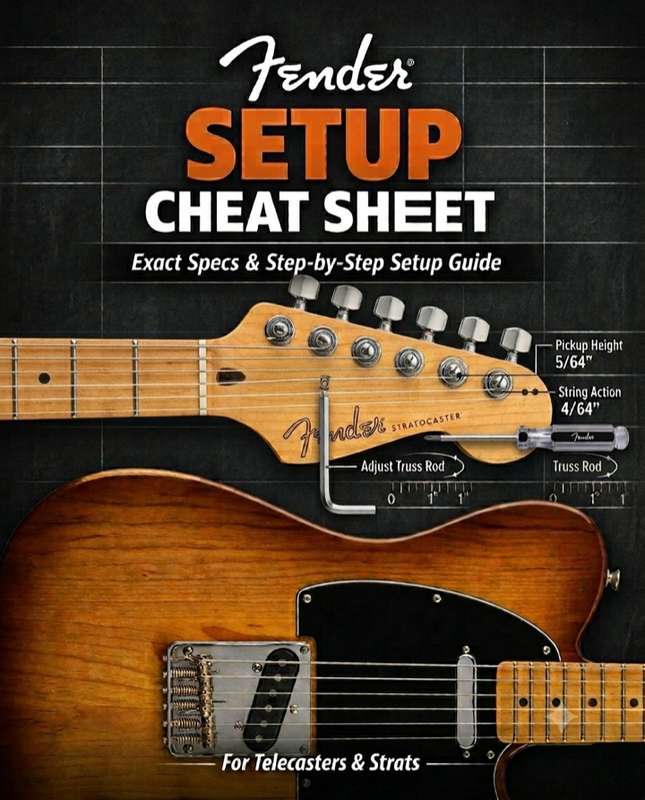
- Telecaster Setup Guide - Professional setup instructions
- Best Telecasters Under $500 - Budget-friendly options
- Telecaster Wiring Diagrams - Upgrade your electronics
For Stratocaster Players
- Stratocaster Hub - Complete Stratocaster guides and resources
- Stratocaster Setup Guide - Professional setup instructions
- Best Stratocasters Under $500 - Budget-friendly options
- Stratocaster Tremolo Setup - Master your tremolo
Comparison Guides
- Telecaster vs Stratocaster: Technical Comparison - Detailed specs and features
- Jazzmaster vs Jaguar - Offset guitar comparison
- Mustang vs Jaguar - Short-scale showdown
Last updated: February 5, 2026