Fender Mustang vs Jaguar: Which Is Right for You?
Discover the key differences between the Fender Mustang and Jaguar offset guitars. Compare scale length, pickups, switching systems, and sound characteristics. Learn which guitar suits your playing style with our detailed specs, pros and cons, and buying guide.
By Nick TheodoulouUpdated

On this page
- Fender Mustang vs Jaguar: The Ultimate Offset Guitar Comparison
- Part 1: Specification Comparison
- Part 2: Scale Length: the Same 24 Inches
- Part 3: Pickup and Tonal Differences
- Part 4: Switching and Electronics
- Part 5: Tremolo Systems
- Part 6: Playability Comparison
- Part 7: Pros and Cons
- Part 8: Genre and Artist Recommendations
- Part 9: Buying Guide
- Part 10: Our Recommendation
- Conclusion
- Frequently Asked Questions (FAQ)
- Complete Your Offset Guitar Setup
- Related Posts
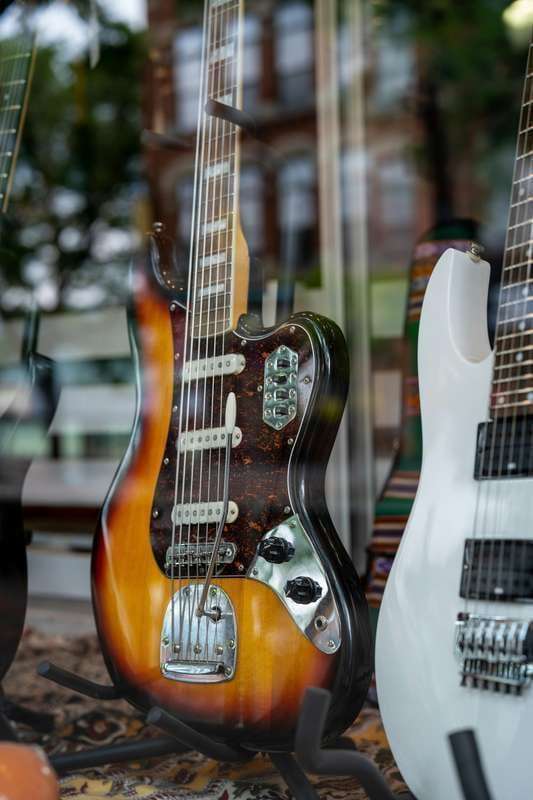 Photo by R.D. Smith on Unsplash
Fender Mustang vs Jaguar: The Ultimate Offset Guitar Comparison
Quick Answer: The Fender Mustang and Jaguar share the same 24" (610 mm) scale, so they feel alike under the fingers. The Mustang has simpler electronics and a bright tone ideal for beginners; the Jaguar has complex switching and a hotter, more aggressive sound suited for experimental players. Choose Mustang for simplicity; choose Jaguar for versatility and tonal range.
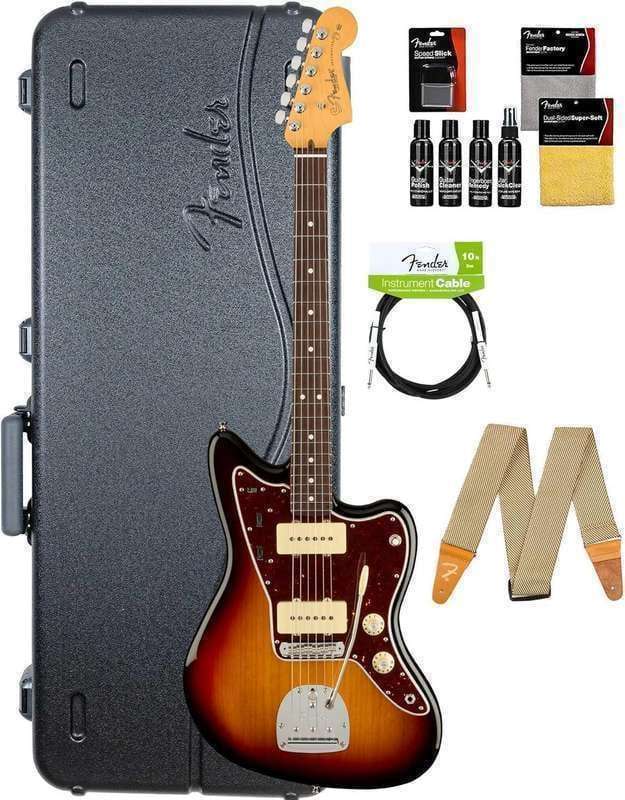
The Fender Mustang and Jaguar are iconic offset guitars that have captivated players for decades. Both were introduced in the 1960s as student models but quickly gained professional followings. This comprehensive comparison examines their features, playability, sound, and value to help you choose the right offset for your needs.
 Buy on Amazon
Part 1: Specification Comparison
Quick Answer: Both have a 24" scale, so the main differences are pickup output (Mustang: bright/clear, Jaguar: hot/aggressive) and switching complexity (Mustang: simple, Jaguar: lead/rhythm circuits).
Complete Specifications Table
| Specification | Fender Mustang | Fender Jaguar |
|---|---|---|
| Scale Length | 24" (610mm) | 24" (610mm) |
| Body Wood | Alder/Basswood | Alder |
| Body Style | Offset, Slab | Offset, Contoured |
| Neck Wood | Maple | Maple |
| Fingerboard | Rosewood/Maple | Rosewood/Maple |
| Frets | 22 | 22 |
| Nut Width | 1.650" (42mm), Player II | 1.650" (42mm), Player II |
| Pickups | 2x Single-Coil | 2x Single-Coil |
| Pickup Output | Lower output, bright | Higher output, aggressive |
| Controls | 2x On/Off/Phase switches | Lead circuit + Rhythm circuit |
| Tremolo | Dynamic Vibrato | Floating Tremolo + Mute |
| Bridge | Floating | Floating with Mute |
| Price Range (New) | $600 - $1,500 | $1,000 - $2,000+ |
| Price Range (Used) | $400 - $1,200 | $800 - $1,500+ |
Part 2: Scale Length: the Same 24 Inches
Quick Answer: The Mustang and the Jaguar both have a 24" (610 mm) scale, so the same strings sit at the same tension and the frets are the same distance apart. The differences you feel come from the pickups, switching and bridge, not the neck length.
Fender lists a 24" scale on the Player II Mustang and on every current Jaguar, from the Squier Classic Vibe to the American Professional; see Fender Jaguar specs by model for each model's nut width, radius and frets. That is shorter than the 25.5" of a Stratocaster, Telecaster or Jazzmaster, so both guitars have lower string tension and slightly closer frets than those models. That shared short scale suits:
- Players with smaller hands
- Musicians who rely heavily on string bending
- Beginners seeking comfortable playability
Part 3: Pickup and Tonal Differences
Quick Answer: Mustang pickups deliver bright, clear tones with scooped mids—great for indie and alternative. Jaguar pickups are hotter with pronounced mids and aggressive highs—perfect for surf, post-punk, and experimental rock.
Pickup Characteristics Comparison
| Characteristic | Mustang Pickups | Jaguar Pickups |
|---|---|---|
| Output Level | Lower | Higher |
| Midrange | Scooped | Pronounced |
| High End | Bright, clear | Aggressive, cutting |
| Low End | Warm, rounded | Tight, punchy |
| Clean Tone | Glassy, bell-like | Punchy, articulate |
| Overdriven Tone | Smooth, creamy | Aggressive, biting |
Sound Samples by Genre
- Indie/Alternative: Mustang excels with its chimey cleans
- Surf Rock: Jaguar's aggressive bite cuts through reverb
- Garage Rock: Both work well; Mustang for raw, Jaguar for punchy
- Post-Punk: Jaguar's complexity suits angular riffs
- Shoegaze: Both benefit from the offset tremolo systems
Part 4: Switching and Electronics
Quick Answer: The Mustang uses simple on/off/phase switches for each pickup. The Jaguar features a complex lead circuit (individual switches + tone cut) and a separate rhythm circuit with dedicated controls.
Mustang Electronics
The Mustang's switching is straightforward:
- Neck Pickup Switch: On/Off/Phase
- Bridge Pickup Switch: On/Off/Phase
- Volume Control: Master volume
- Tone Control: Master tone
This simple system offers:
- Easy-to-understand operation
- Quick pickup switching
- Phase options for thinner, out-of-phase tones
Jaguar Electronics
The Jaguar's electronics are notably complex:
Lead Circuit (Lower Horn):
- Neck Pickup Switch: On/Off
- Bridge Pickup Switch: On/Off
- Strangle Switch: High-pass filter for brighter tone
- Volume Control: Lead volume
- Tone Control: Lead tone
Rhythm Circuit (Upper Horn):
- Rhythm Circuit Switch: Engages separate controls
- Volume Wheel: Rhythm volume
- Tone Wheel: Rhythm tone (darker, jazzier)
This complexity provides:
- Wider tonal palette
- Preset rhythm sounds
- Experimental switching combinations
- Learning curve for new players
Part 5: Tremolo Systems
Quick Answer: Both feature floating tremolo systems. The Mustang's is smoother with wider pitch range. The Jaguar's includes a string mute for percussive effects but can be less stable.
Tremolo Comparison
| Feature | Mustang Tremolo | Jaguar Tremolo |
|---|---|---|
| Type | Dynamic Vibrato | Floating Tremolo |
| Pitch Range | Wide | Moderate |
| Action | Smooth, responsive | Slightly stiffer |
| String Mute | ❌ No | ✅ Yes |
| Tuning Stability | Good | Requires proper setup |
| Arm Feel | Light, expressive | Moderate resistance |
Common Tremolo Issues and Solutions
Mustang:
- Generally stable with proper setup
- Benefits from keeping strings well-stretched
Jaguar:
- Prone to strings popping from saddles (use heavier strings: 11-49)
- Consider bridge upgrades for enhanced stability
- String mute can rattle if not properly adjusted
For tremolo setup techniques, see our Stratocaster Tremolo Setup Guide.
Part 6: Playability Comparison
Quick Answer: The Mustang is easier to get to grips with thanks to its simpler controls—ideal for beginners. Both share the same 24" scale, so bending and reach feel alike. The Jaguar offers more versatility but requires more setup attention and has a learning curve.
Playability Factors
| Factor | Mustang | Jaguar | Winner For... |
|---|---|---|---|
| Ease of Bending | ⭐⭐⭐⭐⭐ | ⭐⭐⭐⭐⭐ | Either (same scale) |
| Control Simplicity | ⭐⭐⭐⭐⭐ | ⭐⭐ | Live Performance |
| Setup Ease | ⭐⭐⭐⭐ | ⭐⭐ | Home Setup |
| Tonal Range | ⭐⭐⭐ | ⭐⭐⭐⭐⭐ | Studio, Recording |
| Comfort (Small Hands) | ⭐⭐⭐⭐⭐ | ⭐⭐⭐⭐⭐ | Either (same scale) |
| Tuning Stability | ⭐⭐⭐⭐ | ⭐⭐⭐ | Gigging |
Setup Considerations
Both guitars benefit from professional setup to:
- Optimize string height for playability
- Set proper intonation
- Adjust tremolo spring tension
- Balance pickup heights
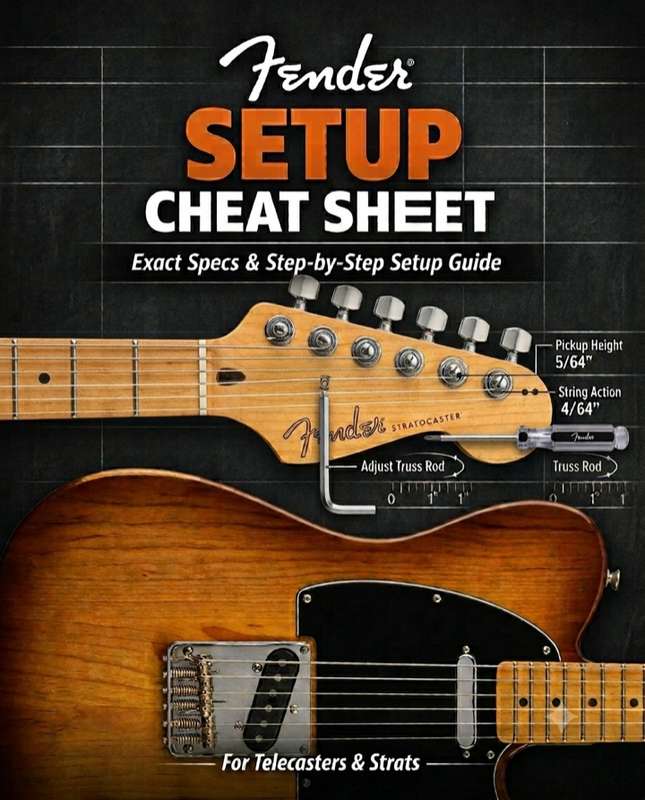
For complete offset setup instructions, see our Jaguar Setup Guide.
Part 7: Pros and Cons
Fender Mustang
Pros:
- ✅ Short 24" scale and light string tension for comfortable bending (the Jaguar shares both)
- ✅ Simple, intuitive electronics
- ✅ Generally more affordable
- ✅ Great for beginners and players with smaller hands
- ✅ Smooth, responsive tremolo
Cons:
- ❌ Less tonal versatility than Jaguar
- ❌ The short scale may feel cramped for players with larger hands (true of the Jaguar too)
- ❌ Lower output pickups may need boost for heavier styles
Fender Jaguar
Pros:
- ✅ Complex switching for wide tonal range
- ✅ Hotter pickups for aggressive tones
- ✅ Iconic surf rock sound
- ✅ Unique string mute feature
- ✅ Highly collectible vintage models
Cons:
- ❌ Complex electronics have learning curve
- ❌ More prone to setup issues
- ❌ Generally more expensive
- ❌ Bridge stability requires attention
Part 8: Genre and Artist Recommendations
Quick Answer: Mustangs suit indie, alternative, grunge, and garage rock. Jaguars excel in surf, post-punk, shoegaze, and experimental rock. Both work for most styles with proper setup.
Genre Suitability
| Genre | Mustang Rating | Jaguar Rating |
|---|---|---|
| Indie/Alternative | ⭐⭐⭐⭐⭐ | ⭐⭐⭐⭐ |
| Surf Rock | ⭐⭐⭐ | ⭐⭐⭐⭐⭐ |
| Grunge | ⭐⭐⭐⭐⭐ | ⭐⭐⭐ |
| Post-Punk | ⭐⭐⭐ | ⭐⭐⭐⭐⭐ |
| Shoegaze | ⭐⭐⭐⭐ | ⭐⭐⭐⭐⭐ |
| Garage Rock | ⭐⭐⭐⭐⭐ | ⭐⭐⭐⭐ |
| Jazz | ⭐⭐⭐ | ⭐⭐⭐⭐ |
| Country | ⭐⭐⭐ | ⭐⭐⭐ |
| Blues | ⭐⭐⭐⭐ | ⭐⭐⭐ |
Famous Users
Mustang Players:
- Kurt Cobain (Nirvana) - heavily modified
- David Byrne (Talking Heads)
- Liz Phair
Jaguar Players:
- Johnny Marr (The Smiths)
- J Mascis (Dinosaur Jr.)
- Kevin Shields (My Bloody Valentine)
- John Frusciante (Red Hot Chili Peppers)
Part 9: Buying Guide
Quick Answer: For beginners, choose the Mustang for its simplicity and comfort. For experienced players seeking tonal exploration, choose the Jaguar. Budget $400-800 for quality used examples of either.
New vs Used Market
| Market | Mustang | Jaguar |
|---|---|---|
| New (MIM) | $600 - $900 | $900 - $1,200 |
| New (American) | $1,200 - $1,500 | $1,500 - $2,200 |
| Used (MIM) | $400 - $700 | $600 - $900 |
| Used (American) | $800 - $1,200 | $1,000 - $1,500 |
| Vintage (1960s) | $3,000 - $8,000 | $4,000 - $12,000 |
What to Look For (Used)
- Check neck for warping or damage
- Test all electronics and switches
- Inspect frets for wear
- Verify tremolo functionality
- Look for cracks in body or finish
- Check tuning stability
- Confirm originality of parts (affects value)
Recommended Models
Best Value Mustang:
- Fender Player Mustang
- Squier Classic Vibe Mustang
Best Value Jaguar:
- Fender Player Jaguar
- Squier Classic Vibe Jaguar
Part 10: Our Recommendation
Choose the Mustang If You:
- Are a beginner or returning player
- Want simple, reliable electronics
- Play indie, alternative, or garage rock
- Have a tighter budget
Choose the Jaguar If You:
- Want maximum tonal versatility
- Enjoy complex switching options
- Play surf, post-punk, or experimental rock
- Don't mind a setup learning curve
- Value unique features like the rhythm circuit
- Want a more collectible instrument
Still Can't Decide?
Both guitars are exceptional offset instruments. If possible, try both at a music store. The right choice often comes down to which one feels and sounds best in your hands.
Conclusion
The Fender Mustang and Jaguar are both legendary offset guitars with distinct personalities. The Mustang's simplicity and comfort make it perfect for players who want to plug in and play. The Jaguar's complexity rewards those willing to explore its tonal possibilities.
Whether you choose the Mustang's accessible charm or the Jaguar's experimental nature, you'll be joining generations of musicians who have embraced these iconic instruments.
For setup guidance after your purchase, explore our comprehensive guides:

Frequently Asked Questions (FAQ)
1. Which is better for beginners: Mustang or Jaguar?
Answer: The Mustang is generally better for beginners due to its simpler switching system and more affordable price point. Both guitars share a 24" scale, so bending and fretting feel alike, but the Jaguar's complex electronics can be overwhelming for new players.
2. Why does the Jaguar cost more than the Mustang?
Answer: The Jaguar typically costs more due to its more complex electronics (lead and rhythm circuits), additional features like the string mute, and its higher collectibility among vintage guitar enthusiasts.
3. Can I use the same strings on both guitars?
Answer: Yes, both guitars use standard electric guitar strings, and with the same 24" scale a given set feels the same tension on each. Many Jaguar players prefer heavier gauges (11-49) to improve bridge stability.
4. What's the rhythm circuit on the Jaguar?
Answer: The rhythm circuit is a separate set of controls (volume and tone wheels) on the upper horn that engages when you flip the slide switch. It bypasses the lead pickups and tone controls, providing a darker, mellower tone ideal for jazz and rhythm playing.
5. Do these guitars stay in tune well?
Answer: Both can stay in tune well with proper setup. The Mustang is generally more stable out of the box. The Jaguar may require bridge upgrades or careful setup to prevent strings from popping out of the saddles.
6. What bridge upgrades are recommended for the Jaguar?
Answer: Popular upgrades include the Mastery Bridge (most popular, best stability), Staytrem Bridge (vintage look with improved function), and the Mustang-style bridge (budget option with better string retention).
7. Which guitar has better resale value?
Answer: The Jaguar generally holds value better, especially vintage models. Jaguars are more collectible and have a stronger following among professional musicians and vintage guitar collectors.
8. Can I play metal on these guitars?
Answer: Both guitars have single-coil pickups that aren't ideal for heavy metal. However, with high-gain pedals or amp settings, the Jaguar's hotter pickups can handle heavier styles better than the Mustang.
9. What's the difference between the tremolo systems?
Answer: The Mustang has a Dynamic Vibrato with smoother action and wider pitch range. The Jaguar has a floating tremolo with a string mute feature but slightly stiffer feel. Both allow pitch modulation but have different characters.
10. Should I buy new or used?
Answer: Used guitars offer excellent value, often 30-50% less than new. Check for neck issues, electronics problems, and original parts. New guitars come with warranties but cost more. Both are good options depending on your budget and preferences.
Complete Your Offset Guitar Setup
Now that you've chosen your offset guitar, pair it with the perfect amplifier:
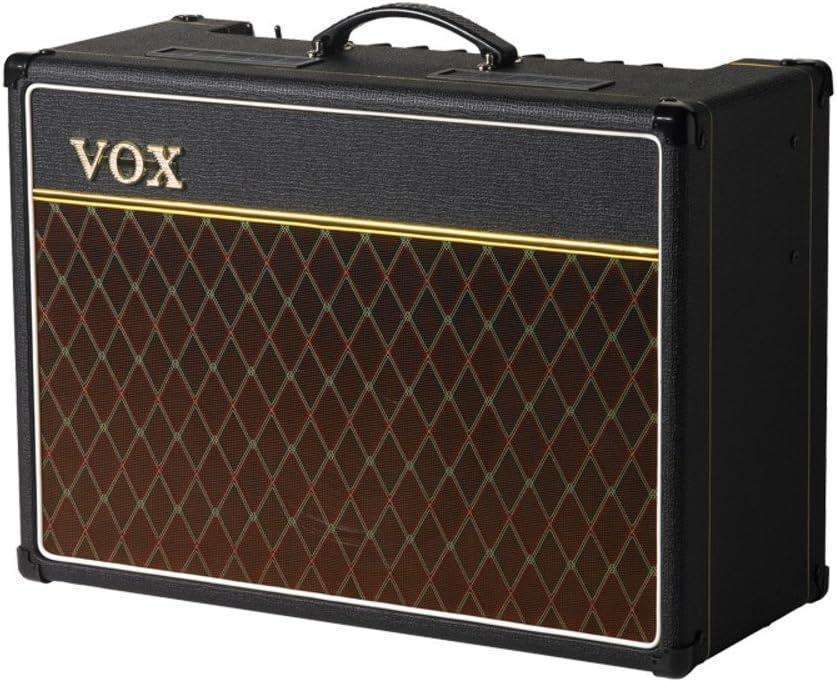
Classic British Tone - Vox AC15
The legendary pairing for offset guitars featuring chime, sparkle, and natural compression.
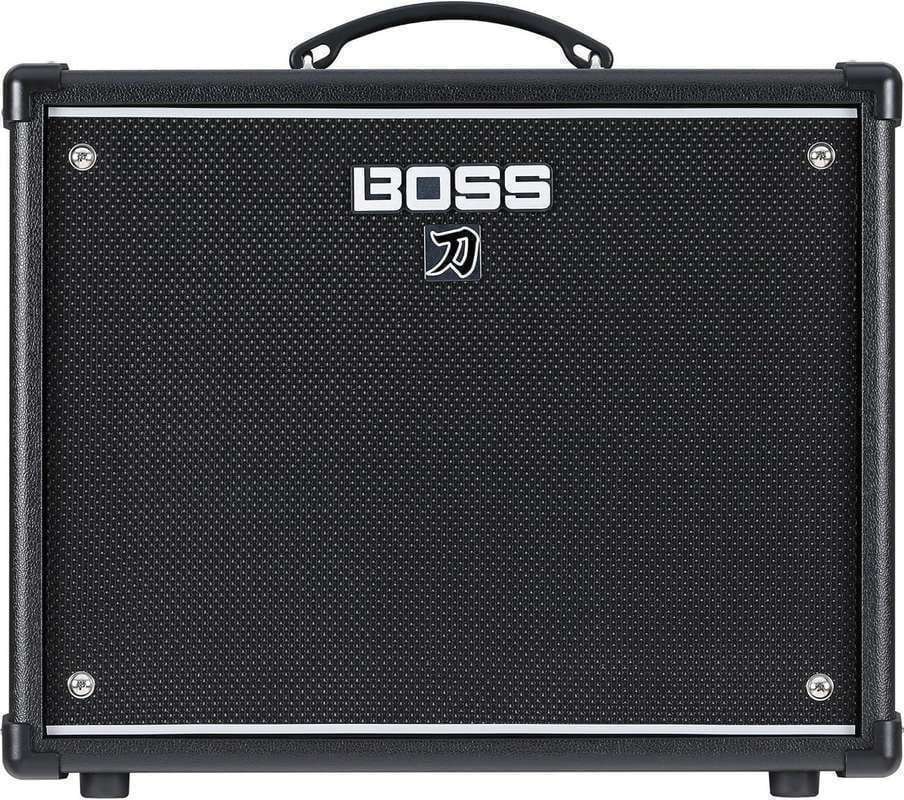
Versatile Modern Option - Boss Katana 50
Perfect for practice and recording with multiple amp models and built-in effects.
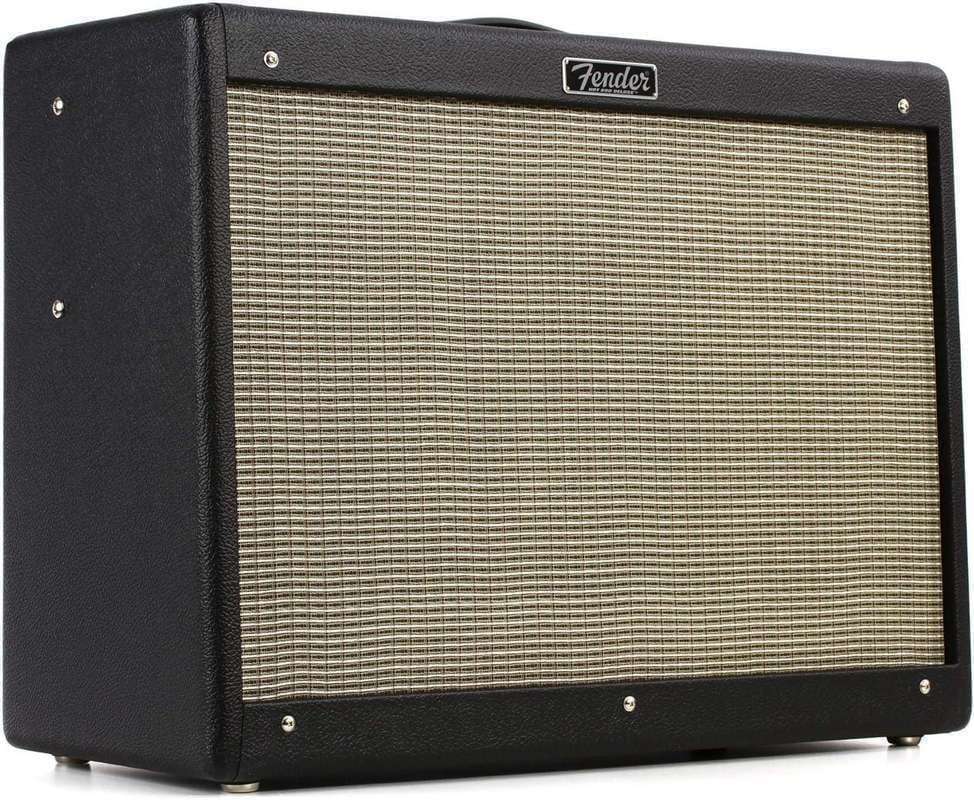
American Power - Fender Hot Rod Deluxe
Classic Fender clean tones with powerful headroom for gigging.
Related Posts
Offset Guitar Guides
- Jaguar Setup Guide - Complete Jaguar setup process
- Jazzmaster Setup Guide - Jazzmaster-specific setup procedures
Other Fender Guitar Guides
- Telecaster Setup Guide - Complete Telecaster setup process
- Stratocaster Setup Guide - Complete Stratocaster setup process
- Telecaster vs Stratocaster Comparison - Specs and features
- Tele vs Strat: A Player's Guide - Player perspectives, touring and recording
Universal Setup Guides
- Guitar Action Height Guide - Perfect your string height
- Guitar Truss Rod Adjustment Guide - Neck relief for all guitars