ESP Serial Number Lookup: Free Instant Decoder & Checker
Use our free ESP/LTD serial number lookup tool to decode your guitar instantly. Covers ESP Custom Shop (Japan), ESP USA, and LTD imports from Korea, Indonesia, and China from the 1980s to present.
What's Next?
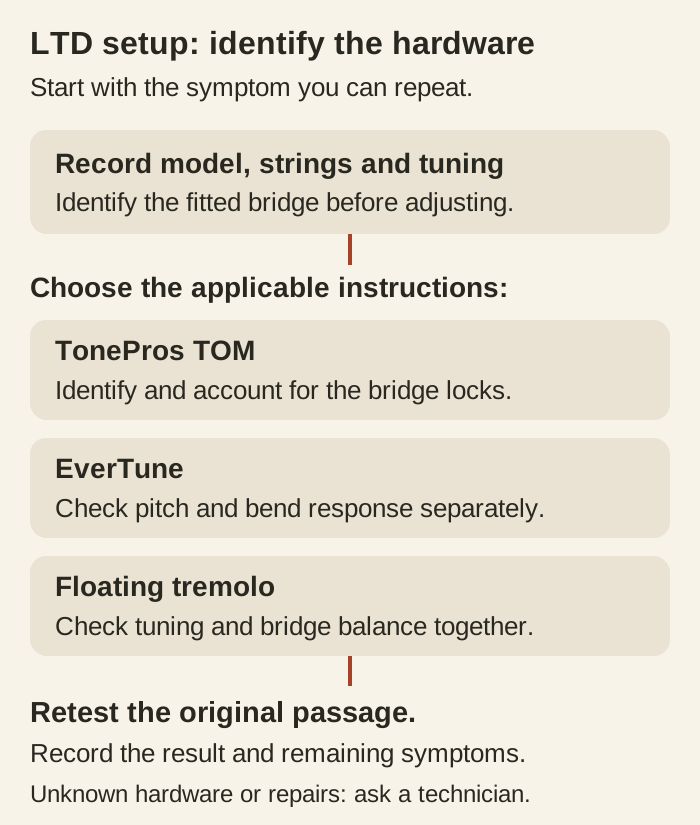
Identify your ESP hardware and choose a useful next step:
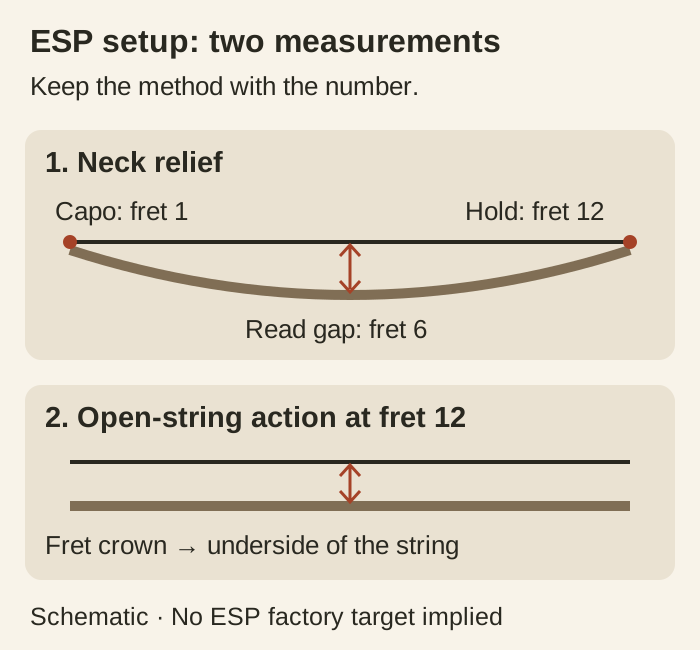
- ESP Setup Guide — Researched model examples, measurements and bridge-specific checks
- Setup Specs Lookup — Check supported models and setup starting points
- Guitar Action Height Guide — Dial in perfect string height
- Truss Rod Adjustment Guide — Safe neck relief adjustment
- My Gear Garage — Track your collection and maintenance schedule
- Garage Pro — Maintenance log with unlimited guitars, full history & smart reminders
ESP Serial Number Lookup: Decode Your Guitar Instantly
An ESP serial number lookup is the fastest way to identify when and where your guitar was made. ESP has produced guitars in Japan, the USA, Korea, Indonesia, and China since the 1980s — and each factory used different serial formats. Whether you own a hand-built ESP Custom Shop from Tokyo, an ESP USA from North Hollywood, or an LTD import, the serial number holds the key.
Use the free ESP serial number lookup tool above to instantly decode your serial number. It covers ESP Custom Shop (Japan), ESP USA, and LTD imports from Korea, Indonesia, and China — no sign-up required. Enter your number and get production year, factory location, and era in seconds.
Own an LTD? LTD imports have their own dedicated decoder with brand-specific reference tables — see the LTD Serial Number Lookup.
At OwningAFender.com, we're the guitar serial number experts — and that expertise extends well beyond Fender. Our free ESP serial number checker covers every major production era and factory.
Own another guitar? We also have free serial number decoders for Fender, Gibson, Squier, LTD, Schecter, Charvel, Epiphone, Gretsch, Ibanez, Jackson, Martin, PRS, Taylor, Takamine, Yamaha, Chapman, Eastman, Guild, Harley Benton, Rickenbacker, Cort, and Seagull.
Part 1: Where Is My ESP Serial Number?
Before you can run an ESP serial number lookup, you need to find the number. ESP and LTD have used several locations over the decades.
Back of Headstock (Most Common): The vast majority of ESP and LTD guitars — especially modern models — have the serial number printed or stamped on the back of the headstock. Look near the top, often in small text below the "ESP" or "LTD" logo. This is the first place to check for any ESP/LTD made after the mid-1990s.
Neck Plate: Some older ESP guitars, particularly 1980s Japanese models and some USA builds, have the serial number stamped on the neck plate — the metal plate where the neck bolts to the body.
Control Cavity: In rare cases, particularly on vintage models or custom builds, additional identification numbers may appear inside the control cavity. You may need to remove the back plate to see it.
Pro tip: Serial numbers can be faint, especially on older guitars. Use good lighting and a magnifying glass if needed. On modern ESP Custom Shop guitars, the serial is typically cleanly printed in black ink on the back of the headstock.
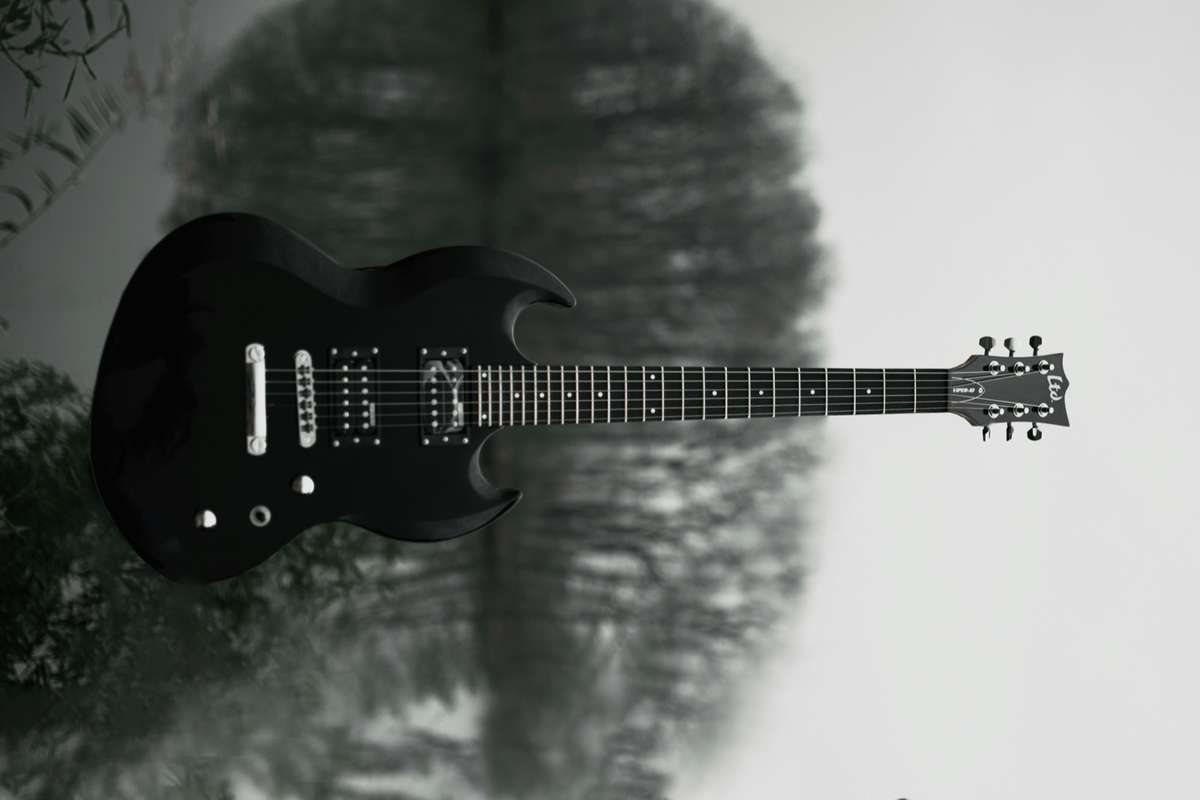
Photo by Amirhossein Hasani on Unsplash
ESP Serial Number Checker
The tool at the top of this page is a free ESP serial number checker. Enter your serial number and it instantly returns your guitar's production year, manufacturing location, factory name, and era. No sign-up required — use it as often as you need to verify a single guitar or compare multiple instruments.
Planning a setup? A serial result does not establish the fitted bridge or factory action settings. Use the ESP setup guide to identify your hardware and record repeatable measurements.
Part 2: ESP Japan — Modern Format (late 2015+)
Since late 2015, ESP has used a standardized format for guitars crafted at their Tokyo workshops.
The Format Explained
| Position | Characters | Meaning |
|---|---|---|
| 1 | E or ES | Brand prefix (E = ESP, ES = E-II) |
| 2-5 | #### | Production number |
| 6-7 | YY | 2-digit year |
| 8 | # | Series code |
Series codes:
- 1 = Custom Series
- 2 = Original Series and Signature Series
- 3 = E-II Series
Worked Examples
- E3360192: E = ESP, production 3360, 19 = 2019, 2 = Original/Signature Series → 2019, ESP Original Series (Tokyo), Japan
- ES1234233: ES = E-II, production 1234, 23 = 2023, 3 = E-II Series → 2023, E-II (Tokyo), Japan
Part 3: ESP Japan Factories (2000–2015)
From 2000 to 2015, ESP Japan stamped an 8-character serial on the back of the headstock. The letter prefix identifies the factory.
Factory Prefixes
| Prefix | Factory | Notes |
|---|---|---|
| K | Kiso Factory (Nagano) | Set-neck and neck-thru models only |
| S | Sado Factory | Bolt-on models only |
| T | Takada Factory | ESP Custom Shop |
| SS | Standard Factory | Signature and Standard Series |
| CH | Craft House | |
| CS | Craft House | Rarely used |
| TH | Technical House | |
| N | Nagano Factory |
The Format Explained
| Position | Characters | Meaning |
|---|---|---|
| 1 | Prefix | Factory identifier |
| 2-3 | YY | 2-digit year |
| 4-5 | WW | Week of year (01-52) |
| 6 | D | Day of week (1-7) |
| 7-8 | ## | Unit number |
Worked Examples
- K0604202: K = Kiso, 06 = 2006, 04 = week 4, 2 = Tuesday, 02 = unit 2 → 24 January 2006, Kiso Factory (Nagano), Japan
- S0244299: S = Sado, 02 = 2002, 44 = week 44, 2 = Tuesday, 99 = unit 99 → 2002, Sado Factory, Japan
Part 4: ESP USA (North Hollywood, CA)
ESP USA guitars are built in North Hollywood, California. These are custom instruments with a US prefix.
The Format
US + 2-digit year + 3-digit production number
Worked Example
- US15432: US = ESP USA, 15 = 2015, 432 = production #432 → 2015, ESP USA, North Hollywood, CA
ESP USA serials encode the year in the first two digits, but production records are not public. Contact ESP directly to confirm the exact production date.
Part 5: LTD Korea — World Musical Instruments (WMI)
LTD is ESP's import line. Many higher-end LTD models were made in Korea by World Musical Instruments (WMI).
The Format Explained
| Position | Characters | Meaning |
|---|---|---|
| 1 | W | WMI factory identifier |
| 2-3 | YY | 2-digit year |
| 4-5 | MM | Month (01-12) |
| 6+ | #### | Production number |
Worked Example
- W22051234: W = WMI, 22 = 2022, 05 = May, 1234 = unit → May 2022, World Musical Instruments (WMI), Korea
Part 6: LTD Early Korean Formats (c.2000–2003)
Early LTD guitars from the early 2000s used single-letter prefixes before standardized numbering.
Format
E, R, or U + year digit (0-9) + 5-digit unit number
| Prefix | Factory | Notes |
|---|---|---|
| E | Sung-Eum (Korea) | Most common early prefix |
| R | Unknown Korean Factory | Less common |
| U | Unsung (Korea) | Also used by Epiphone |
Worked Example
- E212345: E = Sung-Eum, 2 = approximately 2002 → ~2002, Sung-Eum factory, Korea
The first digit after the letter usually indicates the year (0 = 2000, 1 = 2001, and so on). This numbering style was used around 2000-2003, so treat the decoded year as approximate.
Part 7: LTD Indonesia
LTD has used two primary factories in Indonesia: P.T. Wildwood and Cort.
Wildwood Format (IW Prefix)
| Position | Characters | Meaning |
|---|---|---|
| 1-2 | IW | Wildwood factory identifier |
| 3-4 | YY | 2-digit year |
| 5-6 | MM | Month (01-12) |
| 7+ | #### | Production number |
Example: IW22051234 = 2022, May, Wildwood Indonesia
Cort Format (I Prefix)
| Position | Characters | Meaning |
|---|---|---|
| 1 | I | Cort Indonesia identifier |
| 2-3 | YY | 2-digit year |
| 4-5 | MM | Month (01-12) |
| 6-10 | ##### | Production number |
Example: I220512345 = 2022, May, Cort Indonesia
Early variant (c.1997-2000): Cort Indonesia also used a single-digit year format: I + Y + MM + 4-digit production number. For example, I9051234 = approximately 1999, May.
Part 8: LTD China
LTD guitars made in China use single-letter factory codes.
The Format
| Position | Characters | Meaning |
|---|---|---|
| 1 | B, C, or D | Factory code |
| 2-3 | YY | 2-digit year |
| 4-5 | MM | Month (01-12) |
| 6+ | #### | Production number |
| Code | Factory |
|---|---|
| B | LTD China (Factory B) |
| C | LTD China (Factory C) |
| D | LTD China (Factory D) |
Worked Example
- B22051234: B = Factory B, 22 = 2022, 05 = May → May 2022, LTD China (Factory B)
Part 9: Vintage ESP — Pre-2000 Serial Formats
ESP's pre-2000 records are incomplete — many were destroyed in a late-1990s factory fire — but the headstock serial format from this era has been reverse-engineered by collectors.
Headstock Numeric (c.1985–1999)
6 to 8 digits stamped on the back of the headstock: (D)DMMYNNN
| Segment | Meaning |
|---|---|
| DD | Day of month (01-31) |
| MM | Month (01-12) |
| Y | Last digit of the year |
| NNN | Production number |
Leading zeros on the day and/or month were often omitted, which is why these serials vary between 6 and 8 digits.
Examples:
- 25023072 = 25 February, year digit 3, #72 → 25 Feb 1993 (or 1983)
- 3038467 = 3 March, year digit 8, #467 (day zero omitted) → 3 Mar 1988 (or 1998)
- 338467 = 3 March, year digit 8, #467 (both zeros omitted) → 3 Mar 1988 (or 1998)
Year ambiguity: the single year digit cannot distinguish 1987 from 1997, 1988 from 1998, and so on. Use the model's production years to decide. For exact dating, remove the neck (bolt-on models) and look for a date penciled on the neck heel or body pocket — this is the most reliable method for pre-2000 ESPs.
Under-Pickup Serial (pre-2000)
Some pre-2000 ESPs and LTDs have a handwritten serial under a pickup: #MYNN or #MMYNN (month, year digit, production number).
Example: #8875 = August, year digit 8, #75 → August 1998 (approximate)
Neck Plate 5-Digit (bolt-on, 1988–2003)
Bolt-on ESPs from this era carry a 5-digit number punched into the neck plate. Known reference ranges:
| Range | Years |
|---|---|
| 592XX | 1988-1989 |
| 601XX-618XX | 1990-1992 |
| 619XX-912XX, then 1XXXX-166XX | 1993 |
| 167XX-183XX | 1994 |
| 184XX-244XX | 1995 |
| 245XX-261XX | 1996 |
| 273XX-294XX | 1997 |
| 301XX-357XX | 1998 |
| 339XX-369XX | 1999 |
| 379XX-387XX | 2000 |
| 388XX-416XX | 2001 |
| 402XX | 2002 |
| 4170X | 2003 |
From 2004 onwards, ESP stopped punching serials into the bolt plate.
Warning: neck plate numbers are notoriously unreliable. Plates were stamped in batches and fitted to guitars in no particular order, so a plate can point a year or two away from the guitar's real build date. Always cross-check with the headstock serial or a penciled neck-heel date when present.
Serial Prefix Quick Reference
Complete reference table for all ESP/LTD serial number prefixes:
| Prefix | Year Range | Country | Factory | Notes |
|---|---|---|---|---|
| E/ES + digits | late 2015+ | Japan | ESP Japan (Tokyo) | ES prefix = E-II brand |
| K/S/T/SS/CH/CS/TH/N + digits | 2000-2015 | Japan | ESP Japan factories (Kiso, Sado, and more) | Letter identifies the factory |
| US + 5 digits | 2000s+ | USA | ESP USA (North Hollywood) | First two digits = year |
| W + digits | 1998+ | Korea | World Musical Instruments (WMI) | Higher-end LTD imports |
| IW + digits | 2000s+ | Indonesia | P.T. Wildwood | LTD Indonesia |
| I + digits | 2000s+ | Indonesia | Cort Indonesia | LTD Indonesia (5-digit suffix) |
| B/C/D + digits | 2000s+ | China | LTD China | Factory code letter |
| E/R/U + digit | c.2000-2003 | Korea | Sung-Eum / Unsung / Various | Early LTD format |
| 6-8 digit numeric | c.1985-1999 | Japan | ESP (Tokyo) | Headstock, (D)DMMYNNN format |
| # + digits | pre-2000 | Japan | ESP (Tokyo) | Handwritten, under a pickup |
| 5-digit numeric | 1988-2003 | Japan | ESP (Tokyo) | Neck plate serials |
How to Read Your ESP Serial Number: Step-by-Step
Follow this process to decode any ESP or LTD from the 1980s onward.
- Locate the serial number on the back of the headstock (most common), neck plate (vintage bolt-ons), or under a pickup (handwritten, pre-2000).
- Check for letter prefixes. E/ES = modern ESP Japan (ES = E-II). K/S/T/SS/CH/CS/TH/N = ESP Japan factories (2000-2015). W = Korea WMI. IW = Indonesia Wildwood. I = Indonesia Cort. B/C/D = China. US = USA.
- For E/ES prefix: YY digits = year, final digit = series code (1=Custom Series, 2=Original/Signature Series, 3=E-II Series).
- For K/S/T/SS/CH/CS/TH/N prefixes: YY = year, WW = week, D = day of week.
- For W prefix: YY = year, MM = month, remainder = production number.
- For numeric-only serials: 6-8 digits = pre-2000 headstock (day, month, year digit, production number). 5 digits = 1988-2003 neck plate serial. Both are approximate dating only.
Pro tip: If the serial doesn't match any format, the guitar may be a special edition, prototype, or — in rare cases — counterfeit. Check the physical features and consult the troubleshooting guide below.
ESP vs LTD: Understanding the Relationship
Many guitar owners wonder about the relationship between ESP and LTD. Understanding this helps you interpret your serial number correctly.
ESP is the premium brand. ESP guitars are made in Japan (Custom Shop, Kiso Factory) or the USA (North Hollywood). They command premium prices ($1,500-$5,000+) and are built for professional players.
LTD is the affordable line. LTD guitars are made in Korea, Indonesia, and China. They offer ESP designs at more accessible prices ($300-$1,200). The LTD Deluxe and LTD Elite lines blur this boundary with higher-end specs.
Different serial systems. ESP Japan uses E/ES prefixes (late 2015+) and factory-letter prefixes like K, S, T, SS, CH, TH, and N (2000-2015). ESP USA uses US prefixes. LTD imports use W, IW, I, B/C/D, and early E/R/U prefixes. The serial prefix immediately tells you which line and country your guitar comes from.
Quality tiers. ESP Custom Shop = highest tier. ESP Original / Standard = premium production. LTD Deluxe = mid-high tier. LTD Standard = entry to mid tier.
Just Got a Used ESP or LTD?
If you're looking up a serial number, you probably just bought a used guitar — congratulations! The next step is getting it set up properly. Used guitars almost always need a fresh setup after changing hands.
Why used guitars need setup:
- Previous owner's string gauge and action preferences may not match yours
- Shipping and climate changes affect neck relief
- Strings are probably due for a change
- Factory setups are often conservative — a custom setup unlocks the guitar's potential
Your next steps:
- Check Action Height — Learn the correct action for your playing style
- Adjust Truss Rod — Dial in the right neck relief
- Choose the Right Strings — String gauge affects tone and playability
- Check Factory Specs — Check supported models and setup starting points
- Add to My Garage — Track your guitar's setup history
What's Your ESP/LTD Worth?
Serial numbers help determine a guitar's age, but condition and playability are what really drive value. A well-setup guitar with proper action and intonation can sell for 10-20% more than one that plays poorly.
Key factors that affect ESP/LTD value:
- Model line — ESP Custom Shop > ESP Original > LTD Deluxe > LTD Standard
- Country of origin — Japan > USA > Korea > Indonesia > China for collectibility
- Condition — All-original parts and clean finish add significant value
- Signature models — Artist signature ESPs often hold value better
- Vintage ESP — 1980s Japanese ESPs are increasingly collectible
If you're selling or just want your guitar playing its best, a proper setup is the highest-ROI improvement you can make.
Recommended Strings for Your ESP/LTD
Now that you've identified your ESP/LTD's production year and factory, choose strings that match its era and model. ESP and LTD guitars typically use standard scale lengths, so string selection follows familiar principles:
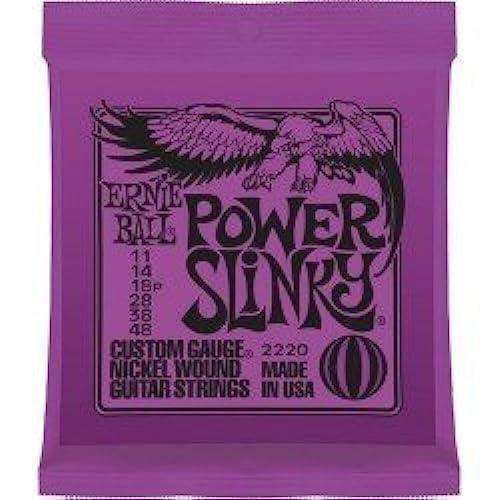
For ESP/LTD with humbuckers (most models): 10-46 is the factory standard. For heavier styles, 11-48 or 12-52 provide fuller tone and better tuning stability.
For ESP/LTD with Floyd Rose tremolos: Consider a slightly heavier bottom end (10-52 hybrid) to maintain tuning stability under heavy tremolo use.
For LTD entry-level models: Quality strings can transform these guitars. Upgrade from factory strings to premium nickel-plated steel for immediate improvement.
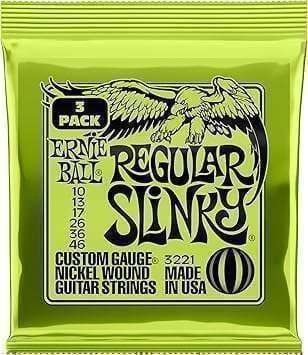
 Buy on Amazon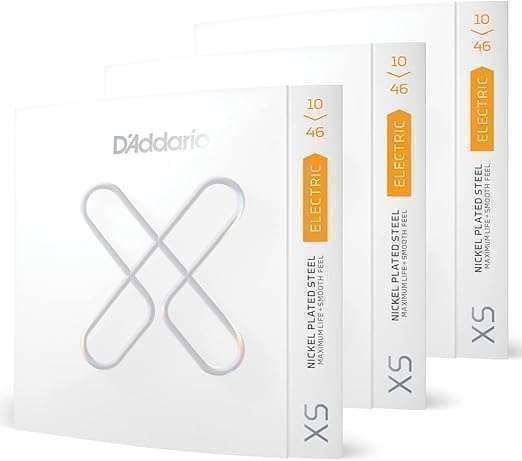
Essential Maintenance for Your ESP/LTD
ESP and LTD guitars are built for performance, and proper maintenance keeps them playing their best. After identifying your guitar, consider these maintenance essentials:
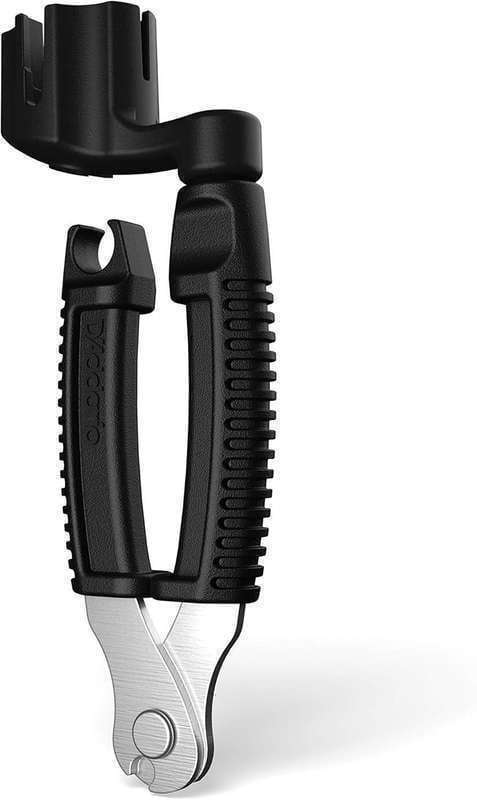
String care: Fresh strings with regular cleaning extend playability and tone significantly. ESP/LTD guitars with Floyd Rose bridges especially benefit from fresh strings.
Floyd Rose bridges: Many ESP models feature Floyd Rose trems. Keep the knife edges lubricated, check saddle intonation, and ensure the locking nut clamps securely.
Pickup height: ESP pickups benefit from proper height adjustment. Active EMG pickups (common on ESP) have different optimal heights than passive pickups.
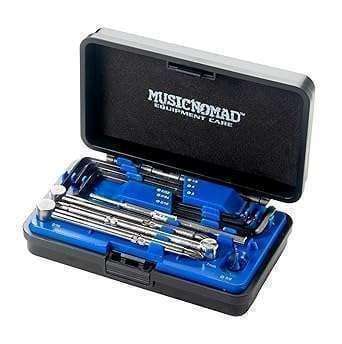
Hardware upgrades: Many LTD players upgrade tuners and bridges. Quality upgrades on a well-maintained LTD can rival guitars costing twice as much.

Authentication Tips: Spotting Fake ESP/LTD Guitars
Serial numbers are your first line of defense against counterfeits. Fake ESPs and LTDs are common, especially for popular models.
Red flags:
- Format doesn't match the claimed origin. An ESP labeled "Made in Japan" should have E/ES or K prefix. An LTD labeled "Made in Korea" should have a W prefix. An LTD labeled "Made in Indonesia" should have IW or I prefix.
- Serial length is wrong. Modern ESP E-prefix serials are 8 digits. K-prefix is 8 digits. W-prefix is 10+ digits. If yours is significantly shorter or longer, verify carefully.
- Font and printing quality. Genuine ESP/LTD serials are cleanly printed. Blurry, smudged, or poorly aligned text is suspicious.
- Physical features don't match the era. A serial suggesting 2020 production but with hardware and specs from a different era is concerning.
Verification steps:
- Run the serial through our decoder above. Does the result match the guitar's apparent age and features?
- Check the "Made in" label. Does the country match the serial prefix?
- Compare logo style, tuners, and hardware to known examples from that year on ESP's official site or Reverb listings.
- For high-value models (ESP Custom Shop, signature models), consider contacting ESP directly for verification.
Still unsure it's the real thing? The free fake Esp quick-check runs the classic counterfeit tells — price, seller behaviour, serial number, decals, workmanship — and returns an instant risk band in two minutes. It can't see the guitar, but it tells you how hard to look before you pay.
Serial Number Mysteries Solved: Real Case Studies
Case Study 1: The "Is This a Real Custom Shop?" Horizon
The Mystery: An ESP Horizon with serial E3360192. The owner bought it used and wasn't sure if it was a genuine Custom Shop guitar.
The Investigation: The E prefix with 8-digit format indicates a late 2015+ ESP Japan (Tokyo) guitar. "3360" is the production number, "19" = 2019, and the final "2" = Original/Signature Series.
The Solution: This was a legitimate 2019 ESP Original Series guitar from Tokyo, a signature model. The owner confirmed the features matched the signature model specs.
Takeaway: The E/ES format is reliable for verifying modern ESP Japan guitars.
Case Study 2: The Budget Find with a K Prefix
The Mystery: A guitar listed as "ESP LTD" with serial K0604202. The buyer was confused because K-prefix guitars command higher prices.
The Investigation: The K prefix indicates the ESP Kiso Factory in Nagano, Japan — not an LTD import. Kiso Factory guitars are premium ESP instruments, not LTD budget models.
The Solution: The guitar was a genuine 2006 ESP Kiso Factory build, worth significantly more than a comparable LTD. The seller had mislabeled it.
Takeaway: K-prefix = ESP Japan (premium), not LTD. Always verify the prefix before pricing.
Case Study 3: The Ambiguous LTD Origin
The Mystery: An LTD EC-1000 with serial B22051234. The owner couldn't determine if it was Chinese or Korean production.
The Investigation: The B prefix indicates LTD China (Factory B). The "22" = 2022, "05" = May. Korean LTDs use the W prefix (WMI).
The Solution: This was a 2022 LTD EC-1000 made in China. The EC-1000 has been produced in both Korea and China over the years — the prefix is the definitive indicator.
Takeaway: B/C/D = China. W = Korea. IW/I = Indonesia. The prefix is definitive for LTD origin.
Value by Serial Number: What's Your ESP/LTD Worth?
Serial number dating is the first step to valuing your ESP or LTD. Once you know the year and factory, you can estimate market value.
ESP Japan (1980s–Present)
Japanese ESPs command the highest prices in the used market.
- 1980s neck plate serials: $800-$2,500+ depending on model and condition
- Kiso Factory (K prefix, 2000-2015): $1,000-$3,000+
- ESP Japan (E/ES prefix, late 2015+): $1,500-$5,000+
- Key models: Horizon, M-Series, Eclipse, Snapper
- Value factor: All-original examples with cases command premium prices
ESP USA (2000s–Present)
ESP USA guitars are custom-built and relatively rare.
- ESP USA (US prefix): $2,000-$5,000+
- Key models: USA Horizon, USA M-II, USA Eclipse
- Value factor: Limited production runs and custom options add value
LTD Korea (1990s–Present)
Korean LTDs offer excellent value and solid build quality.
- WMI factory (W prefix): $300-$800
- Early Korean (E/R/U prefix, c.2000-2003): $200-$500
- Key models: EC-1000, MH-1000, H-1001
- Value factor: Early 2000s Korean LTDs are well-regarded for build quality
LTD Indonesia (2000s–Present)
Indonesian LTDs are the most common modern imports.
- Wildwood (IW prefix) / Cort (I prefix): $250-$600
- Key models: EC-256, MH-200, M-200
- Value factor: LTD Deluxe models hold value better than Standard models
LTD China (2000s–Present)
Chinese LTDs are entry-level imports.
- Factory B/C/D: $200-$500
- Key models: EC-10, EC-50, M-10
- Value factor: These are budget guitars; condition matters more than age
Factors That Affect ESP/LTD Value
Condition is the most important factor. Mint examples command 20-30% premiums over "good" condition.
Model line matters significantly. ESP Custom Shop > ESP Original > LTD Deluxe > LTD Standard.
Country of origin affects collectibility. Japan > USA > Korea > Indonesia > China for collector value.
Originality matters for Japanese and USA models. Original pickups, hardware, and finish add value.
Signature models often hold value better due to artist association and limited production.
Troubleshooting Guide
Can't Find Your Serial Number
Check all common locations: back of headstock first, then neck plate (vintage models), then inside the control cavity. Use good lighting and a magnifying glass. Serial numbers can be small and faint, especially on older guitars.
Serial Number Is Worn or Faded
Modern ESP serials are printed in ink and can fade over time. Try different lighting angles. UV light can sometimes reveal faded ink. Take a photo and enhance contrast digitally. Even partial characters can help narrow down the format.
Serial Doesn't Match Any Format
ESP/LTD serials vary significantly by factory and era. If the lookup tool returns "Unknown Format," compare your serial to the prefix tables above. Check for non-standard prefixes. Some custom shop one-offs may not follow standard formats.
Is My LTD an ESP?
LTD is ESP's import brand, but they are distinct product lines. An LTD will say "LTD" on the headstock and use import prefixes (W, IW, I, B/C/D, or early E/R/U). An ESP will say "ESP" on the headstock and use Japanese or USA prefixes (E/ES, K, US, or vintage 5-digit).
Frequently Asked Questions
How do I read my ESP serial number?
On most ESP and LTD guitars the serial is printed on the back of the headstock; vintage models may have it on the neck plate or handwritten under a pickup. The prefix identifies the factory—E/ES = modern ESP Japan, K/S/T = Japan factories (2000-2015), US = USA, W = Korea, IW/I = Indonesia, B/C/D = China—with the following digits encoding year, month or week, and production number. Or enter it in the free tool at the top of this page for an instant answer.
Can I look up my ESP guitar by serial number?
Yes—the free tool at the top of this page instantly returns production year, factory location, and era. No sign-up required.
How do I use the ESP serial number lookup?
Use the free tool at the top of this page. Enter your serial number exactly as it appears on your guitar. Click Decode to get production year, factory, and era. No sign-up required.
What is an ESP serial number decoder?
An ESP serial number decoder interprets the characters in your serial number to determine production year, factory location, and country of origin. Our decoder covers ESP Custom Shop (Japan), ESP USA, and LTD imports from Korea, Indonesia, and China.
Where is the ESP serial number?
On most ESP and LTD guitars, the serial number is on the back of the headstock. Some vintage ESP models have it stamped on the neck plate. In rare cases, it may be inside the control cavity.
How do I date an ESP guitar?
For modern ESP guitars (late 2015+), use our lookup tool — the E/ES format directly encodes year and model line. For ESP Japan factory guitars from 2000-2015, the factory-letter format (K, S, T, SS, CH, TH, N) encodes year, week, and day. For LTD imports, W = Korea, IW/I = Indonesia, B/C/D = China.
Is there a free ESP serial number checker?
Yes. The tool at the top of this page is a free ESP serial number checker. Enter your serial for instant results — production year, factory, and era. No sign-up or payment required.
What's the difference between ESP and LTD serial numbers?
ESP guitars use Japanese or USA prefixes: E/ES (Japan, late 2015+), factory letters like K/S/T/SS/CH/TH/N (Japan, 2000-2015), US (USA), or pre-2000 numeric headstock and neck plate serials. LTD imports use W (Korea), IW/I (Indonesia), or B/C/D (China). The prefix immediately tells you the product line and country.
Are Japanese ESPs better than LTD imports?
Japanese ESPs are hand-crafted in Tokyo or Kiso with premium materials and hardware. LTD imports offer ESP designs at more accessible prices with solid construction. For professional use, ESP Japan is the top tier. For hobbyists and intermediate players, LTD Deluxe and above offer excellent value.
How much is my ESP/LTD worth?
Value depends on model line, year, condition, and country. Japanese ESPs range from $800-$5,000+. ESP USA models range from $2,000-$5,000+. Korean LTDs range from $200-$800. Indonesian LTDs range from $250-$600. Chinese LTDs range from $200-$500.
What year is my ESP with serial starting with E?
The two digits after the production number indicate the year. In E3360192, "19" = 2019. In ES1234233, "23" = 2023. The final digit is the series code (1=Custom Series, 2=Original/Signature Series, 3=E-II Series).
Are old ESP guitars worth anything?
Yes. Vintage ESP guitars from the 1980s with neck plate serials are increasingly collectible and can sell for $800-$2,500+. Early 1990s Korean LTDs also have moderate collectibility among players who appreciate that era's build quality.
How do I tell if my ESP/LTD is real?
Check that the serial format matches the "Made in" label (E/ES/K = Japan, US = USA, W = Korea, IW/I = Indonesia, B/C/D = China). Verify the headstock logo, hardware, and pickups match the claimed model. Compare to official ESP product photos. For high-value models, contact ESP directly.
What is the difference between ESP Original and Custom Shop?
ESP Original Series is the premium production line from the Tokyo factory. ESP Custom Series is the bespoke, made-to-order line. Both use E/ES prefixes, but the series code distinguishes them (1 = Custom Series, 2 = Original/Signature Series).
Does ESP have an official serial number lookup?
ESP does not offer a comprehensive public serial lookup tool. Our decoder provides detailed results including factory identification, year of production, and era classification — all for free.
Cross-Links: More Serial Number Resources
We're the guitar serial number experts — and we cover more than ESP. If you own multiple brands, these tools will help:
- Fender Serial Number Lookup — Decode USA, Mexico, Japan, and Squier from 1950 to present
- Gibson Serial Number Lookup — Decode Gibson guitars from Nashville, Kalamazoo, Bozeman, and Custom Shop
- Squier Serial Number Lookup — Identify Squier production year and factory
- Ibanez Serial Number Lookup — Decode Ibanez guitars from FujiGen, Cort, and other factories
- PRS Serial Number Lookup — Decode PRS guitars from USA, Korea, and Indonesia
- Yamaha Serial Number Lookup — Decode Yamaha guitars from Japan, Taiwan, and Indonesia
- Taylor Serial Number Lookup — Decode Taylor guitars from El Cajon and Tecate (all eras)
- Martin Serial Number Lookup — Decode Martin guitars from 1898 to present
- Jackson Serial Number Lookup — Decode Jackson guitars from USA, Japan, Indonesia, and Korea
- Charvel Serial Number Lookup — Decode Charvel guitars from San Dimas USA, Japan, and modern production
- Gretsch Serial Number Lookup — Decode Gretsch guitars from USA Custom Shop, Japan, Korea, and China
- Schecter Serial Number Lookup — Decode Schecter guitars from Korea, Indonesia, China, and USA
- Epiphone Serial Number Lookup — Decode Epiphone guitars from China, Korea, Japan, and Indonesia
- Guild Serial Number Lookup — Decode Guild acoustic and electric guitars
- Rickenbacker Serial Number Lookup — Decode Rickenbacker electric guitars and basses
- Cort Serial Number Lookup — Decode Cort electric and acoustic guitars from Korea and Indonesia
- Factory Specs Lookup — Find nut width, fretboard radius, and setup specs for your model
Setup & Maintenance Guides
- Action Height Guide — Learn how to measure and adjust string action
- Truss Rod Adjustment — Safely adjust neck relief for optimal playability
- String Gauge Guide — Choose the right strings for your playing style
- Action Height Calculator — Calculate ideal action for your setup
- String Gauge Recommendation — Get personalized string suggestions
More Tools
- My Gear Tracker — Save your guitar's serial number, specs, and setup history
- How to Use Serial Number Lookup — Detailed guide for all brands
Whether you're dating a Horizon, an Eclipse, or an EC-1000, we've got you covered.