Fake Guitar Checker: Verify Fender & Gibson Authenticity
Free fake guitar checker. Answer a quick red-flag checklist to spot a fake Fender, Gibson, Squier, or Epiphone before you buy. Wondering "is my guitar real?" — find out in two minutes.
The free authenticity quick-check above helps you spot a fake Fender, Gibson, Squier, or Epiphone before money changes hands. Pick the brand, answer each red-flag question honestly — "not sure" never counts against the guitar — and you'll get a clear risk band in about two minutes.
No email required, no signup. Just a straight answer on whether the deal in front of you deserves a closer look.
How It Works
- Pick the brand — Fender and Squier get the Fender-family checks, Gibson and Epiphone get the Gibson-family checks, and every other brand gets the universal set.
- Answer the red-flag questions — price, seller behavior, serial number, hardware, decals, and workmanship. Every question is phrased so "yes" means "I spotted a red flag."
- Get your risk band — Looks OK, Some red flags, or High risk — plus the specific items you flagged and why each one matters.
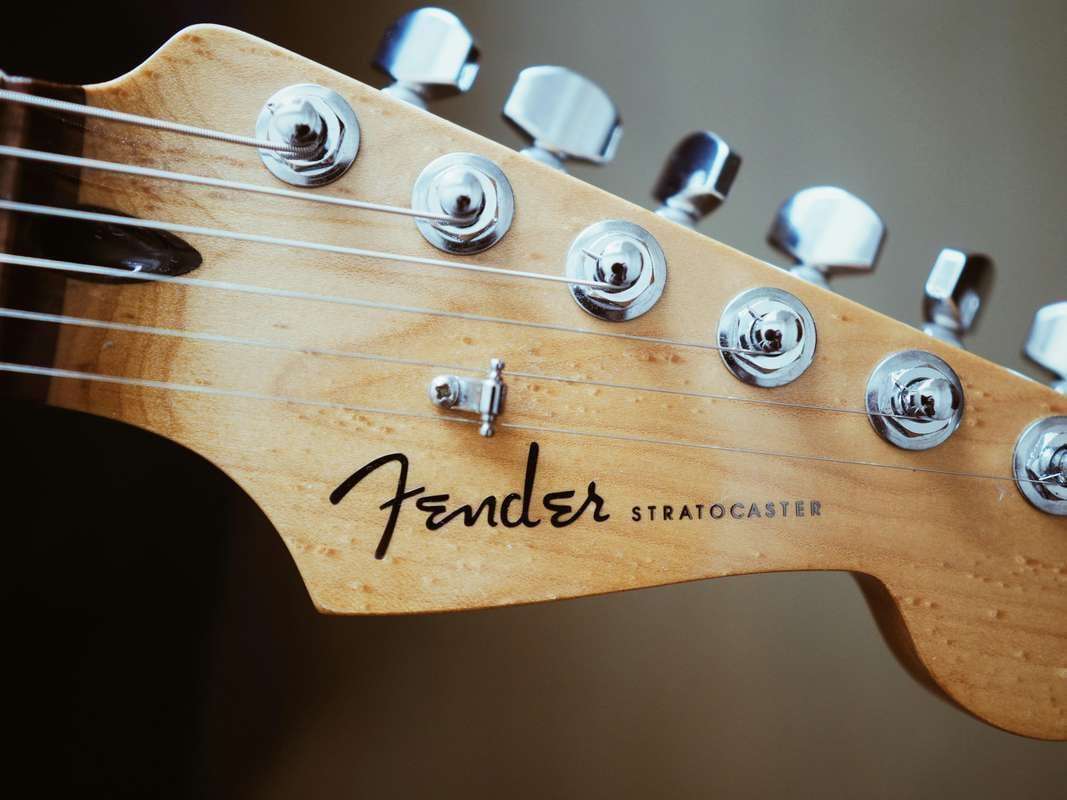
The checks are the same ones experienced buyers run mentally: a price that's too good to be true, a seller who won't answer questions, a serial that doesn't match the claimed year, sloppy decals, rough fretwork, and the brand-specific details — headstock shape and inlays on a Gibson, decal fonts and string trees on a Fender — that copies consistently get wrong.
What the Free Check Can't See
Here's the honest part: a checklist can't look at your guitar. You can answer every question from the listing description and still miss the thing that gives a careful fake away — the slightly wrong logo font in photo three, the headstock angle that only looks off once you've seen a hundred real ones.
That's exactly what the $9 Authenticity Checker is for. Upload the actual listing photos — headstock, body, hardware, serial — and you get specific risk flags on the real guitar, not a generic checklist. If your quick-check came back with red flags, it's the cheapest insurance you'll ever buy. If it came back clean, it's the peace of mind that the photos back it up.
That's exactly what the $9 Authenticity Checker is for. Upload the actual listing photos — headstock, body, hardware, serial — and you get specific risk flags on the real guitar, not a generic checklist. If your quick-check came back with red flags, it's the cheapest insurance you'll ever buy. If it came back clean, it's the peace of mind that the photos back it up.
Want to go deeper? The full guides on telling a fake Fender from a real one, spotting fake Gibsons (Chibsons), and buying a used guitar online without getting scammed walk through every check in detail.
Brand-Specific Versions
Prefer a page tuned to one brand? These run the same free checklist with that brand's family checks pre-selected:
- Fender fake checker — decals, string trees, neck plates, tuners
- Squier fake checker — Classic Vibe counterfeits, logo fonts, serial-vs-label mismatches
- Gibson fake checker — Chibson tells: headstock angle, scarf joints, inlays
- Epiphone fake checker — headstock shape, hardware — without false flags on legit Epiphone details
Before running the checklist, verify the serial number itself with the free guitar serial number lookup — decode any brand instantly to confirm the year and factory, then the checks above catch the fakes that slip through.
Frequently Asked Questions
Is the fake guitar checker really free?
Yes — completely free, and there's no email required. Answer the checklist and you get an instant risk band on the spot. If you want the actual listing photos screened afterwards, the optional $9 Authenticity Checker goes deeper.
How accurate is the quick-check?
It's a structured version of the mental checklist experienced buyers run — so it reliably catches the obvious stuff: absurd pricing, evasive sellers, serial numbers that don't match the claimed year, and visible workmanship problems. What it can't do is see the guitar. Careful fakes pass paper checklists, which is why the result is a risk band, not a verdict — and why the photo screening exists.
Can a checklist prove a guitar is real or fake?
No — and you should be suspicious of any free tool that claims it can. Authenticity is proven by the physical details: logo printing, headstock construction, hardware, routing, and serial stamping. A checklist tells you how hard to look; a photo check does the looking.
What are the most common signs of a fake Fender or Gibson?
The classics: a price far below market, a seller who rushes you, a serial number that's missing or doesn't decode to the claimed year, logo and decal printing errors, and rough fret or finish work. On Gibsons, check the headstock angle and inlay and look for a scarf joint seam — genuine Gibsons don't have one. On Fenders, check the decal font, string tree style, neck plate, and tuner style against the claimed era.
What if I'm not sure about an answer?
Answer "not sure" — it's neutral and never counts against the guitar. If you find yourself answering "not sure" to most questions, that's a sign you're working from too little information: ask the seller for more photos, or get the $9 photo screening where the photos do the talking.
Does it work for brands other than Fender and Gibson?
Yes — choose "Other brand" and you'll get the universal checks, which catch the majority of fake listings for any brand: price, seller behavior, serial problems, hardware quality, logo errors, and workmanship. The brand-specific layers currently cover the Fender and Gibson families, the most-counterfeited guitars on the used market.
I already bought the guitar. Can you still check it?
Yes. The $9 Authenticity Checker works just as well after the fact — photograph the headstock, serial, body, and hardware and upload them. And if the guitar checks out, our free guitar worth calculator will tell you what it's likely worth on the used market.