How Much Is My Guitar Worth? Guitar Valuation Guide
Find out how much your guitar is worth in 2026. Learn the key factors that affect guitar value, where to sell, and how to get an accurate appraisal.
If you've ever picked up a guitar you haven't played in years and wondered "how much is my guitar worth?", you're not alone. It's one of the most common questions guitar owners ask — whether you've inherited an instrument, you're downsizing your collection, or you suspect that dusty case in the attic might be holding something valuable.
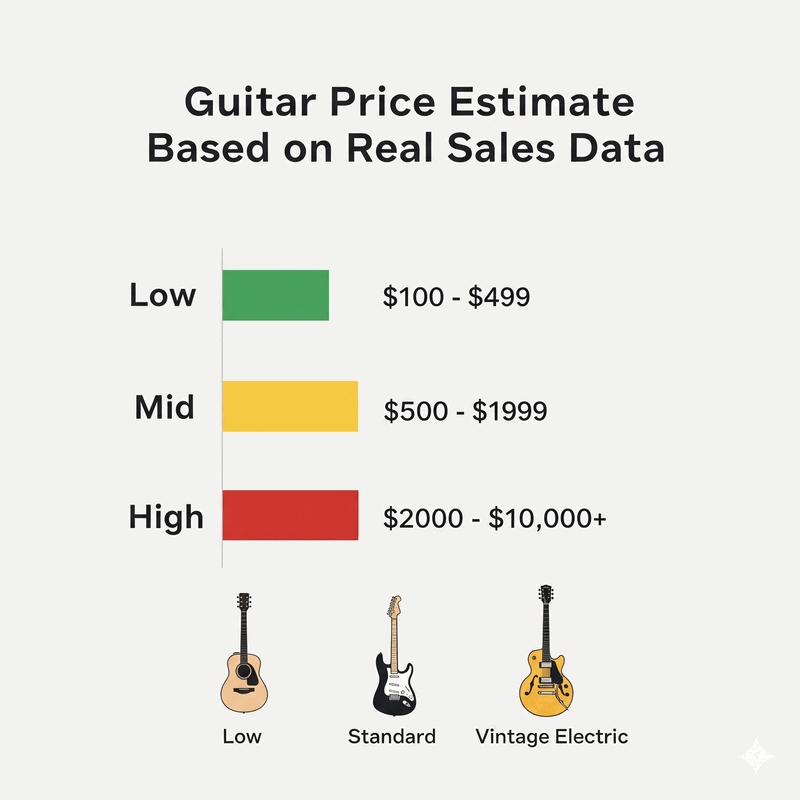
The truth is, guitar values in 2026 vary wildly. A beat-up Squier from the early 2000s might fetch $80, while a pre-CBS Fender Stratocaster in original condition could sell for $30,000 or more. The difference comes down to a handful of key factors that every seller, buyer, and collector should understand.
This guide covers everything you need to know about guitar valuation: what drives a guitar's price, how to identify exactly what you have, where to get an honest appraisal, the best places to sell, and the costly mistakes that destroy resale value. By the end, you'll have a clear picture of what your guitar is worth and the best path to getting fair value for it.
Want a number right now? Try our free guitar worth calculator — answer four quick questions and get an instant used-market value range for your guitar, no email required. Then come back here to learn how to maximize that number.
 Buy on Amazon
What Determines How Much a Guitar Is Worth?
Guitar valuation isn't guesswork — it follows predictable patterns. Whether you're pricing a vintage Les Paul or a modern Mexican-made Telecaster, the same core factors drive the number. Understanding these factors is the difference between selling your guitar for $200 and selling it for $2,000.
Brand and Model
Brand recognition is the single biggest factor in guitar value. Fender, Gibson, and Martin sit at the top of the resale market, commanding higher prices across every price tier. Within those brands, specific models carry more weight — a Stratocaster or Les Paul Standard will always hold value better than an obscure model from the same era.
Beyond the big three, brands like PRS, Rickenbacker, Gretsch, and vintage Japanese makers (Tokai, Greco, Fujigen) have strong collector followings. Budget brands like Squier, Epiphone, and Yamaha hold less absolute value but can still surprise you — a 1980s Japanese-made Squier can be worth more than some modern Fender Player models. For a detailed comparison, see our Fender vs Squier and American vs Mexican Fender guides.
For a deeper look at how specific Fender models hold their value, check out our resale value guide for Fender Jaguars.
Year of Manufacture
Age matters, but not in the way most people assume. A guitar isn't valuable just because it's old. Specific eras command premiums based on manufacturing quality, historical significance, and scarcity.
For Fender guitars, the pre-CBS era (1950–1965) is the holy grail. These instruments were built before corporate ownership changed production methods, and they regularly sell for five figures. CBS-era Fenders (1965–1985) are more divisive — early CBS models still fetch solid prices, while late '70s instruments have historically been less desirable (though they're appreciating as they hit the 50-year mark).
Use our Serial Number Lookup to identify exactly when your guitar was made. Knowing the year is the first step in understanding value.
Condition
Condition is where most sellers either overestimate or underestimate their guitar's worth. The vintage market uses a standard grading scale:
| Condition | Description | Typical Value Impact |
|---|---|---|
| Mint/NOS | Unplayed, original tags, no wear | 100% of market value |
| Excellent | Light play wear, no dings or scratches | 85–95% |
| Very Good | Normal play wear, minor dings, all original | 70–85% |
| Good | Moderate wear, possible minor repairs | 50–70% |
| Fair | Heavy wear, non-original parts, repairs | 30–50% |
| Poor | Major damage, non-functional, parts guitar | 10–30% |
For vintage instruments, honest wear (called "player's wear") is generally accepted and even desired. But cracks, broken headstocks, refinishes, and replaced parts significantly impact value. For modern instruments, condition matters less dramatically — a used Player Stratocaster in "good" vs "excellent" condition might only differ by $50–100.
Originality
All-original guitars command the highest prices, period. For vintage instruments, this means original pickups, tuners, bridge, pots, capacitors, wiring, and finish. Even replacing a single tuner on a 1960s Fender can reduce value by 10–20%.
For modern guitars, originality matters less. Upgraded pickups or hardware on a 2015 Telecaster won't significantly hurt resale value — and in some cases, quality upgrades (like Seymour Duncan pickups or a bone nut) can slightly increase it.
The key question: is the modification reversible? If the original parts were kept and the work can be undone, the impact on value is minimal. Irreversible changes — routed pickup cavities, refinished bodies, shaved necks — permanently reduce value on vintage instruments.
How to Identify Your Guitar and Its Worth
Before you can price your guitar, you need to know exactly what you have. Many sellers leave money on the table because they misidentify their instrument — listing a Japanese-made Fender as a Mexican-made one, or not realizing they have a rare transitional model.
Serial Number Decoding
The serial number is your starting point. It tells you the year of manufacture and often the country of origin — two of the biggest value drivers.
- Fender guitars: Use our Fender Serial Number Lookup — it decodes every Fender serial format from 1950 to present
- Gibson guitars: Use our Gibson Serial Number Lookup for Les Pauls, SGs, ES models, and more
- Squier guitars: Use our Squier Serial Number Lookup to identify your specific series and factory
- Epiphone guitars: Use our Epiphone Serial Number Lookup for production dates and factory info
- Ibanez guitars: Use our Ibanez Serial Number Lookup for RG, JEM, and other models
Serial numbers are typically found on the headstock, neck plate, or inside the neck pocket (visible when the neck is removed).
Reading Neck Dates, Pot Codes, and Body Stamps
Serial numbers tell part of the story, but cross-referencing with other date markers gives you the full picture — especially for vintage instruments where serial numbers can be unreliable.
Neck dates are stamped or written in pencil at the base of the neck (in the neck pocket). On Fender guitars, these typically show the month and year the neck was produced.
Pot codes (the numbers stamped on potentiometers inside the control cavity) reveal the manufacturer and the week/year of production. A pot code of "304-6520" tells you it was made by Stackpole (304) in the 20th week of 1965. The guitar can't be older than its newest component.
Body stamps and pencil marks inside body cavities can confirm production dates and even identify specific workers on the production line.
Spotting Fakes and Reissues
The vintage guitar market has a counterfeiting problem. As prices for original '50s and '60s instruments have climbed into five- and six-figure territory, so have the incentives to fake them.
Red flags to watch for:
- Serial numbers that don't match the guitar's features or era
- Modern screws (Phillips head) on guitars that should have slot-head screws
- Inconsistent aging patterns (neck wear doesn't match body wear)
- Incorrect logos, fonts, or headstock shapes for the claimed era
- Replaced components presented as original
When in doubt, consult a qualified vintage guitar dealer or appraiser before buying or setting a price. For a quick first pass on any used deal, our free fake guitar quick-check walks you through the classic red flags and gives you an instant risk band — and our guide to buying a used guitar online covers the full process from listing to payment.
How to Get Your Guitar Appraised and Valued
Once you know what you have, the next step is getting an accurate valuation. There are several approaches, each with different trade-offs in cost, speed, and accuracy.
Online Price Estimate Services
The fastest way to get a ballpark value is through an online estimate. Our Guitar Price Estimate service delivers a personalized valuation with low, mid, and high price ranges based on your guitar's brand, model, year, condition, and modifications. You'll receive the estimate in your inbox within minutes.
Online estimates are ideal when you need a quick answer before listing your guitar or negotiating a trade. They give you a data-backed starting point so you're not guessing.
Local Guitar Shops and Luthiers
Walking into a reputable guitar shop with your instrument is a solid option, especially for mid-range guitars. Experienced staff can assess condition, identify modifications, and give you a verbal estimate on the spot.
Keep in mind that a shop's offer is not the same as market value. Shops need to make a profit, so they'll typically offer 40–60% of what they expect to sell the guitar for. That said, their selling price estimate is useful market data — it tells you what a knowledgeable buyer considers fair retail value.
Luthiers can be particularly helpful for assessing structural issues (neck angle, fret wear, crack repairs) that significantly impact value but aren't obvious to casual sellers.
Professional Appraisals for Insurance
If you own a vintage or high-value instrument, a formal written appraisal is worth the investment. Professional appraisers provide documented valuations accepted by insurance companies, estate attorneys, and the IRS (for charitable donations).
Expect to pay $50–150 for a professional appraisal. For instruments worth $5,000 or more, this is a small price for accurate documentation. Organizations like the American Society of Appraisers maintain directories of qualified instrument appraisers.
For everyday guitars worth under $2,000, a formal appraisal usually isn't necessary. An online price estimate combined with checking recent sold listings on Reverb gives you enough data to price confidently.
Where to Sell Your Guitar in 2026
Where you sell matters almost as much as what you're selling. Each platform has different audiences, fee structures, and levels of buyer protection. Here's how they compare:
| Platform | Seller Fees | Audience | Speed | Buyer Protection |
|---|---|---|---|---|
| Reverb | 5% + payment processing | Guitar-focused, knowledgeable buyers | Medium | Strong |
| eBay | ~13% total | Massive, general audience | Medium | Strong |
| Facebook Marketplace | 0% (local) | Local, casual buyers | Fast | None |
| Craigslist | 0% | Local, varies widely | Fast | None |
| Guitar Center (trade-in) | N/A (they buy) | Instant cash | Immediate | N/A |
| Local shop consignment | 15–25% | Local players | Slow | Varies |
Online Marketplaces
Reverb is the gold standard for selling guitars online. Buyers on Reverb know guitars, which means your instrument gets seen by people who understand its value. The 5% seller fee is reasonable, and the platform offers strong seller protection. For vintage or specialty instruments, Reverb consistently gets the best prices.
eBay reaches a larger audience but includes more casual buyers who may not understand guitar-specific value factors. Total fees run about 13%. eBay is best for popular, well-known models where the broader audience outweighs the less specialized buyer pool.
Facebook Marketplace is ideal for quick local sales of mid-range guitars. Zero fees and instant communication make it fast, but you'll deal with more lowball offers and no-shows. Always meet in a public place and accept cash or verified payment methods.
If you're selling online and need to ship, our Fender guitar shipping guide covers how to pack and protect your guitar in transit.
Local Guitar Shops and Consignment
Selling to a shop means instant cash but a lower price — typically 40–60% of retail value. Consignment gets you closer to market value but takes longer and involves a 15–25% commission.
Consignment works best for guitars in the $1,000–5,000 range where the shop's local reputation and foot traffic can find the right buyer. For anything under $500, the consignment wait usually isn't worth it.
Guitar Shows and Swap Meets
Guitar shows put you in front of serious buyers and collectors. The downside is table fees, travel costs, and the time commitment. Shows work best when you have multiple instruments to sell or a particularly rare piece that benefits from in-person inspection.
Private Sales
Selling directly to another player — through forums, social media groups, or word of mouth — avoids all platform fees. The trade-off is less buyer protection and a smaller audience. Private sales work best when you're connected to guitar communities and can establish trust.
How to Maximize Your Guitar's Value Before Selling
A little preparation before listing can add hundreds of dollars to your selling price. You don't need to invest heavily — just present your guitar at its best.
Professional Setup and Cleaning
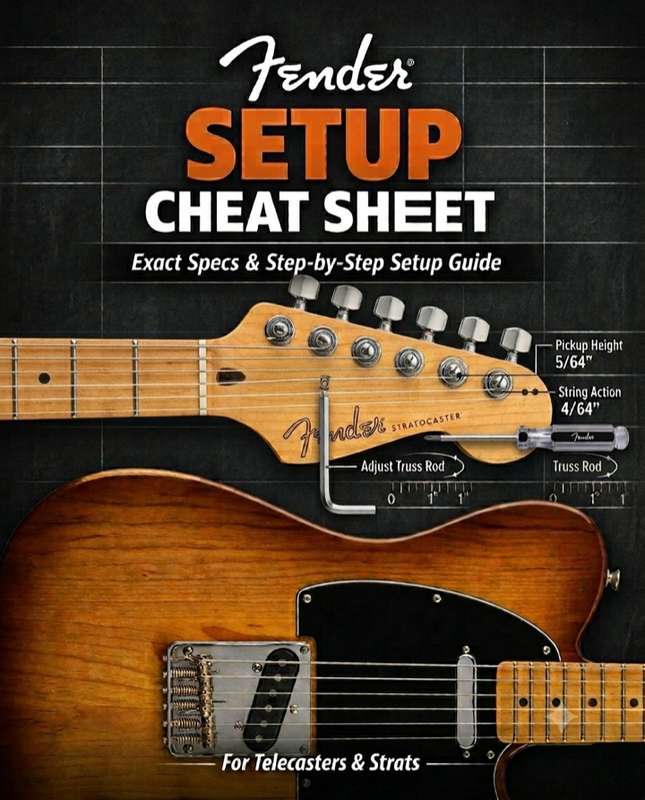
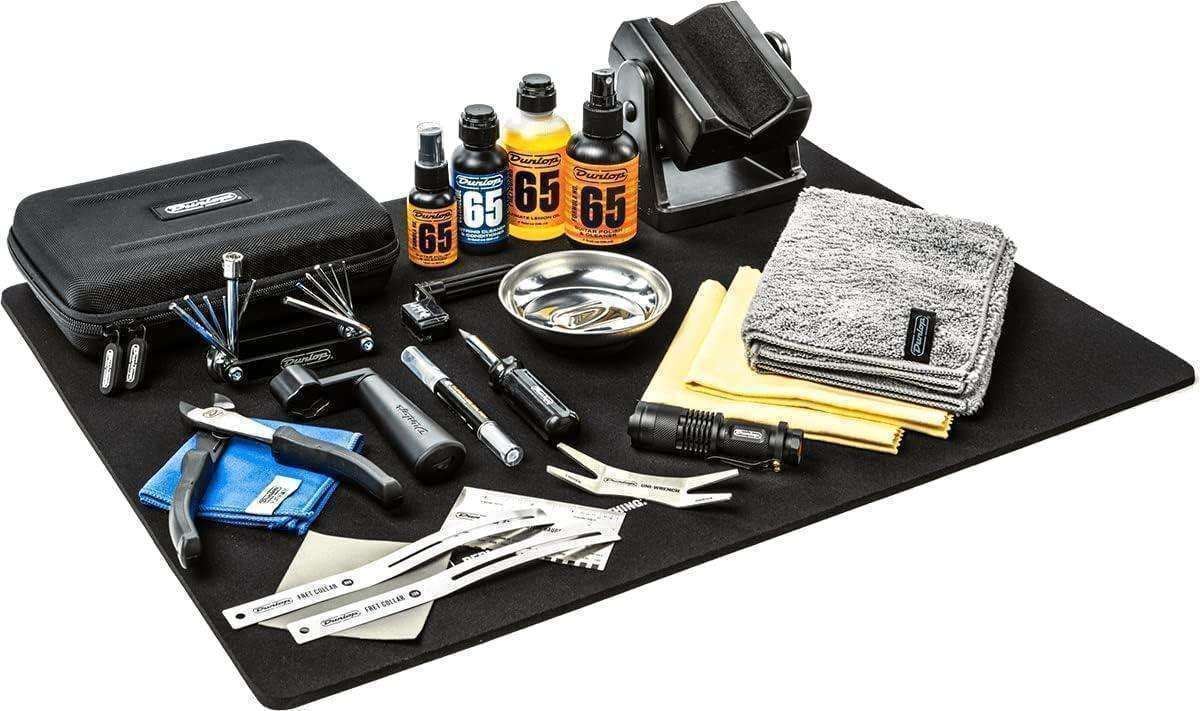
A guitar that plays well sells faster and for more money. A basic setup — adjusting the truss rod, action height, intonation, and pickup height — costs $50–80 at a shop but can add $100–200 in perceived value. Buyers who can pick up a guitar and play it immediately are willing to pay more.
If you prefer to do it yourself, follow our Stratocaster setup guide or Telecaster setup guide for step-by-step instructions. We also have guides for Jazzmaster and Jaguar owners. A fresh set of strings, clean fretboard, and polished body make a strong first impression.
Documentation and Provenance
Gather everything you have: original receipts, case candy (hang tags, warranty cards, tremolo arms), previous owner history, and any repair records. Provenance adds value, especially for vintage instruments. A 1965 Stratocaster with a documented ownership chain and original receipt can command a 10–20% premium over an identical guitar with no history. For a vivid real-world example, see the story of a John Petrucci-owned Ibanez JPM100 P3, where the documented chain of custody is the entire value of the guitar.
If you don't have original documentation, at least provide a clear description of what you know about the guitar's history and any modifications made.
Photography Tips for Listings
Good photos sell guitars. Bad photos make buyers suspicious. Follow these basics:
- Natural lighting — shoot near a window or outdoors in shade, never with flash
- Clean background — a plain wall or guitar stand, not a messy room
- All angles — front, back, headstock (both sides), neck pocket, serial number, any wear or damage
- Close-ups of flaws — dings, scratches, and wear should be clearly shown, not hidden
- Scale reference — include the case if you're selling with one
Transparency builds trust. Buyers who feel confident in what they're getting pay more and are less likely to request returns.
Common Mistakes That Destroy Your Guitar's Resale Value
Knowing what not to do is just as important as knowing what to do. These mistakes cost guitar owners thousands of dollars every year.
Refinishing a vintage guitar. A factory-original finish — even one with significant wear — is almost always worth more than a refinish. A 1960s Fender with heavy honest wear might be worth $15,000. The same guitar with a professional refinish? $8,000. That "improvement" just cost you $7,000.
Making irreversible modifications. Routing a new pickup cavity, drilling extra holes, or shaving a neck profile permanently reduces value on vintage instruments. Always keep original parts if you make changes, and choose reversible modifications when possible.
Improper storage. Extreme temperatures, high humidity, and prolonged exposure to direct sunlight cause warped necks, cracked finishes, and corroded hardware. Store guitars in cases in climate-controlled environments. Acoustic guitars are especially vulnerable — humidity below 40% can crack tops and loosen braces.
Overpricing and sitting on stale listings. A guitar listed at 20% over market value doesn't sell — it just sits. After a few weeks, buyers assume something is wrong with it. Price competitively from the start using data from recent sold listings and professional price estimates. It's better to sell quickly at fair market value than to chase an unrealistic number for months.
Neglecting to research before selling. Walking into a guitar shop without knowing your guitar's value puts you at a disadvantage. Even five minutes of research — checking your serial number, looking at recent Reverb sold prices, and getting a quick online estimate — gives you the leverage to negotiate confidently.
Frequently Asked Questions
How much is a Fender Stratocaster worth?
It depends entirely on the era, condition, and country of origin. A vintage 1960s American Stratocaster in good condition can be worth $15,000–$40,000 or more. A modern American Professional II Stratocaster sells used for $1,100–$1,400. Mexican-made Player Series Stratocasters hold around $400–$600 on the used market, and Squier Stratocasters range from $80–$350 depending on the series.
How much is a vintage guitar worth?
"Vintage" typically means 20+ years old, but value depends on the brand, model, and desirability — not just age. A 1959 Gibson Les Paul Standard is worth $250,000–$500,000, while a 1970s no-name Japanese guitar might be worth $100–$300. Age alone doesn't create value; brand reputation, scarcity, and collector demand do.
How do I find the value of my guitar by serial number?
Start by decoding your serial number to identify the exact year and origin using our Serial Number Lookup tools. Once you know what you have, check recent sold listings on Reverb for comparable instruments. For a personalized valuation, use our Guitar Price Estimate service.
Are old guitars worth more than new ones?
Not always. Specific vintage instruments from desirable eras (pre-CBS Fenders, late '50s Gibsons, pre-war Martins) appreciate significantly. But many older guitars are worth less than their modern equivalents — a 1990s Korean-made Squier is worth less than a new Squier Classic Vibe. Value depends on desirability, not just age.
How much does a guitar appraisal cost?
Online estimates range from free (checking sold comps yourself) to $3–10 for a professional online valuation. In-person appraisals at guitar shops are often free if you're considering selling to them. Formal written appraisals for insurance or estate purposes cost $50–150 and provide documented valuations.
What is the best website to sell a guitar?
Reverb is the best platform for most guitar sales. It has a dedicated guitar-buying audience, reasonable 5% seller fees, and strong buyer/seller protection. For quick local sales of guitars under $500, Facebook Marketplace works well. For rare vintage instruments, Reverb or specialized vintage dealers will get you the best price.
How much value does a guitar lose after purchase?
New guitars typically lose 20–40% of their value immediately after purchase, similar to cars. A $1,500 American Fender might sell used for $1,000–$1,200. The depreciation curve flattens after the first year. Some models — particularly limited editions, discontinued models, and American-made instruments — hold value better than others.
Does a guitar case affect resale value?
Yes. Original hardshell cases add $50–150 in value for modern guitars and even more for vintage instruments. An original 1960s Fender tweed case can add $500+ to a sale. Any case is better than no case for shipping purposes, and listing "includes original case" is a strong selling point.
How much is a Squier guitar worth?
Squier values range widely by series. Bullet and Sonic models sell for $80–$150 used. Affinity Series guitars go for $150–$250. Classic Vibe models — the top of the Squier line — hold $250–$400 used and are considered excellent value. Vintage Japanese-made Squiers (1982–1996) from the JV and SQ series can be worth $500–$1,200 due to their exceptional build quality. Use our Squier Serial Number Lookup to identify your exact model.
Where can I get my guitar valued for free?
You can check recent sold listings on Reverb (filter by "sold" to see actual transaction prices, not asking prices). Guitar forums like The Gear Page and My Les Paul Forum have active communities that can help with valuations. For a fast, data-backed estimate with price ranges, our Guitar Price Estimate service delivers results to your inbox in minutes.
Conclusion
Knowing how much your guitar is worth starts with understanding four things: what you have (brand, model, year), what condition it's in, how original it is, and where the current market sits. Armed with that knowledge, you can price confidently, choose the right selling platform, and avoid the mistakes that cost sellers thousands.
Start by looking up your serial number to identify your guitar's exact year and origin, then run it through our free guitar worth calculator for an instant used-market range. If you're keeping it, track it in your Guitar Garage collection.
Whether you're selling a family heirloom or flipping a pawn shop find, the guitar market in 2026 rewards informed sellers. Do your homework, present your instrument well, and price it fairly — the right buyer is out there.