Used Guitar Buying Checklist: What to Check Before You Buy (UK)
Used guitar buying checklist for the UK market: serial dating, condition checks, price sanity and the setup budget every secondhand buyer needs.
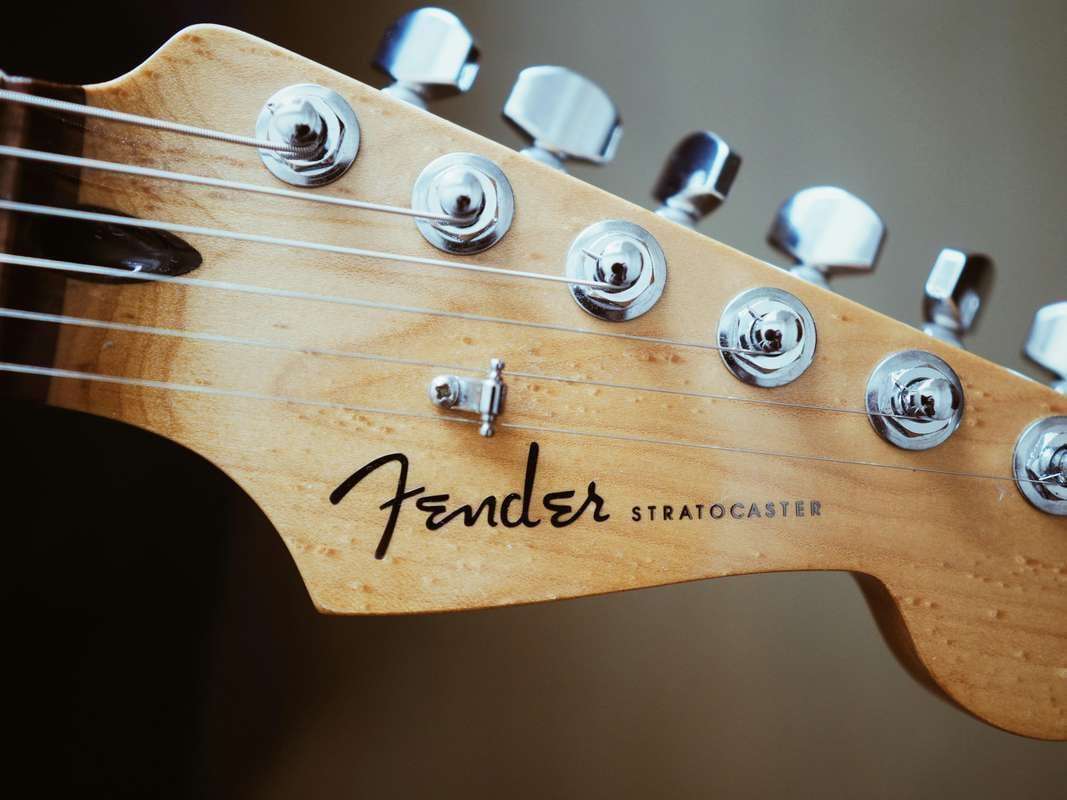 A used guitar is a great buy — if you check the serial, the condition, and the setup before you pay.
Used Guitar Buying Checklist: What to Check Before You Buy (UK)
Buying a used guitar in the UK is a five-minute checklist away from being either a bargain or a money pit. The secondhand market moves through Gumtree, Facebook Marketplace and Reverb UK at speed, and most of the guitars being sold need at least a basic setup before they play their best. A used guitar buying checklist keeps you honest: serial first, condition second, price third, setup budget last.
This guide is written for the UK market — pounds, local platforms, and the made-in-Japan Squiers and Fenders that turn up here far more often than in the US. You will learn what to check before you hand over money, how to spot a relisted problem guitar, and why the £40–80 setup you will probably need should be part of the negotiation, not a surprise afterwards.
Run your target serial through the Fender decoder or the Squier decoder before you even message the seller — the dating step costs thirty seconds and filters half the bad listings instantly.
Why Used Beats New More Often in the UK
A new budget guitar needs a setup out of the box. A used guitar needs a setup out of the listing. The difference is that a used guitar at 40–60% of new price, with a fresh setup, can genuinely play above its price class. Classic Vibe Squiers, Mexican Fenders, and Japanese-era Squiers routinely come up at prices where the previous owner ate the depreciation — and a correct setup closes the gap to guitars costing three times more.
The UK adds two quirks the checklist below accounts for:
- Japanese-era Squiers (JV/SQ, 1982–84) are undervalued by sellers who cannot date them — a genuine JV can be listed at ordinary "vintage Squier" money.
- "Squier by Fender" decals are the most commonly counterfeited — misspelled "Squire" listings are sometimes honest typos and sometimes deliberate bait.
Both are solved in step one below, before you look at anything else.
One more UK reality: most private listings are photographed in a hallway under one light. Photos will not show you a loose jack or a back-bowed neck — only the checklist will. Budget the same five minutes for a mid-range Squier as for a £2,000 US Fender; the process protects you the same way at every price.
And remember what a checklist is for: it is not a reason to be scared of used guitars, it is a reason to buy them with confidence. Most of what you will find (high action, scratchy pots, tired strings) is a £5–40 fix, and sellers who have owned the guitar for years are usually happy to tell you what it needs — if you ask the right questions.
The Checklist: 7 Steps Before You Pay
1. Date and Verify the Serial First
Find the serial on the back of the headstock (or neck plate on 1950s Fenders) and run it through the Fender decoder, Squier decoder, Gibson decoder or the matching brand lookup. Note the letter prefixes — a "S8" US Fender is 1978, a "JV" Squier is 1982–84 Japan, and modern Squiers carry IC/CY/CIS factory codes you will not find in Fender US tables.
For a full era-by-era walkthrough (including the made-in-Japan codes that matter in the UK), the date-your-Fender-or-Squier guide has the tables.
Stop if: the serial era contradicts the decal era, the decal is misspelled, or the seller will not share the serial. Those three are the exit flags.
2. Fretted-Neck Straightness (the 60-Second Test)
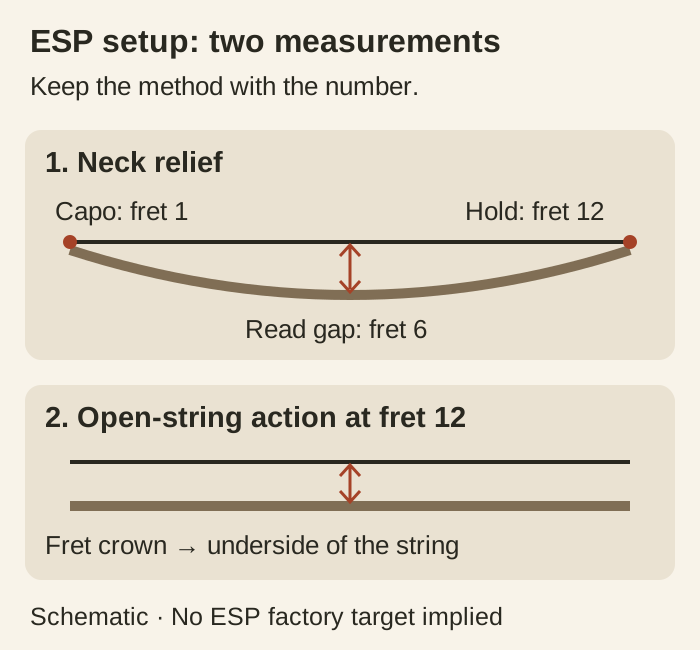
Capo the first fret, fret the last fret, and measure the gap at the 7th–8th fret with a feeler gauge or a business card. A .008"–.012" relief is normal on most electrics. A neck with zero relief or a visible back-bow is a red flag that needs the truss rod checked — seize a seized truss rod out immediately. High action alone is not a dealbreaker; that is a setup issue, not a structural one.
3. Nut, Frets and Fretboard
Run your thumb down both edges of the fretboard — fret ends should feel smooth, not rough or jagged. Look at the first three frets for divots under the strings; heavy wear there is normal on a 10+ year guitar but tells you how much life is left. A chipped or cracked nut is a £10–20 part and fine to negotiate on; a cracked fretboard is not.
4. Electronics: Every Switch, Every Knob
Plug the guitar into an amp and check every position:
- All five (or three) pickup selector positions — no dead spots, no crackle when switching
- Volume and tone sweep smoothly through the full rotation — scratchy pots are fixable, but a volume pot that works backwards or a loose jack at the socket is a wiring fix
- Each pickup produces output; a totally dead pickup is either a coil failure (repairable but a talking point) or a disconnected wire (fifteen-minute fix)
- The input jack: wiggle the cable — a crackle means a loose ground, the single most common used-guitar fault
5. Hardware and Structure
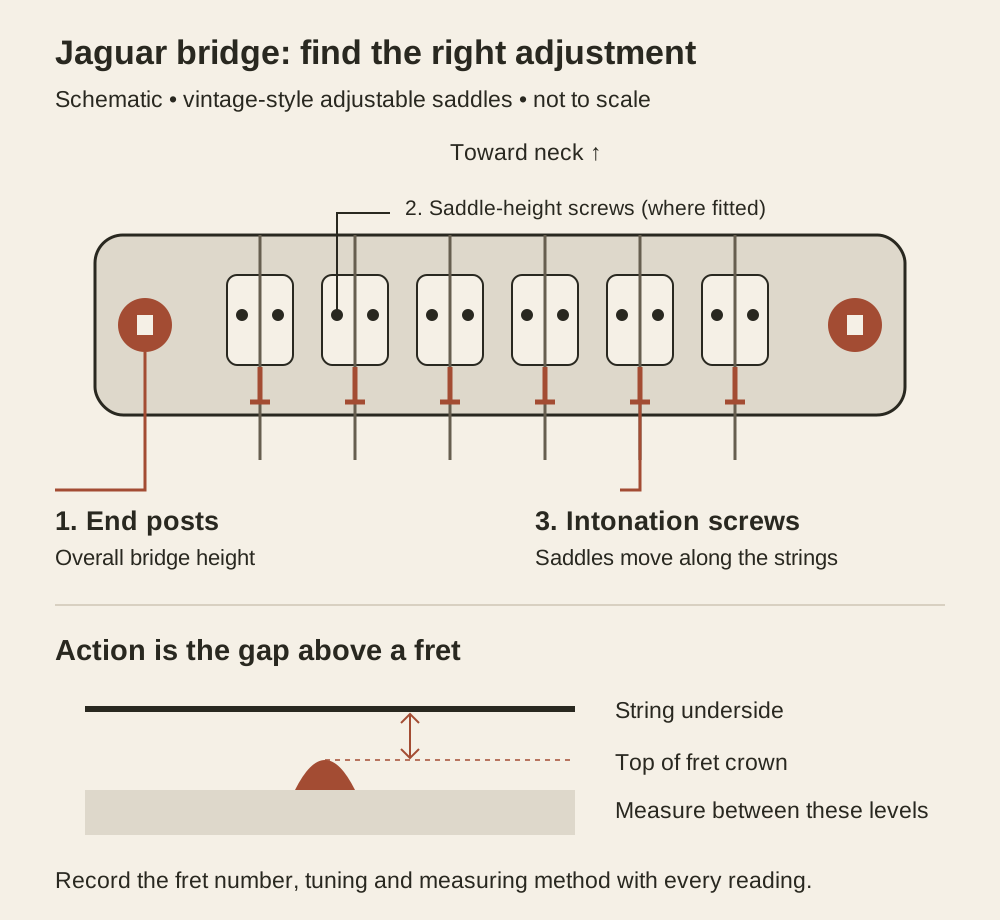
Check the bridge for wear (saddle grooves are normal, a cracked bridge plate is not), the tuners for play, the strap buttons for tightness, and the neck pocket for a visible gap that suggests a reset neck. Ask to take off the neck? Only if you trust the seller — the serial, a decal check and the neck pocket tell you most of what a cavity check would.
6. Price Sanity, the UK Way
Now that you know the year, factory and series, check value in pounds. Three UK-live price sources beat any app:
- The Guitar Price Estimate for a market range by year and model
- Three comparable sold listings this month on Reverb UK and eBay UK (sold, not active — active prices are asking prices)
- Gumtree UK volume listings for the same series
For Squiers specifically: a used Sonic should trade well below a used Classic Vibe; an Affinity sits between. If a seller prices a Japanese-era JV Squier at Affinity money, that is an opportunity — verify the JV prefix and era-consistent decal first.
7. The Setup Budget (negotiate it in)
Every used guitar under £500 should assume £40–80 of setup work: strings, action, relief, sometimes a pickup height pass. Use that to negotiate, or budget it yourself:
- If the seller's price assumes "it just needs a setup," the £40–80 is already priced in — check what that leaves vs the market
- If the guitar plays well as-is, the setup money is a future cost, not a discount
The honest framing: a used guitar + a £50 setup performed at home beats a new guitar at full price almost every time.
The Two UK Traps (and How to Avoid Them)
Japanese-Era Squiers Mislabelled
Gumtree and Marketplace are full of "90s Squier" listings that are actually 1980s JV-era guitars — or the reverse. The JV/SQ prefixes (1982–84, Fuji-Gen) are worth checking twice: a genuine JV Strat sells for multiples of a 2000s Indonesian Affinity. Run the serial, check the decal wording ("Squier by Fender" with period-correct layout), and price it against JV-specific comparables, not generic Squier ones.
"Squire" Decals and Parts Guitars
Misspelled "Squire by Fender" decals are the classic counterfeit tell. Parts guitars are the subtler trap: a genuine 1976 neck on a 2008 body passes a neck-serial check but is not a 1976 Fender. Match the serial era to the neck plate, body cavities (if you can see them) and hardware before you pay vintage money. The how to tell if a Fender is fake guide has the physical checks.
What Kind of Buyer Are You? Match the Guitar
| Your budget | Sweet spot in the UK market | Setup expectation |
|---|---|---|
| Under £200 | Squier Sonic/Affinity, starter Epiphone, HSS Strat copies | Expect a full setup; £40–80 cost often beats anything new at this price |
| £200–450 | Squier Classic Vibe, Mexican Fender, Japanese Squier (buy-by-prefix) | Setup usually worthwhile; negotiate it in |
| £450+ | Mexican/Japanese Fender, Epiphone Pro, PRS SE | Should play well already — a £40 tweak still worth it |
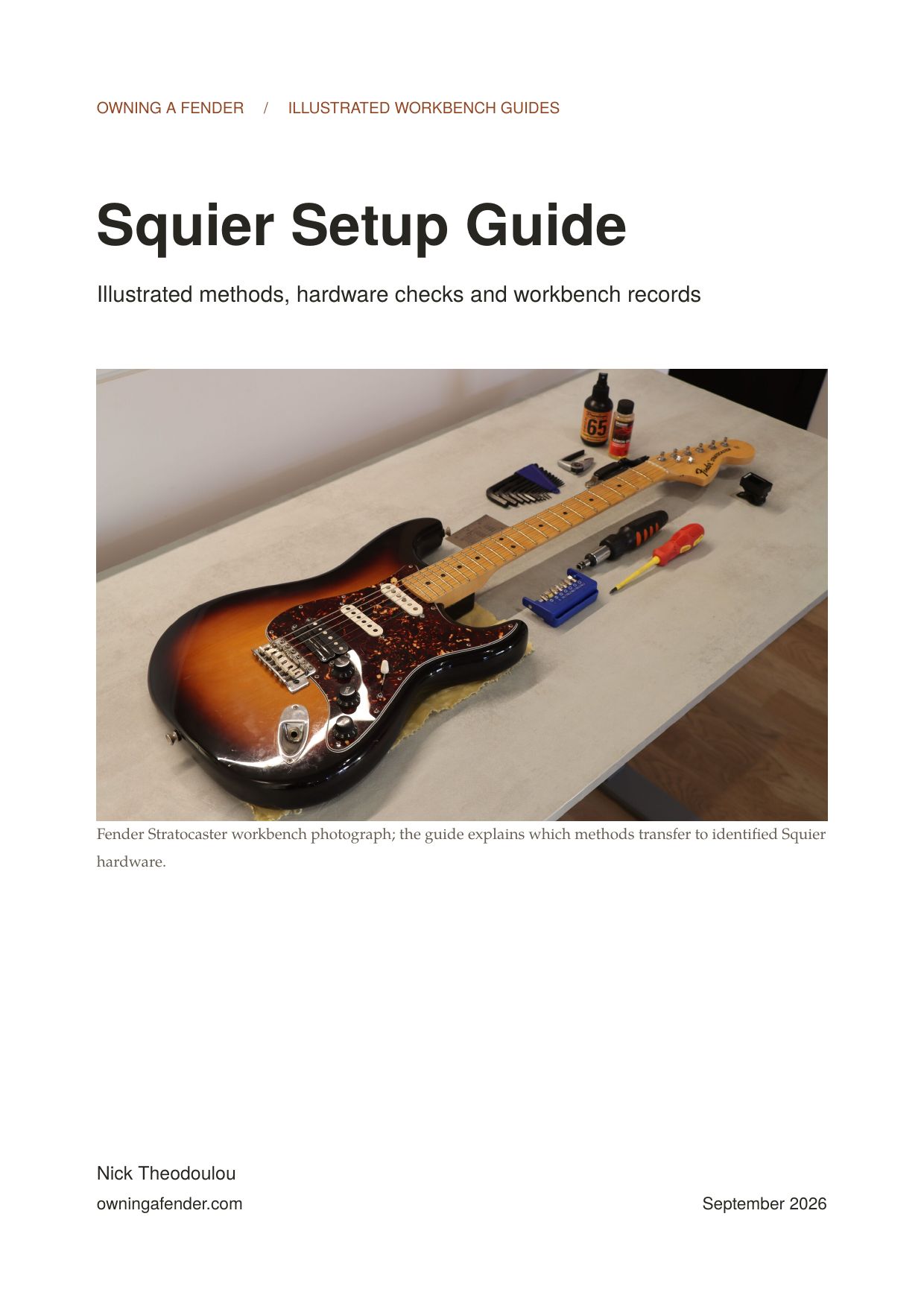
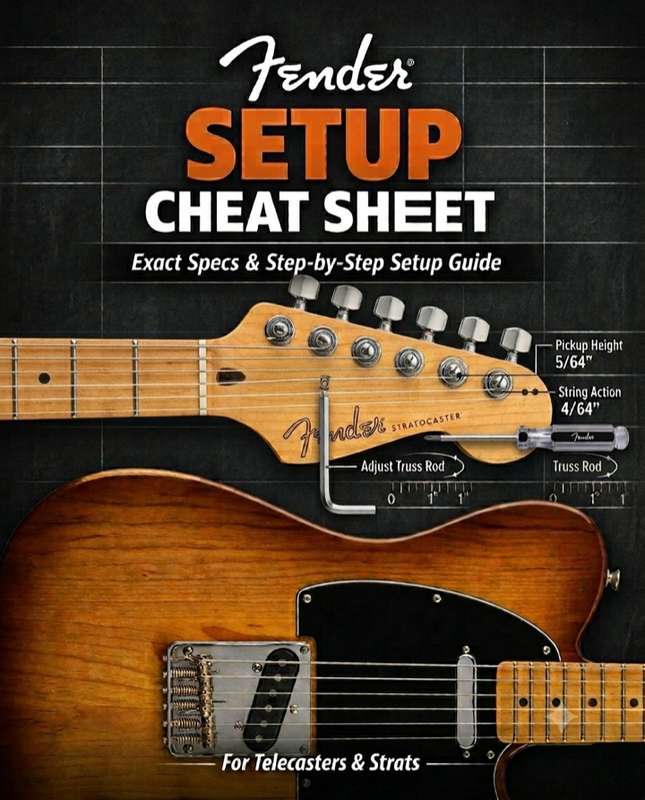
Whatever you buy, a proper setup after purchase is the difference between "as described" and "plays great." The brand setup guides below put the setup specs for each brand's models — action, relief, pickup heights, intonation — on one printable card, no shop waiting list required. Start with the Fender Setup Guide if it is a Fender-family guitar, the Squier Setup Guide for Squiers, or the Gibson Setup Guide and Acoustic Setup Guide for those brands.
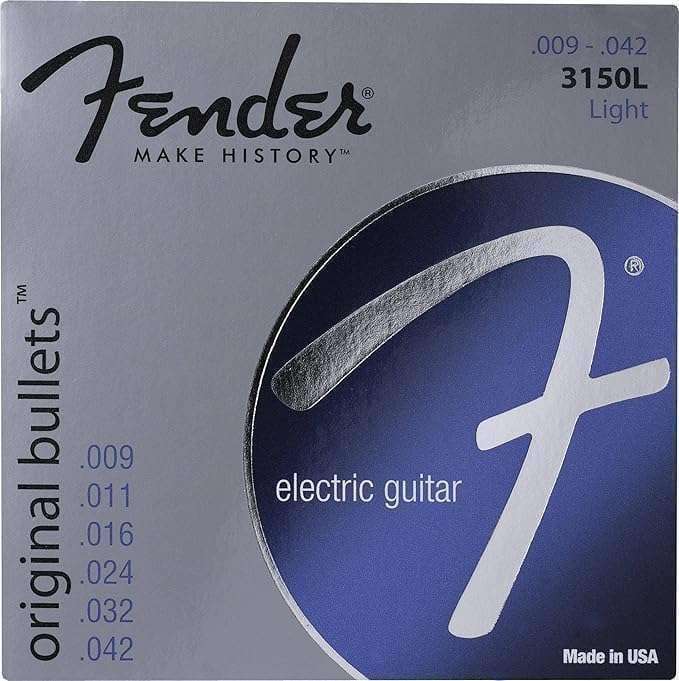
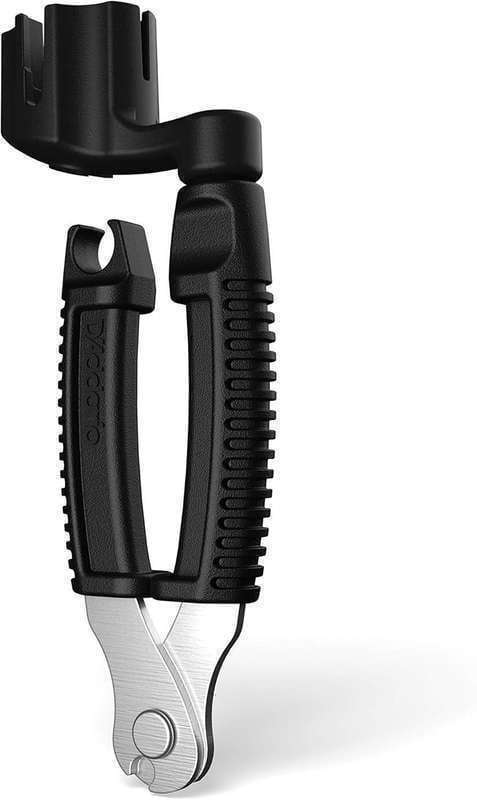
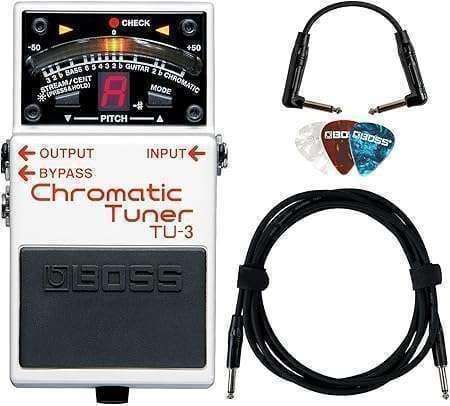
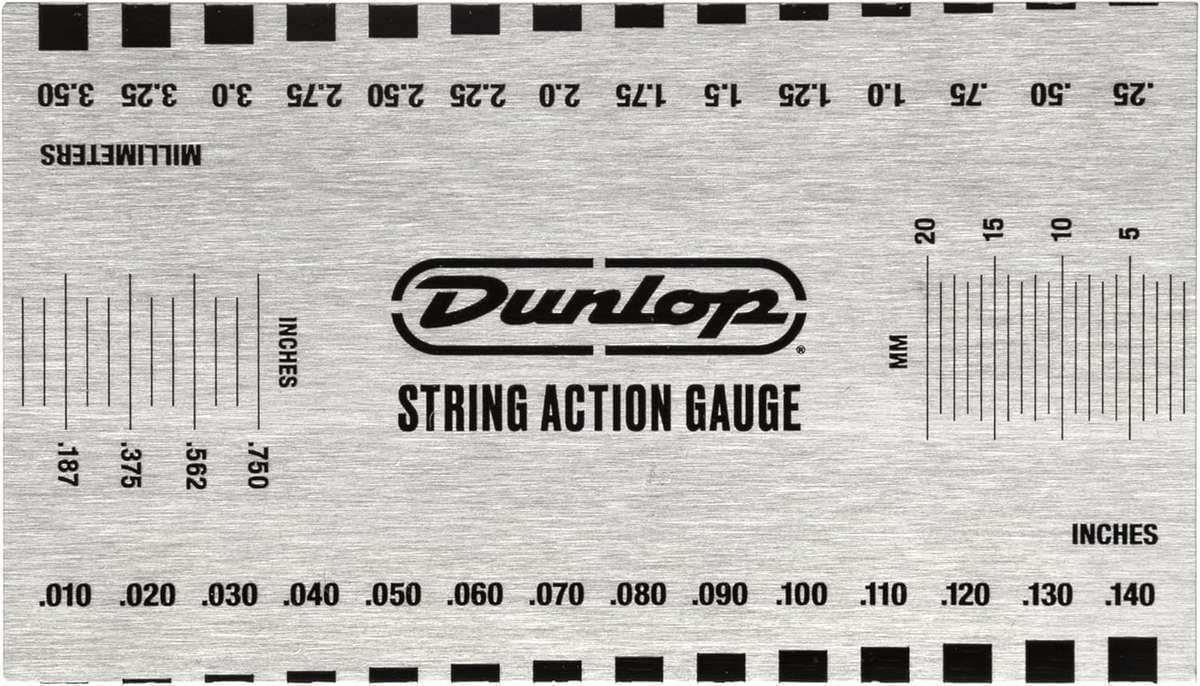
Buying used also means buying the strings and setup tools that will follow. A fresh string set and the basics make most used guitars feel new:
Strings for Your New (Used) Guitar
 Buy on Amazon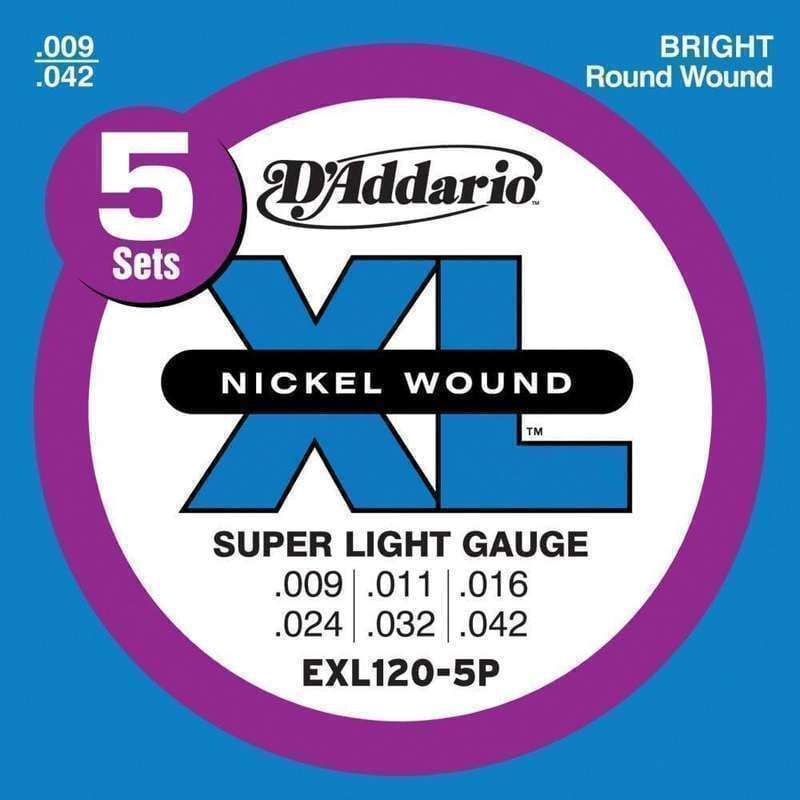
Setup Essentials
Questions to Ask a Private Seller (UK)
The right questions do more than the checklist on a relisted guitar. Adapt these to the platform:
- "Can you send the serial number?" — the single most valuable question. A seller who refuses is a seller to skip, no matter how good the photos look.
- "Has it had a setup or strings in the last year?" — frames the £40–80 budget you will need and tells you whether the seller is honest about condition.
- "Any neck issues, electronics issues, or cracks?" — the three categories that actually devalue a guitar. Listen for hesitation on the neck.
- "Why are you selling?" — "upgrading" and "not playing it" are reassuring; "the action is too high" means the seller gave up on a setup problem you can fix for £5 of strings and an hour.
- "Can we meet somewhere with an amp?" — test the electronics in person if you can; Marketplace barn doors are a gamble otherwise.
Never pay a deposit to "hold" a guitar from a private seller — the UK used market's deposit-scam pattern repeats every month on Gumtree and Marketplace. Buy in person, or via Reverb UK's buyer protection, or not at all.
The Tells of a Relisted Problem Guitar
Some listings are the third attempt at selling the same problem guitar. The signs:
- Recycled photos with a new background — the same first-fret wear visible across listings at different prices
- "Set up by a local tech" claims with no evidence — genuine setups come with a receipt or an obviously fresh setup; claims alone are marketing
- The action photo — sellers who photograph the action close-up are usually showing you a problem, not a feature
- "Owned by my son's band" — the honest high-wear variant, usually priced accordingly
Cross-reference the seller's other listings. A seller with three identical "vintage Strat" listings is running a volume business; apply the checklist twice over.
Frequently Asked Questions
What should I check when buying a used electric guitar?
Work the checklist in order: serial date/verify first, then neck relief, frets, nut, every electronics position, bridge and tuners, then UK price sanity and a £40–80 setup budget. The serial step filters half the bad listings before the guitar is even in your hands.
Are Squier guitars good for beginners UK?
Yes — used Squiers are the best value first electric guitar in the UK market, especially Classic Vibe (better components) and Affinity (budget). A used Squier plus a £50 setup plays above its price class; the Squier Setup Guide covers all four current series.
How much should I spend on a used guitar?
Match the budget tiers above: under £200 for a starter Squier, £200–450 for Classic Vibe / Mexican Fender / Japanese Squier, £450+ for Japanese Fender and PRS SE territory. Always cross-check against the Guitar Price Estimate and three recent sold listings.
Is a used guitar with a truss rod problem worth buying?
A seized or stripped truss rod is a hard no — it usually means a neck replacement. An adjustable truss rod that simply needs a turn is a setup issue, not a defect; it is exactly the kind of thing to negotiate on.
How do I know a used Squier is genuine?
Check the serial with the Squier decoder, confirm the decal says "Squier by Fender" spelled correctly and era-appropriately, and match the series expectations. The most common counterfeits misspell it "Squire" or reprint modern decals on old bodies.
What is a fair price for a used Squier in the UK?
A used Sonic tends to trade at roughly half new; Affinity a little less than new; Classic Vibe holds closest to new. Japanese-era JV/SQ Squiers are a separate, higher tier entirely — serial-verify before pricing. Use three recent sold listings on Reverb UK/eBay UK plus Gumtree volume for your area.
Do I need to get a used guitar professionally set up?
Not necessarily — a £40–80 shop setup is the alternative to doing it yourself with a guide. The Fender Setup Guide (or brand-matched guide) walks the factory specs onto one printable card; if you are not comfortable with the truss rod, at least do strings, action and pickup heights.
What are the best UK sites for buying used guitars?
Gumtree and Facebook Marketplace for local deals (check the seller's other listings), Reverb UK for condition-graded guitars with buyer protection, and eBay UK for auctions and unusual finds. Run the checklist regardless of platform — the listing quality varies more than the guitars.
Why are Japanese Squiers so expensive secondhand UK?
Genuine JV/SQ-era Squiers (1982–84, Fuji-Gen) are the collector tier: better than the "budget Squier" reputation, increasingly rare in the UK, and sought after by players who know the prefix system. If the seller cannot show the prefix, assume it is not a JV.
Should I buy a used guitar with a broken pickup?
A dead pickup is usually a £5–15 wiring fix rather than a failed pickup — but treat it as a negotiation point either way, and test every pickup and switch position before you pay.
Bottom Line: Check the List, Then Set It Up
A used guitar buying checklist is decision hygiene: it turns a "looks fine in photos" gamble into a checkable process, and it gives you the language to negotiate on the fixes that every used guitar needs. Serial first, condition second, price third, setup budget fourth — in that order, in every market, but especially the UK one.
When the guitar passes the list, the best move is a fresh setup — either at a shop (£40–80) or at home with exact specs. The Guitar Price Estimate can re-value your new guitar once it is in your hands, and the brand guides below turn the setup into a one-card job.