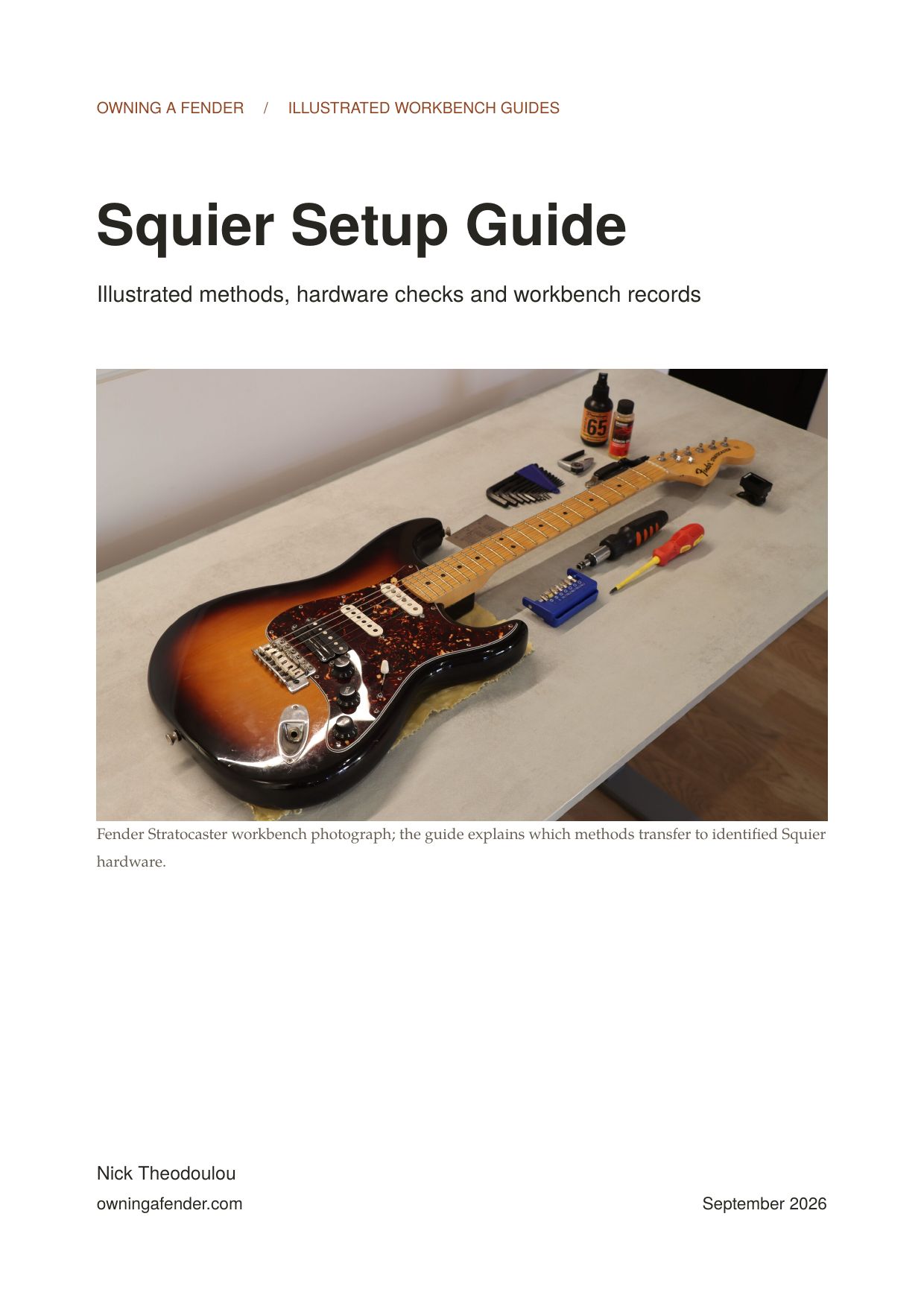
Fender Serial Number Lookup UK: Date Any Fender or Squier
Fender serial number lookup UK guide: decode any Fender or Squier by serial — US, Japan, Mexico and China — with the UK secondhand buying shortcuts.
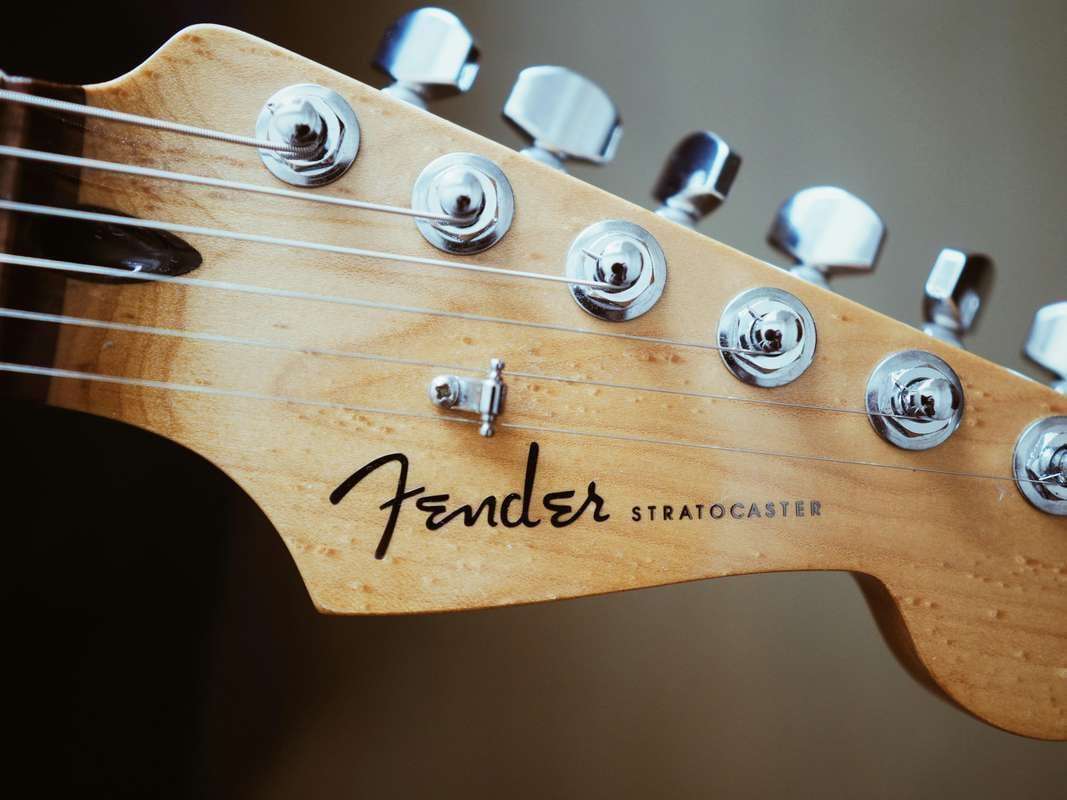 Where the serial lives: usually the back of the headstock on a Stratocaster or Telecaster.
Fender Serial Number Lookup UK: Date Any Fender or Squier
A Fender serial number lookup is the single fastest way to know what you are actually holding — how old the guitar is, where it was built, and whether the price tag makes sense. In the UK secondhand market, where Gumtree, Facebook Marketplace and Reverb UK move a huge number of Fenders and Squiers every week, that piece of knowledge separates a smart buy from an expensive guess.
This guide walks you through decoding Fender's serial systems from the 1950s to today, covering American, Mexican, Japanese, Chinese and Indonesian production. You will learn where the number hides on each model, how to read the letter prefixes that date a guitar, and how to spot the reissues, fakes and parts-guitars that trip up buyers.
If you already have the number in front of you, run it through the free Fender serial number decoder — it stamps year, factory and series in seconds. The decoder is the fastest route for 90% of guitars, and this guide is the reference for the other 10% and for anything the decoder flags as unusual.
Why Dating a Fender Matters (Especially in the UK)
The UK secondhand Fender market is unusual in two ways. First, it is dominated by made-in-Japan instruments from the 1980s and early 1990s — the JV-era Squiers and the Fender Japan models that British dealers imported heavily. Those guitars have their own serial conventions, and sellers often mislabel them because a genuine JV Squier is worth several times a later Indonesian one.
Second, UK buyers pay in pounds, and the used market tracks US prices with a lag. Checking the serial before you buy is what stops you paying "Crafted in Japan" money for a "Squier Series" guitar from China. Run the Squier serial decoder on any Squier before offering a price.
The wider point: a serial number nails the when and the where, and those two facts drive the value, the pickups you can expect, and even the neck profile. Every serious UK Fender buyer runs a serial check first, then a condition check, then a setup.
What a Serial Number Does and Does Not Tell You
A serial identifies the production run — year and factory. It does not guarantee originality: necks and bodies get swapped, decals get reprinted, and "partsocasters" are common. Treat the serial as the first filter, not the last word. For authenticity checks on older or high-end Fenders, the how to tell if a Fender is fake guide covers the physical tells that numbers cannot.
Where the Serial Number Lives (Model by Model)
The number's location shifts with the model and era, so check the obvious spots before assuming the guitar has no serial at all.
- Stratocaster and Telecaster (US since 1954, Mexico since 1990): back of the headstock, usually low and printed in black. Early 1950s Stratocasters stamped the neck plate between the strap buttons — if a 1950s guitar has no neck-plate number, it may be a 1954 transition piece or a reissued decal.
- Jazzmaster, Jaguar and offsets: back of the headstock on almost all of them. Some 1960s Jazzmasters also carried a neck-plate number.
- Precision and Jazz Basses: back of the headstock; 1950s Precision basses stamped the neck plate.
- Squier (all series): the back of the headstock is standard from the JV era (1982) to today, with the series name ("Squier by Fender", "Crafted in Japan", "Sonic") screen-printed above or below the number.
- Fender Acoustics (and the Starcaster): inside the soundhole on the neck block.
If you find a neck stamped "Fender" with no serial at all and the guitar predates 1954, that is normal. If it is a modern guitar with no serial, be suspicious — it may have a replacement neck or a counterfeit decal.
HowTo: Reading the Number Without Damaging the Guitar
- Hold the guitar neck-up with good light.
- Wipe the headstock back with a dry microfibre cloth (never a solvent).
- Photograph the serial with your phone — zoom in; if digits are faint, angle the light across the stamp.
- Note the full string including letters ("E9" or "MQ" prefixes matter) plus any "Made in..." text on the headstock.
- Optional for Japan-era guitars: check the neck heel and the neck cavity for stamped month codes (they are not serials but confirm the year).
- Run the result through the Fender decoder or match it to the tables below.
Keep a photo of the serial in the guitar's record — it is the single most useful reference for insurance, resale and setup records.
Decoding Fender by Era (American Production)
Fender's US serial system is mostly chronological, with a few twists that confuse buyers:
| Era | Format | How to read it |
|---|---|---|
| 1950–1954 | Neck-plate number, 4–5 digits (no prefix) | Lowest numbers = 1950; roughly 6,000/9,000 per year into 1954 |
| 1954–1976 | Plain 4–6 digits stamped on the neck plate or headstock | Counting from ~8,000 in 1954 to ~5,000,000 in mid-1976 — the classic "count your way to a year" system |
| 1976–1991 | Letter prefix + 5 digits (e.g. S6 for 1976, E7 for 1987) | The first letter is the decade (S=70s, E=80s, N=90s), the digit afterward is the year within it. S9 = 1979, E0 = 1980, E8 = 1988 |
| 1990s | N, then later MN/MZ (Mexican) and CN (Corona) prefixes | N0–N3 (1990–93), then factory codes: MN/MZ = Ensenada, CN = Corona, FN = Fuji-Gen (Japan) |
| 2000s | MN + two digits (e.g. MN10 = 2010 Mexican-made) | The digits after the factory code are the year: MZ1 = 2001, MN7 = 2007 |
The 1976 letter-prefix change is the one most UK buyers quote wrong. A "S8" is 1978, not 1988 — the digit after S counts upward within the 1970s, and 1988 is a separate E-series guitar. Writing the full prefix down is what makes the tables useful.
The 1990–1994 "No Letter" Anomaly
Between about 1990 and 1994, many US Fenders carried plain six-digit numbers again (e.g. 096481) with no prefix. These are genuine Corona guitars from the decade's messy transition. If a seller claims a prefix-less 1990s Fender is a 1960s original, the digit count and the tuners will tell you otherwise — 1990s guitars have six digits, 1960s ones have four to five.
Made in Japan, Squier, and the UK's Favourite Import Era
Japan-made Fenders and Squiers follow their own codes, and they matter disproportionately in the UK:
- JV Series (1982–1984): the first Squiers, made by Fuji-Gen with a "JV" prefix (JV0xxxx). Genuine JVs have a specific "Squier by Fender" decal, spring-claw and 2-bolt neck plate details, and are the most sought-after budget collectibles. Prices in the UK run three to six times an equivalent Indonesian Squier.
- SQ Series (1983–1984): a rarer parallel prefix (SQ or "Squier by Fender JV/SQ") — often confused with JV. The distinguishing feature is the decal wording and the serial prefix letters.
- E-series (Japanese, 1984–1987): E-prefix Fender Japan guitars (E4–E7) predate the US letter system and are Japanese-made.
- A, B, C series (1982–1990 era, Japan): Fuji-Gen used A/B/C prefixes before the letter+number system aligned.
- Crafted in Japan (1990s): the "made in Japan" decal was replaced by "Crafted in Japan" around 1997; serials moved to a 9-digit number with a leading digit indicating year ("7" = 1997–2000 era).
- Modern (2015+): Japan Factory (Fuji-Gen) uses a 9–10 digit number stamped at the back of the headstock; the year is not always obvious, so the decoder's Japan branch is the reliable route.
For Squier specifically, the series breakdown is the fastest summary:
| Squier series | Era | Serial tells |
|---|---|---|
| JV / SQ | 1982–84, Japan | JV / SQ prefix — the collectibles |
| Pro Tone | 1988–1994, Japan | Made by Fuji-Gen, letter codes |
| Affinity successors | 2002+, Indonesia | SI/SIN/IC prefix by year |
| Standard / Vintage Modified | 2000s, China/Indonesia | CN/CY/IC prefixes |
| Sonic / Affinity / Classic Vibe / Contemporary | 2019+, China/Indonesia | IC/CC/CY/CIS prefixes by factory and year |
The Squier serial number decoder handles the modern Squier prefixes — including the "China" and "Indonesia" factory letters — in one lookup, which is the fastest way through this layer for any 2000s or later Squier.
Common Confusions (and the Typos That Ruin a Search)
Three mistakes come up constantly in UK forums and listings:
- "Squire" vs "Squier" — the correct spelling is Squier (S-Q-U-I-E-R). Searching "squire serial number" pulls the wrong results and a surprising number of fakes are listed under the misspelling on purpose.
- Reissues wear reissue decals — a 1980s "Fender Stratocaster reissue" (RI prefix) is not a 1980 original. The serial decal style changed with the product line; matching the decal era to the serial era is part of the read.
- Parts guitars — a genuine 1976 neck on a 2008 body "checks out" on the neck serial but the total isn't a 1976 Fender. Always check the neck plate, body cavities and pickups against the claimed era.
When a listing feels off, the physical checks beat the serial every time — see the fake-detection guide.
What to Do After You Date It: Check Value and Set It Up
Once the serial tells you the year and factory, the next two moves are value and playability. For a value read, plug the details into the Guitar Price Estimate — it returns a market range for the exact year and model, which is the second half of a UK secondhand sanity check. For every used Fender that passes the checks, budget for a fresh setup: used guitars have usually drifted from factory spec.
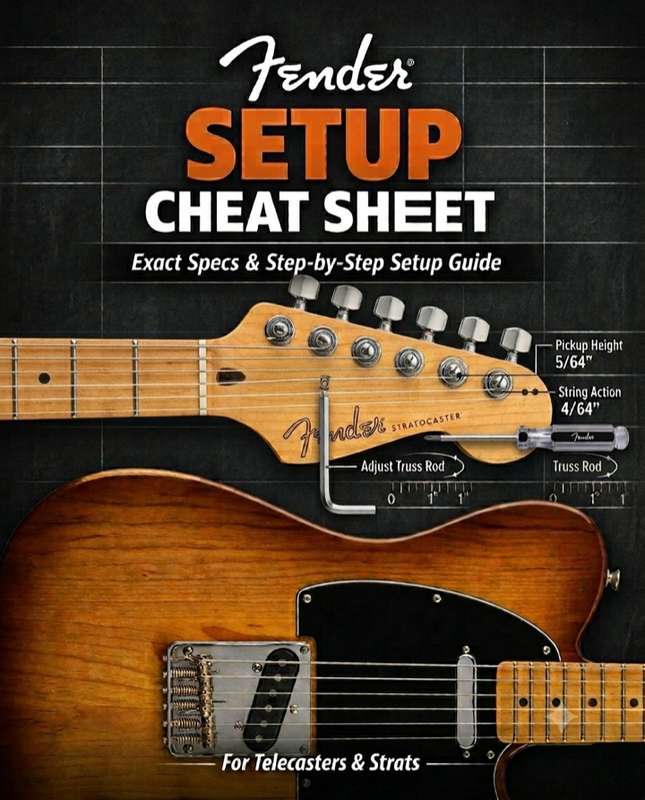
That is where the setup guides come in. The Fender Setup Guide covers action, neck relief, intonation and pickup height with factory numbers for Strat, Tele, Jazzmaster, Jaguar and Mustang — the same adjustments a £50–100 UK tech would make, minus the waiting list. For Squier owners, the Squier Setup Guide has the series-specific specs (Sonic, Affinity, Classic Vibe, Contemporary) plus the ceramic-vs-alnico pickup heights that differ from Fender's.
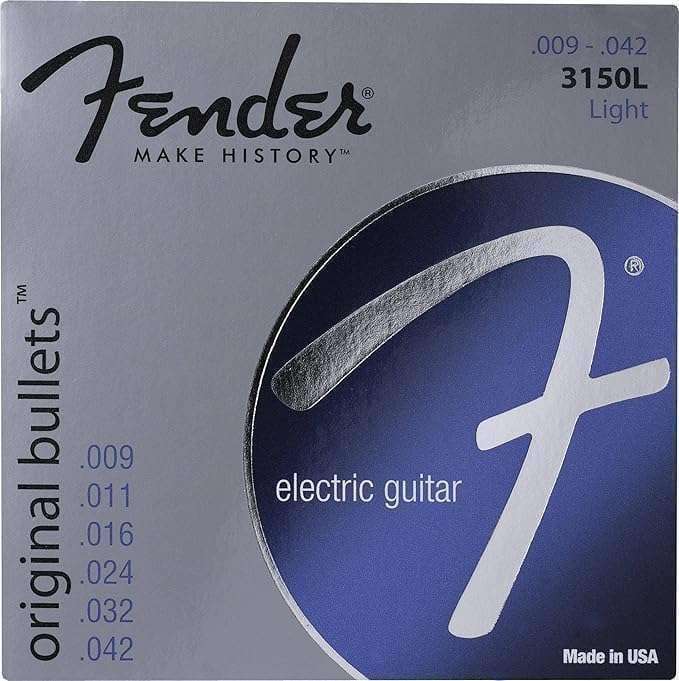
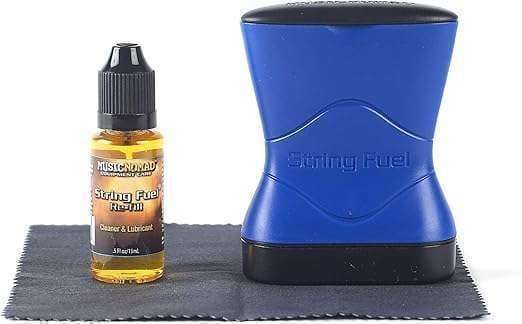
A full string change with a setup makes most used guitars feel new. These are the parts a solid at-home setup starts with:
Strings for a Fresh Setup
 Buy on Amazon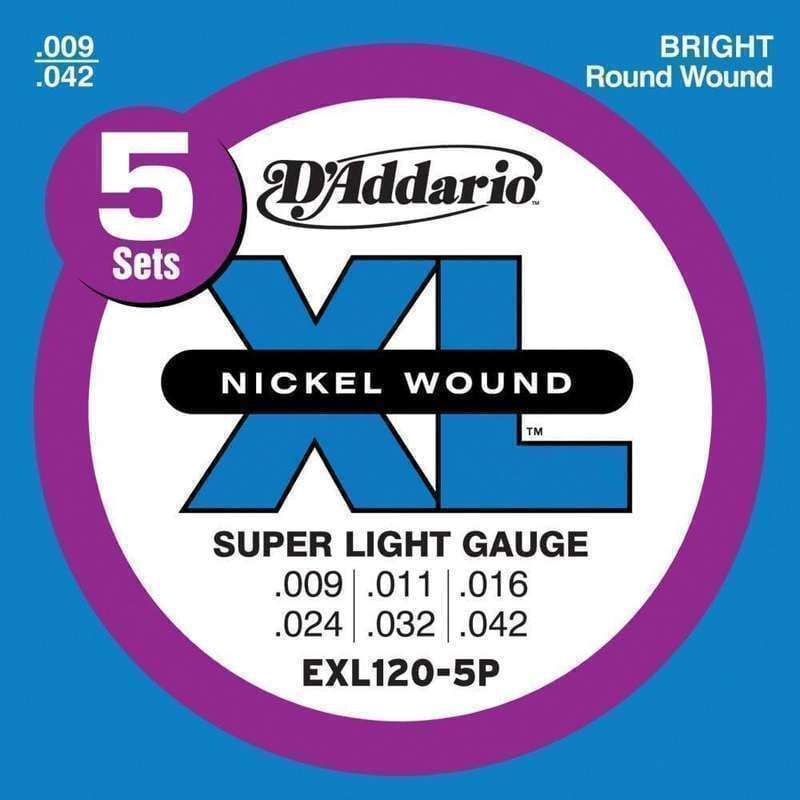
Setup Essentials
A Quick UK Secondhand Walkthrough
Put it together in five minutes, in this order:
- Decode the serial with the Fender decoder or Squier decoder — year, factory, series.
- Check the decal era against the tables above; for JV-era Japanese Squiers, verify the prefix before believing the price.
- Scan for fakes with the physical checks in the detection guide — headstock shape, decal printing, tuner brand.
- Value it with the Guitar Price Estimate, then cross-reference three live Gumtree/Facebook/Reverb UK listings of the same year and series.
- Budget the setup — most used guitars need £40–80 of work (strings, action, relief). Consider that against the guide price, or do it yourself with the setup guides below.
That order catches the three UK failure modes in one pass: Japanese-era mislabelling, counterfeit "Squier by Fender" decals, and over-paying for a guitar that will need a setup the moment you get it home.
Frequently Asked Questions
How do I date a Fender by serial number in the UK?
Find the serial on the back of the headstock (or the 1950s neck plate), note the full prefix and digits, then run it through the Fender decoder or match the prefix letter to the decade tables above. US Fenders use letter-year codes after 1976; Japanese and Mexican factories use factory-code prefixes.
What do the letters on a Fender serial number mean?
The first letter is the decade code for US guitars (S = 1970s, E = 1980s, N = 1990s) followed by a digit for the year within the decade. Factory codes include CN (Corona), MN/MZ (Mexico/Ensenada), FN and F-codes (Japan), and IC/CY/CIS (modern Squier China/Indonesia).
Is a Fender serial number unique to one guitar?
Serial numbers are unique per factory run for US instruments, but the same number can reappear across factories or decades. Use the serial with the decal, hardware and body stamps to confirm originality. The number alone does not prove authenticity.
Why is my Squier serial not coming up in a US Fender decoder?
Modern Squiers use different factory prefixes (IC, CY, CIS, IC for China/Indonesia) and were never part of the US serial sequence. Use the Squier serial number decoder instead, or check the series table above.
Are JV Squiers worth more than modern ones?
Yes — genuine JV-series Squiers (1982–84, Fuji-Gen) are the collector's tier of Squier and sell for multiples of modern Chinese or Indonesian models in the UK. Verify the JV prefix and the era-accurate decal before paying a premium.
My Fender has no serial number — is it fake?
Not necessarily. Pre-1954 Fenders had no standardized serials, and some transitional models continued without them. For any later guitar, a missing serial plus a modern decal is a red flag — check the fake-detection guide.
What does "Crafted in Japan" mean on a Squier?
It means the guitar was made in Japan (Fuji-Gen) in the 1990s-era line-up, after the JV/SQ decades. Those guitars still out-value most modern imports and carry 9-digit serials whose leading digit can indicate the year.
Can a serial number tell me the pickup type?
Indirectly — the year and factory tell you the era's standard spec, but pickups get swapped. Remove a pickup to read the sticker or stamp for a definitive answer.
How much is my dated Fender worth?
Run the year, model and condition through the Guitar Price Estimate for a market range, then sanity-check against live UK listings. Serial dating is step one; value is step two.
I found a Fender "Squire" — is it real?
The brand is spelled Squier. Listings and decals reading "Squire" are either misspelled or counterfeit — verify with the authenticity guide before buying, especially on "Squire by Fender" decals.
Bottom Line: Date It, Then Set It Up
A Fender serial number lookup answers the two questions that drive every UK secondhand decision: which year, and which factory. Start with the Fender decoder or the Squier decoder, cross-check the era tables above and the fake-detection guide, then use the Guitar Price Estimate before you hand over money.
If you have just bought (or are about to buy) a Fender or Squier, the last step is a proper setup. The guides below walk the exact factory specs onto one printable card — no guesswork, and no £50–100 waiting list.