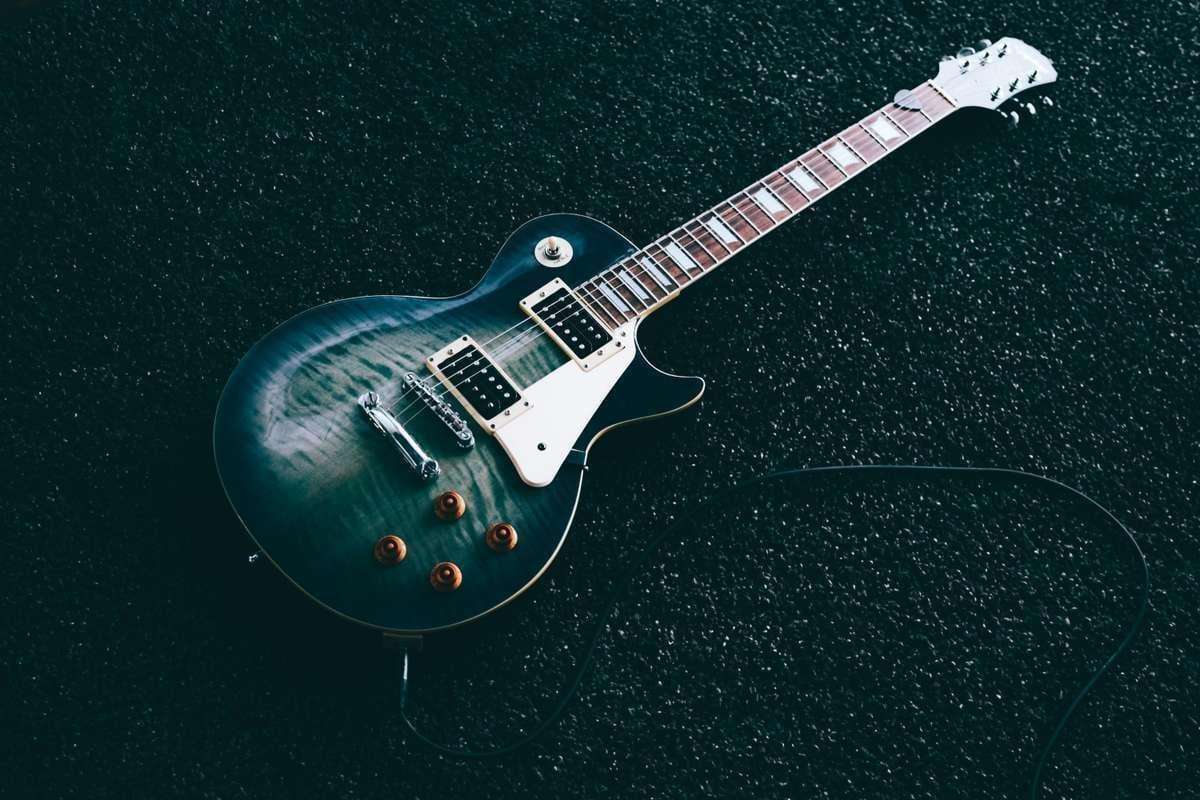
Best Strings for Yamaha Guitars: Pacifica, FG800 & More
Best strings for Yamaha guitars compared: the right gauges and sets for Pacifica electrics and FG/FS acoustics, with factory specs and setup tips.
Browse all Yamaha guitar resources for serial identification, setup and strings.
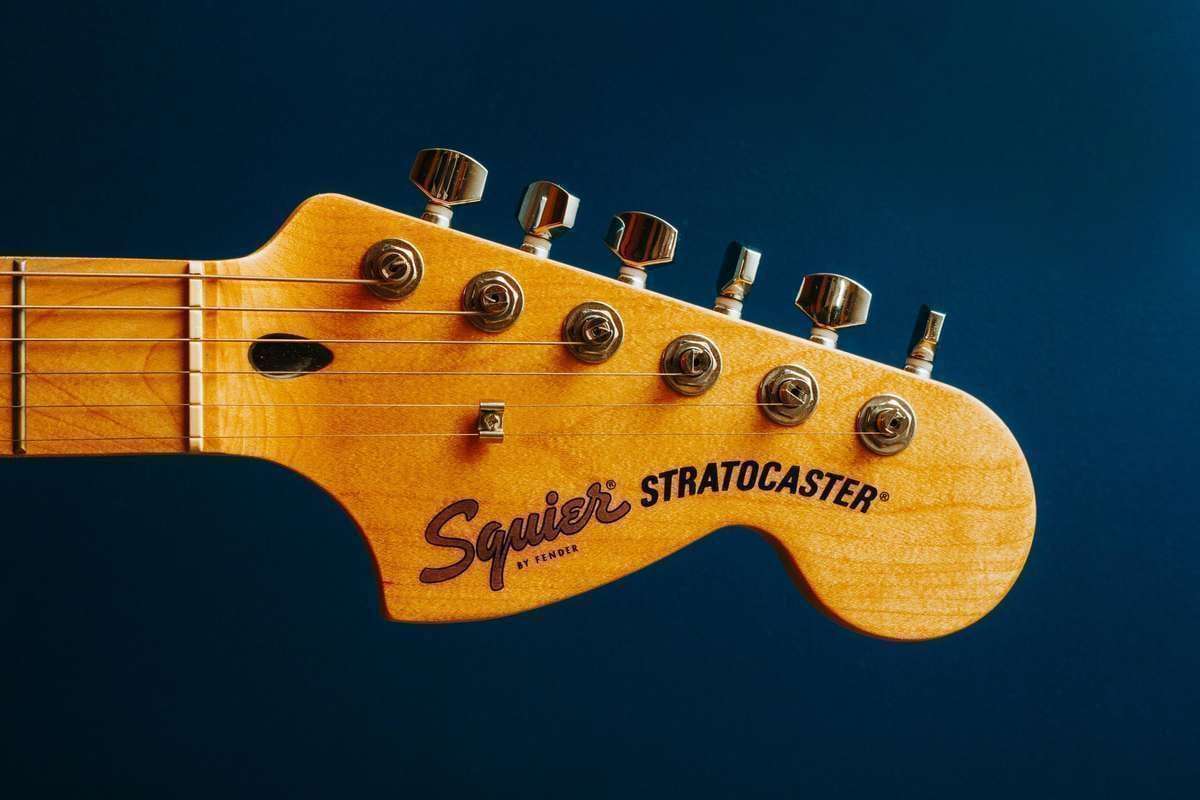 Yamaha builds some of the best value guitars in both electric and acoustic lines — the right strings make them sing.
Best Strings for Yamaha Guitars: Pacifica, FG800 & More (2026)
Yamaha guitars are the quiet overachievers of the guitar world — the Pacifica is arguably the best budget electric ever made, and the FG800/FS800 acoustics outsell almost everything in their class. But like any guitar, the strings they ship with are a compromise, and picking the best strings for Yamaha guitars is the cheapest upgrade you can make.
This guide covers both sides of the Yamaha range: the Pacifica and Revstar electrics, and the FG/FS acoustic lines. You will learn the factory gauges Yamaha uses, which sets suit beginners versus experienced players, and how to match your strings to the way you actually play. If you are not sure which Yamaha you own, the Yamaha serial number decoder will date and identify it first.
Why String Choice Matters on a Yamaha
Yamaha electrics share the Fender-style 25.5" scale length (the Pacifica is a super-Strat in everything but the headstock decal), so string feel and gauge choices translate directly from the Stratocaster world. Lighter gauges bend easier; heavier gauges tune stabler and hit amps harder.
The acoustics are the opposite side: the FG line is a dreadnought built for volume and strumming, while the FS line is a smaller concert body that responds to lighter touch and lighter gauges. Yamaha ships most of them with light-gauge coated or uncoated sets that are fine but rarely fresh — the first upgrade is simply a new set of the right strings.
One Yamaha-specific note: their factory nut slots are cut conservatively. Dropping to a very light gauge (.009 or lighter on electric) rarely causes problems, but jumping to heavy bottom strings on an acoustic can pinch at the nut — a setup check after any big gauge change keeps it playing clean.
The consistency runs the other way too, and it is worth using: Yamaha's build dimensions have been stable for a decade, so once you find the set that works on your Pacifica or FG, you can reorder the same strings by name for years without redoing the setup. That is exactly how long-term owners end up with a favourite string they never stray from — the guitar does not drift under them between sets.
Best Strings for Yamaha Pacifica (Electric)
The Pacifica covers everything from the starter 012 to the professional 611/612V models. All use 25.5" scale, and most ship with .009-.042 or .010-.046 sets.
| Set | Gauge | Material | Best For | Feel |
|---|---|---|---|---|
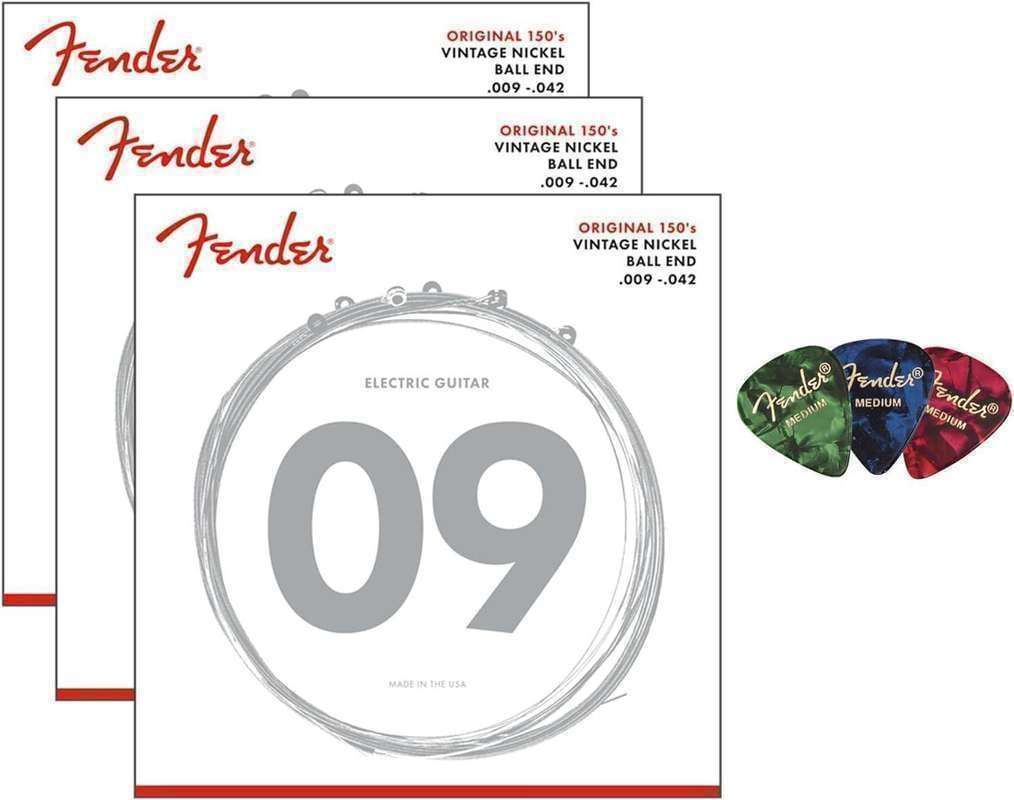
| Ernie Ball Super Slinky | .009-.042 | Nickel wound | Beginners, lead playing | Light, easy bends |
| D'Addario EXL120 | .009-.042 | Nickel wound | Bright, versatile tone | Flexible |
| Ernie Ball Regular Slinky | .010-.046 | Nickel wound | Standard tuning, rhythm | Balanced |
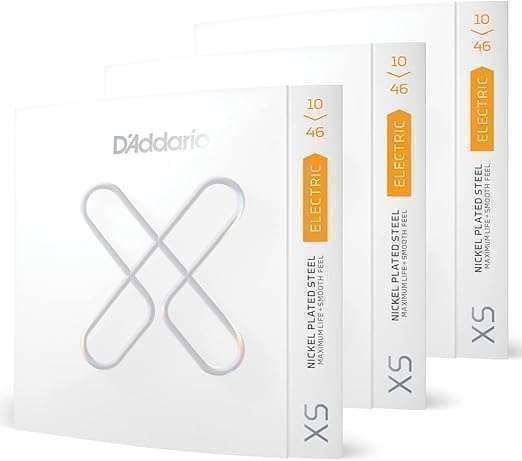
| D'Addario NYXL | .010-.046 | Nickel wound | Tuning stability, gigs | Firm, punchy |
| Ernie Ball Hybrid Slinky | .009-.046 | Nickel wound | Drop tuning on a budget | Light top, tight bottom |
For a first string change on a starter Pacifica, stay near .009-.042: the lighter set keeps the action feeling easy and the smaller winding makes chord transitions cleaner while you learn. If you tune down or play heavier styles, the Hybrid set keeps the low end tight without making the treble strings unplayable.
Two things move the choice either way. First, tremolo use: the Pacifica's standard vibrato stays balanced around the gauge it was set up with — switching from .009 to .010 means adjusting the spring claw (or adding a spring) or the bridge floats wrong. Pick a gauge and stay with it unless you are willing to tweak the springs. Second, tuning: drop-D and half-step-down players get better tension from a Hybrid set (.009-.046) than from any pure light gauge, and the Pacifica's nut handles the swap without filing.
Best Electric Strings for a Yamaha Pacifica
 Buy on Amazon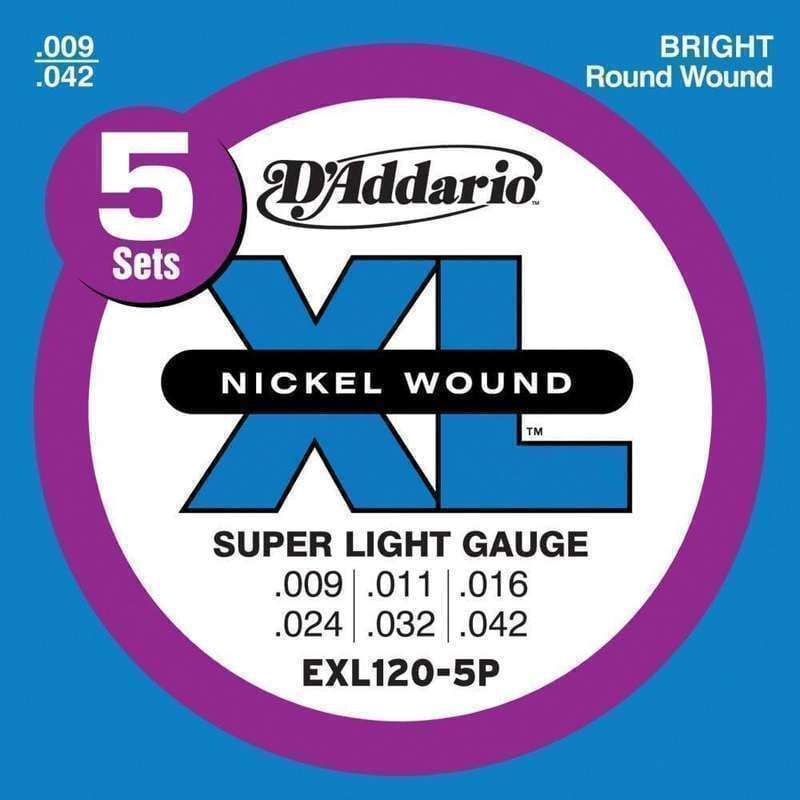
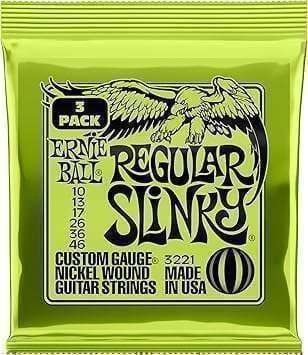
Pacifica String Gauge by Model
| Pacifica model | Factory gauge | Recommended upgrade | Notes |
|---|---|---|---|
| PAC012 / PAC112 (starter) | .009-.042 | Super Slinky or EXL120 | Lightest feel for beginners; the smaller frets reward light gauge |
| PAC212 / PAC311 | .010-.046 | Regular Slinky or NYXL | Upgraded pickups reward a firmer gauge |
| PAC510/611 (P90) | .010-.046 | Pure nickel or coated | Warmer P90 tone, less top-end bite |
| PAC612/812 (baritone) | .012-.060+ | Heavy bottom sets | Baritone scale — do not use standard sets |
| Revstar (all) | .010-.046 | Pure nickel or coated | P90/humbucker voicing suits warmer materials |
The pattern is consistent: the closer the Pacifica is to the vintage-Strat blueprint, the more a light nickel set suits it; the closer to the modern professional line, the more a firmer or coated set earns its price.
Revstar Owners: Step Up to Coated or Nickel
The Revstar line (Yamaha's P90-loaded offset) rewards warmer string materials. Pure nickel or coated sets tame the brightness of hot P90s and keep the vintage-leaning tone the guitar is designed for. If you play out regularly, coated strings also survive the sweat and humidity that kill uncoated sets in three weeks.
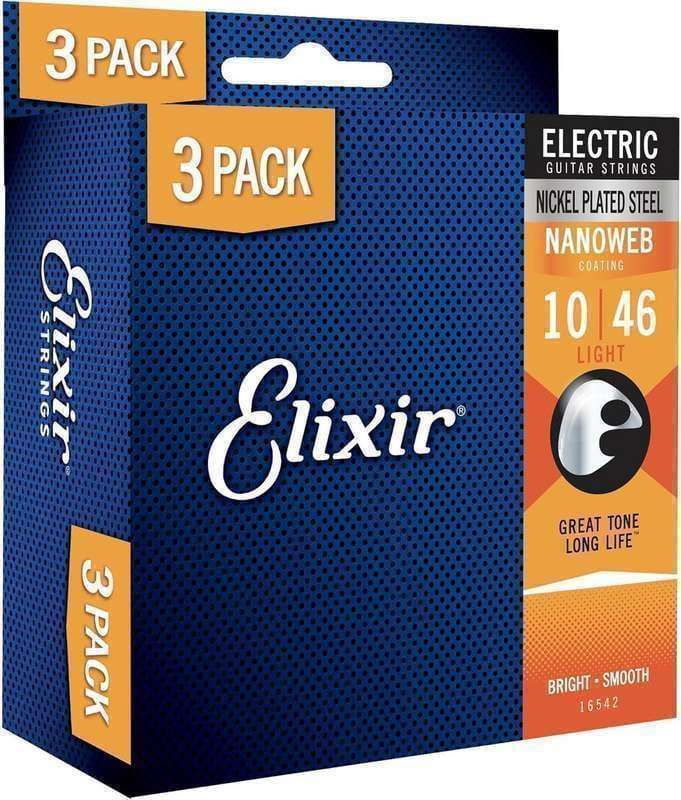
Coated & Vintage-Tone Sets
Best Strings for Yamaha FG800 / FS800 (Acoustic)
The FG800 (dreadnought) and FS800 (concert) are the acoustic workhorses. Yamaha ships them with light-gauge strings (.012-.053 on most models), and the factory setup is voiced for that tension.
| Set | Gauge | Material | Best For | Tone |
|---|---|---|---|---|
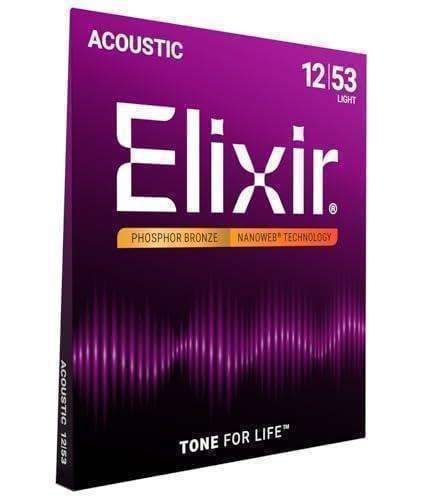
| Elixir Nanoweb Phosphor Bronze | .012-.053 | Coated phosphor bronze | Set-and-forget, humid climates | Warm, consistent |
| D'Addario EJ16 | .012-.053 | Phosphor bronze | All-round strumming | Balanced |
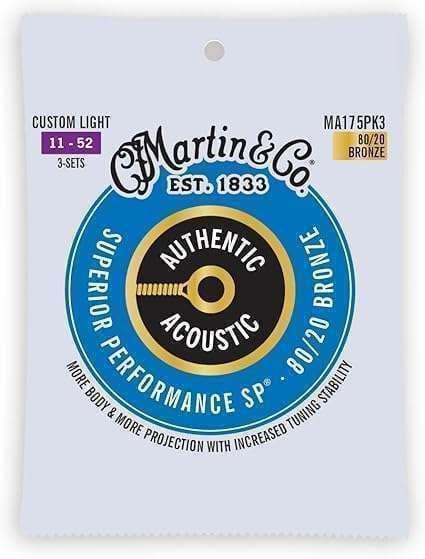
| Martin Authentic Life 92/8 | .012-.054 | Phosphor bronze | Vintage-style warmth | Warm |
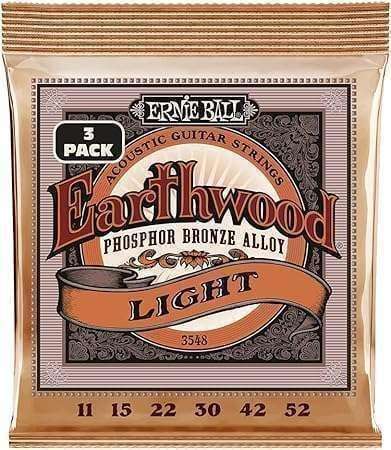
| Ernie Ball Earthwood | .012-.054 | 80/20 bronze | Bright, punchy strumming | Bright |
| John Pearse Phosphor Bronze | .012-.053 | Phosphor bronze | Fingerstyle, recording | Rich, full |
For the FG800 dreadnought, medium-light phosphor bronze (.012) is the sweet spot — enough tension to drive the top, comfortable enough for long sessions. For the smaller-bodied FS800, the same gauge works but a coated set (Elixir or D'Addario XS) keeps the smaller guitar's brightness from turning brittle as the strings age.
The FG830 and FG840 add rosewood and mahogany back-and-sides respectively — the rosewood FG830 suits warmer phosphor bronze strings, while the mahogany FG840's midrange focus pairs nicely with 80/20 bronze brightness. Neither is wrong; the difference is emphasis, and both models tolerate either without a setup change.
Fingerstyle players on the FS bodies should also try a light-gauge set with a slightly heavier bottom (.012-.054 rather than a balanced .012 set) — the extra low-end tension keeps the bass strings audible under fingerpicking patterns without raising the action.
Best Acoustic Strings for the FG/FS Line
12-String Yamaha Owners
Yamaha's 12-string acoustics need lighter gauges to keep the doubled strings from over-tensioning the neck — a dedicated .010-.047 12-string set, never a standard set with the octaves removed. The extra string tension is why Yamaha recommends a setup check after any 12-string restring.
How Often to Change Yamaha Strings
Coated sets last two to three months of regular playing; uncoated electric strings one to two months; uncoated acoustic phosphor bronze about six to eight weeks before the tone goes dull. The real triggers are simpler: strings sound dull, feel dirty, or stop staying in tune — change them.
When you restring, take the five minutes to check the setup basics afterwards — a fresh set on a drifted neck feels worse than the old strings did. The free Yamaha setup guide walks the factory specs for your model, and the setup specs lookup gives you the exact action, relief, and pickup height numbers in one place.
Restringing Essentials
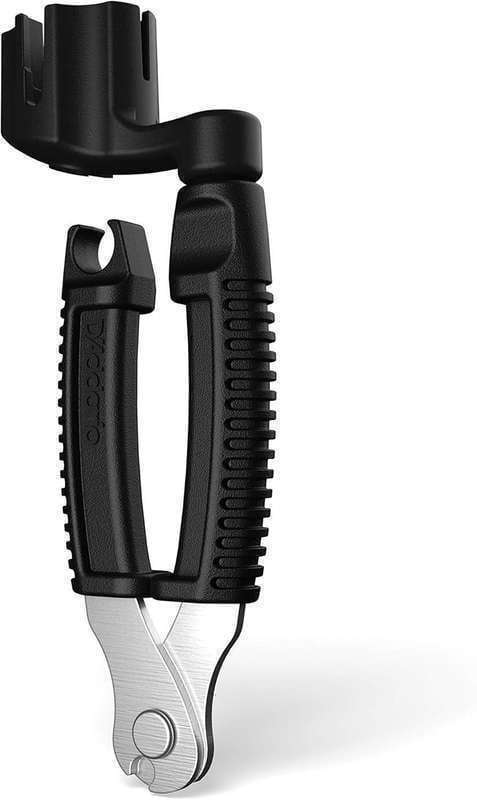
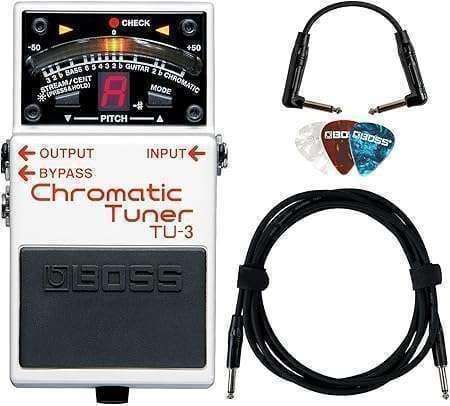
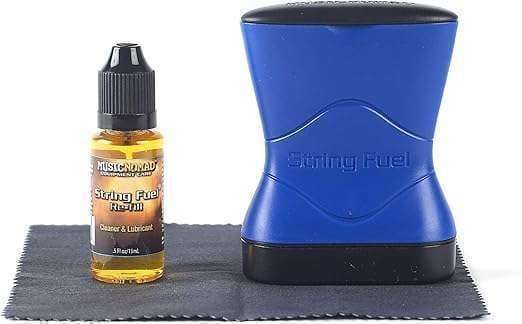
How to Restring a Yamaha Pacifica (Quick Walkthrough)
The Pacifica's standard tremolo needs a methodical restring or the tuning stability you just bought strings for disappears.
- Change strings one at a time — keep tension on the neck rather than removing all six at once.
- Thread and wind down the post — two to three clean winds below the post hole; more winds stretch and detune.
- Stretch each string gently — fret it at the 12th fret and pull away from the body, retune, repeat twice.
- Tune up, then play — tune to pitch, play for five minutes, retune. New strings settle after one or two cycles.
- Re-check the action and relief after a day — new tension moves the neck slightly; a quick truss-rod and action check keeps it feeling right.
The same routine works for the FG/FS acoustics with two changes: pin bridges need the ball end seated properly (pull the pin while feeding tension), and the bridge plate is unforgiving of over-winding — three neat winds is the maximum.
Setup Check After Restringing
New strings are the moment to check the three numbers that decide how the guitar plays:
- Neck relief — a capo at the first fret plus a fret at the last leaves a small gap at the 8th fret; roughly .008"–.010" on electrics.
- Action at the 12th fret — around 4/64" (1.6mm) treble side on a Pacifica; the FG dreadnoughts sit a touch higher for acoustic volume.
- Pickup height — Pacifica single coils sit noticeably further from the strings than humbuckers; too close and the strings warble.
The exact factory numbers for your model live in the setup specs lookup and the free Yamaha setup guide — both walk the adjustments in the right order so each change does not undo the last.
Common Yamaha String Problems
New strings buzz on an FG800. Almost always a gauge jump: the factory nut slots match light gauge, and dropping to extra-light opens the slots' tolerance at the first fret. Back to .012 and the buzz usually disappears — or file the nut properly if you want to stay light.
The Pacifica goes out of tune after a restring. Insufficient winding at the post (fewer than two winds) or the tremolo's spring balance fighting the new gauge. Stretch the strings properly and check the tremolo sits flat against the body.
Coated strings sound dull out of the packet. Coatings trade a little top-end sparkle for longevity — on the FS800's smaller body that trade can feel flat. Uncoated phosphor bronze is the better match for small-bodied Yamaha acoustics; save the coatings for the dreadnoughts.
Strings break at the Pacifica's bridge saddles. The stock saddles develop sharp edges after years of play — a small file (or new saddles) ends it. Check the winding angle at the post too: strings breaking at the headstock side mean too few winds.
The Pacifica's pickups sound muddy after restringing. Almost always a pickup-height change that came along with the string swap — new strings sit at a different vibration amplitude than the old ones. The Pacifica's single coils want roughly 1.6mm under the treble side; the exact factory numbers are in the specs lookup.
Tuning instability that survives proper stretching. Check the nut slots first (pinching at the first fret), then the tremolo's pivot points, then the string trees on the A and D strings — a dry string tree is the most common Pacifica tuning trap and a drop of lubricant fixes it.
Frequently Asked Questions
What strings come on a Yamaha Pacifica from the factory?
Most Pacifica models ship with .009-.042 nickel-plated electric sets (Yamaha-branded or D'Addario depending on the production run). They are functional but rarely fresh — the first string change is the cheapest upgrade a Pacifica owner can make.
What gauge strings for a Yamaha FG800?
Light-gauge phosphor bronze (.012-.053) matches the factory setup and top voicing. Heavier mediums add volume but raise the action feel; Yamaha's conservative nut slots handle lights without any filing.
Are coated strings worth it on a Yamaha acoustic?
If you play regularly or live somewhere humid, yes — coated phosphor bronze sets (Elixir Nanoweb, D'Addario XS) keep the FG800's tone consistent for two to three times longer than uncoated sets, which pays for the premium.
What strings for a Yamaha Pacifica 112V?
The 112V ships with .009-.042 and has a tremolo — stay with .009-.042 or .009-.046 sets so the tremolo stays balanced. Heavier bottom strings need the tremolo springs adjusted to keep tuning stable.
Can I put bass guitar strings on a Yamaha Pacifica baritone?
The Pacifica baritone models (longer scale) are designed for heavier sets — but standard Pacificas are not. Match the set to the scale length: baritone Pacificas take .012-.060+ sets, standard ones take .009-.046.
How do I know which Yamaha model I have?
The model name is on the headstock decal, and the serial number dates the production. The Yamaha serial number lookup decodes year and factory from the serial — useful for secondhand Yamahas where the decal has worn.
Why do my Yamaha's strings buzz after restringing?
Usually one of three things: the gauge changed a lot (the nut slots no longer match), the strings were installed without enough winding at the posts, or the neck relief needs a tweak for the new tension. The Yamaha setup guide walks each check in order.
Are expensive strings worth it on a budget Yamaha?
Coated strings and premium nickel sets improve tone life, not the guitar itself. On a £200 Pacifica, a £12 set of quality strings is the right spend; a £25 coated set only pays if you would otherwise replace cheap strings monthly.
What strings for a Yamaha Revstar with P90s?
Warmer materials suit the P90s: pure nickel or coated nickel-wound sets keep the Revstar's vintage-leaning voice from turning harsh. Start with .010-.046 and adjust to taste.
Do Yamaha acoustics need different strings than Fender or Taylor acoustics?
The gauges overlap (light phosphor bronze is universal), but body style changes the choice: the FG dreadnought handles medium tension happily, while the smaller FS bodies and the APX thinlines open up with lights. Match the set to the body, not just the brand.
Bottom Line: Match the Gauge to the Guitar
The best strings for Yamaha guitars come down to which Yamaha you own: light electric sets (.009-.042) for the Pacifica line, coated phosphor bronze (.012) for the FG/FS acoustics, and pure nickel for the Revstar's P90s. Every set above is a proven match for the scale length and factory setup Yamaha builds — and the Yamaha serial number decoder tells you exactly which generation you are shopping for.
Once the new set is on, a quick setup check makes it last: the free Yamaha setup guide and the setup specs lookup have the factory numbers for your exact model.