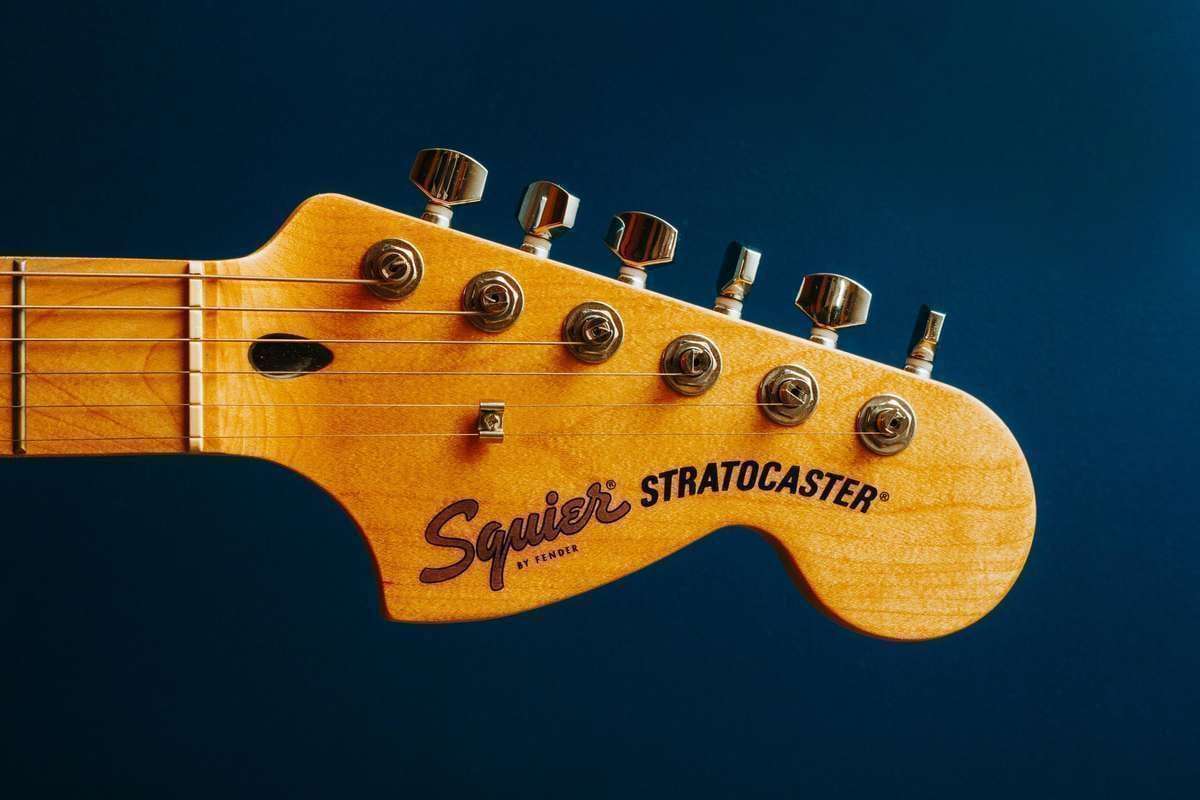
Best Strings for Squier Stratocaster: 9s vs 10s & Top Sets
Choose strings for your Squier Strat: .009–.042 for easy bends or .010–.046 for a firmer feel. Compare sets, check factory gauge and plan setup changes.
Find Your Perfect Electric Strings
Approximate prices in USD. Check the retailer for current prices.
Results (12)
D'Addario
XS Electric
Tone: Balanced
Material: Nickel Coated
Longevity: Long (Coated)
Long-lasting coated strings with maximum life and smooth feel.

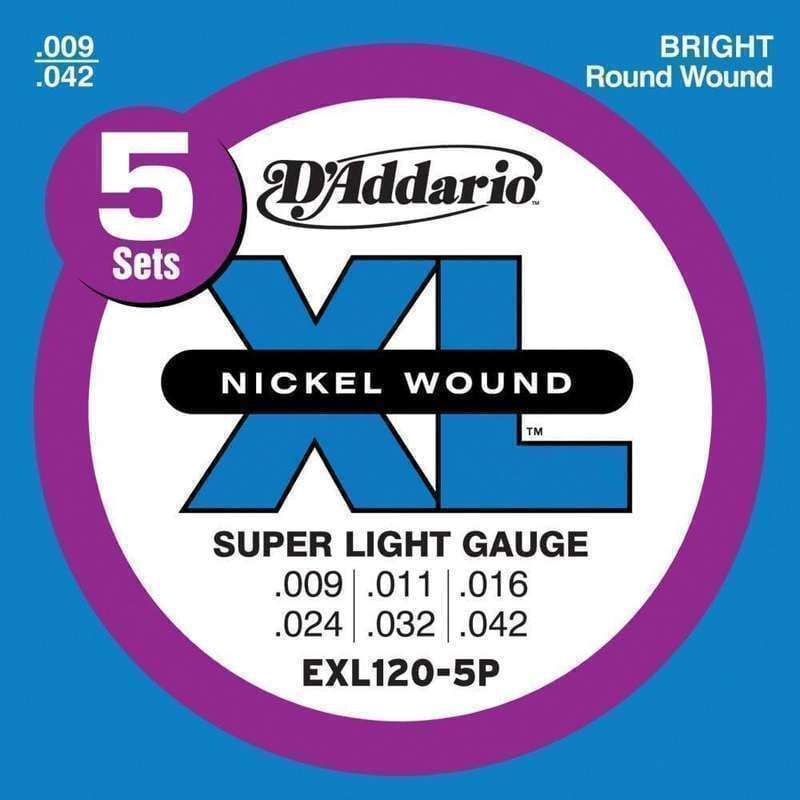
D'Addario
XL Nickel (EXL120)
Tone: Bright & Flexible
Material: Nickel Wound
Longevity: Standard
Super light gauge for maximum flexibility and biting tone.
Fender
Original Bullets
Tone: Vintage Fender
Material: Pure Nickel / Nickel-Plated
Longevity: Standard
Designed specifically for Stratocasters. Bullet ends for enhanced stability.
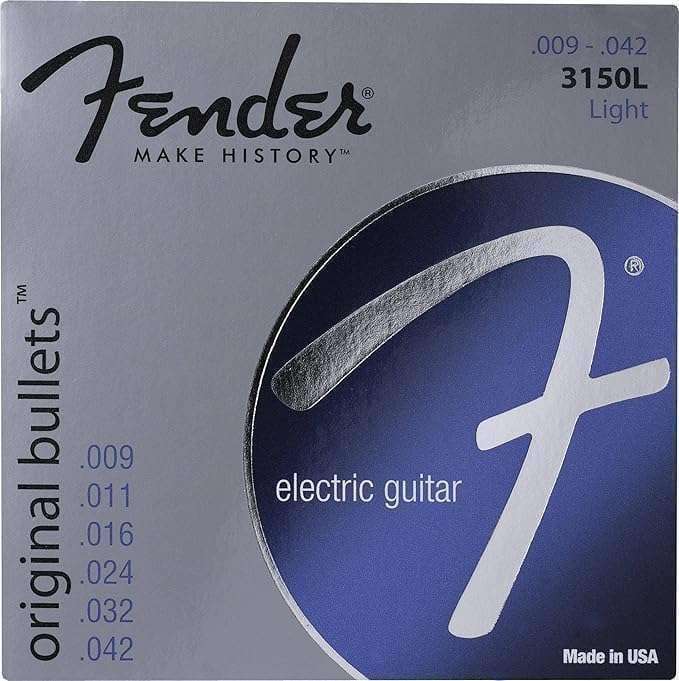
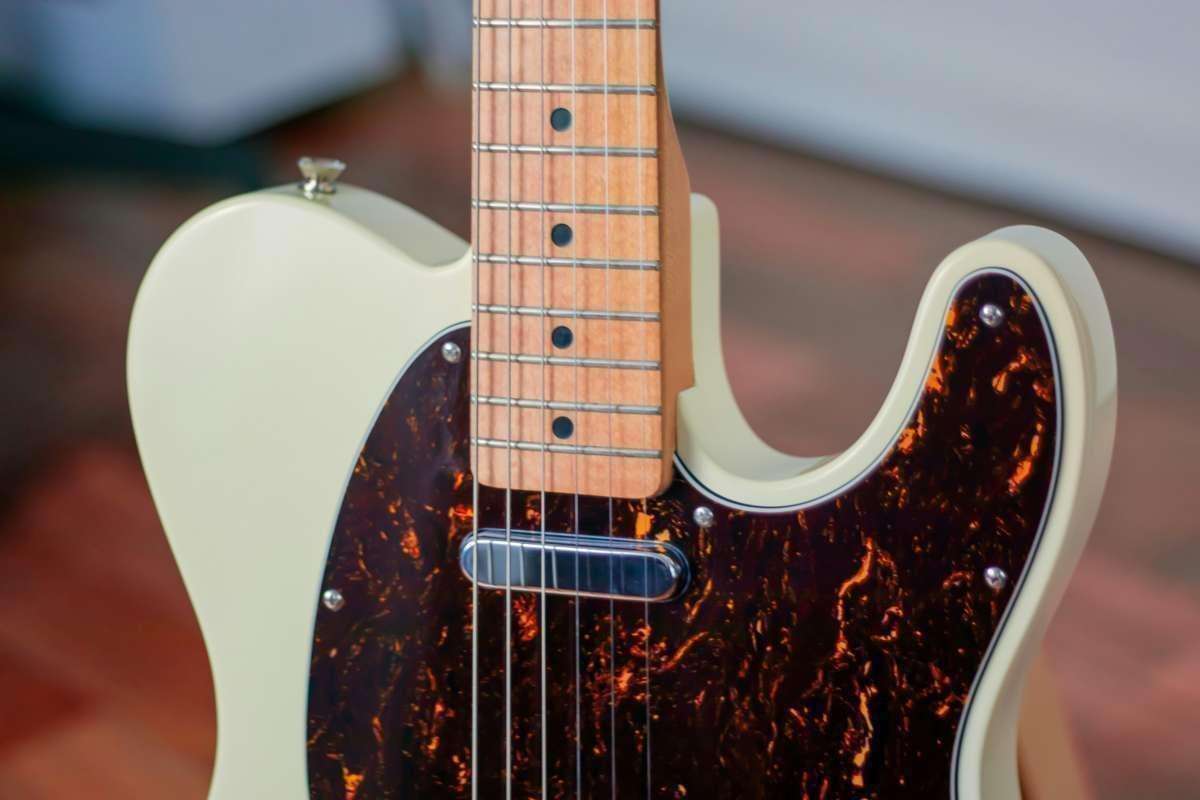 Photo by Felipe Randolfi on Unsplash
Best Strings for Squier Stratocaster: Top 6 Sets (2026)
The best strings for a Squier Stratocaster are usually nickel-plated steel in the gauge that feels comfortable at your tuning. For standard E tuning, start with .009–.042 for easy bends or .010–.046 for a firmer feel. Staying with the gauge already fitted is the simplest replacement when you like how the guitar plays.
| What you want | Starting choice | Check after restringing |
|---|---|---|
| Easier bends and less effort | .009–.042, such as Super Slinky or EXL120 | Tune, stretch and check for buzz |
| A firmer response in standard tuning | .010–.046, such as Regular Slinky or EXL110 | Relief, action and floating-bridge balance |
| Longer life between changes | A coated set in your current gauge | Feel and intonation; coating is not a reason to change gauge |
| Help choosing for a different tuning | Use the string gauge tool | Choose for your scale length and tuning, then recheck the setup |
What strings come on a Squier? Fender specifies nickel-plated steel .009–.042 on the Squier Sonic Stratocaster. That is a model-specific example, not a specification for every Squier: check the exact model, especially a short-scale, baritone or used guitar whose strings may have changed.
This guide compares sets for Strats, Teles and offsets, explains 9s versus 10s, and shows what to check after changing gauge. For the complete adjustment order, use the Squier setup guide. If your guitar is a Fender-branded Strat rather than a Squier, the best strings for Stratocaster guide compares factory sets for specific models and the checks to make after restringing.
Why String Choice Matters on a Squier
Squier guitars share Fender's 25.5" scale length on most Stratocaster and Telecaster models. That longer scale means strings feel slightly stiffer than they would on a Gibson-style 24.75" neck, so gauge choice has an outsized impact on playability.
Most entry-level Squiers ship with ceramic single-coil pickups. Ceramic magnets are hotter and more compressed than alnico pickups, which can make bright strings sound harsher if the pickups are set too close. The right string material — usually nickel-plated steel — balances that brightness without turning muddy.
Lighter gauges also bend more easily and cause less finger fatigue, which makes practice sessions longer and more enjoyable for beginners.
Squier String Comparison at a Glance
| Set | Gauge | Material | Best For | Feel |
|---|---|---|---|---|
| Ernie Ball Super Slinky | .009-.042 | Nickel wound | Beginners, rock, blues | Light, easy bending |
| D'Addario EXL120 | .009-.042 | Nickel wound | Bright tone, versatility | Flexible |
| Fender Original Bullets | .009-.042 | Pure nickel / nickel-plated | Vintage Strat tone | Smooth |
| Ernie Ball Regular Slinky | .010-.046 | Nickel wound | Standard tuning, more tension | Balanced |
| D'Addario EXL110 | .010-.046 | Nickel wound | Gigging, consistency | Slightly firmer |
| D'Addario NYXL | .010-.046 | Nickel-plated steel | Stability, punch | Firm but responsive |
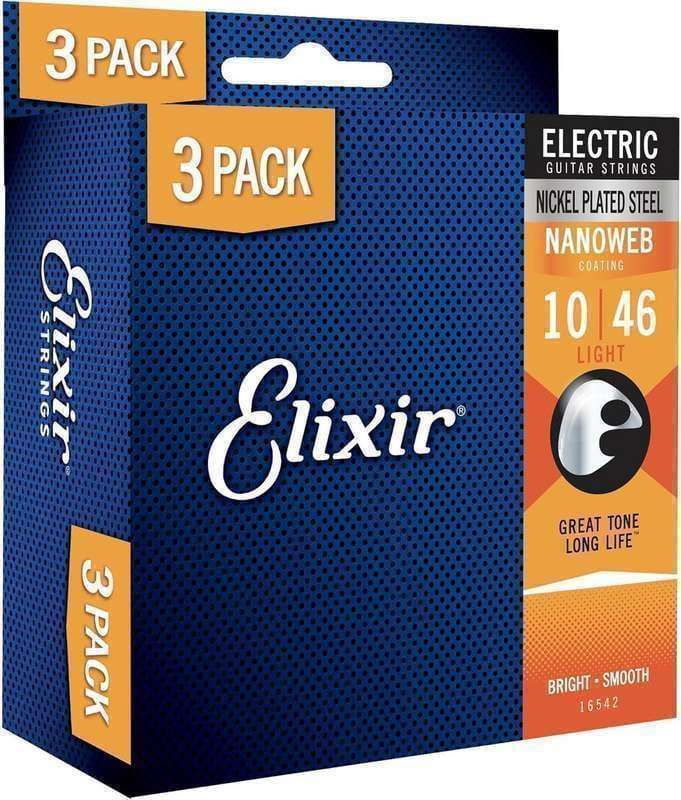
| Elixir Nanoweb | .010-.046 | Coated nickel-plated | Long life, sweaty hands | Slick |
| D'Addario XS Coated | .010-.046 | Coated nickel | Premium longevity | Smooth, fast |
This table covers the eight sets that appear most often on Squier workbenches, grouped by feel and tension.
Best Beginner Strings for Squier
 Buy on Amazon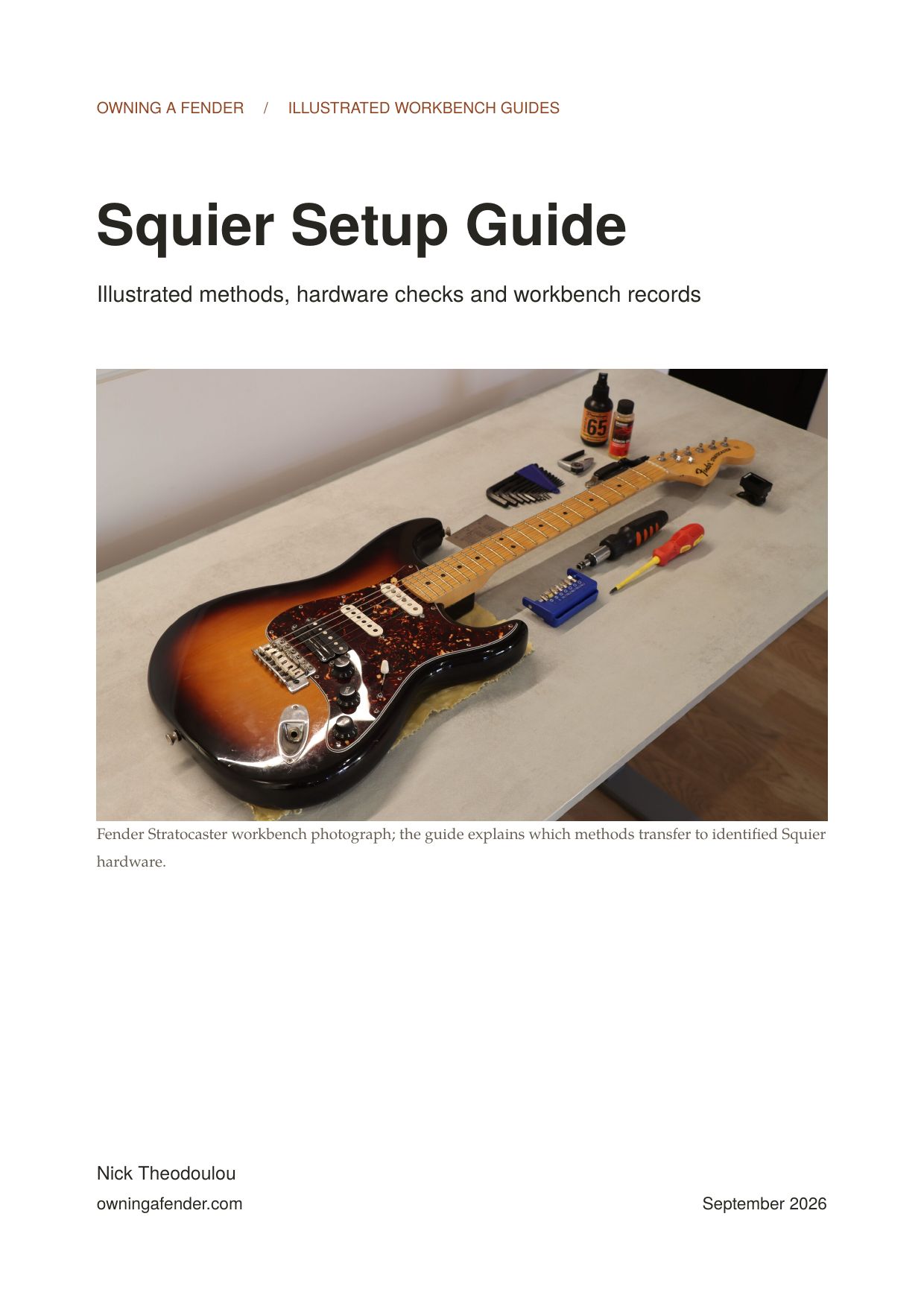
Top 6 Best Strings for Squier Stratocaster Guitars
The Squier Stratocaster is bright, articulate, and responsive. These six sets complement that personality without pushing the guitar into harsh territory.
1. Ernie Ball Super Slinky (.009-.042) — Best for Beginners
Ernie Ball Super Slinky keeps tension low on the Squier's 25.5" scale, making bends, vibrato, and barre chords less demanding. The set is balanced and punchy, so ceramic pickups stay musical rather than shrill. It is also inexpensive and easy to find.
Best for: Beginners, students, blues-rock, and anyone recovering from hand fatigue.
2. D'Addario EXL120 (.009-.042) — Bright and Flexible
D'Addario EXL120 sets use a hex-core construction that adds tuning stability without adding stiffness. On a Squier Strat they produce a slightly brighter, more detailed top end than Super Slinkys, which is great for clean tones and country picking. If your Squier sounds dull, EXL120s are an easy way to wake it up.
Best for: Clean tones, country, pop, and players who want a crisp attack.
3. Fender Original Bullets (.009-.042) — Vintage Fender Voice
Fender Original Bullets are designed for Fender-style guitars, including Squier. The bullet-shaped ends seat firmly in vintage-style tremolo blocks, which can improve tuning stability on six-screw Squier trems. They also lean warmer and rounder than nickel-plated steel sets, making them a strong choice if your bridge pickup sounds thin or harsh.
Best for: Vintage tone, Strat purists, and players with floating tremolos.
Step-Up Strings for Squier

4. Ernie Ball Regular Slinky (.010-.046) — The Industry Standard
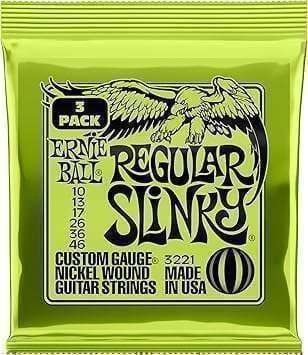
Once your hands have adjusted, Ernie Ball Regular Slinky is the logical next step. The .010-.046 gauge improves tuning stability and low-end fullness without making the guitar hard to play. It also tracks better under heavier picking, cleaning up pitch wobble when you dig in.
Best for: Rock, classic rock, and players who want a fuller rhythm tone.
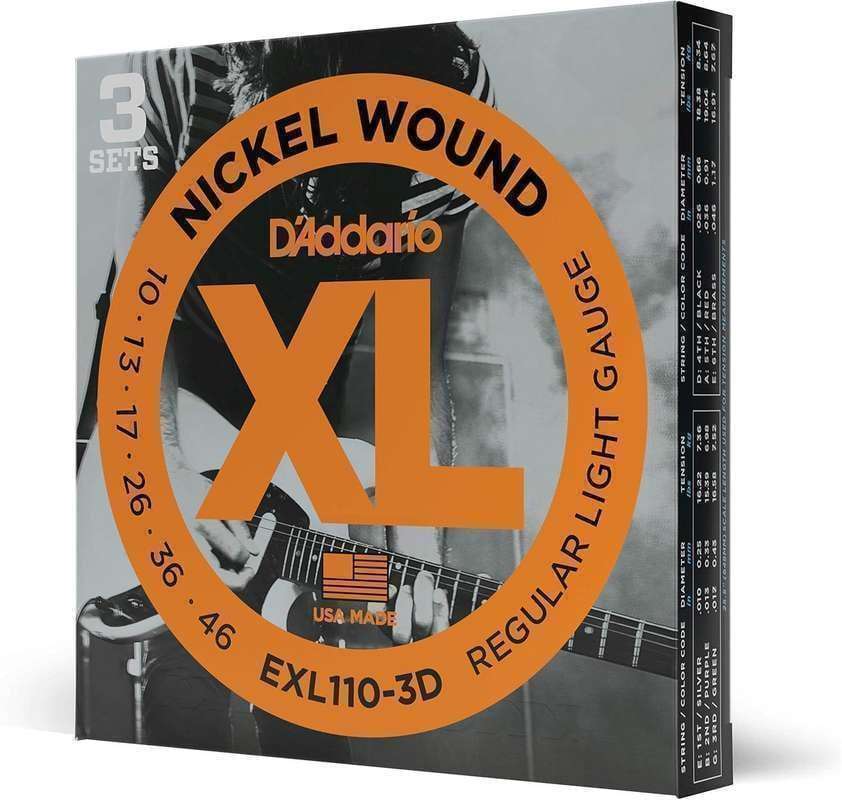
5. D'Addario EXL110 (.010-.046) — Reliable Gigging Set
D'Addario EXL110 is the gigging musician's workhorse. The tone sits comfortably in a band mix, intonation is consistent from set to set, and durability is excellent for the price. On a Squier Strat, EXL110s add a touch more clarity to chord work than Regular Slinkys.
Best for: Gigging, recording, and players who value consistency.
6. D'Addario NYXL (.010-.046) — Maximum Stability
D'Addario NYXL strings use a high-carbon steel core that resists breakage and holds tuning better than standard nickel wound sets. They also have a stronger midrange presence, which helps a Squier Strat cut through a mix without cranking the amp. They cost more than EXL110s but last longer and stay stable through aggressive bends.
Best for: Aggressive players, frequent tremolo users, and anyone tired of retuning.
Long-Life Coated Strings for Squier
Squier String Gauge Guide
Gauge is the single most important choice after brand. It determines how the guitar feels, how it intonates, and how the tremolo behaves.
.009-.042 — "Super Slinky" (Best for Most Beginners)
The lightest common electric set is the safest starting point for new Squier owners. Bending is easy, barre chords require less pressure, and tension is low enough that most Squier tremolos stay stable. Total tension on a 25.5" scale is roughly 84–88 pounds in standard tuning.
Use this gauge if: you are learning, you play leads with lots of bends, or you want the easiest playing experience.
.010-.046 — "Regular Slinky" (The All-Rounder)
This is the most popular gauge for experienced electric players. Total tension climbs to about 100–105 pounds on a Squier Strat, which adds punch and sustain. If you switch from .009s to .010s, adjust your truss rod and recheck intonation.
Use this gauge if: you play rhythm-heavy styles, want better tuning stability, or have developed hand strength.
.009-.046 Hybrid — Best of Both Worlds
Hybrid sets keep light top strings for easy bending while adding heavier bottom strings for tight rhythm. On a Squier Strat they help if you want easier soloing but find your low strings sound thin when you dig in.
Use this gauge if: you split time between leads and chunky rhythm parts.
.011-.048 and Heavier — Drop Tunings and Slide
Heavier sets add significant tension and low-end mass. They work well for drop-D, D standard, and slide playing, but they make standard-tuning bending much harder. Most Squier necks handle .011s, though you may need to widen nut slots and add truss-rod relief.
Use this gauge if: you tune down, play slide, or want maximum sustain.
What String Material Sounds Best on a Squier?
Nickel-Plated Steel
This is the default material for electric guitar strings and the best choice for most Squier players. It combines the magnetic response of steel with the warmth of nickel, giving you a balanced tone for clean and distorted sounds.
Pure Nickel
Pure nickel wraps sound warmer and rounder than nickel-plated steel. They are excellent for taming a bright Squier or chasing 1950s and 1960s vintage tone.
Coated Strings
Coated strings have a thin polymer layer that slows corrosion from sweat and humidity. Modern coatings from D'Addario and Elixir feel almost identical to uncoated strings and only sacrifice a tiny amount of top-end sparkle. If you live in a humid climate or hate changing strings, coated sets are worth the cost.
Stainless Steel
Stainless steel is the brightest and most aggressive option. It adds bite and sustain, but it can also make ceramic single-coils sound harsh. Most Squier players will be happier with nickel-plated or pure nickel.
How to Restring Your Squier Stratocaster
Changing strings on a Squier Strat is straightforward, but a few details make the difference between a stable guitar and one that goes out of tune.
Tools You Need
- Fresh set of strings
- String cutter
- String winder
- Electronic tuner
- Polishing cloth
Step 1: Remove the Old Strings
Loosen all six strings, snip them near the bridge, and pull the ball ends out through the back of the tremolo block. Wipe down the fretboard and pickup poles while the strings are off.
Step 2: Thread the New Strings
Feed each string through the tremolo block from the back, over the saddle, and up to the tuner post. Leave enough slack for two to three wraps around the post.
Step 3: Wind and Lock
Insert the string through the tuner post hole, bend the tail down, and wind downward so each coil locks the one below it. Wind clockwise on the bass side and counter-clockwise on the treble side.
Step 4: Stretch and Retune
Once all strings are at pitch, gently pull each string away from the fretboard at the 12th fret, then retune. Repeat three to four times until the guitar holds pitch.
Step 5: Check Tremolo Balance
If your Squier Strat has a floating tremolo, the bridge should sit parallel to the body or float only slightly upward. Tighten the tremolo claw screws if it lifts too high; loosen them if it sits too low.
When to Change and Care for Your Strings
Wipe your strings with a clean microfiber cloth after every session to remove skin oils and sweat. A string cleaner once a week keeps the wraps smooth and reduces finger noise. Store your Squier in a room with 45–55% relative humidity to keep the neck stable.
Even quality strings degrade. Replace them when you notice:
- Dull tone: the high-end sparkle is gone
- Tuning drift: the guitar will not stay in pitch after bends
- Visible corrosion: dark spots or rust on the plain strings
- Rough feel: the strings catch on your fingers
Casual players can usually go two to three months on uncoated strings. Daily players should change every four to six weeks, while coated strings can last two to four months.
Squier Telecaster and Offset Exceptions
Most of this advice applies to the Squier Telecaster and offset models too. Telecasters have a fixed bridge, so tuning stability is already better than on a tremolo-equipped Strat, and many Tele players prefer .010-.046 for extra snap. Squier Jazzmaster and Jaguar models have shorter scales, which makes strings feel slinkier; consider going up one gauge from your Strat choice to keep tension similar.
For a full walkthrough of Squier-specific measurements, see the Squier Setup Guide.
FAQ
What are the best strings for a Squier Stratocaster?
The best strings for most Squier Stratocaster players are Ernie Ball Super Slinky .009-.042 or D'Addario EXL120 .009-.042. Both are light enough for beginners and stable enough for standard tremolo use.
What strings come on a Squier from the factory?
Most Squier electric guitars ship with Fender 250L nickel-plated steel strings in .009-.042. Some models may come with .010-.046 depending on series and year.
Should I use 9 or 10 gauge strings on my Squier?
Start with .009-.042 if you are a beginner or do a lot of bending. Move to .010-.046 once your hand strength improves or if you want fuller tone and better tuning stability.
Can I use heavier strings on a Squier?
Yes. Most Squier necks handle .011-.048, but heavier strings increase tension and may require a truss-rod adjustment, intonation check, and possible nut slot widening.
Do I need to adjust my Squier setup when I change string gauge?
Yes. Changing gauge changes neck tension, which affects relief, action, and intonation. After switching from .009s to .010s, check neck relief and adjust the truss rod if needed.
Are coated strings worth it on a Squier?
Coated strings are worth it if you play often, have sweaty hands, or live in a humid climate. Modern coated strings like D'Addario XS and Elixir Nanoweb last two to four times longer than uncoated sets.
What is the best beginner electric guitar string?
The best beginner electric guitar string is a light nickel-plated steel set such as Ernie Ball Super Slinky .009-.042 or D'Addario EXL120 .009-.042. These gauges are easy to bend, comfortable for barre chords, and affordable.
Can I use Fender strings on a Squier?
Absolutely. Fender strings are designed for the same 25.5" scale and single-coil pickups found on most Squier guitars. Fender Original Bullets and Fender Pure Nickel are good matches.
Why do my new strings go out of tune on my Squier?
New strings usually need three to four stretching cycles before they stabilize. If tuning problems persist, check the nut slots for binding, the bridge saddles for sharp edges, and the tuner posts for slipping.
How often should I change strings on my Squier?
Casual players should change uncoated strings every two to three months. Daily players should change every four to six weeks. Coated strings can last two to four months. Replace sooner if tone dulls or tuning drifts.
Conclusion
The best strings for Squier Stratocaster guitars depend on your hands, your style, and how often you play. Beginners should start with a light nickel-plated set like Ernie Ball Super Slinky or D'Addario EXL120. Intermediate players and gigging musicians will get more stability and tone from .010-.046 sets like Ernie Ball Regular Slinky, D'Addario EXL110, or D'Addario NYXL. If longevity matters most, coated options like Elixir Nanoweb or D'Addario XS keep your Squier sounding fresh for months.
Remember that strings are only part of the equation. A fresh set will not fix high action, poor intonation, or a nut that binds. After you install your new strings, run through a quick setup check or grab the Squier Setup Cheat Sheet to get every factory spec on one printable card.
Curious what your Squier is worth? Get a quick Guitar Price Estimate before you sell or trade.
For more Squier guides, tools, and setup help, visit our Squier Hub, look up your guitar with the Squier Serial Number Lookup, or find model-specific measurements in the Setup Specs Lookup.