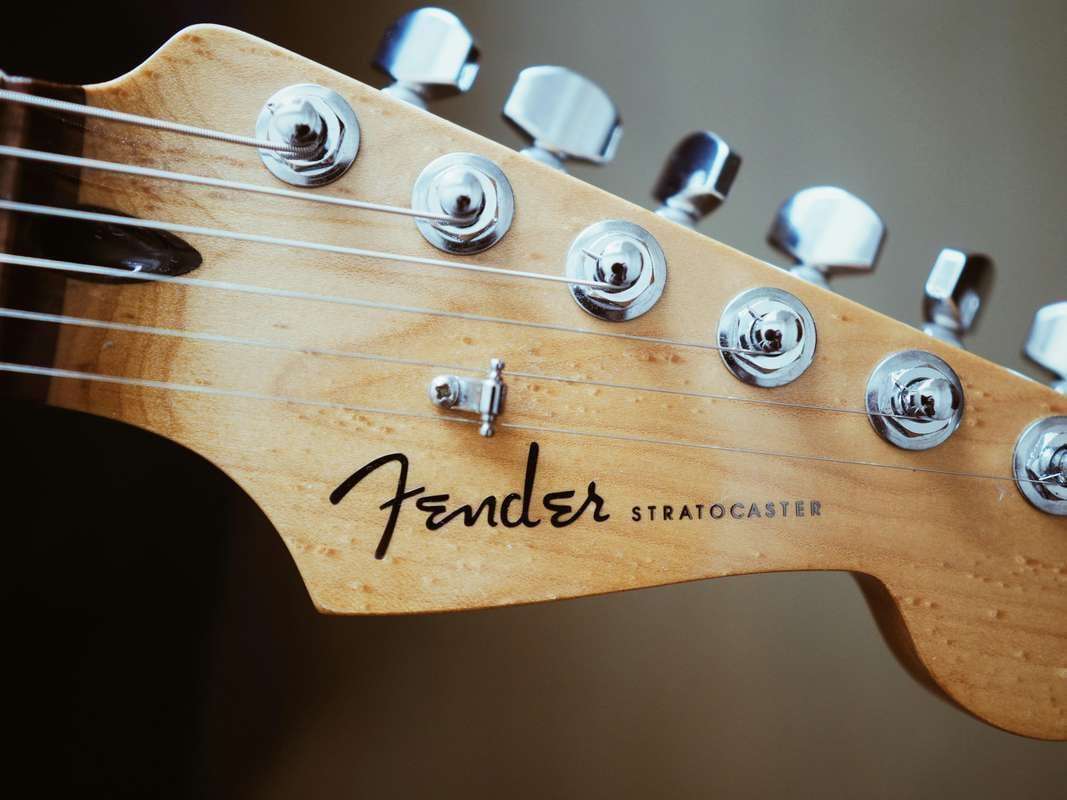
Jag-Stang Serial Numbers: Dating & Identification Guide
Learn how to read Jag-Stang serial numbers to date your Fender Jag-Stang by year, country, and era. Covers original 1994–2001 MIJ production, 2021 reissues, Kurt Cobain signatures, and the Fender decoder.
Jag-Stang Serial Numbers Explained
Jag-Stang serial numbers are the fastest way to place a Fender Jag-Stang in the right year, factory, and era. Whether you are chasing an original 1990s model tied to Kurt Cobain, comparing a 2021 Made-in-Japan reissue, or checking whether a used listing is priced fairly, the serial number is the first filter every buyer and seller should use.
Fender introduced the Jag-Stang in 1994 as a production version of a guitar Kurt Cobain designed with the Fender Custom Shop in 1993. The model blends the offset waist of a Mustang with the swooping top horn of a Jaguar, and it has always been a Japan-first line. The original run ran from 1994 to 2001, was discontinued for two decades, and then returned in 2021 as a Made-in-Japan reissue. Because USA production never existed for the standard model, almost every legitimate Jag-Stang carries a Japanese serial format.
The easiest first step is to run the number through the Fender serial number lookup tool. This guide explains what the decoder is telling you, where to find the serial, and how the original 1990s guitars differ from the modern reissues.
What a Jag-Stang Serial Number Tells You
A serial number is not a birth certificate, but it usually reveals:
- Production year — the calendar year the guitar left the factory
- Manufacturing country — almost always Japan for standard Jag-Stangs
- Factory or series — Fuji-Gen, Dyna Gakki, or later Fender Japan facilities
- Era classification — original 1994–2001 run, 2021 reissue, or Squier variant
It does not prove originality on its own. Necks and bodies get swapped, decals get reprinted, and parts-casters are common. Treat the serial as the first filter, then back it up with physical inspection. For high-value or suspicious guitars, pair the serial check with the Fender fake checker.
Where to Find the Serial Number on a Jag-Stang
The Jag-Stang follows modern Fender convention: the serial is printed or stamped on the back of the headstock. The exact style depends on the year and production run.
Headstock Back (Standard Location)
Nearly every Jag-Stang carries the serial on the back of the headstock, below the tuning machines. Original 1994–2001 models usually have a black or silver screen-printed decal. The 2021 Made-in-Japan reissue uses a stamped format similar to other current Fender Japan guitars.
Typical examples include A014567 for an early Fuji-Gen Jag-Stang and JD21012345 for a 2021 reissue. If you see a long numeric serial or a JD prefix, you are looking at a modern Japan-built instrument.
Neck Plate (Rare on Jag-Stangs)
Unlike some 1960s Fenders, standard Jag-Stangs do not use the neck plate as the primary serial location. Cobain's 1993 prototype had a Custom Shop neck plate, but production Jag-Stangs moved the number to the headstock back in 1994.
Neck Heel and Body Cavity
Some Japanese and Custom Shop guitars add a secondary stamp inside the neck pocket or on the heel of the neck. You may need to loosen the neck bolts to see it. These internal numbers can confirm the headstock number or reveal a replacement neck.
Pro Tip: Photograph Before You Decode
Snap a clear photo of the serial before you start searching. Good side-lighting helps faint stamps read clearly. Keep the photo with your guitar records — it is useful for insurance, resale, and future setup notes.
Decoding Original 1994–2001 Japanese Jag-Stang Serial Numbers
The original Jag-Stang was built in Japan from 1994 through 2001. During that window, Fender Japan used several serial systems depending on the factory and year.
1994–1995: Early Fuji-Gen Production
The first production Jag-Stangs came from the Fuji-Gen factory and often carried A prefixes, continuing the Fender Japan letter-prefix system used through the late 1980s and early 1990s. An A0 or A1 serial generally points to 1994 or 1995, though exact year mapping can overlap.
These first-year guitars are the most collectible standard production Jag-Stangs. They feature the original spec Cobain approved: basswood body, 24-inch scale, rosewood fingerboard with 7.25-inch radius, and the Mustang-style Dynamic Vibrato. If a seller claims a 1994 Jag-Stang, look for early A-prefix serials and the correct hardware.
1996–2001: Mid-Run and Late Production
As the 1990s progressed, Fender Japan shifted factories and serial conventions. You may see T prefixes (Dyna Gakki), longer numeric serials, or other letter codes during this period. The exact prefix matters less than the country and approximate year, which the Fender Japan serial guide covers in depth.
Original run Jag-Stangs were offered in Sonic Blue and Fiesta Red, the two colors Cobain specified. A serial from 1996–2001 in an unusual finish should raise questions, because Fender did not expand the standard color palette during the original run.
Original Run Specs to Match the Serial
A genuine 1994–2001 Jag-Stang should show:
- Scale length: 24 inches (610 mm)
- Fingerboard radius: 7.25 inches
- Frets: 22 vintage-style
- Body wood: basswood
- Neck: maple with rosewood fingerboard
- Bridge: Mustang-style Dynamic Vibrato
- Pickups: two single-coils, angled neck pickup and straight bridge pickup
If the hardware does not match the serial era, the guitar may have been modified or the serial may not belong to the body.
The 2021 Made-in-Japan Reissue
Fender brought the Jag-Stang back in 2021 as a Made-in-Japan reissue. These guitars honor the original Sonic Blue and Fiesta Red colors while adding subtle modern improvements.
2021 Reissue Serial Format
Modern Fender Japan Jag-Stangs use the current Japanese serial system, typically a stamped number on the back of the headstock. Many carry a JD prefix followed by digits where the first two digits indicate the year. A JD21xxxxxx serial is a 2021 Jag-Stang built at the Dyna Gakki factory.
The reissue also comes in a left-handed version, which is important because Kurt Cobain was left-handed. Fender produced left-handed original-run Jag-Stangs in the 1990s, and the 2021 reissue continues that option.
Reissue vs. Original: Serial Quick Reference
| Era | Serial Style | Typical Prefix | Factory |
|---|---|---|---|
| 1994–1995 | Screen-printed | A | Fuji-Gen |
| 1996–2001 | Screen-printed | A, T, numeric | Fuji-Gen, Dyna Gakki |
| 2021–present | Stamped | JD, numeric | Dyna Gakki |
When in doubt, run the number through the Fender serial number decoder. It handles the overlapping Japanese prefixes better than eyeballing the decal.
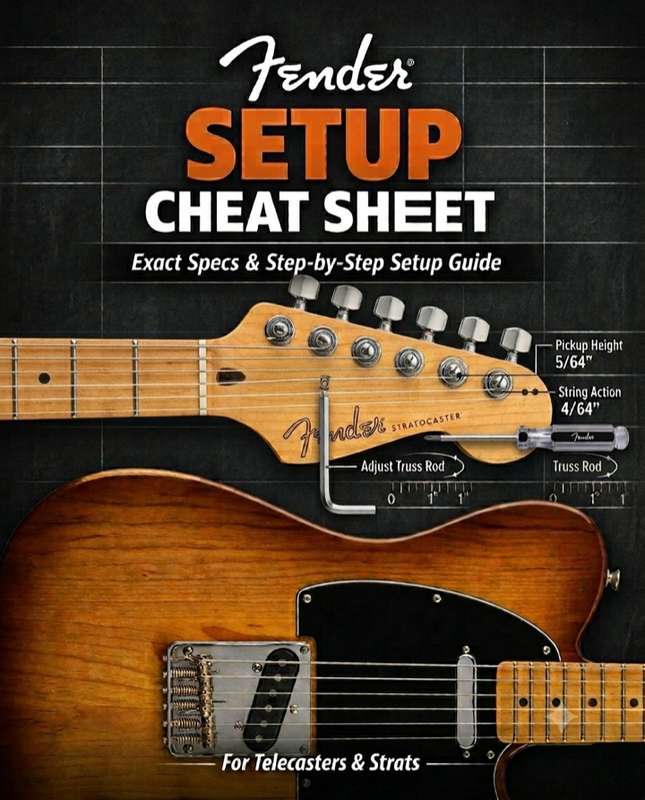
🛠️ Setting up a vintage or reissue Jag-Stang? Factory specs changed by era. The Fender Setup Guide has action, relief, and pickup heights for 1990s originals and 2021 reissues on one printable card.
Squier Jag-Stang and Other Variants
In addition to the Fender-branded model, Squier has produced Jag-Stang variants with their own serial systems.
Squier Jag-Stang Serials
Squier Jag-Stangs are made in Indonesia or China and use prefixes like IC, CY, CC, or CIS. These are legitimate beginner and intermediate instruments, but they are not the same as a 1990s Fender Japan Jag-Stang or a 2021 MIJ reissue. If you see a Squier decal, use the Squier serial number lookup instead.
Kurt Cobain Signature and Custom Shop Prototypes
The guitar Kurt Cobain actually played on stage was a one-off Custom Shop prototype built in 1993. It had no standard production serial and is now a museum piece. Later Custom Shop tributes exist, but they are not part of the regular serial-number sequence.
A standard Jag-Stang is not a Custom Shop guitar. If a seller calls a regular production model a "Cobain prototype," the serial number will usually prove otherwise.
Jag-Stang Era-Specific Specs and Dating Clues
The Jag-Stang has a short but distinct production history. Each era has visual and hardware clues that should match the serial.
1994–1995 Original Run
The earliest Jag-Stangs are the closest to Cobain's prototype. They have the small Mustang-style tremolo, the original pickup angle, and the spaghetti-style Fender logo. The serial is usually an A-prefix Fuji-Gen number.
1996–2001 Original Run
Later original-run guitars kept the same basic design but sometimes shifted factories. The body contour, vibrato routing, and fretwire can vary slightly. Serials from this window may use T prefixes or numeric formats.
2021 Reissue
The 2021 reissue adds a more stable vibrato system, a slightly modernized neck carve, and improved tuning machines. The serial is a modern Fender Japan stamped number, often with a JD prefix.
What to Do After You Decode Your Jag-Stang
Once the serial tells you the year and country, the next logical steps are value, authenticity, and setup.
Check the Market Value
A serial decode gives you the baseline era. For an actual market range, plug the details into the Guitar Price Estimate. It weights year, model, condition, and current demand so you know whether a listing is fair before you make an offer.
Original 1994–1995 Jag-Stangs in clean condition typically command the strongest prices. The 2021 reissue trades closer to its new street price unless it is a limited color or left-handed model. Squier versions are valued as entry-level offsets.
Verify Authenticity
Serial decoding is step one. Step two is checking that the guitar matches the serial. Red flags include:
- A 2021-style serial on a guitar with 1990s-style tuners
- An original-run serial on a guitar with a modern 9.5-inch radius
- A Squier-style prefix on a Fender decal
- Missing or reprinted decals
For a structured red-flag checklist, use the free Fender fake checker.
Set It Up for the Correct Era
A 1994 Jag-Stang needs different setup expectations than a 2021 reissue. Neck profiles, fretboard radius, bridge type, and pickup output all affect the ideal action and pickup height.
A good starting point for a vintage-spec Jag-Stang is:
- Neck relief: roughly 0.010 inches at the 7th fret with the string held at the 1st and last frets
- Action at the 12th fret: about 1.6 mm (1/16 inch) on the high E and 2.0 mm (5/64 inch) on the low E
- Pickup height: around 2.4 mm (3/32 inch) on the bass side and 2.0 mm (5/64 inch) on the treble side, measured from the pole piece to the bottom of the string with the string held at the last fret
The 2021 reissue can handle slightly lower action because of its more modern fretwork, but the 24-inch scale and vintage-style vibrato still reward a light touch.
Common Jag-Stang Serial Number Mistakes
Buyers and sellers make the same errors repeatedly. Avoiding these will save you money and embarrassment.
Confusing Fender and Squier Serials
A Squier Jag-Stang with an IC or CY prefix is not a Fender Japan Jag-Stang. The Squier is a real instrument, but it belongs to a different price tier. Always match the decal to the serial prefix before deciding what you are buying.
Assuming Every Old Offset Is a Jag-Stang
The Jag-Stang shares DNA with the Mustang, Jaguar, and Jazzmaster, but it is its own model. A Mustang or Jaguar serial will not decode as a Jag-Stang, and vice versa. Use the model name and body shape together with the serial.
Trusting the Decal Over the Serial
Decals are easy to reprint. A headstock can say "Made in Japan" while the serial points to a 2010 Indonesian Squier. If the serial and the decal disagree, believe the serial and investigate further.
Overpaying for a "Kurt Cobain" Claim
Cobain did not sign production Jag-Stangs, and his personal prototype is not for sale on the used market. A standard 1994 Jag-Stang is valuable on its own merits, but it is not the guitar from the MTV Unplugged performance. Let the serial ground the price in reality.
Internal Links and Next Steps
This guide is part of a larger set of Fender serial and setup resources. If you found it useful, continue with these related pages:
- Fender serial number lookup — decode any Fender or Squier serial instantly
- Fender authenticity check — free red-flag checklist for suspicious guitars
- Mustang serial numbers — the Jag-Stang's short-scale sibling
- Jaguar serial numbers — another offset that shares the Jag-Stang's top horn DNA
- Jazzmaster serial numbers — the original Fender offset guitar
- Fender Japan serial numbers — deep dive into MIJ and CIJ numbering
- JV and SQ series serial numbers — the earliest collectible Fender Japan reissues
- Fender Setup Guide — printable action, relief, and pickup specs for every era
Frequently Asked Questions
How do I read a Jag-Stang serial number?
Locate the serial on the back of the headstock. Note the full prefix and digits, then enter them into the Fender serial number decoder. The prefix letters tell you the factory and decade, while the digits usually reveal the year.
Where is the serial number on a Jag-Stang?
Almost all Jag-Stangs have the serial on the back of the headstock. Some may also carry a secondary stamp inside the neck pocket or on the neck heel.
What does a 1994 Jag-Stang serial number look like?
Early 1994 Jag-Stangs often carry an A-prefix serial from the Fuji-Gen factory, such as A014567. These screen-printed numbers are the easiest way to identify a first-year production model.
What does a 2021 Jag-Stang serial number look like?
The 2021 Made-in-Japan reissue typically uses a stamped serial on the back of the headstock, often with a JD prefix. A JD21xxxxxx serial means a 2021 Dyna Gakki Jag-Stang.
Are Jag-Stang serial numbers Japanese?
Yes. Every standard Fender-branded Jag-Stang has been made in Japan, so the serial uses the Fender Japan numbering system. Squier Jag-Stangs use Indonesian or Chinese prefixes instead.
Can a Jag-Stang serial number be fake?
Yes. Decals and stamps can be reproduced. A fake serial may decode to a year or factory that does not match the guitar's hardware, logo, or wear. Always cross-check the serial against the physical features and use an authenticity checklist for expensive guitars.
How do I know if my Jag-Stang is original or a reissue?
The serial is the quickest clue. A-prefix or 1990s-style numbers point to the original 1994–2001 run. JD or modern numeric serials point to the 2021 reissue. Hardware details like the vibrato system and neck radius confirm the era.
What year is my Jag-Stang by serial number?
Enter the serial into the Fender serial number lookup. For most guitars it returns the exact production year. For ambiguous or transitional serials, the decoder will flag the likely range.
Does the serial number affect Jag-Stang value?
Indirectly. The serial identifies the year and factory, which are two major value drivers. Condition, originality, and market demand then refine the price. Use the Guitar Price Estimate for a current market range.
Why does my Jag-Stang have two serial numbers?
Some guitars carry a headstock serial and a separate neck-plate or neck-heel stamp. This is normal for Japanese and Custom Shop instruments. If the two numbers conflict, the guitar may have had a replacement neck or body.
Bottom Line: Decode Your Jag-Stang, Then Decide
Jag-Stang serial numbers turn a mysterious string of letters and digits into a clear year, factory, and era. Start with the Fender serial number decoder, confirm the physical details, check the market value with the Guitar Price Estimate, and set the guitar up with the specs that match its era.
If you are buying used, never skip the serial check. If you are selling, lead your listing with the decoded year and origin. And if you just want to know your guitar better, the serial is the quickest history lesson you can get.
Return to the Fender serial number lookup to decode any other Fender or Squier serial.