Jazzmaster Serial Numbers: Dating & Identification Guide
Learn how to read Jazzmaster serial numbers to date your guitar by year, country, and era. Covers USA, Mexico, Japan prefixes, serial locations, and the Fender decoder.
Jazzmaster Serial Numbers Explained
Jazzmaster serial numbers are the fastest way to turn a stamped or printed code into a production year, factory, and era for Fender's original offset guitar. Whether you are hunting for a vintage 1960s Jazzmaster, decoding a used Player model, or trying to confirm whether a Japanese reissue is what the seller claims, the serial number is the first thing to check.
Fender introduced the Jazzmaster in 1958. Since then, it has been built in the USA, Mexico, and Japan under several different numbering systems. American models carry letter prefixes like S, E, N, Z, and the modern US format. Mexican Jazzmasters use MN, MZ, and MX prefixes. Japanese Jazzmasters trace back through the collectible JV and SQ early 1980s runs, the shared E prefix, and later MIJ/CIJ and JD formats.
The easiest first step is to run the number through the Fender serial number lookup tool.
What a Jazzmaster Serial Number Tells You
A serial number usually reveals:
- Production year — the calendar year the guitar left the factory
- Manufacturing country — USA, Mexico, Japan, Korea, Indonesia, or China
- Factory or series — Corona, Ensenada, Fuji-Gen, Dyna Gakki, and others
- Era classification — pre-CBS, CBS-era, modern, or reissue
It does not prove originality on its own. Necks and bodies get swapped, decals get reprinted, and parts-Jazzmasters are common. Treat the serial as the first filter, then back it up with inspection. For high-value or suspicious guitars, pair the serial check with the Fender fake checker.
Where to Find the Serial Number on a Jazzmaster
The Jazzmaster shares the same serial locations as other Fender electrics, but the offset headstock shape and larger body can make the number easier to miss at first glance. Check every likely spot before deciding it is missing.
Headstock Back (Most Common Today)
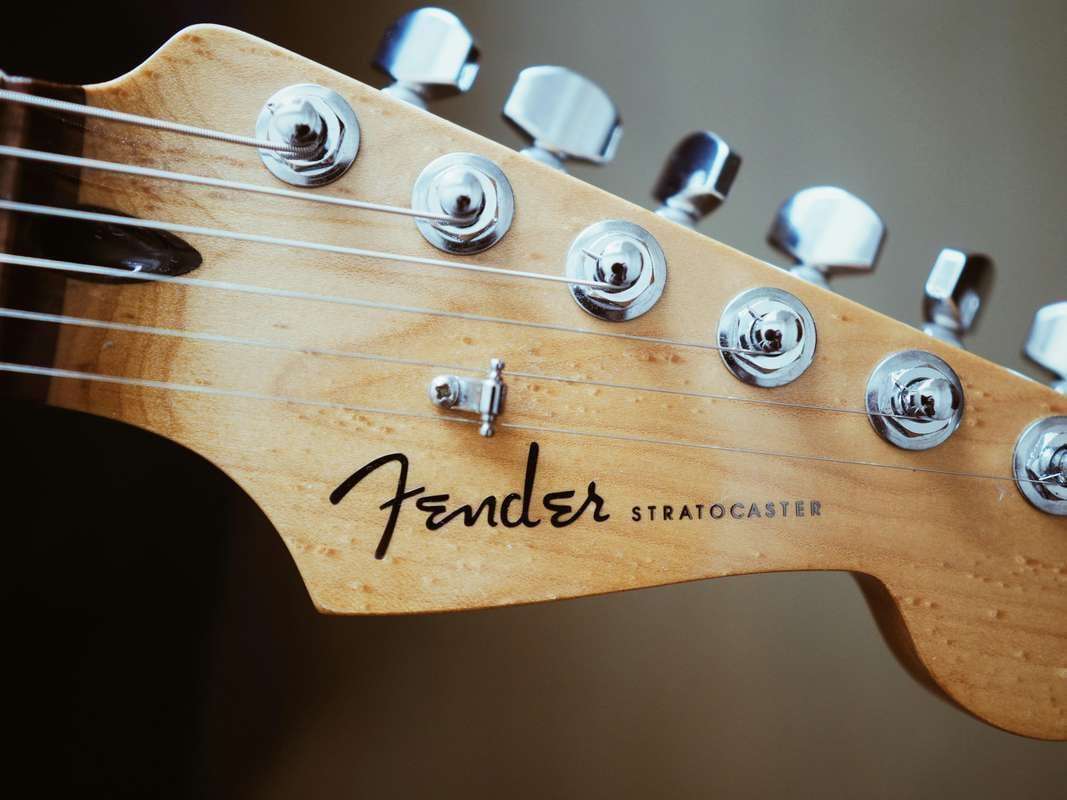
Modern American, Mexican, and most Squier Jazzmasters carry the serial on the back of the headstock, just below the tuning machines. Typical examples include US22A12345, MX21012345, and JD21012345. On reissues and some Custom Shop guitars the number may be stamped into the wood instead of printed.
Headstock Front (1958–1970s)
Some early Jazzmasters and vintage reissues place the serial on the front of the headstock, usually near the Fender logo. These are often shorter numbers, sometimes five or six digits with no prefix. If you see a front-of-headstock serial, the guitar is almost certainly from the first two decades or a later reissue styled after them.
Neck Plate (Vintage and Reissues)
Pre-1976 Fenders and many vintage reissues stamp the serial on the metal neck plate between the neck and body. You can see it without removing anything by looking at the back of the guitar where the neck bolts on. Early Jazzmasters sometimes used the neck plate as the only serial location.
Neck Heel and Body Cavity
Some Japanese and Custom Shop Jazzmasters add a secondary stamp inside the neck pocket or on the heel of the neck. You may need to loosen the neck bolts to see it. These internal numbers can confirm the headstock number or reveal a replacement neck. On Jazzmasters with large control cavities, you may also find date stamps or factory codes inside the body route.
Pro Tip: Photograph Before You Decode
Snap a clear photo of the serial before you start searching. Good side-lighting helps faint stamps read clearly. Keep the photo with your guitar records — it is useful for insurance, resale, and future setup notes.
Decoding American Jazzmaster Serial Numbers
USA Jazzmaster serials fall into clear eras. The format changed in 1958, 1965, 1976, and again in the 2010s as Fender added factory codes and longer numbers.
1958–1965: Plain Numbers
Early Jazzmasters used simple sequential numbering. The number was stamped on the neck plate or, later, the headstock front. Lower numbers mean earlier years, but the sequence is not perfectly linear because Fender reused some blocks. A rough map:
| Approximate Year | Serial Range |
|---|---|
| 1958 | 0001 – 0800 |
| 1959 | 0800 – 3000 |
| 1960–1962 | 3000 – 30000 |
| 1963–1965 | 30000 – 100000 |
These guitars are the collectable vintage tier. If a seller claims a 1958 Jazzmaster with a five-digit serial, be skeptical — genuine first-year Jazzmasters have low four-digit numbers.
1965–1976: F Series (CBS Era)
After CBS bought Fender in 1965, the neck plate gained a large Fender "F" logo. The serial numbers continued in a single sequence.
| Approximate Year | Serial Range |
|---|---|
| Late 1965 | 100000 – 110000 |
| 1966 | 110000 – 200000 |
| 1967 | 200000 – 210000 |
| 1968 | 210000 – 250000 |
| 1969 | 250000 – 280000 |
| 1970 | 280000 – 300000 |
| 1971 | 300000 – 340000 |
| 1972 | 340000 – 370000 |
| 1973 | 370000 – 520000 |
| 1974 | 500000 – 580000 |
| 1975 | 580000 – 690000 |
| 1976 | 690000 – 750000 |
CBS-era Jazzmasters kept the offset body, dual-circuit wiring, and soapbar pickups, but quality and specs shifted through the 1970s. Originality and condition matter more than the exact serial within this block.
1976–2009: S, E, N, and Z Prefixes
In 1976 Fender added a letter prefix that indicates the decade. The number after the letter is the year within the decade.
| Prefix | Decade |
|---|---|
| S | 1970s (S8 = 1978) — see Fender S-series |
| E | 1980s (E4 = 1984) — see Fender E-series |
| N | 1990s (N9 = 1999) — see Fender N-series |
| Z | 2000s (Z5 = 2005) — see Fender Z-series |
So S9 12345 is 1979, E3 12345 is 1983, and N0 12345 is 1990. For a deeper look at the 1980s E prefix, see the Fender E-series serial number guide. For the 1990s N prefix, see Fender N-series serial numbers. For the 2000s Z prefix, see Fender Z-series serial numbers.
Modern American Jazzmasters (2010–Present)
Current USA Jazzmasters typically use a format like US22A12345. The US means USA, the next two digits are the year, and the following letter is a batch code. American Vintage Reissue models may use V prefixes that do not directly encode the year, so check the neck date on those.
🛠️ Setting up a vintage or USA Jazzmaster? Factory specs changed by era. The Fender Setup Guide has action, relief, and pickup heights for American Standard, Professional, Player, and Vintera models on one printable card.
Decoding Mexican Jazzmaster Serial Numbers
Mexican Jazzmasters use an M factory prefix followed by a year code. The exact letter pair changed over time, which makes the format look more complicated than it really is.
| Prefix | Factory / Era |
|---|---|
| M + 0–9 | Early Ensenada (1990s) |
| MN | Ensenada (1990s–2010s) |
| MZ | Ensenada (2000s–present) |
| MX | Ensenada (modern) |
The digits after the prefix are the year. MN10 12345 is 2010, MZ15 12345 is 2015, and MX21 12345 is 2021. Some modern Mexican serials also include an additional batch letter, such as MX21A12345. For full details on the modern MX format, see Fender MX-series serial numbers. For the older MN and MZ systems, see Fender MN/MZ-series serial numbers.
Player Series and Vintera Jazzmasters
Player Series Jazzmasters made in Mexico carry MX or MZ prefixes. Vintera models also come from Ensenada but may use different batch lettering. The decoder handles these variations automatically, so if you see an MX or MZ number you are almost certainly looking at a Mexican-made guitar.
Player Jazzmasters typically feature a 9.5-inch fingerboard radius, 22 medium-jumbo frets, and a modern C-shaped neck. Vintera '60s Jazzmasters return to a 7.25-inch radius and vintage-style frets for players who want the classic offset feel.
Mexican Reissues and Special Runs
Fender occasionally produces Mexican-made Classic Series, Classic Player, and Road Worn Jazzmasters with their own serial conventions. These still use Ensenada prefixes but may include model-specific batch codes. If the decoder flags a special run, cross-reference the model name and hardware against the claimed year.
Decoding Japanese Jazzmaster Serial Numbers
Japan-made Jazzmasters have some of the most collectable serial histories. The formats changed several times between 1982 and today.
JV and SQ Series (1982–1984)
The first Squiers were made by Fuji-Gen in Japan and carried JV or SQ prefixes. JV Jazzmasters from 1982–1984 are especially sought after. A genuine JV serial reads JV0xxxxx for 1982, JV1xxxxx for 1983, and JV2xxxxx for 1984. For a deep dive, see the Fender JV/SQ serial number guide.
E-Series and A/B/C Series (1984–1990)
Fender Japan used letter prefixes that overlap with the US system, which causes confusion. A Japanese E4 Jazzmaster is a 1984 Fuji-Gen Fender Japan model, not a 1984 US Fender. Similarly, A, B, and C prefixes were used by Fuji-Gen in the early-to-mid 1980s. For full details, see Fender E-series serial numbers.
Crafted in Japan (1990s–2000s)
Around 1997 the "Made in Japan" decal changed to "Crafted in Japan." Serials became nine or ten digits, with the leading digits indicating the year. These guitars are still well regarded and often out-value modern imports.
Modern Japan Jazzmasters
Current Fender Japan models use longer numeric serials stamped on the back of the headstock, often with a JD prefix followed by digits where the first two digits give the year. The year is not always obvious from the digits alone, so the Fender serial number decoder is the reliable route for anything built after 2015. For the complete Japanese timeline, see Fender Japan serial numbers.
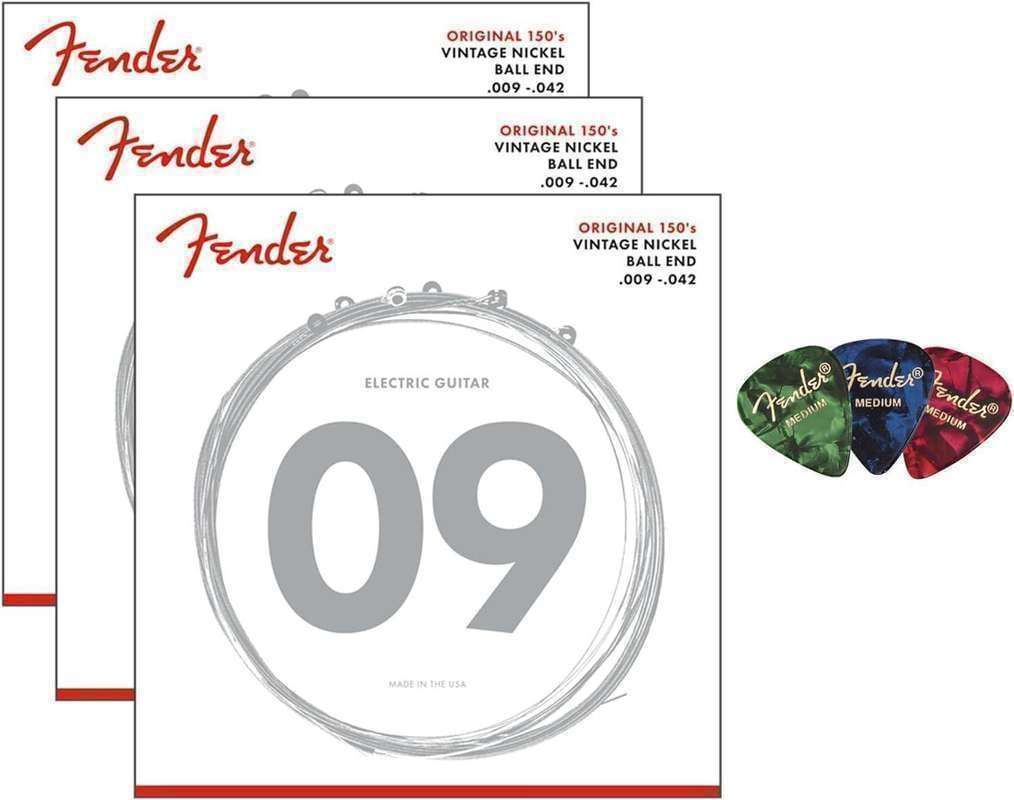
Strings for Every Jazzmaster Era
 Buy on Amazon
Other Jazzmaster Origins: Korea, Indonesia, and China
Not every Jazzmaster was made in the USA, Mexico, or Japan. Squier and Fender also built offset guitars in Korea, Indonesia, and China.
Korean Jazzmasters
Korean-made Fenders and Squiers from the late 1980s and 1990s used prefixes like E (early Korean), S, and K. The serial usually includes a factory letter followed by the year.
Indonesian Jazzmasters
Modern Squier Classic Vibe, Contemporary, and some Affinity Jazzmasters come from Indonesia. Look for IC, IS, or CIS prefixes.
Chinese Jazzmasters
China-made Squiers use prefixes like CY, CC, and CN. These are entry-level instruments, not vintage Japanese models — check the prefix before paying a premium.
What to Do After You Decode Your Jazzmaster
Once the serial tells you the year and country, the next logical steps are value, authenticity, and setup.
Check the Market Value
A serial decode gives you the baseline era. For an actual market range, plug the details into the Guitar Price Estimate. It weights year, model, condition, and current demand so you know whether a listing is fair before you make an offer.
If you are selling, use the value estimate to set a realistic price. A "2014 Mexican Standard Jazzmaster" will sell faster and for more than a vague "used Jazzmaster."
Verify Authenticity
Serial decoding is step one. Step two is checking that the guitar matches the serial. Red flags include:
- A 1950s-style logo on a guitar with a 1990s serial
- Modern sealed tuners on a vintage-era serial
- A neck-plate serial that conflicts with the headstock serial
- Missing or reprinted decals
For red flags, use the free Fender fake checker.
Set It Up for the Correct Era
A Jazzmaster from 1972 needs different setup expectations than a 2024 Player Jazzmaster. Neck profiles, fretboard radius, bridge type, and pickup output all affect the ideal action and pickup height. The Jazzmaster setup guide walks through the measurements step by step.
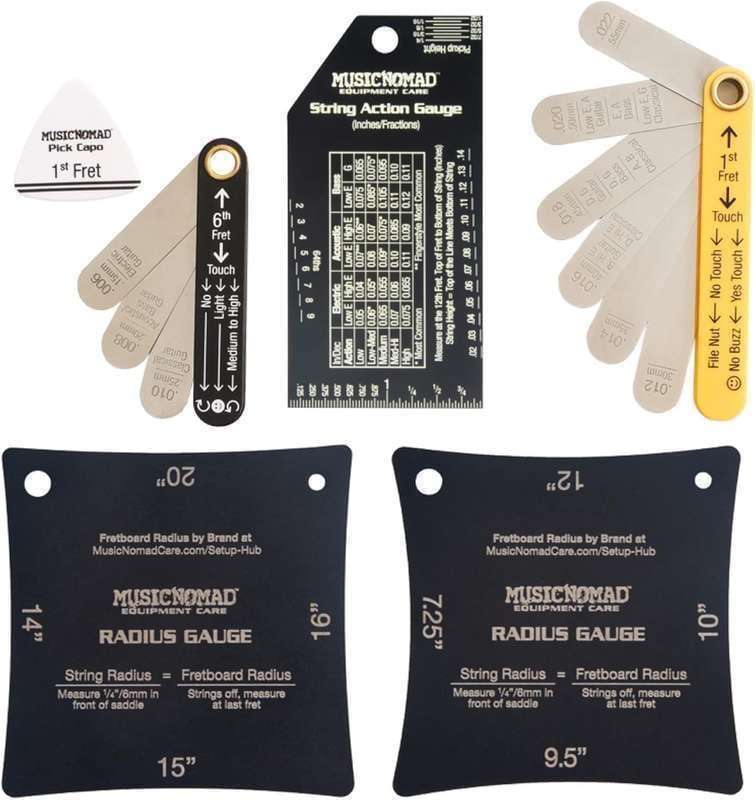
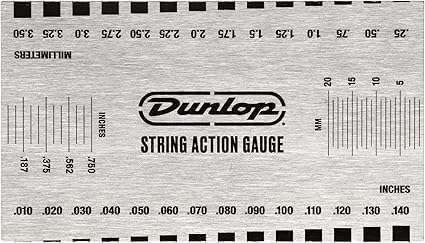
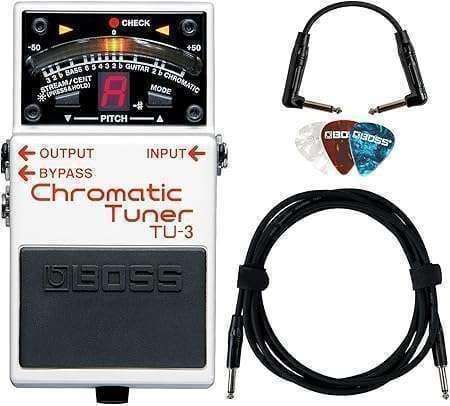
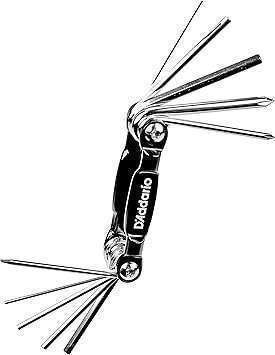
Tools for Dating and Setting Up Your Jazzmaster
Common Jazzmaster Serial Number Mistakes
Buyers and sellers make the same errors repeatedly. Avoiding these will save you money.
Confusing US and Japanese E-Series Prefixes
A US E4 serial means a 1984 American guitar. A Japanese E4 serial means a 1984 Fuji-Gen Japan guitar. The same prefix in two different factories represents two very different values. Always check the "Made in..." text on the headstock or the decoder's country field.
Assuming Lower Serial Numbers Are Always Better
A low serial does not automatically make a guitar more valuable. A 1979 Jazzmaster with serial S9 000123 is still a 1979 Jazzmaster. The year, condition, and originality matter far more than the specific number within that year.
Trusting the Decal Over the Serial
Decals are easy to reprint. A headstock can say "Vintage Reissue" while the serial points to a 2010 Mexican Standard. If the serial and the decal disagree, believe the serial and investigate further.
Treating Squier Serials Like Fender Serials
Squier has its own numbering system. Modern Squiers use IC, CY, CC, CIS, and similar prefixes that never appear on USA Fenders. Use the Squier serial number lookup for any guitar with a Squier decal.
Frequently Asked Questions
How do I read a Jazzmaster serial number?
Locate the serial on the back of the headstock, neck plate, or headstock front. Note the full prefix and digits, then enter them into the Fender serial number decoder. The prefix letters tell you the factory and decade, while the digits usually reveal the year.
Where is the serial number on a Jazzmaster?
Most Jazzmasters have the serial on the back of the headstock. Vintage models may use the neck plate or the front of the headstock. Some Japanese and Custom Shop guitars also stamp a secondary number inside the neck pocket or on the neck heel.
What does a US Jazzmaster serial number look like?
Modern USA serials start with US followed by two year digits and a batch code, such as US22A12345. Vintage USA serials are plain four- to six-digit numbers. The 1976–2009 era used letter prefixes like S, E, N, and Z for the decade.
What does an MX serial number mean on a Jazzmaster?
MX means the guitar was made in Ensenada, Mexico. The digits after MX indicate the year. For example, MX21A12345 is a 2021 Mexican Jazzmaster.
Are Japanese Jazzmaster serial numbers different?
Yes. Japanese Jazzmasters and Squiers use their own prefixes, including JV, SQ, E, A, B, and C in the 1980s, and longer numeric serials in the "Crafted in Japan" era. Modern Japan models use JD prefixes or nine- to ten-digit numbers best read with the decoder.
Can a Jazzmaster serial number be fake?
Yes. Decals and stamps can be reproduced. A fake serial may decode to a year or factory that does not match the guitar's hardware, logo, or wear. Always cross-check the serial against the physical features and use an authenticity checklist for expensive guitars.
How do I know if my Jazzmaster is American or Mexican?
The prefix is the quickest clue. American guitars typically use US, V, or plain vintage numbers. Mexican guitars use M, MN, MZ, or MX. The decoder also returns the country directly.
What year is my Jazzmaster by serial number?
Enter the serial into the Fender serial number lookup. For most guitars it returns the exact production year. For ambiguous or transitional serials, the decoder will flag the likely range.
Does the serial number affect Jazzmaster value?
Indirectly. The serial identifies the year and factory, which are two major value drivers. Condition, originality, and market demand then refine the price. Use the Guitar Price Estimate for a current market range.
Why does my Jazzmaster have two serial numbers?
Some guitars carry a headstock serial and a separate neck-plate or neck-heel stamp. This is normal for vintage, Japanese, and Custom Shop instruments. If the two numbers conflict, the guitar may have had a replacement neck or body.
Bottom Line: Decode Your Jazzmaster, Then Decide
Jazzmaster serial numbers turn a mysterious string of letters and digits into a clear year, factory, and era. Start with the Fender serial number decoder, confirm the physical details, check the market value with the Guitar Price Estimate, and set the guitar up with the specs that match its era.
If you are buying used, never skip the serial check. If you are selling, lead your listing with the decoded year and origin. And if you just want to know your guitar better, the serial is the quickest history lesson. For more Jazzmaster resources, visit the Jazzmaster hub.