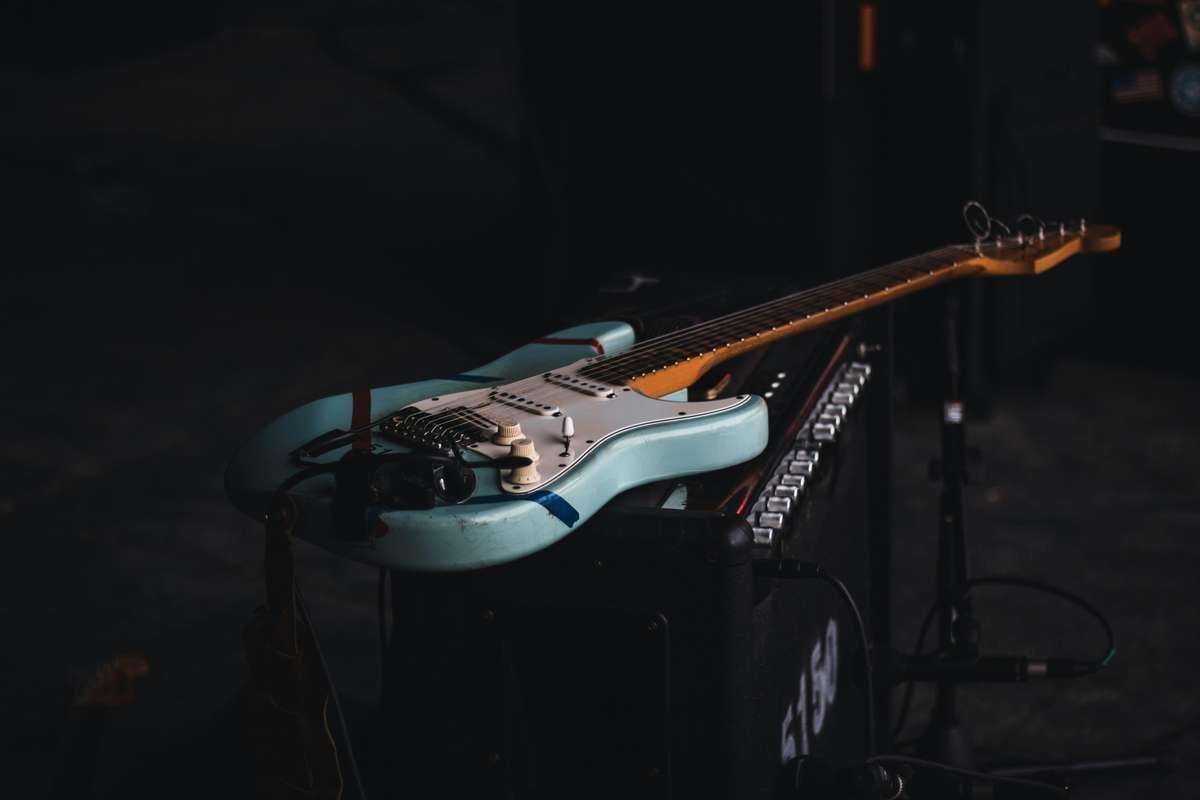
1972 Fender Stratocaster Setup Specs: Factory Measurements
Factory-correct 1972 Fender Stratocaster setup specs: neck relief, action at the 17th fret, pickup height, string gauge, 7.25" fretboard radius, 3-bolt neck, bullet truss rod, and tremolo setup.
1972 Fender Stratocaster setup specs follow the CBS-era factory formula: a 7.25" fretboard radius, three-bolt neck plate with Micro-Tilt, bullet truss-rod adjustment at the headstock, and the new one-piece die-cast tremolo. Whether you are restoring an all-original 1972 Strat or just want your reissue to behave like one, the measurements below are the period-correct starting points.
A factory 1972 Strat left Fullerton with roughly 0.012" (0.30 mm) neck relief at the 8th fret, 1.6 mm high-E / 2.0 mm low-E action measured at the 17th fret, and vintage-style single-coils set to 2.4 mm bass side / 2.0 mm treble side with the string fretted at the last fret. String gauges were typically .010–.046, and the tremolo was set to float just off the body or flush depending on player preference.
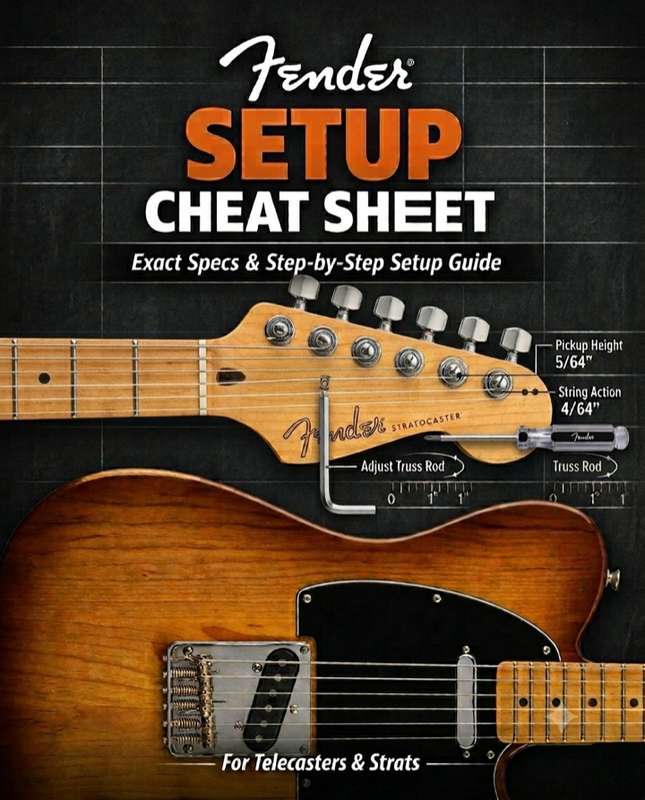
Want all these specs on one printable card? Our Fender Setup Cheat Sheet has 1972 Strat measurements — relief, action, pickup heights, tremolo angle, and string gauges — pre-filled so you can tape it to your workbench.
Quick Answer: 1972 Stratocaster Factory Setup Specs
| Specification | Factory Measurement |
|---|---|
| Neck relief | 0.012" (0.30 mm) at the 8th fret |
| Action (string height) | High E: 4/64" (1.6 mm); Low E: 5/64" (2.0 mm) at the 17th fret |
| Pickup height (vintage style) | Neck/Middle/Bridge: 6/64" (2.4 mm) bass side, 5/64" (2.0 mm) treble side |
| Fretboard radius | 7.25" |
| Scale length | 25.5" (648 mm) |
| Nut width | 1-5/8" (41.3 mm) |
| String gauge | .010–.046 nickel-plated steel typical factory fitment |
| Tremolo float | Bridge plate 1/8"–3/16" (3–5 mm) off body, or decked flush |
These numbers assume a healthy neck, original-style grey-bottom pickups, and the standard 7.25" radius. If your Strat has been refretted with a different radius or fitted with hotter pickups, treat these as a starting point and adjust by ear.
What Makes a 1972 Stratocaster Different?
By 1972, CBS-era changes were fully in place: the large headstock with black logo, three-bolt neck plate with Micro-Tilt, bullet truss rod at the headstock, one-piece die-cast chrome Mazac tremolo with cast saddles, and grey-bottom staggered-pole pickups. Fingerboards were usually a thin Indian rosewood veneer over maple, though one-piece maple necks remained available. The 7.25" radius and lower-output pickups mean these guitars need a little more relief and slightly closer pickups than modern Strats.
If you need to confirm the year before working, use the Fender serial number lookup and our Stratocaster serial numbers guide.
Neck Relief for a 1972 Stratocaster
Fender's factory spec for a 7.25" radius is 0.012" (0.30 mm) measured at the 8th fret with the first fret capped and the string pressed at the last fret. The gauge should slip through with light drag.
The bullet truss-rod nut is under a small cover at the headstock. Turn clockwise to reduce relief, counterclockwise to add relief, no more than 1/8-turn at a time. Retune and let the neck settle before re-measuring.
Action Height on a 1972 Stratocaster
Fender measures action at the 17th fret. For a 7.25" radius, target 4/64" (1.6 mm) high E and 5/64" (2.0 mm) low E. Detune the string slightly, turn the saddle height screw with a 1/16" Allen key (clockwise raises, counterclockwise lowers), retune, and measure again. Set tremolo attitude before finalizing saddle heights.
Pickup Height for a 1972 Stratocaster
Original grey-bottom staggered-pole single-coils use the same vintage spec in all three positions:
| Pickup | Bass Side | Treble Side |
|---|---|---|
| Neck | 6/64" (2.4 mm) | 5/64" (2.0 mm) |
| Middle | 6/64" (2.4 mm) | 5/64" (2.0 mm) |
| Bridge | 6/64" (2.4 mm) | 5/64" (2.0 mm) |
Measure from the pole-piece top to the string bottom with the string pressed at the last fret. If pickups are too close, magnets pull on the strings; too far, tone weakens. Adjust in 1/32" increments until balance is even.
Tools and Strings for a 1972 Strat Setup
 Buy on Amazon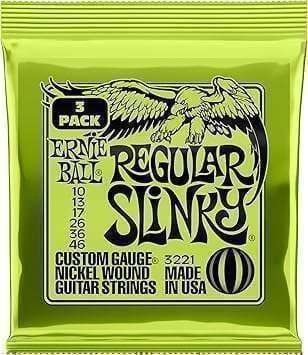

String Gauge, Nut Height, and Fretboard Details
Most CBS-era Strats shipped with .010–.046 nickel-plated steel. The nut width is 1-5/8" (41.3 mm), and slots should leave the string about 0.020"–0.025" above the first fret. Check by fretting at the second fret: a business-card-thick gap over the first fret is about right. The radius is 7.25" and scale length is 25.5".
Tremolo and Bridge Setup for a 1972 Stratocaster
The 1972 tremolo is a one-piece die-cast chrome unit with six screws and cast saddles. Balance string tension against the rear claw:
| Setup Type | Bridge Position | Feel |
|---|---|---|
| Decked | Bridge plate flush against the body | Maximum tuning stability, no upward pull |
| Floating | Rear of plate 1/8"–3/16" (3–5 mm) off body | Upward pitch bend range, more shimmer |
To set it, remove the cavity cover and adjust the claw screws: clockwise pulls the bridge down, counterclockwise lets it rise. Retune and re-check. Add a fifth spring if the claw is maxed out; three springs are usually enough for a light float with 10-46 strings.
Step-by-Step Setup Workflow for a 1972 Stratocaster
Use this order every time. Skipping relief before action is the most common reason a setup fights back.
- Install fresh strings. Stretch them and tune to pitch. Use 10-46 if you want factory tension.
- Check neck relief. Capo the first fret, press the low E at the last fret, and measure at the 8th fret. Target 0.012".
- Adjust the truss rod. Turn the bullet nut no more than 1/8 at a time. Retune and re-measure.
- Set tremolo attitude. Deck the bridge or float it to your preference before setting action.
- Set action at the saddles. Target 1.6 mm high E and 2.0 mm low E at the 17th fret.
- Set pickup height. Target 2.4 mm bass side and 2.0 mm treble side, last fret depressed.
- Set intonation. Compare the 12th fret harmonic to the fretted 12th note. Move the saddle forward if sharp, backward if flat.
- Check nut height. Confirm low action at the first fret without buzz on open strings.
- Play test. Check for buzz, dead spots, and tuning return after tremolo use.
This workflow is the same one we use in the Stratocaster setup ultimate guide, adapted here for the specific hardware and measurements of a 1972 Strat.
If your 1972 Strat is a valuable original, keep detailed notes and photos before changing anything. For current market value, see our 1972 Fender Stratocaster value guide.
Frequently Asked Questions
What are the factory setup specs for a 1972 Fender Stratocaster?
A 1972 Stratocaster should have about 0.012" neck relief at the 8th fret, 1.6 mm high-E and 2.0 mm low-E action at the 17th fret, and vintage-style pickups set to 2.4 mm bass side and 2.0 mm treble side with the string pressed at the last fret. String gauge was typically 10-46, and the fretboard radius is 7.25".
How do I adjust the truss rod on a 1972 Stratocaster?
The 1972 Stratocaster uses a bullet truss rod that adjusts at the headstock under a small plastic cover. Use the correct Allen key, turn clockwise to reduce relief and counterclockwise to add relief, and limit each adjustment to 1/8 of a turn. Retune to pitch and let the neck settle before measuring again.
What is the correct pickup height for a 1972 Stratocaster?
For the original grey-bottom staggered-pole single-coils, start with 6/64" (2.4 mm) on the bass side and 5/64" (2.0 mm) on the treble side. Measure from the top of the pole piece to the bottom of the string with the string fretted at the last fret. All three pickups use the same starting height.
What string gauge did 1972 Stratocasters ship with?
Most CBS-era Stratocasters left the factory with .010–.046 nickel-plated steel strings. Some examples shipped with lighter 9-42 sets, but 10-46 is the safer reference for correct tremolo tension and factory action.
Should I float or deck the tremolo on a 1972 Stratocaster?
Deck the tremolo if you want maximum tuning stability and rarely use the bar. Float it about 1/8" to 3/16" off the body if you want upward pitch bends and a more shimmering vibrato. Set the tremolo attitude before you finalize action and intonation.
What makes a 1972 Stratocaster different from a 1960s Strat?
The 1972 Stratocaster has a large headstock, three-bolt neck plate with Micro-Tilt, bullet truss rod at the headstock, one-piece die-cast tremolo with cast saddles, and usually grey-bottom staggered-pole pickups. The body contours are shallower and the finish is polyester rather than nitrocellulose lacquer.
How high should the nut slots be on a 1972 Stratocaster?
The open strings should sit about 0.020" to 0.025" above the first fret. A practical test is to fret each string at the second fret and look for a thin gap — about the thickness of a business card — between the string and the top of the first fret.
Can I use modern 9-42 strings on a 1972 Stratocaster?
Yes, but lighter strings reduce tension on the neck and tremolo springs. You may need to loosen the tremolo claw slightly to maintain the same bridge angle, and the action may read lower. Always recheck relief, action, and intonation after a string-gauge change.
How do I date my 1972 Stratocaster before setting it up?
Start with the Fender serial number lookup. 1972 USA Strats have plain six-digit serial numbers stamped on the neck plate. The neck heel may also have an eight-digit green or red stamp starting with "09" for Stratocaster. Our Stratocaster serial numbers guide explains the full system.
What tools do I need to set up a 1972 Stratocaster?
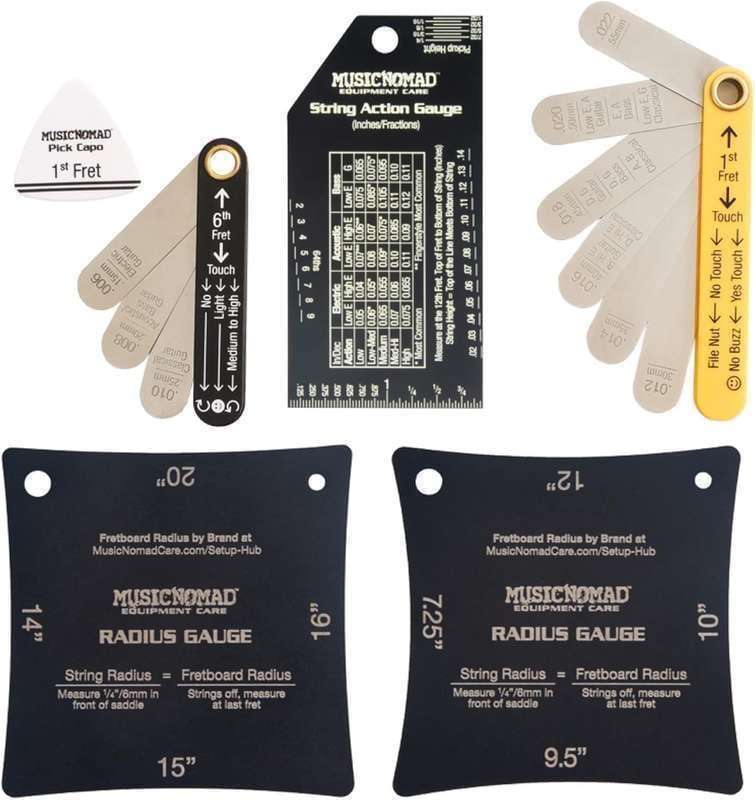
You need a set of Allen wrenches, screwdrivers, a string action gauge, feeler gauges, a precise tuner, wire cutters, and a string winder. A capo is essential for measuring neck relief accurately.
Related Posts
- Stratocaster Setup Ultimate Guide — Complete step-by-step setup for any Strat
- Stratocaster Serial Numbers — Date your guitar by serial number and era
- Fender Serial Number Lookup — Interactive decoder for all Fender serials
- 1972 Fender Stratocaster Value Guide — Market value for 1972 Strats
- Guitar Action Height Guide — Action theory and measurements for all guitars
- Guitar Truss Rod Adjustment Guide — Safe truss-rod workflow for any neck