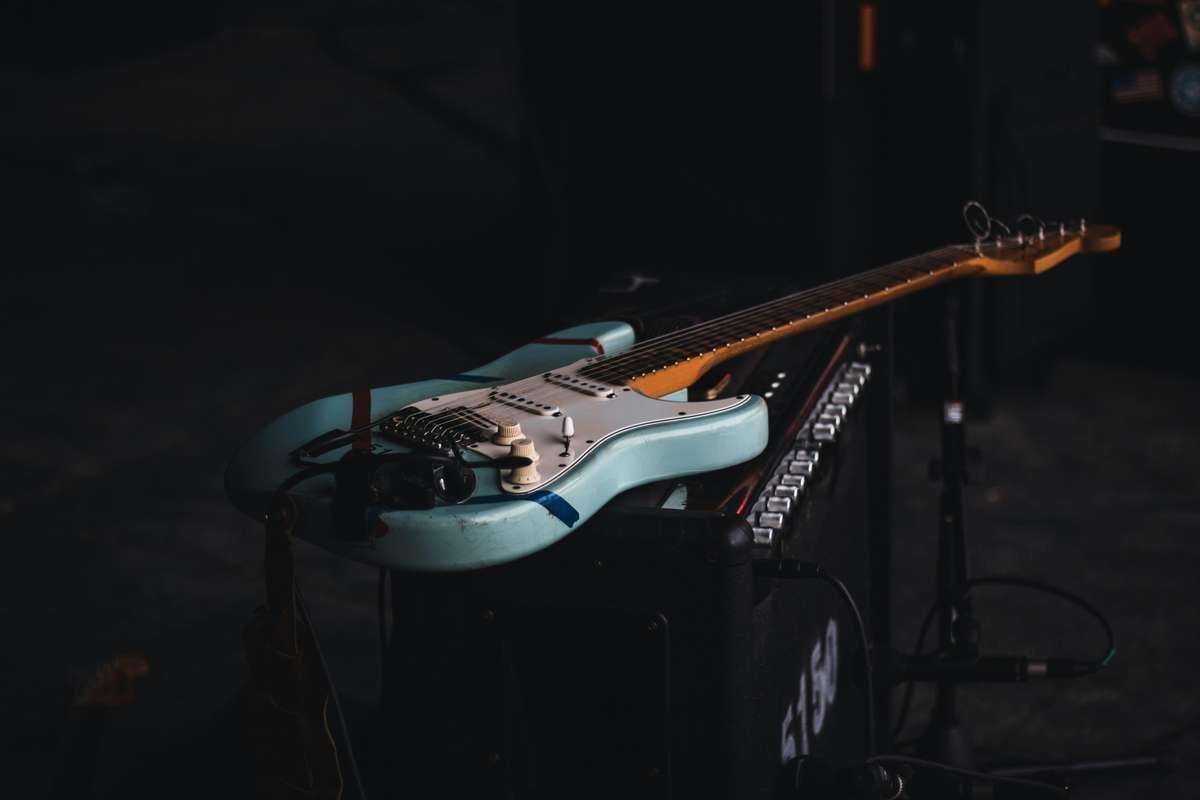
Fender Stratocaster Setup Specs 1965: Factory Measurements
Exact 1965 Fender Stratocaster setup specs: 0.012" neck relief, 5/64" bass / 4/64" treble action at the 17th fret, vintage pickup heights, string gauge, and tremolo setup.
The 1965 Fender Stratocaster sits on the CBS-era boundary. Early 1965 guitars still carry pre-CBS traits — small headstock, four-bolt neck plate, and the same 7.25" fingerboard radius used since 1954. By late 1965 the larger CBS headstock appeared, but the neck geometry and synchronized tremolo stayed the same. This page lists the exact factory setup specs for a 1965 Stratocaster, using Fender's published measurements for 7.25" radius guitars with vintage-style single-coils.
1965 Stratocaster at a Glance
Most 1965 specs changed gradually through the early CBS years, so a late-1965 guitar may already show the larger headstock.
| Feature | 1965 Fender Stratocaster Spec |
|---|---|
| Body | Alder (ash on blonde custom colors) |
| Neck | Maple with rosewood fingerboard; optional maple fingerboard late in the year |
| Neck profile | 1965 "C" |
| Fingerboard radius | 7.25" (184.1 mm) |
| Scale length | 25.5" (648 mm) |
| Nut width | ~1.650" (42 mm) |
| Frets | 21 vintage-style frets |
| Pickups | Three gray-bottom single-coil Strat pickups, staggered poles |
| Bridge | Vintage synchronized tremolo with bent steel saddles |
| Tuners | Kluson Deluxe |
| Headstock | Small headstock early 1965; large CBS headstock late 1965 |
| Pickguard | White 3-ply or mint green depending on production batch |
If you are not sure whether your guitar is actually a 1965, run the serial number through the Fender serial number lookup. 1965 Strats usually carry plain numeric serials in the 100000–700000 range or early L-series neck plates.
Factory Setup Specs for a 1965 Stratocaster
Fender measures string height at the 17th fret on vintage-style instruments, not the 12th fret.
Neck Relief
Target: 0.012" (0.30 mm) at the 8th fret.
Capo the first fret, press the low E at the last fret, and slide a 0.012" feeler gauge between the string and the top of the 8th fret. It should fit with light drag. A 7.25" radius needs slightly more relief than a modern 9.5" or 12" radius to prevent buzz during bends.
String Height (Action)
Target at the 17th fret:
| String | Height |
|---|---|
| Low E (bass side) | 5/64" (2.0 mm) |
| High E (treble side) | 4/64" (1.6 mm) |
Set the action by adjusting the individual saddle screws on the synchronized tremolo. Clockwise raises the saddle, counterclockwise lowers it. Detune the string slightly before turning the screw.
Pickup Height
Target for vintage-style single-coils, measured with the string pressed at the last fret:
| Pickup | Bass Side | Treble Side |
|---|---|---|
| Neck pickup | 6/64" (2.4 mm) | 5/64" (2.0 mm) |
| Middle pickup | 6/64" (2.4 mm) | 5/64" (2.0 mm) |
| Bridge pickup | 6/64" (2.4 mm) | 5/64" (2.0 mm) |
The 1965 Strat pickups are gray-bottom, staggered-pole vintage style. Measure from the top of the pole piece to the bottom of the string. Many players lower the bridge pickup slightly for a smoother treble response.
Nut Slot Depth
Target: 0.020"–0.022" (0.50–0.55 mm) clearance above the first fret.
Measure the gap between the bottom of the open string and the top of the first fret. Vintage Fender nuts were cut fairly open, which contributes to the easy-bending feel of a 1965 Strat.
Tremolo and Bridge Setup
The 1965 Strat uses the vintage six-screw synchronized tremolo. Fender's factory setup calls for the bridge to float with the rear edge about 1/8" (3.2 mm) off the body.
Balance the tremolo springs against string tension. Start with three springs in an angled pattern, or four springs for heavier sets. Adjust the claw screws clockwise to pull the bridge down, counterclockwise to let it float higher. Deck the bridge flush if you prefer maximum tuning stability.
String Gauge
Factory-equivalent: .011–.048 or .012–.054 pure nickel.
Fender shipped 1965 Stratocasters with heavier pure nickel strings than many players use today. The heavier tension balances the vintage tremolo springs and gives the warm, rounded attack associated with the era. Modern players often switch to 10–46 for easier bending, but recheck relief and spring balance after a gauge change.
Step-by-Step Setup for a 1965 Stratocaster
Work in this order. Setting relief before action prevents fret buzz that saddle height cannot fix.
Step 1: Install Strings and Tune to Pitch
Use pure nickel .011–.048 or .012–.054 for a vintage-correct setup, or 10–46 for a modern feel. Stretch the strings as you tune.
Step 2: Set Neck Relief
Capo the first fret, press the low E at the last fret, and check the gap at the 8th fret with a feeler gauge. Aim for 0.012". On a 1965 Strat the truss rod adjusts at the neck heel. Turn clockwise to reduce relief, counterclockwise to add relief, in 1/8-turn increments. Re-tune and re-check.
Step 3: Set String Height at the Bridge
Set the low E to 5/64" and the high E to 4/64" at the 17th fret. Match the middle strings to the 7.25" radius. Re-tune after every saddle adjustment. Vintage saddles adjust as a unit, so small, even turns work best.
Step 4: Set Pickup Height
Press the strings at the last fret. Set each pickup to 6/64" on the bass side and 5/64" on the treble side. Play through a clean amp and lower any pickup that sounds harsh or pulls the string out of tune.
Step 5: Set Tremolo Float
For factory float, aim for 1/8" at the rear of the bridge plate. Adjust the claw screws and re-tune until the bridge holds its angle. Lubricate the pivot points and nut slots with graphite. Deck the bridge flush if you prefer stability over upward tremolo range.
Step 6: Set Intonation
Compare the 12th fret harmonic to the fretted note on each string. Move the saddle back if sharp, forward if flat. Re-tune and re-check. Vintage saddles are a compromise by nature, so a small tolerance on the G string is normal.
Era-Specific Hardware Notes for 1965
Gray-Bottom Pickups
By 1965 the black pickup bottoms of the early 1960s had been replaced by gray bottoms. The windings and magnets are still vintage-style. Tonally, these pickups are slightly warmer and less aggressive than pre-CBS black-bottom pickups.
Staggered Pole Pieces
The pole pieces are staggered to match the string radius. If you use a modern plain-G set, the G string may sit lower than the stagger was designed for and sound quieter. Some players raise the G pole piece or accept the vintage compromise.
Neck Plate and Headstock
Early 1965 Strats retain the four-bolt neck plate and small headstock. Late 1965 transitions toward the three-bolt plate and larger headstock, though most 1965 guitars still have four bolts. Make sure the neck bolts are snug; a loose neck pocket causes shifting action and poor sustain.
Finish
Some late-1965 Strats have a slightly thicker polyester undercoat beneath the nitrocellulose topcoat. This can dampen resonance slightly compared with a 1962 Strat, but a good setup still lets the guitar sing.
When to Keep Factory Specs vs Modernize
If your 1965 Strat is all original and valuable, keep the setup close to factory specs. Drastic changes — routing for humbuckers, replacing the bridge, or re-fretting with jumbo wire — hurt collector value.
For a player-grade 1965 Strat, modest modernizations are reasonable:
- Switch to 10–46 strings for easier bending.
- Use a slightly decked tremolo for tuning stability.
- Lower the bridge pickup for a less harsh high end.
- Add a thin shim in the neck pocket if you run out of saddle adjustment.
Never refinish a vintage Strat unless the finish is already ruined. If you are unsure about originality, use the Fender authenticity checker and cross-reference the serial number.
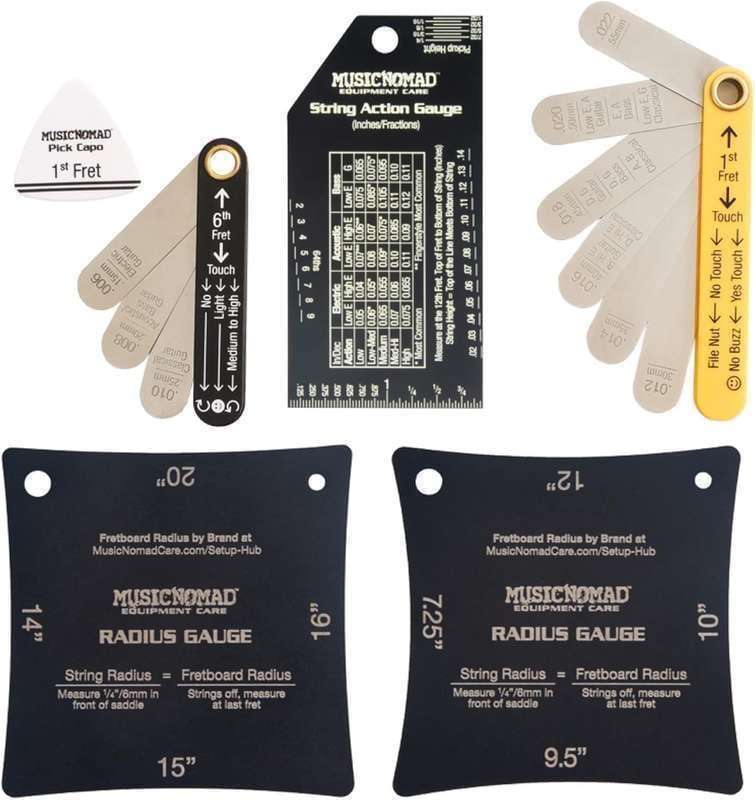
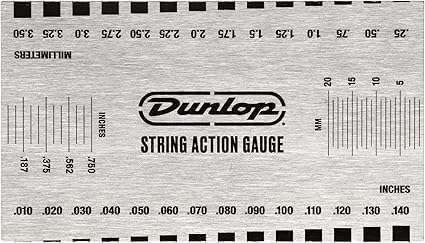
Tools and Strings for a 1965 Stratocaster Setup
 Buy on Amazon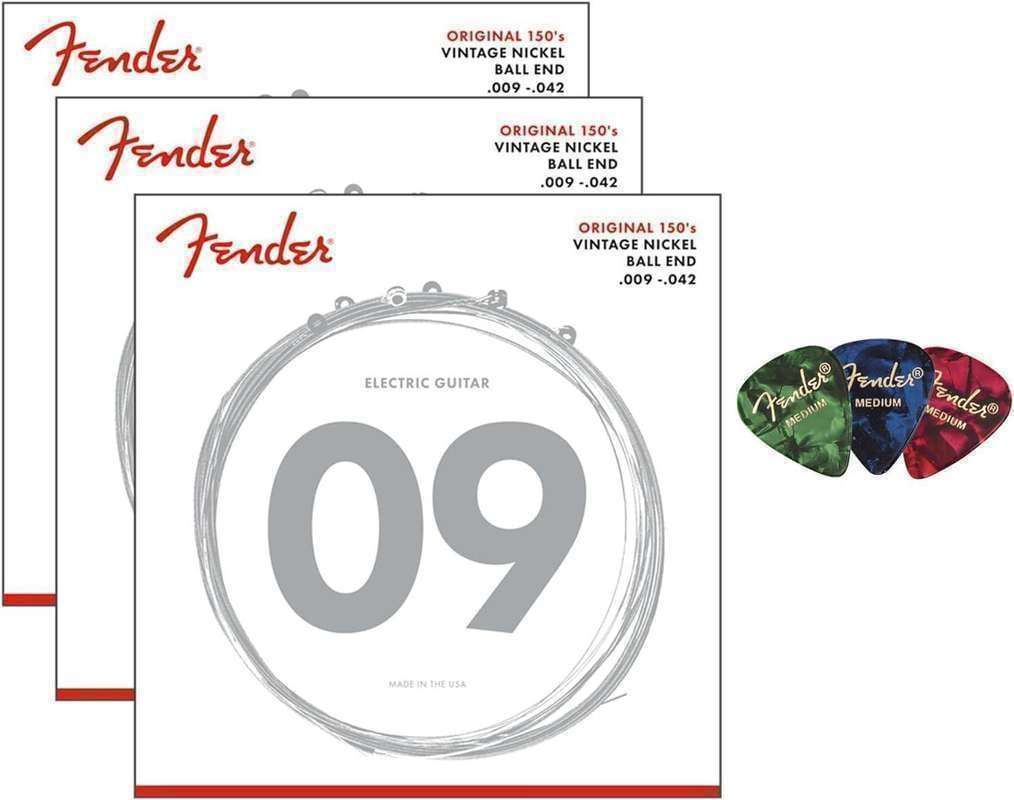
What If the Specs Do Not Work on Your Guitar?
Factory specs are starting points. A 1965 Strat with worn frets, a settled neck, or a replaced bridge may need different numbers.
| Symptom | Likely Cause | Fix |
|---|---|---|
| Buzz above the 12th fret | Action too low or too little relief | Raise saddles slightly or add relief |
| Buzz on open/low-fret notes | Nut slots too low | Replace nut or file carefully |
| Tuning drift after tremolo use | String stretch, nut friction, or spring balance | Stretch strings, lubricate nut, check springs |
| Uneven pickup output | Pickup height or magnet stagger | Adjust height; consider pole piece stagger if using plain G |
Internal Links and Next Steps
- Fender Serial Number Lookup — confirm the year and origin of your guitar.
- Fender Stratocaster Value Guide — understand what a 1965 Strat is worth before buying or selling.
- Stratocaster Serial Numbers — deeper guide to Strat serial formats by country and era.
- Ultimate Stratocaster Setup Guide — general setup workflow for all Strat models.
Frequently Asked Questions
What are the factory action specs for a 1965 Stratocaster?
Fender specifies 5/64" (2.0 mm) on the bass side and 4/64" (1.6 mm) on the treble side, measured at the 17th fret. That translates to roughly 2.0 mm low E and 1.6 mm high E if you prefer measuring at the 12th fret.
What neck relief should a 1965 Stratocaster have?
A 7.25" radius Stratocaster should have about 0.012" (0.30 mm) of relief at the 8th fret. The rounder board needs slightly more relief than a modern 9.5" or 12" radius to avoid buzz during bends.
How high should the pickups be on a 1965 Strat?
Start with 6/64" (2.4 mm) on the bass side and 5/64" (2.0 mm) on the treble side, measured with the string pressed at the last fret. Apply this to the neck, middle, and bridge pickups, then adjust by ear.
What string gauge did 1965 Stratocasters ship with?
Fender typically shipped Strats in 1965 with heavier pure nickel sets, commonly .011–.048 or .012–.054. Modern players often use 10–46 for easier bending, but heavier gauges are more period-correct.
What is the fingerboard radius of a 1965 Stratocaster?
The fingerboard radius is 7.25". This is the original vintage radius used on Stratocasters from 1954 through the mid-1980s. It feels rounder than modern 9.5" or compound-radius boards.
What is the scale length of a 1965 Stratocaster?
The scale length is 25.5" (648 mm). This has been the standard Stratocaster scale length since the model was introduced.
What kind of bridge does a 1965 Stratocaster have?
A vintage-style synchronized tremolo with six mounting screws and bent steel saddles. Fender's factory setup floats the rear of the bridge about 1/8" off the body, though many players deck it flush for stability.
How do you date a 1965 Stratocaster?
Check the serial number on the neck plate or headstock and run it through a Fender serial number decoder. 1965 serials are usually plain numbers in the 100000–700000 range or early L-series plates. Cross-reference with neck heel dates and pot codes for a tighter window.
Is a 1965 Stratocaster pre-CBS or CBS?
CBS purchased Fender in January 1965, so 1965 Stratocasters are technically CBS-era. However, early 1965 guitars were built with many pre-CBS parts and tooling, making them highly desirable transitional instruments.
Should I set up a 1965 Stratocaster myself?
Basic setup work — relief, action, pickup height, and tremolo balance — is safe to do at home with the right tools. Leave nut work, refrets, and truss rod issues that require neck removal to a professional, especially on a valuable vintage instrument.
Conclusion
The 1965 Fender Stratocaster setup is built around a 7.25" radius, vintage synchronized tremolo, and gray-bottom single-coil pickups. Start with 0.012" neck relief, 5/64" bass / 4/64" treble action at the 17th fret, and 6/64" bass / 5/64" treble pickup heights. Use pure nickel strings in .011–.048 or .012–.054 for period-correct tension, or switch to 10–46 for easier bending.
Adjust from there for fret condition, playing style, and tremolo preference. If you own a clean, original 1965 Strat, document the current setup before changing anything and consider a professional tech for work that risks originality.
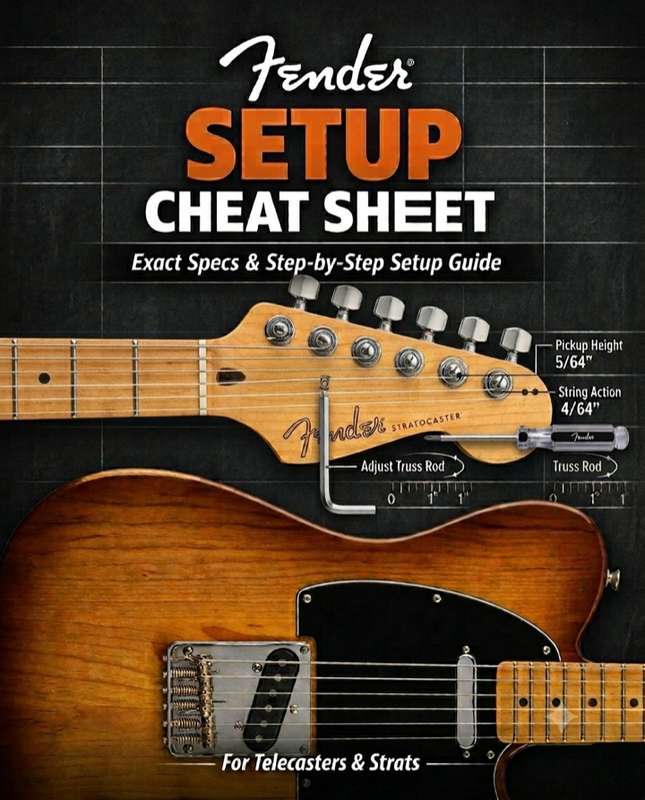
For a printable spec card, grab the Fender Setup Guide. If you are buying or selling, check the current market value with a Guitar Price Estimate before you set a price.