1965 Fender Stratocaster Value: Pre-CBS vs CBS Transition
1965 Fender Stratocaster value ranges by condition, from refinished players to mint pre-CBS examples. See what early vs late 1965 builds are worth today.
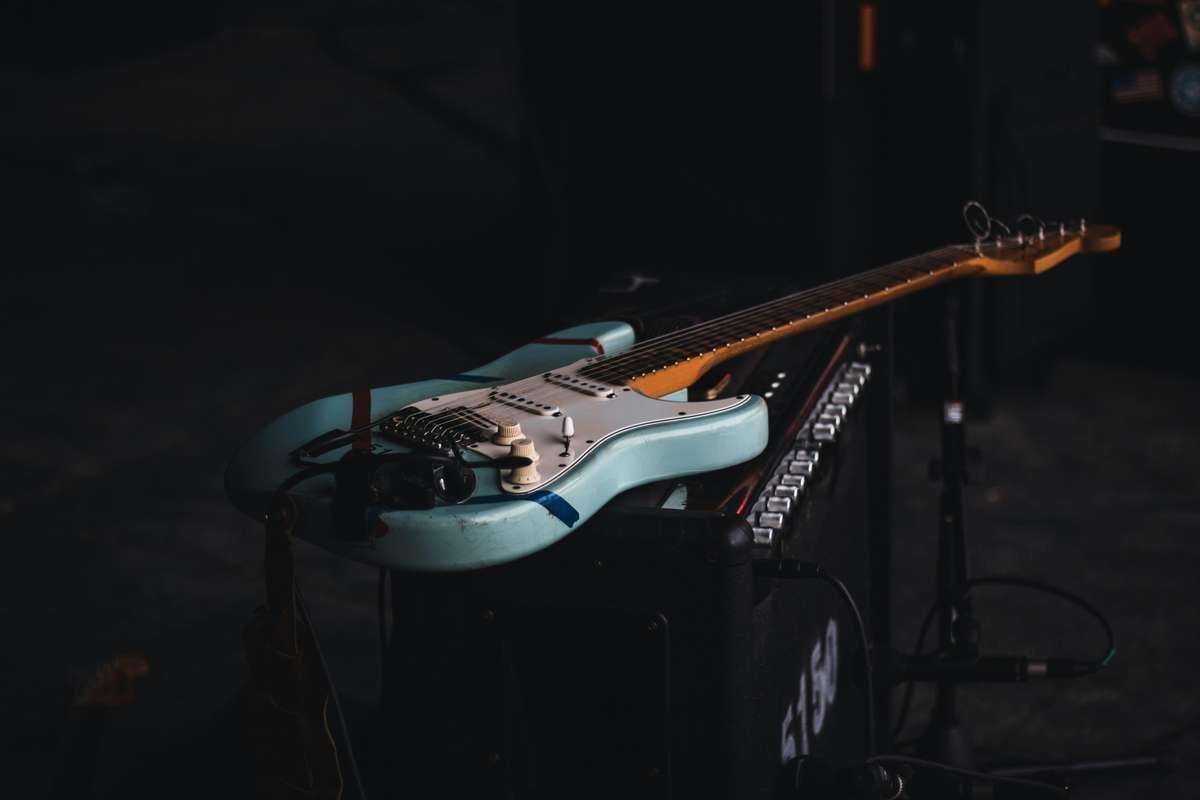 The 1965 Stratocaster was built across the most famous ownership change in guitar history — and the month it left Fullerton matters more than almost any other detail.
1965 Fender Stratocaster Value at a Glance
1965 Fender Stratocaster value depends on one question above all others: was the guitar built before or after the CBS takeover reshaped the Fender factory? Early 1965 pre-CBS-built Stratocasters in mint original condition sell for roughly $45,000 to $65,000, while late 1965 CBS transition models with the larger headstock typically trade 15 to 25 percent below those numbers. Few years in Fender history pack this much price movement into twelve months.
The 1965 Stratocaster is a genuine transition instrument. CBS bought Fender in January 1965, so every Strat built that year carries technically CBS-era paperwork. Yet guitars assembled in the first months of the year were made by the same crew, with the same parts bins, on the same jigs as the legendary 1962 to 1964 Strats. That is why collectors split 1965 into "early pre-CBS-built" and "late CBS transition" camps — and why the serial number, neck date, and feature set all matter before you name a price.
If you want a fast read on your specific guitar, start with our Fender serial number decoder and the Stratocaster serial numbers guide. For the full model-wide picture, see our Fender Stratocaster value guide. Below, we break down exactly what 1965 Strats are selling for, what separates the early builds from the late ones, and which details move the price by thousands of dollars.
Pre-CBS vs CBS in 1965: The Distinction That Drives Price
When CBS Bought Fender
CBS purchased Fender in January 1965 for a reported $13 million. The corporate handover did not change the factory floor overnight. The Fullerton crew kept building guitars the old way for months, burning through existing wood stock, pre-CBS decals, and hardware bins. Guitars built during this overlap are why 1965 is the single most nuanced year in vintage Strat valuation.
Early 1965 Pre-CBS-Built Strats
The earliest 1965 Stratocasters are essentially late 1964 guitars wearing a later date. These are the most valuable 1965s. Typical identifiers include:
- Late L-series neck plates. The L-prefixed serial plates introduced in 1963 carried into early 1965, overlapping with plain six-digit numeric serials in the 100000 to 200000 range.
- Small headstock. The compact, pre-CBS headstock shape with the spaghetti-era silhouette remained standard into the spring.
- Clay dot markers. The reddish-brown clay position dots used since the late 1950s were still in the parts bins.
- Grey-bottom pickups and four-bolt neck plate. The pickups had transitioned from black bottoms to grey bottoms, but the neck joint still used the classic four-bolt plate.
Players often describe these early 1965s as the last of the "golden era" Strats. Collectors agree, and they pay accordingly.
Mid and Late 1965 CBS Transition Models
Through mid and late 1965, the changes arrived in sequence rather than all at once. The most visible is the larger CBS headstock, which began appearing partway through the year. Clay dot markers stayed in use for a stretch, and the grey-bottom pickups remained, so a late 1965 Strat can carry a mix of old and new traits. Crucially, most 1965 guitars — even late ones — still have four-bolt neck plates; the three-bolt micro-tilt joint did not arrive until later in the decade.
A late 1965 CBS transition Strat typically sells for 15 to 25 percent less than an early-year example in comparable condition. The discount is not a quality verdict. It reflects collector psychology: the early builds sit closer to the mythical pre-CBS run, and the market prices that proximity.
Why the Split Matters More in 1965 Than Any Other Year
In most years, a Fender transitions gradually and the market shrugs. In 1965 the boundary is sharp and emotional. The pre-CBS era ended in the middle of the production year, so two guitars with consecutive serial numbers can be worth $10,000 or more apart purely because of headstock shape and build timing. If you own a 1965 Strat, identifying which side of the line it sits on is the single highest-leverage valuation step you can take.
1965 Fender Stratocaster Value by Condition
These ranges reflect current market prices for early 1965 pre-CBS-built Stratocasters in original finish. Original-finish means the factory nitrocellulose topcoat is intact, even if it shows honest wear.
| Condition | Description | Approximate Value |
|---|---|---|
| Mint / Near Mint | Unplayed or barely played, original hang tags and case candy, no visible wear | $45,000 – $65,000 |
| Excellent | Light play wear, no significant dings or buckle rash, all original parts | $30,000 – $45,000 |
| Very Good | Normal play wear, minor dings and finish swirls, all original | $22,000 – $30,000 |
| Good | Moderate wear, possible minor touch-ups or small replaced parts | $14,000 – $22,000 |
| Poor / Refinished | Heavy wear, professional refinish, or project-grade issues | $6,000 – $12,000 |
For late 1965 CBS transition models with the larger headstock, subtract roughly 15 to 25 percent across the board:
| Condition | Approximate Value |
|---|---|
| Mint / Near Mint | $34,000 – $55,000 |
| Excellent | $23,000 – $38,000 |
| Very Good | $17,000 – $25,000 |
| Good | $10,500 – $18,000 |
| Poor / Refinished | $4,500 – $9,500 |
Two things stand out. First, condition swings this guitar's price by a factor of five or more between poor and mint, which is rare even among vintage Fenders. Second, a refinish lands the guitar near the bottom of the table no matter how beautifully it was done. On a 1965 Stratocaster, originality is the product.
What Drives 1965 Stratocaster Prices
Finish Color Premiums
Three-tone sunburst was the standard 1965 finish and remains the volume leader in the market. Original custom colors — Olympic White, Sonic Blue, and Fiesta Red among them — carry meaningful premiums over sunburst in equal condition, often 15 to 30 percent. Blonde finishes over ash bodies are rarer still and can add more. Color claims must be verified, though. A refinished "Fiesta Red" is worth refinish money, not color money, and ultraviolet light inspection is the standard test for detecting a refinish under vintage-looking wear.
Originality of Parts
Every original component on a 1965 Strat has a price tag. The grey-bottom pickups, the synchronized tremolo with bent steel saddles, the Kluson Deluxe tuners, and the correct 3-ply pickguard each protect value by staying original. A replaced bridge or tuner set might cost a few hundred to a couple thousand dollars off the price. Swapped pickups cost more, because the grey-bottom set is a core part of the guitar's identity.
The Refinish Penalty
A professional refinish typically removes 30 to 50 percent of a 1965 Strat's original-finish value. That penalty is why the "poor / refinished" tier sits so far below the others. It is also why you should never refinish a worn-but-original guitar to "improve" it. Honest play wear photographs well, tells a story buyers love, and preserves five figures of market value.
Provenance and Documentation
An original sales receipt, hang tags, warranty card, or documented ownership history can add 10 to 20 percent at this level. Famous-ownership provenance can multiply value at auction. Even modest documentation — a letter from the original owner, the original bridge cover and tremolo arm in the case — separates your listing from the dozens of undocumented examples that flood the market every year.
The Case
A period-correct case matters more than most sellers expect. Original brown tolex cases from 1965 are collectible in their own right and can add several hundred dollars, with original case candy pushing higher. A wrong-era replacement case is not a dealbreaker, but it gives buyers a negotiating lever you do not want to hand them.
How to Identify Exactly Which 1965 You Have
Accurate valuation starts with correct identification, and identification starts with the serial number. Run it through our Fender serial number decoder for an instant year read, then cross-reference the details below.
Serial Numbers and Neck Dates
Early 1965 Strats carry plain numeric serials roughly in the 100000 to 200000 range, or late L-series neck plates. By later in the year the plain numeric series climbed well past 200000. Serial numbers alone can mislead — Fender serialized plates in batches, so plates sat in bins and sometimes landed on later guitars. Always confirm with the pencil neck-heel date and the pot codes inside the control cavity. Our Stratocaster serial numbers guide walks through the formats year by year.
The Feature Checklist
Line your guitar up against these 1965 markers:
| Feature | Early 1965 (Pre-CBS-Built) | Late 1965 (CBS Transition) |
|---|---|---|
| Headstock | Small pre-CBS shape | Larger CBS headstock |
| Position markers | Clay dots | Clay dots, transitioning to pearloid |
| Pickups | Grey-bottom single-coils | Grey-bottom single-coils |
| Neck plate | Four-bolt | Four-bolt (three-bolt comes later) |
| Tuners | Kluson Deluxe | Kluson Deluxe |
| Fingerboard | Rosewood, 7.25" radius | Rosewood, 7.25" radius |
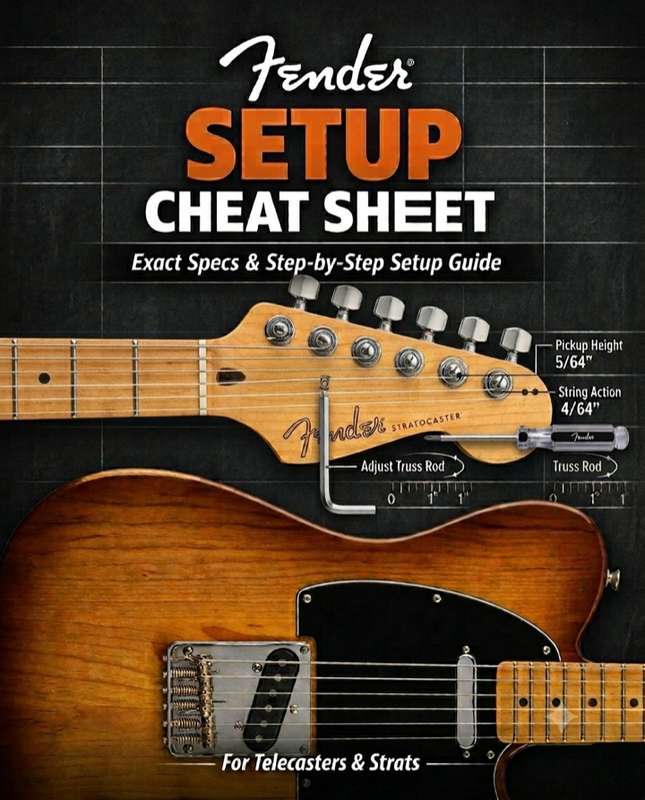
If your guitar shows the small headstock, clay dots, and grey-bottom pickups on a four-bolt neck, you are holding one of the desirable early-year builds. For the exact factory measurements that should accompany these features — 0.012 inch neck relief, 5/64 inch bass-side action at the 17th fret — see our 1965 Stratocaster setup specs page.
Watch for Red Flags
At $20,000 to $65,000 price levels, fraud follows the money. Fake decals, partscasters with a genuine 1965 neck on a newer body, and "vintage-correct" reproduction parts are all common. Our Fender Authenticity Checker flags the obvious problems in minutes. If anything feels off, spend a few hundred dollars on a hands-on inspection before you spend tens of thousands on the guitar.
Selling or Buying a 1965 Stratocaster
For Sellers
Set your price from sold listings, not asking prices. Reverb's sold-filtered results and major auction archives show what buyers actually paid. Price an early 1965 pre-CBS-built example against the upper table above and a late 1965 CBS transition example against the lower one. If you need documented low, mid, and high ranges for insurance, estate, or private-sale purposes, our Guitar Price Estimate report delivers numbers to your inbox within minutes.
Before you list, get the guitar playing its best. A 1965 Strat that sets up cleanly photographs better, demos better, and sells faster. Use the 1965 setup specs page for factory measurements and our setup specs lookup tool for step-by-step guidance. Do not buff out honest wear, do not replace original parts, and include the serial number and neck-heel date photos in the listing — transparency is what separates five-figure listings that close quickly from ones that sit for months.
For Buyers
Buy the seller as much as the guitar. A seller who photographs the neck pocket, shows pot codes, and answers originality questions directly is worth a premium over one who hides behind glamour shots. Budget for a post-purchase professional setup and, on anything above $30,000, a pre-purchase inspection by a recognized vintage specialist. Factor the 15 to 25 percent early-versus-late spread into your offer — it is real, it is durable, and sellers of early-year examples know it.
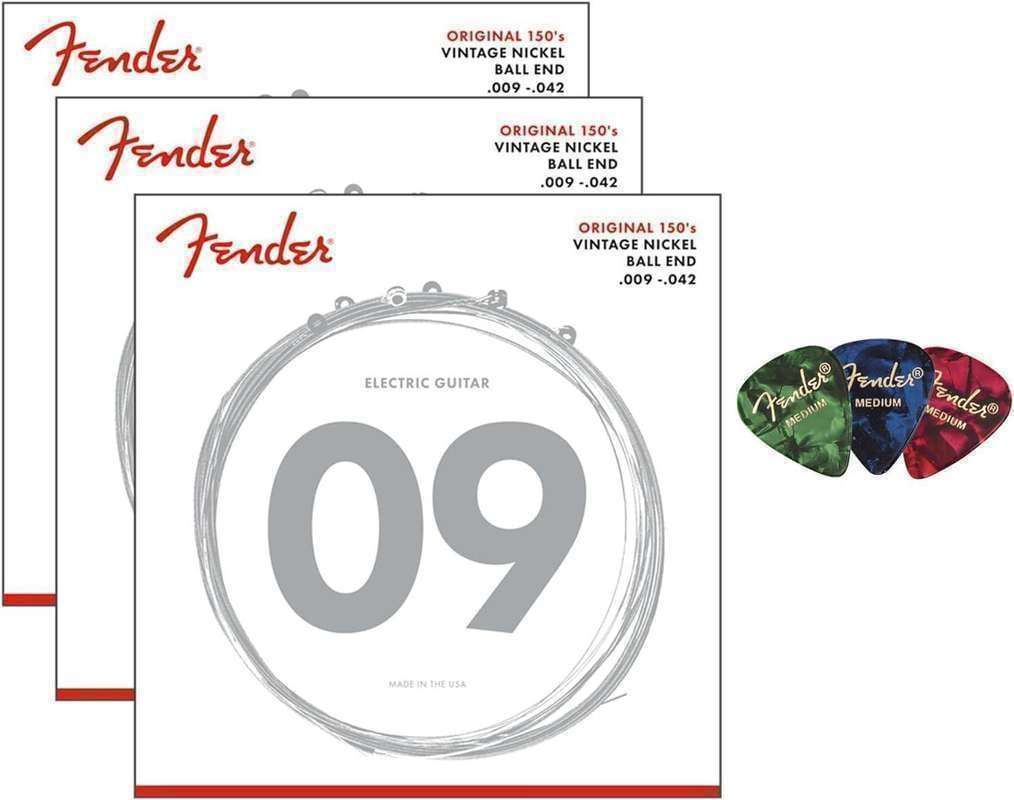
Strings and Gauges for a 1965 Stratocaster
 Buy on Amazon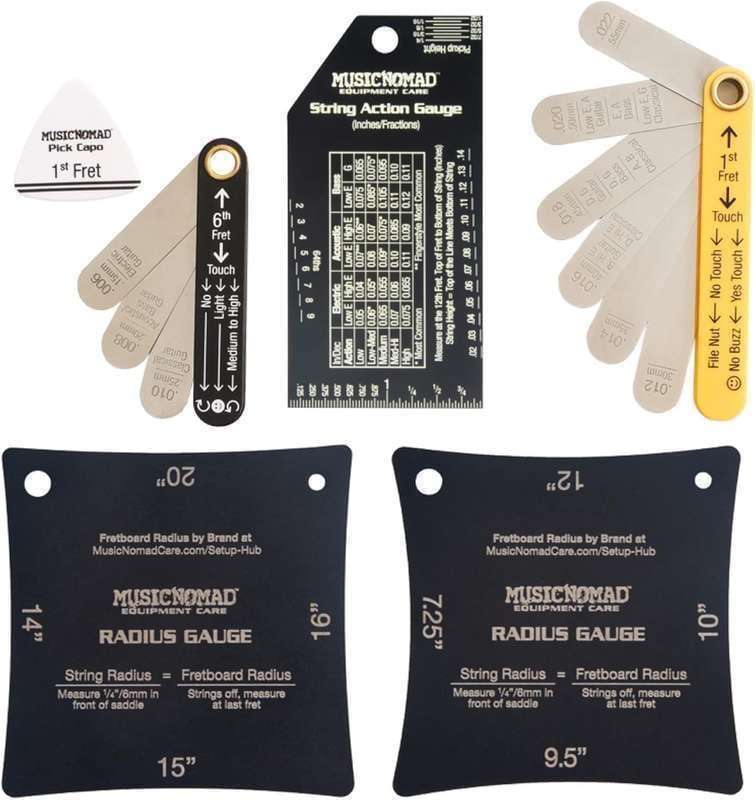
FAQ
How much is a 1965 Stratocaster worth?
A 1965 Stratocaster is worth roughly $6,000 to $65,000 depending on build timing and condition. Early 1965 pre-CBS-built examples in original finish range from about $14,000 in good condition to $45,000 to $65,000 in mint condition. Late 1965 CBS transition models with the larger headstock typically sell 15 to 25 percent below early-year examples.
Is a 1965 Stratocaster pre-CBS or CBS?
CBS bought Fender in January 1965, so every 1965 Stratocaster is technically a CBS-era guitar. However, early 1965 examples were built with pre-CBS parts, tooling, and staff, and collectors treat them as the last of the golden-era instruments. Late 1965 examples show the larger CBS headstock and other transition features.
How much is a 1965 Stratocaster in excellent condition?
An early 1965 pre-CBS-built Stratocaster in excellent all-original condition typically sells for $30,000 to $45,000. A late 1965 CBS transition example in comparable condition usually brings $23,000 to $38,000. Original finish, grey-bottom pickups, and a period-correct case push prices toward the top of those ranges.
Why are early 1965 Strats worth more than late 1965 Strats?
Early 1965 Strats were built by the pre-CBS Fullerton crew with the same parts and jigs used for the legendary 1962 to 1964 guitars. They carry the small headstock, clay dots, and four-bolt neck associated with golden-era Fenders. Late 1965 examples show CBS cost-cutting and design changes, most visibly the larger headstock, so collectors pay 15 to 25 percent less for them.
What is a refinished 1965 Stratocaster worth?
A refinished 1965 Stratocaster generally sells in the $6,000 to $12,000 range, depending on the quality of the work and the originality of everything else. Refinishing removes 30 to 50 percent of original-finish value, which is why collectors strongly discourage refinishing a worn-but-original guitar.
What finish colors are most valuable on a 1965 Stratocaster?
Three-tone sunburst is the standard and most common finish. Original custom colors like Olympic White, Sonic Blue, and Fiesta Red carry premiums of roughly 15 to 30 percent over sunburst in equal condition, and blonde over ash can command more. A refinished custom color does not earn the premium.
How do I date a 1965 Stratocaster?
Start with the serial number on the neck plate or headstock and run it through our Fender serial number decoder. Early 1965 serials are plain numbers around 100000 to 200000 or late L-series plates. Confirm with the pencil neck-heel date and pot codes, because Fender serialized plates in batches and serials alone can be off by months.
Do 1965 Stratocasters have clay dot markers?
Yes, most 1965 Stratocasters have the reddish-brown clay position dots that Fender used through the mid-1960s. Clay dots appear on both early pre-CBS-built examples and many late 1965 CBS transition guitars, transitioning to pearloid dots later in the decade. Dots alone do not date the guitar; combine them with headstock shape and neck dates.
Should I get my 1965 Stratocaster appraised?
Yes. With values ranging from about $6,000 to $65,000, a professional appraisal or a documented online Guitar Price Estimate is worth the modest cost before buying, selling, or insuring. An appraisal also catches partscasters, refinishes, and replaced components that dramatically change what the guitar is actually worth.
Conclusion
The 1965 Fender Stratocaster is two guitars sharing one model year. On one side of the CBS line sit the last golden-era builds — small headstock, clay dots, grey-bottom pickups, four-bolt neck — commanding $30,000 to $65,000 in excellent-to-mint original condition. On the other side, the late-year CBS transition models trade 15 to 25 percent lower while delivering nearly the same playing experience. Identify which side your guitar sits on, grade the condition honestly, and price against real sold data.
Start by decoding the serial number and checking the Stratocaster serial numbers guide to pin the build window. Then confirm originality with the feature checklist and the Fender Authenticity Checker, and lock in a defensible number with a personalized Guitar Price Estimate. Whether you keep it or sell it, keep it playing like it did in Fullerton — the 1965 setup specs and the setup specs lookup tool have every factory measurement you need.