1962 Fender Stratocaster Value: What It's Worth Today
1962 Fender Stratocaster value guide: real market prices by condition, custom-color premiums, refinish impact, and how to date an original pre-CBS Strat.
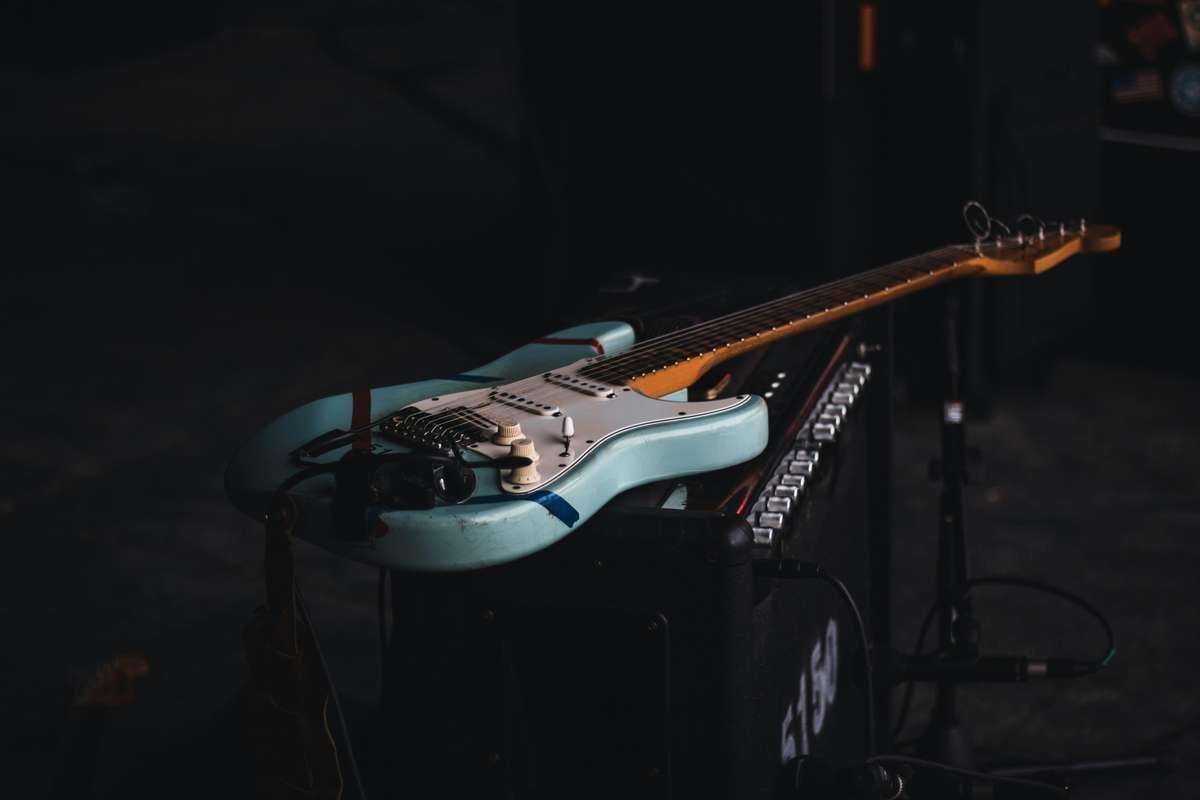 Early 1962 slab-board Strats sit at the very top of the pre-CBS value range, with mid- and late-year curved-veneer examples close behind.
What Is a 1962 Fender Stratocaster Worth Today?
1962 Fender Stratocaster value spans from the mid-teens in thousands of dollars for a refinished project guitar to well past $90,000 for a mint original sunburst example. That is a wide spread, and where your guitar lands inside it depends on four things collectors weigh the same way on every pre-CBS Strat: which part of 1962 it was built in, what finish it wears, how original it remains, and how honestly the wear presents.
The 1962 model year sits in the sweet spot of the pre-CBS era. You get the classic Fullerton recipe — alder body, slim C maple neck, 7.25-inch radius rosewood board, black-bottom Alnico V pickups, and the six-screw synchronized tremolo — without the six-figure entry price of a 1950s maple-neck Strat. It is also a transitional year, and the transition itself is one of the biggest value drivers in the whole pre-CBS range.
Before you price anything, make sure the guitar really is a 1962. Run the serial number through our Fender Serial Number Lookup and cross-check it against the Stratocaster serial numbers guide. A misdated Strat is the single most common way sellers leave five figures on the table.
1962 Stratocaster Value at a Glance
These ranges reflect the current market for an original-finish 1962 sunburst Stratocaster in a typical transaction between private parties or through a reputable dealer. Custom colors, slab-board examples, and documented provenance can push individual guitars above these bands, and we flag those cases below.
| Condition | What It Looks Like | 1962 Sunburst Value |
|---|---|---|
| Poor / Refinished | Heavy wear, refinished or refretted, changed parts, possible repairs | $8,000 – $15,000 |
| Good | Moderate honest wear, mostly original parts, playable with setup | $18,000 – $28,000 |
| Very Good | Normal play wear, minor dings, all original hardware and electronics | $28,000 – $40,000 |
| Excellent | Light play wear only, no significant dings or buckle rash, all original | $40,000 – $60,000 |
| Mint | Unplayed or near-unplayed, original finish and case candy, no visible wear | $60,000 – $90,000 |
Two adjustments apply on top of these tiers. First, early 1962 slab-board examples sit at the top of each band, with mid- and late-1962 curved-veneer boards trading slightly below. Second, original custom colors — Sonic Blue, Fiesta Red, and Olympic White — carry a meaningful premium over sunburst in equivalent condition, often 20% to 40% depending on rarity and desirability.
A refinished pre-CBS Strat loses roughly 30% to 50% of the value of an original-finish example in the same physical condition. That is why the poor tier and the refinish penalty overlap: on a 1962, the factory nitrocellulose finish is worth as much as a small car.
What Makes a 1962 Stratocaster Valuable
Understanding the 1962 price starts with understanding what Fender was actually building that year. The specs below are the ones collectors verify first, and they come straight from the factory setup card in our 1962 Stratocaster setup specs guide.
The Slab Board vs. Veneer Transition
The single most important 1962 detail is the fingerboard. Early 1962 Strats retain the thick, flat-bottomed slab rosewood board Fender had used since 1959. By mid-1962 the company switched to a thinner curved rosewood veneer glued to a radiused maple surface, visible as a thin rosewood layer at the fret ends.
Both boards play identically, but the market treats them differently. Slab-board 1962s are the last of the thick-board Strats and sit at the top of the year's value range, while curved-veneer mid- and late-1962 examples trade slightly below. If you can confirm a slab board, you can defend a higher asking price.
Period-Correct Hardware and Electronics
A real 1962 Strat carries a specific set of parts that collectors check one by one:
- Three black-bottom Alnico V single-coil pickups with staggered pole pieces and cloth hookup wire, lower output and clearer on top than the grey-bottom CBS units that followed.
- A 3-way blade switch wired with tone controls on the neck and middle pickups only — the 5-way switch did not exist until 1977.
- A vintage six-screw synchronized tremolo with bent steel saddles, factory-floated about 1/8 inch off the body.
- Kluson Deluxe single-line tuners, a bone nut, and clay dot inlays.
- A small pre-CBS headstock with the spaghetti logo and a plain four-bolt neck plate.
Every one of those parts is original on a top-tier guitar. Each swapped component — a replaced bridge, changed tuners, a re-fret with modern wire — takes money off the price.
The Fullerton Build Quality
CBS did not buy Fender until January 1965, so every 1962 Strat was designed and built under Leo Fender's ownership. That pre-CBS pedigree is the foundation of the entire value story. Bodies are lightweight alder, necks are hand-finished, and quality control came from a small team rather than a cost spreadsheet. Players and collectors both hear and feel the difference, which is why the Fender Stratocaster value guide places late pre-CBS rosewood-board Strats from 1962 to 1965 in the mid-five-figures-to-low-six-figures bracket.
What Drives the Price of a 1962 Stratocaster
With the baseline established, here is what moves an individual guitar up or down within the tiers.
Finish Color Premiums
Sunburst is the reference finish and the most common, but custom colors are where the big numbers live. Original Sonic Blue, Fiesta Red, and Olympic White 1962 Strats in excellent condition routinely out-price equivalent sunbursts by 20% to 40%. A mint custom-color slab-board example can clear six figures at auction, while a mint sunburst tops out in the $60,000 to $90,000 band. Rarity drives this: far fewer custom-color guitars left Fullerton, and surviving original-finish examples are rarer still.
Be honest about color verification. A refin in a custom shade is not a custom-color guitar — it prices as a refinish, full stop.
Originality and the Refinish Penalty
Original finish is the biggest single value factor. A professional refinish, even a beautiful one, knocks 30% to 50% off the value of a 1962 Strat compared with an original-finish guitar in identical playing condition. Originality extends past the finish: replaced pickups, rewound coils, non-original pots and capacitors, a changed pickguard, or swapped tuners each subtract thousands. A neck that does not match the body — the classic partscaster trap — can cut value in half.
Parts Originality Down to the Screws
At this price level, buyers open the control cavity. Correct black-bottom pickups with the right date codes, original grey shielding, cloth wire, and untouched solder joints all add value. The tremolo arm, bridge cover, and even the correct neck-plate screws matter. If parts have been replaced, keep the originals — including them in the sale recovers some of the lost value.
Provenance and Documentation
Documented ownership history, an original sales receipt, hang tags, and the original tweed or brown tolex case all add value. Provenance can lift a clean 1962 Strat by 10% to 20%, and celebrity or studio history can take it far beyond that. A guitar with a clean, verifiable paper trail always out-sells an identical one with gaps in its story.
Common Modifications and What They Cost
Almost every 1962 Strat has been touched by a tech at some point, and not all work is equal. A professional re-fret with correct vintage-style wire is accepted by most buyers and costs little value. A re-fret with jumbo wire, a routed humbucker cavity, a replaced pickguard, or a changed nut cuts deeper — typically 10% to 20% each, and compounding. The general rule: work that is reversible and invisible is forgivable, work that removes original wood or finish is not. Disclose everything in the listing; a surprise found by the buyer costs you the sale or the price.
1962 vs. the Neighboring Years
Context from adjacent model years helps you defend a price. A 1961 Strat shares the slab board but predates the veneer transition, and clean examples trade in the same general band as early 1962s. By 1963 and 1964 the curved veneer board was standard, and those guitars typically price a step below the slab-board 1962s while remaining firmly in the mid-five-figure range in excellent condition. The 1965 transition year splits the difference: early 1965 guitars are still pre-CBS and command strong money, while CBS-built late 1965 examples lose the pre-CBS premium.
Within 1962 itself, the hierarchy is consistent: slab-board early examples lead, curved-veneer examples follow, sunburst anchors the tiers, and custom colors stretch the top of every band. If your guitar sits near a boundary, this internal ordering is how you argue it up a tier.
How to Identify and Date Your 1962 Stratocaster
Accurate dating is worth real money on a pre-CBS guitar, so verify before you value.
Read the Serial Number
1962 Strats carry serial numbers on the neck plate in the 74,000 to 93,000 range (with some late-year overlap into the L-series that began in 1963). Use our Fender Serial Number Lookup for a first pass, then confirm against the model-specific Stratocaster serial numbers guide, which maps number ranges to exact years.
Cross-Check the Physical Evidence
Serial numbers alone can be misleading because Fender did not use strict sequential sequences. Confirm with neck heel and body cavity date stamps, potentiometer codes, and the fingerboard itself. A slab board points to early 1962; a thin veneer board points to mid- or late-year. The spaghetti logo, clay dots, and black-bottom pickups should all agree with the claimed date.
Screen for Fakes and Partscasters
Counterfeit pre-CBS Strats are common because the payoff is enormous. Watch for decals with wrong fonts, modern screws in vintage holes, inconsistent wear between the body and neck, and serial numbers that decode to a different year than the hardware suggests. Run the guitar through the Fender Authenticity Checker as a fast first filter, and consider a professional appraisal before any high-value transaction. If you want documented low, mid, and high ranges in writing, the Guitar Price Estimate report delivers them to your inbox.
Selling a 1962 Stratocaster
Where and how you sell matters almost as much as what you are selling.
Reverb is the strongest marketplace for a guitar at this level — its buyer pool understands pre-CBS Fender values and sold listings give you transparent comparables. Heritage Auctions and other specialist auction houses are worth considering for mint custom-color or slab-board examples with provenance, where competitive bidding can exceed dealer pricing. Specialized vintage dealers buy fast but pay wholesale, typically 60% to 75% of expected retail. eBay reaches the widest audience but charges the highest fees and demands careful seller protections at this price.
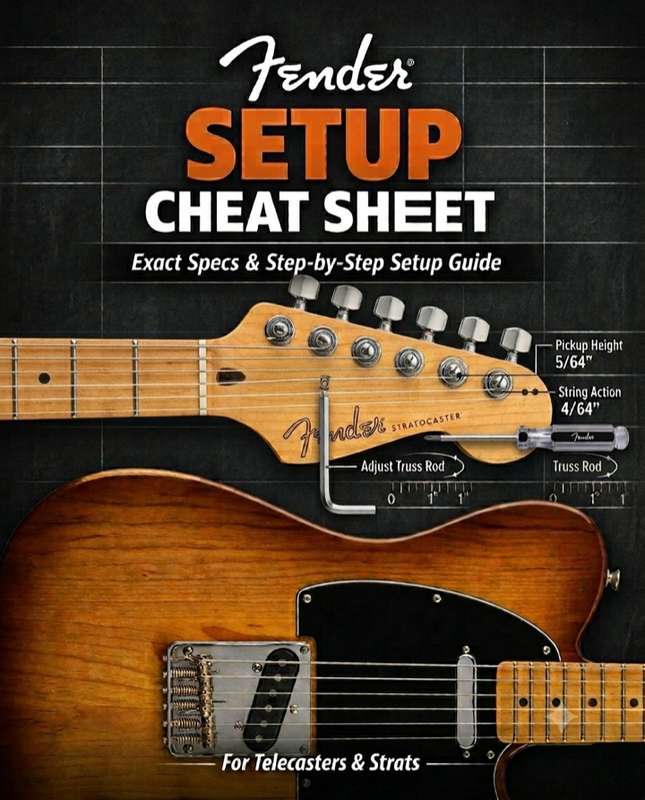
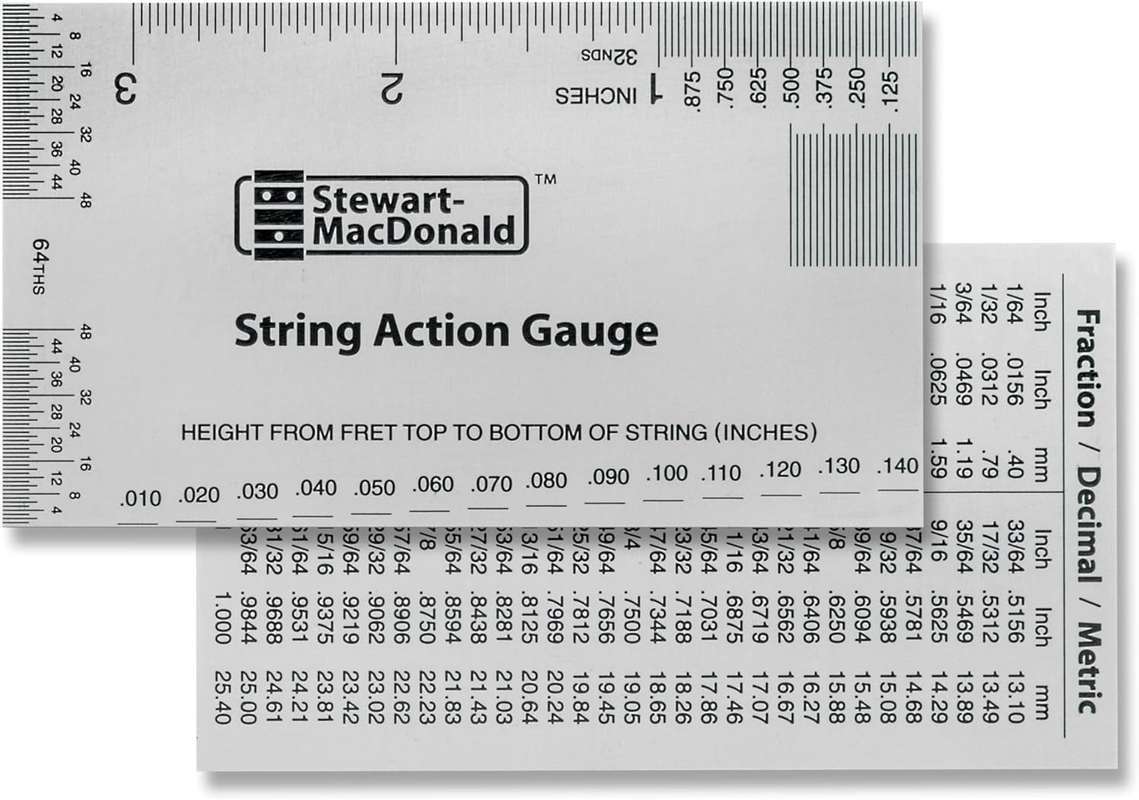
Prepare the guitar properly. Do not refinish, re-fret, or swap parts. Clean it gently, give it a correct factory setup using the measurements in our setup specs lookup — 0.012 inch of neck relief, 5/64 inch low-E and 4/64 inch high-E action at the 17th fret — and photograph every angle in natural light, including the neck pocket, cavity, and serial number. Close-ups of flaws build trust and protect you in a dispute.
Price against sold listings, not asking prices. Active listings on Reverb and eBay reflect what sellers hope to get; the sold filter shows what buyers actually paid. Pull five to ten comparable 1962 sales — matching finish, board type, and originality as closely as you can — and position your guitar inside that band based on its own condition. If the comparables disagree with your expectation, the comparables are right.
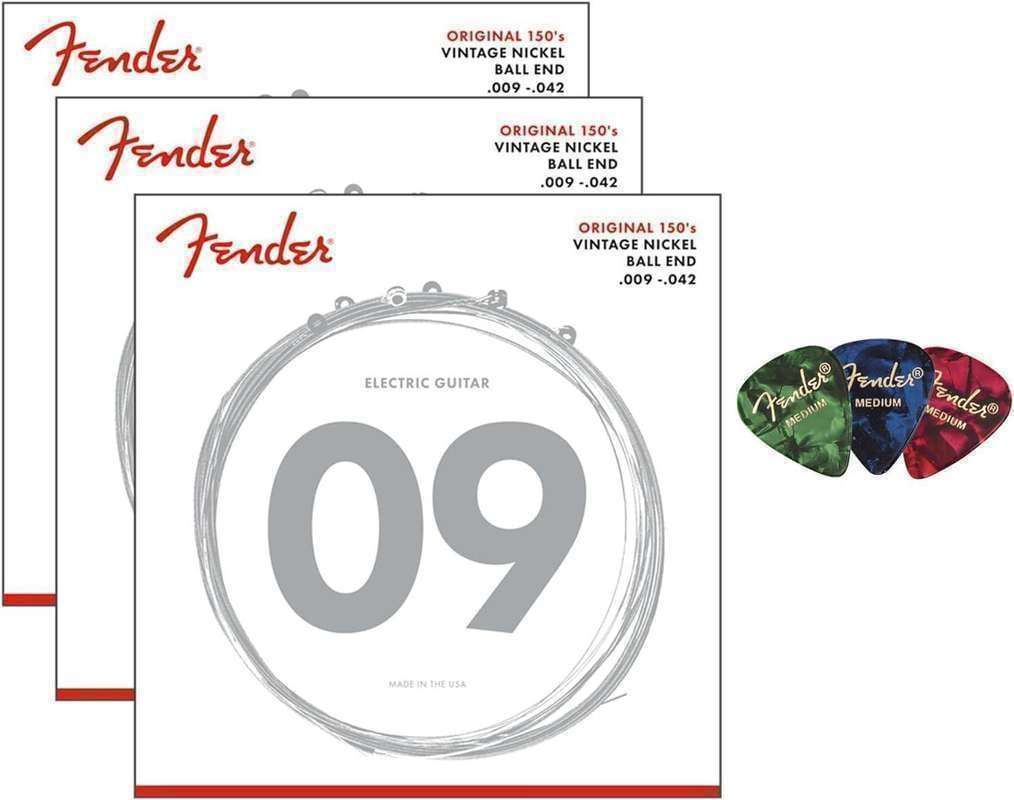
Strings and Gauges for a 1962 Stratocaster
 Buy on Amazon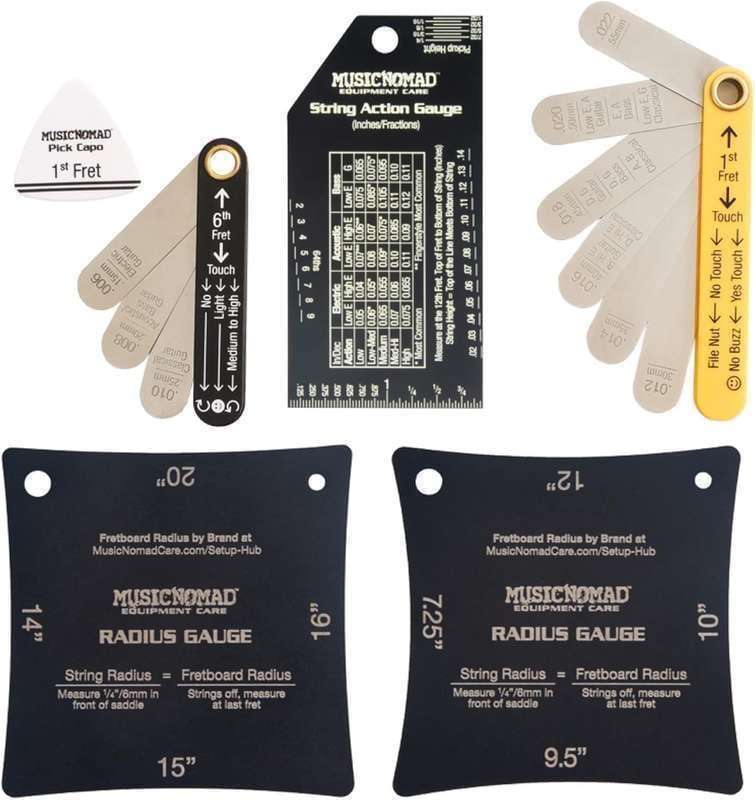
FAQ
How much is a 1962 Fender Stratocaster worth?
A 1962 Fender Stratocaster in original sunburst finish is worth roughly $8,000 to $15,000 refinished or in poor condition, $18,000 to $28,000 in good condition, $28,000 to $40,000 in very good condition, $40,000 to $60,000 in excellent condition, and $60,000 to $90,000 or more in mint condition. Early slab-board examples and original custom colors like Sonic Blue, Fiesta Red, and Olympic White can exceed these ranges.
Is a 1962 Stratocaster pre-CBS or CBS?
A 1962 Stratocaster is pre-CBS. CBS purchased Fender in January 1965, so every 1962 guitar was designed and built under Leo Fender's ownership in Fullerton, California. That pre-CBS pedigree is a core driver of the model's value.
What is a 1962 Stratocaster worth in excellent condition?
An original-finish 1962 sunburst Stratocaster in excellent condition — light play wear, no significant dings, all original parts — typically sells for $40,000 to $60,000. Early slab-board examples and original custom colors can sell above that band, while a refinish drops the value substantially.
What is the difference between an early 1962 and a late 1962 Stratocaster?
The key difference is the fingerboard. Early 1962 Strats have the thick, flat-bottomed slab rosewood board used since 1959, while mid- and late-1962 Strats switched to a thinner curved rosewood veneer. Both play identically, but slab-board examples sit at the top of the 1962 value range.
Does a refinished 1962 Stratocaster lose value?
Yes. A professional refinish reduces the value of a 1962 Stratocaster by roughly 30% to 50% compared with an original-finish guitar in the same physical condition. Original factory nitrocellulose finish is one of the largest single value drivers on a pre-CBS Strat, even when the original finish shows honest wear.
What custom colors did Fender offer in 1962, and are they worth more?
Fender offered custom colors including Sonic Blue, Fiesta Red, and Olympic White in 1962. Original custom-color Strats in equivalent condition typically command a 20% to 40% premium over sunburst, and mint custom-color slab-board examples can clear six figures at auction.
How do you date a 1962 Stratocaster by serial number?
1962 Stratocaster serial numbers appear on the neck plate, generally in the 74,000 to 93,000 range with some overlap into the early L-series. Decode the number with our Fender Serial Number Lookup, then confirm with neck heel and body cavity date stamps, pot codes, and the fingerboard type, since Fender serial sequences were not strictly sequential.
Are 1962 Stratocaster pickups different from later ones?
Yes. A 1962 Stratocaster has three black-bottom Alnico V single-coil pickups with staggered pole pieces and cloth hookup wire. They are lower output and clearer on top than the grey-bottom CBS pickups that followed after 1965. Original black-bottom pickups are a major value driver.
Is a 1962 Stratocaster a good investment?
Clean, original 1962 Stratocasters have a long track record of holding and growing value, with slab-board and custom-color examples performing best. As with any collectible, condition and originality drive returns — refinished or parts-swapped guitars underperform, so buy the best originality you can afford.
Where should I sell a 1962 Stratocaster?
Reverb is the strongest general marketplace for a 1962 Stratocaster, with transparent sold-listing comparables. Specialist auction houses suit mint custom-color or provenance-rich examples, while vintage dealers buy quickly at roughly 60% to 75% of retail. Have the guitar professionally appraised or order a documented Guitar Price Estimate before committing to a venue.
Conclusion
1962 Fender Stratocaster value rewards the same discipline as every vintage purchase: identify first, grade honestly, and price against real sold data. An original-finish sunburst example trades from the high teens into the low six figures depending on condition, early slab-board guitars lead the year, custom colors stretch the top of the range, and a refinish costs you 30% to 50% before any other factor is weighed.
Start by dating the guitar with the Fender Serial Number Lookup and the Stratocaster serial numbers guide. Check the era-correct measurements in the 1962 setup specs page and the setup specs lookup, and screen for red flags with the Fender Authenticity Checker. For a written valuation with low, mid, and high ranges, order a Guitar Price Estimate — and for the bigger pre-CBS picture across every year, keep the Fender Stratocaster value guide bookmarked.