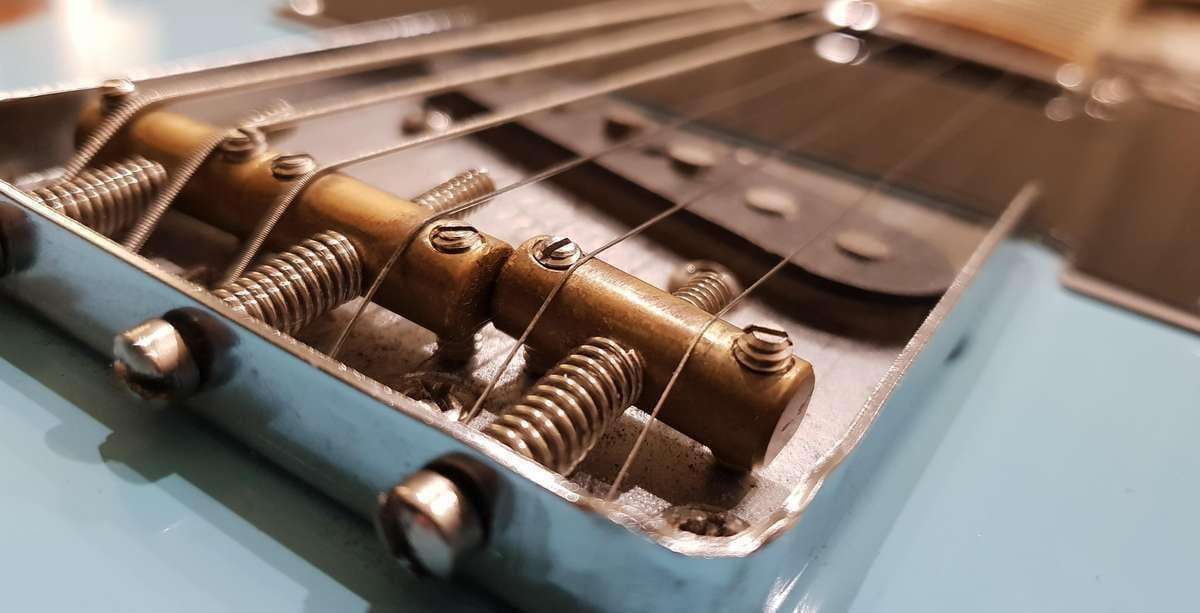
1972 Fender Stratocaster Value: CBS Era Buyers Guide
1972 Fender Stratocaster value guide with CBS-era prices by condition, custom color premiums, originality checks, and how to verify and date your guitar.
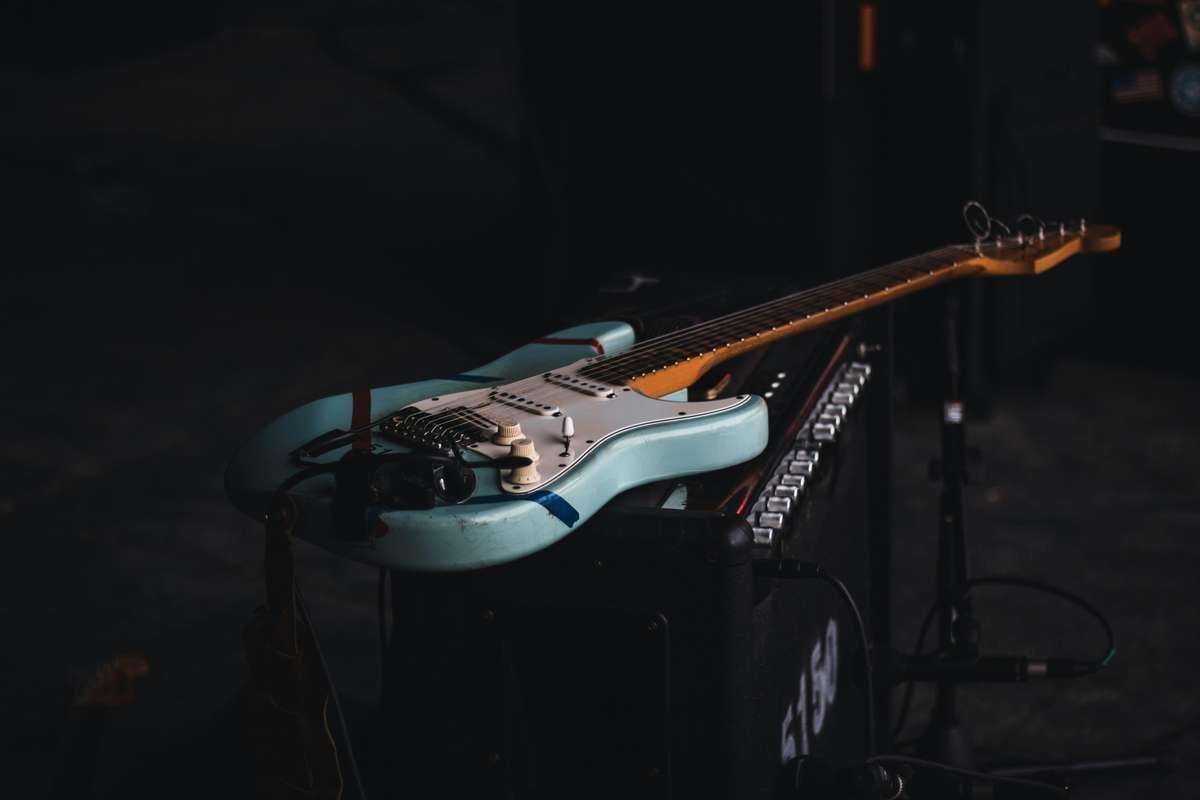 A 1972 Stratocaster pairs full CBS-era hardware — three-bolt neck, bullet truss rod, large headstock — with the classic Strat voice collectors still chase.
1972 Fender Stratocaster Value at a Glance
1972 Fender Stratocaster value sits in a sweet spot of the CBS era: late enough to have the bold large headstock, three-bolt neck plate, and bullet truss rod that define 1970s Fenders, but early enough to predate the heaviest bodies and the most maligned quality-control years of the late 1970s. Clean, all-original 1972 Strats routinely trade from the low-to-mid four figures into the low five figures, and the year has become one of the most desirable of the decade.
In plain numbers, a mint original 1972 Stratocaster is typically worth $6,000 to $9,000, an excellent one $4,000 to $6,000, and a player-grade or refinished example can be had for under $2,000. Where your guitar lands depends on finish, condition, originality, and how well you can document what it is. This guide walks through all four, with factory specs from our 1972 Stratocaster setup specs page and identification help from our Stratocaster serial numbers guide.
Is a 1972 Stratocaster Pre-CBS or CBS?
A 1972 Stratocaster is firmly CBS-era. CBS bought Fender in January 1965, so every 1972 Strat left the Fullerton factory under corporate ownership. That matters for value because the market prices CBS-era guitars differently from the pre-CBS instruments built from 1954 to early 1965.
But "CBS era" covers twenty years of change, and 1972 sits in a favorable pocket of it. By 1972 the transition-era experiments were complete and the classic mid-CBS spec sheet had settled in. Collectors have warmed to these guitars as they approach the 55-year mark, and 1972 in particular benefits from a reputation for solid build quality before weight and consistency complaints peaked later in the decade.
The practical takeaway: a 1972 Strat will not bring pre-CBS money, but it also does not carry pre-CBS risk. Counterfeits exist, yet they are far less common than on 1960s guitars, and honest mid-four-figure prices make 1972 one of the most approachable ways to own a genuine vintage USA Stratocaster.
What Makes a 1972 Stratocaster a 1972 Stratocaster
Identification is the first step toward accurate valuation, and 1972 has a clear fingerprint of features. If the guitar in front of you checks these boxes, you are almost certainly looking at a genuine mid-CBS Strat.
The Hardware Signature
The headline features of a 1972 Stratocaster are the three-bolt neck plate with Micro-Tilt and the bullet truss rod that adjusts at the headstock under a small plastic cover. Both arrived in the early 1970s and both are instant era markers. The large headstock with the black Fender logo decal is another giveaway, as is the one-piece die-cast chrome tremolo with cast saddles that replaced the stamped steel bridge of the 1960s.
Pickups and Electronics
Original 1972 pickups are grey-bottom staggered-pole single-coils with the classic Fender wind. These are proper vintage-voiced pickups, not the hotter outputs that appeared later, and a set of untouched originals adds real money to the asking price. The wiring, pots, and switch should all date consistently with the guitar.
Neck and Fingerboard
Necks in 1972 were usually a thin Indian rosewood veneer over maple, though one-piece maple necks remained available. The fretboard radius is 7.25 inches, nut width is 1-5/8 inches (41.3 mm), and scale length is the Strat-standard 25.5 inches (648 mm). Body contours are noticeably shallower than on pre-CBS guitars, and the finish is polyester rather than nitrocellulose lacquer — thicker, glossier, and far more durable.
If you need to confirm the year before pricing, start with the Fender serial number lookup. A 1972 USA Strat carries a plain six-digit serial number stamped on the neck plate, and the neck heel often has an eight-digit date stamp beginning with "09" for Stratocaster. Our Stratocaster serial numbers guide explains the full system, and the factory measurements for the year live on our 1972 setup specs page.
1972 Stratocaster Value by Condition
Condition is the single biggest swing factor on a 1972 Stratocaster. Two guitars with the same year and finish can be separated by several thousand dollars based on wear alone. Use the table below as a working range, then read the sections that follow to understand what pushes a guitar toward the top or bottom of its bracket.
| Condition | Description | Typical 1972 Market Range |
|---|---|---|
| Mint / Near Mint | Unplayed or barely played, all original, minimal checking, original case and candy | $6,000 – $9,000 |
| Excellent | Light honest play wear, no significant dings, all original parts | $4,000 – $6,000 |
| Very Good | Normal play wear, minor dings and finish swirls, all original | $3,000 – $4,500 |
| Good | Moderate wear, possible minor repairs or touch-ups, mostly original | $2,000 – $3,000 |
| Poor / Refinished | Heavy wear, refinish, non-original parts, or project condition | $900 – $1,800 |
These ranges line up with the broader CBS-era picture in our Fender Stratocaster value guide: clean 1970s Strats in original condition sell from the low-to-mid four figures up to the low five figures for desirable years and finishes, and 1972 qualifies on both counts.
A few notes on reading the table. "All original" means factory finish, pickups, hardware, electronics, and frets in original or acceptably maintained condition. A single changed part does not drop a guitar to the poor tier, but each non-original element pulls the price toward the bottom of whatever condition bracket the guitar is in. Refinished examples cluster near the poor/project row regardless of how well the refinish was executed, for reasons covered below.
What Drives 1972 Stratocaster Prices
Four factors decide where a 1972 Strat lands within — or beyond — its condition bracket. Understanding them is the difference between pricing the guitar well and leaving money on the table.
Finish Color and Custom Color Premiums
The standard 1972 finishes were Three-Color Sunburst and Natural, both common and both solid value holds. The real price action is in custom colors. A factory-original Candy Apple Red or Lake Placid Blue 1972 Strat can command a meaningful premium over a sunburst example in identical condition — often 15% to 30%, and more for the rarest shades in the cleanest condition.
Finish originality matters as much as finish color. A factory-original custom color with honest wear is worth far more than the same color freshly sprayed. If the guitar wears a color Fender did not offer in 1972, or the finish sits over routing or repairs, price it as a refin regardless of how good it looks.
Originality of Parts
On a vintage Strat, collectors pay for the whole package, and every replaced part subtracts. Original grey-bottom pickups are the biggest single component of value — a swapped set can take thousands off the price. Original tuners, the one-piece die-cast tremolo, the pickguard, pots, switch, and even the correct three-bolt neck plate all count.
Small, period-correct maintenance does not kill value. A proper re-fret with vintage-spec wire, a replaced tremolo arm, or a serviced jack are normal on a fifty-year-old guitar and buyers accept them. What buyers do not accept is undisclosed substitution: a 1980s bridge on a 1972 body, a rewound pickup sold as original, or a replacement neck with a transferred decal. Disclose everything and keep the original parts.
The Refinish Penalty
A refinish typically costs 30% to 50% of a 1972 Stratocaster's value, even when the work is professionally done. The math is simple: an excellent original-finish guitar worth $4,000 to $6,000 becomes a $2,000 to $3,500 guitar with a refinish, and the penalty grows as condition improves. Ironically, the cleaner the guitar, the more the refinish costs you.
This is why sellers should never refinish a vintage Strat before sale. Buyers at this level can spot fresh paint from across a room, and a refinish on an otherwise mint guitar is the most expensive "improvement" you can make. If your 1972 has an old, honest refinish from decades past, price it accordingly and let the next owner decide.
Provenance and Documentation
Documented history adds a premium that is hard to quantify but easy to feel. Original sales receipts, the correct period case, hang tags, warranty cards, and a chain of ownership with names and dates all push buyers toward the top of a bracket. For a mint 1972 Strat, full documentation can add 10% or more over an undocumented twin.
At minimum, photograph the serial number, neck heel stamp, pot codes, and neck pocket before selling or insuring. If you want a documented valuation with low, mid, and high ranges, our Guitar Price Estimate report delivers one to your inbox within minutes.
How to Verify a 1972 Stratocaster Before You Buy or Sell
Valuation mistakes usually start with misidentification. A ten-minute verification pass protects both sides of the deal.
Start with the serial number. Run it through the Fender serial number lookup to confirm the year, then cross-check against the physical features listed above: three-bolt plate, bullet truss rod, large headstock, grey-bottom pickups, die-cast tremolo. A serial that decodes to 1972 on a guitar with four-bolt neck plate and small headstock is a red flag, not a bargain.
Next, check the hidden numbers. The neck heel date stamp, pot codes, and neck pocket markings should all agree with a 1972 build window. Mismatched components do not automatically mean fakery — Fender mixed parts constantly — but they change how you describe and price the guitar.
Finally, screen for fakes and partscasters. Run the guitar through the Fender Authenticity Checker for a fast first filter, and look closely at decal fonts, finish overspray in the cavities, and screw types. At four figures and up, an in-hand inspection by a vintage-savvy tech is money well spent.
Selling a 1972 Stratocaster for the Most Money
Where and how you sell matters almost as much as what you are selling.
Reverb is the strongest venue for a vintage Strat: the buyer pool understands Fender values, and sold listings give you real comparables. eBay reaches more eyeballs but takes higher fees. Specialized vintage dealers pay wholesale — expect roughly 40% to 60% of retail — but the deal is instant and safe for high-value instruments.
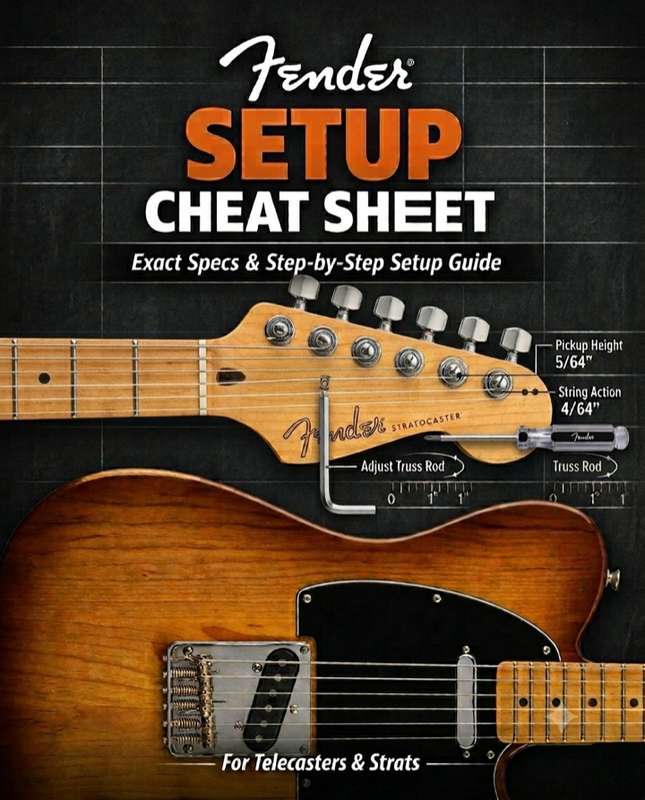
Whatever the venue, presentation moves price. Give the guitar a proper setup using the factory 1972 measurements — 0.012 inch neck relief, 1.6 mm high-E and 2.0 mm low-E action at the 17th fret — so it plays well for the buyer's first chord. Our Setup Specs Lookup has the full factory measurements, and the Fender Setup Guide puts them on one printable page. Photograph the front, back, both sides of the headstock, neck pocket, serial number, and every flaw in natural light. Honest photos of wear build trust and prevent returns.
Strings and Gauges for a Vintage 1972 Strat
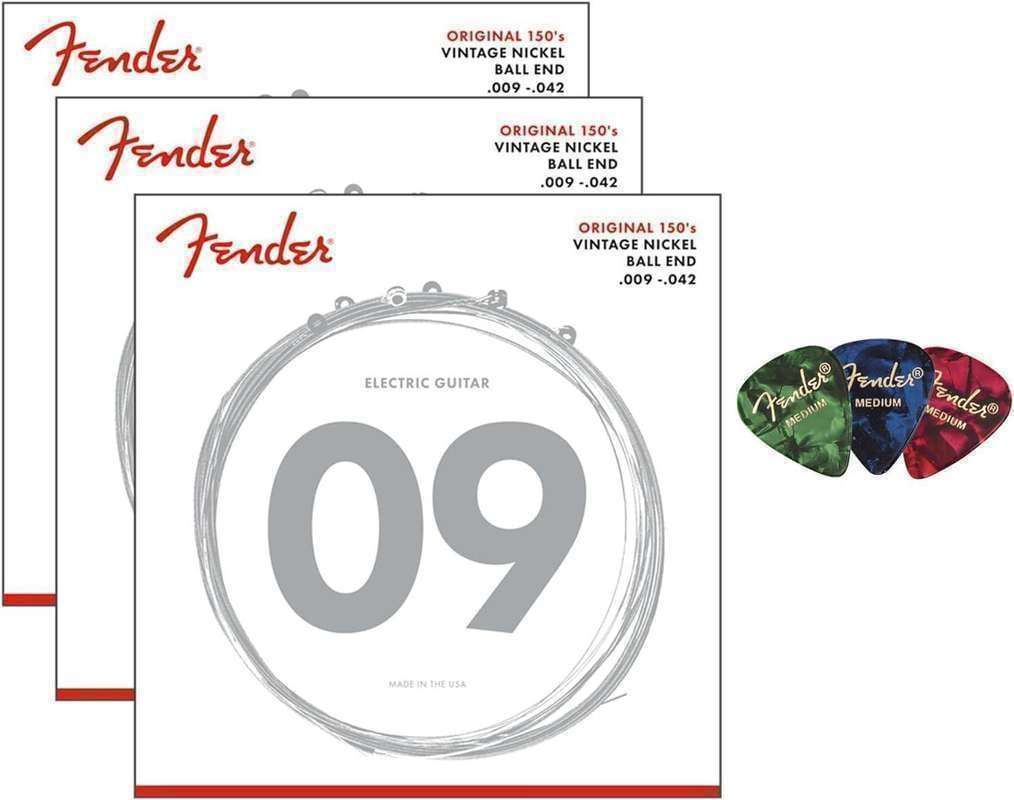
 Buy on Amazon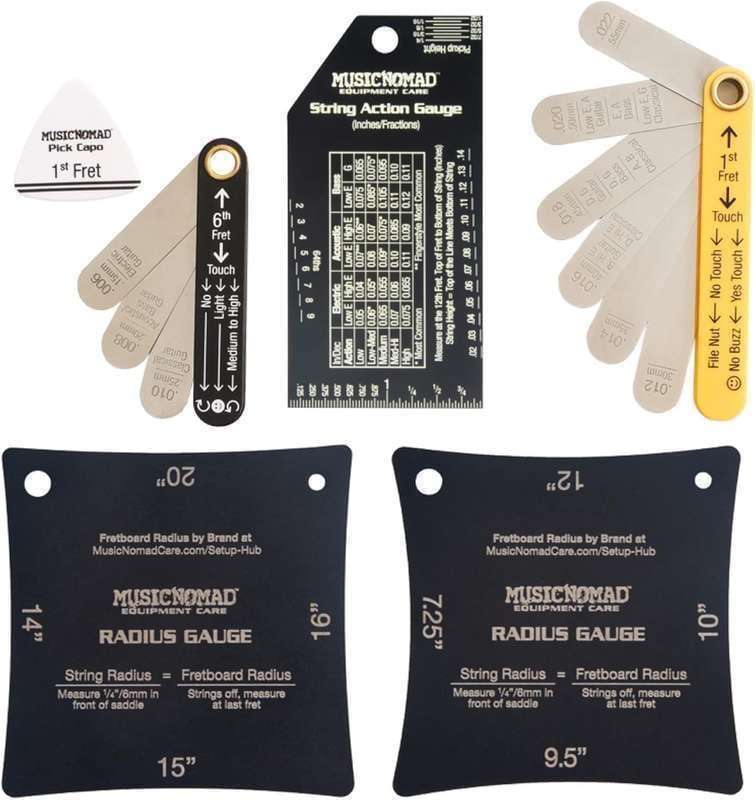
The Bottom Line on 1972 Stratocaster Value
The 1972 Fender Stratocaster is one of the most compelling vintage Strat buys available. It delivers the full 1970s visual identity — large headstock, bullet truss rod, three-bolt plate — with vintage-correct grey-bottom pickups and a build quality that predates the decade's later excesses. Clean originals trade from roughly $3,000 to $9,000 depending on condition and finish, with custom colors at the top of the range and refinished players at the bottom.
If you are buying, verify before you wire money: decode the serial, match the hardware signature, and run the Fender Authenticity Checker. If you are selling, document everything, keep it original, set it up properly, and price against recent sold listings. For a personalized valuation with low, mid, and high ranges, order a Guitar Price Estimate, and keep the guitar playing its best with the factory specs from our 1972 setup guide and the broader era context in the Fender Stratocaster value guide.
FAQ
How much is a 1972 Fender Stratocaster worth?
A 1972 Fender Stratocaster is typically worth $2,000 to $9,000 depending on condition and originality. Mint original examples sell for $6,000 to $9,000, excellent ones for $4,000 to $6,000, very good for $3,000 to $4,500, and good player-grade guitars for $2,000 to $3,000. Refinished or project guitars generally fall between $900 and $1,800.
Is a 1972 Stratocaster pre-CBS or CBS?
A 1972 Stratocaster is CBS-era. CBS purchased Fender in January 1965, so every 1972 Strat was built under CBS ownership at the Fullerton factory. It carries the classic mid-CBS feature set: large headstock, three-bolt neck plate with Micro-Tilt, bullet truss rod, and a one-piece die-cast tremolo.
What is a 1972 Stratocaster worth in excellent condition?
An all-original 1972 Stratocaster in excellent condition — light honest play wear, no significant dings, original finish and parts — is typically worth $4,000 to $6,000. Custom colors like Candy Apple Red or Lake Placid Blue push toward or beyond the top of that range, while replaced pickups or a re-fret pull the price toward the bottom.
What makes a 1972 Stratocaster different from other years?
The 1972 Stratocaster combines the large headstock with black logo, three-bolt neck plate with Micro-Tilt, bullet truss rod at the headstock, one-piece die-cast chrome tremolo with cast saddles, and grey-bottom staggered-pole pickups. Necks are usually a thin rosewood veneer over maple, the radius is 7.25 inches, and the finish is polyester rather than nitrocellulose lacquer.
Do custom colors add value on a 1972 Stratocaster?
Yes. Factory-original custom colors such as Candy Apple Red and Lake Placid Blue carry meaningful premiums over standard sunburst or natural finishes — commonly 15% to 30% for clean examples. The premium only applies to original factory finishes; a refinished guitar in a custom color is priced as a refinish regardless of the color.
Does a refinished 1972 Stratocaster lose value?
Yes, substantially. A refinish typically reduces a 1972 Stratocaster's value by 30% to 50%, even when professionally done. An excellent original-finish guitar worth $4,000 to $6,000 might bring only $2,000 to $3,500 refinished. Sellers should never refinish a vintage Strat before sale.
How do I date a 1972 Stratocaster?
Start with the serial number using the Fender serial number lookup. A 1972 USA Strat has a plain six-digit serial stamped on the neck plate, and the neck heel usually carries an eight-digit date stamp beginning with "09" for Stratocaster. Cross-check the serial against the physical features — three-bolt plate, bullet truss rod, large headstock — to confirm the era.
Are 1972 Stratocasters good guitars?
Yes. Players consistently rate early-1970s Strats as some of the best-playing CBS-era instruments, with comfortable necks, vintage-output grey-bottom pickups, and solid build quality that predates the heavier bodies and inconsistent QC of the late 1970s. They suit blues, rock, and classic Strat tones particularly well.
Should I buy a 1972 Stratocaster as an investment?
A clean, all-original 1972 Stratocaster in a desirable finish has appreciated steadily as the model approaches its 55th anniversary, and rarity of untouched examples supports long-term value. Buy the best original condition you can afford, prioritize custom colors and documented provenance, and treat it as a long hold rather than a quick flip.