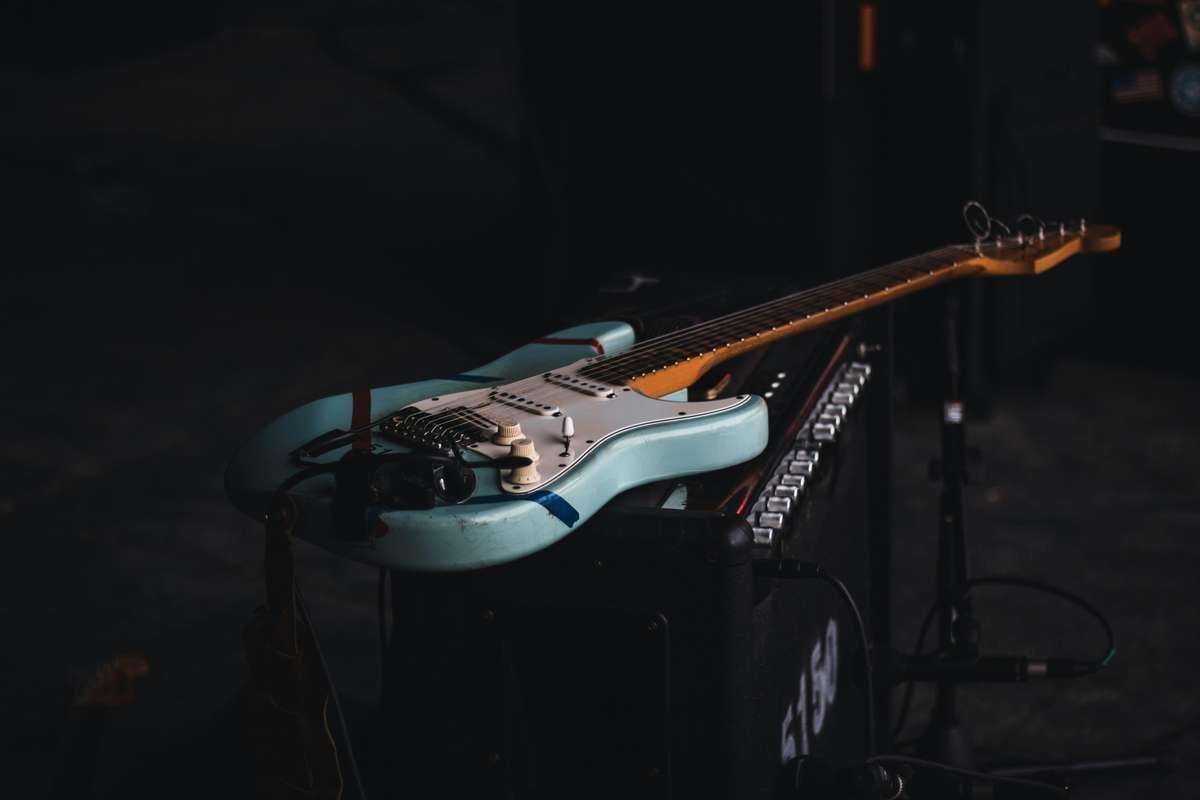
Fender Stratocaster Value Guide: How Much Is a Strat Worth?
Find out how much a Fender Stratocaster is worth by era, origin, and condition. Covers pre-CBS, CBS, modern USA, Mexican, Japanese, and Squier Strats.
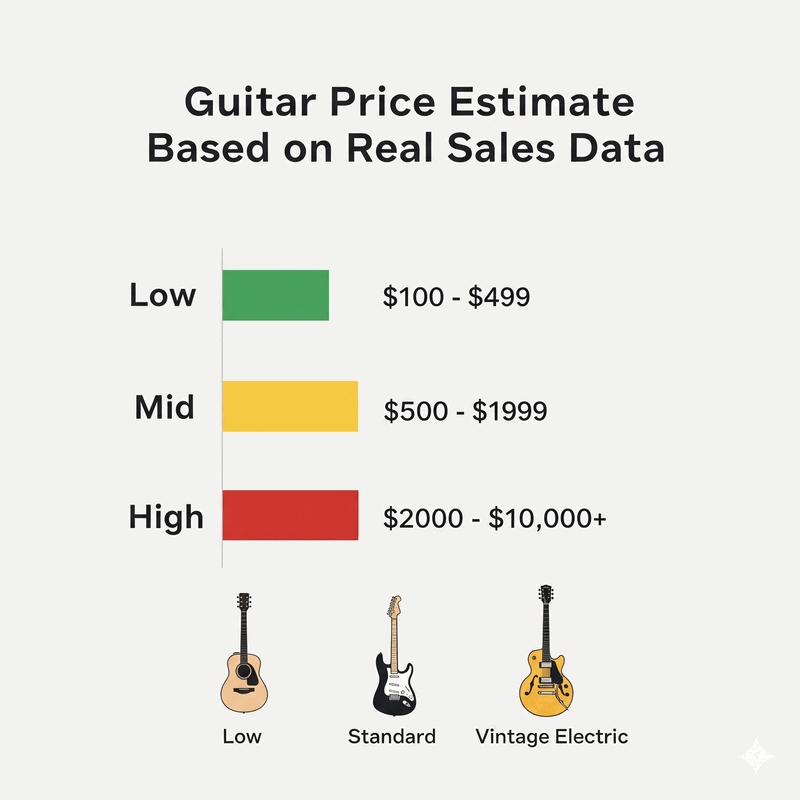
The Fender Stratocaster is one of the most recognizable electric guitars ever made, and it is also one of the most traded. If you are trying to figure out how much a Stratocaster is worth, the answer depends on when it was built, where it was built, what condition it is in, and how original it remains. A vintage pre-CBS Stratocaster can command a price that dwarfs a new car, while a well-used Squier Strat might sell for less than a set of premium pickups.
This guide breaks down Stratocaster values era by era. You will learn what collectors and players actually pay, which details move the price needle, and how to avoid the common mistakes that cost sellers money. Whether you own a 1962 sunburst Strat, a 1990s Mexican Standard, or a modern Player Series, the framework here will help you price it honestly.
Want a quick number first? Try our free guitar worth calculator for an instant used-market range, then come back here to understand what is driving it.
What Determines Stratocaster Value?
Before we get into specific eras, it helps to understand the four factors that control every Stratocaster price: era, origin, condition, and originality.
Era Matters More Than Age
A Stratocaster is not valuable simply because it is old. The era in which it was built tells buyers what kind of wood, tooling, pickups, and quality control they can expect. Pre-CBS instruments from 1954 to 1965 represent Fender's original Fullerton factory philosophy: small teams, hand work, and carefully selected materials. CBS-era instruments from 1965 to 1985 cover a wide spectrum, from early transition models that still feel like vintage Fenders to late 1970s instruments with heavier bodies and different neck profiles. The 1980s and 1990s saw the rise of Japanese manufacturing and the gradual return of American prestige. Modern production splits across American, Mexican, Japanese, and Indonesian lines.
Knowing the exact year is the first step in valuation. Use our Fender Serial Number Lookup to decode the production date and factory from your serial number.
Origin Defines the Market Tier
Stratocasters were built in the United States, Mexico, Japan, and more recently Indonesia and China. American-made Strats sit at the top of the modern resale market. Mexican-made Player and Standard models offer strong value for players. Japanese-made Strats from the 1980s and 1990s have a dedicated collector following, and some early Japanese Squiers trade for surprising money. Modern Squier and entry-level Strats are budget instruments with modest resale value.
Condition Is the Biggest Swing Factor
Two Strats from the same year can sell thousands of dollars apart based on condition. The market uses a standard grading scale. Original finish, original parts, and a clean neck pocket all add value. Wear that looks honest is usually fine; wear that hides damage or modifications is not.
Originality Becomes More Important With Age
On a vintage Stratocaster, even small replaced parts can reduce value. Original pickups, bridge, tuners, pickguard, and electronics are what collectors pay for. On a modern Strat, originality matters less. An upgraded pickup set on a 2015 American Standard will not usually hurt resale, and may even help if the buyer likes the change.
Stratocaster Value by Era
Pre-CBS Strats (1954-1965)
The earliest Stratocasters are the most valuable electric guitars Fender ever produced. These instruments were built in Fullerton, California before CBS purchased the company in 1965. Collectors prize them for lightweight ash or alder bodies, one-piece maple or maple-and-rosewood necks, and hand-wound pickups that produce the classic Strat sparkle.
Values vary dramatically by year and condition. A 1954 to 1957 maple-neck Strat in excellent original condition can sell for well into six figures. Late pre-CBS rosewood-board models from 1962 to 1965 are also highly desirable, often trading from the mid-five figures into low six figures depending on color, condition, and provenance. Custom colors like Sonic Blue, Fiesta Red, and Olympic White carry premiums over standard sunburst finishes.
Condition is everything at this level. A refinished pre-CBS Strat typically loses 30 to 50 percent of its value compared with an original-finish example. Replaced pickups, a re-fret, or a changed pickguard can each take thousands off the price. If you suspect you own a pre-CBS instrument, get a professional opinion before selling. Our Fender Serial Number Lookup and Guitar Price Estimate services are good starting points.
CBS-Era Strats (1965-1985)
CBS ownership changed Fender's production. Early CBS Strats from 1965 to 1968 still share many pre-CBS traits and hold strong value. A 1965 or 1966 Strat in original condition can sell for high five figures, while late 1960s examples often trade in the mid-to-upper five figures depending on finish and condition.
The 1970s are more complicated. Late 1970s Strats are sometimes criticized for heavier bodies, three-bolt neck joints, and larger headstocks, but they are also appreciating as they reach the 50-year mark. A clean 1970s Strat in original condition might sell from the low-to-mid four figures up to the low five figures for desirable years or finishes. Early 1980s Strats, including the Fullerton reissues and the last American Standard designs of that decade, occupy a middle ground.
For CBS-era instruments, originality and neck-pocket details matter. Use our Fender model identification guide to confirm exactly which era your guitar represents.
1980s and 1990s Strats
The 1980s were a transitional decade. Fender introduced Japanese production, reissued classic designs, and refined American manufacturing. American Standard and American Vintage reissue Strats from this period have dedicated followings. A clean 1980s American-made Strat can sell from the upper three figures into the low four figures, with reissue and limited models sometimes going higher.
Japanese-made Strats from the 1980s and 1990s are a category of their own. Early JV and SQ serial Squiers, along with Fender-branded MIJ instruments, are prized for build quality. Some Japanese Strats from this era now sell for more than their Mexican or even some American contemporaries. We cover Japanese Strat values in more detail below.
Modern American Strats
Contemporary American Stratocasters include the American Standard, American Professional, American Professional II, American Original, American Ultra, and various limited editions. These are premium production instruments with strong resale value relative to their original prices.
A used American Professional II Stratocaster typically sells for a noticeable discount from its new price, often landing in a range that reflects its condition and whether it includes the original case and accessories. American Professional I models, now discontinued, still hold value well because players actively seek them out. American Standard Strats from the 2000s and 2010s are common workhorse instruments with a broad used market. American Original and Ultra models tend to retain value better because they occupy narrower niches and are bought by more discerning players.
For detailed factory specs on modern American Strats, see our setup specs lookup tool.
Mexican-Made Strats (Player, Player Plus, Player II, Standard)
Fender's Mexican factory produces some of the best value in the electric guitar market. The Player Series replaced the Standard Series and quickly became the default recommendation for an affordable, gig-ready Strat. Used Player Series Strats typically sell for a modest discount from their new price, making them attractive to budget-conscious buyers.
Player Plus and Player II models add features like noiseless pickups, rolled fingerboard edges, and contoured neck heels. These upgrades help them hold value slightly better than the base Player line. Older Mexican Standard Strats from the 2000s and 2010s are plentiful on the used market and represent excellent value for players who want a genuine Fender on a tight budget.
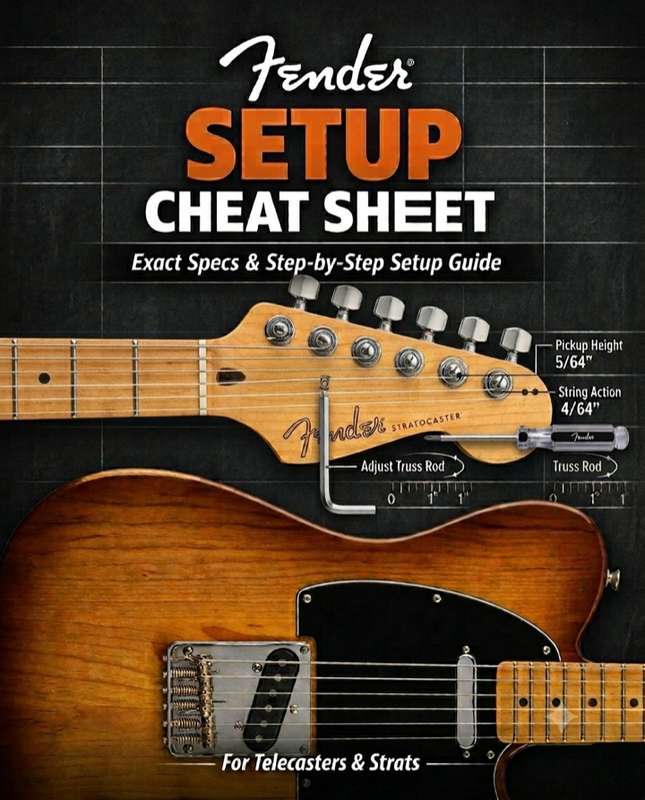
If you are selling a Mexican Strat, condition matters, but originality matters less than on vintage instruments. A fresh setup and clean fretboard can add real perceived value. Our Fender Setup Guide gives you exact specs to get the guitar playing its best before listing.
Japanese-Made Strats (MIJ and CIJ)
Fender Japan has produced Stratocasters since the early 1980s. The earliest Japanese instruments, often marked with JV or SQ serial prefixes, are considered collector-grade. They were built by experienced factories like FujiGen with attention to detail that rivaled American production of the time.
JV-series Strats from 1982 to 1984 are the most sought-after. Clean examples can sell for prices that approach or exceed used American Standard values. SQ-series instruments from the same general period are also well regarded. Later MIJ and CIJ Strats from the 1990s and 2000s vary by model and specification. Some are budget-oriented, while others, like certain Crafted in Japan reissues and special editions, have strong followings.
Modern Japanese Fenders, including Dyna Gakki production and Made in Japan Hybrid models, are generally high-quality instruments with stable resale value. If your Strat has a Japanese serial number, use our Fender Serial Number Lookup to identify the factory and year.
Squier Strats
Squier is Fender's budget brand. New Squier Strats are affordable, which means used prices are modest. Bullet and Sonic Strats sell for the least. Affinity Series instruments are a step up and hold slightly more value. Classic Vibe models are widely considered the best value in the Squier line and retain a larger percentage of their original price.
Vintage Japanese Squiers from the 1980s are the exception. Early JV and SQ Squiers were built in the same factories as Fender Japan instruments and are now collectable. A clean JV Squier Strat can sell for several times the price of a new Affinity. If you have an older Squier, check the serial number carefully. Our Squier Serial Number Lookup can help identify whether you have a hidden gem.
Stratocaster Condition Tier Table
Use this table to estimate how condition affects value. Percentages are rough guides against a typical market value for the model and era.
| Condition | Description | Typical Value Impact |
|---|---|---|
| Mint/NOS | Unplayed, original tags, hang tags, no wear | 100% of market value |
| Excellent | Light play wear, no significant dings or scratches | 85-95% |
| Very Good | Normal play wear, minor dings, all original | 70-85% |
| Good | Moderate wear, possible minor repairs or changed parts | 50-70% |
| Fair | Heavy wear, non-original parts, visible repairs | 30-50% |
| Poor | Major damage, non-functional, or parts-only | 10-30% |
For vintage Strats, the gap between grades is much larger than for modern instruments. A refinished pre-CBS Strat in "good" condition might be worth a fraction of an original-finish "excellent" example. For a used Player Series Strat, the same grade difference might only be $50 to $150.
Key Details That Move Stratocaster Prices
Neck Profile and Fingerboard
Collectors pay close attention to neck shape and fingerboard material. Early 1950s Strats had soft V-shaped maple necks. Mid-1960s instruments moved to rounder C profiles and rosewood boards. Late 1970s Strats often had larger headstocks and three-bolt neck joints. Modern American Professional II models feature a deep C profile with rolled edges. None of these are universally better, but specific buyers seek specific profiles.
Finish and Color
Original sunburst is common and desirable, but custom colors carry premiums on vintage instruments. A refinished guitar almost always loses value, even if the refinish is professionally done. On modern Strats, finish condition matters more than the color itself, though rare limited colors can add value.
Pickups and Electronics
Original pickups are a huge value driver on vintage Strats. Replaced pickups, rewound pickups, or non-original pots and capacitors all reduce collector value. On modern Strats, upgraded pickups are less of an issue if the originals are included. Keep original parts whenever possible.
Case and Case Candy
An original hardshell case adds value, especially for vintage instruments. Original hang tags, warranty cards, tremolo arms, bridge covers, and paperwork can add a small but meaningful premium. For a pre-CBS Strat, an original tweed case can be worth hundreds or more on its own.
How to Identify Exactly What You Have
Accurate valuation starts with correct identification. Many sellers mislabel their guitar's year or origin and leave money on the table.
Start with the serial number. Fender serial numbers appear on the headstock, neck plate, or inside the neck pocket. Our Fender Serial Number Lookup decodes most formats from 1950 to present. For a deeper dive into model-specific features, use our Fender model identification guide.
Cross-reference the serial number with neck dates, pot codes, and body stamps when possible. Neck dates are written in pencil or stamped at the base of the neck. Pot codes on the volume and tone controls reveal the manufacturer and week of production. These details help confirm whether the guitar is all original or a mix of parts from different years.
If you need a personalized valuation with low, mid, and high ranges, our Guitar Price Estimate report delivers results to your inbox within minutes.
Maximizing Your Stratocaster's Value Before Selling
A little preparation can add real money to your sale.
Get a Professional Setup
A guitar that plays cleanly sells faster and for more. Buyers will pay extra for an instrument that feels good in their hands. Adjust the truss rod, action, intonation, and pickup height. If you are doing it yourself, our setup specs lookup gives you factory measurements for your specific model. The Fender Setup Guide is a printable reference that covers Strat, Tele, Jaguar, Jazzmaster, and more.
Clean, But Do Not Over-Restore
Clean fingerprints, polish the body, and condition the fretboard. Do not refinish a vintage Strat, replace original parts with modern equivalents, or buff out honest wear that gives the guitar character. Reversible cleaning is good; irreversible changes are expensive mistakes.
Take Clear Photos
Use natural light, a clean background, and show every angle. Include the front, back, headstock front and back, neck pocket, serial number, and any wear or damage. Close-ups of flaws build trust and reduce returns.
Gather Documentation
Original receipts, case candy, repair records, and provenance all add value. If you know the guitar's history, include it in the listing. For vintage instruments, documented ownership history can add a meaningful premium.
Where to Sell a Stratocaster
Reverb is the best platform for most Stratocaster sales. Its buyer base understands Fender values, and sold listings make pricing transparent. eBay reaches a wider audience but charges higher fees. Facebook Marketplace works well for quick local sales of cheaper instruments. Local shops offer instant cash but typically pay 40 to 60 percent of retail. For rare vintage Strats, consider a specialized vintage dealer or auction house.
Frequently Asked Questions
How much is a Fender Stratocaster worth?
It depends on the era, origin, condition, and originality. Pre-CBS Stratocasters from 1954 to 1965 can sell from the high five figures into six figures. CBS-era Strats from 1965 to 1985 range from a few thousand dollars to over $10,000 for clean early examples. Modern American Strats typically sell used for a meaningful discount from their new price. Mexican Player Series Strats are popular budget-friendly options, while Japanese and vintage Squier Strats can carry collector premiums.
How much is a pre-CBS Stratocaster worth?
Pre-CBS Stratocasters from 1954 to 1965 are the most valuable production electric guitars Fender made. Clean 1950s maple-neck examples can sell for well into six figures. Late pre-CBS rosewood-board Strats from 1962 to 1965 often trade from the mid-five figures into low six figures. Custom colors, original finish, and documented provenance add significant premiums.
Are CBS-era Stratocasters valuable?
Early CBS Strats from 1965 to 1968 remain highly valuable because they share many pre-CBS traits. Late 1960s models often sell for mid-to-upper five figures. 1970s Strats are more affordable and can be excellent players, with clean original examples selling from the low four figures into the low five figures depending on year, finish, and condition.
How much is a Mexican Player Series Stratocaster worth used?
Used Player Series Stratocasters typically sell for a modest discount from their new price, often landing in the mid-three-figure to low-four-figure range depending on condition, included accessories, and whether the original gig bag or case is present. Player Plus and Player II models may hold slightly more value due to upgraded features.
Are Japanese Stratocasters worth more than Mexican Strats?
It depends on the era and model. Early Japanese JV and SQ Squiers, along with 1980s MIJ Fender Strats, can sell for as much as or more than some Mexican and even American models. Later CIJ and modern MIJ Strats vary by specification. In general, vintage Japanese instruments with strong reputations command higher prices than contemporary budget Mexican models, but modern Player Series Strats compare favorably to many later Japanese examples.
What hurts Stratocaster resale value the most?
On vintage Strats, refinishing and non-original parts are the biggest value killers. A refinish can reduce value by 30 to 50 percent, and replaced pickups, bridge, or tuners each take additional money off the price. On modern Strats, heavy wear, missing original parts, and poor setup photos hurt resale the most.
Does a refinished Stratocaster lose value?
Yes. An original factory finish is almost always worth more than a professional refinish on a vintage Stratocaster. Even a beautifully refinished pre-CBS Strat can be worth half of an original-finish example. On modern Strats, a refinish is less catastrophic but still reduces value because buyers prefer factory-original finishes.
How do I find out what year my Stratocaster is?
Decode the serial number using our Fender Serial Number Lookup. Serial numbers are usually found on the headstock, neck plate, or inside the neck pocket. Cross-reference with neck dates and pot codes for vintage instruments to confirm originality and narrow down the exact production window.
Are Squier Stratocasters worth anything?
Modern Squier Strats are affordable instruments with modest used values. Bullet and Sonic models sell for the least, Affinity models occupy the middle range, and Classic Vibe models hold the best value. The exception is vintage Japanese Squiers from the early 1980s, especially JV and SQ series, which can sell for several hundred to over a thousand dollars in clean condition.
Should I get my Stratocaster appraised before selling?
For vintage or high-value Strats, a professional appraisal or a detailed Guitar Price Estimate is worthwhile. It gives you documented evidence of value and helps you price confidently. For common modern Strats, checking recent sold listings on Reverb plus our free guitar worth calculator is usually enough.
Conclusion
Figuring out how much a Stratocaster is worth comes down to four questions: when was it built, where was it built, what condition is it in, and how original does it remain? Pre-CBS instruments sit at the top of the value pyramid, while modern Mexican and Squier models offer accessible entry points. In between, CBS-era, Japanese, and American Standard models each have their own buyer communities and price patterns.
Start by decoding your serial number to pinpoint the year and origin. Then compare recent sold listings, use our free guitar worth calculator for a quick range, or order a personalized Guitar Price Estimate if you need documented numbers. If you are keeping the guitar, keep it playing well with the Fender Setup Guide and track it in your collection.
The Stratocaster market rewards informed sellers. Identify the guitar correctly, describe it honestly, photograph it clearly, and price it against real sold data. The right buyer is out there.