Fender Telecaster Setup Specs 1969: Factory-Correct Measurements
Factory-correct 1969 Fender Telecaster setup specs: neck relief, action at the 17th fret, pickup height, string gauge, fretboard radius, scale length, and CBS-era hardware details.
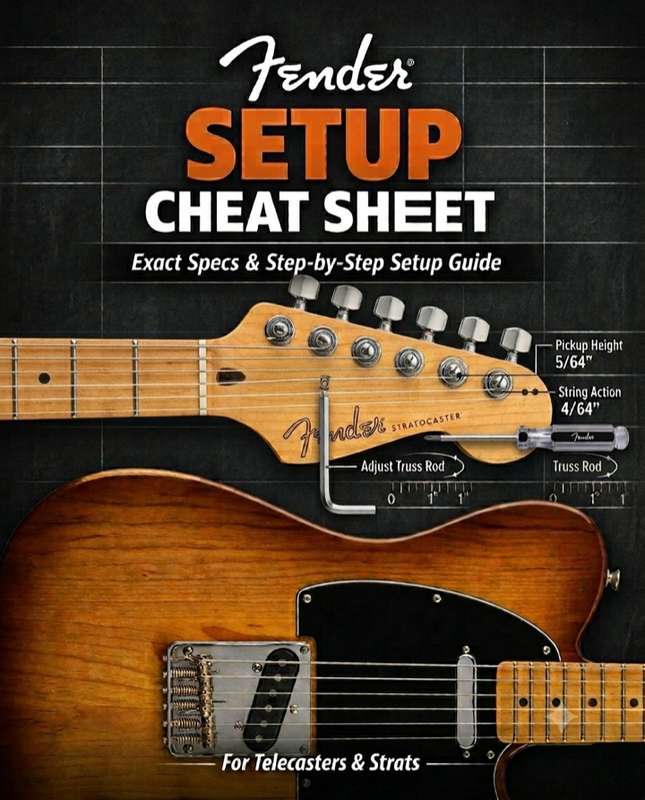
Fender Telecaster setup specs 1969 are the exact factory measurements you need to get a late-sixties CBS-era Tele playing and sounding the way it left Fullerton. A 1969 Telecaster should have a neck relief of about 0.012" (0.30 mm) at the 8th fret, string height of 5/64" (2.0 mm) on the low E and 4/64" (1.6 mm) on the high E measured at the 17th fret, and vintage-style pickups set to 6/64" (2.4 mm) on the bass side and 5/64" (2.0 mm) on the treble side with the string pressed at the last fret. Those numbers are the starting point; the rest of this guide explains how to apply them safely and why they suit a 1969 Tele.
If you are trying to confirm the guitar really is a 1969 model, start with the Fender serial number lookup. Once the year is locked in, our Fender Telecaster value guide will give you a current market range, and the complete Telecaster setup guide walks through the same steps for every era.
What Makes a 1969 Fender Telecaster Different
By 1969 Fender had been owned by CBS for four years, and the changes that started in 1965 were fully visible: the CBS-era black logo with gold outline, thicker polyester finishes, and a new parts bin. The core Telecaster platform was still the same instrument Leo Fender designed in 1950, so the setup order is unchanged: relief, action, pickups, intonation.
Most 1969 Telecasters left Fullerton with an alder or ash body, a maple neck, and either a maple or rosewood fretboard. The neck profile is an oval "C" shape, the nut width is typically 1.65", and the fretboard radius is the vintage 7.25". That curved radius is why the factory relief spec is larger than on modern 9.5" or 12" boards. The bridge is the classic three-saddle, string-through-body design with brass saddles, and the tuners are chrome "F"-stamped Kluson-style machines.
If you want the full story on dating a 1969 Tele, read our Telecaster serial numbers guide. It covers F-series neck plates, neck-heel stamps, and the hardware clues that separate a genuine 1969 from a parts guitar.
1969 Telecaster Factory Setup Specs at a Glance
The table below is the cheat-sheet version. Treat the numbers as starting points; vintage wood, fretwear, and climate all mean real-world setups need small adjustments.
| Specification | Factory Measurement |
|---|---|
| Neck relief | 0.012" (0.30 mm) at 8th fret |
| Action (string height at 17th fret) | Low E: 5/64" (2.0 mm); High E: 4/64" (1.6 mm) |
| Pickup height — neck | Bass side: 6/64" (2.4 mm); Treble side: 5/64" (2.0 mm) |
| Pickup height — bridge | Bass side: 6/64" (2.4 mm); Treble side: 5/64" (2.0 mm) |
| Fretboard radius | 7.25" |
| Scale length | 25.5" |
| Nut width | 1.65" typical (1 5/8" to 1 11/16") |
| Nut slot depth | ~0.020" (0.50 mm) above 1st fret |
| String gauge | 10–46 pure nickel (era-correct) |
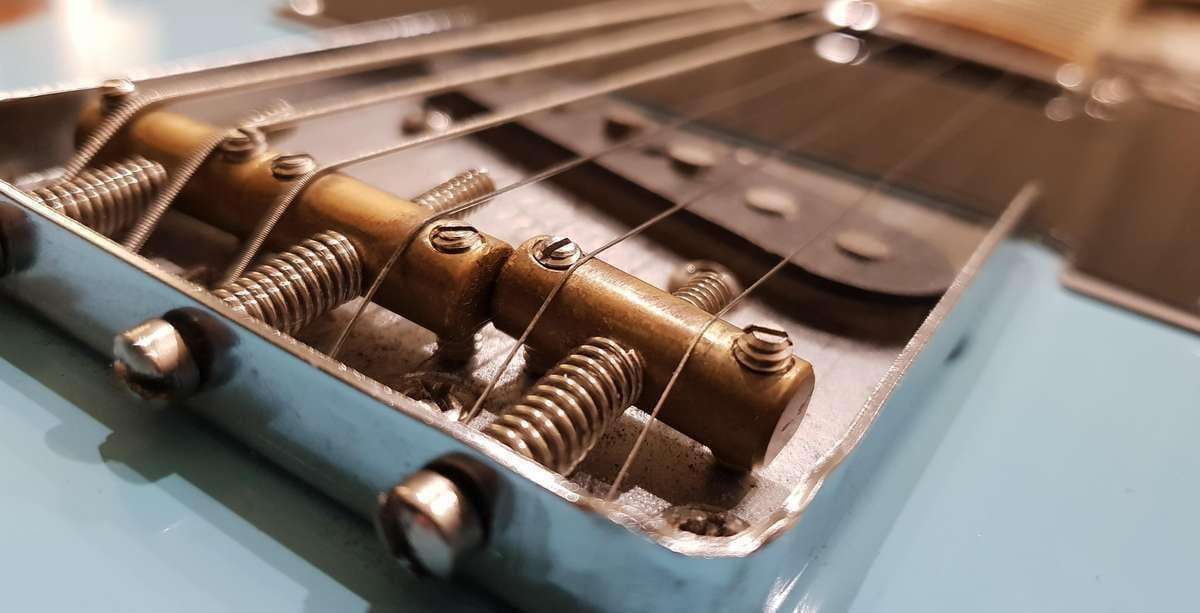
| Bridge | 3-saddle string-through with brass saddles |
| Tuners | Chrome "F"-stamped Kluson-style |
These measurements come from Fender's own vintage-style setup charts, which specify relief and action by fretboard radius, and from the era's published pickup-height guidance for vintage-style single-coils. The 7.25" radius row is the one that applies to a 1969 Tele.
Neck Relief on a 1969 Telecaster
Neck relief is the slight forward bow that lets the strings vibrate without hitting the frets. On a 1969 Telecaster with a 7.25" radius, Fender specifies 0.012" measured at the 8th fret. That is roughly the thickness of a high E string or a thin feeler gauge. Modern players sometimes prefer a little less relief for lower action, but if you are aiming for the factory feel, start at 0.012".
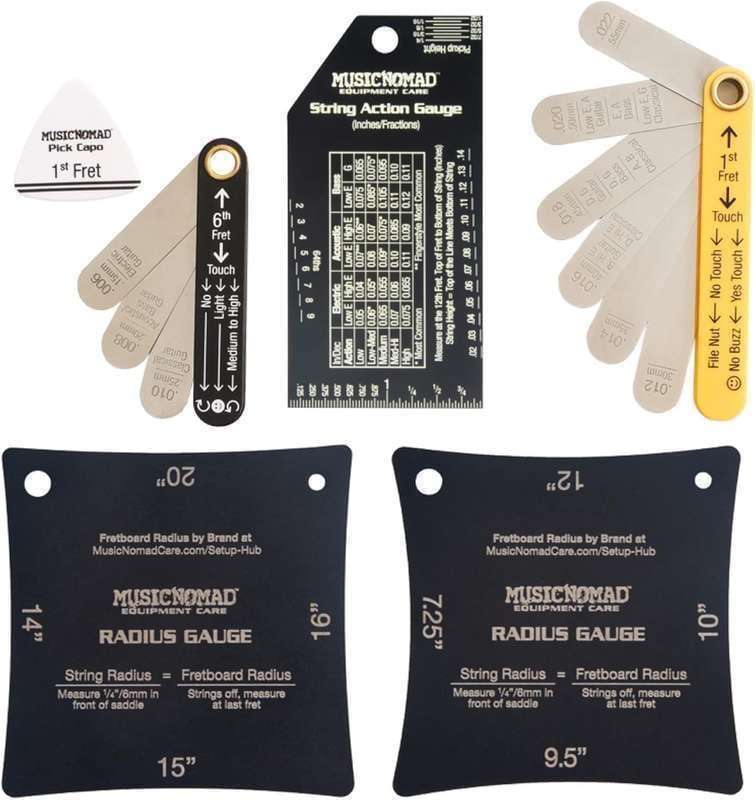
To check relief, place a capo on the first fret and press the low E string down at the last fret (the 21st fret on a standard 1969 Tele). The string acts as a straightedge. Slide a 0.012" feeler gauge between the bottom of the low E and the top of the 8th fret. The gauge should move through with light drag. If it falls through freely, the neck has too much relief. If it will not go in at all, the neck is too straight or back-bowed.
The truss-rod nut on a 1969 Tele is usually at the headstock. Adjustments follow the standard rule: turn clockwise to tighten the rod and reduce relief, turn counter-clockwise to loosen the rod and add relief. Work in 1/8-turn increments, retune, and let the neck settle for a few minutes before measuring again. Never force a truss rod; if it feels tight or you need more than a quarter turn, stop and consult a technician.
The curved 7.25" radius means too little relief will let the middle strings choke during bends above the 12th fret.
String Height (Action) for a 1969 Telecaster
Factory action for a vintage 7.25" Fender is 5/64" on the bass side and 4/64" on the treble side, measured at the 17th fret. Some players prefer to measure at the 12th fret; the 12th-fret equivalent is about 2.0 mm on the low E and 1.6 mm on the high E. Use whichever reference point you like, but be consistent.
To adjust action on a three-saddle Tele bridge, loosen string tension slightly, then turn the two screws on each brass saddle with a small flat-head screwdriver. Clockwise raises the saddle, counter-clockwise lowers it. Because the saddles are shared by two strings, you cannot set every string perfectly independently. Compromise by matching the overall radius of the fretboard and checking each string for buzz.
Set the low E/A pair first, then the D/G pair, then the B/E pair. Retune and play-test after each change. The goal is the lowest height that does not buzz under your normal attack. If the action cannot be brought into range with normal saddle adjustment, check the neck angle; a missing or incorrect neck-pocket shim is a common culprit on vintage Teles.
Pickup Height on a 1969 Telecaster
Pickup height controls output, treble response, and sustain. For vintage-style Telecaster single-coils, Fender recommends 6/64" (2.4 mm) on the bass side and 5/64" (2.0 mm) on the treble side, measured from the top of the pole piece to the bottom of the string while the string is pressed at the last fret. Apply this to both the neck and bridge pickups as a starting point.
Those distances are closer than modern specs because vintage pickups have lower output and weaker magnets. Raising them adds bite, but too close causes magnetic pull and harshness; too far away sounds thin. Many players end up with the bridge pickup slightly closer than the neck to balance the warmer neck tone, but that is personal taste, not factory spec.
Use a ruler marked in 64ths, depress the string at the last fret, measure under the low E and high E, and record the numbers. Small 1/64" adjustments are enough.
Nut Slot Depth and String Gauge
Nut height is often overlooked, but it has a huge impact on playability in the first five frets. On a well-cut 1969 Tele nut, the string should sit about 0.020" above the first fret when the string is open. That is roughly the thickness of a high E string or a business card held on edge. If the slots are too high, open chords feel stiff and notes at the first fret can pull sharp. If the slots are too low, you will hear open-string buzz.
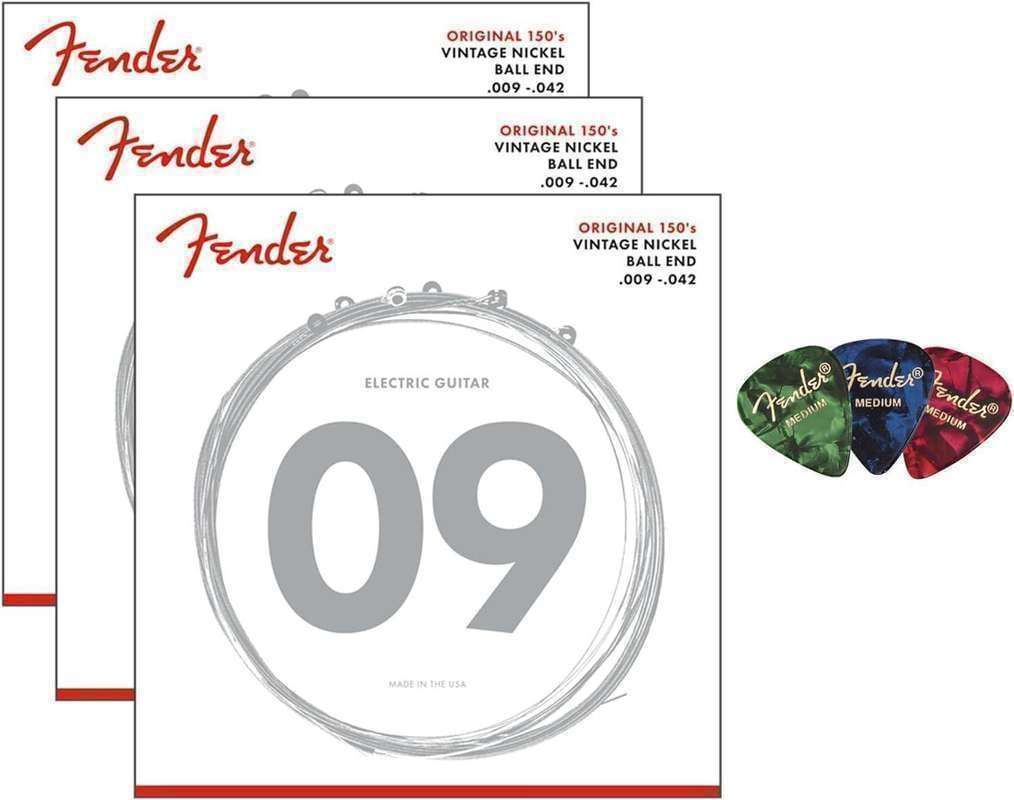
Factory string gauge on a 1969 Telecaster was typically a 10–46 pure-nickel set. Pure nickel strings were standard before brighter nickel-plated steel became common in the 1970s, and they suit the lower-output vintage pickups. Modern players who want a period-correct feel should try a set like the Fender Original 150 Pure Nickel strings or a comparable 10–46 pure-nickel set.
If you prefer 9–42 strings for easier bending, the setup numbers still work, but the reduced tension may allow a hair less relief and slightly lower action. Going heavier than 10–46, such as 11–48 or 12–52, will increase neck relief and may require raising the saddles and pickups. Always recheck relief and action after a gauge change.
Bridge, Intonation, and Hardware Details
The 1969 Tele bridge is the classic stamped-steel baseplate with three brass barrel saddles and a string-through-body design. Intonation is a compromise: set the saddle positions so the 12th-fret harmonic and the 12th-fret fretted note match as closely as possible for each pair of strings, averaging the E/A and D/G pairs.
Scale length is the standard Fender 25.5". Measure from the inside edge of the nut to the center of the saddle contact point when setting intonation, and recheck seasonally because temperature and humidity shift it. The CBS-era chrome "F"-stamped Kluson-style tuners are reliable, but the buttons can become brittle with age; keep originals with the guitar if you replace them. Body finish is usually polyester, which is harder than the pre-CBS nitrocellulose and can make the same measurements feel slightly stiffer.
Tools and Strings for a 1969 Telecaster Setup
 Buy on Amazon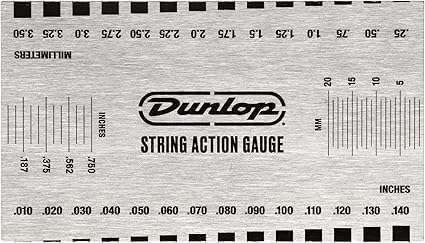
Step-by-Step 1969 Telecaster Setup
Follow this order every time. Skipping steps is the main reason setups go wrong.
- Install fresh strings and tune to pitch. Old strings have uneven tension and will make every measurement unreliable. Use a 10–46 set if you want the era-correct feel.
- Check and set neck relief. Capo the first fret, press the low E at the last fret, and measure at the 8th fret. Target 0.012". Adjust the truss rod in 1/8-turn increments.
- Set string height at the bridge. Aim for 5/64" low E and 4/64" high E at the 17th fret. Adjust the three brass saddles, retune after each change, and check for buzz.
- Set pickup height. With the strings fretted at the last fret, set both pickups to 6/64" bass side and 5/64" treble side. Raise or lower by ear from there.
- Set intonation. Compare the 12th-fret harmonic to the 12th-fret fretted note for each string. Move the saddle forward if the fretted note is sharp, backward if it is flat.
- Check nut slot depth. Open strings should sit about 0.020" above the first fret. If the slots are too high, a careful filing with gauged nut files will fix it.
- Play-test and fine-tune. Strum chords, play bends, and check every fret for buzz or choking. Make tiny adjustments to action and relief until the guitar feels right for your hands.
If any step feels risky, especially truss-rod or nut work, take the guitar to a qualified technician. A vintage 1969 Tele is valuable, and a mistake is more expensive than a setup fee.
FAQ
What are the factory action specs for a 1969 Fender Telecaster?
The factory action for a 1969 Telecaster with a 7.25" radius is 5/64" on the low E and 4/64" on the high E, measured at the 17th fret. That is approximately 2.0 mm and 1.6 mm. Some players measure at the 12th fret; the numbers are close enough to use interchangeably as long as you are consistent.
How much neck relief should a 1969 Telecaster have?
A 1969 Telecaster should have about 0.012" (0.30 mm) of relief measured at the 8th fret. The curved 7.25" fretboard radius needs a little more relief than modern flatter boards to prevent string buzz during bends.
What is the correct pickup height for a 1969 Telecaster?
For vintage-style single-coil pickups, start with 6/64" (2.4 mm) on the bass side and 5/64" (2.0 mm) on the treble side, measured from the pole piece to the bottom of the string with the string pressed at the last fret. This applies to both the neck and bridge pickups as a baseline.
What string gauge did Fender use on Telecasters in 1969?
The era-correct string gauge is a 10–46 pure-nickel set. Pure nickel strings were standard in the 1960s and pair well with the lower-output vintage pickups. Modern nickel-plated or coated strings will also work, but they will sound slightly brighter.
What is the fretboard radius of a 1969 Telecaster?
A 1969 Telecaster has the vintage 7.25" fretboard radius. This curved radius is part of why the factory relief spec is 0.012" and why many players find the neck comfortable for chord work.
What bridge did the 1969 Telecaster use?
The standard 1969 Telecaster used a three-saddle, string-through-body bridge with brass barrel saddles and a stamped-steel baseplate. Intonation is set by moving the shared saddles and accepting a small compromise between the paired strings.
How do I date my 1969 Telecaster?
The quickest way is to use the Fender serial number lookup. 1969 Telecasters fall in the F-series neck-plate range of roughly 250000–280000. For a deeper authentication walkthrough, see our Telecaster serial numbers guide.
How much is a 1969 Fender Telecaster worth?
Value depends on originality, condition, finish, and whether the neck and body match. Clean all-original examples can be highly valuable, while refinished or modified guitars trade at a discount. Use our Fender Telecaster value guide for a current market range.
Should I set up a 1969 Telecaster myself?
Basic action and pickup-height adjustments are safe for most owners. Truss-rod and nut work require more care; if you are not comfortable, take the guitar to a qualified tech. A vintage instrument is worth the professional fee.
Why does my 1969 Telecaster buzz after a setup?
Fret buzz usually means action is too low, relief is too small, or the frets are uneven. Start by adding a little relief or raising the saddles slightly. If buzz is isolated to a few frets, the guitar may need a fret level and dress.
Conclusion
Getting a 1969 Fender Telecaster set up correctly comes down to respecting its vintage DNA. The 7.25" radius, the three-saddle bridge, and the low-output single-coil pickups all point to the same factory numbers: 0.012" relief, 5/64" and 4/64" action, and 6/64" / 5/64" pickup heights. Start there, adjust by ear, and the guitar will reward you with the unmistakable late-sixties Tele snap.
Factory specs are starting points. Your attack, string gauge, and climate will push them slightly, so measure first, change one thing at a time, and let the neck settle between truss-rod turns.
Want to know what your Tele is worth before you change anything? Run the details through the Guitar Price Estimate and read the Telecaster setup guide for the full modern-and-vintage setup process.