Fender Mustang Controls: Switch Positions Explained
Learn Fender Mustang controls with a complete nine-position switch chart. Identify pickup settings, troubleshoot silence, and check modern three-way selectors.
Fender Mustang controls make more sense once you separate pickup selection from the sound of two pickups working together. On a traditional two-slider Mustang, each pickup has its own switch. A modern Mustang with one three-way selector needs a different set of instructions, so identify the layout before following a chart.
Quick answer: On standard vintage-style Mustang wiring, each slider's centre position turns its pickup off. The two outside positions turn it on with opposite electrical polarity. With both pickups active, matching slider directions give the normal in-phase combination; opposite directions give the thinner out-of-phase combination. Both sliders centred means no pickup signal.
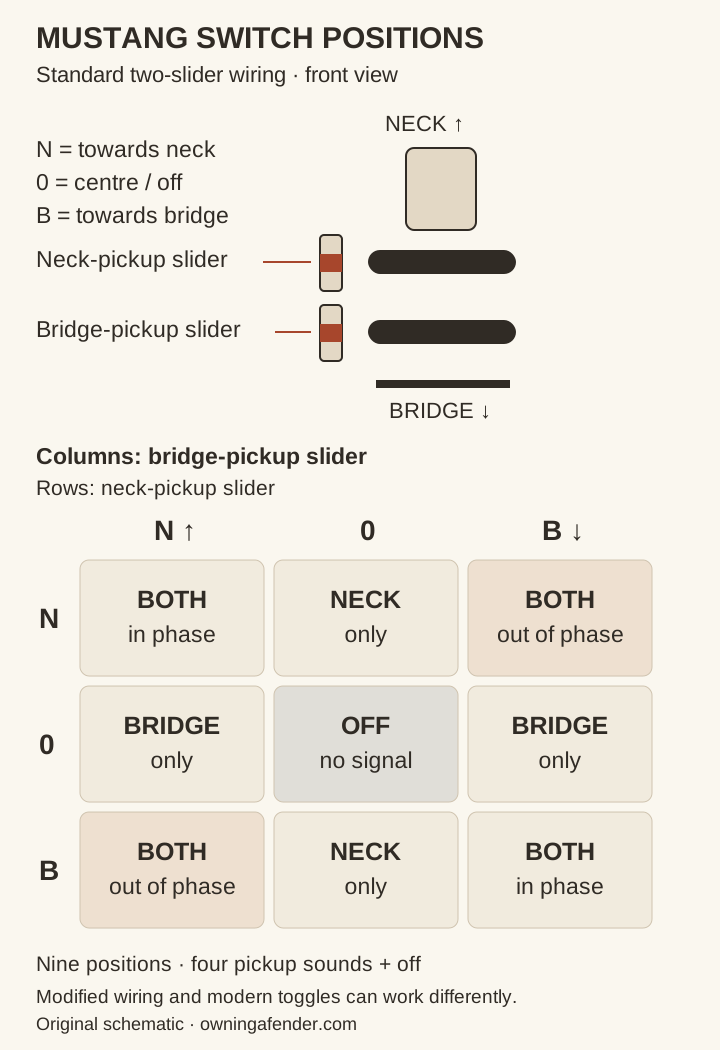
Original schematic, viewed from the front with the neck pointing upwards. This is a control reference, not a photograph or a scale drawing. The text table below repeats every combination.
Jump to: identify your layout · nine switch positions · volume and tone · listening check · troubleshooting · modern selectors · FAQs.
Identify which Mustang controls you have
Look at the guitar itself. Two small three-position sliders beside the pickups indicate the traditional arrangement covered by the main chart. Each slider belongs to the adjacent pickup: the neck pickup sits nearer the fingerboard, while the bridge pickup sits nearer the bridge saddles. The pair of round knobs controls the combined output.
A single lever or toggle selector is a different arrangement. Do not look for a centre-off position on that selector just because a traditional Mustang slider has one. Pickup replacements, custom wiring and replacement pickguards can also change the function without changing the name on the headstock.
Fender's Vintera '60s Mustang service manual, page 4 identifies the two pickup switches, master volume and master tone and provides the reference switching diagram. The original 1973 Mustang owner's manual also describes independent centre-off selectors. Use the service document for your particular instrument when its behaviour differs.
For the rest of this guide, N means slide towards the neck, 0 means the middle detent, and B means slide towards the bridge. These letters describe where your finger moves the slider. They do not name the pickup being selected: moving the neck pickup's switch towards the bridge still operates the neck pickup.
All nine Mustang switch positions
Keep the guitar oriented with the neck above the bridge when reading this table. The first column is the switch beside the neck pickup; the second is the switch beside the bridge pickup. The chart applies to the standard wiring described above, with the guitar volume open and a working signal chain.
| Neck-pickup slider | Bridge-pickup slider | Practical selection |
|---|---|---|
| N: towards neck | N: towards neck | Both pickups, in phase |
| N: towards neck | 0: centre | Neck pickup only |
| N: towards neck | B: towards bridge | Both pickups, out of phase |
| 0: centre | N: towards neck | Bridge pickup only |
| 0: centre | 0: centre | Both pickups off |
| 0: centre | B: towards bridge | Bridge pickup only |
| B: towards bridge | N: towards neck | Both pickups, out of phase |
| B: towards bridge | 0: centre | Neck pickup only |
| B: towards bridge | B: towards bridge | Both pickups, in phase |
This matrix is our enumeration of the standard circuit's three choices per switch: three multiplied by three gives nine physical combinations. It follows the switch relationship described by Seymour Duncan. The settings reduce to four practical pickup sounds plus off; nine switch combinations should not be sold as nine different audible pickup voices.
Why some positions repeat
With one pickup active, reversing that pickup's electrical polarity does not create the two-pickup cancellation effect. In ordinary use, the two neck-only positions belong to the same sound category, as do the two bridge-only positions. With both pickups active, changing both polarities together preserves their relationship to each other.
That is why the two matching-direction settings form one category and the two opposite-direction settings form another. There are electrical distinctions between some repeated selections, but they are not four additional pickup mixes. A recorded signal combined with another signal is a more specialized situation than listening to the guitar by itself.
Start with a simple memory aid
Learn four landmarks before trying quick changes: neck only, bridge only, both together, and both off. Add the contrasting two-pickup setting once those feel familiar. Write the two slider positions beside a song title rather than trying to remember a description such as “the bright setting.”
Avoid relying on “left” and “right.” A photograph can be rotated or mirrored, and a player looking down sees the guitar differently from someone facing it. Neckward and bridgeward remain useful descriptions even when you turn the instrument around to inspect it.
What the volume and tone knobs do
The traditional circuit uses a master volume and master tone. They act on the selected signal rather than providing a separate pair of controls for each pickup. Turning one knob therefore does not offer a neck-versus-bridge blend like two independent pickup volume controls would.
Begin your listening comparison with both knobs fully open, a clean amplifier sound and a comfortable listening level. Then reduce the volume slowly while playing the same phrase. Notice the change in level and, through an overdriven amp, the possible change in distortion. Return it to the starting point before judging the next pickup selection.
Next reduce the tone control gradually. In a conventional passive circuit, this rolls away high-frequency content rather than adding active bass boost. It can soften an attack you find sharp, but it does not replace choosing a different pickup. Markings on a knob are reference positions, not calibrated decibel or frequency measurements.
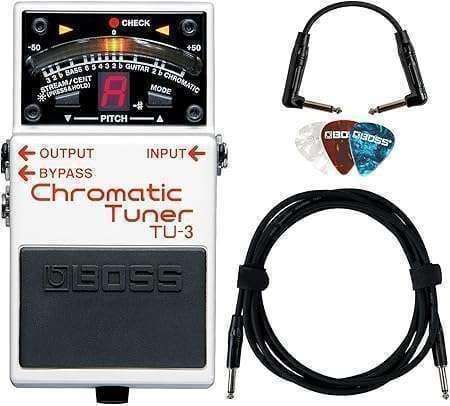
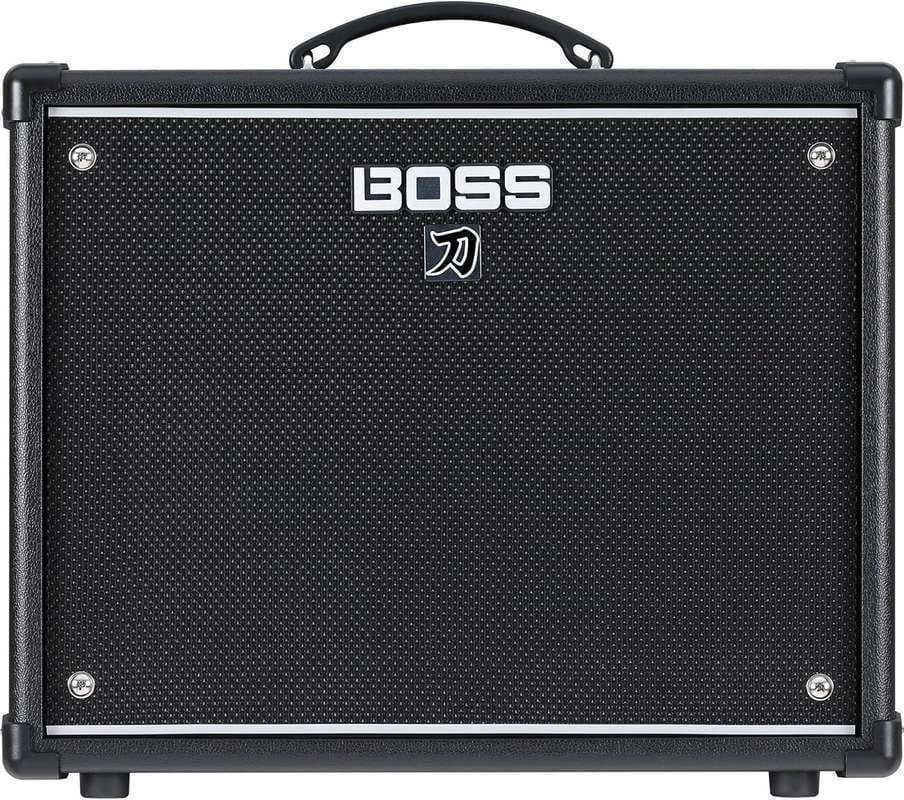
You do not need a new amplifier to learn the controls. A familiar clean channel is the best starting point. If you already use a headphone amplifier, keep its preset fixed; compare only one guitar control at a time. The products below are optional listening and tuning equipment, not parts required to make the switches work.
Disclosure: we may earn a commission from qualifying purchases through affiliate links, at no additional cost to you. Read our affiliate disclosure.
Optional tuning and listening equipment
 Buy on Amazon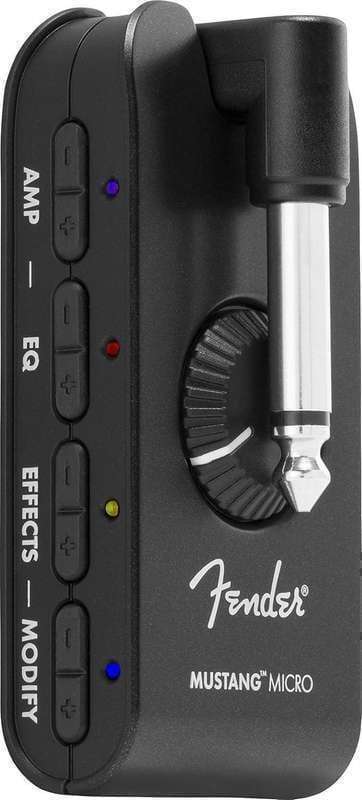
In phase and out of phase: what to listen for
Two pickups sample the vibrating strings at different places. Reversing one pickup relative to the other changes how their signals combine. Some frequency content cancels more strongly, which is why the contrasting combination can sound hollow and have less perceived body or output. It is not a promise that every frequency below a particular point disappears.
Seymour Duncan's explanation of pickup polarity and phase distinguishes this signal relationship from magnetic polarity and discusses the thin sound associated with cancellation. Turning a Mustang slider does not physically turn its magnet over. Nor does selecting that combination guarantee hum cancellation for every pair of replacement pickups.
Treat the thinner sound as a usable contrast. Try a short chord pattern first, then a single-note phrase. Listen for whether it leaves room for another instrument rather than judging only how large it sounds alone. Adjust the amplifier afterwards if desired, once you know what the switch change did.
These are suggested listening exercises, not claims that we recorded or tested your model. Pickup type, height, strings, cable and amplifier all affect the result. A modified Mustang may behave differently from a factory example, so a mismatch is a reason to investigate the actual circuit rather than assume the guitar is defective.
A five-step control check without opening the guitar
1. Establish a working signal path
Tune the instrument and connect it to a familiar, quiet clean sound. Temporarily bypass effects that mute, heavily compress or distort the signal. Set the guitar volume and tone fully open. Keep the amp low enough that changing a switch or unplugging a cable will not produce a startling loud sound.
2. Check the neck pickup by itself
Put the bridge-pickup slider in the centre and activate the neck pickup. Play the same short phrase in each outer position of the neck slider. Note whether the sound stays present and whether a dropout happens only while moving the switch or persists after it settles into its detent.
3. Check the bridge pickup by itself
Centre the neck slider and repeat the exercise using the bridge slider. Use the same guitar and amp settings. A major level difference may warrant further checks, but first confirm that neither slider is accidentally halfway between its intended positions. Do not compensate with pickup screws while you are still mapping the controls.
4. Compare the two combined sounds
Activate both pickups and compare matching with opposing slider directions. Keep your picking consistent. A change in body and level in the opposing setting is expected for the standard circuit. If the relationship is reversed, make a note of it; previous wiring work could explain the difference.
5. Record the result
Write down a preferred starting position and any repeatable fault. Include which pickup was active, whether the cable moved, and whether the problem appeared while a control was moving or after it stopped. That record gives a technician much better information than “the switches sometimes sound strange.”
Troubleshoot silence, thin sound and intermittent controls
| Symptom | First check | Useful next observation |
|---|---|---|
| No sound from any setting | Guitar volume, both centre detents, cable and amp mute | Does a known working cable restore the signal? |
| One pickup works alone, the other never does | Is the silent pickup's own switch fully engaged? | Does either outer position work reliably? |
| Both pickups sound much thinner together | Compare matching and opposing directions | Does the fuller sound return in the other combination? |
| Sound cuts out when the plug moves | Stop moving the plug and compare another cable | Does the fault follow the cable or stay at the guitar jack? |
| Crackle while a knob turns | Separate movement noise from a persistent dropout | Record which knob and roughly where it happens |
| Unexpected behaviour after a pickup swap | Find the actual wiring/service record | Ask the installer to verify the intended switching functions |
Work from the outside in. A tuner pedal left muted or a bad patch cable can make a healthy guitar appear silent. Substitute one known working item at a time so you can tell which change mattered. Changing several pieces of the signal chain at once may restore sound without revealing the fault.
Do not spray an unidentified cleaner into the switches or force a stiff slider. The appropriate servicing method depends on the component and nearby finish. Persistent crackle, unreliable contacts or a loose jack deserve inspection; repeated force is not a diagnostic technique. Turn the amplifier down before swapping cables.
A setting that is predictably thinner only when both pickups are combined is different from intermittent silence. Equally, a guitar that behaves differently after a modification may be following its new wiring correctly. The Mustang pickup upgrade guide is the separate starting point for replacement-pickup and wiring work; this page is for learning and checking the external controls.
Modern Mustangs with one three-way selector
The Fender Player II Mustang is a current example with a three-way toggle, two single-coil pickups, master volume and master tone. Its conventional choices are bridge, both, and neck. It does not provide the traditional sliders' independent off positions or selectable out-of-phase combination as part of those three stock choices.
Do not transfer the nine-position table to this layout. The middle selector position normally combines pickups; it is not the two-slider circuit's both-off setting. Fender's current product-page switching field contains a “middle pickup” wording inconsistency despite listing two pickups. The overview and physical two-pickup layout are the useful context; confirm the exact model's service sheet when diagnosing wiring.
Other Mustang-labelled instruments may use humbuckers, different switches or modified functions. Identify the model and inspect the controls rather than inferring a wiring arrangement from the body shape. A replacement toggle can also be installed with a different physical orientation. If a direction label does not match your guitar, verify which pickup is active before using it as a performance cue.
Keep setup questions separate from control questions
A slider cannot correct high action, fret buzz or a string that will not intonate. Once the control check works, move to the Mustang setup guide for the mechanical sequence. Change one system at a time: learning the controls while also changing gauge, pickup height and amp presets makes comparisons unnecessarily difficult.
If the neck and bridge pickups have an awkward level imbalance, use the Mustang pickup-height guide. Record the starting heights and measurement method before adjustment. A ruler and correctly fitting tool become relevant at that stage; they are not needed to operate the selectors.
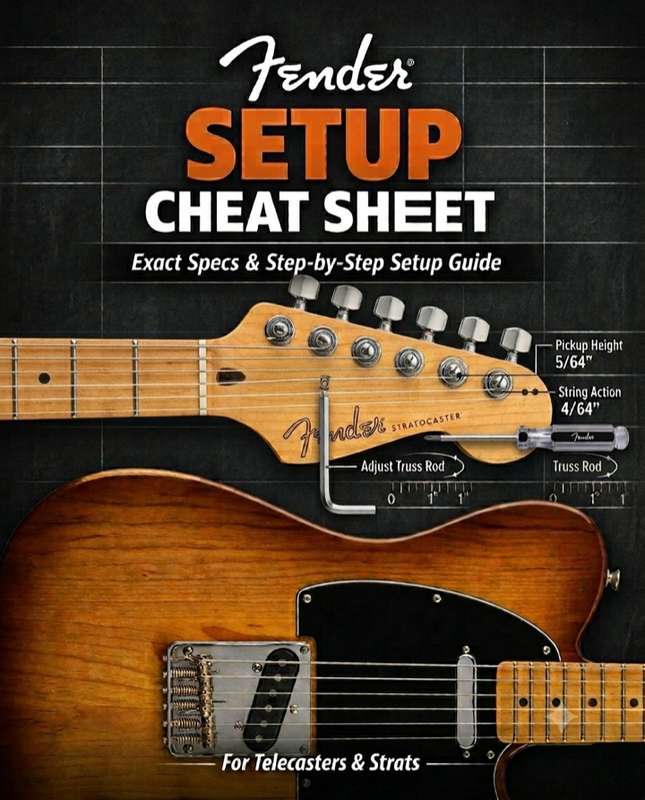
For the separate setup and string-change checks
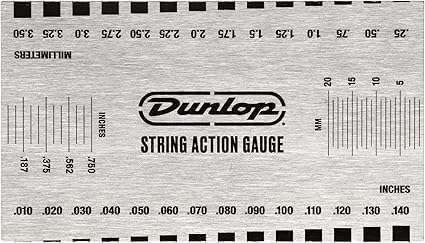
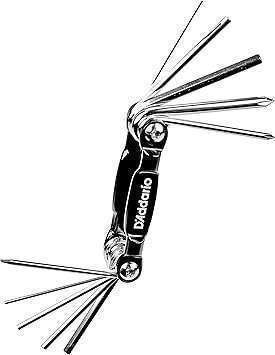

The linked 10–46 set is one string option, not a requirement for phase switching. Keep a comfortable existing gauge while learning the guitar. Buying a used Mustang also calls for a separate condition assessment: document any non-original controls before considering a guitar price estimate. The number of sliders alone cannot establish originality or value.
Frequently asked questions
What do the two switches on a Fender Mustang do?
On the traditional circuit, each slider operates one pickup. Its middle position switches that pickup off, and its two outer positions select opposite electrical polarities. Modern three-way-selector models and modified guitars can work differently.
Why is my Mustang silent with both switches in the middle?
Both pickups are off in that position on standard two-slider wiring. Move one slider fully into an outer detent and check the guitar volume. If silence continues, check the cable and amp before assuming a switch has failed.
Does a Mustang have nine different pickup sounds?
There are nine physical combinations of two three-position sliders. In ordinary use they group into neck only, bridge only, both in phase, both out of phase, and off. Repeated selections do not become additional pickup mixes.
Why does one both-pickup setting sound thin?
Reversing one pickup relative to the other changes how their signals combine and can cancel part of the sound. On standard wiring, the opposing-slider combination produces this effect. Predictable tonal contrast is different from an intermittent electrical dropout.
Are the two outer positions different with one pickup active?
They reverse that pickup's polarity, but do not create two-pickup cancellation while the other pickup is off. In a normal standalone guitar-and-amp comparison they belong to the same practical pickup sound category.
Which knob controls the neck pickup volume?
The traditional Mustang has a master volume for the selected signal, not separate neck and bridge volume knobs. Its other knob is master tone. Check for modifications if your controls do not follow that layout.
Can I use the slider chart for a Player II Mustang?
No. The stock Player II Mustang has a three-way toggle for bridge, both, or neck pickup selection. Its middle position is a combined-pickup setting, rather than the centre-off function of each traditional slider.
Should I change pickups if the controls sound wrong?
First identify the wiring layout, check each pickup separately, and rule out cable, amp and mute problems. Record any fault that persists in a settled switch position. A replacement pickup will not fix every contact or wiring problem.
Do I need tools to learn the Mustang controls?
No tools are required for the external listening check. Use a working cable and familiar amplifier at a comfortable level. Reserve rulers, screwdrivers and electrical servicing for a separate setup or repair task with the correct instructions.
Save a reliable starting setting
Choose one familiar pickup selection, a useful volume level and a tone setting you can return to quickly. Rehearse the change into your contrasting sound slowly, then try it during the actual phrase where you need it. A written two-slider position is easier to reproduce than a remembered impression of tone.
Keep the chart with your notes and return to the Mustang guides hub when the next question concerns setup, strings or model identification. Learning which control does what gives you a reliable starting point for those later decisions.