Fender Mustang Value Guide: How Much Is a Mustang Worth?
Find out how much a Fender Mustang is worth by era, origin, and condition. Covers vintage pre-CBS, reissue, Japanese, Mexican, and Squier Mustangs.
 The Fender Mustang's compact offset body and short scale have made it a favorite across surf, punk, indie, and alternative rock. Values range from under one hundred dollars for a starter Squier to five figures for a clean vintage example.
Fender Mustang Value Guide: How Much Is a Mustang Worth?
How much is a Fender Mustang worth? The answer spans a wide range. A used Squier Bullet Mustang can sell for less than the cost of a nice pedal, while a pristine 1964 pre-CBS Mustang can trade for more than a new car. Most used Mustangs that appear on the market today fall somewhere between those extremes, and the exact price depends on a short list of factors collectors, dealers, and private sellers all weigh the same way.
This guide breaks down Mustang value by era and origin. You will learn what makes the earliest 1964 models special, why CBS-era Mustangs occupy their own niche, how 1980s and 1990s Japanese reissues became collectibles, and where modern American, Mexican, and Squier Mustangs land on the used market. We will also cover condition grading, originality, and the easiest ways to identify exactly what you have before you price it.
If you want a quick market range right now, use our free guitar worth calculator or the Fender serial number decoder to pin down the year and country of origin first. For a personalized valuation with low, mid, and high ranges, the Guitar Price Estimate service weights your exact year, model, and condition.
What Drives Fender Mustang Value
Four things move the needle on any Mustang: era, country of manufacture, condition, and originality. Model variants and celebrity association can add premiums, but the core value is built from those four pillars.
Era and Year of Manufacture
The Mustang was introduced in 1964 as a student model, so the pre-CBS window is short but significant. Pre-CBS Mustangs from 1964 and 1965 are the most collectible. CBS-era guitars from 1965 to 1982 have their own following, especially among players who appreciate the short scale and offset body. The 1980s and 1990s brought Japanese reissues that are now rising in value. Modern Mustangs depreciate after purchase but usually flatten after a few years.
Country and Factory
USA-made Mustangs command the highest used prices, followed by desirable Japanese models, then Mexican models, then import Squiers. A 1980s Japanese MG65 reissue can outsell a 1990s American reissue in some markets, and a limited-run Mexican Vintera can approach an entry-level American model. Modern Indonesian and Chinese Squiers are budget instruments with predictable used prices.
Condition and Originality
Original finish, pickups, hardware, and electronics matter more as the guitar gets older. On a 1960s Mustang, a replaced pickup or a refinished body can cost thousands. On a 2019 Player Mustang, quality upgrades might not hurt value at all. The key question is whether changes are reversible and whether the original parts are included.
Model Variants and Limited Runs
Mustangs have appeared in many forms: Mustang Bass, Musicmaster, Bronco, Duo-Sonic II, reissues, Kurt Cobain signature models, Player Series, Vintera, American Performer, American Original '60s, and limited-edition color runs. Each variant has its own buyer pool, and a Fender Custom Shop Mustang can trade at multiples of a production-line model.
Era-by-Era Fender Mustang Value Breakdown
Pre-CBS Mustangs (1964–1965)
The earliest Mustangs, produced before CBS bought Fender in January 1965, are the blue chips of the model line. The 1964 launch models came with a 22-fret, 24-inch scale neck, dual single-coil pickups, and the distinctive Dynamic Vibrato tailpiece. They were marketed as student guitars, but their lightweight bodies, short scale, and punchy tone have earned them a devoted adult following.
Key value drivers from this era include:
- Original finish: A factory original nitrocellulose finish, even with honest wear, is worth far more than a refinish. Olympic White, Dakota Red, and Daphne Blue custom colors carry premiums over standard sunburst or red finishes.
- Original pickups and electronics: Early black-bottom or grey-bottom pickups, original wiring, and original switches add substantial value.
- Neck profile and fingerboard: Collectors debate maple vs rosewood, but both are desirable when original. Pre-CBS necks tend to feel slightly fuller than later CBS examples.
- Provenance: Documented ownership history, original receipts, or case candy can add 10% to 20% or more.
Clean pre-CBS Mustangs in original condition routinely trade in the low-to-mid five-figure range, and exceptional first-year examples can reach the upper five figures. Player-grade examples with wear, minor repairs, or changed parts still sell for many times the price of a new American Performer Mustang.
If you suspect you own a 1960s Mustang, proceed carefully. Counterfeits and partscasters exist at this price level. Use our Fender model identification guide and Mustang serial number guide as a first pass, then consider a professional appraisal before buying or selling.
CBS-Era Mustangs (1965–1982)
CBS ownership brought cost-conscious changes. Finish thickness increased, bodies could be heavier or lighter depending on the year, and the Mustang remained in the catalog as a student and entry-level instrument. Even so, CBS-era Mustangs can be excellent guitars, and the market has warmed to them as they age.
Early CBS Mustangs from 1965 to 1970 generally hold more value than mid-1970s examples. A 1965 or 1966 Mustang with pre-CBS transition features can sell for a meaningful premium. Late 1970s Mustangs, often with larger headstocks and different logos, were once overlooked but are now appreciated for their own character.
The original USA Mustang line was discontinued around 1982. Guitars from the final S and E prefix years are relatively rare and can carry small premiums among collectors who want to complete a run. See our Fender S-series serial guide and Fender E-series serial guide for year-by-year dating.
1980s and 1990s Mustangs
The 1980s were a transition decade. USA production of the Mustang stopped, and Fender Japan carried the torch with reissues like the MG65 and MG69. These Japanese reissues were built to vintage-correct specs and have become highly collectible in their own right.
Japanese Mustangs from the 1980s and 1990s are a strong value story. The JV and SQ series from the early 1980s are the most collectible Fender-family guitars from Japan. Later MIJ and CIJ Mustangs vary by model, but many are well built and sell for less than equivalent USA reissues. See the Fender JV and SQ series guide and Fender Japan serial guide.
The 1990s brought American Vintage reissues back to the United States. These reissues used N-series and later Z-series numbering and are dependable modern instruments. Clean examples hold value well. For dating, see the Fender N-series and Z-series guides.
Modern USA Mustangs
Fender's modern USA Mustang line includes the American Performer Mustang, American Original '60s Mustang, and various limited editions. These are premium production instruments with strong resale value relative to their original prices.
American Performer Mustangs are the current professional standard, with Yosemite pickups, ClassicGear tuners, and modern neck profiles. Used prices sit below new but above entry-level imports.
American Original '60s Mustangs target vintage-correct buyers and often hold value better than general-production USA models. They appeal to players who want a near-vintage experience without the vintage price tag.
For detailed factory specs on modern American Mustangs, see our setup specs lookup tool.
Mexican-Made Mustangs
Fender's Mexican factory has produced some of the best value Mustangs on the market. The Classic Player Mustang, Vintera '60s Mustang, Vintera '70s Mustang, Player Mustang, and Player II Mustang all offer genuine Fender design at lower prices than USA instruments. See the Fender MN and MZ series guide and Fender MX serial guide for dating Mexican-made serials.
Vintera '60s and '70s Mustangs are vintage-inspired models with period-correct specs. They attract players who want a specific era's look and feel without paying USA prices.
Player Series Mustangs are the modern entry point to Fender's main line. A Player Mustang in excellent condition with its original gig bag usually sells for a healthy portion of its new price.
Player II Mustangs are the newest iteration. Because they are recent, used prices track close to new prices minus typical first-owner depreciation.
If you are selling a Mexican Mustang, condition matters, but originality matters less than on vintage instruments. A fresh setup and clean fretboard can add real perceived value. Our Mustang setup guide gives you exact specs to get the guitar playing its best before listing.
Japanese-Made Mustangs
Japanese Fender Mustangs fall into several eras. The early 1980s JV and SQ series are the most collectible. Mid-1980s E-series Fuji-Gen Mustangs are also strong. The 1990s and 2000s MIJ and CIJ lines produced many excellent reissues and export-only versions.
Some Japanese Mustangs were built for the domestic market and never officially sold in North America or Europe. These can carry premiums among collectors who seek rare finishes or specs. The Fender Japan serial number guide is the best starting point for dating and identification.
Squier Mustangs
Squier offers the most affordable entry into Mustang ownership. Current lines include Bullet, Affinity, Classic Vibe, Contemporary, and Paranormal models. Vintage Japanese Squiers from the 1980s, especially JV and SQ series, are a separate category and can be surprisingly valuable.
Bullet and Affinity Squier Mustangs are beginner instruments with predictable used prices.
Classic Vibe Squier Mustangs are widely considered the best value in the Squier line, with strong demand holding used prices up.
Contemporary and Paranormal Squier Mustangs appeal to players who want modern features or unusual configurations. Popular finishes and specs move faster.
If you are trying to identify a Squier Mustang, use the Squier serial number decoder to find the series and factory.
Fender Mustang Condition Tier Table
Condition is the fastest way to move a Mustang up or down its value bracket. Use this table as a rough guide. Percentages are approximate and apply relative to the current market value of that exact model in excellent condition.
| Condition | Description | Typical Value Impact |
|---|---|---|
| Mint / Near Mint | Unplayed or barely played, original packaging and case candy, no visible wear | 100% of market value |
| Excellent | Light play wear, no dings or buckle rash, all original parts | 85% to 95% |
| Very Good | Normal play wear, minor dings, finish swirls, all original | 70% to 85% |
| Good | Moderate wear, possible minor repairs or touch-ups, mostly original | 50% to 70% |
| Fair | Heavy wear, non-original parts, visible repairs, functional issues | 30% to 50% |
| Poor / Project | Major damage, non-functional, significant repairs needed, parts guitar | 10% to 30% |
For vintage Mustangs, honest wear is often accepted and sometimes preferred. A 1960s Mustang with checked finish and worn frets can still be highly valuable if it is original. Refinishes, replaced pickups, routed bodies, and broken headstocks are the issues that slash value.
For modern Mustangs, condition matters less dramatically. The gap between excellent and good on a Player Mustang might be only fifty to one hundred dollars. Even so, clean guitars with original cases and paperwork sell faster and closer to asking price.
Value modifiers apply on top of condition. All-original vintage guitars, original hardshell cases, rare finishes, limited runs, and documented provenance add value. Refinishes, non-original parts, routed bodies, broken headstocks, and missing original cases reduce it. If your Mustang has reversible upgrades, keep the original parts and mention them in the listing.
Key Details That Move Mustang Prices
Neck Profile and Fingerboard
Collectors pay close attention to neck shape and fingerboard material. Early 1960s Mustangs had slightly fuller C-shaped maple necks. Mid-to-late 1960s instruments often moved to thinner profiles and rosewood boards. Modern American Original '60s models replicate the vintage feel, while Player models use a modern C profile. None of these are universally better, but specific buyers seek specific profiles.
Finish and Color
Original custom colors like Olympic White, Dakota Red, Daphne Blue, and Fiesta Red carry premiums on vintage Mustangs. A refinished guitar almost always loses value, even if the refinish is professionally done. On modern Mustangs, finish condition matters more than the color itself, though rare limited colors can add value.
Pickups and Electronics
Original pickups are a huge value driver on vintage Mustangs. Replaced pickups, rewound pickups, or non-original switches and wiring all reduce collector value. On modern Mustangs, upgraded pickups are less of an issue if the originals are included. Keep original parts whenever possible.
Case and Case Candy
An original hardshell case adds value, especially for vintage instruments. Original hang tags, warranty cards, tremolo arms, bridge covers, and paperwork can add a small but meaningful premium. For a pre-CBS Mustang, an original case can be worth hundreds or more on its own.
How to Identify Your Mustang Before Valuing It
You cannot price a Mustang accurately until you know what it is. Start with these steps.
Read the Serial Number
The serial number tells you the year and country of manufacture. Use the Fender serial number decoder for USA, Mexican, Japanese, and Squier Mustangs, or our dedicated Mustang serial number guide for model-specific context. The decoder routes you to the correct era, whether your serial starts with a letter prefix like L, S, E, N, Z, MN, MZ, MX, JV, SQ, or a modern format.
Serial numbers usually appear on the back of the headstock or on the neck plate. Some vintage guitars also have date stamps inside the neck pocket or body cavity.
Check the Model Name and Features
Look at the headstock decal, neck plate, bridge type, pickup configuration, fingerboard radius, and tuner style. These details help confirm the model and trim level. A Mustang Bass, a Musicmaster, a Bronco, and a standard Mustang all live in different price brackets, even though they share DNA.
For help matching physical features to a model, see the Fender model identification guide.
Cross-Reference Date Codes
On older Mustangs, pot codes and neck pocket stamps confirm the production window. A pot code shows the manufacturer and week/year of production. The guitar cannot be older than its newest part. Body and neck stamps can also reveal factory and inspector information.
Look for Red Flags
Counterfeit Mustangs exist at every price point. Watch for decals that do not match the era, incorrect fonts, modern screws on vintage guitars, inconsistent wear patterns, and serial numbers that do not decode cleanly. If you are shopping for a high-value instrument, compare the guitar to documented original examples or consult a trusted dealer. Our Fender Authenticity Checker is a fast first step.
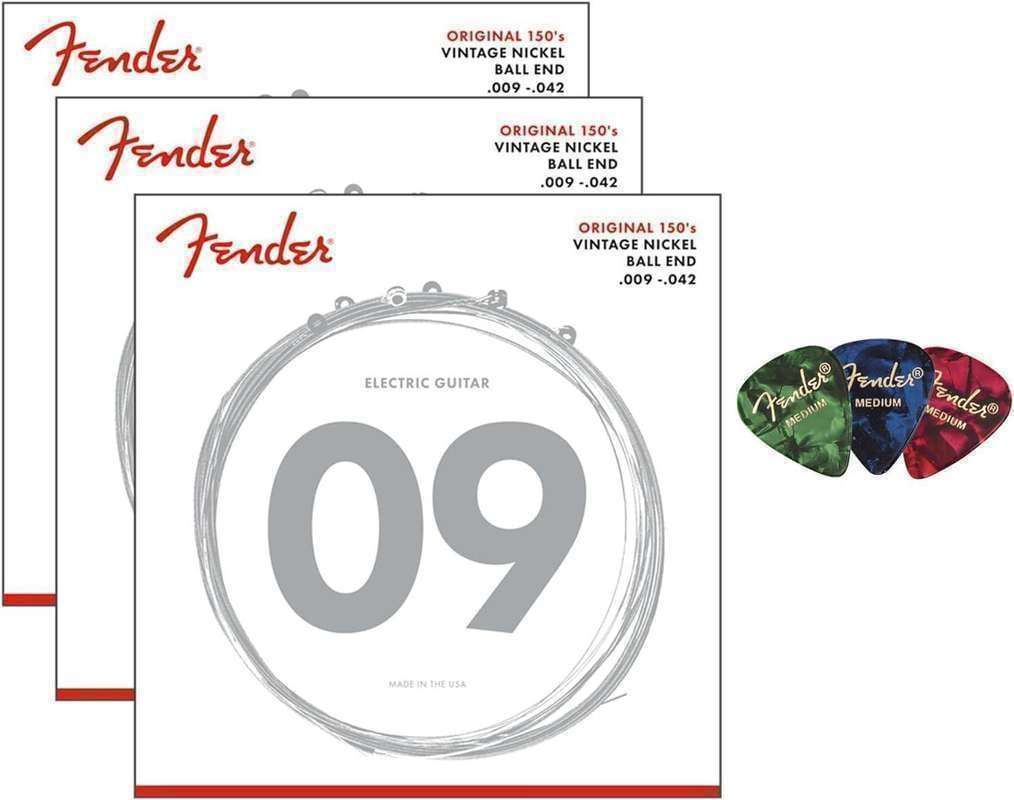
Strings for Every Mustang Era
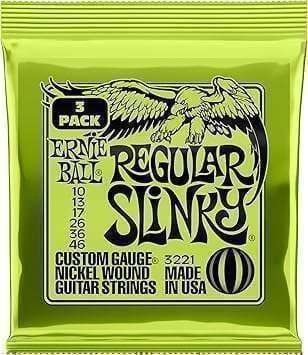
 Buy on Amazon
Selling a Fender Mustang
Where you sell affects the final price almost as much as what you sell.
Reverb is the strongest general marketplace for used guitars. The buyer pool understands Fender value, fees are reasonable, and sold listings provide useful comparables.
eBay reaches a larger audience but includes more casual buyers and higher fees.
Facebook Marketplace and Craigslist work well for quick local sales of mid-range instruments. There are no fees, but lowball offers and no-shows are common.
Local guitar shops and consignment offer convenience. Shops typically pay 40% to 60% of expected resale value. Consignment gets closer to retail but takes longer and charges a commission.
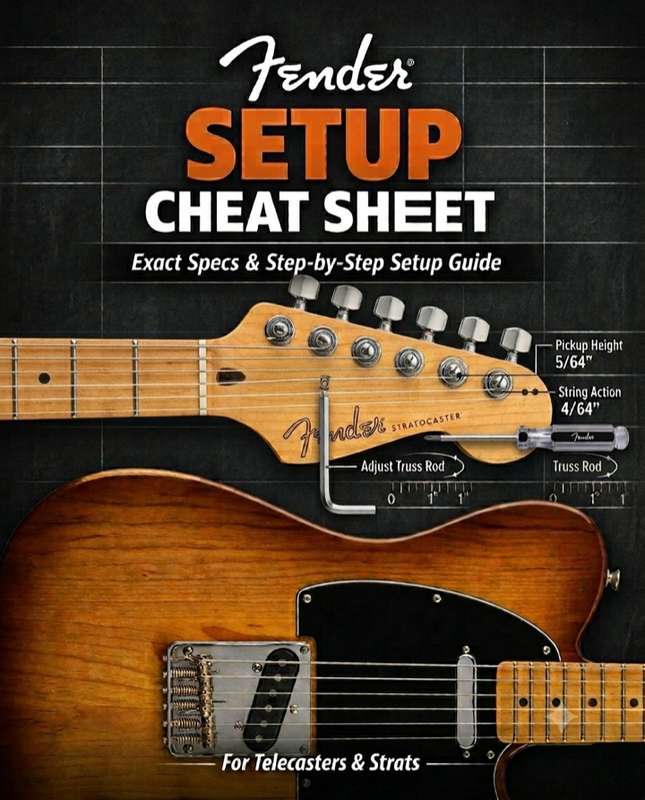
Before listing, give the guitar a proper setup. A Mustang that plays well photographs better and sells faster. Our Mustang setup guide has the specific measurements for short-scale action, Dynamic Vibrato adjustment, and pickup height. The Setup Specs Lookup has factory measurements, and the Fender Setup Guide puts the key specs on one printable page.
FAQ
How much is a Fender Mustang worth?
A Fender Mustang can be worth anywhere from around one hundred dollars for a used beginner Squier to over fifty thousand dollars for a pristine 1964 pre-CBS example. Most modern used USA Mustangs fall between one thousand and two thousand dollars, Mexican models between four hundred and nine hundred dollars, and Japanese reissue models between five hundred and one thousand five hundred dollars.
What is the most valuable Mustang?
The earliest pre-CBS Mustangs from 1964 and 1965 are the most valuable production models. First-year examples in original custom colors with provenance can reach the highest prices. Kurt Cobain-owned or documented celebrity instruments can exceed those numbers at auction.
Are CBS-era Mustangs worth anything?
Yes. Early CBS Mustangs from 1965 to 1970 still command strong prices, and even mid-1970s to early-1980s examples have gained value as they age. Condition and originality matter more than the CBS stigma, and many players prefer the slightly different neck profiles and finishes of 1970s Mustangs.
How much is a Mexican Vintera Mustang worth used?
A used Fender Vintera '60s or '70s Mustang in excellent condition typically sells for a healthy portion of its new price, often in the five-hundred to nine-hundred-dollar range. Limited colors and Player Plus models can sell toward the higher end.
Are Japanese Mustangs valuable?
Many Japanese Mustangs are valuable, especially early JV and SQ series models from the 1980s and select MIJ reissues. Later CIJ standard models are usually more affordable but still well built. The exact value depends on series, year, condition, and originality.
What is the difference between American Performer and American Original Mustang value?
American Performer Mustangs are the current professional standard with stable used values. American Original '60s Mustangs target vintage-correct buyers and often hold value better because they occupy a narrower niche and are bought by more discerning players.
Does a refinished Mustang lose value?
Yes, especially on vintage instruments. A factory-original finish is almost always worth more than a professional refinish. On a 1960s Mustang, a refinish can reduce value by thousands of dollars. On a modern guitar, the impact is smaller but still noticeable.
How do I know if my Mustang is American, Mexican, or Japanese?
Check the serial number and the country-of-manufacture stamp on the headstock or neck plate. The Fender serial number decoder will tell you the country and year. For Japanese Squiers and Fenders, the Squier serial number decoder and Fender Japan serial guide are useful.
What case adds the most value to a Mustang?
The original hardshell case that shipped with the guitar adds the most value. A period-correct case can add hundreds of dollars on vintage guitars and fifty to one hundred fifty dollars on modern guitars. Any case is better than no case when shipping or selling locally.
Should I set up my Mustang before selling it?
Yes. A properly set-up guitar plays better, photographs better, and sells faster. Use the Mustang setup guide for model-specific short-scale measurements or the Fender Setup Guide for a printable reference.
Conclusion
Fender Mustang value is wide, but it is not mysterious. Start with the serial number to identify the year and country of origin, then grade condition honestly and check originality. From there, compare live sold listings of the same era and model, and adjust for case, paperwork, and any modifications.
If you are buying, selling, or insuring a Mustang, use the Mustang serial number guide and the guitar worth calculator for a quick range. For a personalized valuation, the Guitar Price Estimate report delivers low, mid, and high price ranges based on your exact guitar.
Once you know what the instrument is worth, make sure it plays like it should. A clean setup can add real perceived value and help your Mustang find the right buyer faster. The Mustang setup guide, Fender Setup Guide, and Setup Specs Lookup give you the factory measurements you need in one place.