Squier Jazz Bass Serial Numbers: Dating & Identification Guide
Learn how to read Squier Jazz Bass serial numbers by factory, year, and series. Covers JV/SQ Japan, Korean E/S, Indonesian IC/ICS, Chinese CY/CC/CN, and modern Vintage Modified & Classic Vibe Jazz Bass serials.
Squier Jazz Bass Serial Numbers Explained
Squier Jazz Bass serial numbers are the quickest way to turn a stamped code on the headstock into the year, factory, and country of your bass. Whether you are decoding a used-market find, checking a Craigslist listing, or just curious about the instrument in your rack, the serial is always the best place to start.
Squier has built Jazz Bass models in Japan, Korea, Indonesia, China, India, and Vietnam over the last four decades. Each factory used its own prefix system, and the same two-digit year code can appear with different letters depending on where the bass was made. The easiest first step is to drop the number into the Squier serial number lookup tool. This guide explains what the decoder is telling you, how to find the serial when it is not obvious, and how to avoid the most common dating mistakes.
What a Squier Jazz Bass Serial Number Tells You
A serial number is not a certificate of authenticity by itself, but it usually reveals the most important facts:
- Production year — the calendar year the bass left the factory
- Manufacturing country — Japan, Korea, Indonesia, China, India, or Vietnam
- Factory or contractor — Fuji-Gen, Cort, Samick, Yako, Cor-Tek, and others
- Series era — JV/SQ vintage Japan, Korean MIK, early 2000s Indonesian, modern Classic Vibe, and so on
It does not prove the bass is all original. Necks and bodies get swapped, decals are reproduced, and parts basses are common in the used market. Treat the serial as the first filter, then confirm the hardware, logo, and wear match what that year and factory should look like. If a deal looks too good to be true, cross-check the serial with the free Fender fake checker before you pay.
Where to Find the Serial Number on a Squier Jazz Bass
Most Squier Jazz Basses carry the serial in one of three places. The exact spot depends on the year and factory.
Back of the Headstock (Most Common)
Modern Indonesian and Chinese Squier Jazz Basses stamp or print the serial on the back of the headstock, usually near the bottom edge where the headstock meets the neck. Look for black or silver ink, or a shallow stamped impression. Typical examples include IC15012345, CY18012345, or CC21012345.
If the serial is stamped, the wood may be slightly compressed around the digits. If it is printed, it can wear off over time from case rub or repeated handling. A faded print does not mean the bass is fake, but a perfectly crisp decal on a heavily worn bass is a red flag.
Neck Plate (Vintage and Some Reissues)
Older Squier Jazz Basses, especially Japanese and Korean models from the 1980s and early 1990s, sometimes stamp the serial on the metal neck plate between the neck and body. You can read it by flipping the bass over and looking at the four neck bolts. JV and SQ Japanese Squiers often used the neck plate as the primary serial location.
Neck Pocket or Heel
Some Squier Jazz Basses carry a secondary stamp inside the neck pocket or on the heel of the neck itself. You may need to loosen the neck bolts to see it. This internal number can confirm the headstock serial or reveal a replacement neck. If the pocket stamp and headstock serial disagree, the bass has likely been repaired or parted together.
Pro Tip: Photograph Before You Decode
Snap a clear photo of the serial before you start searching. Side lighting helps faint stamped numbers read clearly, and the photo is useful for insurance claims, resale listings, and future setup notes. If you ever sell the bass, buyers will ask for the serial anyway, so keep it on file.
Decoding Japanese Squier Jazz Bass Serial Numbers
The earliest Squier Jazz Basses came from Japan, and these are some of the most collectable Squiers ever made. Two main prefixes matter: JV and SQ.
JV Series (1982–1984)
Fuji-Gen built the first Squiers with JV prefixes. A JV serial has the form JVxxxxx — two letters followed by five digits. The first digit after JV indicates the last digit of the year:
| Serial Format | Year | Notes |
|---|---|---|
| JV8xxxxx | 1982 | First Squier production year |
| JV9xxxxx | 1983 | Peak JV production |
| JV0xxxxx | 1984 | Final JV Squier year |
A JV Squier Jazz Bass is a genuinely vintage instrument. Values run well above later Korean, Indonesian, or Chinese examples, so fake decals and repro neck plates do appear. If a seller claims a JV Jazz Bass, the neck plate or headstock should say "Made in Japan," and the hardware should match early 1980s Fujigen parts. For a structured red-flag checklist, pair the serial check with the Fender fake checker.
SQ Series (1983–1984)
The SQ prefix also came from Fuji-Gen Japan and overlaps with the final JV year. SQ serials read SQxxxxx. These are not quite as mythologized as JV Squiers, but they are still built to the same high standard and are worth more than nearly any later import Squier.
Made in Japan vs. Crafted in Japan
After the JV/SQ era, Fender Japan continued making Jazz Basses under the Fender brand, not the Squier brand. If your bass says "Crafted in Japan" or "Made in Japan" with a Fender logo, you are looking at a Fender Japan instrument, not a Squier. Use the Fender serial number lookup for those.
Decoding Korean Squier Jazz Bass Serial Numbers
Korean Squier Jazz Basses appeared from the mid-1980s through the 1990s. Two contractor prefixes dominate: E and S.
E-Series Korean Squiers
E prefixes were used by Korean contractors such as Young Chang and Sung-Eum. The second digit is the last digit of the year, so E8xxxxxx is 1988, E9xxxxxx is 1989, and E0xxxxxx is 1990. An E-series Korean Jazz Bass is a solid 1980s or early 1990s instrument and is generally more collectable than later budget imports.
S-Series Korean Squiers
S prefixes came from Samick, one of Korea's largest guitar factories. Samick-built Squier Jazz Basses are common from the late 1980s through the 1990s. The same year-digit rule applies: S9xxxxxx is 1989, S0xxxxxx is 1990, and so on. Korean Samick Squiers often have good fretwork and reliable hardware for their price class.
Other Korean Prefixes
You may also see A, B, C, or other letter prefixes on Korean Squiers from the late 1980s and early 1990s. These were used by various contractors and are less common on Jazz Basses than on Stratocasters and Telecasters. The Squier serial number lookup handles these transitional codes.
Decoding Indonesian Squier Jazz Bass Serial Numbers
Indonesia has been the main Squier factory hub since the early 2000s, and the country has produced millions of Jazz Basses for the Affinity, Vintage Modified, Bullet, and Contemporary lines. The most common prefix is IC.
IC and ICS Prefixes
IC stands for Indonesia Cort, the primary contractor. ICS is a related Cort/Samick Indonesia code. On modern serials, the two digits immediately after the prefix are the year:
| Serial Example | Factory | Year | Typical Series |
|---|---|---|---|
| IC05012345 | Indonesia | 2005 | Standard, Affinity |
| IC15012345 | Indonesia | 2015 | Vintage Modified, Affinity |
| ICS16012345 | Indonesia | 2016 | Vintage Modified, Classic Vibe |
| IC21012345 | Indonesia | 2021 | Affinity, Bullet, Contemporary |
Indonesian Squier Jazz Basses are reliable workhorse instruments. Vintage Modified Jazz Basses made in Indonesia from roughly 2007 to 2019 are especially popular because they offered Duncan-designed pickups, period-correct looks, and solid hardware at a budget price.
CIS and Related Prefixes
You may occasionally see CIS or similar transitional prefixes on Indonesian Squiers. These are still Cort Indonesia instruments and follow the same year-digit rule. When in doubt, run the number through the decoder rather than guessing the factory code.
Decoding Chinese Squier Jazz Bass Serial Numbers
China became a major Squier factory in the late 1990s and remains the source for many Classic Vibe, Contemporary, and Paranormal Jazz Basses today. Three prefixes appear most often: CY, CC, and CN.
CY, CC, and CN Prefixes
| Prefix | Factory / Era |
|---|---|
| CY | China, Yako factory (late 1990s–2010s) |
| CC | China, Cor-Tek factory (2000s–present) |
| CN | China, various factories (2000s–present) |
Like Indonesian serials, the two digits after the prefix are the year. CY18012345 is a 2018 Chinese Squier, and CC21012345 is a 2021 Chinese Squier. Chinese Classic Vibe Jazz Basses from the late 2000s and early 2010s are particularly well regarded and can hold value surprisingly well in the used market.
CCS and Other Long Prefixes
Some Classic Vibe and Contemporary Jazz Basses carry longer prefixes such as CCS. The extra letter is a batch or series code, but the year digits still appear early in the serial. If the decoder returns "Classic Vibe" or "Contemporary" alongside the year, you have decoded it correctly.
Squier Jazz Bass by Series: Vintage Modified, Classic Vibe, and Affinity
Squier has released dozens of Jazz Bass variants. Knowing which series your serial belongs to helps you set expectations for hardware, resale value, and setup.
Vintage Modified Jazz Bass (2007–2019)
Vintage Modified Jazz Basses were Squier's flagship vintage-styled line and were made in Indonesia, China, and occasionally India. They typically carried IC, ICS, CY, or CC prefixes. These basses are easy to spot by their vintage-tinted necks, Duncan-designed pickups, and period-correct pickguard shapes. A Vintage Modified Jazz Bass serial from 2012 to 2019 is one of the best values in the used market.
Classic Vibe Jazz Bass (2008–2019, and reissues)
Classic Vibe Jazz Basses aimed even closer to vintage Fender specs than Vintage Modified. Most were made in China with CY, CC, or CCS prefixes. Classic Vibe '60s and '70s Jazz Bass models are especially popular. If your serial decodes to 2010–2019 and the bass has a thick vintage-style neck, block inlays, or bound fingerboard, you are likely looking at a Classic Vibe.
Affinity Jazz Bass
Affinity is Squier's entry-level line and has been made in Indonesia and China depending on the year. Affinity Jazz Basses carry IC, CY, CC, or CN prefixes. They are legitimate beginner instruments with slimmer bodies and simpler hardware than Vintage Modified or Classic Vibe models. A 2020 Indonesian Affinity Jazz Bass is a very different instrument from a 1984 Japanese JV Jazz Bass, even though both say Squier on the headstock.
Contemporary and Paranormal Jazz Bass
Contemporary Jazz Basses add active electronics or modern specs and are usually Chinese. Paranormal Jazz Basses are offset or short-scale variants, also mostly Chinese. Both lines follow the same CC/CN year-digit decoding rules.
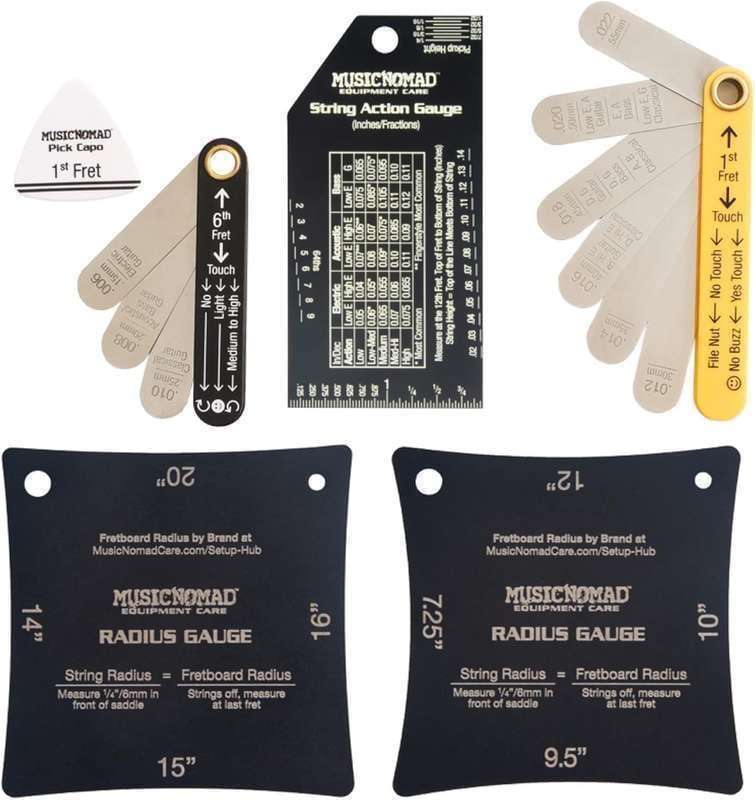
Gear for Your Squier Jazz Bass
 Buy on Amazon
Common Squier Jazz Bass Serial Number Mistakes
Buyers and sellers trip over the same decoding errors. Avoiding these will save you money and embarrassment.
Confusing Squier and Fender Serials
Squier and Fender serial numbers use some of the same factory codes in different ways. For example, a Japanese E prefix on a Fender means a Fuji-Gen Fender Japan instrument, while a Korean E prefix on a Squier means a Young Chang or Sung-Eum Korean instrument. Always read the logo on the headstock first, then use the right decoder: Squier serial number lookup for Squier, Fender serial number lookup for Fender.
Treating All IC Prefixes the Same
IC has been used for decades of Indonesian Squier production. An IC05012345 Jazz Bass from 2005 and an IC21012345 Jazz Bass from 2021 may share a prefix but differ wildly in specs, hardware, and value. The year digits matter just as much as the prefix.
Assuming Lower Serial Numbers Are Always Older
A low serial number within a year does not automatically make a bass more valuable. IC15000001 is still a 2015 Indonesian Squier, not a rare first-run collectible. The country, series, and condition matter far more than the specific number within the year.
Trusting the Decal Over the Serial
Decals are cheap to reproduce. A headstock can say "Vintage Modified" while the serial points to a 2021 Affinity. If the serial and the decal disagree, believe the serial and investigate the hardware. For a structured authenticity check, use the Fender fake checker.
What to Do After You Decode Your Squier Jazz Bass
Once the serial tells you the year and country, the next steps are setup, authenticity, and value.
Set It Up for the Correct Specs
A 1984 Japanese JV Jazz Bass needs different setup expectations than a 2024 Indonesian Affinity. Neck profiles, fretboard radius, bridge saddle design, and pickup output all affect the ideal action and pickup height. The Squier setup guide walks through the measurements step by step, and the Squier Setup Cheat Sheet has all the specs on one printable card.
A good starting point for a modern Squier Jazz Bass is:
- Neck relief: roughly 0.010 inches at the 7th fret with the string held at the 1st and last frets
- Action at the 12th fret: about 2.0 mm (5/64 inch) on the G string and 2.5 mm (3/32 inch) on the E string
- Pickup height: around 3.2 mm (1/8 inch) on the bass side and 2.4 mm (3/32 inch) on the treble side, measured from the pole piece to the bottom of the string with the string held at the last fret
Vintage JV or Classic Vibe models may want slightly higher action or warmer pickup heights to match their thicker necks and vintage-style frets.
Verify Authenticity
Serial decoding is step one. Step two is making sure the bass matches the serial. Red flags include:
- A vintage-style logo on a bass with a modern Chinese serial
- Modern sealed tuners on a JV-era serial
- A neck-plate serial that conflicts with the headstock serial
- Missing or crooked decals
For high-value Japanese or Korean Squiers, use the free Fender fake checker alongside the serial lookup.
Check the Market Value
A serial decode gives you the baseline era. For an actual market range, plug the details into the Guitar Price Estimate. It weights year, model, condition, and current demand so you know whether a listing is fair before you make an offer. If you are selling, lead the listing with the decoded year and origin — "2014 Indonesian Squier Vintage Modified Jazz Bass" will sell faster and for more than a vague "used Squier Jazz Bass."
Frequently Asked Questions
How do I read a Squier Jazz Bass serial number?
Locate the serial on the back of the headstock, neck plate, or neck heel. Note the full prefix and digits, then enter them into the Squier serial number lookup. The prefix letters tell you the factory and country, while the digits usually reveal the year.
Where is the serial number on a Squier Jazz Bass?
Most modern Squier Jazz Basses have the serial on the back of the headstock. Vintage Japanese and Korean models may use the neck plate. Some basses also carry a secondary stamp inside the neck pocket or on the neck heel.
What does an IC serial number mean on a Squier Jazz Bass?
IC means the bass was made in Indonesia by Cort. The two digits after IC are the year. For example, IC15012345 is a 2015 Indonesian Squier Jazz Bass.
What does a CY serial number mean on a Squier Jazz Bass?
CY means the bass was made in China, usually at the Yako factory. The two digits after CY are the year. CY18012345 is a 2018 Chinese Squier Jazz Bass.
How do I know if my Squier Jazz Bass is Japanese?
Japanese Squier Jazz Basses carry JV or SQ prefixes and say "Made in Japan" on the neck plate or headstock. JV serials were built by Fuji-Gen from 1982 to 1984 and are the most collectable Squier basses.
What year is my Vintage Modified Jazz Bass?
Vintage Modified Jazz Basses were made from roughly 2007 to 2019, mostly in Indonesia and China. Enter the serial into the Squier serial number lookup to get the exact year. Most will carry IC, ICS, CY, or CC prefixes.
What year is my Classic Vibe Jazz Bass?
Classic Vibe Jazz Basses were first released in 2008 and have been reissued several times. Most were made in China. Decode the serial with the Squier serial number lookup; look for CY, CC, or CCS prefixes.
Can a Squier Jazz Bass serial number be fake?
Yes. Decals and stamps can be reproduced, and fake serials may decode to a year or factory that does not match the bass's hardware, logo, or wear. Always cross-check the serial against the physical features and use an authenticity checklist for expensive Japanese or Korean Squiers.
Are Squier Jazz Bass serial numbers the same as Fender Jazz Bass serial numbers?
No. Squier has its own numbering system with prefixes like IC, CY, CC, JV, and SQ that do not appear on Fender-branded instruments. Use the Squier serial number lookup for Squier basses and the Fender serial number lookup for Fender basses.
Why does my Squier Jazz Bass have two serial numbers?
Some Squier Jazz Basses carry a headstock serial and a separate neck-plate or neck-heel stamp. This is common on vintage Japanese, Korean, and some Custom Shop-style instruments. If the two numbers conflict, the bass may have a replacement neck or body.
Internal Links and Next Steps
Now that you have decoded your Squier Jazz Bass, the next step is to keep it playing its best. These related guides will help:
- Squier serial number lookup — decode any Squier serial instantly
- Squier setup guide — step-by-step setup instructions for every Squier bass and guitar
- Squier Stratocaster setup guide — factory specs for Squier Stratocaster models
- Squier Telecaster setup guide — factory specs for Squier Telecaster models
- Fender serial number lookup — decode Fender-branded Jazz Basses and other models
- Fender authenticity check — free red-flag checklist for suspicious listings
- Fender Setup Guide — printable specs for Fender basses and guitars
- Squier Setup Guide — budget-focused printable specs for Squier instruments
- Bass Setup Guide — dedicated bass setup reference with action, relief, and pickup heights
Bottom Line: Decode Your Squier Jazz Bass, Then Set It Up Right
Squier Jazz Bass serial numbers turn a confusing string of letters and digits into a clear year, factory, and series. Start with the Squier serial number lookup, confirm the physical details, check the market value with the Guitar Price Estimate, and set the bass up with the specs that match its era and factory.
If you are buying used, never skip the serial check. If you are selling, lead your listing with the decoded year and origin. And if you just want to know your bass better, the serial is the quickest history lesson you can get.
Return to the Squier hub for more guides, specs, and buying advice.