Fender American Professional Value Guide: Used Prices & Market Outlook
Find out what a Fender American Professional I or II is worth on the used market. Compare values vs American Standard, Performer, and Ultra, plus condition impact and value drivers.
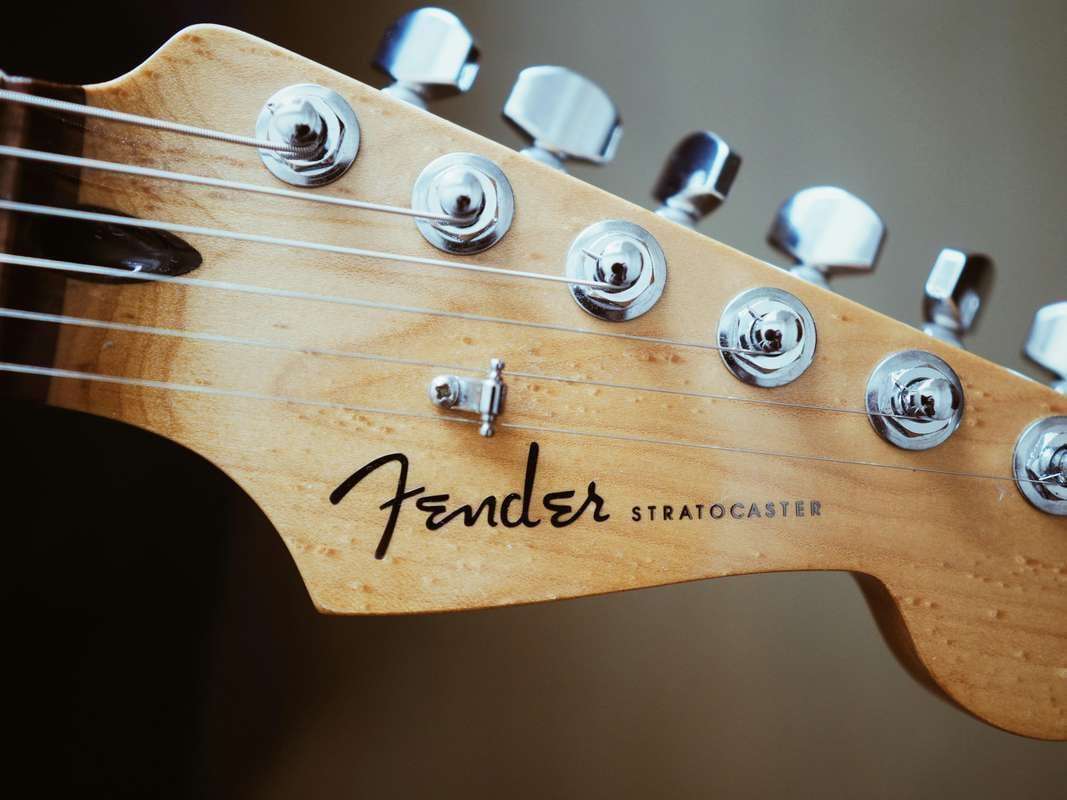 The Fender American Professional line sits at the heart of the modern USA catalog, and its used market is one of the busiest corners of the Fender resale world.
Fender American Professional Value Guide: Used Prices & Market Outlook
The Fender American Professional series is the workhorse line of modern Fender USA guitars. Introduced in 2016 as the replacement for the long-running American Standard, it is the default professional-grade Fender for working players and serious hobbyists. Because it is built in the United States, carries modern playability upgrades, and sells in high numbers, it dominates the used market for contemporary Fender electric guitars.
If you own an American Professional Stratocaster, Telecaster, Jazzmaster, Jaguar, or Precision or Jazz Bass, you are probably wondering what it is worth today. The answer depends on generation, year, originality, and condition. This guide covers the American Professional I and II lines, how they compare to the American Standard, American Performer, and American Ultra, and what drives value in the real-world used market.
For a quick ballpark, run your guitar through the free guitar worth calculator. If you are not sure which line you have, use the Fender model identification guide or the Fender serial number decoder to confirm the year and model.
What Is the Fender American Professional Line?
The American Professional line replaced the American Standard in late 2016. Fender's goal was to modernize the core USA range without alienating traditionalists. That meant updated pickups, a Deep C neck profile, narrow-tall frets, a treble-bleed circuit, and a sleeker headstock aesthetic, followed by refinements on the second generation.
American Professional I (2016–2020)
The American Professional I launched at the end of 2016 and remained Fender's flagship production line until late 2020. Key identifiers include:
- V-Mod single-coil pickups designed by Tim Shaw
- Deep C neck profile with a 9.5-inch fingerboard radius
- Narrow-tall frets
- Treble-bleed circuit on volume controls
- Modern two-point tremolo on Stratocaster models
- Spaghetti logo with gold "Professional" truss-rod plug
- Serial numbers starting with US16, US17, US18, US19, and US20
The American Professional I was available in Stratocaster, Telecaster, Jazzmaster, Jaguar, Precision Bass, Jazz Bass, and variants including ash-bodied limited runs and left-handed models.
American Professional II (2020–present)
The American Professional II updated nearly every detail of the line while keeping the same position in the catalog. Changes include:
- V-Mod II pickups with revised voicing
- Deep C neck profile with rolled fingerboard edges
- 10-inch radius on some models, 9.5-inch on others
- New finishes such as Miami Blue, Dark Night, Mercury, and Mystic Surf Green
- Updated bridge designs and improved tuning stability
- Serial numbers starting with US20, US21, US22, US23, US24, US25, and onward
The American Professional II is now the default recommendation for buyers who want a modern USA Fender without paying Ultra prices.
How American Professional Fits in the Fender USA Hierarchy
Fender's current USA production lineup is tiered by price and features:
| Line | Position | Typical New Price Tier | Used Market Profile |
|---|---|---|---|
| American Performer | Entry-level USA | Lowest USA line | Strong value, limited depreciation |
| American Professional II | Core professional line | Mid-tier USA | Highest used volume, predictable pricing |
| American Ultra | Premium modern line | Higher USA tier | Steeper new price, moderate depreciation |
| American Vintage II | Reissue/vintage-spec | Premium reissue | Holds value well, smaller buyer pool |
The American Professional line sits in the sweet spot. It is not the cheapest USA Fender, but it is the one most players choose when they want a modern instrument that still says "made in the USA."
American Professional I vs American Professional II Value
The biggest question in this market is whether an American Professional I or II holds more value. The answer changes based on model, finish, and condition.
New Price and Depreciation
Both lines started at roughly similar new prices for their base models. A new American Professional Stratocaster typically launched in the $1,450–$1,650 range, with Telecasters similar and offsets or basses slightly higher.
Like most production guitars, an American Professional loses value the moment it leaves the store. First-year depreciation is usually 20–30% off the new price, after which value stabilizes. American Professional II models hold slightly more value while current, but that advantage narrows as instruments age.
Used Market Demand
The American Professional II is currently the more searched-for line because it is Fender's active production model. Buyers looking to save money often target a used Professional II first. However, the American Professional I has a loyal following among players who prefer the original V-Mod pickups and neck feel.
Limited and Special Finishes
Both generations included limited finishes and ash-body runs that can carry a small premium. On the American Professional I, finishes like Sonic Gray, Antique Olive, and certain ash-body models often sell faster than standard colors. On the American Professional II, finishes such as Dark Night, Miami Blue, and Mystic Surf Green tend to attract buyers looking for something beyond sunburst and black.
Left-Handed and Less Common Models
Left-handed American Professional guitars, Jazzmasters, Jaguars, and bass models make up a smaller share of the used market. Because supply is lower, clean examples can hold value better than common right-handed Stratocasters and Telecasters. The buyer pool is smaller, but so is the competition.
Condition: The Biggest Value Driver
Condition matters more than any other factor on a modern used guitar. Unlike vintage instruments, where originality and provenance dominate, an American Professional is valued primarily on how clean it is and whether it plays like new.
Condition Tier Table
Use this table as a rough guide to how condition affects value. Percentages are relative to a clean, all-original example in the current used market.
| Condition | Description | Typical Value Impact |
|---|---|---|
| Mint/NOS | Unplayed, original plastic still on pickguard, all case candy intact | 100% of market value |
| Excellent | Light play wear, no visible dings, original parts, clean fretboard | 85–95% |
| Very Good | Normal play wear, minor finish swirls or small dings, all original | 70–85% |
| Good | Moderate wear, several dings or scratches, possible minor repairs | 50–70% |
| Fair | Heavy wear, non-original parts, notable fret wear, functional issues | 30–50% |
| Poor/Project | Major damage, non-functional, or primarily a parts source | 10–30% |
An American Professional in mint condition with the original hardshell case, case candy, and shipping box can command a meaningful premium over a player-grade example. A guitar with belt buckle wear, chipped finish, or replaced hardware should be priced as a working player's instrument, not a collector piece.
Originality and Modifications
For modern instruments, originality still matters, but not as much as for vintage guitars. The most common modifications that affect value include:
- Pickup swaps: Quality aftermarket pickups can be neutral or slightly positive if original pickups are included, but a guitar with budget pickups installed and originals missing will sell for less.
- Bridge and tuner changes: Functional upgrades like a high-mass bridge or locking tuners can help resale if the original parts are included. If originals are gone, value drops.
- Refinishes and touch-ups: A refinished American Professional is a significant negative. Buyers expect original finishes depending on the model.
- Neck repairs and headstock breaks: Any structural repair reduces value substantially. Full headstock breaks can cut value in half even when repaired well.
The key question is whether the modification is reversible. Reversible changes with original parts kept are much easier to price fairly than permanent alterations.
American Professional vs American Standard Value
The American Standard was the direct predecessor to the American Professional line. It ran from 1987 through 2016 and is one of the most common used Fender lines on the market today.
American Standard Overview
American Standard guitars were Fender's core USA production line for nearly three decades. They are known for:
- Modern six-saddle bridges and two-point tremolos
- Medium-jumbo frets
- 9.5-inch fingerboard radius
- Delta-tone and no-load tone circuits on later models
- Serial numbers starting with N (1990s), Z (2000s), and US (2010s)
Because the line ran for so long, values vary by year. Early 1990s American Standards are now vintage-eligible and have a following among players who like thicker necks and older hardware. Late American Standards from the 2010s are functionally close to the American Professional I and trade in a similar price bracket.
Which Holds More Value?
A late American Standard from 2012–2016 in excellent condition often trades very close to an American Professional I. The Professional usually commands a small premium because it is newer, but the gap can be as small as $50–150 for comparable examples.
Early American Standards from the 1990s occupy a different market. Clean examples can sell for more than a used American Professional I because they are increasingly collectible, while rough examples sell for less because they are older and may need fretwork or electronics service.
American Professional vs American Performer Value
The American Performer replaced the American Special as Fender's entry-level USA line. It sits below the American Professional II in both price and features.
American Performer Overview
Key traits of the American Performer include:
- Yosemite pickups
- ClassicGear tuning machines
- Greasebucket tone circuit
- Modern C neck profile
- Satin-finish necks on many models
- Serial numbers starting with US18, US19, US20, and onward
The Performer is designed to be the most affordable way to get a new USA Fender. New prices are lower, and used prices follow suit. A clean American Performer Stratocaster or Telecaster typically sells for noticeably less than a comparable American Professional II.
Value Comparison
The used price gap between a Performer and a Professional is usually several hundred dollars for otherwise similar guitars. Buyers choosing between the two are deciding whether the upgraded pickups, neck profile, and finish options of the Professional are worth the extra cost. For sellers, an American Professional should not be priced like a Performer, and a Performer should not be priced like a Professional.
American Professional vs American Ultra Value
The American Ultra is Fender's premium modern production line, positioned above the American Professional II.
American Ultra Overview
Ultra models feature:
- Ultra Noiseless Vintage pickups
- Modern D neck profile with tapered heel and rolled edges
- Compound 10–14 inch fingerboard radius
- Contoured heel joint for upper-fret access
- S-1 switching and advanced electronics
- Serial numbers starting with US20, US21, US22, and onward
The Ultra line targets players who want maximum versatility and modern performance features. New prices are higher than the Professional line, and used prices reflect that.
Value Comparison
A used American Ultra typically sells for significantly more than a used American Professional II. The gap is wider than the Performer-to-Professional gap because the Ultra line has clearer feature differentiation. However, the Ultra also depreciates more in absolute dollars because it started at a higher price.
For buyers, the question is whether the noiseless pickups, compound radius, and contoured heel justify the premium. For sellers, the Ultra should be priced above any Professional model unless condition or modifications change the equation.
Used Market Price Ranges for American Professional Guitars
Exact prices move with the market, but these broad ranges reflect what buyers and sellers typically see for clean, original American Professional guitars in the used market in 2026. Always compare live listings before setting a price.
| Model | American Professional I Used Range | American Professional II Used Range |
|---|---|---|
| Stratocaster | Core finishes: broad working-player band; limited colors may add a small premium | Slightly higher than AP I; current-production premium on newer examples |
| Telecaster | Similar to Stratocaster, with ash-body and limited finishes carrying small premiums | Slightly higher than AP I; Thinline and Deluxe variants trade higher |
| Jazzmaster | Lower supply than Strat/Tele; clean examples hold value well | Premium over AP I due to updated tremolo and player demand |
| Jaguar | Niche model; values depend heavily on finish and condition | Premium over AP I for same reasons as Jazzmaster |
| Precision Bass | Strong demand; values stay close to new price | Slightly above AP I for current-production examples |
| Jazz Bass | Strong demand; five-string and active variants trade higher | Slightly above AP I for current-production examples |
These ranges are intentionally broad because condition, finish, included case, and location all move the final number. A mint American Professional II Stratocaster in a desirable finish with original case candy will land at the top of its band. A player-grade AP I Telecaster with replaced pickups and no case will land at the bottom.
Where to Sell an American Professional Guitar
The best platform depends on how quickly you need to sell and how much effort you want to put into the listing.
Reverb
Reverb is the strongest marketplace for Fender guitars. The buyer pool understands the difference between American Professional I and II, values originality, and expects detailed photos. Reverb's seller fee is competitive, and listings for clean USA Fenders tend to sell within a few weeks when priced fairly.
eBay
eBay reaches a larger general audience but includes more casual buyers. Fees are higher than Reverb, and the buyer pool is less specialized. eBay works well for common models like Stratocasters and Telecasters where broad exposure helps.
Facebook Marketplace and Craigslist
These platforms are ideal for quick local sales. You avoid shipping and seller fees, but you also deal with more lowball offers and no-shows. Local sales work best for guitars under $1,000, though higher-end Fenders can still sell locally if priced right.
Guitar Shops and Consignment
Selling to a shop gets you instant cash but typically at 40–60% of retail value. Consignment gets you closer to market value but takes longer and involves a commission. Consignment can make sense for a pristine American Professional in a desirable finish if you are not in a rush.
How to Maximize Your American Professional's Value
A little preparation can add real money to your final sale price.
Clean and Set Up the Guitar
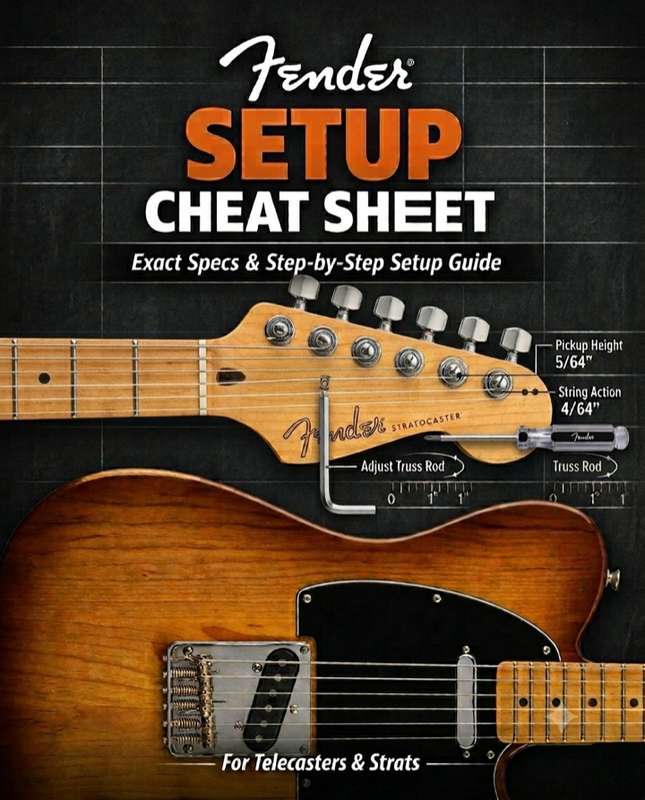
A guitar that plays well photographs better and sells faster. Put on fresh strings, clean the fretboard, polish the body, and make sure the intonation and action are dialed in. If you do the setup yourself, use the setup specs lookup for factory measurements. For a printable reference, the Fender Setup Guide collects all the key specs on one page.
Include the Original Case and Accessories
The original molded Fender case adds value. So does case candy: the warranty card, hang tags, tremolo arm, polish cloth, and any documentation. If you have the original shipping box, include it. Buyers love complete packages.
Take Honest Photos
Shoot in natural light against a clean background. Include front, back, headstock front and back, neck pocket, serial number, fretboard, and close-ups of any wear or damage. Transparency builds trust and reduces returns.
Price With Live Comps
Search sold listings on Reverb for the exact model, year, finish, and condition. Price within the sold range, not the active listing range. Active listings often reflect optimistic asking prices, while sold listings show what buyers actually paid.
For a more precise personalized valuation, the Guitar Price Estimate service delivers low, mid, and high ranges based on your exact year, model, condition, and modifications.
Internal Links and Next Steps
- Fender Serial Number Lookup - Confirm the year and model of your American Professional
- Guitar Worth Calculator - Get an instant used-market range for your guitar
- Guitar Price Estimate - Personalized valuation report based on live market data
- Setup Specs Lookup - Factory setup measurements for your model and year
- Fender Model Identification - Not sure which line you have? Start here
- Fender Z-Series Serial Numbers - For 2000s American Standard predecessors
FAQ
How much is a Fender American Professional II worth?
A Fender American Professional II is worth a meaningful portion of its new price on the used market, typically landing in a range that reflects a 15–30% discount off the current new price for clean, original examples. Limited finishes and mint condition can push the value higher, while player wear or missing case candy will pull it lower. Check live sold listings for the exact model and finish.
How much is a Fender American Professional I worth?
The American Professional I generally sells for slightly less than a comparable American Professional II because it is no longer the current line. The exact gap depends on model, finish, and condition. Some buyers prefer the original V-Mod pickups and neck feel, so demand remains steady for clean examples.
What is the difference between American Professional I and II?
The American Professional II updated the pickups to V-Mod II, refined the neck profile with rolled fingerboard edges, added new finishes, improved bridges and tuning stability, and made subtle ergonomic upgrades. The American Professional I has the original V-Mod pickups and a slightly different aesthetic. Both are made in the USA and share the same position in Fender's catalog.
Is American Professional better than American Standard?
"Better" depends on what you want. The American Professional has modern pickups, a Deep C neck, and narrow-tall frets. The American Standard has a longer production history and includes decades of variation. Late American Standards from the 2010s are very close to the American Professional I in quality. Early 1990s American Standards are collectible in their own right.
Is American Ultra better than American Professional II?
The American Ultra is positioned above the American Professional II and includes premium features like Ultra Noiseless Vintage pickups, a compound radius fingerboard, a contoured heel, and an S-1 switching system. It costs more new and sells for more used. The Professional II is the better value for players who do not need those specific modern features.
Is American Performer worth less than American Professional?
Yes. The American Performer is Fender's entry-level USA line and costs less new than the American Professional II. On the used market, a clean Performer typically sells for several hundred dollars less than a comparable Professional. The gap reflects the different pickup, hardware, and finish specs.
Do Fender American Professional guitars hold their value?
American Professional guitars hold value better than most budget and imported lines, but they still depreciate after purchase. The depreciation curve flattens after the first year or two. Limited finishes, left-handed models, and less common offsets can hold value better than common sunburst right-handed Stratocasters.
What case came with American Professional guitars?
Most American Professional I and II guitars shipped with a molded hardshell case. Some early runs or specific models may have shipped with a gig bag, but the molded case is the standard. Including the original case adds value, especially if it is clean and has all latches and hinges intact.
How do I know if my Fender is American Professional?
Check the headstock decal, the truss-rod plug, and the serial number. American Professional guitars say "Made in U.S.A." on the headstock and usually have a gold "Professional" truss-rod plug on the first generation. Serial numbers start with US followed by the last two digits of the year. Use the Fender serial number decoder to confirm.
What hurts the value of an American Professional guitar?
The biggest value killers are refinishes, major repairs such as headstock breaks, missing original parts, heavy fret wear, and significant finish damage. Reversible modifications with original parts kept are less damaging. Always be honest about condition and include clear photos of any flaws.
Conclusion
The Fender American Professional line is one of the safest bets in the modern used-guitar market. Whether you own an American Professional I from 2017 or a current American Professional II, your guitar has real value as long as it is clean, original, and honestly presented.
Start by confirming exactly what you have with the Fender serial number decoder, then use the guitar worth calculator for a quick range or the Guitar Price Estimate service for a detailed valuation. Before you list, give the guitar a proper setup using the setup specs lookup or the Fender Setup Guide, take clear photos, and price against live sold listings.
Whether you are selling, trading, or just keeping track of your collection, understanding the American Professional market puts you in control. The right buyer is out there, and an informed seller is the one who finds them.