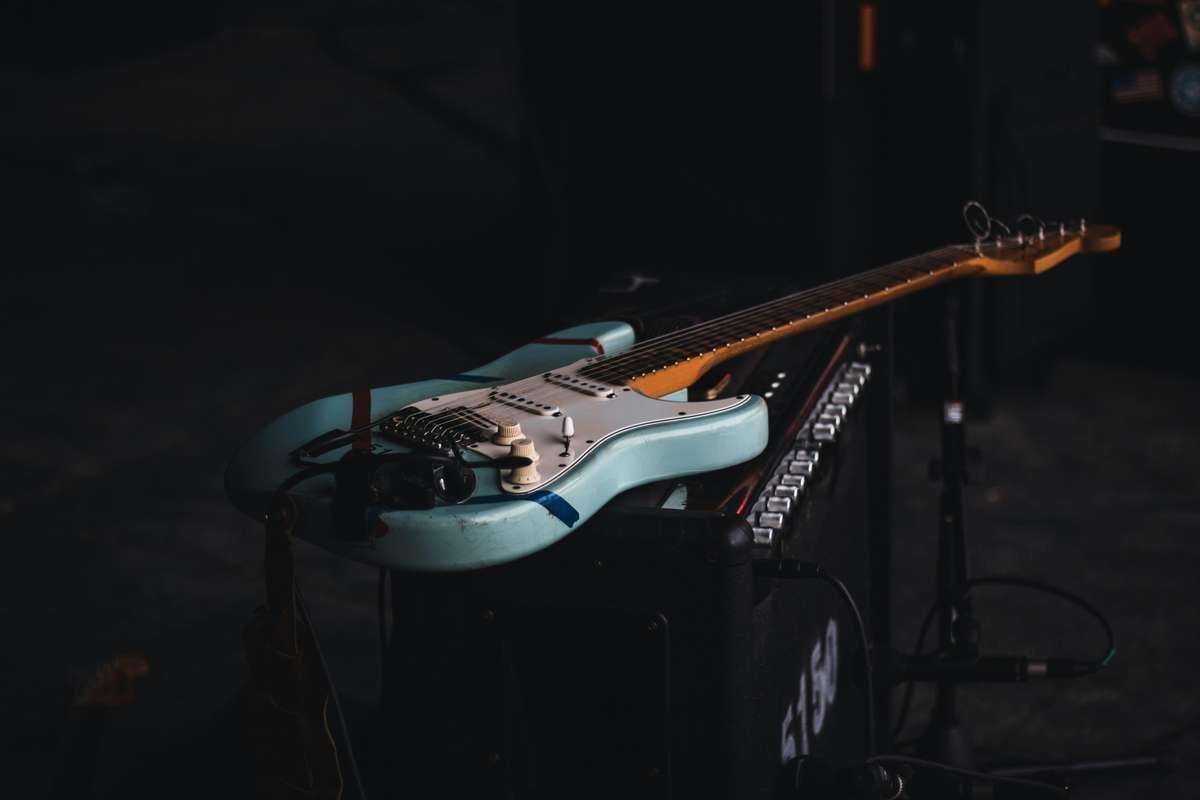
1969 Fender Telecaster Value: CBS Era Buyers Guide
What is 1969 Fender Telecaster value today? Mint original examples run $12,000–$18,000. See condition tiers, CBS-era premiums, and how to verify yours.
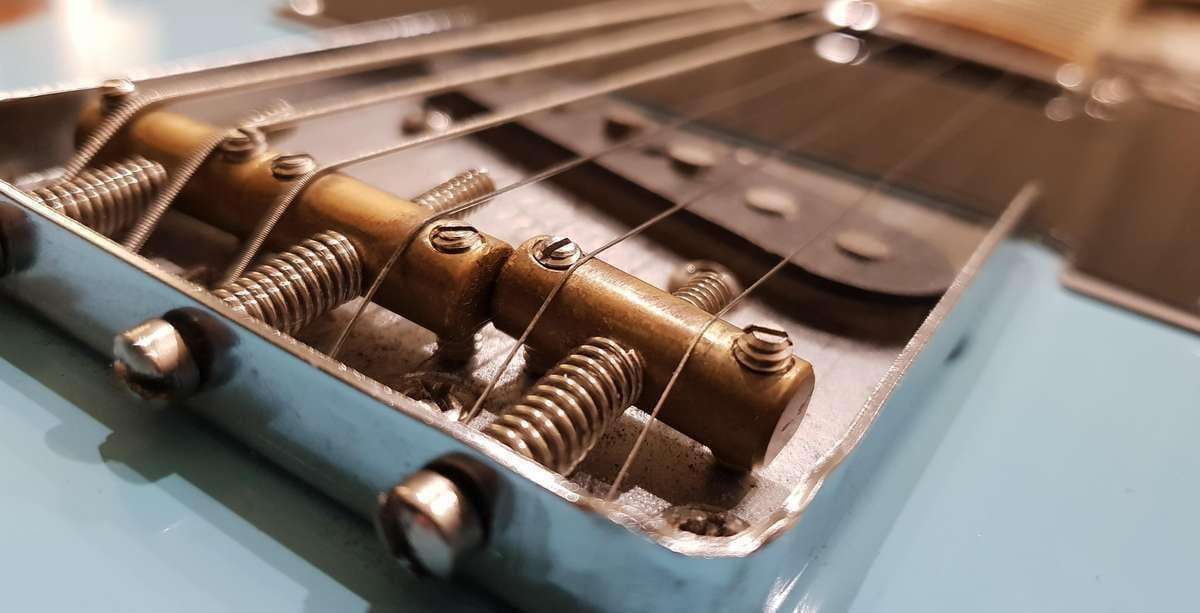 The CBS-era Telecaster pairs Leo Fender's original slab-body design with late-1960s details like the large headstock and thicker polyester finish.
1969 Fender Telecaster Value: What Is a 1969 Tele Worth?
1969 Fender Telecaster value starts around $4,000 for a honest player-grade example and climbs past $18,000 for a mint, all-original guitar in a rare custom color. That is a wide spread, and where your guitar lands depends on four things collectors weigh the same way on every early CBS Tele: condition, originality, finish color, and documentation.
The 1969 Telecaster sits in the sweet spot of the CBS era. Fender had been under CBS ownership for four years, so the cost-conscious changes were fully visible by then: the larger headstock, the thicker polyester finish, and the F-series neck plate. Yet the underlying instrument was still the same design Leo Fender perfected in the 1950s, and the market has warmed to these guitars as the best early CBS examples have become genuinely scarce. Early CBS Telecasters from 1965 to 1970 command strong prices that rival late pre-CBS guitars in comparable condition.
This guide gives you real 1969-specific numbers: a condition-tier table with dollar ranges, the premiums that move a guitar up or down within those ranges, and the verification steps you should take before money changes hands. For the broader model context, see our Fender Telecaster value guide. If you want a personalized valuation with low, mid, and high ranges for your exact guitar, the Guitar Price Estimate report delivers documented numbers to your inbox within minutes.
What Makes a 1969 Telecaster a CBS-Era Guitar
CBS bought Fender in January 1965, and by 1969 the new owner's fingerprints were all over the Telecaster. None of the changes made it a worse guitar, but they make 1969 a distinct chapter in the model's history, and smart buyers price those details explicitly.
The Large Headstock
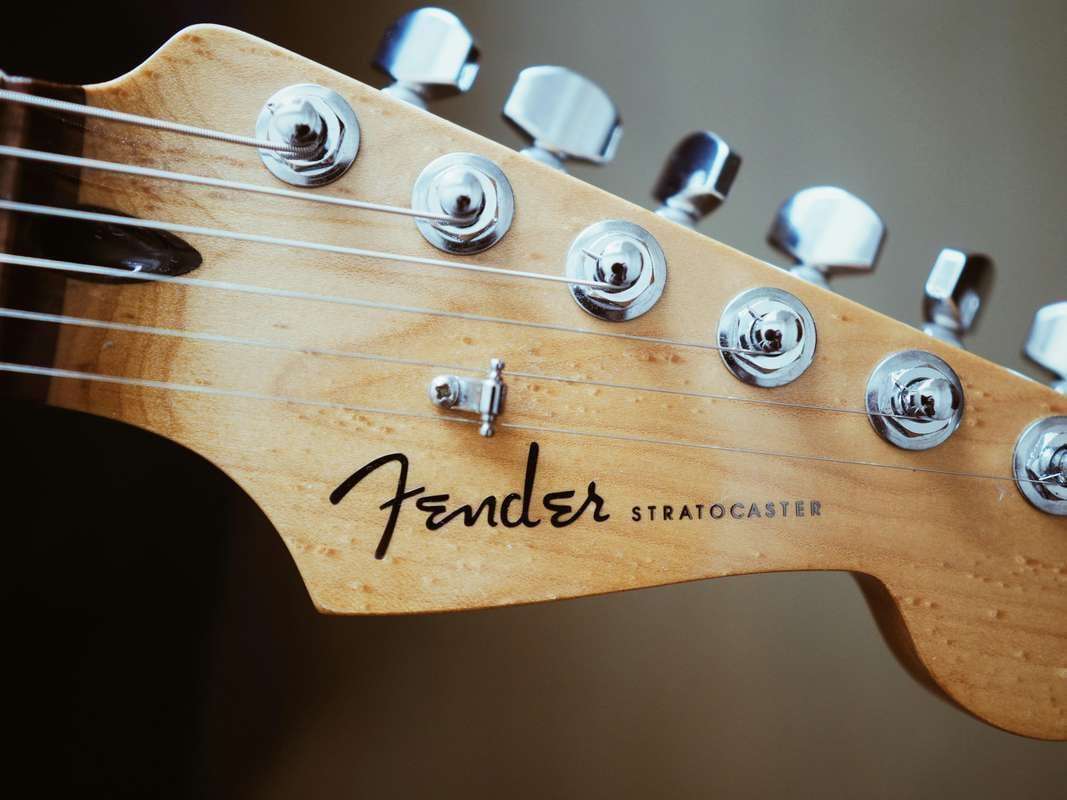
The most visible change is the oversized headstock with the CBS-era black Fender logo and gold outline, introduced in late 1965. Collectors call it the "big headstock" or "CBS headstock," and it immediately separates a 1969 Tele from a pre-CBS one. Purists once discounted these necks, but the market has largely moved past that, and clean big-headstock Teles now sell for strong money.
The Thicker Polyester Finish
Pre-CBS Fenders wore thin nitrocellulose lacquer that checked and aged gracefully. By 1969 Fender was spraying thicker polyester finishes that were harder, glossier, and more resistant to wear. The poly finish is one of the easiest ways to confirm a guitar is genuinely late-1960s rather than a refinished earlier instrument, and it contributes to the slightly brighter, stiffer feel CBS Teles are known for.
The Neck and Fingerboard
The 1969 Telecaster neck is maple with an oval "C" profile, a vintage 7.25-inch fretboard radius, a nut width around 1.65 inches, and 21 frets on a 25.5-inch scale. Rosewood fingerboards were standard by 1969, having replaced one-piece maple boards as the default in 1959. Fender reintroduced the maple-cap neck as an option around 1967, so both fingerboard types exist on genuine 1969 guitars.
That maple-or-rosewood split matters for value. Rosewood-board 1969 Teles are the norm and price accordingly. An original all-maple-neck 1969 Telecaster is the less common configuration and carries a premium with collectors who want late-sixties specs with the classic blond-neck look.
The Bridge and Hardware
The 1969 Tele bridge is unchanged from the classic design: a stamped-steel baseplate with three brass barrel saddles and string-through-body construction. Intonation is a compromise by design, with each saddle shared by two strings. Tuners are the chrome "F"-stamped Kluson-style machines used throughout the CBS era. These details matter because a swapped bridge, changed saddles, or replaced tuners all reduce originality, and originality is where the money is on a 1969 Tele.
1969 Fender Telecaster Value by Condition
Here are the real market ranges for a 1969 Fender Telecaster in mid-2026, assuming a sunburst or standard blonde finish with no major modifications. Custom colors and all-maple-neck examples can price above these tiers, which we cover in the next section.
| Condition | What It Looks Like | 1969 Telecaster Value |
|---|---|---|
| Mint | Unplayed or nearly so, original finish unmarked, all parts original, case and paperwork present | $12,000 – $18,000 |
| Excellent | Light play wear, no significant dings or buckle rash, all original parts | $8,000 – $12,000 |
| Very Good | Normal play wear, minor dings and finish swirls, all original | $6,000 – $8,500 |
| Good | Moderate wear, honest player, mostly original, possible minor repairs | $4,000 – $6,000 |
| Poor / Refinished | Heavy wear, refinish, non-original parts, or functional issues | $1,500 – $3,500 |
Two things stand out in this table. First, the gap between good and mint is enormous: roughly three to four times the price for the same model year. Second, even a rough or refinished 1969 Telecaster holds a floor around $1,500 because the necks, bodies, and hardware from this era are in demand for legitimate restorations.
For the wider model picture, our Fender Telecaster value guide breaks down how these numbers fit alongside pre-CBS and later CBS-era Teles.
What Drives the Price of a 1969 Telecaster
Condition gets you into a tier. These five factors decide where you land inside it.
Finish Color Premiums
Custom colors are the biggest single value lever on a 1969 Telecaster. Standard blonde (technically "Telecaster Blonde" over an ash or alder body) and three-color sunburst are the common finishes and price as the baseline. Factory custom colors like Candy Apple Red, Lake Placid Blue, Olympic White, Sonic Blue, and Fiesta Red add meaningful premiums, often 20% to 50% or more, because far fewer left the factory in those shades.
Color claims need proof. A custom-color Tele should show matching color in the neck pocket and pickup cavities, since factory overspray patterns are hard to fake convincingly. If the story does not check out, price it as a blonde or refinish. Our Fender Authenticity Checker is a fast first filter for exactly this kind of claim.
Originality of Parts
On a 1969 Telecaster, original means original: the pickups, pots, switch, bridge, saddles, tuners, pickguard, and wiring should all be correct for the year. Swapped tuners or a changed bridge pickup are the most common issues and each can knock hundreds to thousands off the price. Grey-bottom or black-bottom Tele pickups from this window are sought after, and an original pair in untouched solder joints is a genuine selling point.
Refinish Impact
A refinished 1969 Telecaster typically loses 30% to 50% of its all-original value, even when the refinish is professionally done. On a mint-tier guitar that could mean an $8,000 swing. Buyers pay for factory history they can verify, and a refinish erases the most visible part of it. If you are selling a refinished guitar, price it in the poor/refinished row of the table and let condition and playability argue for the top of that range.
The Maple-Neck Premium
As noted above, most 1969 Telecasters have rosewood fingerboards. Original all-maple-neck examples from this transitional window attract a dedicated buyer pool and usually sell toward the top of their condition tier, sometimes higher. The premium is modest compared to a custom color but consistent, and it is worth confirming the neck is original to the body before paying for it.
Provenance and Documentation
Documented history adds real money at this level. The original Fender-branded hardshell case, hang tags, warranty cards, sales receipts, and photographs of the guitar with its original owner can add 10% to 20% or more to the sale price. For insurance or estate purposes, provenance is often the difference between a strong retail sale and a wholesale offer.
How to Verify a 1969 Telecaster Before You Pay
At $4,000 and up, verification is not optional. Fakes, partscasters, and misdated guitars are common in the early CBS price bracket, and a careful buyer can avoid all three with a methodical check.
Start With the Serial Number
1969 Telecasters fall in the F-series neck-plate range of roughly 250000 to 280000, stamped on the large-F neck plate on the back of the guitar. Run the number through the Fender serial number lookup as a first pass, then read our Telecaster serial numbers guide for the full dating story. Serial ranges from this era overlap, so treat the number as a window, not a verdict.
Cross-Check Date Codes and Stamps
Neck heel stamps, neck-pocket pencil dates, and pot codes should all agree with a 1969 build. The guitar cannot be older than its newest part, so a 1971 pot in a "1969" Tele is a red flag worth pricing accordingly. Original solder joints on the control plate and pickups are another strong authenticity signal.
Inspect the Finish and Hardware
Polyester finish, the large CBS headstock, F-stamped tuners, and the three-saddle brass bridge should all be present and consistent with each other. Mismatched wear patterns, modern screws on vintage hardware, or a decal that does not match the era are classic warning signs. When the price is serious, compare the guitar against documented original examples or pay a trusted dealer or tech for a pre-purchase inspection.
Confirm the Setup Is Healthy
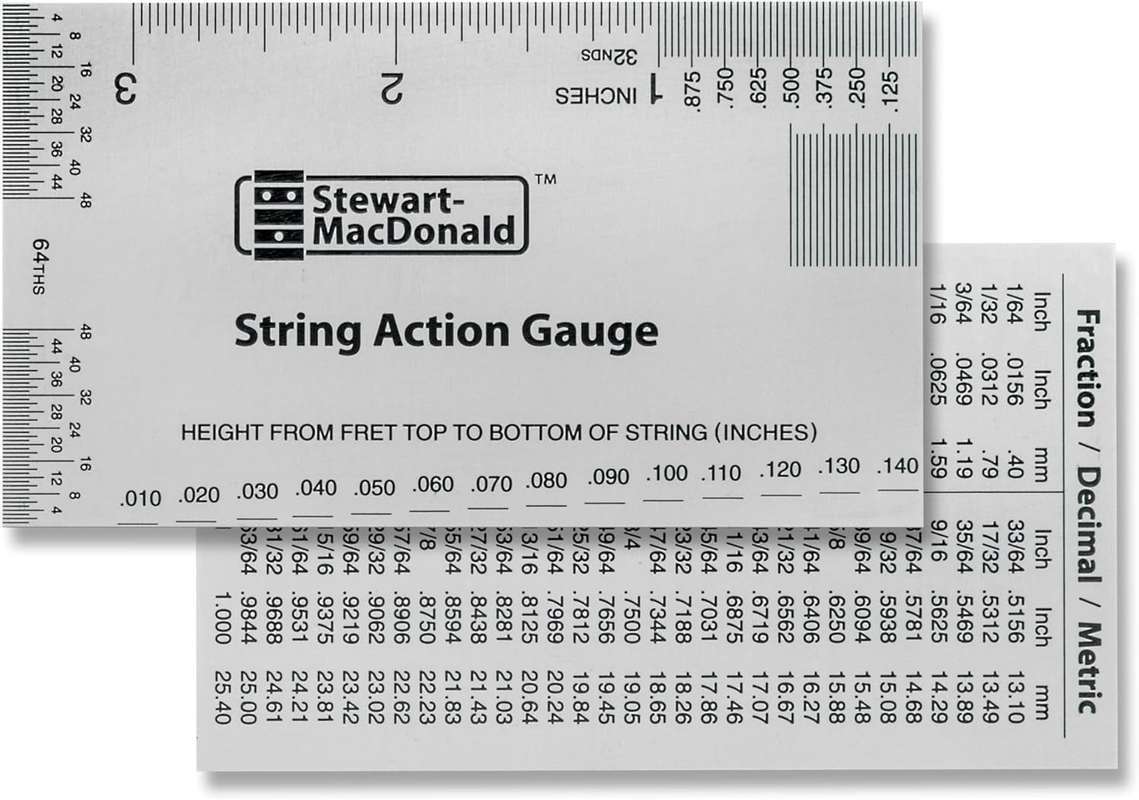
A guitar that plays well is worth more than one that fights you, and setup problems are easy to fix once you know the factory numbers. Our 1969 Telecaster setup specs page lists the era-correct measurements: 0.012-inch neck relief, 5/64-inch action on the low E and 4/64-inch on the high E at the 17th fret, and vintage-style pickups at 6/64-inch bass side and 5/64-inch treble side. The Setup Specs Lookup tool puts those numbers one click away whenever you need them.
Buying or Selling a 1969 Telecaster
Where you transact matters almost as much as what you transact.
Reverb is the strongest marketplace for early CBS Fenders. The buyer pool understands vintage value, sold listings give you real comparables, and the fee structure is reasonable at this price point. eBay reaches more casual buyers and can produce strong final prices for custom colors, but fees run higher and shipping risk increases. Heritage, Gbase, and dealer networks handle the top of the market, where mint custom-color guitars often trade with condition reports and provenance documentation.
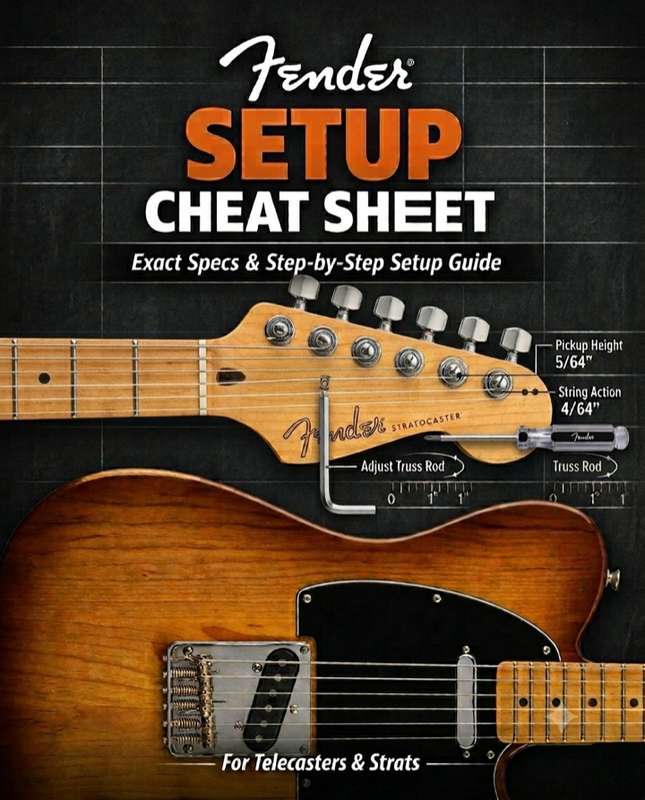
Local shops and consignment are the convenient route. Expect a shop to offer 40% to 60% of expected resale value for a direct purchase, while consignment gets closer to retail but takes longer. If you are selling, invest in a proper setup first. A 1969 Telecaster with correct relief, action, and intonation photographs better, plays better at the handoff, and closes faster. The Fender Setup Guide packages the era-correct numbers into one printable card, and the 1969 Telecaster setup specs page has the full step-by-step process.
Strings and Setup Tools for a 1969 Telecaster
 Buy on Amazon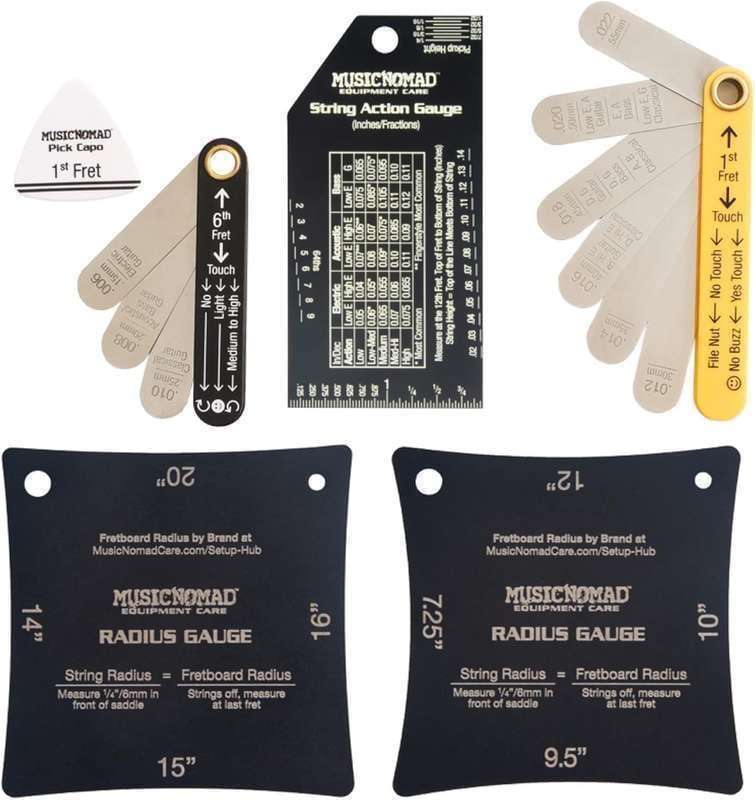
FAQ
How much is a 1969 Fender Telecaster worth?
A 1969 Fender Telecaster is worth roughly $4,000 to $6,000 in good condition, $6,000 to $8,500 in very good condition, $8,000 to $12,000 in excellent condition, and $12,000 to $18,000 for a mint all-original example. Refinished or project guitars typically sell for $1,500 to $3,500. Custom colors and original all-maple-neck examples carry premiums above these ranges.
Is a 1969 Telecaster pre-CBS or CBS?
A 1969 Telecaster is a CBS-era guitar. CBS bought Fender in January 1965, so by 1969 the Telecaster had the large CBS headstock, thicker polyester finish, and F-series neck plate. Early CBS Telecasters from 1965 to 1970 are the most collectible of the CBS years and command strong prices.
What is a 1969 Telecaster worth in excellent condition?
A 1969 Telecaster in excellent condition, meaning light play wear with all original parts, is typically worth $8,000 to $12,000. A factory custom color in the same condition can add 20% to 50% or more, and an original all-maple-neck example usually prices toward the top of the range.
What is the serial number range for a 1969 Telecaster?
1969 Telecasters fall in the F-series neck-plate range of roughly 250000 to 280000, stamped on the neck plate with the large Fender "F" logo. Serial ranges overlap in this era, so confirm the year with neck heel stamps, neck-pocket pencil dates, and pot codes.
Does a refinished 1969 Telecaster lose value?
Yes. A refinished 1969 Telecaster typically loses 30% to 50% of its all-original value, even with a professional refinish. On a mint-tier guitar that can mean an $8,000 difference. Price refinished examples in the $1,500 to $3,500 band and let condition argue for the top of it.
What colors did the 1969 Telecaster come in?
The standard 1969 Telecaster finishes were Telecaster Blonde and three-color sunburst. Factory custom colors including Candy Apple Red, Lake Placid Blue, Olympic White, Sonic Blue, and Fiesta Red were available for an upcharge and carry strong premiums today. Verify custom colors by checking for matching finish inside the neck pocket and pickup cavities.
Did the 1969 Telecaster have a maple or rosewood fretboard?
Both exist, but rosewood was the standard fingerboard on a 1969 Telecaster. Fender switched Telecasters to rosewood as the default in 1959, then reintroduced the maple-cap neck as an option around 1967. Original all-maple-neck 1969 Teles are less common and carry a collector premium.
Are 1969 Telecasters good guitars?
Yes. Despite the CBS-era reputation, 1969 Telecasters are excellent instruments built on Leo Fender's original design with the classic 25.5-inch scale, 7.25-inch radius, and three-saddle brass bridge. They tend to be slightly heavier with a stiffer feel than pre-CBS guitars, and many players prefer their articulate, cutting voice.
Where should I sell a 1969 Telecaster?
Reverb is the strongest general marketplace for early CBS Telecasters thanks to its knowledgeable buyer pool and sold-listing comparables. eBay reaches a larger audience at higher fees, vintage dealers and auction houses suit mint custom-color examples, and local shops or consignment offer convenience at 40% to 60% of resale value for direct purchases.
Conclusion
1969 Fender Telecaster value rewards the same discipline as any vintage purchase: identify first, grade honestly, then price. Start with the Fender serial number lookup and the Telecaster serial numbers guide to lock in the year, run the Fender Authenticity Checker for red flags, and grade the guitar against the tier table above. Adjust up for custom colors, original maple necks, and documentation; adjust down 30% to 50% for refinishes and changed parts.
Whether you are buying, selling, or insuring, documented numbers beat guesswork. The Guitar Price Estimate report gives you a low, mid, and high valuation for your exact guitar, and the broader Fender Telecaster value guide keeps these numbers in model-wide context.
And once the deal is done, set the guitar up right. A 1969 Tele with factory-correct relief, action, and pickup height plays like the classic it is. The 1969 Telecaster setup specs page, the Setup Specs Lookup, and the Fender Setup Guide put every measurement you need in one place.