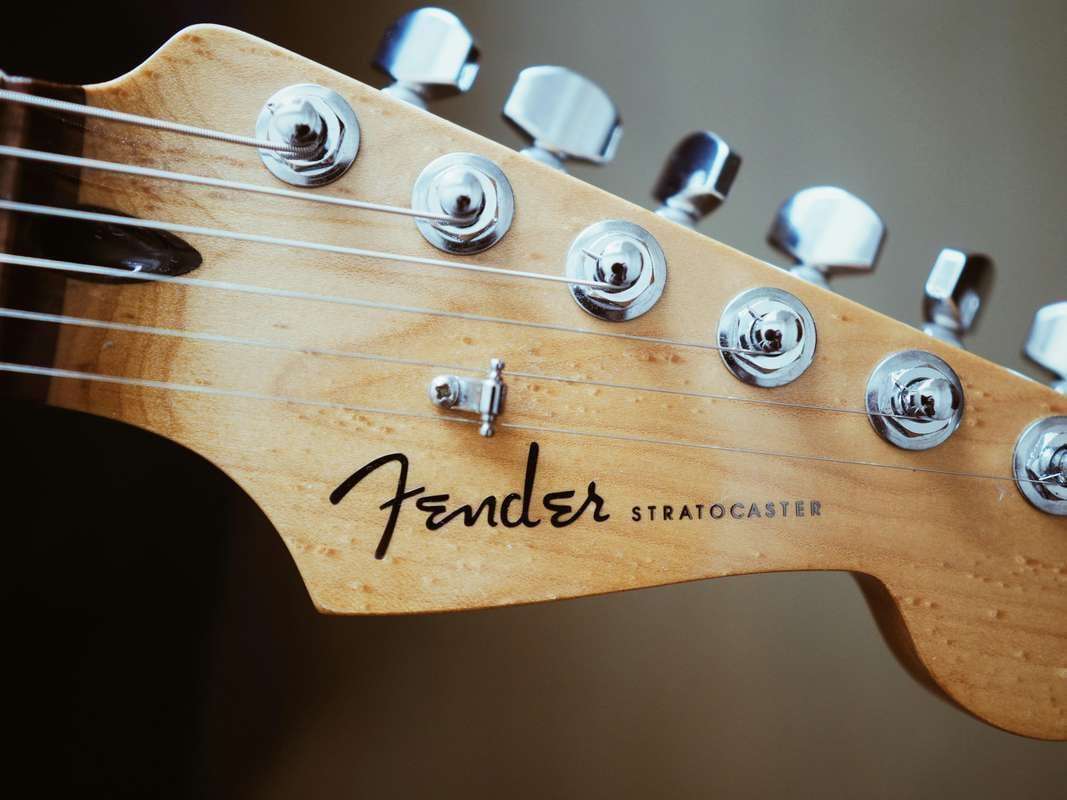
1952 Fender Telecaster Value: Blackguard Era Prices
What is a 1952 Fender Telecaster value today? Blackguard-era Telecaster prices by condition, from refinished players under $20,000 to $120,000+ mint examples.
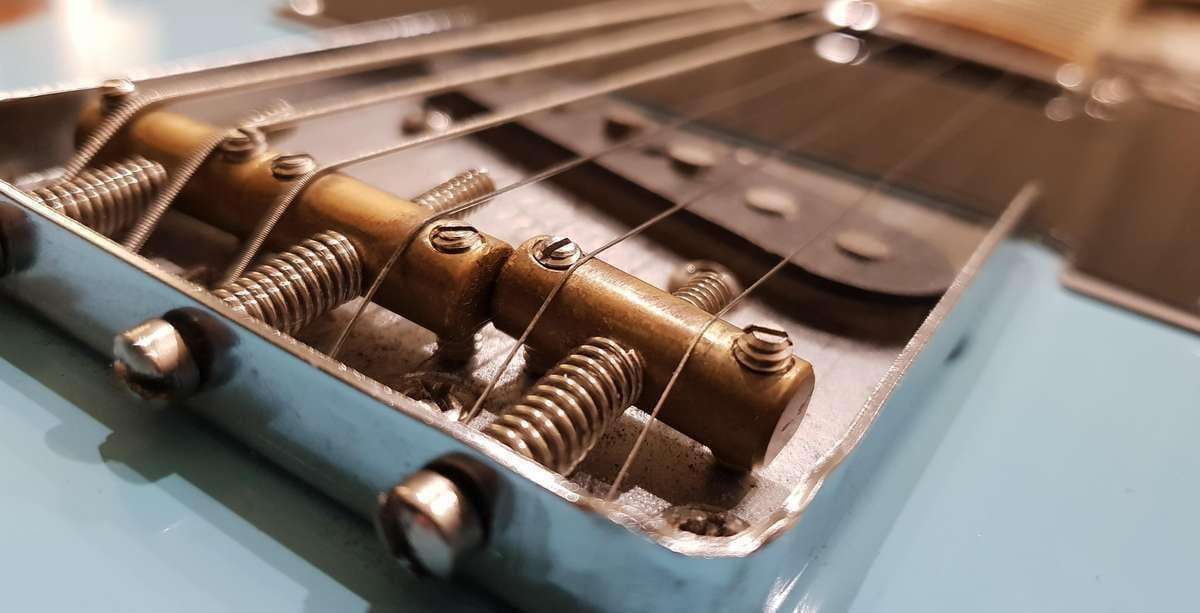 A 1952 Telecaster in original butterscotch blonde is one of the most valuable production electric guitars ever made. Condition and originality decide where it lands in the range.
1952 Fender Telecaster Value: What Is a Blackguard Worth?
1952 Fender Telecaster value starts where most vintage guitar prices end. A blackguard-era Telecaster in original butterscotch blonde is one of the most valuable production solid-body electric guitars ever built, and 1952 sits squarely in the heart of that run. Depending on condition and originality, a real 1952 Telecaster is worth anywhere from about $10,000 for a refinished project guitar to well over $100,000 for a pristine, all-original example.
This guide breaks down exactly what a 1952 Telecaster is worth in 2026, condition by condition. You will learn why the blackguard era commands six figures, which parts originality matters most, how much a refinish really costs you, and how to identify and date a 1952 before you buy or sell one. For the bigger picture across every Telecaster era, see our Fender Telecaster value guide, and for factory measurements see the 1952 Telecaster setup specs.
Why 1952 Matters in Telecaster History
The Telecaster launched in 1950 as the Broadcaster, spent early 1951 as the famously rare NoCaster after a trademark dispute, and settled into the Telecaster name by late 1951. By 1952, the model was solidly and unambiguously the Telecaster. That means a 1952 guitar has none of the transition-drama confusion that surrounds 1950 and 1951 guitars — you get a full-production blackguard Telecaster with a clean name and a clean story.
Collectors call 1950 through 1954 the blackguard era, named for the single-ply black phenolic pickguard that defines the look. These are the most valuable production Telecasters ever made. The formula was simple and perfect: an ash body, a one-piece maple neck with a 7.25-inch radius fingerboard, the butterscotch blonde nitrocellulose finish, and the original bridge with three brass barrel saddles. Every element of that recipe contributes to the tone — the bright, biting bridge pickup mounted to a stamped steel plate, the warm snap of brass saddles, and the piano-like attack of the string-through-body design.
Production was still small and hand-built in Fullerton, California. Fender shipped roughly a few thousand guitars a year in this period, which is a rounding error compared to modern output. Scarcity, the iconic look, and seventy years of legend have pushed pristine blackguards past the $100,000 mark, with exceptional museum-grade examples setting records at auction. If you want to confirm your guitar really is a 1952, start with our Telecaster serial numbers guide or run the number through the Fender serial number lookup.
1952 Fender Telecaster Value by Condition
Condition is the single biggest lever on 1952 Telecaster value. The spread between a mint original and a refinished player guitar can exceed $100,000. Use the table below as a realistic 2026 market guide for an original butterscotch blonde, all-ash-body guitar with no major repairs.
| Condition | Description | Typical 2026 Market Value |
|---|---|---|
| Mint / Near Mint | Unplayed or barely played, original finish and parts, case candy, no wear | $85,000 – $120,000+ |
| Excellent | Light honest play wear, all original, minimal checking, no repairs | $55,000 – $85,000 |
| Very Good | Normal play wear, minor dings and finish checking, all original | $38,000 – $55,000 |
| Good | Moderate wear, possible small touch-ups, mostly original parts | $25,000 – $38,000 |
| Poor / Refinished | Heavy wear, refinished body, non-original parts, or repair history | $10,000 – $20,000 |
A few things stand out in those numbers. First, originality of the finish matters more than almost anything else — the drop from excellent to poor is driven mostly by refinish and replaced parts, not by honest wear. A 1952 Telecaster with worn frets, checked finish, and dings can still be a $55,000 guitar if everything on it left the Fullerton factory in 1952. Second, the top of the market has real headroom: documented, investment-grade blackguards with provenance routinely break $120,000 at auction. Third, even the "cheap" end of the range costs as much as a new car, which is why authentication is non-negotiable at this price level.
What Drives 1952 Telecaster Prices
Original Finish and Color
Butterscotch blonde over an ash body is the only color that matters for a 1952 Telecaster, and originality of that finish is the single largest value driver. The translucent blonde nitrocellulose lets the ash grain show through, and decades of UV exposure give original examples a warm amber patina that no refinisher can convincingly fake. An honest, original finish with checking and wear almost always beats a flawless refinish in both price and desirability.
Parts Originality
On a blackguard Tele, every original part is worth real money. The three brass barrel saddles, the black-bottom bridge pickup and neck pickup, the domed knurled chrome knobs, the single-ply black pickguard, the flat-head-slot wiring and solder joints, the Kluson Deluxe single-line tuners, and the stamped steel bridge plate all carry premiums when original and correct. A swapped bridge pickup or replaced wiring harness can knock thousands off the price, and multiple changed parts compound quickly. Savvy buyers open the control cavity and check solder joints, pot codes, and the cloth wiring before talking money.
Refinish Impact
Plan on a refinish costing 30% to 50% of the guitar's original-finish value. A refinished 1952 Telecaster that would be a $55,000 excellent guitar often lands in the $25,000 to $38,000 range instead, and a heavily over-sanded or poorly done refin pushes it toward the $10,000 to $20,000 bracket. Even a museum-quality, professionally sprayed refin never recovers fully, because collectors are paying for untouched history. If you own a refinished example, pricing it as a player-grade guitar — not as a collector piece — will get it sold.
Provenance and Documentation
Documented history adds 10% to 20% or more. An original sales receipt, a letter from a known first owner, period photographs of the guitar being played, or a famous previous owner can push an already-strong example into record territory. Even without celebrity connections, a clean chain of ownership and old case candy (hang tags, warranty cards, instruction sheets) makes buyers confident and prices firmer.
Factory Specs That Confirm Originality
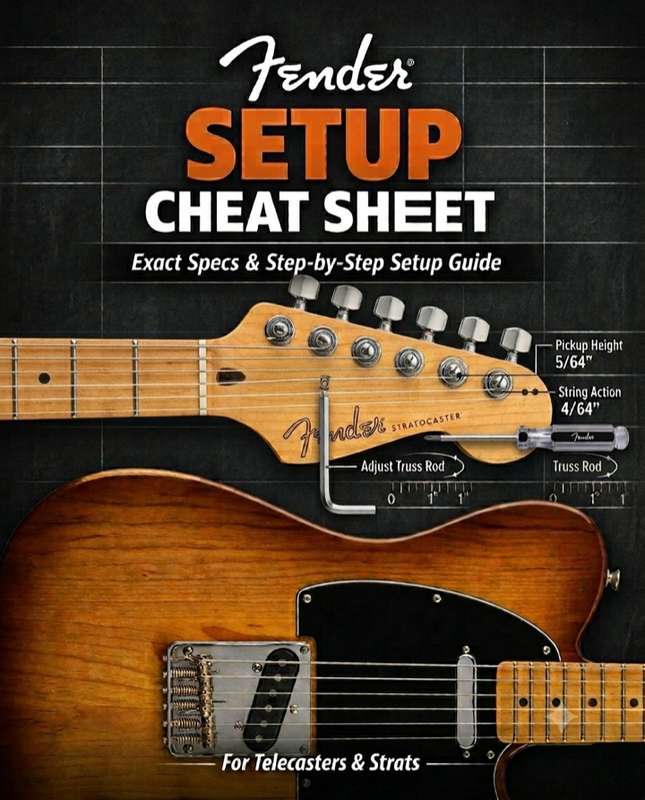
Knowing the 1952 factory specs helps you spot changed parts before you pay collector money. The original guitar has a 25.5-inch scale, a 7.25-inch fingerboard radius, a 1-5/8 inch nut width, and small vintage fret wire around 0.078 inches wide. Factory setup targets were roughly 0.010–0.012 inches of neck relief, action of 1.6 mm on the high E and 2.0 mm on the low E, and pickup heights of 2.4 mm bass side and 2.0 mm treble side for both pickups. Our 1952 Telecaster setup specs page lists every one of these measurements with era-correct context. A guitar that is supposed to be original but carries modern-spec parts — different saddles, a rewound pickup, changed pots — is telling you a story, and it should be priced accordingly.
How to Identify a Real 1952 Telecaster
At $25,000 to $120,000, a 1952 Telecaster is exactly the kind of guitar that gets faked, assembled from vintage parts, or misrepresented. Identification is a two-step process: date the guitar, then verify that the physical details match.
Dating a 1952 Telecaster
In 1952, Fender stamped the serial number on the bridge plate itself, not on the neck plate or headstock. Look on top of the stamped steel bridge, on the bass side. Serials in the roughly 0001–0999 range cover 1950–1952, and the sequence continued toward 0000–5300 through 1954, so a bridge-plate serial under about 2000 points at a 1952 build. Because the numbering overlapped with the Esquire and the earlier Broadcaster and NoCaster, cross-check with neck and body date stamps in the pockets and cavities. Our Telecaster serial numbers guide walks through the ranges year by year, and the Fender serial number lookup decodes the number in seconds.
Physical Details to Verify
A genuine 1952 Telecaster has the blackguard recipe: butterscotch blonde finish over ash, one-piece maple neck, black single-ply pickguard, and three brass barrel saddles on a stamped steel plate with the serial stamped into it. The neck should have a 7.25-inch radius, small frets, and a truss rod adjusted at the heel. Inside the cavity, expect cloth-covered wire, original solder joints, and 1952-era pot codes.
Red flags include a headstock serial on a guitar claimed as 1952 (serial moved to the neck plate in 1954), steel saddles (brass was correct for 1952), a rosewood fingerboard (not used on Teles until 1959), modern wiring, or a decal style that does not match the era. Run anything suspicious through the Fender Authenticity Checker before money changes hands, and for high-dollar purchases, get a written evaluation from a vintage specialist.
Buying or Selling a 1952 Telecaster
Where you transact matters almost as much as what you transact. For selling, specialist vintage dealers and major auction houses reach the buyers who pay top dollar for blackguard Fenders and understand originality grading — expect commissions, but also expect stronger final prices than general marketplaces deliver. Reverb is the strongest self-serve option, with a knowledgeable buyer pool and sold-listing comparables you can cite in your listing. eBay reaches the widest audience but carries higher fees and more risk of non-specialist disputes. Private sales through collector networks can work well if you can document the guitar thoroughly.
For buyers, the rules invert. Buy the seller as much as the guitar, insist on clear photos of the bridge-plate serial, cavity wiring, neck pocket stamps, and fretwear, and be suspicious of any deal that is priced like an excellent guitar but documented like a project. Whether you are buying or selling, a documented, personalized valuation takes the guesswork out of the number: the Guitar Price Estimate report delivers low, mid, and high ranges based on your exact guitar, and the broader Fender Telecaster value guide keeps the 1952 numbers in context against neighboring years.
One last practical point: a 1952 Telecaster that plays well sells faster and photographs better. Factory-correct setup measurements — 0.010–0.012 inches of relief, 1.6–2.0 mm action, 2.4/2.0 mm pickup heights — are all in the 1952 Telecaster setup specs and the Setup Specs Lookup. If you are keeping rather than selling, treat the heel-adjust truss rod gently or leave it to a tech who works on vintage Fenders.
Strings and Gauges for a Vintage Telecaster
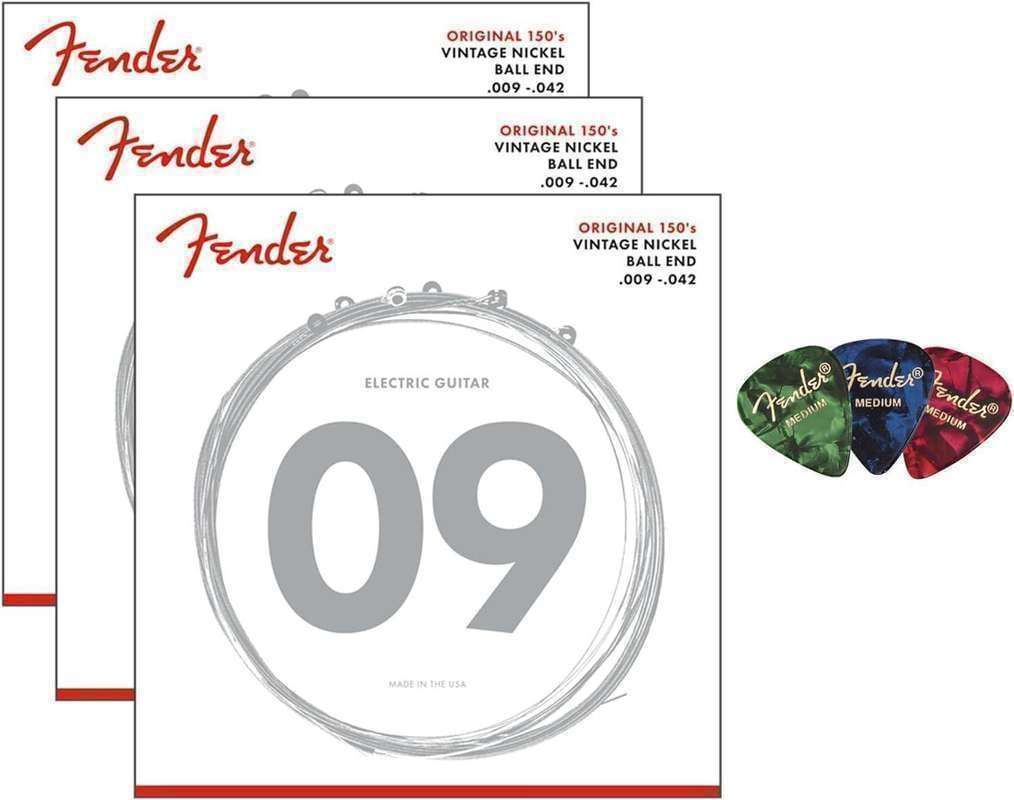
 Buy on Amazon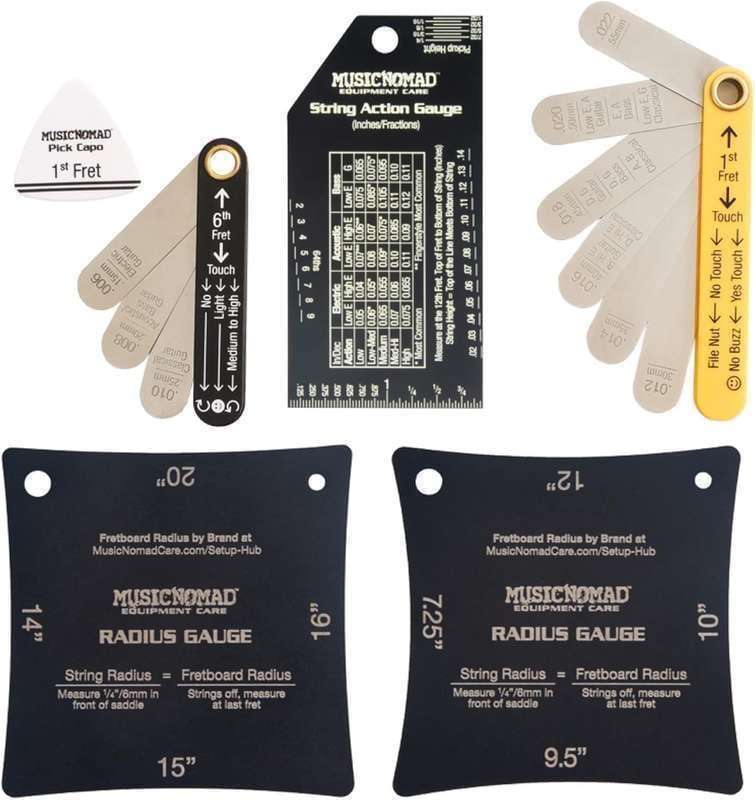
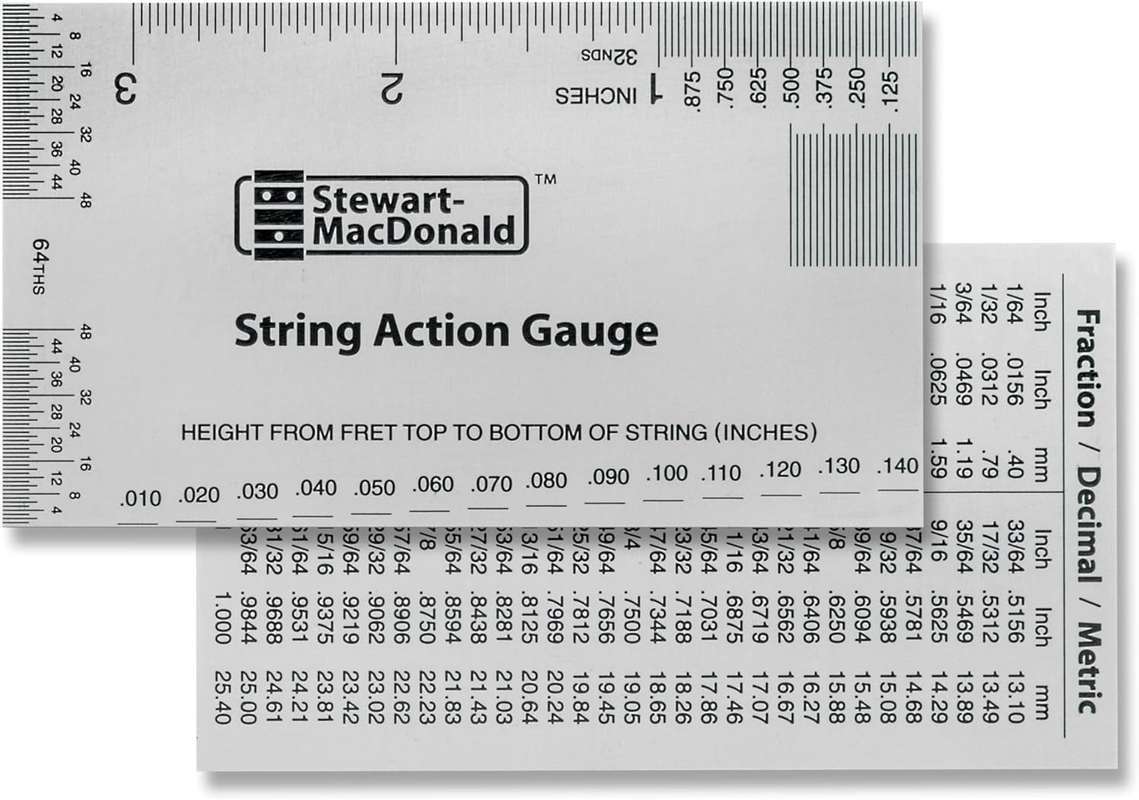
FAQ
How much is a 1952 Fender Telecaster worth?
A 1952 Fender Telecaster is worth roughly $85,000 to $120,000 or more in mint original condition, $55,000 to $85,000 in excellent condition, and $38,000 to $55,000 in very good condition. Good, mostly original examples bring $25,000 to $38,000, while refinished or heavily modified guitars typically sell in the $10,000 to $20,000 range.
Why are 1952 Telecasters so valuable?
The 1952 Telecaster sits in the blackguard era from 1950 to 1954, the most collectible production run in Fender history. Only a few thousand were hand-built in Fullerton each year, and the combination of scarcity, the iconic butterscotch blonde finish, and the guitar's role in inventing the solid-body electric keeps demand far ahead of supply. Pristine examples have exceeded $100,000 at auction.
Is a 1952 Telecaster a Blackguard?
Yes. The blackguard era covers 1950 through 1954, named for the single-ply black phenolic pickguard. A 1952 Telecaster has the classic blackguard recipe: an ash body, one-piece maple neck, butterscotch blonde finish, and a stamped steel bridge with three brass barrel saddles.
What is a 1952 Telecaster worth in excellent condition?
An excellent 1952 Telecaster — light honest play wear, all original parts, minimal finish checking, no repairs — is typically worth $55,000 to $85,000. All-original examples with exceptional color, strong provenance, or original case candy can push toward or past the top of that range.
How much does a refinish hurt a 1952 Telecaster's value?
Expect a refinish to reduce value by 30% to 50% compared to the same guitar with its original finish. A refinished guitar that would otherwise be worth $55,000 often sells in the $25,000 to $38,000 range, and a poor refinish can push it toward $10,000 to $20,000. Even a professional refin never fully recovers because collectors pay for untouched originality.
How can I tell if my 1952 Telecaster is real?
Verify the bridge-plate serial number against the 1950–1954 ranges, then check that the physical details match: butterscotch blonde over ash, one-piece maple neck with a 7.25-inch radius, black single-ply pickguard, three brass barrel saddles, cloth wiring, and 1952-era pot codes. Steel saddles, a headstock serial, or a rosewood board are all red flags for a claimed 1952. Use the Fender Authenticity Checker as a first filter.
Where is the serial number on a 1952 Telecaster?
The serial number is stamped on top of the bridge plate, on the bass side. Fender did not move the serial to the neck plate until mid-1954, so a genuine 1952 never carries a neck-plate or headstock serial. Supporting date stamps appear inside the neck pocket and body cavity.
What should I look for in original 1952 Telecaster parts?
The highest-value original parts are the black-bottom bridge pickup and neck pickup, the three brass barrel saddles, the stamped steel bridge plate with its serial stamp, the domed knurled chrome knobs, the single-ply black pickguard, cloth wiring with untouched solder joints, and Kluson Deluxe single-line tuners. Each changed part subtracts value, and the pickups and finish matter most.
Is it worth restoring a worn 1952 Telecaster?
Usually no, at least not cosmetically. Honest play wear on an original finish is accepted and even prized by collectors, while a refinish typically destroys 30% to 50% of the value. The exceptions are mechanical: a careful fret dress, a properly cut nut, and a correct setup protect playability without hurting collector value. Keep every original part you remove.
Where should I sell a 1952 Telecaster?
For top dollar, work with a specialist vintage dealer or a major auction house that understands blackguard Fenders. Reverb is the strongest self-serve marketplace, with knowledgeable buyers and useful sold-listing comparables. Whichever route you choose, document the serial, wiring, date stamps, and any provenance, and get a written valuation before setting a price.
Conclusion
1952 Fender Telecaster value comes down to three things: a real blackguard guitar, an original finish, and original parts. Nail all three and you are holding a five-figure-to-six-figure piece of electric guitar history. Miss on finish or parts originality and the market reprices the guitar by tens of thousands of dollars, instantly and unsentimentally.
Before you buy, sell, or insure one, date it with the Telecaster serial numbers guide and the Fender serial number lookup, screen it with the Fender Authenticity Checker, and put a documented number on it with the Guitar Price Estimate. Then keep it playing like it should with the factory measurements from the 1952 Telecaster setup specs and the Setup Specs Lookup — and see how 1952 stacks up against neighboring years in the full Fender Telecaster value guide.
Related Posts
- Fender Telecaster Value Guide — Era-by-era Telecaster prices and condition tiers
- Fender Telecaster Setup Specs 1952 — Every factory measurement for a blackguard Tele
- Telecaster Serial Numbers — Date your Tele by serial, prefix, and bridge plate
- Fender Serial Number Lookup — Decode any Fender serial number in seconds
- Guitar Price Estimate — Documented low, mid, and high valuation for your exact guitar
- Setup Specs Lookup — Compare factory specs across every Fender model and year