Squier Classic Vibe vs Affinity: Which Differences Matter in?
Squier Classic Vibe vs Affinity compared with Fender's own specs — pickups, body, hardware — plus a buyer checklist for choosing between them and Sonic.
 Photo by Felipe Randolfi on Unsplash
Squier Classic Vibe vs Affinity: Which Differences Matter in 2026?
The Squier Classic Vibe vs Affinity question is one of the most common buying decisions for new guitarists, with the Sonic line now sitting underneath both. This guide compares the three series using Fender's own published specifications, flags where older used examples differ, and finishes with a concrete checklist you can use in a store or on a marketplace listing.
Short answer: Sonic is the entry-level starter, with a thin poplar body and ceramic pickups. Affinity adds a 2-point tremolo (on Strats), split-shaft tuners, and a synthetic bone nut. Classic Vibe is the premium Squier tier, with Fender-designed alnico pickups, a standard-depth body, a bone nut, and vintage-style hardware. The right choice depends on your budget, how long you plan to keep the guitar, and which features matter to you — the checklist below walks through it.
Squier Electric Guitars Compared
 Buy on Amazon
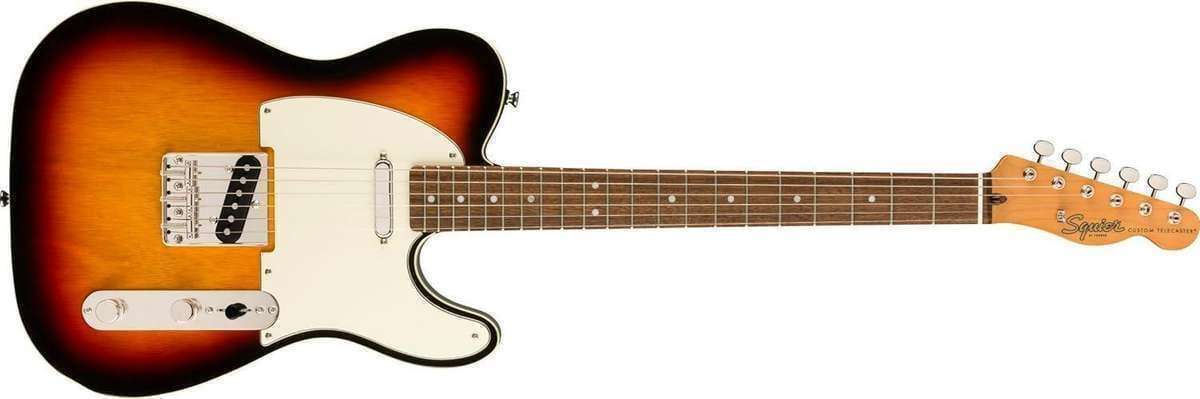
Quick Comparison: Sonic vs Affinity vs Classic Vibe
These rows come from Fender's published specifications for the current ranges (checked September 2026), using the Stratocaster models as the reference. Prices are typical US street prices and move around.
| Feature | Squier Sonic | Squier Affinity | Squier Classic Vibe |
|---|---|---|---|
| Typical new price (US) | ~$230 | ~$320 | ~$500 |
| Body | Thin, lightweight poplar | Thin, lightweight poplar | Standard depth; wood varies by model — pine ('50s Tele), nyatoh ('50s and '60s Strat), poplar ('70s Strat) |
| Pickups | Squier ceramic single-coils | Squier ceramic single-coils | Fender-designed alnico single-coils |
| Strat bridge | 6-saddle vintage-style tremolo, block saddles | 2-point synchronized tremolo, block saddles | 6-saddle vintage-style tremolo, stamped-steel saddles |
| Tuners | Sealed die-cast | Sealed die-cast with split shafts | Vintage-style |
| Nut | Synthetic bone | Synthetic bone | Bone |
| Frets | 21 narrow tall | 21 medium jumbo | 21 narrow tall |
| Neck finish | Satin urethane | Satin urethane, gloss headstock face | Tinted gloss urethane |
| Hardware plating | Chrome | Chrome | Nickel-plated |
| Fingerboard | Maple or Indian laurel | Maple or Indian laurel | Maple or Indian laurel |
| Best for | Lowest-budget starters | Beginners who want nicer hardware | Players keeping the guitar long-term |
Two corrections to what you may have read elsewhere: Classic Vibe body wood is not one fixed "vintage-correct" recipe — it changes by model (pine, nyatoh, or poplar on the current line). And current Classic Vibe pickups are simply specced by Fender as "Fender-designed alnico"; the specific magnet grades named for older runs do not automatically apply to new stock.
Squier Sonic: The Entry-Level Starter
The Squier Sonic series replaced the Bullet line in 2023 as Squier's cheapest entry into electric guitar. Fender describes the body as thin and lightweight, and the specs confirm poplar with a gloss polyurethane finish.
Pickups are ceramic single-coils voiced in-house at Fender. Ceramic magnets are cheaper to produce than alnico and are voiced differently; they do the job for practice and learning, and they are the clearest spec difference between Sonic and Classic Vibe.
Hardware is functional: a 6-saddle vintage-style synchronized tremolo with block saddles, sealed die-cast tuners, and a synthetic bone nut. Because the body is thinner than a standard Strat, measure the cavity before ordering full-depth upgrade parts such as a solid steel tremolo block.
Sonic suits absolute beginners, younger players, or anyone who wants Fender styling at the lowest price. If you end up owning one, our Squier setup guide article covers the platform.
Squier Affinity: The Standard Beginner Choice
The Affinity series has been Squier's best-known beginner line for decades. Current Affinity Strats keep a thin, lightweight poplar body but upgrade the touchpoints: a 2-point synchronized tremolo instead of the 6-screw vintage unit, sealed die-cast tuners with split shafts for faster string changes, and a satin-finished neck with a gloss headstock face.
Pickups remain ceramic single-coils, matching the Sonic on paper. The practical step up over Sonic is in the hardware and appointments rather than the electronics.
Affinity suits beginners who want a slightly nicer first instrument, or casual players after a backup. They are everywhere on the used market, often priced close to a new Sonic — before buying used, run the price through our Guitar Price Estimate.
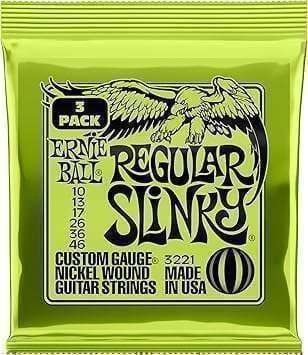
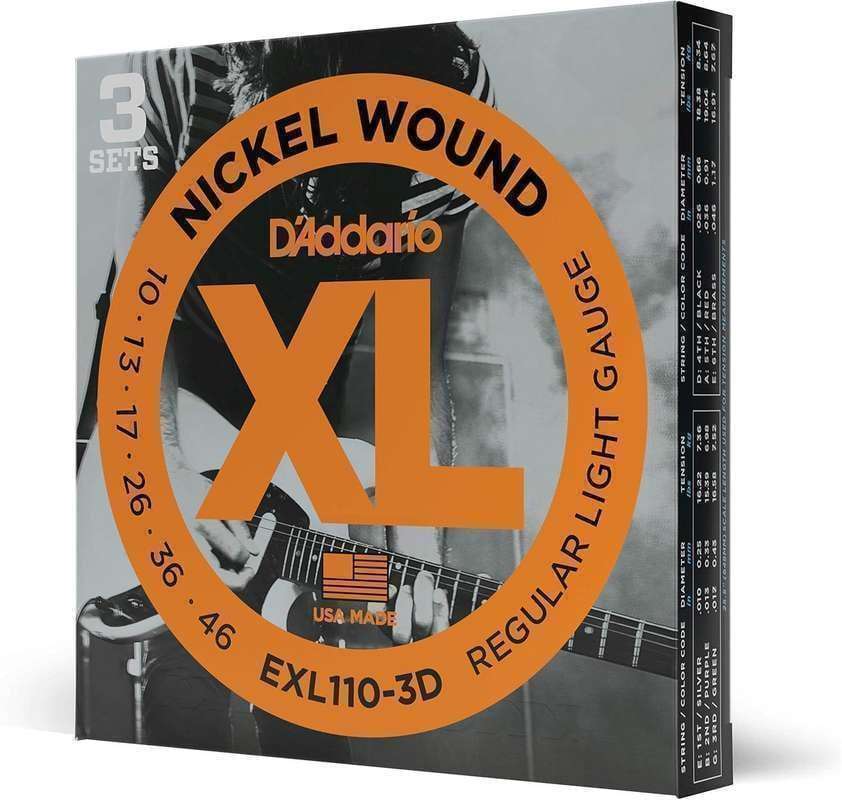
Best Strings for Squier Electric Guitars
Squier Classic Vibe: The Top of the Squier Range
Classic Vibe is Squier's vintage-inspired tier, with each model themed on a specific decade. The meaningful upgrades over Sonic and Affinity, per Fender's specs:
- Fender-designed alnico single-coil pickups instead of ceramic units.
- Standard-depth bodies, with the wood matched to the model: pine on the '50s Telecaster, nyatoh on the '50s and '60s Stratocasters, poplar on the '70s Stratocaster.
- A real bone nut (Sonic and Affinity use synthetic bone).
- Vintage-style tuners and nickel-plated hardware, plus a tinted gloss neck finish.
- Narrow-tall frets and, on the '50s Tele, a 3-saddle string-through bridge with barrel saddles.
One thing to know before you buy on vintage claims alone: despite the decade styling, the current Classic Vibe Strats and Teles all use a modern 9.5" fingerboard radius and narrow-tall frets per Fender's spec sheets — there is no 7.25" vintage-radius option in the current line. If you expect a true vintage feel under the fingers, try one in person. Model-specific measurements live in the setup specs lookup.
Classic Vibe makes sense if you plan to keep the guitar for years, want vintage-styled appointments, or want a stronger platform for later upgrades.
Sonic vs Affinity: Is the Upgrade Worth It?
The jump from Sonic to Affinity is roughly $90 at typical US street prices. On the Stratocaster models, what changes is the tremolo (2-point instead of 6-screw vintage), the split-shaft tuners, and the overall appointments. The pickups stay ceramic, so the on-paper tonal difference is smaller than the hardware difference.
Buy Affinity over Sonic if: you want the smoother 2-point tremolo and quicker string changes, or you found a used Affinity priced close to a new Sonic.
Stick with Sonic if: your budget is hard-capped near $200, the guitar is for a child, or you expect to trade up within a year.
Affinity vs Classic Vibe: The Big Jump
The jump from Affinity to Classic Vibe is roughly $180 at typical street prices, and this is where the spec sheet changes in every column: ceramic to Fender-designed alnico pickups, thin body to standard-depth body, synthetic bone to bone nut, chrome to nickel-plated hardware, and sealed tuners to vintage-style tuners.
Buy Classic Vibe over Affinity if: you plan to keep the guitar long-term, you care about vintage styling, or you would rather pay once than upgrade pickups and hardware later.
Stick with Affinity if: the extra $180 matters more than the pickup and hardware upgrades, or you would rather put that money toward an amp, lessons, or a professional setup.
Buying Used: Squier Specs Change by Year
This is the part most comparison articles skip, and it matters because Squiers dominate the used market. The series name alone does not tell you what you are holding.
Classic Vibe has two distinct generations. The original run was made in China from the late 2000s until 2018, with alder bodies, rosewood fingerboards (switching to Indian laurel late in the run), medium-jumbo frets, and a gloss polyester finish. In 2019 the line moved to Indonesia with new specs: pine, nyatoh, or poplar bodies depending on model, Indian laurel or maple boards, narrow-tall frets, a bone nut, and nickel-plated hardware. The back of the headstock tells you which one you are looking at — "Crafted in China" versus "Crafted in Indonesia."
Affinity has drifted for decades. It has been in continuous production across multiple factories, and pickup, hardware, and finish details have changed over the years. Treat any specific-year claim about Affinity with caution and verify the individual guitar.
Sonic has no history. It launched in 2023, so every used Sonic is a current-spec guitar. If a seller's "Sonic" is older than that, it is actually a Bullet — the predecessor line.
Whichever you are inspecting, verify the year and factory with our Squier Serial Number Lookup, then sanity-check the asking price with the Guitar Price Estimate.
The Buyer's Checklist: Hardware, Condition, Fit, Features, Ownership
Work through these five checks in order — they settle the Classic Vibe vs Affinity question faster than any opinion piece, this one included.
1. Hardware
Confirm the exact bridge, tuner, and nut spec of the specific model in front of you against Fender's spec sheet. On Strats: Affinity's 2-point tremolo behaves differently from the 6-screw vintage units on Sonic and Classic Vibe. On Teles: check whether you are getting a 3-saddle barrel bridge or a 6-saddle block design, because they intonate differently. Note the fret size — Affinity uses medium jumbo, while Sonic and Classic Vibe use narrow tall.
2. Condition (used)
Check for fret wear and sharp fret ends, high or worn nut slots, loose bridge posts, corroded hardware, crackling pots, and any neck bow that does not respond to the truss rod. On Classic Vibes, confirm which generation it is (see above) before agreeing on a price.
3. Fit
All three series use a slim "C" neck and a 25.5" scale, so the big fit variables are body depth and weight. Sonic and Affinity bodies are thinner and lighter, which some players love and others find insubstantial. Classic Vibe bodies are standard depth and heavier. If possible, hold both.
4. Desired features
Decide what you actually want: ceramic or alnico pickups, maple or laurel board, satin or vintage-tint gloss neck, modern or vintage hardware. If the features you want are the Classic Vibe ones, buying a Sonic and upgrading later usually costs more than buying the Classic Vibe now.
5. Ownership work
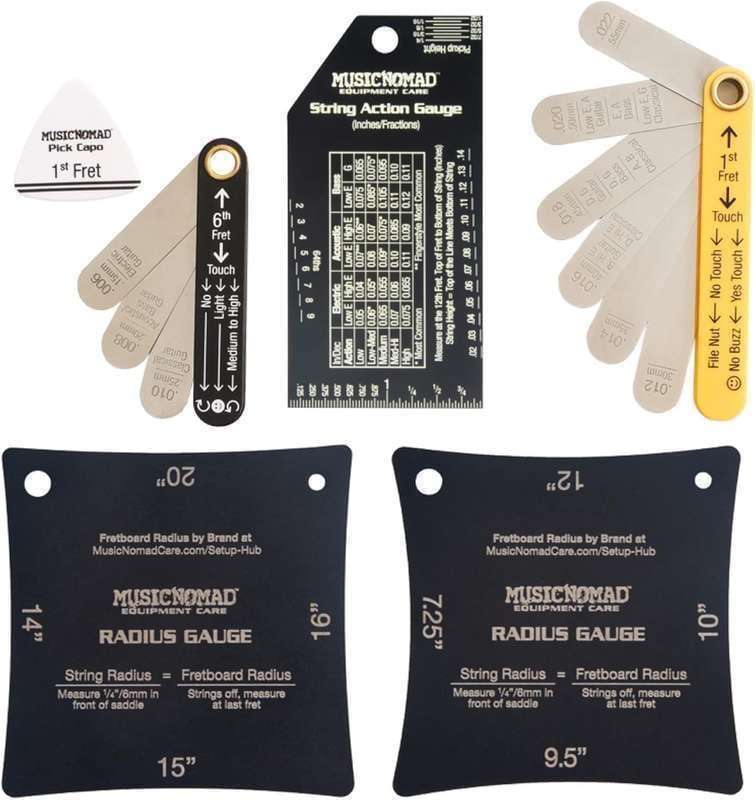
Plan what happens after purchase. A new budget guitar may play perfectly out of the box — or it may not. Before paying anyone for work, play every note on every string, check tuning stability after a few big strums, and compare the fretted 12th-fret note to the 12th-fret harmonic. Only adjust what an actual symptom or measurement calls for. When you are ready to do that measuring, the model-specific articles are the next stop: Squier Stratocaster setup or Squier Telecaster setup.
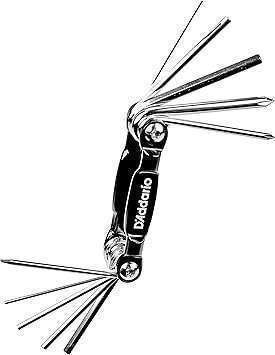
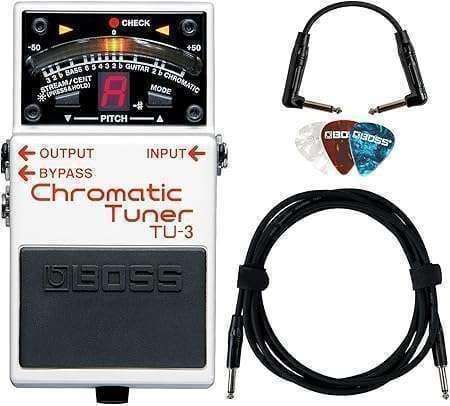
DIY Squier Setup Toolkit
Classic Vibe vs Fender Player Series
Many buyers cross-shop the Classic Vibe with the Mexican-made Fender Player Series, which costs roughly $800 and up new. The Player line adds its own Fender-designed pickups, 22-fret necks, and the resale strength of the Fender badge.
The honest framing: a Classic Vibe gets you the vintage styling and alnico pickups for several hundred dollars less, while the Player Series is the more durable long-term instrument with stronger resale. For the full brand-level comparison, see our Fender vs Squier guide.
Used Squier Prices and Resale Value
Squier resale value is modest, and some series hold up better than others. As a rough guide to asking prices: used Sonic guitars commonly list around $100–$150, used Affinity around $150–$250, and used Classic Vibe around $300–$400 — condition, model, and local market move these around a lot. Not sure where a specific guitar sits? Plug its details into our free guitar value calculator.
A clean used Classic Vibe often costs about the same as a new Affinity, which is why the generation check above matters: know whether you are buying the Chinese or Indonesian run before you decide which is the better deal.
Conclusion: Which Squier Should You Buy?
The Squier Classic Vibe vs Affinity decision comes down to budget and how long you will keep the guitar. Sonic is a perfectly serviceable starter at the lowest price. Affinity buys you better hardware touchpoints for about $90 more. Classic Vibe is the clear step up — alnico pickups, standard-depth body, bone nut — and the one that makes the most sense as a long-term instrument.
Choose first, then set up. Once the guitar is home, work through the ownership checklist above, and use the model-specific setup article — Stratocaster or Telecaster — when a measurement tells you something needs adjusting.
Frequently Asked Questions
Is the Squier Classic Vibe worth the extra money over the Affinity?
Answer: On the spec sheet, the extra money buys Fender-designed alnico pickups, a standard-depth body, a bone nut, vintage-style tuners, and nickel-plated hardware. If you plan to keep the guitar for years, those upgrades are cheaper bought built-in than retrofitted. If budget is tight, an Affinity plus a professional setup is still a solid instrument.
What is the difference between Squier Sonic and Affinity?
Answer: On current Stratocaster specs, Affinity upgrades the tremolo to a 2-point design, adds split-shaft tuners, and uses medium-jumbo frets where Sonic uses narrow tall. Both share thin poplar bodies, ceramic single-coil pickups, and synthetic bone nuts. Sonic is cheaper; Affinity is the nicer daily player.
Can you gig with a Squier Affinity?
Answer: Yes, with realistic expectations. A checked-over Affinity can handle rehearsals and occasional gigs. For regular gigging, players commonly budget for a setup and possibly a tuner or pickup upgrade first. Classic Vibe's hardware is the stronger stock choice for stage use.
Are Squier Classic Vibe pickups good?
Answer: They are Fender-designed alnico single-coils, where Sonic and Affinity use ceramic single-coils. Alnico and ceramic magnets behave differently and are voiced differently, so the Classic Vibe set is the more vintage-styled of the two. Whether you prefer them is worth testing in person if you can.
Is a Squier Classic Vibe as good as a Fender Player?
Answer: They are different instruments at different prices. The Player Series is made in Mexico, costs roughly twice as much, and uses Fender's own Player-series pickups and hardware. The Classic Vibe matches the vintage concept for far less money. Cross-shop them if the budget allows; our Fender vs Squier guide breaks down the brand-level differences.
What strings come on a Squier?
Answer: Fender's spec sheets for current Sonic, Affinity, and Classic Vibe models all list nickel-plated steel strings in .009–.042 gauges. Many players stay on 9s for easier bending; moving to 10–46 adds tension and may call for a small truss rod and intonation check.
What should I check on a new Squier before paying for a setup?
Answer: Play every fret on every string and listen for buzz or dead notes. Check tuning stability after firm strumming. Compare the fretted 12th-fret note to the harmonic for intonation. Sight down the neck for obvious bow. If nothing sounds or feels wrong, enjoy the guitar — adjust only what a real symptom or measurement identifies, and get the seller to fix genuine defects before you modify anything.
What is the best Squier for a beginner?
Answer: Affinity is the safest default: decent hardware, huge used supply, and a price most budgets can reach. If the budget is hard-capped, Sonic works fine. If the beginner is committed for the long haul, Classic Vibe is worth the stretch.
How much does a used Squier Classic Vibe cost?
Answer: Used Classic Vibe guitars typically list for $300–$400 depending on model, condition, and market. Earlier Chinese-made examples sometimes price differently from the current Indonesian line, so identify the generation first. Verify the serial number and check fret wear before buying.
Should I upgrade my Squier or save for a Fender?
Answer: It depends on which Squier you own. Upgrading a Classic Vibe — nut, setup, maybe pickups — builds on an already strong platform. Putting the same money into a Sonic rarely pays back at resale. If the Fender badge and resale matter to you, saving up is the better route.