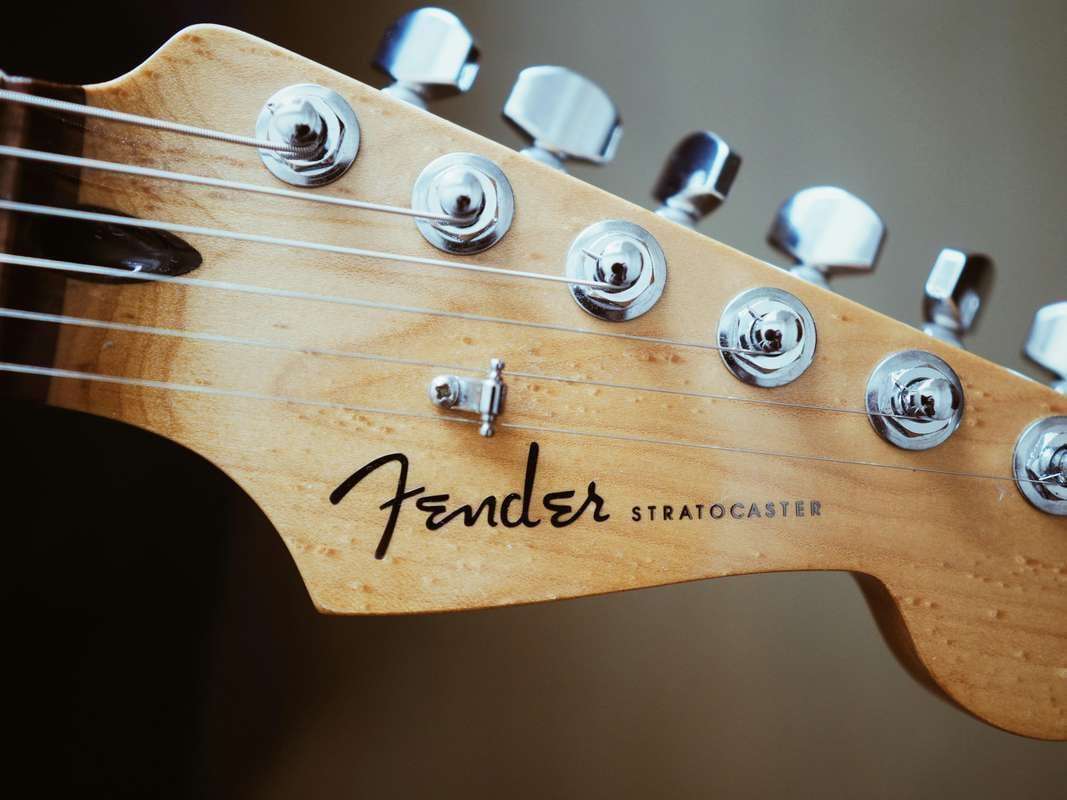
Squier Stratocaster Serial Numbers: Dating & Identification Guide
Decode any Squier Stratocaster serial number by country, factory, and year. Covers Japan JV/SQ/E, Korea S/KC, China CY/CGS/COB, Indonesia ICS/ISS, and modern VN prefixes.
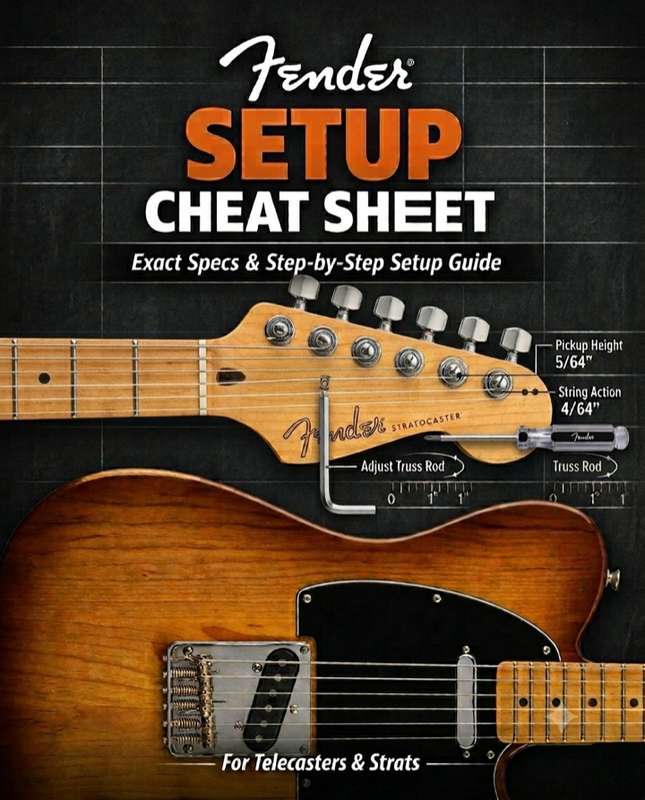
Squier Stratocaster Serial Numbers: Dating & Identification Guide
Squier Stratocaster serial numbers are the fastest way to turn a stamped or printed code into the year, factory, and country of your guitar. Whether you are buying a used Classic Vibe, checking a Craigslist Bullet, or just curious about the Japanese Squier in your closet, the serial number is the first clue you should read.
Squier has built Stratocasters in Japan, Korea, China, Indonesia, Taiwan, Mexico, and Vietnam since 1982, and every factory used its own numbering system. Some formats are obvious—ICS19 clearly points to a 2019 Indonesian Cort guitar—while others, like early SQ or E prefixes, need a little context. The quickest first step is to run the number through the Squier serial number lookup tool. This guide explains what the decoder is telling you and how to confirm it by eye.
What a Squier Stratocaster Serial Number Tells You
A serial number is not a birth certificate, but it usually reveals the most important facts:
- Production country — Japan, Korea, China, Indonesia, Taiwan, Mexico, or Vietnam
- Manufacturing factory — Fuji-Gen, Cort, Samick, Yako, Dyna Gakki, and others
- Production year or era — sometimes a single year, sometimes a 2–3 year window
- Series tier — entry-level Bullet/Sonic, mid-range Affinity, or premium Classic Vibe
It does not prove originality on its own. Necks and bodies get swapped, decals are easy to reproduce, and counterfeiters copy popular prefixes every day. Treat the serial as the first filter, then back it up with physical inspection. For high-value or suspicious guitars, pair the serial check with the Fender fake checker.
Where to Find the Serial Number on a Squier Stratocaster
Squier Stratocasters have carried their serial numbers in almost every location Fender has ever used. The exact spot depends on the year and country of manufacture, so check all the likely places before deciding the number is missing.
Back of the Headstock (Most Common Today)
Modern Indonesian, Chinese, and Vietnamese Squier Strats almost always print or stamp the serial on the back of the headstock. Look near the top edge, just below the tuners. Typical examples include ICS19123456, CY09123456, or VN22123456. On some satin-finished necks the ink can fade, so tilt the headstock under a bright light or use a UV flashlight if the number looks faint.
Neck Plate (Vintage and Korean Models)
Older Korean Squiers and some 1980s Japanese models stamp the serial on the metal neck plate between the neck and body. You can read it without removing anything by looking at the back of the guitar where the neck bolts on. Typical formats include S9123456, E9123456, or KC09123456. If the plate has been swapped for an aftermarket part, the serial may be gone.
Neck Heel (Hidden on Some Early Japanese Strats)
Early Japanese Squier Strats sometimes have date stamps or factory codes on the neck heel—the flat part of the neck that sits inside the body pocket. You will need to loosen the strings and remove the four neck screws to see it. This is more common on Fender-branded MIJ guitars than on Squiers, but it is worth checking if the headstock serial is missing or does not match the body.
How to Read a Squier Stratocaster Serial Number
Squier serial formats fall into three broad families. Knowing which family your number belongs to is the key to an accurate date.
Modern 2-Digit Year Format (2000s–Present)
Most Squier Strats made since the mid-2000s use a factory prefix followed by a 2-digit year and a sequential number. The first two or three letters identify the country and factory; the next two digits identify the year.
ICS19123456= Indonesia Cort, 2019ISS21123456= Indonesia Samick, 2021CY09123456= China Yako, 2009VN22123456= Vietnam, 2022
This format is the easiest to read because the year is encoded directly into the number.
Single-Letter + Digit Format (1980s–1990s)
Korean Squiers from the late 1980s and 1990s often use a single letter followed by a digit that indicates the year within the decade, then a sequential number.
S9123456= Samick or Sung-Eum factory, approximately 1989E9123456= Korean production, approximately 1989
Be careful here: an E prefix followed by exactly six digits is Japanese (1984–1987), while an E prefix followed by seven or more characters with a year digit is usually Korean. Always cross-check the country label on the headstock.
Japanese 5-Digit and 6-Digit Formats (1982–1987)
The earliest Japanese Squier Strats use short prefixes with no embedded year code.
SQ12345= Fujigen Japan, 1983–1984JV12345= Fujigen Japan, 1982–1984 (shared with Fender-branded JV guitars)E123456= Fujigen Japan, 1984–1987
These numbers are sequential rather than year-coded, so you estimate the year from the number range, the headstock decal, and hardware details.
Japanese-Made Squier Stratocaster Serial Numbers (1982–1987)
Japanese Squier Strats from the early-to-mid 1980s are the most collectible Squiers ever made. They were built at the Fujigen Gakki factory in Matsumoto, the same facility that produced Fender's legendary JV-series guitars, and they share much of the same tooling and craftsmanship.
SQ Series (1983–1984)
The SQ prefix marks the first official Squier-by-Fender production line in Japan. Format: SQ + five digits. These guitars were built alongside Fender-branded JV guitars and are widely considered equal in quality. A clean SQ Stratocaster with original finish and hardware can sell for $1,500–$3,000 today, depending on color and condition.
JV Series (1982–1984)
The JV prefix is best known on Fender-branded Japanese Vintage guitars, but some Squier-branded instruments also carried JV serials. Format: JV + five digits. These are extremely collectible and often trade in the same price range as Fender JV Strats. If you see a Squier logo paired with a JV serial, verify the decal and neck heel stamps carefully—this combination is rare and frequently faked.
E Series (1984–1987)
After the JV/SQ run, Fujigen switched to an E prefix with exactly six digits. These are still excellent guitars, though they are less collectible than JV/SQ instruments and usually sell for $800–$1,500 in good condition. The E series bridges the gap between the holy-grail early years and the larger-production MIJ era that followed.
| Prefix | Years | Factory | Format | Collectibility |
|---|---|---|---|---|
| SQ + 5 digits | 1983–1984 | Fujigen | SQ12345 | Very high |
| JV + 5 digits | 1982–1984 | Fujigen | JV12345 | Very high |
| E + 6 digits | 1984–1987 | Fujigen | E123456 | High |
Korean & Taiwanese Squier Stratocaster Serial Numbers
Korea was a major Squier production hub from the late 1980s through the early 2000s. Several factories supplied guitars, and the numbering systems overlap, so the country label on the headstock is your best tiebreaker.
S Prefix (Samick and Sung-Eum)
The S prefix followed by a single digit is one of the most common Korean formats. Format: S + year digit + 5–6 digits. Example: S9123456 = approximately 1989. The digit after the S usually indicates the last digit of the year, so S8 often means 1988, S9 means 1989, and S0 means 1990.
E Prefix (Korean)
Korean Squiers also used an E prefix, which is confusing because Fujigen used the same letter in Japan. The difference is in the total length and structure. A Japanese E-series Squier has exactly six characters total (E123456). A Korean E-prefix Squier has seven or more characters, with a year digit after the E (E9123456). Always check the "Made in Korea" label before deciding.
KC and KV Prefixes (Cort Korea)
Later Korean production from the Cort factory uses KC or KV followed by a 2-digit year and sequential digits. Example: KC09123456 = 2009. These were produced as Korean Cort operations were winding down and moving to Indonesia and China.
| Prefix | Years | Factory | Format | Notes |
|---|---|---|---|---|
| S + digit | 1980s–1990s | Samick / Sung-Eum | S9123456 | Most common Korean format |
| E + digit | 1980s–1990s | Korean | E9123456 | Ambiguous with Japanese E |
| KC / KV | 2000s | Cort Korea | KC09123456 | Late Korean production |
Chinese, Indonesian, and Vietnamese Squier Stratocaster Serial Numbers
The vast majority of Squier Strats sold today come from China, Indonesia, or Vietnam. These modern formats are the easiest to decode because they embed the year directly after the factory prefix.
China: CY, CGS, COB, CN, and More
China has produced Squier Strats since the early 2000s across several factories.
- CY = Yako factory; the most common China prefix. Example:
CY09123456= 2009. - CGS = early Classic Vibe production (2008–2012). Example:
CGS0912345= 2009. - COB = Classic Vibe production (2008–2012). Example:
COB0812345= 2008. - CN = general China production. Example:
CN12123456= 2012. - CAE, CDN, CXS = various China factories and production runs.
Early Classic Vibe Strats were made in China before production moved to Indonesia around 2012–2013. A Chinese Classic Vibe with a CGS or COB prefix is authentic and often prized for its early vintage-correct specs.
Indonesia: ICS, ISS, and IC
Indonesia is the current home of most Squier Strat production. Two factories dominate: Cort and Samick.
- ICS = Indonesia Cort. Format:
ICS+ 2-digit year + digits. Example:ICS19123456= 2019. Classic Vibe and Contemporary series often use this prefix. - ISS = Indonesia Samick. Format:
ISS+ 2-digit year + digits. Example:ISS21123456= 2021. Affinity and Bullet series often use this prefix. - IC = older Cort format. Format:
IC+ 2-digit year + 2-digit month + digits. Example:IC060512345= May 2006.
Vietnam: VN
Vietnam has become a newer production location for entry-level and some mid-range Squiers. Format: VN + 2-digit year + digits. Example: VN22123456 = 2022.
| Prefix | Years | Country | Factory | Notes |
|---|---|---|---|---|
| CY | 2000s–2010s | China | Yako | Affinity, Standard |
| CGS | 2008–2012 | China | Various | Early Classic Vibe |
| COB | 2008–2012 | China | Various | Classic Vibe |
| CN | 2000s–present | China | Various | General production |
| CAE, CDN, CXS | Various | China | Various | Various factories |
| ICS | 2010–present | Indonesia | Cort | Classic Vibe, Contemporary |
| ISS | 2010–present | Indonesia | Samick | Affinity, Bullet |
| IC | 2000s | Indonesia | Cort | Older year + month format |
| VN | 2010s–present | Vietnam | Various | Newer production |
Squier Stratocaster Series vs. Serial Prefix Quick Reference
Knowing which Squier series you own helps narrow down the likely serial format and factory. Here is how the current lineup maps to prefixes.
Bullet and Sonic (Entry Level)
Bullet and Sonic Strats are the most affordable Squiers. They are usually built in Indonesia by Samick (ISS) or in China by Yako (CY). These guitars share the 25.5-inch Strat scale and vintage-style tremolo, but the hardware and finish are spec'd to a budget. A typical modern Bullet Strat serial looks like ISS21123456 or CY20123456.
Affinity (Mid Range)
Affinity Strats sit one step up from Bullet/Sonic and are among the best-selling electric guitars in the world. They have been built in China (CY), Indonesia (ISS), and occasionally Korea. Modern Affinity serials are usually ISS for Indonesia or CY for China. For setup specs tailored to this tier, see the Squier Stratocaster setup guide.
Classic Vibe (Premium)
Classic Vibe Strats are the top of the Squier line and are built to vintage-inspired specs. Early production (2008–2012) was in China with CGS and COB prefixes. Since roughly 2012–2013, Classic Vibe production has moved to Indonesia and uses ICS prefixes. A Classic Vibe serial like ICS19123456 or CGS0912345 is normal and expected.
Contemporary and Paranormal
Contemporary Strats add modern features such as humbuckers, roasted maple necks, and compound radius fretboards. Paranormal models mix non-standard configurations. Both series are usually built in Indonesia by Cort (ICS).
| Series | Typical Prefixes | Typical Country | Era |
|---|---|---|---|
| Bullet / Sonic | ISS, CY | Indonesia, China | 2010s–present |
| Affinity | ISS, CY, IC | Indonesia, China | 2000s–present |
| Classic Vibe | ICS, CGS, COB | Indonesia, China | 2008–present |
| Contemporary | ICS | Indonesia | 2010s–present |
| Paranormal | ICS | Indonesia | 2020s–present |
What If the Decoder Doesn't Recognize Your Serial?
Sometimes a serial number does not match any standard format. Before assuming the guitar is fake, work through this checklist.
Check the Country Label First
The "Made in..." label on the front or back of the headstock is the single most useful clue. If the serial looks Japanese but the label says Korea, trust the label. Country labels are harder to fake convincingly than serial numbers because they sit under the finish on genuine guitars.
Look for Fading, Stamping, or Printing Differences
Indonesian Squiers sometimes use printed serials that fade over time, especially on satin headstocks. Try angled lighting, a UV flashlight, or a pencil rubbing. Early Japanese Squiers may have a stamped serial that is shallow and easy to miss.
Consider a Fender-Branded Guitar
Some owners confuse Squier and Fender serials. If your guitar has a Fender logo, use the Fender serial number lookup instead. Fender Mexico serials such as MN, MZ, and MX occasionally appear on rare Squier models too, so keep an open mind if the prefix looks unusual.
When to Suspect a Problem
Be cautious if:
- The serial font looks laser-etched, modern, or stamped crooked
- The prefix is lowercase or uses unusual spacing
- The serial is only on a sticker and not printed or stamped into the finish
- The number of digits does not match the known format for the prefix
- The headstock decal looks like an aftermarket sticker sitting on top of the finish
In those cases, treat the guitar as unverified until a qualified tech or experienced collector inspects it.
Serial Number vs. Authenticity
A serial number can tell you where and when a guitar was supposed to be built, but it cannot tell you whether the parts are original. That distinction matters when you are buying used or evaluating a guitar for resale.
Common Authenticity Risks
The most common issues on the used market are:
- Decal swaps — a cheap guitar gets a reproduction Fender or Squier logo
- Neck/body swaps — a genuine neck is bolted to a non-original body
- Refinishes — original finish is removed and resprayed, hurting value
- Counterfeit serials — fake guitars copy popular prefixes like
JVorSQ
How to Verify a Suspicious Squier Strat
Start with the serial, then layer on physical evidence. Check the neck pocket shape and heel stamps, the pickup routes, the pot codes, and the bridge and tuner styles. Compare the logo font and spacing to known original examples. For expensive or rare guitars—especially early Japanese SQ or JV Strats—consider having a reputable tech or vintage dealer authenticate the instrument in person.
If you want a structured checklist for evaluating any Fender-family guitar before you buy, the Fender authenticity check walks through the main red flags.
FAQ
Where is the serial number on a Squier Stratocaster?
Most modern Squier Strats have the serial number on the back of the headstock. Older Korean models may stamp it on the neck plate, and some early Japanese models hide it on the neck heel.
How do I read a Squier Stratocaster serial number?
Modern serials use a factory prefix plus a 2-digit year. For example, ICS19123456 is an Indonesian Cort guitar from 2019. Older Japanese serials like SQ12345 are sequential and require number-range context to estimate the year.
What does SQ mean on a Squier Stratocaster?
SQ marks early Japanese Squier production at the Fujigen factory in 1983–1984. These are among the most collectible Squier Strats ever made and were built to very high standards.
What does JV mean on a Squier Stratocaster?
JV is the Japanese Vintage prefix used by Fujigen from 1982–1984. It is best known on Fender-branded guitars, but some Squier-branded instruments also carried JV serials. These are extremely rare and valuable.
Are Chinese Squier Strats good?
Yes. Chinese Squier Strats, especially Classic Vibe models with CGS and COB prefixes, are well-regarded for their vintage-correct specs and solid build quality. Modern entry-level Chinese Squiers are also consistent for their price point.
What is the difference between ICS and ISS Squier serials?
ICS indicates Indonesian production at the Cort factory, often used for Classic Vibe and Contemporary series. ISS indicates Indonesian production at the Samick factory, often used for Affinity and Bullet series.
Can a Squier Strat have a Fender serial number?
Rarely. A few Squier models have been built in Mexico and carried MN, MZ, or MX prefixes normally associated with Fender Mexico. Most of the time, however, a Fender-format serial means the guitar is a Fender, not a Squier.
How do I know if my Squier Strat is fake?
Check that the serial format matches the country label, inspect the logo decal for quality and placement, and verify that the hardware and construction match the claimed era. For rare or expensive guitars, get an in-person appraisal.
What year is my Classic Vibe Stratocaster?
Early Classic Vibe Strats (2008–2012) were made in China with CGS or COB prefixes. Since about 2012–2013, Classic Vibe production has moved to Indonesia with ICS prefixes. The 2-digit year in the serial gives the answer directly.
What setup specs should I use after dating my Squier Strat?
Start with roughly 0.010 in (0.25 mm) neck relief, 1.6 mm high-E action at the 12th fret, and 2.0 mm low-E action at the 12th fret. Series-specific targets vary slightly; see the Squier Stratocaster setup guide for exact measurements by model.
Internal Links and Next Steps
Now that you can read your Squier Stratocaster serial number, the next step is usually a setup or a deeper dive into a specific series. Here are the best places to continue:
- Squier Serial Number Lookup — Enter your serial and get an instant year, country, and factory decode.
- Squier Stratocaster Setup Guide — Exact action, relief, pickup-height, and tremolo specs for Bullet, Sonic, Affinity, and Classic Vibe Strats.
- Squier Setup Ultimate Guide — Broader setup walkthrough covering Stratocaster, Telecaster, and bass models.
- Squier Telecaster Setup Guide — If you also own a Squier Tele, the same factory-spec approach applies.
- Fender Serial Number Lookup — For Fender-branded guitars or any guitar with an ambiguous prefix.
- Fender Authenticity Check — A structured checklist for spotting fakes, decals swaps, and parted-together guitars.
- Fender Setup Guide — Printable setup reference for Fender and Squier guitars.
- Squier Setup Guide — Series-specific specs and upgrade advice for Squier owners.
- Bass Setup Guide — If your Squier collection includes a Precision or Jazz bass.