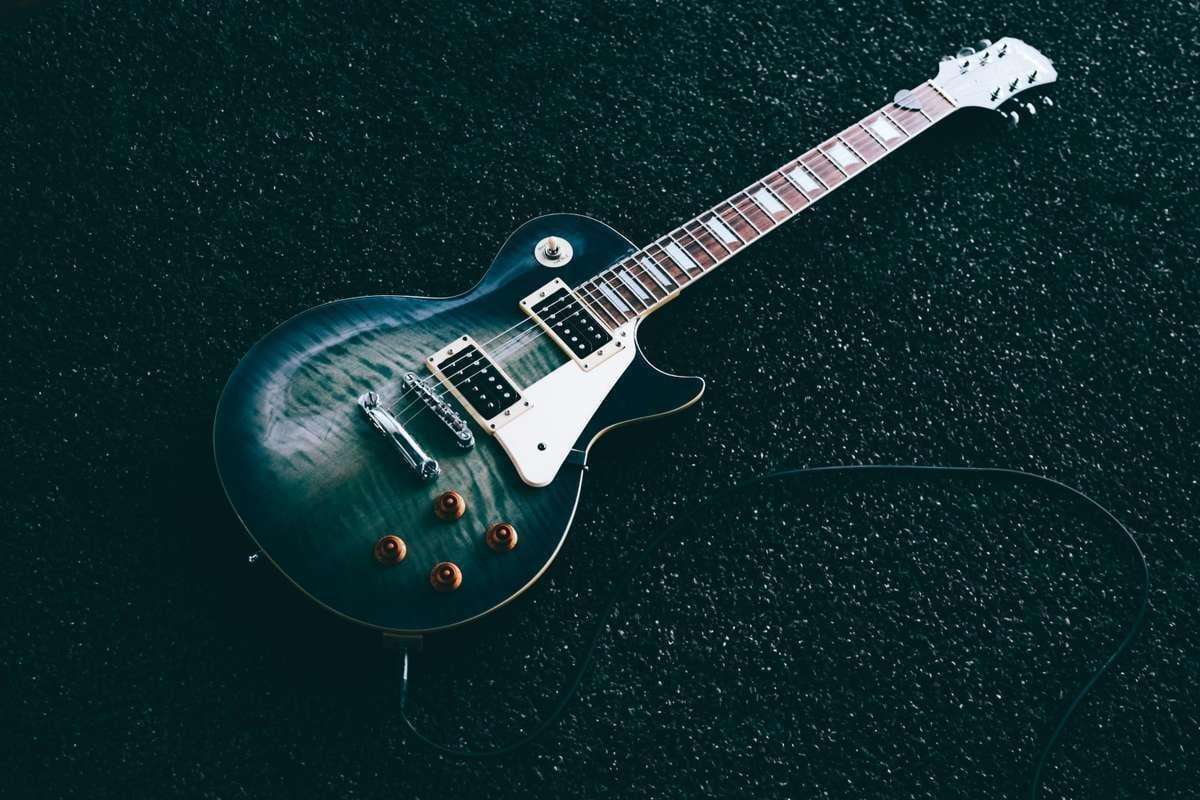
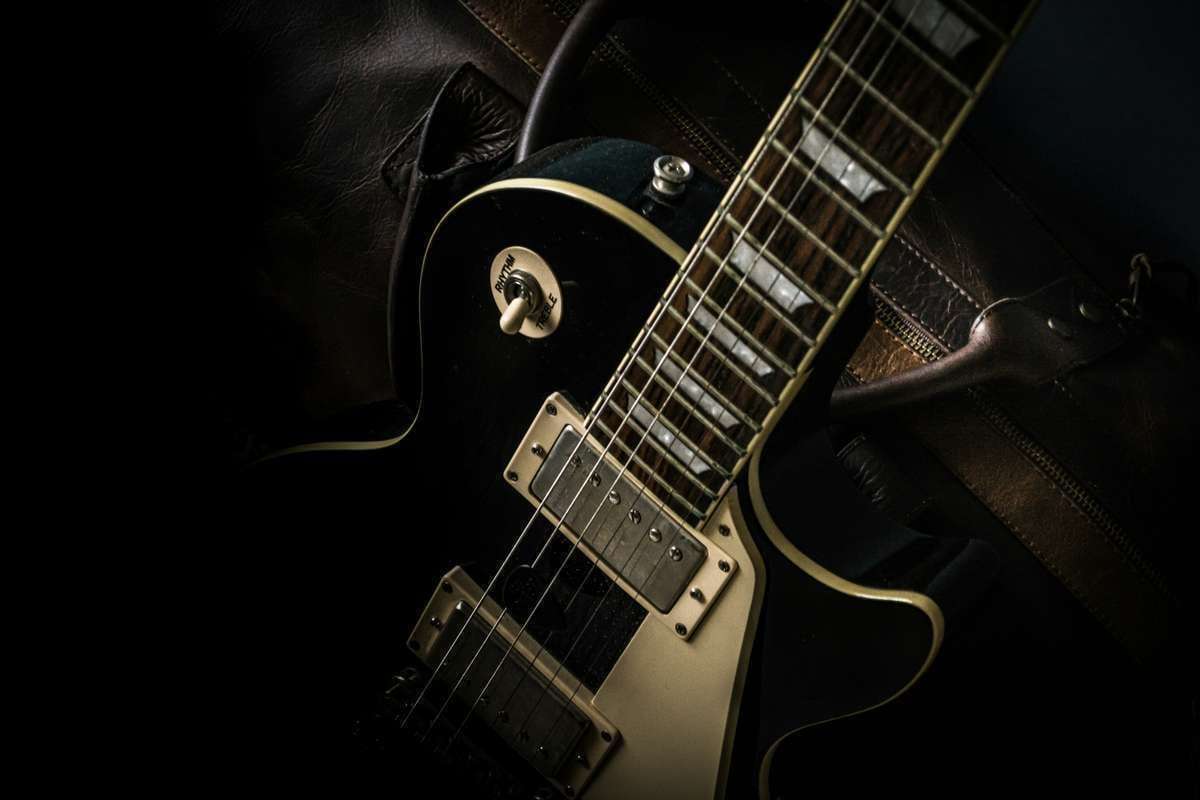
The best strings for Les Paul guitars depend on what you want to improve: bending comfort, the feel of the wound strings, resistance to corrosion or the cost of regular replacements. Start with the gauges you already like, then compare construction and pack options. That makes a useful comparison much easier than changing everything at once. Quick answer: For standard tuning, Ernie Ball Regular…
Keep Reading →
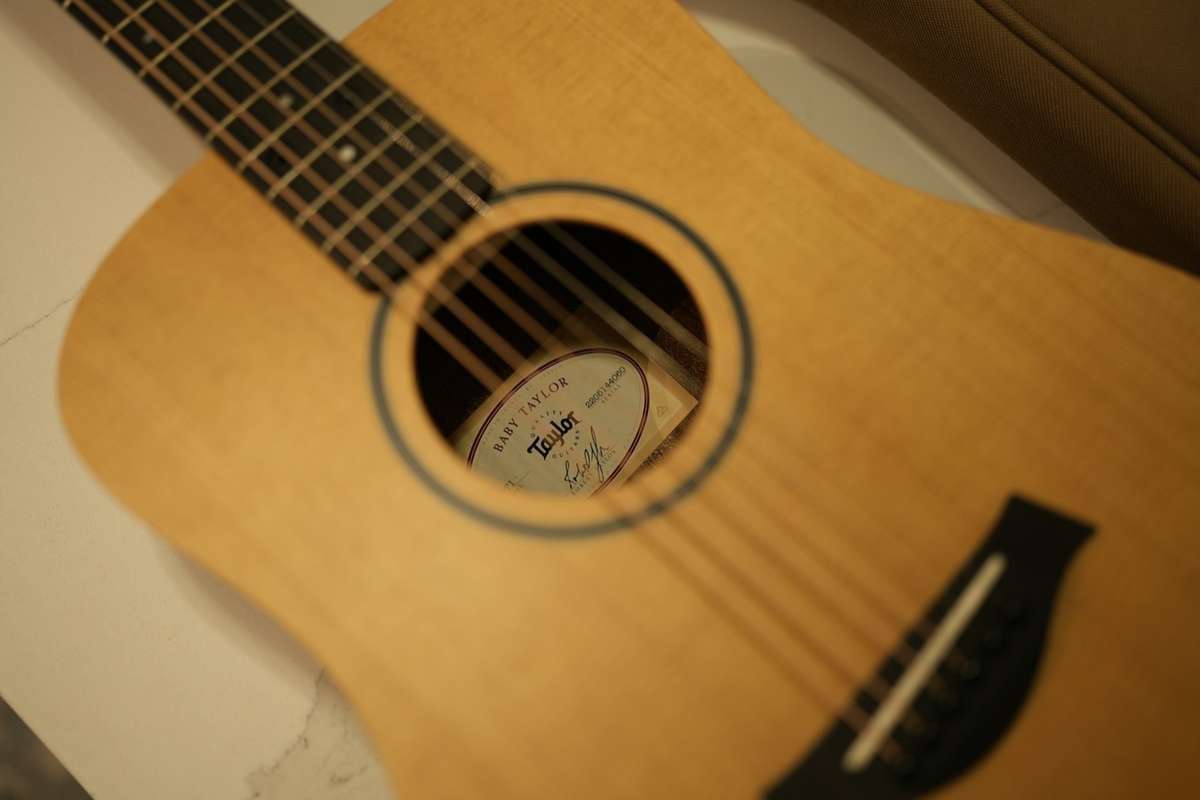
Taylor Serial Numbers at a Glance Taylor has used four serial number systems since 1975. Count the digits first — that tells you which one you are reading: | Digits | Years | What it encodes |
| :----- | :----------------- | :------------------------------------------- |
| 10 | Nov 2009 – present | Factory, full build date, daily sequence |
| 1…
Keep Reading →
Quick answer: Martin serial numbers are simple sequential numbers with no letter codes — find yours stamped on the neck block (look through the soundhole where the neck meets the body). Numbering started in 1898 (#8,348 was the last serial that year) and runs in one series to #3,043,480 at the end of 2025. Little Martin (LX) and Backpacker guitars have their own charts. Enter your number in the…
Keep Reading →
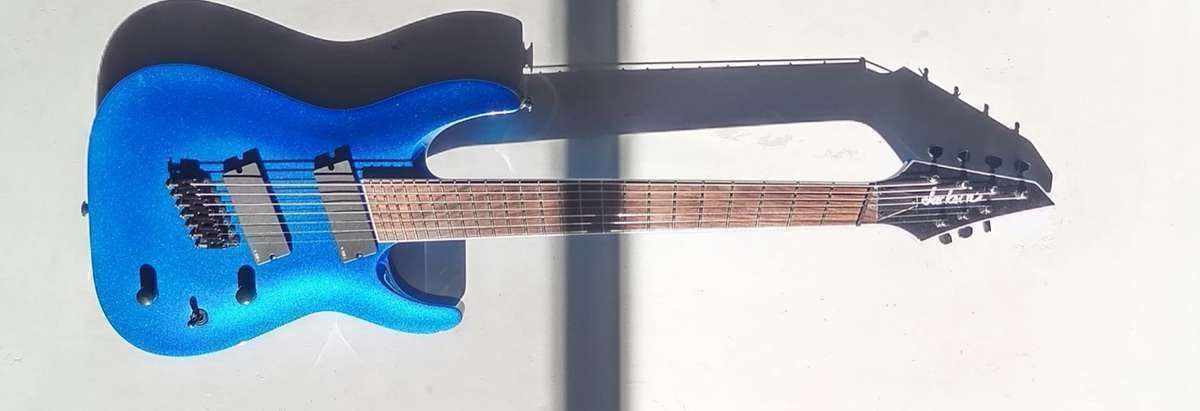
What's Next? Jackson & Charvel Setup Guide Action height guide Truss rod guide My Gear Garage Garage Pro Jackson Serial Number Lookup & Checker: Decode Your Guitar Instantly A Jackson serial number lookup is the fastest way to identify when and where your guitar was made. Whether you need a Jackson guitar serial number lookup for a Randy Rhoads, Soloist, Dinky, or Kelly, our free tool decodes it…
Keep Reading →
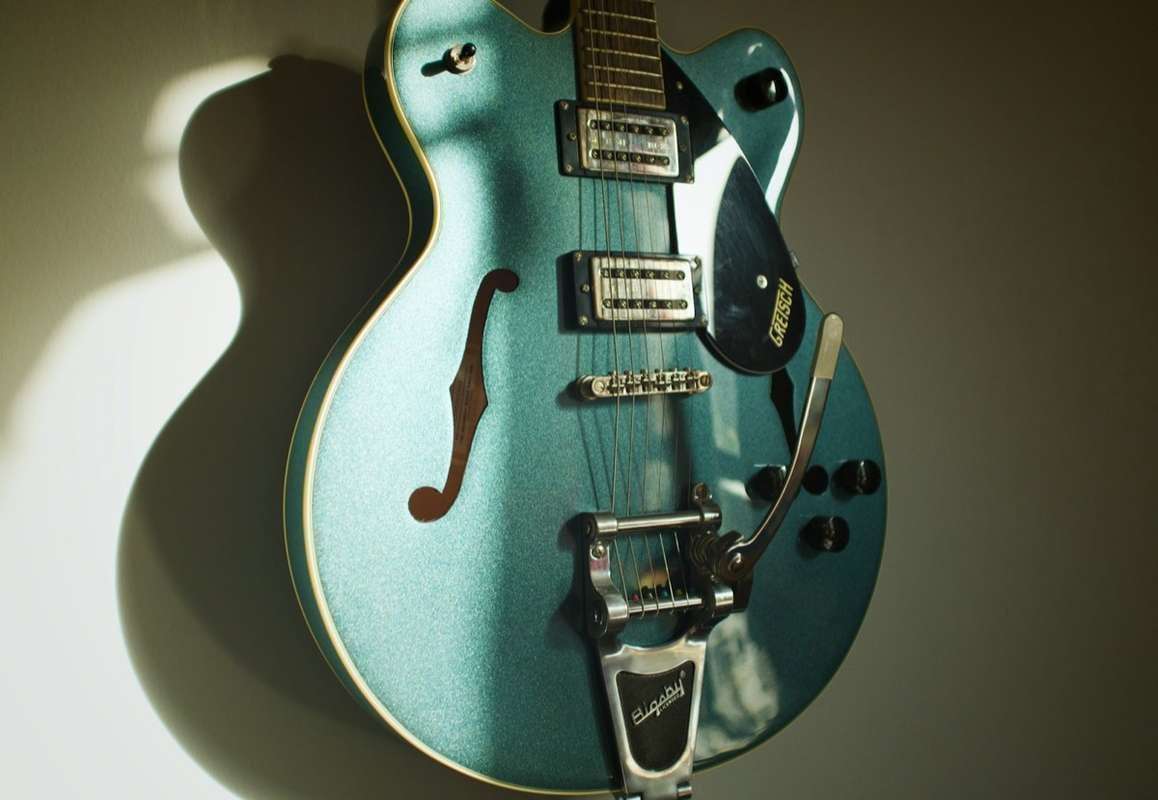
What's Next? Setup Specs Lookup Action height guide Truss rod guide My Gear Garage Garage Pro Gretsch Serial Number Lookup & Checker: Decode Your Guitar Instantly A Gretsch serial number lookup is the fastest way to identify when your guitar was made. Whether you need a Gretsch guitar serial number lookup for an Electromatic, a White Falcon, a 6120, or a Country Gentleman, our free tool decodes it…
Keep Reading →
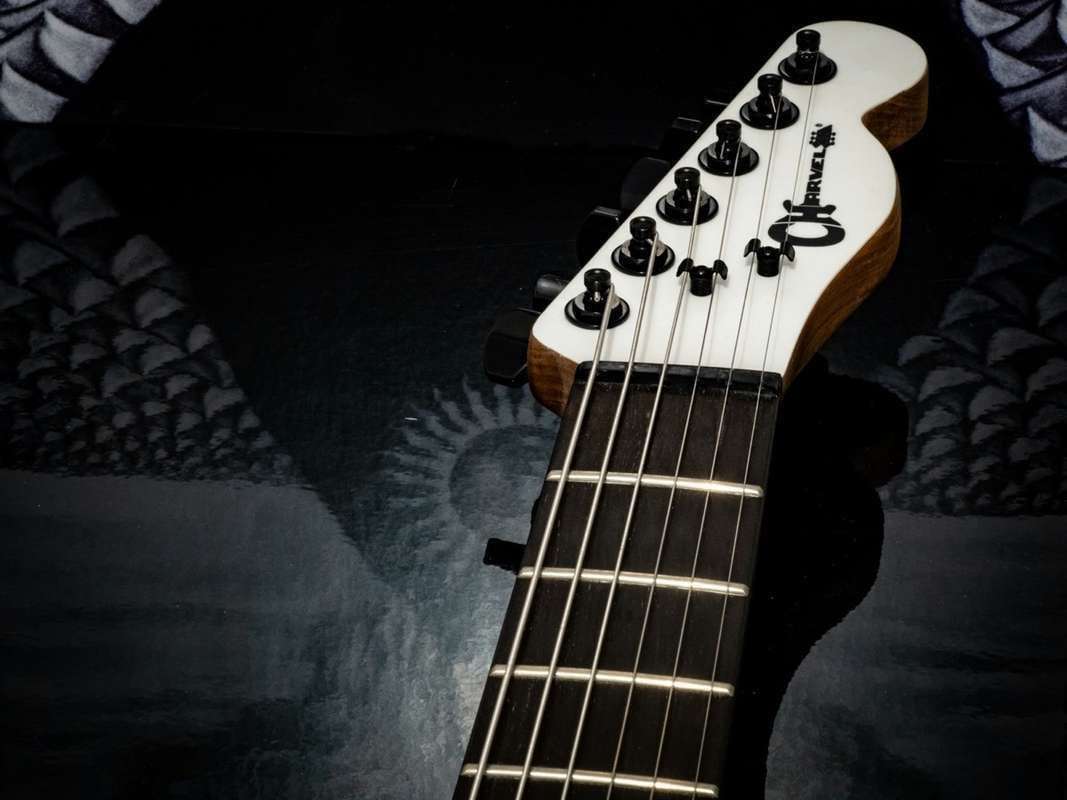
What's Next? Jackson & Charvel Setup Guide Action height guide Truss rod guide My Gear Garage Garage Pro Charvel Serial Number Lookup & Checker: Decode Your Guitar Instantly A Charvel serial number lookup is the fastest way to identify when and where your Charvel guitar was built. Whether you need a Charvel guitar serial number lookup for a San Dimas original, a So-Cal, or a Pro-Mod, our free tool…
Keep Reading →
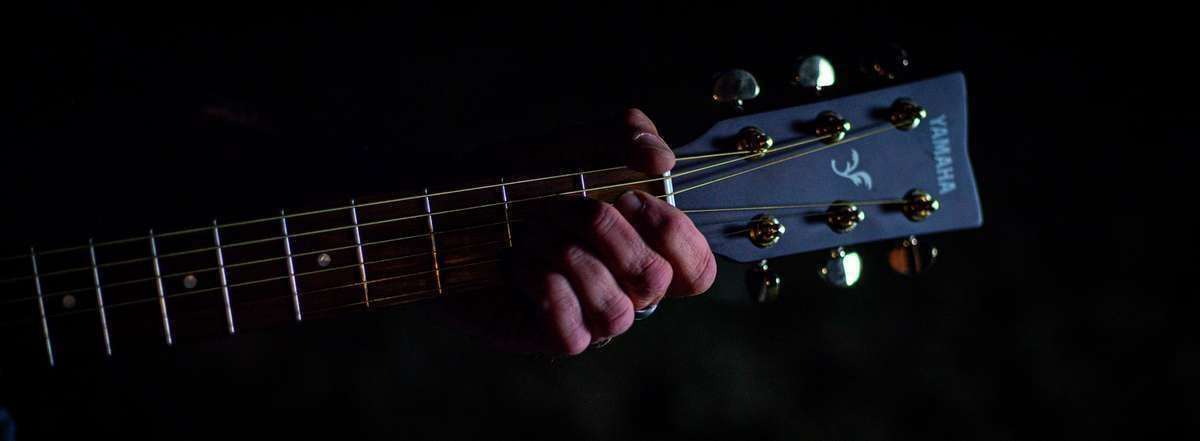
Quick answer: A Yamaha guitar serial number can suggest a production date, but the format and country label must be checked together. Some letter codes repeat across decades, and identical patterns occur in more than one factory. Enter the full serial above, compare any alternative results, and use the model and physical markings to narrow the date. What's Next? Acoustic setup guide Setup Specs…
Keep Reading →
Quick answer: Most PRS guitars — USA Core, S2, and SE — have the serial number on the back of the headstock; bolt-on CE, EG, and Swamp Ash Special models carry it on the neck plate, and USA acoustics use a label inside the soundhole. Each production line uses a different format, with coverage from 1985 to present. Enter your number in the free checker above for an instant year, country, and model…
Keep Reading →
Quick answer: Find your Squier serial number on the back of the headstock — older Korean models may have it on the neck plate, early Japanese models on the neck heel. Modern serials use factory letters plus a 2-digit year code (ICS19 = 2019 Indonesia Cort, CY09 = 2009 China). Production spans 1982–present across Indonesia, China, Korea, and Japan. Enter it in the free checker above for an instant…
Keep Reading →
Quick answer: Find your Ibanez serial number on the back of the headstock (older bolt-on models may have it on the neck plate; acoustics on a label inside the soundhole). The first letter identifies the factory and format: F = FujiGen Japan, C/S/W/P = Korea, I = Indonesia, Z/K = China, and vintage letters A–J = 1975–1984 Japan. Enter it in the free checker above for an instant year, or match it…
Keep Reading →
Quick answer: Your Gibson serial number is usually stamped on the back of the headstock; on acoustics it may be on a soundhole label or neck block. For 8- and 9-digit serials (1977 to present), the 1st and 5th digits give the year and a ranking of 500+ means Nashville. Enter it in the free checker above for an instant year and factory, or match it against the format tables below. On this page…
Keep Reading →
What's Next? Epiphone Hub Epiphone Setup Guide Best Epiphone strings My Gear Garage Garage Pro Epiphone Serial Number Lookup: Decode Your Guitar Instantly An Epiphone serial number lookup is the fastest way to identify when and where your guitar was made. Epiphone has produced guitars in Japan, Korea, China, Indonesia, and even the USA since the 1970s—and each factory used different serial formats…
Keep Reading →
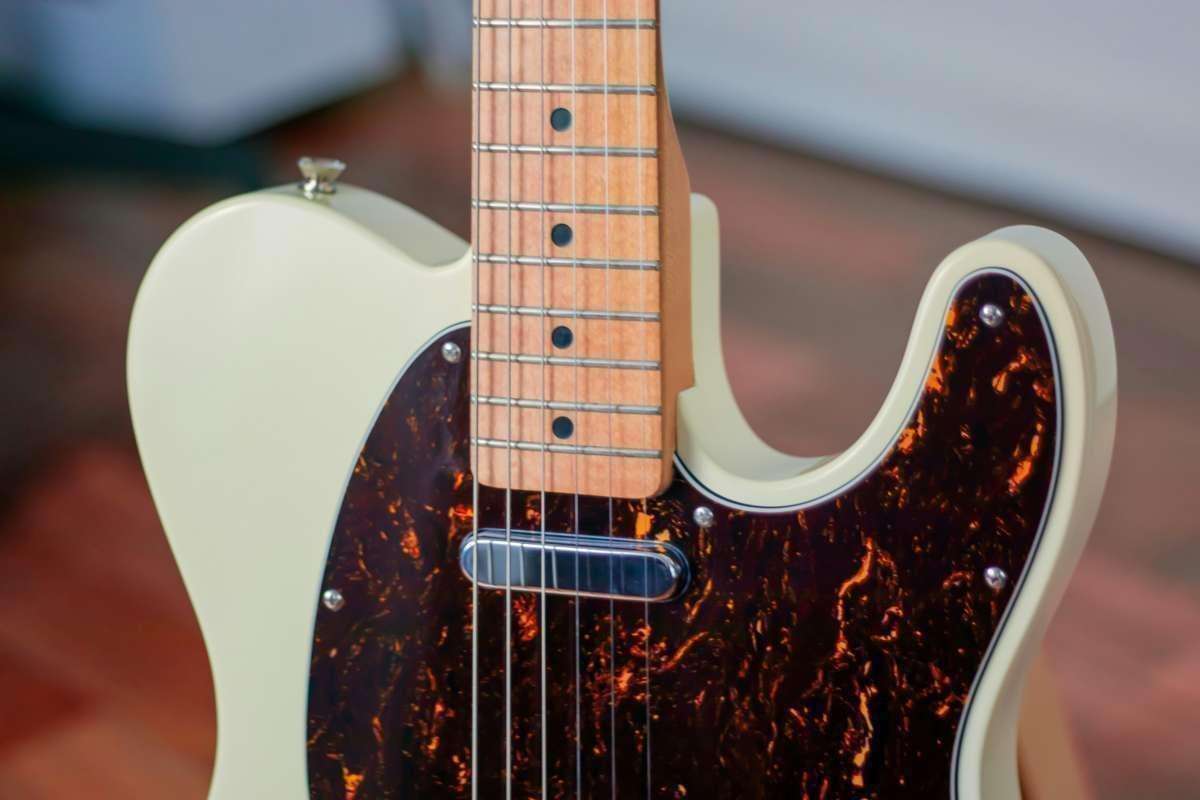
Once pickup height is set, use the Telecaster intonation guide to check fretted notes and adjust the correct bridge saddles. Telecaster Pickup Height: The Complete Guide to Dialing In Your Tone Getting your Telecaster pickup height right is one of the simplest, most impactful adjustments you can make — and it costs nothing. The Telecaster's two pickups are fundamentally different from each other…
Keep Reading →
Getting your Jazzmaster pickup height right is one of the easiest ways to unlock the full potential of this iconic offset guitar. Whether you're chasing thick shoegaze walls, clean jazz voicings, or bright surf tones, the distance between your pickups and strings has a massive impact on output, clarity, and sustain. The Jazzmaster's wide, flat-wound pickups respond differently to height changes…
Keep Reading →
Use the tool above to get a personalized string gauge recommendation and top string set picks for your guitar, playing style, genre, and tuning. Below we explain why string gauge matters, how to choose by model and style, and what to do when you change gauges. Quick answer: The best string gauge for you depends on your guitar model, whether you play rhythm or lead, your genre, and your tuning. For…
Keep Reading →
Getting Stratocaster neck relief right is one of the biggest playability upgrades you can make. Too little relief and you'll hear fret buzz, especially in the middle of the neck; too much and the action feels stiff. This guide gives you Strat-specific relief specs, a step-by-step method, and safety best practices so you can adjust with confidence. For a complete setup (action, pickups, intonation…
Keep Reading →
Choosing between Fender vs Squier is one of the first decisions many guitarists face. Is Squier a Fender? What's the real Squier vs Fender difference—and does it matter for you? This guide compares build quality, pickups, hardware, price, and resale value so you can decide with confidence. Short answer: Squier is Fender's budget brand. Squier guitars are real Fender-licensed instruments that share…
Keep Reading →
The American vs Mexican Fender question is one of the most common in the Fender world. Is a USA Fender worth twice (or more) the price of a Mexican-made model? What are the real differences between American and Mexican Fenders—and who should choose which? This guide compares build quality, pickups, hardware, fretwork, and value so you can decide. Short answer: Mexican Fenders (MIM)—like the Player…
Keep Reading →
Choosing the right Stratocaster string gauge isn't just about light vs. heavy — it's about matching your strings to the way you actually play. A blues player digging into bends with the vibrato arm needs a different gauge than a country picker snapping hybrid-picked arpeggios, and the Strat's tremolo system adds another variable: string tension directly affects bridge balance and tuning stability…
Keep Reading →
Choosing the right Telecaster string gauge isn't just about light vs. heavy — it's about matching your strings to the way you actually play. A blues player digging into bends on the 15th fret needs a completely different gauge than a country picker snapping hybrid-picked arpeggios at the 3rd fret. The Telecaster's 25.5" scale length, single-coil pickups, and bright tonal character mean gauge…
Keep Reading →