Fender Player Series Value Guide: Player & Player II Worth
Find out what Fender Player Series guitars are worth in 2026. Compare Player, Player Plus, and Player II used values, condition impact, and the Made in Mexico value proposition.
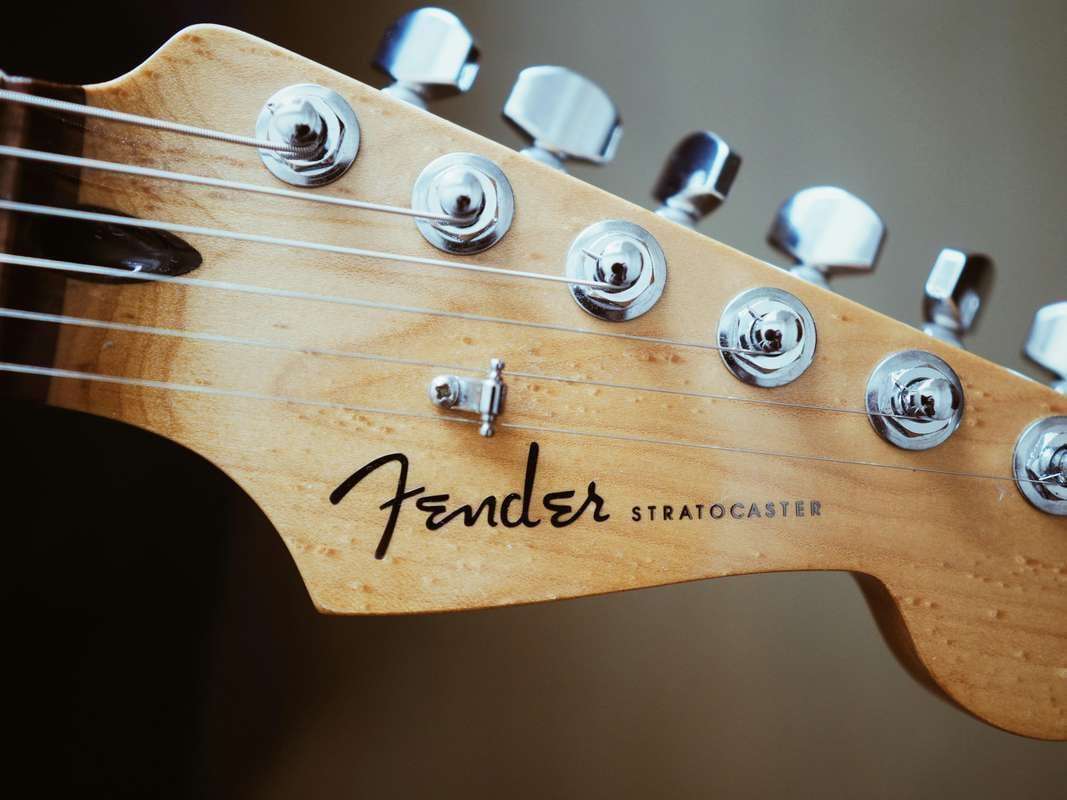 The Fender Player Series is the modern gateway to real Fender tone. Used prices depend on which generation you own, where it was made, and how original it remains.
Fender Player Series Value Guide: Player, Player Plus & Player II Worth
Fender Player Series value sits at the center of the used electric guitar market in 2026. These are the instruments most players buy first, sell first, and compare every other Fender against. Whether you own a 2018 Player Stratocaster, a 2021 Player Plus Telecaster, or a brand-new Player II, the question is the same: what is it actually worth today?
This guide covers all three generations of the modern Player line. You will learn how Player, Player Plus, and Player II models differ, why the Made in Mexico value proposition matters, and how condition swings the selling price. We will also look at the used market in practical terms, so you can price your guitar confidently or spot a fair deal when buying.
If you already have a serial number, run it through the free Fender serial number decoder to confirm the year and factory. Then come back here to match that information to real-world value.
What Is the Fender Player Series?
The Player Series is Fender's current entry-level line for players who want a genuine Fender instrument without paying American-made prices. It replaced the Mexican Standard Series in 2018 and covers the core models: Stratocaster, Telecaster, Jazzmaster, Jaguar, Mustang, Precision Bass, and Jazz Bass.
The Original Player Series (2018–2024)
The original Player Series launched in 2018 with production still in Ensenada, Mexico. Updates included 22-fret necks, a 9.5-inch fingerboard radius, Alnico pickups, and more consistent finishes. These guitars were aimed at intermediate players and gigging musicians who wanted reliable Fender tone at a mid-range price.
Player Plus (2021–2024)
The Player Plus line sat above the standard Player models with features normally found on more expensive American instruments: noiseless pickups, locking tuners, a 12-inch fingerboard radius, rolled edges, and a push-pull tone pot. These upgrades made Player Plus guitars hold value better than standard Player models on the used market.
Player II (2024–present)
The Player II line replaced both the original Player and Player Plus lines in 2024. It brought improved fit and finish, upgraded bridges on many models, refined hardware, and additional fingerboard and color options. Because it is the current line, used Player II guitars are still relatively rare and tend to sell closer to retail price than older generations.
Player Series Value by Generation
Used Player Series prices fall into clear brackets based on generation and condition. These are ballpark ranges, not exact figures. Real prices move with local demand, included accessories, and whether the original case, tags, and paperwork are present.
Original Player Series Used Values
The original Player Series has a stable used price. Clean examples sell in a predictable band, with limited colors commanding small premiums. Heavily worn instruments, modified guitars, and examples without a case sell at the lower end.
A standard Player Stratocaster or Telecaster in excellent condition with the original gig bag typically lands in the middle of the used range. Discontinued colors push the price higher, while modified pickups or replaced hardware pull it lower.
Player Plus Used Values
Player Plus guitars retain more value than standard Player models because the upgrades are desirable. On the used market, a Player Plus in very good condition often sells closer to the original retail price than a comparable standard Player. If you are buying, compare the used Player Plus price to a new Player II. Sometimes the gap is small enough that the new instrument makes more sense.
Player II Used Values
Player II guitars are still recent enough that used supply is limited. Most sellers price them only slightly below the cost of a new one, especially in excellent condition with all original materials. As more Player II guitars enter the used market, prices will settle closer to the 60–70 percent of retail range that defines the original Player Series today.
Player vs Player Plus vs Player II: Which Holds Value Best?
Value retention is not just about the original price. It is about what buyers want three to five years later.
Original Player
The original Player Series depreciates like most mass-produced electrics. New guitars lose value immediately after purchase, then settle into a stable used range after about two years. The good news is that the floor is fairly solid. A working Player Stratocaster or Telecaster in decent condition will almost always find a buyer quickly, which matters more than raw appreciation for a working instrument.
Player Plus
Player Plus models hold value better because the upgrades reduce the incentive to buy new. A used Player Plus with noiseless pickups and locking tuners competes well against a new standard Player II, depending on the buyer's priorities. That keeps resale demand higher and prices steadier.
Player II
It is too early to call long-term value for Player II, but early signs suggest it will land between the original Player and Player Plus in retention. The improved fit and finish justify a small used premium over the original line, while the higher retail price leaves more room for depreciation than the Player Plus had.
The Made in Mexico Value Proposition
Fender's Ensenada factory has been producing guitars since the early 1990s. The modern Player Series represents the peak of that operation in terms of consistency and feature set for the price.
Why MIM Fenders Are Popular
Made in Mexico Fenders deliver the essential Fender experience at roughly half the price of an American-made equivalent. The wood, hardware, and pickups are not identical to American models, but the design language, playability, and tone are close enough for most players. For gigging musicians, students, and home players, the value proposition is obvious.
The Player Series also benefits from modern manufacturing. CNC machining, better fret leveling, and improved quality control mean that a 2020 Player Series guitar often plays better out of the box than a 1990s Mexican Standard did after a setup.
How MIM Affects Resale Value
Made in Mexico guitars do not appreciate like vintage American instruments, but they do not collapse either. The used market for Player Series guitars is deep and liquid. There are always buyers, which means you can sell quickly at a fair price if you price realistically.
The key is to avoid comparing your Mexican Player Series to American Professional or American Standard models. They are different products with different buyer pools. A Player Series guitar is worth what the MIM market says it is worth, not what a Corona-built American guitar sells for.
Condition Tiers and Value Impact
Condition is the single biggest variable in Player Series pricing. Use this table as a general guide. Percentages are approximate and applied to the current market value for a clean, original example in the same generation and model.
| Condition | Description | Typical Value Impact |
|---|---|---|
| Mint/NOS | Unplayed, original tags, plastic still on pickguard, case candy complete | 100% of top market value |
| Excellent | Light play wear, no dings, all original parts, clean fretboard | 85–95% |
| Very Good | Normal play wear, minor dings, light pick scratches, all original | 70–85% |
| Good | Moderate wear, possible small finish chips, minor hardware tarnish | 50–70% |
| Fair | Heavy wear, noticeable fret wear, non-original parts, repairs | 30–50% |
| Poor | Major damage, non-functional electronics, cracked neck, parts guitar | 10–30% |
For modern guitars like the Player Series, the gap between Excellent and Very Good is often smaller than for vintage instruments. Buyers expect a used Player guitar to show some signs of play. What they do not want is abuse, neglect, or amateur modifications.
What Affects Player Series Value
Beyond condition and generation, several specific factors move the price up or down.
Originality
All-original guitars sell faster and for more money. Keep the original pickups, bridge, tuners, and pickguard if you ever decide to modify your Player Series guitar. If you have already changed parts, include the originals in the sale. A buyer who can return the guitar to stock will pay more than one who has to source missing parts.
Color and Finish
Standard sunburst, black, and white Player Series guitars are common and priced accordingly. Discontinued colors, limited runs, and less common finishes can add 10–20 percent. Polarizing finishes sometimes work the opposite way: a color that was unpopular new can become desirable used if it becomes rare.
Included Accessories
A Fender gig bag is standard for most Player Series guitars, but a hardshell case adds real value. Original hang tags, manuals, and warranty cards also help. If you bought the guitar new, keep everything. It matters more than most sellers think.
Fret Condition
Modern Player Series guitars have decent frets, but fret wear is still a cost. A guitar that needs a fret level, crown, and polish is worth less than one with plenty of meat left. In extreme cases, a refret can cost more than the guitar is worth, so honesty about fret condition is essential when pricing or buying.
Electronics
Scratchy pots, loose jacks, and noisy switches are fixable, but they reduce value because the buyer sees immediate work. If you are selling, clean the electronics or have a tech do a quick service. If you are buying, factor the cost of a setup and electronic cleaning into your offer.
Where Player Series Guitars Sell Best
The used market for Player Series guitars is active on every major platform.
Reverb
Reverb is the best place to sell a Player Series guitar. The audience understands Fender, the fees are reasonable, and sold listings give you accurate comps. Price based on recently sold examples rather than active listings.
Facebook Marketplace and Craigslist
Local sales work well for standard colors and common models. You avoid shipping and fees, but you also deal with lowball offers and no-shows. Meet in a safe public place and accept cash or a verified digital payment.
Guitar Center and Local Shops
Shops typically offer 40–60 percent of their expected resale price. That is low, but it is instant. It makes sense if you need cash quickly or do not want to ship.
Trade-Ins
Trading a Player Series guitar toward another instrument is often the easiest path. You will not get top dollar, but you avoid the hassle of selling. If you are trading up to a higher-end Fender, the convenience can be worth the lower value.
Buying a Used Player Series Guitar
If you are shopping for a used Player, Player Plus, or Player II, the same rules apply in reverse.
Verify the Year and Model
Use the Fender serial number decoder to confirm the year and factory. Mexican Player Series guitars use MX and MN prefixes. The decoder will tell you whether the serial matches the seller's description.
Inspect for Modifications
Look at the pickguard screw patterns, pickup routes, and bridge saddles. Player Series guitars are commonly upgraded with aftermarket parts. Those upgrades are not bad, but they change the value calculation. Ask for photos of the control cavity and neck pocket if the listing is vague.
Compare to New Prices
Before you buy used, check the current retail price of a new equivalent. Sometimes Fender promotions or clearance sales make a new Player Series guitar only slightly more expensive than a used one. In those cases, the warranty and return policy may be worth the small premium.
Internal Links and Next Steps
- Fender Serial Number Lookup - Confirm the year and origin of any Player Series guitar
- Guitar Worth Calculator - Get an instant used-market range for your Fender
- Guitar Price Estimate - Personalized valuation with low, mid, and high ranges
- Setup Specs Lookup - Factory measurements for Player Series models
- Fender Model Identification - Confirm which Player generation you own
- Fender MX-Series Serial Numbers - Decode Mexican-made Fender serials from the 1990s onward
- Fender MN-MZ Series Serial Numbers - Decode modern Mexican Fender serial numbers
FAQ
How much is a Fender Player Series guitar worth?
A used Fender Player Series guitar is typically worth 50–70 percent of its original retail price, depending on generation, condition, and originality. Player Plus models hold value better than the original Player Series, while Player II guitars are still new enough that used prices stay closer to retail. Condition is the biggest single factor.
What is the difference between Player, Player Plus, and Player II?
The original Player Series (2018–2024) is the standard Mexican-made Fender line. Player Plus (2021–2024) adds noiseless pickups, locking tuners, a 12-inch radius, and modern features. Player II (2024–present) replaced both lines with improved fit, finish, and hardware across the entire range.
Are Mexican-made Player Series guitars good?
Yes. Fender Player Series guitars are made in Ensenada, Mexico, and offer strong build quality, modern playability, and authentic Fender tone at a mid-range price. They are widely used by gigging musicians, students, and home players.
Do Fender Player Series guitars hold their value?
Player Series guitars hold value reasonably well for mass-produced instruments. They do not appreciate like vintage American Fenders, but the used market is deep and liquid. Player Plus models tend to retain slightly more value than standard Player models due to their upgraded features.
How can I tell what year my Player Series Fender was made?
Use the Fender serial number decoder to identify the year and factory. Mexican Player Series guitars use MX and MN prefixes. The decoder will match your serial to the correct production year and country.
What affects the value of a used Fender Player Series guitar?
The main factors are condition, originality, generation, color, included accessories, and fret wear. All-original guitars in excellent condition with a hardshell case sell for the most. Modifications, missing original parts, and heavy wear reduce value.
Should I buy a used Player Plus or a new Player II?
It depends on price and features. A used Player Plus offers noiseless pickups and locking tuners at a discount. A new Player II has a warranty, newer hardware, and the latest Fender refinements. Compare the used Player Plus price to the current retail price of a Player II before deciding.
Where is the best place to sell a Fender Player Series guitar?
Reverb is usually the best platform because it reaches guitar-focused buyers and provides reliable sold-listing data. Local marketplaces work for quick cash sales, and guitar shops offer instant trade-in value but at a lower price.
Does a Fender gig bag or hardshell case add value?
Yes. Player Series guitars typically ship with a gig bag, so including the original bag helps. A hardshell case adds more value, especially for shipping or protecting the instrument. Original hang tags, manuals, and warranty cards also help a sale.
Do upgrades increase the value of a Player Series Fender?
Sometimes, but usually not by the full cost of the upgrade. Quality pickups or tuners may appeal to certain buyers, but collectors and value-focused buyers prefer all-original instruments. Keep original parts and include them with the sale to maximize value.
Conclusion
Fender Player Series value is straightforward once you know which generation you own and how to judge condition honestly. The original Player Series offers the most stable used pricing, the Player Plus commands a small premium for its modern features, and the Player II is still finding its place on the used market.
Start by confirming your guitar's year and origin with the Fender serial number decoder. Then use the Guitar Worth Calculator for a quick range, or get a personalized Guitar Price Estimate if you need a precise number for selling, trading, or insurance.
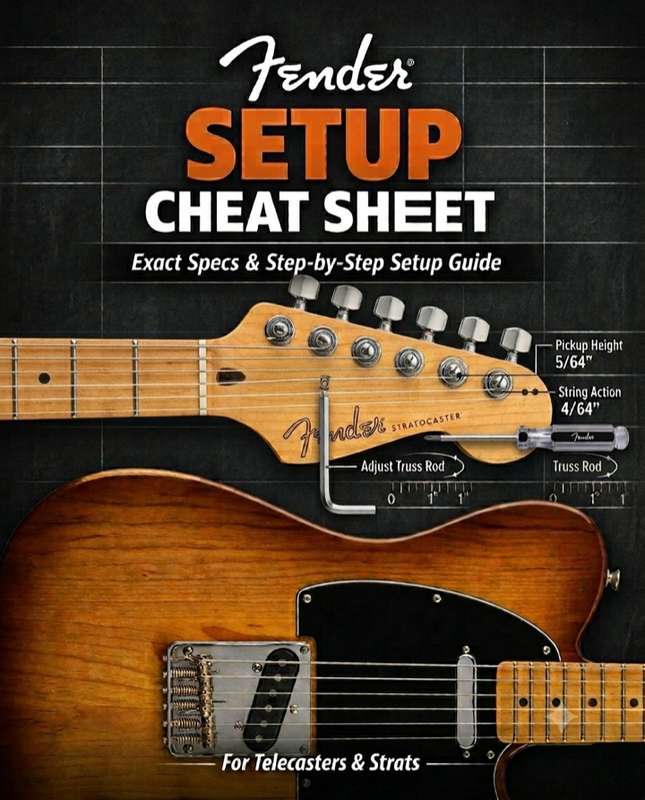
If you are keeping your Player Series guitar, a proper setup is the easiest way to make it feel more valuable than it costs. The Fender Setup Guide puts factory specs on one printable page, so you can dial in action, relief, intonation, and pickup height without guessing. Whether you are buying, selling, or just enjoying the instrument, the Player Series remains one of the best value propositions in the Fender lineup.