Fender American Standard Value Guide: 1980s- s Strat & Tele Prices
Find out what a Fender American Standard Stratocaster or Telecaster is worth. Covers 1980s-2010s models, condition impact, originality, and used-market value ranges.
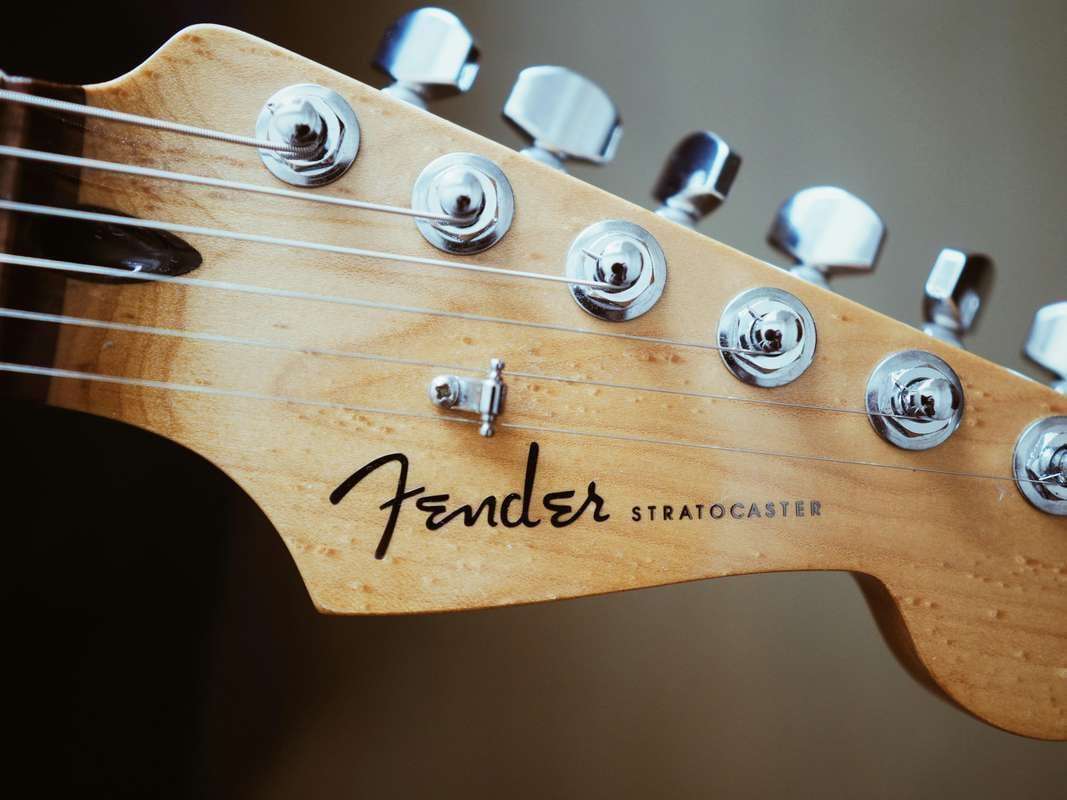 The Fender American Standard line was the flagship USA production series from 1986 through 2016. Value depends heavily on year, condition, originality, and whether it still has its original case and paperwork.
Fender American Standard Value Guide: 1980s-2010s Strat & Tele Prices
The Fender American Standard line is one of the most dependable used-market bets in the guitar world. Built in Corona, California from 1986 through 2016, it was Fender's flagship production series for players who wanted USA build quality without the vintage price tag. Condition and originality swing the price more than most sellers expect.
This guide covers every major American Standard generation, what separates a player-grade example from a collector-grade one, and how to price yours against the current used market. Start by running your serial number through the free Fender serial number decoder to confirm the production year and generation.
What Is a Fender American Standard?
The American Standard series replaced the simpler "Standard" line in 1986, shortly after Fender's sale from CBS. The goal was a modern, reliable USA production guitar with updated hardware, better fretwork, and more consistent neck pockets. For thirty years it sat at the top of Fender's regular production pyramid, and that reputation keeps used prices strong today.
The line was replaced by the American Professional series in 2017. That transition matters for valuation because the final American Standards and first American Professionals overlap in price on the used market.
American Standard Generations and Value Timeline
American Standard values cluster by generation more than by individual year. Four broad eras matter for pricing.
1986-1999: First-Generation American Standards
The earliest American Standards are the most collectible of the line. Early examples often have 21 frets, a 7.25-inch fingerboard radius, and a softer neck profile. By the mid-1990s, Fender had moved to 22 frets and a 9.5-inch radius on most models.
Clean examples from the late 1980s and early 1990s command the strongest prices within the line, especially with original cases and paperwork. Buyers seek them out for vintage-correct vibe without the five-figure price tag of a pre-CBS instrument.
2000-2008: Second-Generation Refinements
The 2000s brought the Delta Tone circuit on many Strats, rolled fingerboard edges, improved sealed tuners, and more consistent neck finishes. Telecasters from this era gained better-cut nut slots and more consistent saddle geometry.
These are plentiful on the used market, so prices are generally lower than the first generation. For a working player, a 2000s American Standard is often the sweet spot: modern enough to gig, old enough to have settled wood, and priced below both vintage instruments and current American Professional II models.
2008-2016: Third-Generation Upgrades
The 2008 redesign introduced a compound fingerboard radius on many models, Custom Shop-designed pickups, staggered tuning machines, and an improved bridge block. The necks feel faster and flatter than earlier American Standards. This generation also saw more finish options, including satin neck backs and limited colors.
Because these are the newest American Standards, they often compete directly with used American Professional guitars. Buyers tend to compare specs rather than just age.
2017 Onward: American Professional and Beyond
In 2017, Fender replaced the American Standard with the American Professional line, followed by the American Professional II in 2020. These are not American Standards, but they are the direct successors and they set the ceiling for used American Standard prices. A buyer with enough budget will often cross-shop a mint late American Standard against a used American Professional II.
Stratocaster vs Telecaster Value Patterns
Within the American Standard line, Stratocasters generally outsell Telecasters and often command slightly higher prices on the used market. That said, clean Telecasters in uncommon colors can surprise you.
HSS Strats, left-handed models, and unusual finishes are always worth a closer look because scarcity can overcome the usual depreciation curve. For either model, the most valuable configuration is usually the classic one: sunburst or black finish, original fingerboard for the era, original pickups and hardware, and the original hardshell case.
What Drives American Standard Value
Four factors matter most when pricing an American Standard.
Originality
All-original guitars command the strongest prices. Collectors want the original pickups, bridge, tuners, pickguard, knobs, and output jack. Even reversible upgrades lower value unless the original parts are included. A replaced pickguard is a minor issue; a refinished body, shaved neck, or routed pickup cavity is a major one.
Condition
Condition is the single biggest value lever on a modern guitar. A mint American Standard with no player wear can sell for significantly more than the same guitar with buckle rash, dings, and fret wear. The condition tier table below gives concrete percentage ranges.
Year and Generation
Earlier first-generation American Standards typically carry a small premium, especially clean late-1980s and early-1990s instruments. Within the 2008-2016 generation, the final years sometimes overlap with American Professional pricing.
Case, Paperwork, and Provenance
An original hardshell case adds real value. Hang tags, warranty cards, manuals, and the tremolo arm matter too. Guitars sold without a case usually trade at a discount because the buyer has to budget for protection and shipping.
Condition Tier Table for American Standards
Use this table as a starting point. Percentages are approximate and apply to the current market value of an all-original, desirable model in that condition.
| Condition | Description | Typical Value Impact |
|---|---|---|
| Mint / NOS | Unplayed, original tags, no wear, case candy complete | 100% of top market value |
| Excellent | Light play wear, no significant dings, all original | 85-95% |
| Very Good | Normal play wear, minor dings, all original parts | 70-85% |
| Good | Moderate wear, possible minor repairs or touch-ups | 50-70% |
| Fair | Heavy wear, non-original parts, visible repairs | 30-50% |
| Poor | Major damage, non-functional, parts guitar | 10-30% |
For 1980s and 1990s American Standards, condition matters almost as much as on vintage instruments. For 2000s and 2010s examples, the gap between "excellent" and "good" is smaller but still meaningful. Always compare live listings of the same generation, model, and color.
American Standard vs Vintage vs Modern Fenders
The American Standard sits in a useful middle ground between vintage collectibles and current production guitars.
Vintage Fenders (Pre-CBS and CBS Era)
A 1960s Fender can be worth anywhere from several thousand dollars to six figures. American Standards do not compete with those prices. If you suspect your guitar is genuinely vintage, use the Fender serial number decoder and consider a professional appraisal. For context on the 1980s transition, see our Fender E-Series serial number value guide.
American Standards (1986-2016)
These are modern production instruments with vintage-inspired specs, built to be played. Clean early examples can approach the lower end of vintage-correct reissue pricing, while player-grade 2000s examples trade at working-player prices. The key advantage is predictability: parts are available, repairs are straightforward, and almost every tech knows how to work on them.
Modern Fenders (American Professional, Player Series, Vintera)
Current production lines have refined fretwork, consistent finishes, and modern features. A used American Standard will usually be priced below a comparable American Professional II and above a Mexican-made Player Series guitar. The choice usually comes down to neck feel and whether you want a "vintage" or "modern" instrument.
How to Identify Your American Standard
Before you can value the guitar, confirm exactly what it is.
Serial Number and Year
The serial number is the fastest clue. American Standards used E-series and N-series numbers in the 1980s and 1990s, Z-series numbers in the 2000s, and US-prefix numbers with a two-digit year code in later years. Run the serial through the Fender serial number decoder to get the production year and factory. Cross-reference with our E-Series, N-Series, Z-Series, and MX-Series guides if needed.
Model Identification Features
Look for "Made in U.S.A." on the headstock, the Corona factory association, and modern sealed tuners. Strats usually have a two-point tremolo, while Teles have a three-saddle or six-saddle bridge depending on the year. If you are unsure whether your guitar is a Standard, American Standard, or American Professional, our Fender model identification guide walks through the visual differences.
Checking Originality
Remove the neck and look at the neck pocket and body stamps. Check the pickup cavities for untouched solder joints, and look at the potentiometers for date codes within a year or two of the serial year. A clean, untouched American Standard is worth more than a modified one.
Used-Market Value Ranges
Exact prices move with the market, so this section gives condition-dependent guidance rather than fixed numbers. Compare at least three to five live sold listings on Reverb or a similar marketplace before setting a price.
1986-1999 American Standards
Clean, all-original first-generation examples in excellent condition usually trade at the top of the American Standard range. Player-grade examples with wear, modifications, or missing case candy trade lower. Rare finishes and early years can push a clean example above the typical band.
2000-2008 American Standards
This is the most common era on the used market. Excellent-condition Strats and Teles from this period typically fall in the working-player price band. Heavily modified guitars or those with significant finish wear can trade closer to parts-guitar territory.
2008-2016 American Standards
Late American Standards compete with used American Professional guitars. A mint late example with full case candy can approach the lower end of American Professional II used pricing. Limited colors and HSS configurations can add a small premium.
For a quick range, try our free guitar worth calculator. For a personalized valuation with low, mid, and high ranges, our Guitar Price Estimate report uses your exact model, year, and condition.
Setup and Maintenance Impact on Value
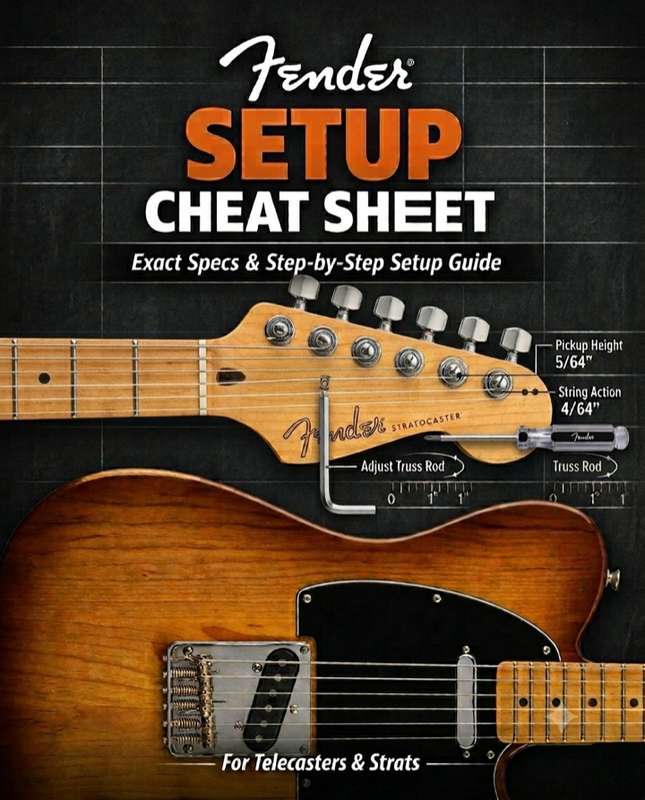
A guitar that plays well sells faster and often for more money. Typical American Standard setup targets are similar across generations:
- Neck relief: roughly 0.010 inches at the 7th fret with the string held at the 1st and last frets
- Action at the 17th fret: about 4/64 inches on the high E and 5/64 inches on the low E
- Pickup height: around 6/64 inches from the bottom of the low-E string to the bridge pickup pole piece, and 5/64 inches on the high-E side
These are starting points. For exact factory specs by model and year, use the Setup Specs Lookup or the printable Fender Setup Guide.
Common Value Mistakes
Sellers and buyers both make predictable errors with American Standards.
Overpricing because of age. An American Standard is not vintage just because it is from 1987. Age adds a small premium within the line, but it does not turn it into a pre-CBS collectible.
Ignoring originality. A seller who upgraded the pickups and refinished the body often expects full market value. Buyers will not pay it. Track every original part and include them in the sale.
Selling without a case. Listings without a hard case usually trade at a discount because the buyer has to source protection.
Underpricing rare specs. Unusual colors, left-handed models, and early transition-year examples can be worth more than standard finishes. Research sold listings before you list.
Internal Links and Next Steps
- Fender Serial Number Lookup - Decode any Fender or Squier serial instantly
- Guitar Worth Calculator - Get a market range for your year and model
- Guitar Price Estimate - Personalized low, mid, and high valuation report
- Setup Specs Lookup - Find factory measurements by model and era
- Fender Model Identification - Tell Standard, American Standard, and American Professional apart
- Fender E-Series Serial Numbers - Early American Standards sometimes share E-series serials
- Fender N-Series Serial Numbers - 1990s American Standard serial numbers
- Fender Z-Series Serial Numbers - 2000s American Standard serial numbers
FAQ
How much is a Fender American Standard worth?
It depends on generation, condition, originality, and accessories. Clean late-1980s and early-1990s examples usually command the highest prices. Modified guitars, missing cases, and significant wear reduce value. Use our guitar worth calculator and compare live sold listings.
What year did Fender introduce the American Standard?
Fender introduced the American Standard line in 1986, shortly after the CBS sale. It replaced the previous Standard line and remained the flagship USA production series until 2017.
What is the difference between American Standard and American Professional?
American Professional guitars replaced the American Standard line in 2017. They feature V-Mod pickups, a Deep C neck profile, narrow-tall frets, and improved hardware. American Standards have a more traditional feel. On the used market, American Professionals usually command slightly higher prices than equivalent-condition late American Standards.
Are American Standard guitars made in the USA?
Yes, Fender American Standard guitars were built in Corona, California. The headstock should show "Made in U.S.A." or the serial number should decode to the Corona factory. If unsure, run it through the Fender serial number decoder.
Is a 1980s American Standard Stratocaster valuable?
Clean, all-original late-1980s American Standard Stratocasters are the most sought-after examples in the line. They are not as valuable as 1960s vintage Strats, but they often outperform later American Standards on the used market.
What is the best year for Fender American Standard?
Many players prefer late-1980s and early-1990s examples for traditional feel and older wood. Late 2008-2016 models appeal to players who want modern features. The best year depends on whether you value vintage character or modern playability.
Do American Standard guitars hold their value?
American Standards hold value well compared to most mass-production guitars. They depreciate less than entry-level instruments and often plateau after the first few years. Early examples have appreciated modestly. Condition and originality are the biggest factors.
How can I tell if my Fender is an American Standard?
Check the headstock decal for "Made in U.S.A.," decode the serial number to the Corona factory, and look for American Standard hardware like modern sealed tuners and the two-point tremolo. If unsure, use the Fender model identification guide.
What does an original case add to an American Standard value?
An original hardshell case typically adds $75-150 to a modern American Standard and more for a vintage-correct case from the 1980s or 1990s. Original case candy adds a smaller premium.
Should I buy an American Standard or a vintage Fender?
Buy an American Standard for a reliable, gig-ready USA guitar with classic Fender tone at a used-market price. Buy a vintage Fender if you are a collector or tone purist with the budget for a pre-CBS or CBS-era instrument.
Conclusion
The Fender American Standard is one of the most sensible guitars in the used market. It offers USA build quality, classic Fender tone, and decades of proven reliability at a price that undercuts both vintage collectibles and current flagship models. Value is driven by generation, condition, originality, and the details collectors notice.
If you own one, start by decoding the serial number with the Fender serial number decoder, then confirm originality and condition. Compare live sold listings, run the free guitar worth calculator, and consider a personalized price estimate if you need documented numbers for insurance or a sale. Once you have your guitar, the Fender Setup Guide and Setup Specs Lookup will help you dial it in without guessing.