Fender Jazzmaster Value Guide: How Much Is It Worth?
Find what your Fender Jazzmaster is worth: identify the model, document condition and originality, and compare verified sales by region, currency and date.
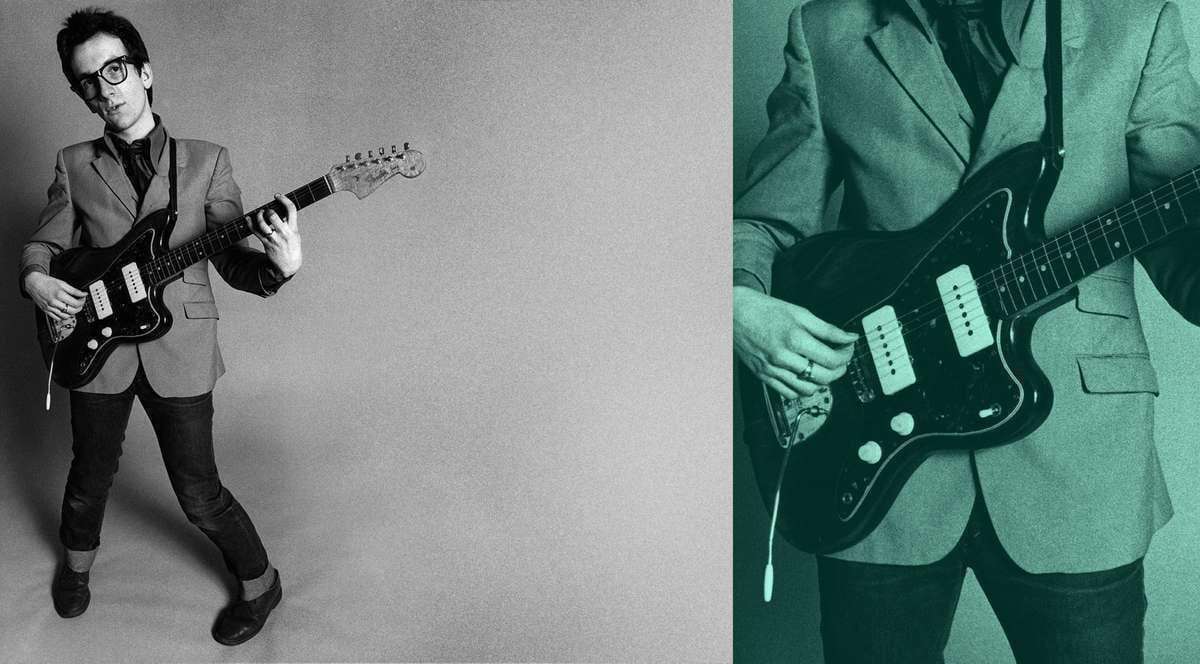 The bridge, pickups and controls help distinguish Jazzmaster versions before you compare prices.
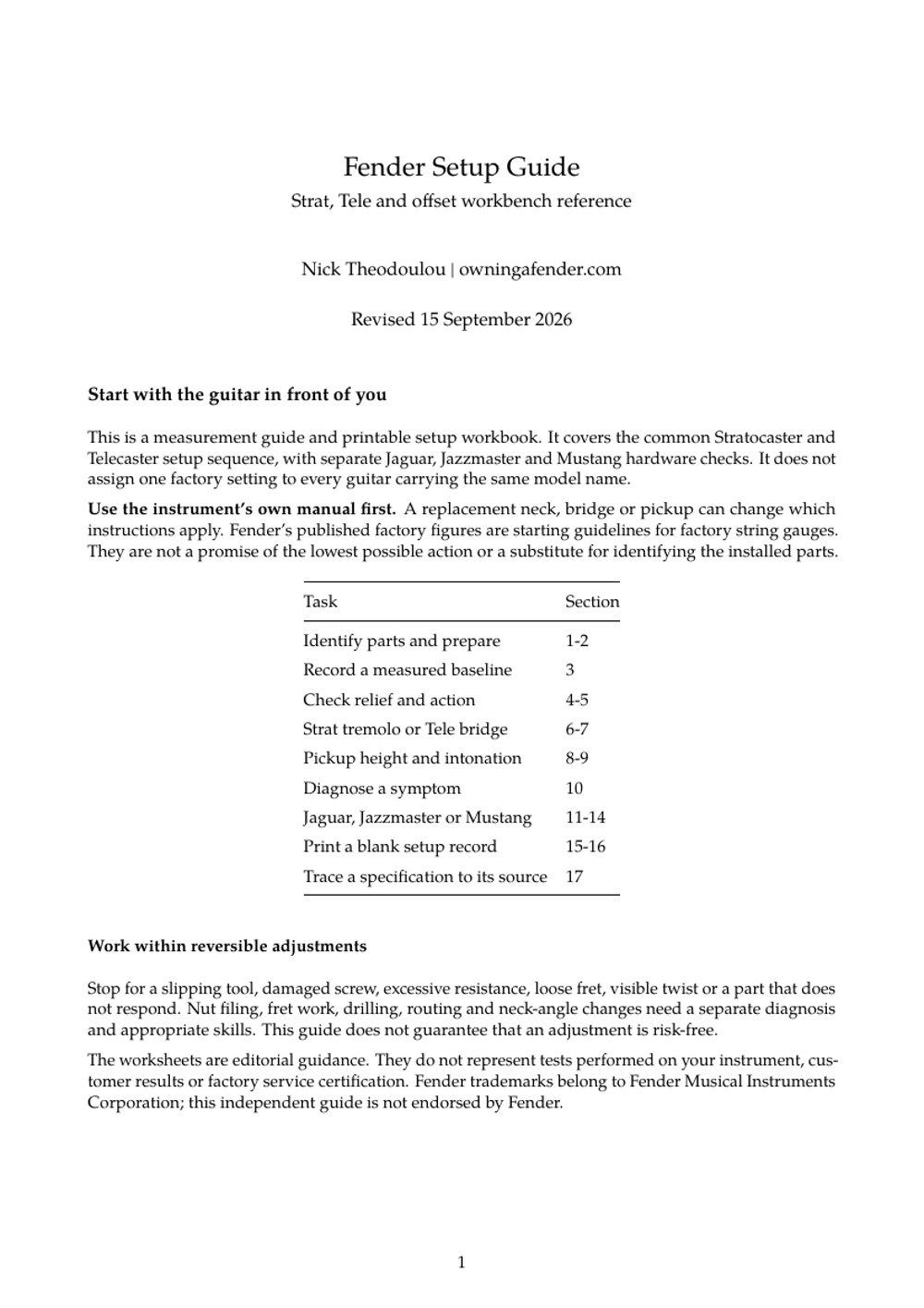
How much is my Jazzmaster worth? Start with the exact model, its condition and recent completed sales in your market. A vintage original, a modern reissue and a modified Player can look similar in a small photograph while needing entirely different comparisons.
If you want a quick market range, use our free guitar worth calculator or the Fender serial number decoder. For Jazzmaster-specific dating, see our Jazzmaster serial numbers guide. Treat any decoded date as a starting clue: serial lookup alone cannot authenticate a guitar or establish its exact model, originality or sale price.
Quick answer: Identify the series and production period, record the installed parts and faults, then compare recent sales of that same version in the same region and currency. Keep asking prices separate from confirmed sale amounts. If the model is uncertain or close sales are scarce, record that uncertainty instead of assigning a precise value from a broad “Jazzmaster” average.
In this guide:
- Identify your Jazzmaster
- Match the model and hardware
- Record condition and originality
- Find useful sold comparisons
- Complete the valuation worksheet
- Choose your next step
- Jazzmaster value FAQ
Identify Your Jazzmaster Before Valuing It
Start with photographs and paperwork
Photograph the whole guitar front and back, both sides of the headstock, serial marking, neck plate, bridge, vibrato, pickups and controls. Add close-ups of damage and any included case or accessories. Record the model or part number on a receipt or original tag, while checking that the paperwork actually belongs to this instrument.
Write the identification in one line: brand, exact series, production year or range, country marking, finish and known modifications. Leave uncertain fields marked “unconfirmed.” That is more useful than choosing the most valuable model with a matching body shape.
Use the serial as supporting evidence
Enter the number in the Fender serial number decoder, or use the Squier serial number decoder for a Squier. Photograph the country wording beside the number as well: a prefix without its surrounding markings can be misleading.
Fender's dating guidance explains that numbering overlaps and that a neck date records the component, rather than necessarily the finished guitar. A decoder result does not prove that the neck and body left the factory together. A missing result does not, by itself, prove a counterfeit.
Separate a reissue year from a production year
“1966 Jazzmaster” can describe an original instrument or the period recreated by a modern model. Fender's American Vintage II 1966 Jazzmaster is a modern reissue. Its model name is not evidence that it was manufactured in 1966.
Check conflicting details with Fender support or an experienced offset specialist before treating a guitar as vintage. Use our Fender model identification guide to organize the evidence. If internal inspection is necessary, ask a qualified technician to document it; removing a neck or disturbing old solder just to improve a sale description can create avoidable damage.
Match the Jazzmaster Model and Installed Hardware
Country alone is too broad a pricing category. Search the series, generation and configuration first, then decide which instruments are close enough to compare. A seller's shortened title is a lead to investigate, not a specification sheet.
Vintage and Japanese Jazzmasters: check the timeline
Fender's Jazzmaster history dates the launch to 1958, the end of the original production run to 1980 and the Japanese reintroduction to 1986. Those dates are a useful check against listings described as early-1980s JV/SQ Jazzmasters or a continuous USA production line through that decade. Ask for model-specific evidence when a description conflicts with that timeline.
The original Jazzmaster already had a rosewood fingerboard in 1958, as Fender's anniversary model history explains. Do not apply the early Stratocaster maple-to-rosewood timeline to it.
For a Japanese example, record the exact model designation and the Made in Japan or Crafted in Japan wording. A serial-prefix table covers multiple Fender models; it does not establish that every model existed in every listed year. Keep domestic-market variants and export versions separate when their specifications differ.
Modern Fender Jazzmasters: compare the generation
Two examples show why “used Mexican Jazzmaster” or “modern USA Jazzmaster” is an incomplete search:
| Model example | Verified identifying detail | Why it affects comparison |
|---|---|---|
| Original Player Jazzmaster versus Player II | Fender describes the change from the previous Player's humbuckers to Player II single coils | These are different pickup configurations, not interchangeable generations |
| American Professional II Jazzmaster | Fender specifies a Panorama vibrato and bridge with brass Mustang saddles | A different bridge on this model needs checking before calling it original or an upgrade |
| American Vintage II 1966 Jazzmaster | Modern reissue with a 7.25-inch-radius rosewood fingerboard | Match another reissue, not a genuine 1966 guitar |
Sources: Fender Player II offsets, American Professional II specifications, and American Vintage II specifications, checked September 15, 2026. These examples describe named factory versions, not every limited edition or modified guitar.
If a listing says only “American Standard” or “Player Plus Jazzmaster,” ask for the actual model number before selecting comparisons. Do not transfer another Fender model's series history or resale reputation to a Jazzmaster.
Squier Jazzmasters and replacement parts
Squier versions also need their own comparisons. Fender specifies a floating bridge with barrel saddles for the Classic Vibe '60s Jazzmaster, while the Squier J Mascis Jazzmaster uses an Adjusto-Matic bridge. That difference alone does not indicate that either guitar has been modified.
Match the exact Squier series and configuration, including bridge, pickups and controls. An upgraded instrument remains that underlying model; adding costly hardware does not turn it into a higher Fender series. Save receipts and original parts, but avoid assuming that an upgrade's purchase price will be recovered on resale.
Record Jazzmaster Condition and Originality
A single condition label hides too much. Describe what a buyer can see, hear and verify, then apply the marketplace's own condition definitions. Cosmetic wear and structural or electrical problems belong in separate notes.
Inspect the playing condition
Play every string across the neck and test each fitted switch, roller and knob through an amplifier. Record dead notes, scratchy controls, intermittent output, loose hardware or tuning problems. State the tuning and string gauge used for this check; do not claim a professional inspection unless one happened.
| Area | Record in your description | What still needs checking |
|---|---|---|
| Frets and neck | Visible fret wear, buzzing locations, neck damage | A technician's assessment if repairs or a refret may be needed |
| Bridge and vibrato | Installed type, missing arm or screws, rattles, return to pitch | Correct operation for that hardware, including any lock fitted |
| Pickups and controls | Working positions, noise, intermittent signal | Whether the configuration matches the model and whether parts were replaced |
| Finish and body | Dings, scratches, cracks, touch-ups, extra holes | Refinish or structural damage when the history is uncertain |
| Case and accessories | Case type and condition, arm, paperwork, loose original parts | Whether each item is original, replacement or unverified |
Distinguish original, replacement and unknown
For each major part, use those three labels. “I have never changed it” is an ownership statement, not proof that a previous owner made no changes. A period-looking pickup cover does not establish what is underneath it.
Keep a replacement bridge separate from evidence of irreversible work such as new holes or pickup routing. Note whether the original bridge is included. The same applies to tuners, pickups, wiring and the pickguard: a buyer needs to know what is fitted now and what accompanies the sale.
For a potentially collectible instrument, finish, repairs and component history need closer inspection than a casual photograph provides. The Fender Authenticity Checker can organize initial concerns, but it does not replace physical authentication.
Avoid universal condition discounts
There is no defensible rule that every “good” Jazzmaster is worth a fixed percentage of an “excellent” one. An ordinary finish ding, an undocumented refinish and a neck repair are different problems. Their effect depends on the exact model and the available buyers.
Use matched sold examples where possible. If a repair is needed, obtain a written estimate and show it separately from the guitar's comparison range. Do not automatically subtract a repair quote or add an upgrade bill pound for pound: either adjustment still needs a reason a buyer would accept.
Find Useful Jazzmaster Sold Comparisons
Separate asking, ended and sold prices
An active listing shows what a seller wants. An ended listing may be withdrawn or unsold. Even a sold marker does not always expose the negotiated amount. Record the type of evidence beside the number before using it in your estimate.
Reverb's Price Guide describes its estimates as based on recent sold listings and condition. eBay Product Research explicitly includes actual sale prices when Best Offers were accepted. Access and coverage differ by product and account; if you cannot see the final amount, label it “sale price unconfirmed.”
Search your exact version first. Read photographs and descriptions instead of accepting every item returned by the search. Exclude other generations, necks or bodies sold separately, bundles with significant extra gear, and relisted copies of the same instrument. Keep unusual artist provenance separate from ordinary production instruments.
Keep date, region and currency attached
Record the sale date and the date you checked it. Start with recent transactions, and state the window you actually found. If you extend the search further back because the guitar is uncommon, keep those older sales visibly separate.
Use the market where you expect to sell. A US-dollar listing converted to pounds is not automatically a UK comparable: shipping, import costs, supply and the selling channel can differ. Write USD, GBP or EUR rather than an ambiguous currency symbol. If a conversion helps, retain the original amount and record the conversion source and date.
Compare like-for-like totals
Keep the guitar price separate from shipping, taxes, auction premiums and seller fees. Check what each source includes. A buyer's delivered cost and a seller's eventual proceeds answer different questions.
Split dealer retail, private sales and trade-in offers into separate groups. A shop offer includes the shop's costs and resale risk; it cannot be compared directly with an advertised retail price. An insurance replacement figure serves a different purpose again. Ask the insurer what documentation it requires rather than presenting a resale estimate as a certified appraisal.
Free Jazzmaster Identification and Comparable Worksheet
Copy these fields into a note before asking for offers or ordering a report. They are deliberately blank: this guide does not claim a current sold-price sample or a verified market range for your guitar.
Identify the instrument
| Field | Your record |
|---|---|
| Brand and exact series/model number | __________ |
| Serial and country wording photographed | __________ |
| Production year/range and supporting evidence | __________ |
| Reissue year, if part of the model name | __________ |
| Finish; original, refinished or unknown | __________ |
| Installed bridge, vibrato, pickups and controls | __________ |
| Changed parts, routing, repairs and unknowns | __________ |
| Frets, electronics and playing-condition notes | __________ |
| Included case, arm, original parts and paperwork | __________ |
| Intended sale region, currency and channel | __________ |
Record each candidate sale
Use one copy of this short record per instrument. Keeping separate records avoids squeezing important caveats into a price-only table.
- Source URL and date checked: __________
- Exact model, production period and finish: __________
- Sale date; confirmed sold, asking or unknown: __________
- Final amount and original currency; confirmation source: __________
- Seller region and private/dealer/auction channel: __________
- Shipping, taxes or premiums included/excluded/unknown: __________
- Condition, repairs, modifications and accessories: __________
- Reason to include or exclude this comparison: __________
Turn the records into a working range
Group only the close matches, state the number of usable sales and note their spread. A median can summarize several comparable prices, but it cannot repair a mixed sample of different series or conditions. Keep your intended asking price separate from the observed sale amounts.
If you find only one close sale, describe it as one reference point. If none are close, record “insufficient comparable coverage,” then broaden one variable at a time and explain the compromise. For example, an older sale of the same model may be more informative than a recent sale of a different pickup configuration.
Finish with three lines: supported comparison range, unresolved differences, and next evidence needed. Unknown originality, a possible neck repair or a missing final sale amount should remain visible. Avoid decimal-level precision or claims of rising values from a handful of uneven observations.
Choose Your Next Step: Sell, Research or Get a Valuation
For an ordinary modern instrument with clear identification, use the worksheet to draft an honest listing. Show the faults as clearly as the attractive features. Calculate likely proceeds using the selling service's current fee terms and your actual shipping estimate; this article does not assume a universal dealer discount or marketplace fee.
If you want an additional starting estimate, our Guitar Price Estimate offers low, mid and high ranges based on the details you provide. It is AI-assisted, does not retrieve live sold listings and is not an authentication or certified insurance appraisal. Supply the exact model, condition and modifications, then compare its suggestions with the sales you can verify.
For an uncertain vintage instrument, unusual provenance or substantial repairs, a specialist inspection is the useful next step. Avoid buying replacement parts or refinishing the guitar to make it easier to sell before its existing condition has been documented.
If it needs ordinary playing preparation, the free Jazzmaster setup guide helps you work through the installed hardware. The Fender Setup Guide is an optional printable setup reference; match any procedure to your model and use its product preview to check coverage. A setup can address playing faults, but it does not guarantee a higher sale price or authenticate original parts.
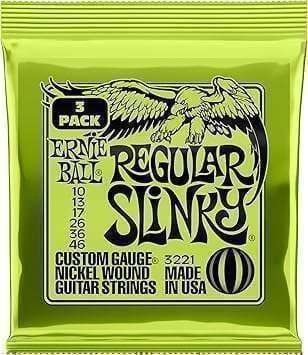
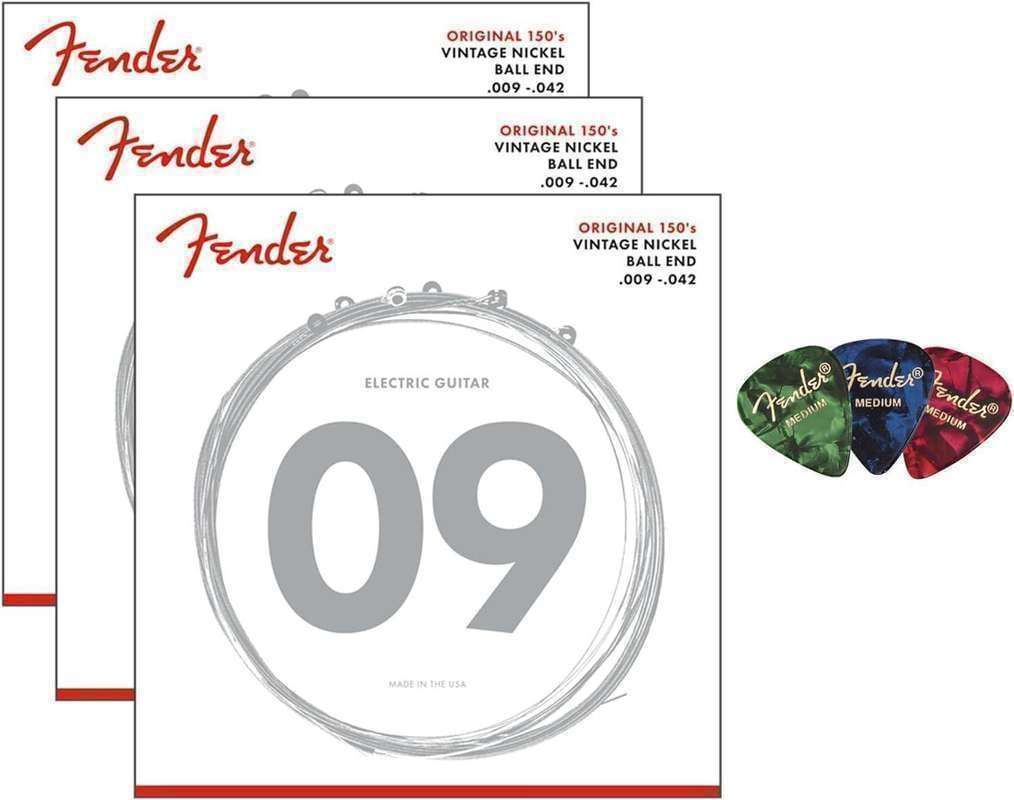
Replace strings only if needed for a fair play test, record the gauge and retest afterward. The Jazzmaster strings guide covers selection; avoid an unnecessary gauge change immediately before a buyer tries the guitar.
Strings for Every Jazzmaster Era
 Buy on Amazon
Jazzmaster Value FAQ
How much is a Fender Jazzmaster worth?
Its value depends on the exact model, condition, originality and recent comparable sales in the intended market. Identify the guitar first, then record verified sale amounts in one currency and region. This guide does not provide a current sold-price range for an unidentified Jazzmaster.
Can a serial number tell me the exact year and value?
A serial can suggest a production period and help identification. It does not establish the complete guitar’s originality or sale price. Cross-check markings, model documentation and installed features before choosing comparisons.
Is an American Vintage II 1966 Jazzmaster a vintage guitar?
The 1966 in that model name describes the historical design being recreated. It does not mean the guitar was built in 1966. Compare it with the same modern reissue, not with original 1966 instruments.
Are Player and Player II Jazzmasters the same for valuation?
No. Fender describes the previous Player Jazzmaster as using humbuckers and the Player II as using single coils. Confirm the exact generation and any modifications before treating another sale as a close match.
Are Japanese Jazzmasters automatically more valuable?
Country alone cannot establish value. Match the model designation, production period, condition and modifications. Do not assign a collectible premium from a serial prefix without evidence that it belongs to the claimed model.
Does an upgraded bridge increase Jazzmaster value?
It may appeal to a particular buyer, but its retail cost is not a guaranteed addition to resale value. Identify the original factory bridge, disclose what is fitted now, and state whether original parts or irreversible changes are involved.
Does a refinished Jazzmaster need different comparisons?
Yes. Keep refinished instruments separate from confirmed original-finish examples, especially when evaluating a collectible guitar. Record the quality and extent of the work and seek specialist inspection when the finish history is unclear. There is no universal percentage deduction.
Can I use an asking price as a sold comparable?
No. An asking price is a seller’s proposed amount. Record a confirmed completed sale separately, and label the price unconfirmed if the accepted offer is not visible. Keep shipping and other charges explicit.
What if I cannot find close Jazzmaster sales?
State that comparable coverage is insufficient. Keep older or different-model examples separate and explain their limitations. One sale is a reference point, not proof of a stable market range; an unusual or potentially valuable instrument may need specialist assessment.
Should I set up my Jazzmaster before selling it?
Check and disclose its playing condition. Appropriate maintenance may fix faults, but a setup does not guarantee a price premium. Document original parts first and use instructions that match the installed bridge, vibrato and pickups.
Start with the Fender serial number decoder, complete the identification and sale records above, and use the Guitar Price Estimate if an additional research estimate would help. Keep the evidence and its limits with the number you choose.