Fender Japan Value Guide: MIJ, CIJ & Modern JD Guitar Prices
Find out what Fender Japan guitars are worth in 2026. Value guide for MIJ and CIJ eras, JV and SQ collectibility, E/A/B/C prefixes, and modern Dyna Gakki JD models.
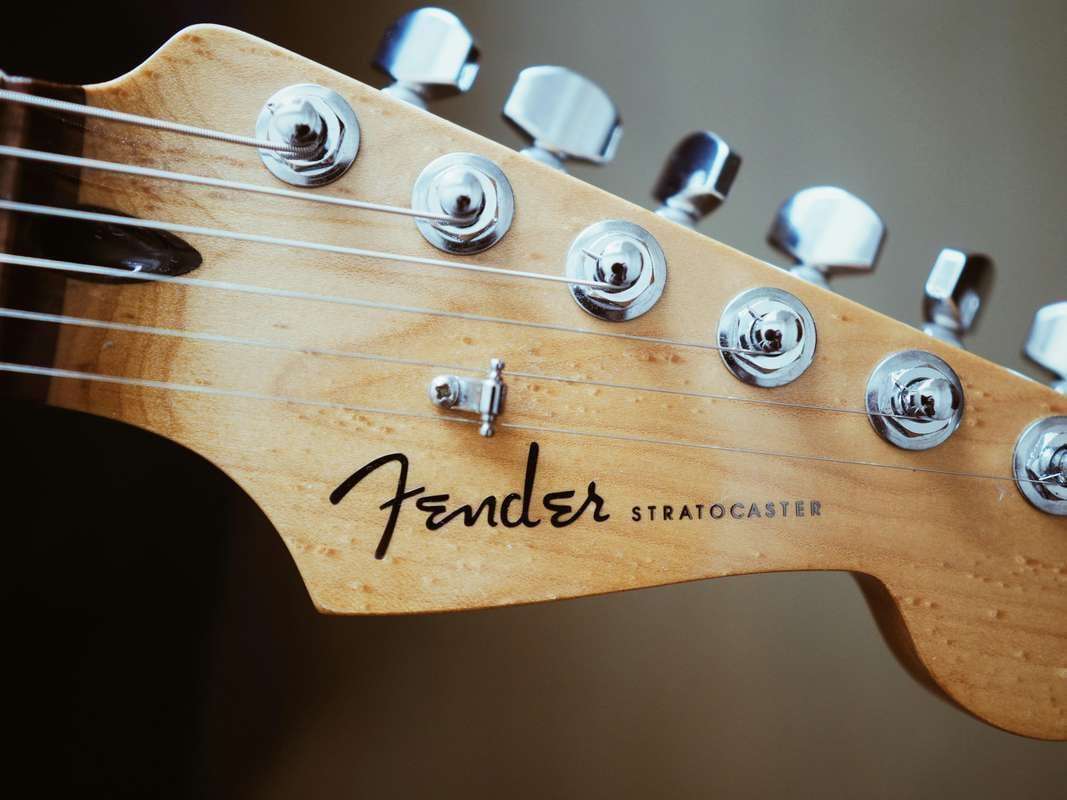 The headstock decal and serial prefix are the two fastest clues to a Fender Japan guitar's era, build quality, and current market value.
Fender Japan Value Guide: What Your MIJ or CIJ Guitar Is Worth
Fender Japan guitars range from affordable players to serious vintage collectibles. Whether you own a 1982 JV Stratocaster, a 1997 Crafted in Japan Telecaster, or a modern JD-prefix Dyna Gakki model, the value depends on era, prefix, model, originality, and condition.
This guide walks through the full Fender Japan value spectrum. You will learn which eras command the highest prices, how the JV, SQ, E, A, B, and C prefixes affect collectibility, what the MIJ and CIJ decals mean for resale, and where modern Dyna Gakki guitars fit into the market.
If you already have a serial number, start with the free Fender serial number decoder to confirm the year and factory. Then come back here to understand what that era is worth.
Why Fender Japan Values Vary So Much
Japanese Fenders are not a single category. A 1983 JV Stratocaster and a 2005 CIJ Stratocaster were built in different factories, for different markets, and with different goals. That difference shows up directly in the price.
The main value drivers are era and prefix, factory, model, originality, and condition. JV and SQ guitars from 1982-1984 are the most collectible. E, A, B, and C guitars from the mid-to-late 1980s are strong players with modest collector interest. CIJ guitars from 1997-2007 are usually the most affordable vintage Japanese Fenders. Modern JD guitars from 2012 onward hold value as premium production instruments.
Use our Guitar Worth Calculator for a quick used-market range based on brand, era, and condition. For a personalized report, the Guitar Price Estimate service returns low, mid, and high ranges for your exact year and model.
The Fender Japan Value Pyramid
| Tier | Era | Prefix | Typical Market Position |
|---|---|---|---|
| Top collectible | 1982-1984 | JV, SQ | Highest prices, strongest demand |
| Strong vintage player | 1984-1990 | E, A, B, C | Solid value, good player demand |
| Workhorse MIJ | 1989-1997 | F-M letters | Affordable vintage, consistent quality |
| Budget CIJ | 1997-2007 | N-V letters | Lowest vintage prices, great players |
| Modern premium | 2012-present | JD | Strong used value, new-instrument market |
This table is a starting point, not a price list. Within each tier, specific models, colors, and conditions can trade well above or below the average.
JV and SQ: The Collectible Peak
The JV series is the holy grail of Fender Japan. Built by Fuji-Gen Gakki from 1982 through early 1984, JV guitars were Fender-branded vintage reissues based on 1950s and 1960s originals.
The SQ series ran alongside JV in 1983 and 1984. These were Squier-branded guitars built in the same Fuji-Gen factory with similar materials and standards. Original SQ Strats and Teles are highly collectible in their own right.
Why JV and SQ Command Premium Prices
Several factors push JV and SQ values to the top of the Japanese Fender market:
- Limited production. The JV and SQ runs were short.
- Vintage-correct specs. JV guitars were built to match 1950s and 1960s originals.
- Build quality. Fuji-Gen had already built guitars for major brands and applied tight quality control.
- Historical importance. JV and SQ guitars launched the official Fender Japan line.
Clean, original JV Stratocasters and Telecasters typically trade at the top of the Japanese Fender market. SQ guitars usually sell for less than equivalent JV models, but the gap narrows for pristine, all-original examples.
Spotting Authentic JV and SQ Guitars
Before paying a premium, verify:
- Serial format. JV and SQ prefixes are followed by exactly five digits.
- Decal. JV guitars have a Fender logo with "Made in Japan." SQ guitars have a Squier by Fender logo with "Made in Japan."
- Headstock shape. The profile differs from later Japanese and modern Squier guitars.
- Hardware. Gotoh-style tuners, vintage bridges, and correct pickup routes are typical.
- Neck heel stamps. Removing the neck often reveals Fuji-Gen factory codes or date stamps.
Use the Fender Authenticity Checker for a fast risk check.
E, A, B, and C: Strong Players with Modest Collectibility
After the JV and SQ runs, Fuji-Gen shifted to six-digit prefixes. The E series ran roughly 1984-1987, followed by overlapping A, B, and C prefixes through the late 1980s and into 1990. These guitars are often called the standard MIJ Fenders.
E, A, B, and C guitars were produced in larger numbers and exported worldwide. They are less collectible than JV guitars but still well built and desirable.
E Series Value
The E prefix is the most common mid-1980s Japanese serial format. E-series Strats and Teles are known for solid construction, good hardware, and consistent finishes. They hold value better than later CIJ instruments.
A, B, and C Series Value
The A, B, and C prefixes overlap with the E period and continued into the late 1980s. Values are broadly similar to E-series guitars, with collectors paying a small premium for clean, original examples from the earliest A and B prefixes.
| Prefix | Approximate Years | Value Relative to JV/SQ |
|---|---|---|
| JV | 1982-1984 | Highest collectible tier |
| SQ | 1983-1984 | High collectible tier |
| E | 1984-1987 | Strong player/collector value |
| A | 1985-1986 | Similar to E, slight early-era premium |
| B | 1985-1988 | Similar to E |
| C | 1988-1990 | Similar to E, late-MIJ transition |
Condition matters more than the exact prefix within this group. A clean, original E-series Stratocaster can sell for more than a worn or modified A or B guitar.
MIJ vs CIJ: What the Decal Does to Price
The headstock decal is one of the fastest ways to place a Japanese Fender in its market tier.
Made in Japan (MIJ)
The MIJ decal was used from 1982 through 1997 and returned around 2007. Collectors generally prefer MIJ instruments, especially those from the 1980s and early 1990s. MIJ guitars typically command higher prices than equivalent CIJ guitars.
Crafted in Japan (CIJ)
The CIJ decal appeared from roughly 1997 to 2007. This era coincided with Dyna Gakki and other contractors taking on more production. CIJ guitars are still high quality, but they are usually the most affordable vintage Japanese Fenders. Because they were produced in large numbers, resale values are stable but rarely spike.
Modern Made in Japan (JD Era)
Since 2012, Japanese Fenders have returned to the "Made in Japan" decal under JD serial numbers built by Dyna Gakki. These are premium production instruments, not vintage collectibles, but they hold strong used value.
Modern Dyna Gakki JD Guitars
The JD prefix is the current Japanese Fender serial format. The letters stand for Dyna Gakki, and the first two digits after JD give the year. For example, JD18xxxxxx was made in 2018.
Modern JD guitars are built to high standards and are often compared favorably to American-made Fenders. They are not vintage, so they do not carry the historical premium of JV or SQ guitars. However, they depreciate slowly and can hold 60 to 80 percent of their new price for several years if kept in good condition.
Key value points for JD guitars:
- Limited editions and exclusive finishes hold value better than standard colors.
- Original case, tags, and paperwork add resale value.
- Heavy modifications or refinishes reduce value.
- Live listings are the best price guide.
Condition Tiers and Value Impact
Condition is the single biggest variable after era and originality.
| Condition | Description | Typical Value Impact |
|---|---|---|
| Mint / Near Mint | Unplayed or barely played, all original, original case and paperwork | 100% of market value |
| Excellent | Light play wear, no significant dings, all original | 85-95% |
| Very Good | Normal play wear, minor dings, all or mostly original | 70-85% |
| Good | Moderate wear, possible minor repairs or sensible upgrades | 50-70% |
| Fair | Heavy wear, non-original parts, repairs needed | 30-50% |
| Poor / Project | Major damage, non-functional, parts guitar | 10-30% |
For collectible JV and SQ guitars, the gap between Excellent and Very Good is larger than for standard MIJ or CIJ guitars. For modern JD guitars, condition matters more like a new instrument.
Key Value Drivers Beyond the Era
Original Finish
Factory-original finish is worth more than a refinish or overspray. A refinished body usually cuts value by 30 to 50 percent.
Original Pickups and Electronics
All-original pickups, pots, capacitors, and wiring add the most value. Changed pickups move a guitar from collector grade to player grade. Keep original parts if you upgrade, because having them raises resale value.
Original Hardware
Tuners, bridges, tremolos, pickguards, and knobs should match the era. Replaced tuners or bridges on a JV guitar can reduce value by 10 to 20 percent.
Case and Paperwork
Original hardshell cases add value for every era. For JV and SQ guitars, an original case can add a meaningful premium.
Rare Colors and Models
Uncommon finishes and short-run models can trade above the average for their era. JV and SQ guitars in rare colors command the strongest premiums.
Where Fender Japan Guitars Trade Today
The used market for Japanese Fenders is active on several platforms.
Reverb is the best platform for most Japanese Fender sales. The buyer base understands MIJ and CIJ value, and sold listings provide reliable comps.
eBay reaches a larger audience but includes more casual buyers and higher total fees.
Facebook Marketplace works for quick local sales of mid-range MIJ and CIJ guitars. There are no local fees, but buyer expertise varies.
Local guitar shops offer instant cash but typically pay 40 to 60 percent of retail value. Consignment gets closer to market value but takes longer.
Before listing, compare at least three to five recent sold listings of the same era, prefix, model, and condition. For a personalized valuation, use the Guitar Price Estimate service.
Setup and Maintenance for Maximum Value
A well-set-up guitar sells faster and for more money. For a typical MIJ Stratocaster, start with these general targets:
- Neck relief: roughly 0.010 inches at the 7th fret with the string held at the 1st and last frets
- Action at the 17th fret: about 4/64 inches on the high E and 5/64 inches on the low E
- Pickup height: around 6/64 inches from the bottom of the low-E string to the bridge pickup pole piece, and 5/64 inches on the high-E side
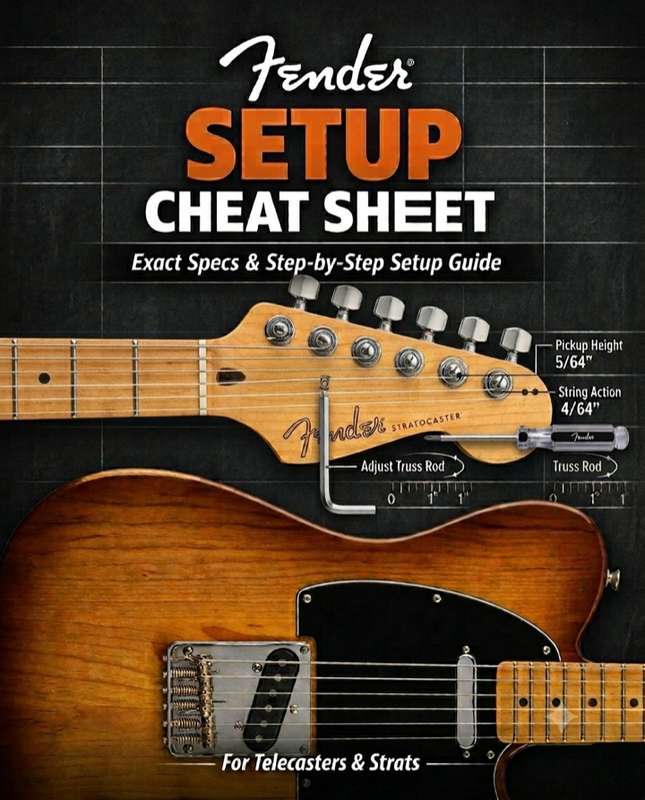
For exact factory measurements by model and year, use the Setup Specs Lookup. For a printable one-page reference, the Fender Setup Guide collects the key specs onto a single card.
A fresh set of strings, clean fretboard, and polished hardware make a strong first impression in listing photos.
Internal Links and Next Steps
- Fender Serial Number Lookup - Decode any Fender or Squier serial instantly
- Guitar Worth Calculator - Get a market range for your year and model
- Guitar Price Estimate - Personalized low, mid, and high valuation
- Setup Specs Lookup - Find factory measurements by model and era
- Fender Model Identification - Identify any Fender by its physical features
- Fender Japan Serial Numbers - Complete MIJ and CIJ dating guide
- Fender JV / SQ Series - Deep dive into the earliest Japanese Fenders
- Fender E-Series Serial Numbers - The 1980s letter-prefix system shared with USA guitars
FAQ
How much is a Fender Japan guitar worth?
Value depends on era, prefix, model, originality, and condition. JV and SQ guitars from 1982-1984 command the highest prices. E, A, B, and C guitars from the mid-to-late 1980s are strong players. CIJ guitars from 1997-2007 are usually the most affordable vintage Japanese Fenders. Modern JD guitars hold strong used value. Use the Guitar Price Estimate tool for a personalized range.
Are JV Fenders the most valuable Japanese Fenders?
Yes. JV guitars from 1982-1984 are generally the most valuable Japanese Fenders. They were the first Fender Japan Vintage series, built by Fuji-Gen to vintage-correct specs. SQ guitars from the same era are also valuable but usually sell below equivalent JV models.
What is the difference between MIJ and CIJ Fender value?
MIJ stands for Made in Japan (1982-1997, 2007 onward). CIJ stands for Crafted in Japan (roughly 1997-2007). MIJ guitars, especially from the 1980s and early 1990s, generally command higher prices than equivalent CIJ guitars.
How much is a Squier SQ guitar worth?
Original Squier SQ guitars from 1983-1984 are highly collectible because they were built in the same Fuji-Gen factory as JV Fenders. Clean, original SQ Strats and Teles trade at a discount to JV models but well above most later Squier instruments.
What does JD mean on a Fender Japan guitar?
JD indicates a modern Japanese Fender built by Dyna Gakki from 2012 onward. The first two digits after JD give the year. JD guitars are premium production instruments, not vintage collectibles, but they hold strong used value.
Do Fender Japan guitars hold their value?
Most Fender Japan guitars hold value better than mass-market imports. JV, SQ, and clean 1980s MIJ guitars have appreciated. CIJ guitars are stable, affordable players. Modern JD guitars can hold 60 to 80 percent of their new price for several years in good condition.
How much does condition affect Fender Japan value?
Condition can swing value by 50 percent or more. Mint examples command top price. Excellent is typically 85-95 percent of mint, very good is 70-85 percent, good is 50-70 percent, fair is 30-50 percent, and poor or project guitars are 10-30 percent.
Are modified Fender Japan guitars worth less?
Yes, modifications usually reduce value on collectible Japanese Fenders. Changed pickups, refinished bodies, or non-original hardware move a guitar from collector grade to player grade. If modifications are reversible and original parts are included, the impact is smaller.
Where is the best place to sell a Fender Japan guitar?
Reverb is usually the best platform because its buyer base understands MIJ and CIJ value. eBay reaches a larger audience. Facebook Marketplace works for quick local sales. Local shops offer instant cash but pay less. Compare recent sold listings before setting a price.
How can I tell if my Fender Japan guitar is real?
Check that the serial format matches the era. JV and SQ prefixes should be followed by exactly five digits. The decal should match the serial era. Japanese Fenders should say Made in Japan or Crafted in Japan on the headstock. Use the Fender Serial Number Lookup and the Fender Authenticity Checker for a fast check.
Conclusion
Fender Japan guitars offer something for almost every buyer and seller. Clean JV and SQ instruments from 1982-1984 are genuine vintage collectibles. The E, A, B, and C eras deliver strong player value. CIJ guitars from 1997-2007 are affordable workhorses, and modern Dyna Gakki JD guitars continue the Japanese reputation for precise, reliable construction.
If you own a Japanese Fender, start by decoding the serial number to confirm the era and factory. Then grade the condition honestly, check originality, and compare live sold listings before setting a price. For a personalized valuation, use the Guitar Price Estimate service or the free Guitar Worth Calculator.
A properly set-up Japanese Fender can rival any American-made instrument. The Fender Setup Guide puts the key specs on one printable page.