Fender Neck Date vs Serial Number: Which One Matters?
Learn the difference between a Fender neck date and serial number, where each is located, why they can disagree, and which one to trust when dating or authenticating a guitar.
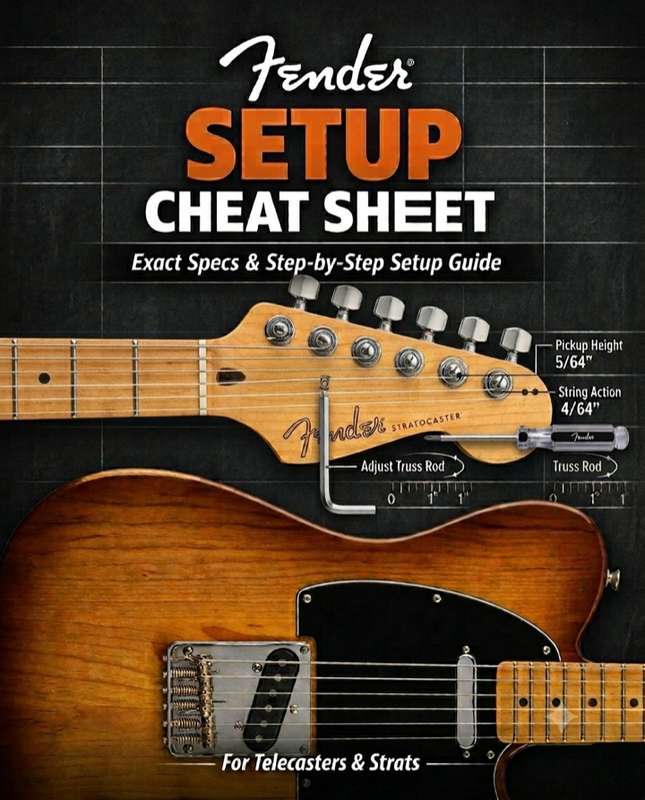
Fender Neck Date vs Serial Number: Which One Matters?
Fender neck date vs serial number is one of the most useful comparisons a buyer, seller, or owner can learn. The serial number tells you the year Fender assigned to the instrument, while the neck date records when the neck itself was produced. Those two dates can match, or they can be months — sometimes years — apart.
Understanding why they differ is the key to spotting swapped parts, confirming originality, and avoiding the wrong price. A guitar with a 1965 serial and a 1964 neck date is not necessarily a fake. A guitar with a 1978 serial and a 1982 neck date, however, almost certainly has a replacement neck.
If you already have the serial in hand, run it through the free Fender serial number decoder for a quick year-and-country read. Then come back here to learn what the neck date adds to the story.
Where to Find the Serial Number on a Fender
Fender has moved the serial number several times over the decades. Knowing the standard location for each era is the first step in reading it correctly.
Neck Plate Serials (1950s–1976)
From the early 1950s through 1976, Fender stamped the serial number on the metal neck plate. You can read it on the back of the guitar where the neck bolts to the body. Early Telecasters and Esquires sometimes had the serial on the bridge plate instead, but by 1954 the neck plate became the standard home.
Neck plate serials were used across the entire pre-CBS era and most of the CBS era. If your guitar has a four-, five-, or six-digit number on the neck plate, it was almost certainly built before 1976. CBS-era neck plates from 1965 onward added a large "F" logo around the serial.
Headstock Back Serials (Mid-1970s to Present)
Fender began moving serial numbers to the back of the headstock around the mid-1970s. By the late 1970s, headstock stamping or printing was common on both USA and imported guitars. Modern American, Mexican, and Japanese Fenders almost always carry the serial under the tuners on the rear of the headstock.
The format changed over time:
- 1976–2009: letter prefixes such as
S,E,N, andZfollowed by a single year digit - 2010–present:
USorMXprefixes with a two-digit year code, such asUS22A12345
If the serial is hard to read, angle a flashlight across the stamp so the shadows highlight the edges. A photo with the flash off often captures faint characters better than the naked eye.
Other Serial Locations
Some Japanese and Custom Shop Fenders add a secondary serial inside the neck pocket or on the neck heel. These internal numbers can confirm the headstock serial or reveal a mismatch. If the headstock number and the neck heel number disagree, the neck has likely been replaced.
Where to Find the Neck Date on a Fender
The neck date is written or stamped on the neck itself, usually in a place you cannot see until the neck is removed from the body.
Neck Heel Dates
The most common neck date location is the heel of the neck, the flat surface that sits inside the neck pocket when the guitar is assembled. To see it, you must loosen the neck bolts and pull the neck away from the body. The date is usually written in pencil or stamped ink near the top of the heel.
Pre-CBS Fenders often used a handwritten pencil date in the format month/day/year. A neck heel marked 7/12/62 was produced on July 12, 1962. CBS-era neck dates sometimes switched to stamped ink, and later production could use abbreviated codes or inspector stamps.
Neck Pocket Dates
On some guitars, especially from the 1950s and early 1960s, a matching date appears inside the neck pocket of the body. This body date was written in pencil by the assembler and can confirm that the body and neck left the factory together. Body cavity dates are less common than neck heel dates, but when present they are strong evidence of originality.
Truss-Rod Cavity or Other Internal Stamps
A few Fenders, particularly reissues and Custom Shop instruments, carry date stamps inside the truss-rod access cavity or under the pickguard. These are secondary confirmation points rather than primary dating evidence. Always compare them to the neck heel date and the serial number.
How Fender Production Created Date Differences
Fender did not build every guitar from scratch on the day it left the factory. Necks, bodies, and hardware were produced in batches and stored until needed. That simple workflow is the main reason neck dates and serial numbers can differ.
Batch Production and Assembly Lag
Necks were often made weeks or months before final assembly. A neck dated March 1962 might sit in stock until July 1962, when it was paired with a body and given a serial number in the July batch. In that case, the neck date is earlier than the serial year. A gap of one to three months is completely normal for vintage Fenders.
CBS-era mass production made this even more common. By the late 1960s and 1970s, Fender was producing parts in larger batches. A neck dated 1971 could easily appear on a guitar with a 1972 serial number. Collectors generally accept a difference of up to a year as consistent with normal production practices.
Calendar-Year Boundaries
Fender did not shut down the factory on December 31 and restart on January 1. Parts made in late 1964 were assembled into guitars stamped with 1965 serials. This is why many "1965" CBS-era guitars contain pre-CBS details, including clay dot inlays and spaghetti logos. The serial number reflects the year of assembly or shipment, while the neck date reflects when the wood was shaped and finished.
Factory Transitions and Overlap Years
During major transitions, such as the 1965 CBS sale or the 1985 move from Fullerton to Corona, parts from different years were mixed more freely. A 1965 serial number might carry a neck dated late 1964. An E5 serial from 1985 could have parts made in late 1984. These overlaps are not errors; they are the normal result of using existing stock during a changeover.
Reading Pre-CBS Neck Dates vs Serial Numbers
Pre-CBS Fenders are the most collectible and the most scrutinized. The relationship between the neck date and the serial number is especially important here.
Pre-CBS Serial Ranges
Before 1965, Fender used plain sequential serial numbers stamped on the neck plate. The approximate ranges by year are:
| Approximate Year | Serial Range |
|---|---|
| 1954 | 0001 – 1000 |
| 1955–1956 | 1000 – 10000 |
| 1960 | 30000 – 48000 |
| 1961 | 48000 – 64000 |
| 1962 | 64000 – 85000 |
| 1963 | 85000 – 100000 |
| 1964 | L00001 – L59000 |
| 1965 | L59000 – L99999 |
The L prefix at the end of 1962 and into 1965 was a transitional marker as Fender crossed the 100,000 threshold.
Pre-CBS Neck Date Format
Neck dates from the 1950s and early 1960s were usually handwritten in pencil with a format like 4/5/60 for April 5, 1960. These were written by the neck finisher or assembler. The handwriting varies, but the month/day/year order is consistent.
A common finding is a neck date a few months earlier than the serial year. For example, a 1962 Stratocaster with serial L00987 might have a neck dated 9/61 or 10/61. That is normal. A neck dated 1963 on a guitar with a 1959 serial number is not.
What a Mismatch Means on a Pre-CBS Guitar
A mismatch on a vintage guitar does not automatically mean fraud. It can mean:
- A factory part swap under warranty or during assembly
- A later repair using a replacement neck
- A dealer or owner swap for preference or playability
- A deliberate fake or parts-caster
The key question is whether the mismatch is consistent with known Fender practices. A few months is normal. A few years is not. For more on pre-CBS specs and values, see our pre-CBS Fender serial number guide and the Fender Stratocaster value guide.
Reading CBS-Era Neck Dates vs Serial Numbers
The CBS era from 1965 to 1985 introduced several changes that affect how neck dates and serial numbers relate to each other.
CBS Serial Formats
After 1965, Fender continued the sequential numbering system on neck plates. The F-series neck plate with the large "F" logo appeared around 1965 and ran through 1976. In 1976, Fender switched to letter prefixes:
| Prefix | Decade |
|---|---|
| S | 1970s (S8 = 1978) |
| E | 1980s (E4 = 1984) |
CBS-Era Neck Date Changes
Neck dates from the CBS era were often stamped in ink rather than written in pencil, though pencil dates still appear into the late 1960s. By the 1970s, many necks carried a stamped date near the heel, sometimes alongside inspector initials or factory codes.
CBS production was larger and more standardized than pre-CBS production, so neck dates and serial years are often closer together. However, the same batch-production lag applies. A 1970 serial number with a 1969 neck date is common.
The Three-Bolt Neck and Tilt-Adjust Plate
In the 1970s, many Fenders moved to a three-bolt neck plate with a micro-tilt adjustment. This design made neck removal easier, which means more 1970s Fenders have had their necks swapped over the years. If you are inspecting a three-bolt Fender, the neck date is especially important. A neck that is newer than the serial number is a strong sign of a swap.
For a deeper dive into CBS-era numbering, see our CBS-era Fender serial number guide.
Reconciling Neck Date and Serial Number
When the two dates do not match, use a simple hierarchy to decide what they mean.
Step 1: Confirm Both Dates Are Real
Start by making sure you are reading both dates correctly. Serial numbers can be re-stamped, and neck dates can be sanded off or re-written. Look for:
- Crisp, consistent stamp or pencil work
- No signs of grinding or refinishing over the date
- Matching era-appropriate handwriting or ink
If either date looks altered, assume the guitar needs professional inspection before you assign a value.
Step 2: Allow a Reasonable Gap
A neck date within about 12 months of the serial year is usually acceptable for vintage Fenders. Gaps of a few months are typical. Gaps of more than a year should be explained by a documented repair, factory practice, or clear provenance.
For modern guitars, the gap should be much smaller. A 2020 serial with a 2018 neck is suspicious unless there is a clear reason, such as a warranty neck replacement.
Step 3: Cross-Check Hardware and Features
Use the year implied by the serial number and the year implied by the neck date to check the rest of the hardware. A guitar with a 1965 serial and a 1964 neck should have pre-CBS features such as a spaghetti logo, clay dots, and a three-ply pickguard transitioning to four-ply. If it instead has a 1970s big headstock and three-bolt neck, something is wrong.
For detailed era-by-era feature lists, see our vintage Stratocaster identification guide and vintage Telecaster identification guide.
Step 4: Decide Which Date to Trust
The serial number is the factory's official identifier and is usually the safest starting point for dating the guitar as a whole. The neck date confirms that the neck is original and narrows the actual production window.
If the two agree within a reasonable range, you can be confident. If they disagree, trust the serial number for the guitar's broad year but use the neck date to flag possible part swaps. For authentication, both pieces of evidence matter.
Common Scams and Red Flags
Dishonest sellers know that buyers love matching dates. Here are the most common ways a neck date or serial number can mislead you.
Sanded or Refinished Neck Heels
A refinished neck can hide the original date stamp or pencil mark. If the heel looks freshly sanded or oversprayed, ask why. A missing neck date on a guitar that should have one is a yellow flag, especially on a vintage instrument.
Re-Stamped or Re-Printed Serials
Fake serial stamps can be applied to a reproduction neck plate or headstock. Compare the font, depth, and spacing to known originals. A serial that decodes to a valuable year but sits on hardware from a cheaper era is almost always a problem.
Swapped Necks on Desirable Bodies
One of the oldest scams is pairing a cheap replacement neck with a valuable body, or vice versa. The serial number on the neck plate might point to a 1962 body, but the neck date could reveal a 1970s replacement. Always remove the neck and inspect the heel before paying a premium.
Reproduction Decals with Correct Serials
A reproduction decal can make a 1980s guitar look like a 1960s reissue. The serial number and neck date are harder to fake convincingly than a waterslide decal, which is why both are essential checks. For a structured authenticity checklist, use the free Fender fake checker.
Tools That Help You Inspect Neck Dates
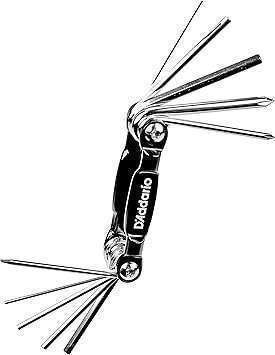
Reading a faint neck date requires good light, the right angle, and sometimes a little magnification. Removing the neck safely also requires the correct wrench.
 Buy on Amazon
A multi-tool with the right screwdriver bits makes it easy to remove neck bolts without chewing up the screw heads. A small flashlight held at a low angle can make pencil dates pop. A phone camera with the flash off often captures details the eye misses, especially inside a dark neck pocket.
Value Implications of Mismatched Dates
A mismatch between neck date and serial number affects value differently depending on the era and the severity of the gap.
Minor Gaps Are Usually Acceptable
A neck date a few months earlier than the serial year rarely hurts value. In fact, on pre-CBS guitars, it can add charm because it proves the guitar was built with parts from the previous calendar year. Most buyers expect this kind of overlap.
Major Gaps Reduce Collector Value
A neck that is two or more years newer than the body, or a body that is much newer than the neck, pushes the guitar into "parts-caster" territory. That does not make it a bad guitar, but it does change the price. Collectors pay for originality. Players may not care as much.
Documented Repairs Are Different
If the mismatch comes from a documented factory repair or warranty neck replacement, the value impact is smaller. Paperwork matters. A neck with a Fender service sticker or repair invoice is more valuable than an unexplained swap.
For current market ranges, use the Guitar Price Estimate tool. It weights year, model, and condition so you can price a guitar fairly even when the dates do not perfectly align.
Internal Links and Next Steps
- Fender Serial Number Lookup — Decode any Fender or Squier serial instantly
- Fender Authenticity Check — Free red-flag checklist for suspicious guitars
- Pre-CBS Fender Serial Numbers — 1954–1964 dating and value guide
- CBS-Era Fender Serial Numbers — 1965–1985 dating and value guide
- Vintage Stratocaster Identification — Visual markers by era
- Vintage Telecaster Identification — Visual markers by era
- Fender Stratocaster Value Guide — Market values by year and condition
- Fender Telecaster Value Guide — Market values by year and condition
- Fender Setup Guide — Printable factory specs by model and era
FAQ
What is the difference between a Fender neck date and serial number?
The serial number is the factory identifier stamped or printed on the guitar, usually on the neck plate or back of the headstock. The neck date is written or stamped on the heel of the neck and records when the neck was produced. They can differ because parts were made in batches before final assembly.
Where is the neck date on a Fender guitar?
The neck date is usually on the heel of the neck, which is hidden inside the neck pocket. You must remove the neck to see it. Some guitars also have body cavity dates inside the neck pocket or secondary stamps inside the truss-rod cavity.
Where is the serial number on a vintage Fender?
Vintage Fenders from the 1950s through 1976 usually have the serial number on the neck plate on the back of the guitar. Early Telecasters sometimes have it on the bridge plate. From the mid-1970s onward, Fender moved the serial to the back of the headstock.
Should the neck date match the serial number?
They do not have to match exactly. On vintage Fenders, a neck date a few months earlier than the serial year is normal. Gaps of more than about a year should be investigated, especially on modern guitars.
Which matters more for dating a Fender: neck date or serial number?
The serial number is the official factory identifier and is the safest starting point for dating the guitar as a whole. The neck date confirms that the neck is original and narrows the production window. Both matter, but the serial number is usually the one to trust for the broad year.
Why would a Fender neck date be earlier than the serial number?
Necks were produced in batches and stored before assembly. A neck made in March might not be paired with a body until July. Calendar-year boundaries also create overlaps, with late-year necks appearing on guitars stamped with the next year's serial number.
Can a Fender have a real serial number and a fake neck date?
Yes. Neck dates can be sanded off and re-written, or a repro neck can be stamped with a plausible date. Always check the style of the handwriting or stamp, the condition of the heel, and whether the rest of the guitar matches the claimed era. Use the Fender authenticity checker for a structured review.
How do I safely remove a Fender neck to check the date?
Loosen the neck bolts with the correct screwdriver or wrench, then pull the neck straight out of the pocket. Support the body and neck so neither falls. Take a photo of the heel under good side-lighting before reassembling. Do not over-tighten the bolts when you put the neck back.
What does it mean if my Fender has no neck date?
Some Fenders, especially later reissues, imports, and Custom Shop guitars, do not use the same neck-dating convention as vintage USA production. If a guitar that should have a neck date does not, it may have been sanded off during a refinish. That is a yellow flag worth investigating.
How can I tell if a Fender neck has been swapped?
Check whether the neck date is within a reasonable range of the serial number. Then compare the neck profile, decal style, fretboard radius, and hardware to the serial year. A neck that is much newer than the body, or that has features from a different decade, is likely a replacement.
Conclusion
Fender neck date vs serial number is not an either-or question. The serial number gives you the official year and factory. The neck date confirms when the neck was made and helps you catch swapped parts, hidden repairs, and suspicious mismatches.
Start with the Fender serial number decoder to get the big picture. Then remove the neck and inspect the heel date. Allow a few months of normal production lag, but question gaps of a year or more. Cross-check the hardware, decal, and features against both dates, and run any doubts through the Fender authenticity checker.
Once the guitar is dated and verified, the next step is making it play its best. The Fender Setup Guide puts factory-correct action, relief, intonation, and pickup height specs for your exact year and model on one printable page.