How Much Does a Guitar Setup Cost? Pro Shop vs DIY
Compare dated UK and US guitar setup prices, service inclusions, tools and DIY costs. Choose a suitable home setup guide or a technician for the work you need.
By Nick TheodoulouUpdated

On this page
- What Does a Full Guitar Setup Include?
- Guitar Setup Prices in the UK: Published Examples
- Guitar Setup Prices in the US: Published Examples
- Why a Guitar Repair Can Cost More Than a Setup
- Should You Pay a Technician or Learn DIY Setup?
- The Real Cost of DIY Setup Tools and Time
- Choose Instructions for Your Instrument
- How to Get a Quote You Can Compare
- What to Check When You Collect the Guitar
- How Often Should You Pay for Another Setup?
- Guitar Setup Cost FAQs
Guitar setup cost depends on the work your instrument needs and what the quote includes. A restring, an adjustment service and a fret repair are three different purchases. Comparing their headline prices as though they buy the same result makes it easy to choose the wrong job.
Quick Answer: Published examples checked on September 14, 2026 include £60 at Booths Music, from £70 at Andertons, $85 at Chicago Music Exchange and $99–$159 at Sweetwater for their listed setup services. Strings and parts are extra in these examples. These are individual shop prices, not national averages. Ask for an itemized quote; DIY makes sense for suitable adjustments when you have the tools, time and confidence.
Illustrative photograph, not a repair demonstration. Photo by Simon Weisser on Unsplash.
In this guide:
- What a setup includes
- UK setup prices
- US setup prices
- Repairs and extra charges
- DIY or professional service?
- Real DIY tool costs
- Choose the right guide
- Ask for a useful quote
- Check the finished work
- When another setup is needed
- FAQs
What Does a Full Guitar Setup Include?
A setup brings the instrument's adjustable parts into a workable relationship for your strings, tuning and playing style. The starting point is inspection: a technician needs to know whether the problem is an adjustment, a worn component or a repair. The phrase “full setup” is not a guarantee that every possible job is included.
On an electric, the agreed service may cover relief, string height, intonation, pickup balance, a restring and basic cleaning. An acoustic needs an assessment of humidity, neck geometry and saddle construction before action changes. A bass follows the same broad measurement principle but needs its own instrument and string specifications.
Use this checklist when comparing quotes:
| Item | What to clarify |
|---|---|
| Strings | Does the price include the actual set, or just fitting it? Can you supply your preferred gauge? |
| Neck relief | Will the technician measure before adjusting and record the final setting? |
| Action | Which fret and strings will be measured? Have you agreed on playing feel? |
| Intonation | Are adjustable saddles covered? Does an acoustic compensation problem need a separate quote? |
| Nut | Is inspection included? What about slot adjustment or a replacement nut? |
| Frets | Is this cleaning/polishing, or actual levelling and recrowning? |
| Electronics | Does “check” mean inspection, cleaning or repair? |
| Follow-up | Is a return adjustment included, and within what period? |
A good description of your problem helps more than asking for “the lowest action possible.” Tell the technician which notes buzz, whether you bend strings, how hard you pick, and what tuning you use. The action height guide explains how to take a useful starting measurement; the new-guitar checklist helps separate inspection from unnecessary adjustment.
Guitar Setup Prices in the UK: Published Examples
These prices were checked on September 14, 2026. Keep the quoted service and exclusions beside the amount; they are examples from two businesses, not a survey of the UK market.
| Shop and published service | Listed price | Exclusions and conditions |
|---|---|---|
| Booths Music, Bolton: fixed-bridge electric, acoustic or bass setup | £60 | VAT included; strings extra; additional attention or parts may increase the price |
| Booths Music: floating or locking tremolo electric | £70 | VAT included; strings extra |
| Andertons, Guildford: standard setup | From £70 | Strings and parts extra; final scope confirmed after inspection |
| Andertons: locking-tremolo supplement | +£35 | Added to the applicable starred service on its price list |
Booths labels its list January 2026. Andertons' workshop page was updated June 24, 2026 and describes its standard service as including restringing, action/intonation adjustment and an electronics check. Confirm the complete job with the workshop, especially nut work, fret condition and any tax treatment not explicitly identified in the quote.
There is no reason to convert these prices into dollars to compare them with a US shop. Labour markets, taxes, travel and service packages differ. Use the examples to prepare questions for a local quote in the currency you will actually pay.
Guitar Setup Prices in the US: Published Examples
The following US prices were checked on the same date. They are separate offers with different scopes; they do not establish that one category of retailer is always cheaper or better.
| Shop and published service | Listed price | Exclusions and conditions |
|---|---|---|
| Chicago Music Exchange: basic six-string electric, nylon-string classical or steel-string acoustic setup | $85 | Strings and parts extra |
| Chicago Music Exchange: Floyd Rose-style tremolo or 12-string setup | $105 | Strings and parts extra |
| Chicago Music Exchange: Evertune setup | $125 | Strings and parts extra |
| Sweetwater Guitar Workshop: custom setup | $99–$159 | Labour only; strings and other parts extra |
Sweetwater describes a broader adjustment and evaluation package, including nut-slot finalization, pickup balancing and a play test. Ask which end of its range applies to your instrument. Chicago Music Exchange asks customers to confirm turnaround rather than promising one standard wait.
What about Guitar Center? Obtain a current quote from the store that will do the work. We have not verified a current nationwide setup tariff for this article, so an older “$40–$80” figure should not be used as a September 2026 promise. Ask which package includes the adjustments you need and whether strings, tax and extra repair labour are separate.
Why a Guitar Repair Can Cost More Than a Setup
Polishing frets removes surface grime and oxidation. Levelling and recrowning change the fret surfaces so they work together. A refret replaces worn or unsuitable frets. Those are different jobs, and a routine action adjustment cannot substitute for necessary fret repair.
For a concrete comparison, Andertons lists a fret level and dress from £140, including its standard setup, and nut/saddle replacement from £55, with parts and strings excluded. Sweetwater lists its Plek Pro package at $299–$379, including a custom setup and additional fret/nut work. These packages are not equivalent and should not be blended into one “average fretwork price.” See the linked workshop lists above for their full scope.
Other questions that can change your final bill include:
- Does a different string gauge require work at the nut?
- Is an acoustic's high action caused by humidity or neck geometry?
- Does a floating or locking bridge need additional balancing time?
- Is the guitar modified, and are suitable replacement parts available?
- Does a loose jack need tightening, resoldering or replacement?
- Are collection, shipping, insurance or expedited service additional charges?
An unfamiliar acoustic saddle is a reason to identify the system before sanding. Some pickup assemblies have specific support and contact requirements. Read the acoustic action guide as background, then use the manufacturer's instructions for the actual instrument. A lifting bridge or cracked neck is a repair assessment, not a cue to keep lowering the saddle.
Should You Pay a Technician or Learn DIY Setup?
Start by separating checking from changing. You can tune the guitar, describe a symptom, measure action and record the string gauge without committing to a repair. Those observations also make a professional appointment more productive.
| Situation | Sensible next step |
|---|---|
| Guitar plays comfortably and measurements are stable | Keep playing; there is no automatic need to buy a setup |
| Healthy electric needs a small, understood adjustment | Follow its model instructions if you have the correct tools and confidence |
| First floating-tremolo setup | Learn the bridge type first; book a technician if the balancing process is unclear |
| Acoustic action changes with humidity | Stabilize the environment and diagnose before modifying the saddle |
| High fret, damaged nut, seized adjustment or structural issue | Qualified repair assessment |
| You need a dependable result before a recording or gig | Allow time for professional work and a play test |
For DIY, work on a supported instrument, record your starting point, and change one thing at a time. Follow the model's measurement positions and adjustment order; “turn clockwise” is useless unless you have identified the correct screw and viewing direction. The truss rod guide explains the distinction between relief and overall string height.
The value of a technician is diagnosis, experience and the finished result. A PDF can organize a suitable home workflow, but it does not inspect the guitar or supply practical repair experience. A reader who needs fretwork is not saving the entire shop quote by buying instructions.
Does the Guitar's Value Decide?
There is no universal price threshold below which DIY is right or above which professional work is compulsory. An inexpensive guitar that you enjoy playing can justify a setup; a valuable guitar that already plays well may need no adjustment. Sentimental value, replacement cost and the intended use matter too.
If you are preparing to sell, compare the likely improvement in sale proceeds with the quote, selling fees and the option of an honest as-is listing. A setup bill does not automatically add the same amount to resale value. The Guitar Price Estimate can provide another reference, but an uncertain repair still needs an assessment of the physical instrument.
The Real Cost of DIY Setup Tools and Time
Make an inventory before buying a kit. You may already have a suitable tuner, capo and the adjustment tools supplied with the guitar. A multi-tool is useful only if its sizes fit your hardware; it is not a universal replacement for the correct truss-rod wrench.
| Need | Before buying |
|---|---|
| Accurate tuning | Try your existing tuner; clear, stable readings matter more than a new pedal |
| Action measurement | Choose a ruler or gauge with divisions you can read reliably |
| Relief measurement | Use feeler gauges and the model's stated fretting/capo method |
| Adjustment | Identify exact driver sizes; avoid loose-fitting substitutes |
| Strings | Budget for the set you actually use, including extra strings if learning |
| Workspace | A padded stable surface, suitable support and good lighting |
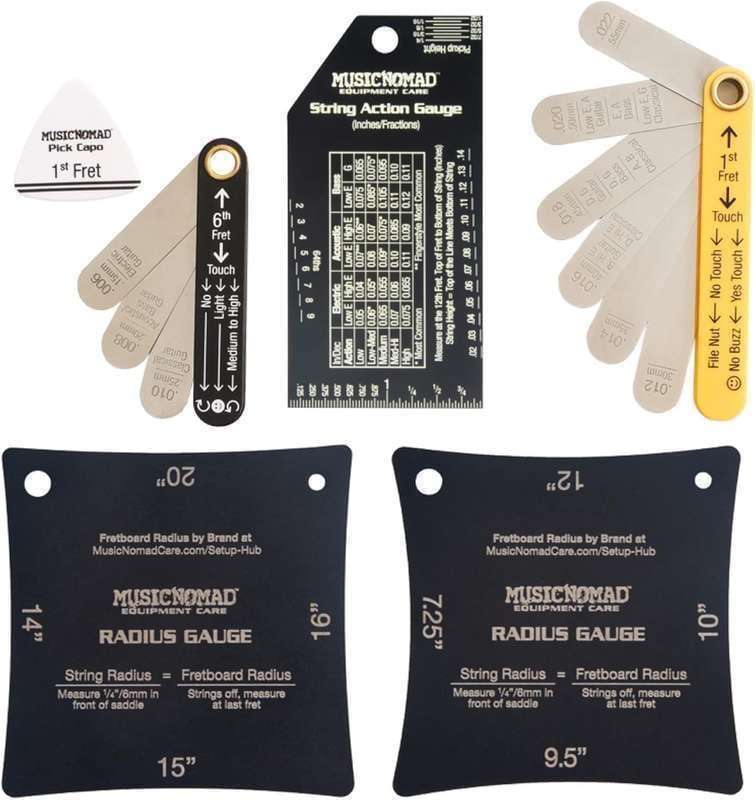
For a dated hardware reference, MusicNomad's own shop lists its MN602 action gauge at $17.99, MN600 relief gauge with pick capo at $14.99, and their MN614 bundle at $29.99. The MN604 six-piece measurement set is $64.99. These are displayed US prices checked September 14; allow for tax, delivery, regional pricing and other tools. A gauge set is not a complete repair kit and should not be described as including an adjustment multi-tool without checking its contents.
Optional tools: check what you already own
 Buy on Amazon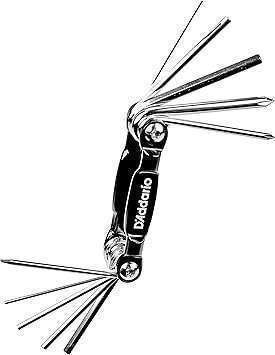
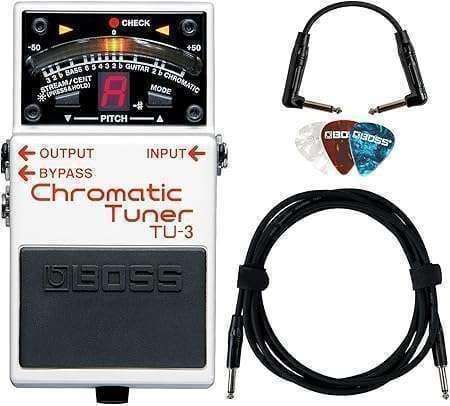
You do not need all three products above. A pedal tuner may suit your existing rig; a smaller tuner you already trust may do the job. Start with the missing measuring tool or exact wrench, then add equipment only when a real task requires it.
Other tool options: verify the fit first
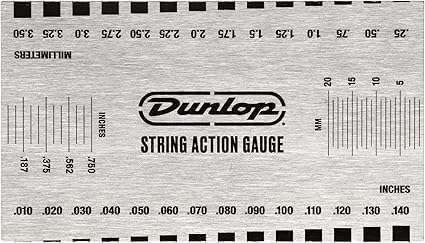
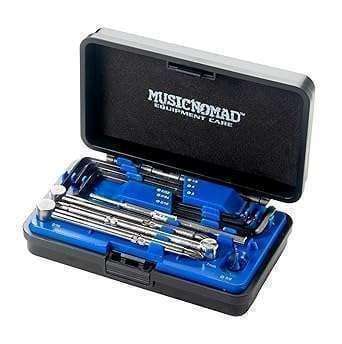
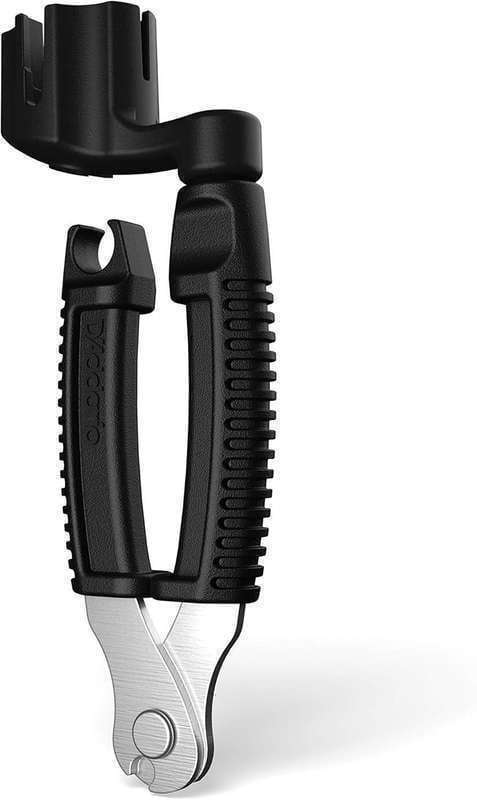
Budget time for learning, retuning and recording the result. Your first check may occupy an evening even if only one small adjustment is needed. That is a planning allowance, not a promise about how long every setup takes.
A useful comparison is missing tools + strings/consumables + optional reference + your time, against the complete service quote + travel/shipping + waiting time. Keep everything in the same currency. Reusing tools can make later maintenance cheaper, but repair costs and your time do not disappear after the first purchase.
Choose Instructions for Your Instrument
Once the job is suitable for home adjustment, use the reference for the guitar you own. A generic cost article cannot supply one valid action or tremolo setting for every instrument.
| Instrument or task | Relevant next step |
|---|---|
| Fender electric with confirmed hardware | Fender setup reference; check the listed model coverage |
| Squier Strat or Tele | Squier setup reference |
| Gibson Les Paul or SG | Gibson setup reference |
| Steel-string acoustic | Acoustic setup reference, alongside model-specific service instructions |
| Fretted bass | Bass setup reference; match scale, strings and bridge |
| PRS electric | PRS setup article and the manufacturer instructions for the installed bridge |
| Fret, nut or structural repair | A qualified technician who can inspect the instrument |
Fender owners: if you have identified a routine adjustment, a printable reference can keep the relevant measurements beside the guitar.
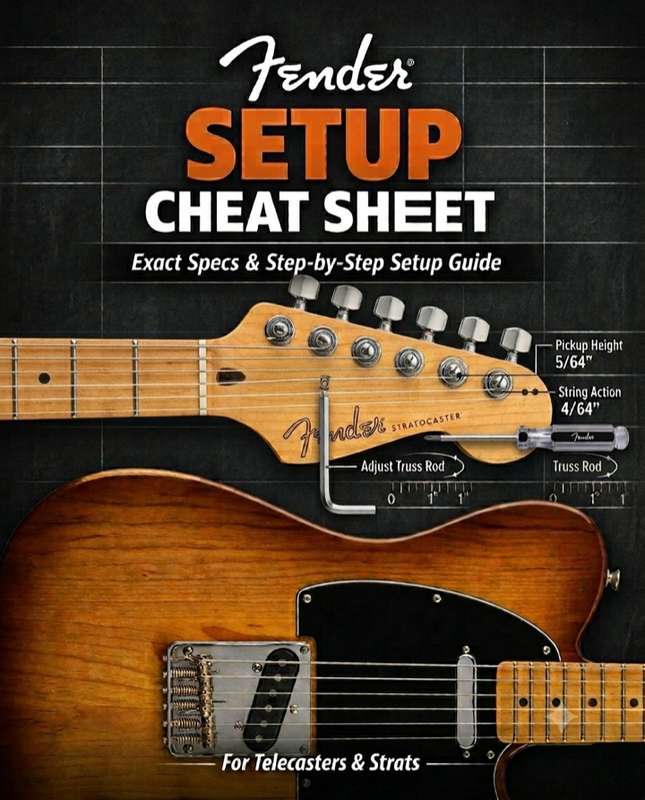
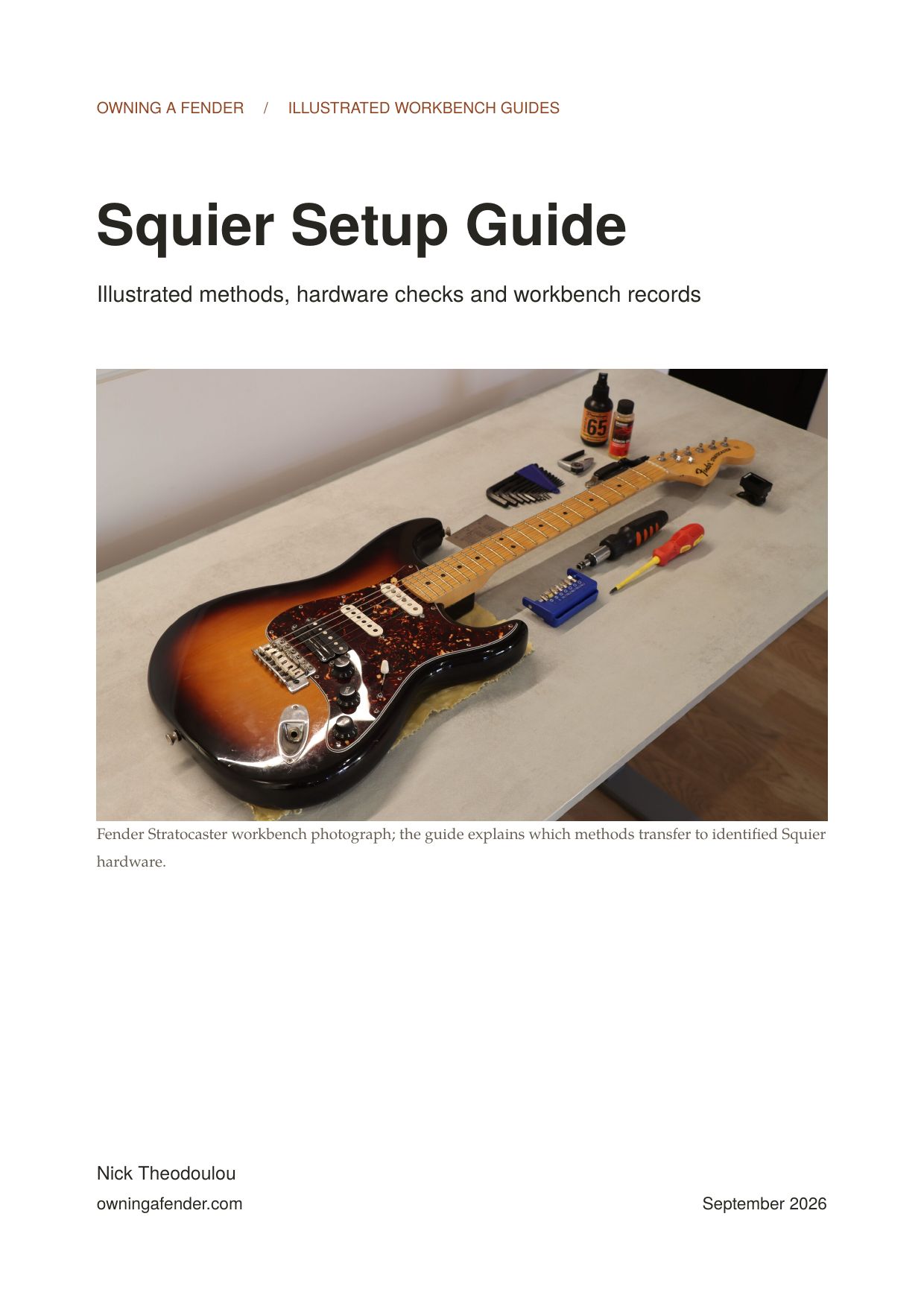
Squier owners: choose the Squier route for your instrument instead of assuming every Fender procedure and tool size transfers unchanged.
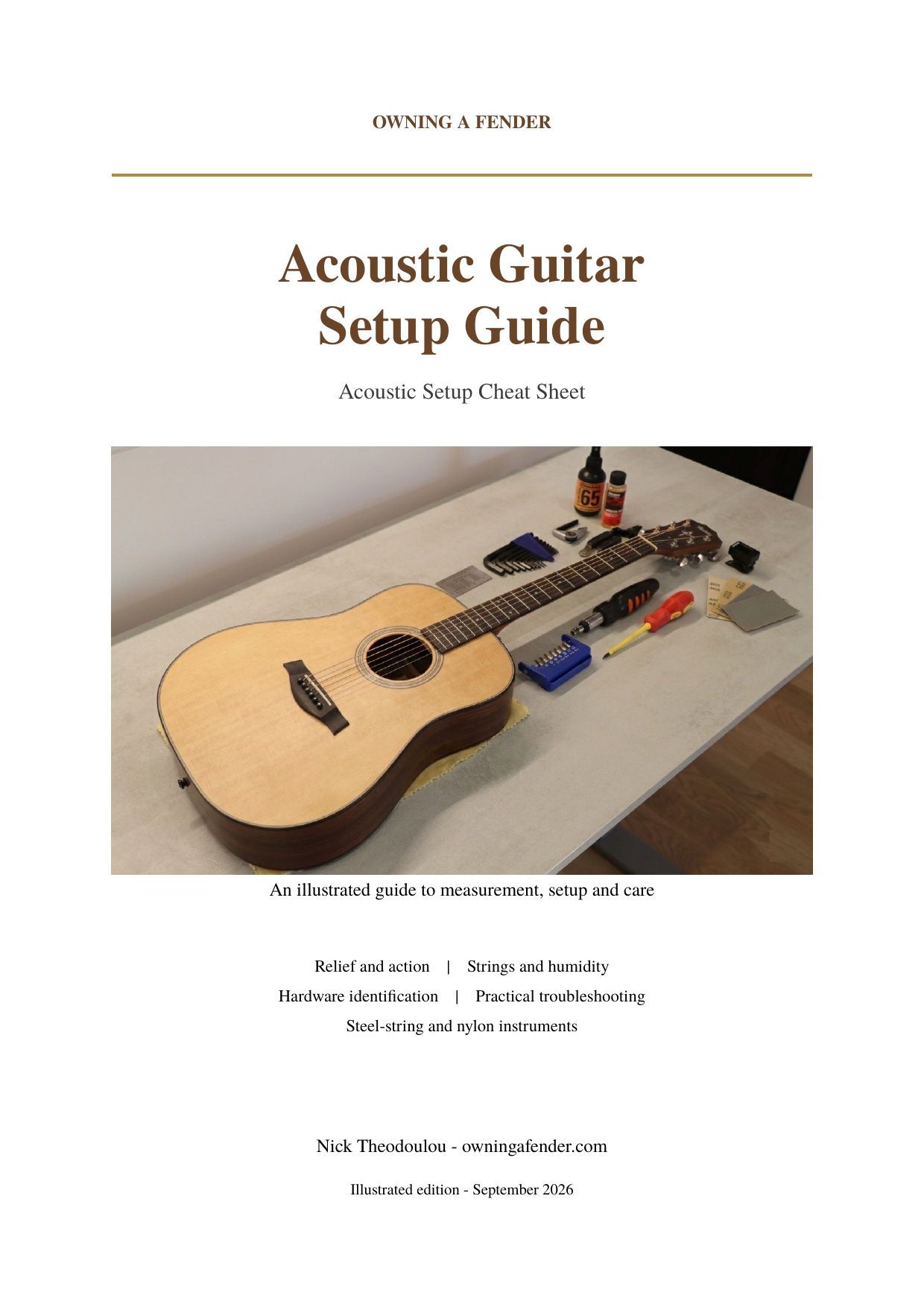
Acoustic owners: confirm humidity, neck geometry and saddle/pickup construction before making permanent changes.
How to Get a Quote You Can Compare
Send the same short brief to each workshop: model, approximate year, bridge type, string gauge, tuning, symptoms and deadline. A clear brief lets you compare the same job rather than whichever package title each business happens to use.
Ask what is included, what would trigger an extra charge, and whether they will contact you before additional work. Confirm any inspection fee if you decline the repair. Tell them whether to retain replaced parts and whether the guitar has modifications they should know about.
Choose based on relevant experience and communication as well as price. An independent repairer is not automatically more expensive, and a chain technician is not automatically less careful. Ask who will perform the work and how they handle the particular bridge or acoustic system you own.
Turnaround and bench time are separate. A shop may complete the hands-on work quickly while your guitar waits in a queue or for a part. Confirm the collection date and follow-up policy before booking; do not assume every setup will be ready tomorrow.
What to Check When You Collect the Guitar
Play it in your usual position with your normal picking strength. Try the chords, bends and problem notes that prompted the visit. For an electric, use a clean amp setting first so distortion does not disguise rattles, weak notes or an output imbalance.
Check tuning stability, comfort near the nut, upper-fret bends and the agreed action. Ask for the final measurements and string gauge, especially if the guitar now feels right. A written reference makes the next seasonal check easier and gives a future technician something useful to work from.
If a problem remains, demonstrate it and discuss whether it falls within the original job. Very low action with hard picking may still produce some acoustic string noise. What matters is the agreed playable result, not an impossible guarantee of absolute silence under every attack.
How Often Should You Pay for Another Setup?
Check when you notice a change, after a string-gauge or tuning change, or following a significant environmental move. A periodic check does not require an automatic paid adjustment. If the guitar remains comfortable and stable, record that and leave it alone.
Separate consumables from service: changing old strings may resolve a poor intonation reading without further work. Persistent fret buzz, a sudden action change or an adjustment that will not move deserves diagnosis rather than repeated random turns.
The best setup purchase answers a specific problem at an agreed total price. Use the shop examples to understand the range of services, make an honest inventory of your tools and experience, and choose the route that gets your instrument playing properly.
Guitar Setup Cost FAQs
How much is a guitar setup in the UK?
The September 2026 examples in this guide include £60 at Booths Music and from £70 at Andertons for their listed standard services, with strings extra. These are individual published prices, not a national average. Confirm scope and any additions before booking.
How much does a guitar setup cost at Guitar Center?
Ask the branch for its current setup package and an itemized quote. This article has not verified a current nationwide Guitar Center tariff. Confirm the instrument type, strings, tax, included adjustments and any extra repair labour.
What is included in a full setup?
Common tasks are inspection, relief and action checks, applicable adjustments, restringing, intonation and a play test. Electric guitars may also receive pickup and electronics checks. Nut work, fretwork and parts depend on the actual package, so get the scope in writing.
Are strings included in the setup price?
Not always. All four workshop examples above exclude the cost of strings or parts from the listed setup amount. Restringing labour can be included while the string set is still charged separately. Specify your preferred gauge before the work begins.
Can I set up my guitar myself?
You can learn suitable adjustments on a healthy instrument using its instructions and correctly fitting tools. Start with measurements. A seized adjustment, high fret, damaged nut or structural problem needs a qualified assessment; a PDF does not replace repair experience.
Is a setup worth it on a cheap guitar?
It can be if the guitar is structurally sound, you like it and improved playability is worth the cost to you. There is no universal guitar-value cutoff. If selling, compare the likely benefit with the complete service bill and selling costs.
Is fret levelling included in a setup?
Do not assume it is. Cleaning and polishing frets are different from levelling and recrowning them. A workshop may sell a package that includes both a fret dress and setup, but its price and description should say so explicitly.
Why can a Floyd Rose setup cost more?
A locking tremolo has additional locking and balance adjustments, so a workshop may price it separately. Confirm the bridge type when asking for a quote, including whether the job changes string gauge or tuning.
How long does a professional setup take?
Ask the workshop for its current turnaround. Hands-on work, time waiting in a queue and delays for parts are different. Book before a deadline and leave time to play-test the guitar; no single turnaround applies to every shop.
Does buying a setup guide guarantee a saving?
No. A suitable guide can help organize home maintenance, but tools, strings, time and necessary repairs still cost something. Compare the full DIY outlay with the actual job quoted, and choose instructions that match your instrument.
Keep reading
Next in guitar setup
- Setup basicsDo New Guitars Need a Setup? New Guitar Day ChecklistRead
- Setup basicsGuitar Fret Buzz: Causes, Fixes, and a Step-by-Step Diagnostic GuideRead
- Setup basicsGuitar String Gauge Chart: Electric and Acoustic SizesRead
Everything on guitar setup
Open the hub