Buying a Used Guitar in the January Sales? Check the Serial First
Buying a used guitar in the January sales? Check the serial number first: it dates the guitar, flags fakes and parts guitars, and tells you if the price is fair.
By Nick TheodoulouUpdated

On this page
- Buying a Used Guitar in the January Sales? Check the Serial First
- Why January Is a Good Time to Buy Used
- What a Serial Number Tells You
- Getting the Serial From a Seller
- Is the Price Fair?
- Know What You Are Buying: The History Report
- When the Guitar Arrives (or When You Meet the Seller)
- Your Protection Depends on Where You Buy
- The First Week With Your Used Guitar
- FAQ
- Check the Serial, Then Enjoy the Bargain
 January brings a wave of used guitars: unwanted gifts, upgrades and clear-outs. The serial number is the fastest way to sort the good ones from the rest.
Buying a Used Guitar in the January Sales? Check the Serial First
Buying a used guitar in the January sales can get you a great instrument for well under its new price. It is also when the most listings appear in the shortest time, written in a hurry by sellers who may not know exactly what they are selling. Before you look at photos, price or condition, check the serial number. It takes thirty seconds and tells you the year, the factory and whether the guitar is what the listing says.
This guide covers what a serial number tells you, how to get one from a seller, the warning signs that mean you should walk away, and how to judge whether the asking price is fair. It finishes with what to check when the guitar arrives, and the protection you have depending on where you buy.
Quick answer: Ask the seller for a clear photo of the serial number before anything else, and run it through the serial number lookup. If the year, country or series does not match the listing, ask why. Then compare the price with recent sold listings, not asking prices, and pay with a method that protects you.
Why January Is a Good Time to Buy Used
Unwanted gifts and upgrades hit the market
After Christmas, three kinds of guitar come up for sale. There are gifts that did not suit the person who received them, often almost unplayed. There are guitars sold by players who were given an upgrade and no longer need their old one. And there are guitars sold to pay off December, which can mean motivated sellers.
That makes January a buyer's market for starter and mid-range guitars in particular. The catch is speed: good listings go fast, and the pressure to decide quickly is exactly when people skip the checks.
Shops discount too, including used stock
Many guitar shops run January sales on used and ex-demo stock as well as new. A dealer sale gives you more protection than a private sale (more on that below), but the same serial check applies. Ex-demo guitars in particular are worth dating, because a "new old stock" guitar can be several years old.
What a Serial Number Tells You
The year, the factory and the country
On most modern guitars, the serial number gives the year of manufacture and the factory or country. A few examples:
- Fender USA: "US" followed by the year, so US21 is 2021.
- Fender Mexico: "MX" followed by the year, so MX19 is 2019.
- Squier (Indonesia): letters for the factory, then the year, such as ICS19 (Cort, 2019) or ISS21 (Samick, 2021).
- Gibson and Epiphone: the format has changed several times over the decades, so use the decoder rather than a rule of thumb.
Rather than decoding by hand, put the number into the serial number lookup. It covers all the major brands, and there are dedicated decoders for Fender, Squier, Gibson and Epiphone with the full tables.
Whether the listing adds up
The serial is most useful as a cross-check. A listing that says "2022 Fender Player Stratocaster, Made in Mexico" should have an MX22 serial, give or take a year for guitars made late in one year and sold the next. A listing that says "American" with an MX serial is either a mistake or a problem.
Things to compare against the decoded result:
- Year: within a year of what the seller says.
- Country: matches the decal on the headstock ("Made in Mexico", "Made in Indonesia", "Made in USA").
- Series: the features match that series in that year (pickups, hardware, neck finish).
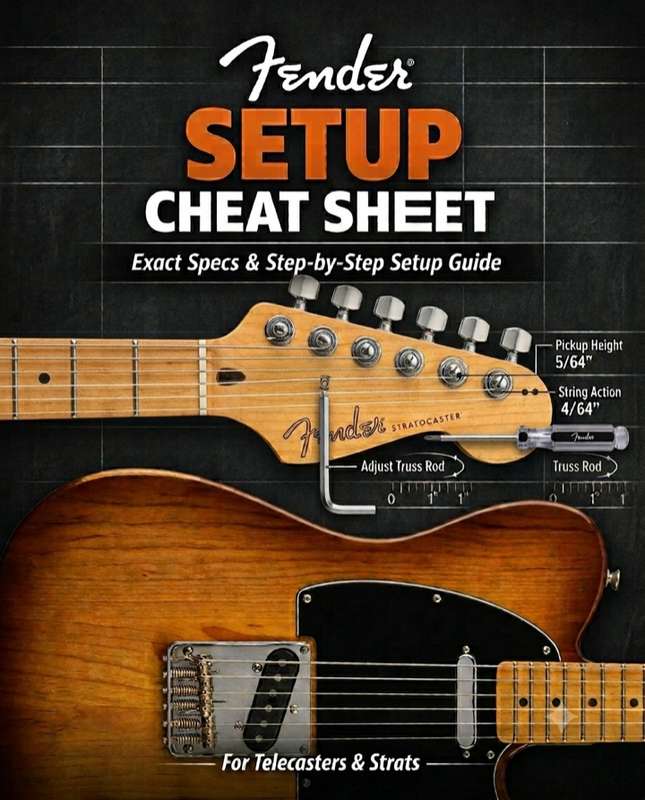
- Brand spelling and logo: correct for the era. A "Squire" decal is a classic warning sign.
Getting the Serial From a Seller
Ask for a clear photo
Ask for a sharp, well-lit photo of the serial number and the whole headstock, front and back. On most Fenders and Squiers the serial is on the back of the headstock or on the neck plate. Gibsons and Epiphones have it on the back of the headstock. Acoustics often have it on a label inside the soundhole.
An honest seller will send it straight away. A seller who refuses, sends a blurry photo, or says the serial "has worn off" on a recent guitar is a reason to walk away.
Why the serial alone is not proof
A serial number is easy to copy. Someone selling a fake can photograph a real serial and print it on another guitar. Treat the serial as the first filter, not the last word. If the decoded year and factory fit, move on to the physical checks: the logo, the headstock shape, the tuners, the neck plate and the finish.
For brand-specific tells, the guides on how to tell if a Fender is fake and how to spot a fake Gibson go through them in detail.
Parts guitars and swapped necks
A guitar can be genuine and still not be what the listing says. A parts guitar uses a real neck on a different body, or a body from another year. The serial on a Fender neck plate tells you about the plate, not necessarily the neck or body. The neck date vs serial number guide explains how to check that the parts belong together.
Parts guitars are not bad buys. They should just be priced as parts guitars.
Is the Price Fair?
Compare sold prices, not asking prices
Asking prices tell you what sellers hope for. Sold prices tell you what buyers paid. On eBay you can filter for sold listings, and Reverb shows price history for many models. Look for the same model, the same country of manufacture and a similar year and condition.
In January, watch for listings priced as if they were new. A guitar that was a Christmas present a few weeks ago is a used guitar now, even if it still has the tags on.
Get an independent estimate
If you are not sure what a guitar should cost, the Guitar Valuation Report gives a low, mid and high estimate from the model, year, condition and any modifications you enter. It is a useful number to have in your head before you start negotiating, especially for older guitars where sold listings are thin.
Budget for a setup
Most used guitars need a setup, and that is a fair point to raise when you negotiate. Strings, string height, relief and intonation are usually set for the last owner, if they were set at all. A shop setup typically costs a few tens of pounds or dollars. If the guitar needs new frets or electronics work, that is much more, and it belongs in the price. The guide to setup costs has typical figures.
Know What You Are Buying: The History Report
Once you have a serial number that checks out, the Guitar History Report turns it into a short PDF. It covers when and where the guitar was made, what was going on at the factory in that era, and the specs for that model year. It is not a valuation, but it is a good way to learn what a particular year means for the guitar in front of you.
It is also useful later. If you sell the guitar on, a report that matches the serial is a quick answer to a buyer's first question.
When the Guitar Arrives (or When You Meet the Seller)
The serial check gets you to the right guitar. These checks confirm it is in the condition you paid for. Do them before you hand over money if you meet in person, or the day it arrives if you buy online.
The five-minute check
- Match the serial on the guitar with the photo you were sent.
- Look along the neck for a clear bow or twist, and check the truss rod still has adjustment.
- Play every string at a few frets and listen for dead notes or buzz through an amp.
- Test every control and wiggle the cable in the jack. A crackle often means a loose jack or a worn pot.
- Check the frets for deep grooves under the strings on the first five frets. Some wear is normal; deep grooves mean a fret job is coming.
The full version, including questions to ask a private seller, is in the used guitar buying checklist. If you are buying without seeing the guitar in person, how to buy a used guitar online covers listings, photos and shipping.
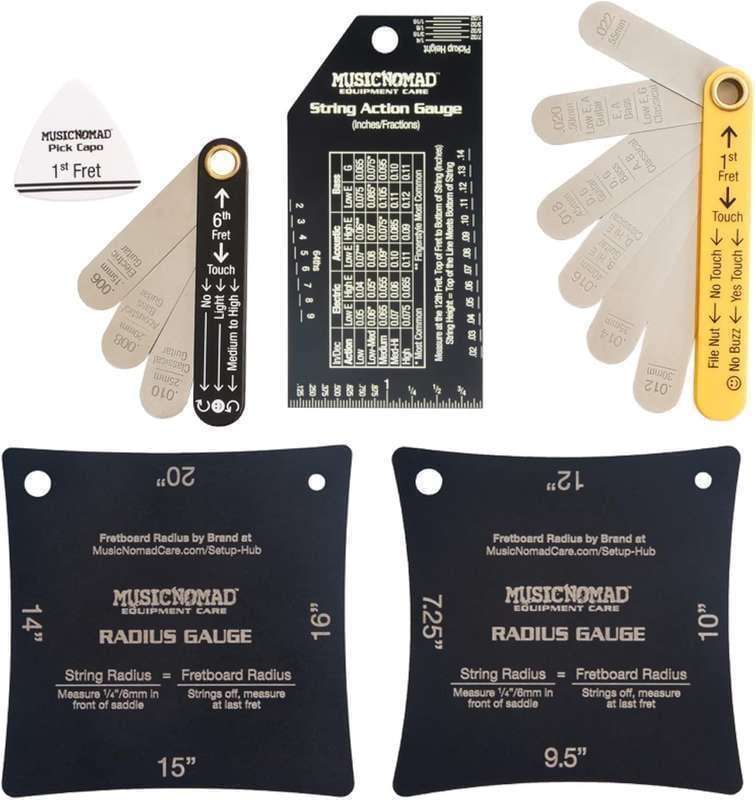
Tools for Checking a Used Guitar
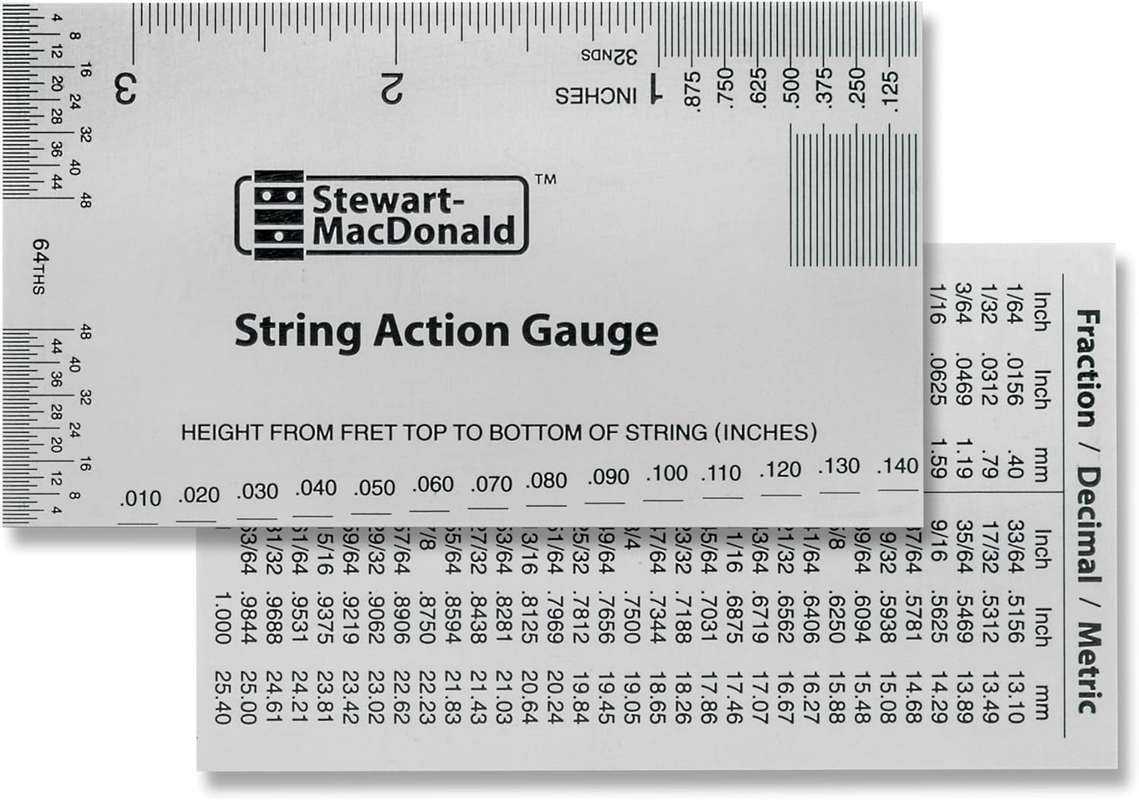
 Buy on Amazon

Your Protection Depends on Where You Buy
Where you buy matters as much as what you buy. Here is the general picture. Platform rules change, so check the current terms before you pay.
| Where you buy | What usually protects you | What to watch |
|---|---|---|
| Guitar shop (in person) | Shop returns policy; in the UK, faulty goods rights | Ex-demo and "new old stock" ages |
| Guitar shop (online) | In the UK, usually a 14-day right to cancel, plus faulty goods rights | Return shipping costs |
| eBay | eBay's money back guarantee for items not as described | Collection-only listings, payment outside eBay |
| Reverb | Reverb's buyer protection for items not as described | Pay through Reverb only |
| Facebook Marketplace or local listings | Very little; pay on collection after checking | Deposits, "courier" offers, bank transfers |
Two rules hold everywhere. Pay through the platform or with a method that has buyer protection. And never pay a deposit or a bank transfer for a guitar you have not seen, however good the January deal looks.
A private seller in the UK does not have to accept returns, but the guitar must be as described. That is one more reason to get the serial and the listing to agree before you pay.
The First Week With Your Used Guitar
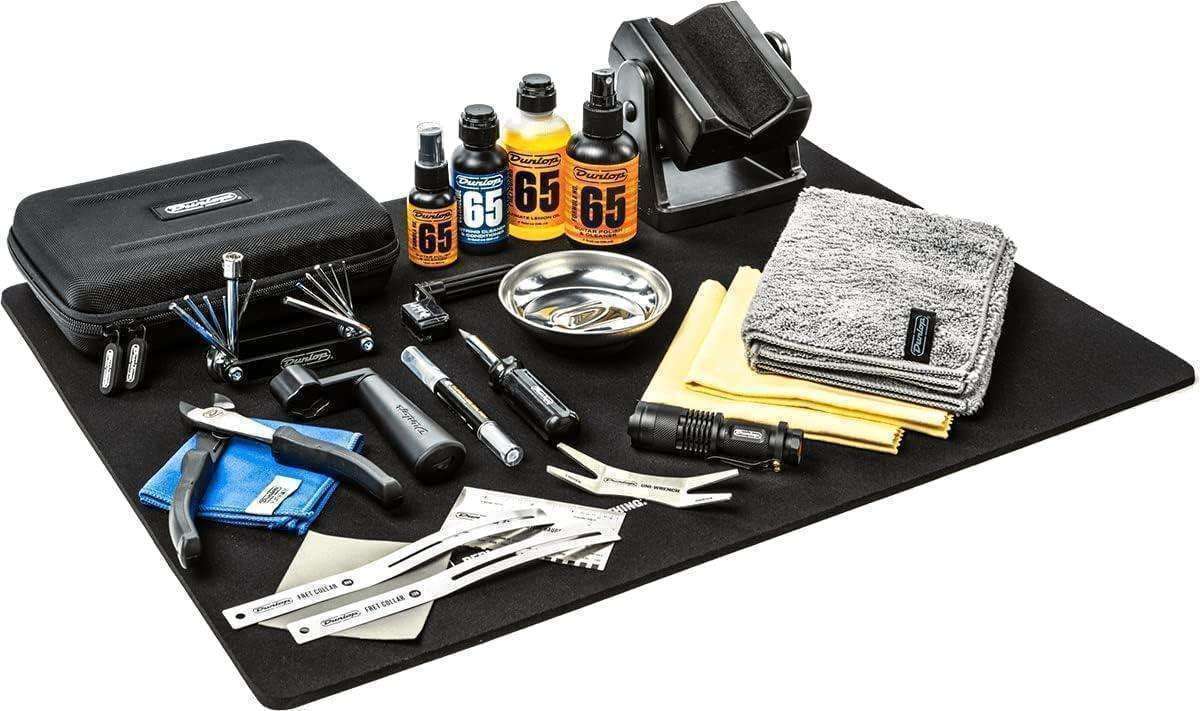
New strings and a clean-up make almost any used guitar feel better. Change the strings, clean the fretboard and frets, and wipe down the body. Then check the string height and relief, and set the intonation. If you prefer a shop setup, book early: January is a busy month for repairs.
Fresh Strings and a Clean-Up
FAQ
Where is the serial number on a guitar?
On most Fenders and Squiers it is on the back of the headstock or on the neck plate. Gibson and Epiphone put it on the back of the headstock. Many acoustics have it on a label inside the soundhole or stamped on the neck block.
Can a serial number tell me if a guitar is fake?
It can rule a guitar out, but it cannot prove it is genuine. If the decoded year, country or series does not match the guitar, ask questions. If it does match, check the logo, headstock, hardware and finish as well, because a real serial can be copied onto a fake.
Is January a good time to buy a used guitar?
Often, yes. Unwanted Christmas gifts and upgrades bring a lot of starter and mid-range guitars onto the market, and shops discount used and ex-demo stock. The catch is that good listings go fast, so have your checks ready.
How do I know if a used guitar is a fair price?
Compare it with recent sold listings for the same model, country and similar year, not asking prices. For a second opinion, the Guitar Valuation Report gives a low, mid and high estimate from the details you enter.
Should I buy a used guitar without seeing it?
You can, if you buy through a platform with buyer protection, get clear photos of the serial and headstock, and check everything the day it arrives. Avoid paying deposits or bank transfers to private sellers you have not met.
What if the serial number doesn't match the listing?
Ask the seller to explain. An honest mistake, such as the wrong year in the title, is common. A different country of manufacture or the wrong brand spelling is more serious. If the answer does not add up, walk away.
Is an unplayed Christmas gift guitar worth more?
It is in better condition, which helps, but it is still a used guitar. Expect to pay noticeably less than the current new price. If the seller has the receipt, ask to see it, because it confirms the date and shop.
Do I need a setup after buying a used guitar?
Usually. The last owner's setup may not suit you, and the strings are often old. At the very least, change the strings and check the string height and intonation.
What is a parts guitar?
A guitar built from parts that did not leave the factory together, such as a genuine neck on a different body. Parts guitars can play well, but they should be priced lower than an all-original guitar of the same model.
What does the Guitar History Report include?
When and where the guitar was made, what was happening at the factory in that era, and the specs for that model year, as a PDF. It does not include a valuation.
Check the Serial, Then Enjoy the Bargain
January is one of the best times of year to find a used guitar, and the serial number is the quickest way to sort the real bargains from the risky ones. Get a clear photo, run it through the serial number lookup, check that it matches the listing, compare sold prices, and pay with protection. When the guitar arrives, give it new strings and a setup, and it will play the way it should.
If you want a number before you negotiate, the Guitar Valuation Report gives you a range to work from.