The E prefix on a Fender serial number points straight to the 1980s. The digit that follows it tells you the exact year. Fender E-Series Serial Numbers: 1980s Dating & Value Guide Fender E-series serial numbers are the fastest way to place a 1980s Fender in the right year, factory, and market bracket. If your serial starts with the letter E followed by a single digit, you are looking at an…
Keep Reading →
The Fender Player Series is the modern gateway to real Fender tone. Used prices depend on which generation you own, where it was made, and how original it remains. Fender Player Series Value Guide: Player, Player Plus & Player II Worth Fender Player Series value sits at the center of the used electric guitar market in 2026. These are the instruments most players buy first, sell first, and compare…
Keep Reading →
The headstock decal and serial prefix are the two fastest clues to a Fender Japan guitar's era, build quality, and current market value. Fender Japan Value Guide: What Your MIJ or CIJ Guitar Is Worth Fender Japan guitars range from affordable players to serious vintage collectibles. Whether you own a 1982 JV Stratocaster, a 1997 Crafted in Japan Telecaster, or a modern JD-prefix Dyna Gakki model…
Keep Reading →
The Fender American Standard line was the flagship USA production series from 1986 through 2016. Value depends heavily on year, condition, originality, and whether it still has its original case and paperwork. Fender American Standard Value Guide: 1980s-2010s Strat & Tele Prices The Fender American Standard line is one of the most dependable used-market bets in the guitar world. Built in Corona…
Keep Reading →
The Fender American Professional line sits at the heart of the modern USA catalog, and its used market is one of the busiest corners of the Fender resale world. Fender American Professional Value Guide: Used Prices & Market Outlook The Fender American Professional series is the workhorse line of modern Fender USA guitars. Introduced in 2016 as the replacement for the long-running American Standard…
Keep Reading →
The Fender Stratocaster is one of the most recognizable electric guitars ever made, and it is also one of the most traded. If you are trying to figure out how much a Stratocaster is worth, the answer depends on when it was built, where it was built, what condition it is in, and how original it remains. A vintage pre-CBS Stratocaster can command a price that dwarfs a new car, while a well-used…
Keep Reading →
Browse all Yamaha guitar resources for serial identification, setup and strings.
Yamaha builds some of the best value guitars in both electric and acoustic lines — the right strings make them sing. Best Strings for Yamaha Guitars: Pacifica, FG800 & More (2026) Yamaha guitars are the quiet overachievers of the guitar world — the Pacifica is arguably the best budget electric ever made, and the FG…
Keep Reading →
A used guitar is a great buy — if you check the serial, the condition, and the setup before you pay. Used Guitar Buying Checklist: What to Check Before You Buy (UK) Buying a used guitar in the UK is a five-minute checklist away from being either a bargain or a money pit. The secondhand market moves through Gumtree, Facebook Marketplace and Reverb UK at speed, and most of the guitars being sold…
Keep Reading →
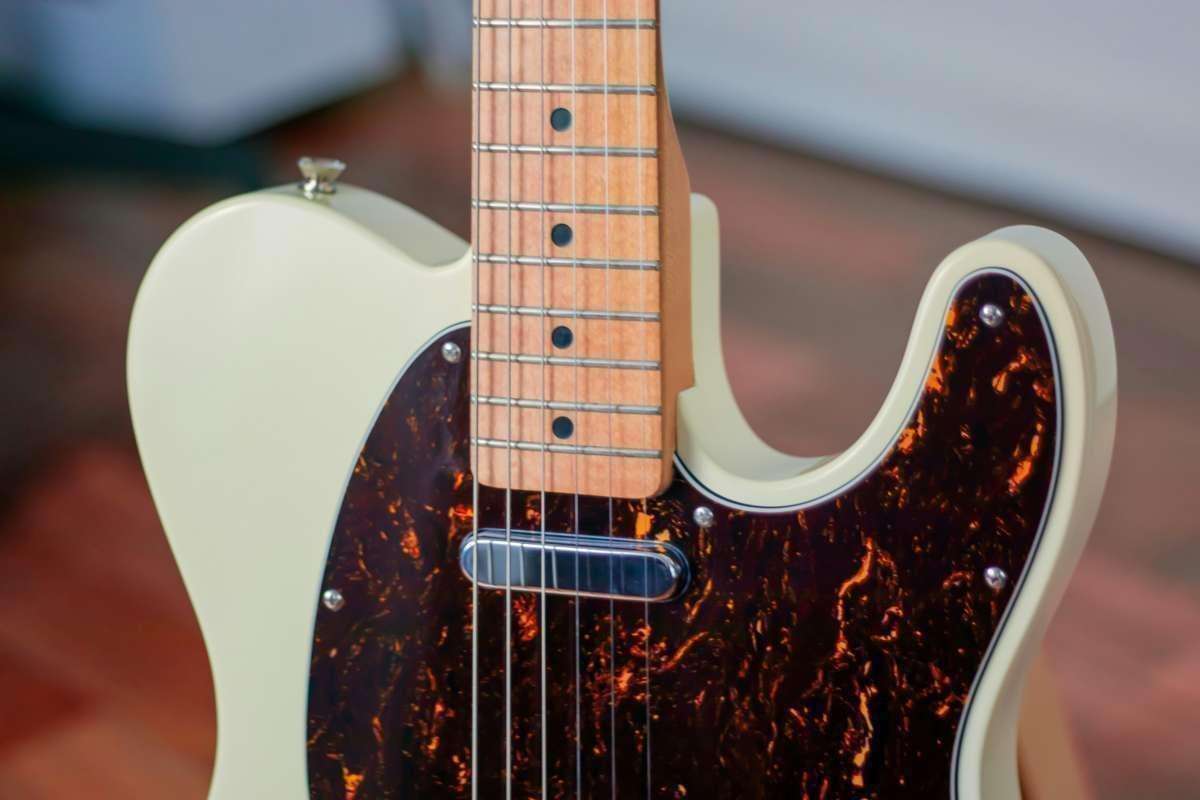
Where the serial lives: usually the back of the headstock on a Stratocaster or Telecaster. Fender Serial Number Lookup UK: Date Any Fender or Squier A Fender serial number lookup is the single fastest way to know what you are actually holding — how old the guitar is, where it was built, and whether the price tag makes sense. In the UK secondhand market, where Gumtree, Facebook Marketplace and…
Keep Reading →
What's Next? Identify your LTD hardware and choose a useful next step: LTD Setup Guide — Researched model examples, measurements and bridge-specific checks Setup Specs Lookup — Check supported models and setup starting points Guitar Action Height Guide — Dial in perfect string height Truss Rod Adjustment Guide — Safe neck relief adjustment My Gear Garage — Track your collection and maintenance…
Keep Reading →
Getting the pickup height right is the cheapest tone upgrade a guitar owner can make — and it's usually the most overlooked. Too close to the strings and the pickups wander into magnetic-pull territory: harsh highs, choking bass strings, weak sustain. Too far away and the tone turns thin and weak, the output drops, and the pickup loses the warmth it's capable of. This free pickup height calculator…
Keep Reading →
Set your PRS's pickups to the ideal gap. The tool below gives you the verified bass/treble target for PRS humbuckers or the Silver Sky's single coils, then turns your current measurement into a concrete raise/lower adjustment. Quick answer: PRS humbuckers sit at roughly 2.8mm (7/64") bass / 2.0mm (5/64") treble for both neck and bridge — and PRS says do not adjust the pole screws. The Silver Sky's…
Keep Reading →
Browse all PRS guitar resources for serial identification, setup and strings. Quick Answer: The best strings for most PRS guitars are Ernie Ball Regular Slinky (.010–.046) or D'Addario NYXL (.010–.046). PRS ships its electrics with .010–.046 sets, and the trem geometry is tuned around that tension. The 25" scale length sits between Fender (25.5") and Gibson (24.75"), so 10s feel balanced — a touch…
Keep Reading →
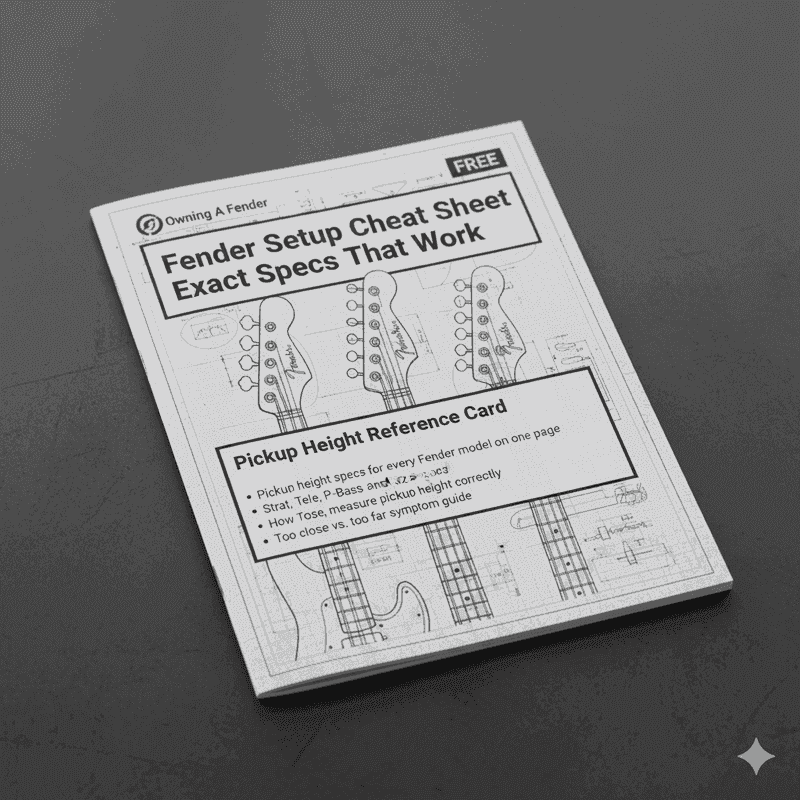
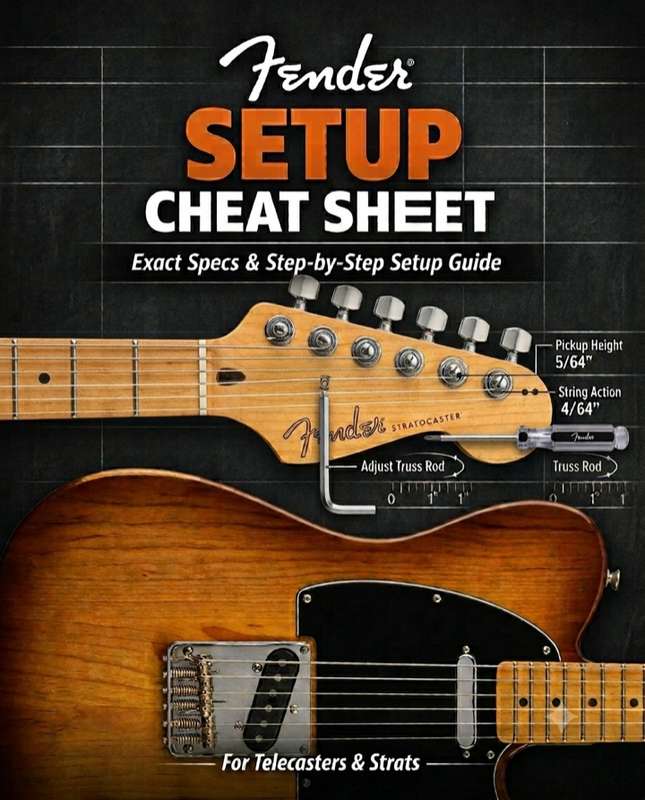
Set your Fender's pickups to the ideal gap — the tool below gives you the verified bass/treble target for your Strat, Tele, Jazzmaster, Jaguar or Precision Bass, then turns your current measurement into a concrete raise/lower adjustment. Quick answer: Fender single-coil pickups typically sit around 2.0mm (5/64") bass / 1.6mm (4/64") treble at the bridge, with the neck pickup slightly higher. Wide…
Keep Reading →
Best Home Practice Amp: Quiet Bedroom Tone Without Sacrificing Sound Let's be honest: the best home practice amp isn't the loudest one on the shelf. It's the one that sounds genuinely great at the volumes you can actually use — 2 a.m., neighbours on the other side of the wall, a partner trying to sleep. If your amp only starts to sing when the neighbours start to knock, you're not practicing, you…
Keep Reading →
Use this Fender bass and offset setup planner to find setup references for your model and work through the adjustments in a sensible order. Search the model, check its scale length, radius, relief and action references, then use the checkable plan for Fender basses and offset-style guitars. The planner labels Fender’s published bass starting points and asks which pickup family is installed before…
Keep Reading →
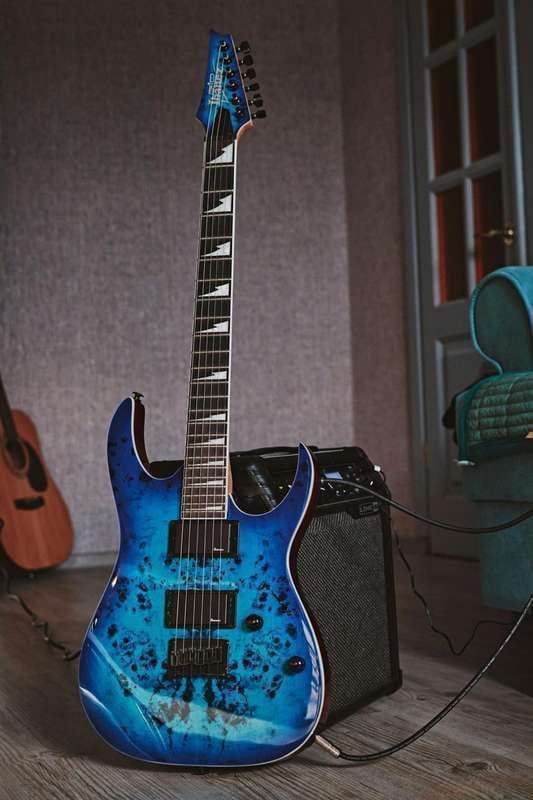
Ibanez Setup Guide: Action, Tremolo & Relief Specs Last updated: August 14, 2026. Specs and steps verified for current RG, S, JEM, and AZ models, including Edge and Gotoh T1502 floating trems. Photo by Slava L on Unsplash Ibanez guitars are built for speed: thin Wizard necks, flat fretboards, and floating tremolos that are among the best in the business when set up right. But that same hardware…
Keep Reading →
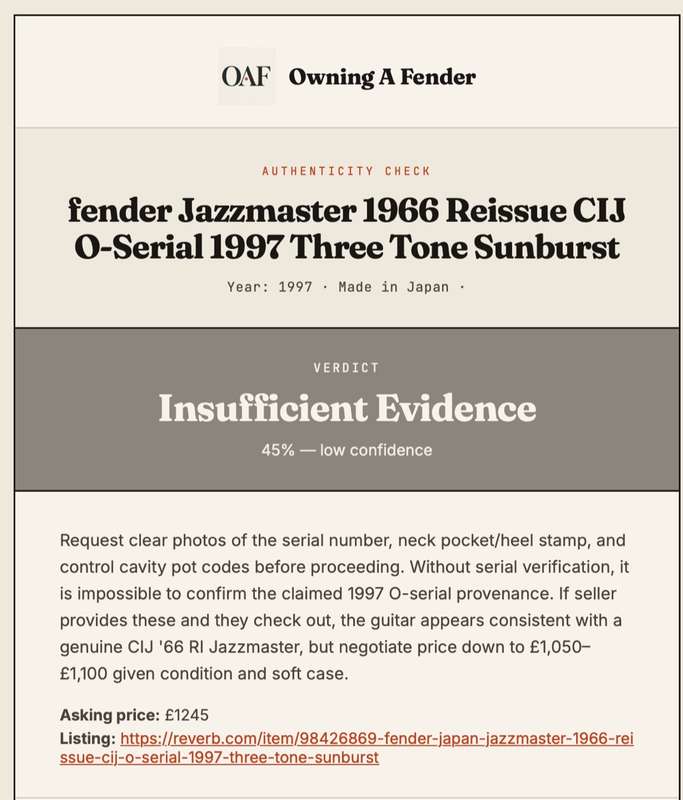
The free authenticity quick-check above helps you spot a fake Fender, Gibson, Squier, or Epiphone before money changes hands. Pick the brand, answer each red-flag question honestly — "not sure" never counts against the guitar — and you'll get a clear risk band in about two minutes. No email required, no signup. Just a straight answer on whether the deal in front of you deserves a closer look. How…
Keep Reading →
The free Squier authenticity quick-check above runs the red-flag checklist experienced Squier buyers use — including the Squier/Fender-family details that counterfeits get wrong: logo fonts, headstock shape, hardware, and serial format. Answer each question honestly ("not sure" never counts against the guitar) and you'll get a clear risk band in about two minutes. No email required, no signup…
Keep Reading →
The free Gibson authenticity quick-check above runs the red-flag checklist experienced Gibson buyers use — including the Gibson-specific details that "Chibson" copies get wrong: headstock angle, scarf joints, inlays, serial stamps, and hardware. Answer each question honestly ("not sure" never counts against the guitar) and you'll get a clear risk band in about two minutes. No email required, no…
Keep Reading →